With AI on the boom, DeepFakes have emerged as a tool with a massive potential for abuse. The hyper-realistic imagery of these manipulated videos coupled with the expedited delivery models of social media platforms gives deception, propaganda, and disinformation an entirely new meaning. Hence, raising awareness about DeepFakes and how to accurately flag them has become imperative. However, given differences in human cognition and perception, this is not straightforward. In this paper, we perform an investigative user study and also analyze existing AI detection algorithms from the literature to demystify the unknowns that are at play behind the scenes when detecting DeepFakes. Based on our findings, we design a customized training program to improve detection and evaluate on a treatment group of low-literate population, which is most vulnerable to DeepFakes. Our results suggest that, while DeepFakes are becoming imperceptible, contextualized education and training can help raise awareness and improve detection.
Given the potential misuse of recent advances in synthetic text generation by language models (LMs), it is important to have the capacity to attribute authorship of synthetic text. While stylometric organic (i.e., human written) authorship attribution has been quite successful, it is unclear whether similar approaches can be used to attribute a synthetic text to its source LM. We address this question with the key insight that synthetic texts carry subtle distinguishing marks inherited from their source LM and that these marks can be leveraged by machine learning (ML) algorithms for attribution. We propose and test several ML-based attribution methods. Our best attributor built using a fine-tuned version of XLNet (XLNet-FT) consistently achieves excellent accuracy scores (91% to near perfect 98%) in terms of attributing the parent pre-trained LM behind a synthetic text. Our experiments show promising results across a range of experiments where the synthetic text may be generated using pre-trained LMs, fine-tuned LMs, or by varying text generation parameters.
 Muhammad Fareed Zaffar合作论文数Syed Babar Ali School of Science and Engineering, Lahore University of Management Sciences2
 Faizan Ahmed合作论文数1Shaoor Munir合作论文数1Hira Jamshed合作论文数Lahore University of Managements Sciences, Pakistan1Mubashir Anwar合作论文数Lahore University of Managements Sciences, Pakistan1
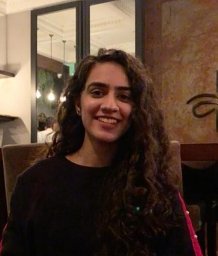 Mahnoor Jameel合作论文数Lahore University of Managements Sciences, Pakistan1
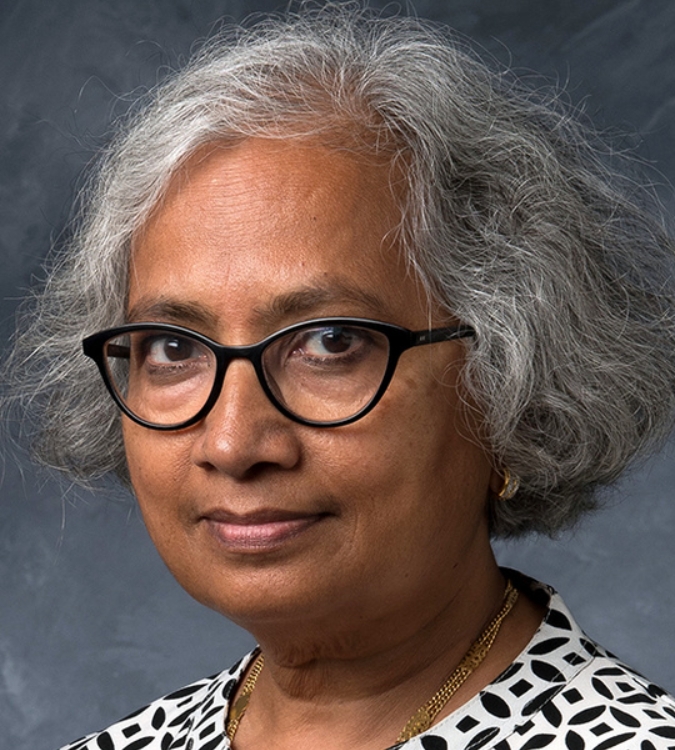 Padmini Srinivasan合作论文数Department of Computer Science, College of Liberal Arts and Sciences, University of Iowa1
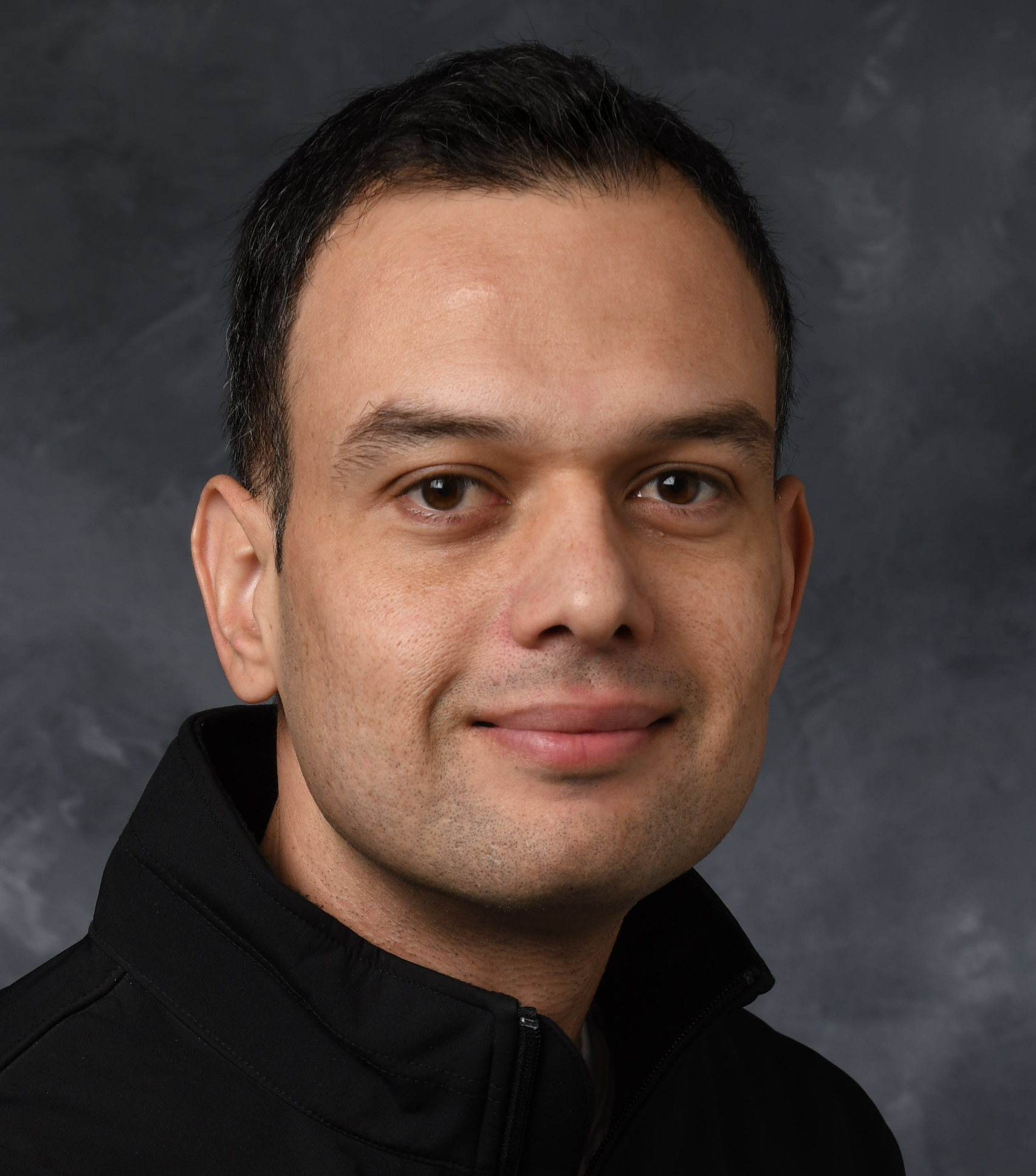 Zubair Shafiq合作论文数Department of Computer Science, University of California, Davis;The University of Iowa1
 Muhammad Adeel Zaffar合作论文数at Charlotte, The University of North Carolina1Rashid Tahir合作论文数University of Prince Mugrin1




