Soil microbial communities play a crucial role in ecosystem functioning, but it is unknown how co-occurrence networks within these communities respond to disturbances such as climate extremes. This represents an important knowledge gap because changes in microbial networks could have implications for their functioning and vulnerability to future disturbances. Here, we show in grassland mesocosms that drought promotes destabilising properties in soil bacterial, but not fungal, co-occurrence networks, and that changes in bacterial communities link more strongly to soil functioning during recovery than do changes in fungal communities. Moreover, we reveal that drought has a prolonged effect on bacterial communities and their co-occurrence networks via changes in vegetation composition and resultant reductions in soil moisture. Our results provide new insight in the mechanisms through which drought alters soil microbial communities with potential long-term consequences, including future plant community composition and the ability of aboveground and belowground communities to withstand future disturbances.
OTU tables and metadata for De Vries et al. 2018. See the paper for detailed description of experimental set up.
Soil organisms have an important role in aboveground community dynamics and ecosystem functioning in terrestrial ecosystems. However, most studies have considered soil biota as a black box or focussed on specific groups, whereas little is known about entire soil networks. Here we show that during the course of nature restoration on abandoned arable land a compositional shift in soil biota, preceded by tightening of the belowground networks, corresponds with enhanced efficiency of carbon uptake. In mid- and long-term abandoned field soil, carbon uptake by fungi increases without an increase in fungal biomass or shift in bacterial-to-fungal ratio. The implication of our findings is that during nature restoration the efficiency of nutrient cycling and carbon uptake can increase by a shift in fungal composition and/or fungal activity. Therefore, we propose that relationships between soil food web structure and carbon cycling in soils need to be reconsidered.
ABSTRACT Environmental factors relating to soil pH are important regulators of bacterial taxonomic biodiversity, yet it remains unclear if such drivers affect community functional potential. To address this, we applied whole-genome metagenomics to eight geographically distributed soils at opposing ends of a landscape soil pH gradient (where “low-pH” is ~pH 4.3 and “high-pH” is ~pH 8.3) and evaluated functional differences with respect to functionally annotated genes. First, differences in taxonomic and functional diversity between the two pH categories were assessed with respect to alpha diversity (mean sample richness) and gamma diversity (total richness pooled for each pH category). Low-pH soils, also exhibiting higher organic matter and moisture, consistently had lower taxonomic alpha and gamma diversity, but this was not apparent in assessments of functional alpha and gamma diversity. However, coherent changes in the relative abundances of annotated genes between low- and high-pH soils were identified; with strong multivariate clustering of samples according to pH independent of geography. Assessment of indicator genes revealed that the acidic organic-rich soils possessed a greater abundance of cation efflux pumps, C and N direct fixation systems, and fermentation pathways, indicating adaptations to both acidity and anaerobiosis. Conversely, high-pH soils possessed more direct transporter-mediated mechanisms for organic C and N substrate acquisition. These findings highlight the distinctive physiological adaptations required for bacteria to survive in soils of various nutrient availability and edaphic conditions and more generally indicate that bacterial functional versatility with respect to functional gene annotations may not be constrained by taxonomy. IMPORTANCE Over a set of soil samples spanning Britain, the widely reported reductions in bacterial taxonomic richness at low pH were found not to be accompanied by significant reductions in the richness of functional genes. However, consistent changes in the abundance of related functional genes were observed, characteristic of differential ecological and nutrient acquisition strategies between high-pH mineral soils and low-pH organic anaerobic soils. Our assessment at opposing ends of a soil gradient encapsulates the limits of functional diversity in temperate climates and identifies key pathways that may serve as indicators for soil element cycling and C storage processes in other soil systems. To this end, we make available a data set identifying functional indicators of the different soils; as well as raw sequences, which given the geographic scale of our sampling should be of value in future studies assessing novel genetic diversity of a wide range of soil functional attributes.
The weathering of silicate in the world's critical-zone (rock-soil interface) is a natural mechanism providing a feedback on atmospheric CO2 concentrations through the carbonate-silicate cycle. We examined culturable bacterial communities from a critical-zone in western Iceland to determine the optimum growth temperature and their ability to solubilize phosphate-containing minerals, which are abundant within the critical-zone area examined here. The majority of isolated bacteria were able to solubilize mineral-state phosphate. Almost all bacterial isolates were mesophilic (growth optima of 20–45°C), despite critical-zone temperatures that were continuously below 15°C, although all isolates could grow at temperatures associated with the critical-zone (−2.8–13.1°C). Only three isolates were shown to have thermal optima for growth that were within temperatures experienced at the critical-zone. These findings show that the bacteria that inhabit the western Icelandic critical-zone have temperature growth optima suboptimally adapted to their environment, implying that other adaptations may be more important for their long-term persistance in this environment. Moreover, our study showed that the cold basaltic critical-zone is a region of active phosphate mineral-weathering.
Recent research has highlighted strong correlations between soil edaphic parameters and bacterial biodiversity. Here we seek to explore these relationships across the European Union member states with respect to mapping bacterial biodiversity at the continental scale. As part of the EU FP7 EcoFINDERs project, bacterial communities from 76 soil samples taken across Europe were assessed from eleven countries encompassing Arctic to Southern Mediterranean climes, representing a diverse range of soil types and land uses (grassland, forest and arable land). We found predictable relationships between community biodiversity (ordination site scores) and land use factors as well as soil properties such as pH. Based on the modelled relationship between soil pH and bacterial biodiversity found for the surveyed soils, we were able to predict biodiversity in 1000 soils for which soil pH data had been collected as part of national scale monitoring. We then performed interpolative mapping utilising existing EU wide soil pH data to present the first map of bacterial biodiversity across the EU member states. The predictive accuracy of the map was assessed again using the national scale data, but this time contrasting the EU wide spatial predictions with point data on bacterial communities. Generally the maps were useful at predicting broad extremes of biodiversity reflective of low or high pH soils, though predictive accuracy was limited for Britain particularly for organic/acidic soil communities. Spatial accuracy could however be increased by utilising published maps of soil pH calculated using geostatistical approaches at both global and national scales. These findings will contribute to wider efforts to predict and understand the spatial distribution of soil biodiversity at global scales. Further work should focus on enhancing the predictive power of such maps, by harmonising global datasets on soil conditioning parameters, soil properties and biodiversity; and the continued efforts to advance the geostatistical modelling of specific components of soil biodiversity at local to global scales. (C) 2015 Published by Elsevier B.V.
Soils provide many ecosystem services that are ultimately dependent on the local diversity and below ground abundance of organisms. Soil biodiversity is affected negatively by many threats and there is a perceived policy requirement for the effective biological monitoring of soils at the European level. The aim of this study was to evaluate and recommend policy relevant, cost-effective soil biological indicators for biodiversity and ecosystem function across Europe. A total of 18 potential indicators were selected using a logical-sieve based approach. This paper considers the use of indicators from the 'top down' (i.e. concerned with the process of indicator selection), rather than from the 'bottom up' detail of how individual indicators perform at specific sites and with specific treatments. The indicators assessed a range of microbial, faunal and functional attributes, newer nucleic acids based techniques, morphological approaches and process based measurements. They were tested at 6 European experimental sites already in operation and chosen according to land-use, climatic zone and differences in land management intensity. These were 4 arable sites, one each in Atlantic, Continental, Mediterranean and Pannonian climate zones, and 2 grassland sites, one each in Atlantic and Continental zones. At each site we sampled three replicated plots of contrasting management intensity and, while the treatments varied from site to site, their disturbance effects were quantified in terms of land use intensity. The field sampling and laboratory analysis were standardised through a combination of ISO protocols, or standard operating procedures if the former were not available. Sites were sampled twice, in autumn 2012 and spring or autumn 2013, with relative costs of the different indicators being determined each time. A breakdown of the cost effectiveness of the indicators showed the expected trade-off between effort required in the field and effort required in the laboratory. All the indicators were able to differentiate between the sites but, as no single indicator was sensitive to all the differences in land use intensity, we suggest that an indicator programme should be based upon a suite of different indicators. For monitoring under the European climatic zones and land uses of this study, indicators for ecosystem functions related to the services of water regulation, C-sequestration and nutrient provision would include a minimum suite of: earthworms; functional genes; and bait lamina. For effective monitoring of biodiversity all taxonomic groups would need to be addressed. (C) 2016 Elsevier Ltd. All rights reserved.
Historically, slow decomposition rates have resulted in the accumulation of large amounts of carbon in northern peatlands. Both climate warming and vegetation change can alter rates of decomposition, and hence affect rates of atmospheric CO 2 exchange, with consequences for climate change feedbacks. Although warming and vegetation change are happening concurrently, little is known about their relative and interactive effects on decomposition processes. To test the effects of warming and vegetation change on decomposition rates, we placed litter of three dominant species ( Calluna vulgaris , Eriophorum vaginatum , Hypnum jutlandicum ) into a peatland field experiment that combined warming with plant functional group removals, and measured mass loss over two years. To identify potential mechanisms behind effects, we also measured nutrient cycling and soil biota. We found that plant functional group removals exerted a stronger control over short‐term litter decomposition than did ~1°C warming, and that the plant removal effect depended on litter species identity. Specifically, rates of litter decomposition were faster when shrubs were removed from the plant community, and these effects were strongest for graminoid and bryophyte litter. Plant functional group removals also had strong effects on soil biota and nutrient cycling associated with decomposition, whereby shrub removal had cascading effects on soil fungal community composition, increased enchytraeid abundance, and increased rates of N mineralization. Our findings demonstrate that, in addition to litter quality, changes in vegetation composition play a significant role in regulating short‐term litter decomposition and belowground communities in peatland, and that these impacts can be greater than moderate warming effects. Our findings, albeit from a relatively short‐term study, highlight the need to consider both vegetation change and its impacts below ground alongside climatic effects when predicting future decomposition rates and carbon storage in peatlands.
Intensive land use practices necessary for providing food and raw materials are known to have a deleterious effect on soil. However, the effects that such practices have on soil microbes are less well understood. To investigate the effects of land use intensification on soil microbial communities we used a combined T-RFLP and pyrosequencing approach to study bacteria, archaea and fungi in spring and autumn at five long term observatories (LTOs) in Europe; each with a particular land use type and contrasting levels of intensification (low and high). Generally, due to large gradients in soil variables, both molecular methods revealed that soil microbial communities were structured according to differences in soil conditions between the LTOs, more so than land use intensity. Moreover, variance partitioning analysis also showed that soil properties better explained the differences in microbial communities than land use intensity effects. Predictable responses in dominant bacterial, archaeal and fungal taxa to edaphic conditions (e.g. soil pH and resource availability) were apparent between the LTOs. Some effects of land use intensification at individual field sites were observed. However, these effects were manifest when land use change affected soil conditions. Uniquely, this study details the responses of different microbial groups to soil type and land use intensification, and their relative importance across a range of European field sites. These findings reinforce our understanding of drivers impacting soil microbial community structure at both field and larger geographic scales.
Plant diversity strongly influences ecosystem functions and services, such as soil carbon storage. However, the mechanisms underlying the positive plant diversity effects on soil carbon storage are poorly understood. We explored this relationship using long-term data from a grassland biodiversity experiment (The Jena Experiment) and radiocarbon ( 14 C) modelling. Here we show that higher plant diversity increases rhizosphere carbon inputs into the microbial community resulting in both increased microbial activity and carbon storage. Increases in soil carbon were related to the enhanced accumulation of recently fixed carbon in high-diversity plots, while plant diversity had less pronounced effects on the decomposition rate of existing carbon. The present study shows that elevated carbon storage at high plant diversity is a direct function of the soil microbial community, indicating that the increase in carbon storage is mainly limited by the integration of new carbon into soil and less by the decomposition of existing soil carbon.
Using a pulse chase (13)CO2 plant labeling experiment we compared the flow of plant carbon into macromolecular fractions of rhizosphere soil microorganisms. Time dependent (13)C dilution patterns in microbial cellular fractions were used to calculate their turnover time. The turnover times of microbial biomolecules were found to vary: microbial RNA (19 h) and DNA (30 h) turned over fastest followed by chloroform fumigation extraction-derived soluble cell lysis products (14 days), while phospholipid fatty acids (PLFAs) had the slowest turnover (42 days). PLFA/NLFA (13)C analyses suggest that both mutualistic arbuscular mycorrhizal and saprophytic fungi are dominant in initial plant carbon uptake. In contrast, high initial (13)C enrichment in RNA hints at bacterial importance in initial C uptake due to the dominance of bacterial derived RNA in total extracts of soil RNA. To explain this discrepancy, we observed low renewal rate of bacterial lipids, which may therefore bias lipid fatty acid based interpretations of the role of bacteria in soil microbial food webs. Based on our findings, we question current assumptions regarding plant-microbe carbon flux and suggest that the rhizosphere bacterial contribution to plant assimilate uptake could be higher. This highlights the need for more detailed quantitative investigations with nucleic acid biomarkers to further validate these findings.
Soil carbon (C) storage is dependent upon the complex dynamics of fresh and native organic matter cycling, which are regulated by plant and soil-microbial activities. A fundamental challenge exists to link microbial biodiversity with plant-soil C cycling processes to elucidate the underlying mechanisms regulating soil carbon. To address this, we contrasted vegetated grassland soils with bare soils, which had been plant-free for 3 years, using stable isotope (13C) labeled substrate assays and molecular analyses of bacterial communities. Vegetated soils had higher C and N contents, biomass, and substrate-specific respiration rates. Conversely, following substrate addition unlabeled, native soil C cycling was accelerated in bare soil and retarded in vegetated soil; indicative of differential priming effects. Functional differences were reflected in bacterial biodiversity with Alphaproteobacteria and Acidobacteria dominating vegetated and bare soils, respectively. Significant isotopic enrichment of soil RNA was found after substrate addition and rates varied according to substrate type. However, assimilation was independent of plant presence which, in contrast to large differences in 13CO2 respiration rates, indicated greater substrate C use efficiency in bare, Acidobacteria-dominated soils. Stable isotope probing (SIP) revealed most community members had utilized substrates with little evidence for competitive outgrowth of sub-populations. Our findings support theories on how plant-mediated soil resource availability affects the turnover of different pools of soil carbon, and we further identify a potential role of soil microbial biodiversity. Specifically we conclude that emerging theories on the life histories of dominant soil taxa can be invoked to explain changes in soil carbon cycling linked to resource availability, and that there is a strong case for considering microbial biodiversity in future studies investigating the turnover of different pools of soil carbon.
In the first comprehensive geographical survey of distribution in Great Britain, Mycobacterium avium ssp. paratuberculosis (MAP) was detected in 115 of 1092 (10.5%) soil cores, in the range of 5 × 10(2) to 3 × 10(6) MAP cell equivalents (CE) g(-1) wet weight soil with the majority of the positive PCR reactions (n = 75; 65%) occurring around the limit of detection (500-5000 CE g(-1) wet weight soil). The distribution of MAP significantly increased from North to South and was significantly correlated with increasing cattle numbers over the same longitudinal axis. Similarly MAP occurrence significantly increased towards easterly latitudes although none of the parameters measured were associated. Comparisons of land use indicated that MAP was widely distributed in both farming and non-farming areas. Soil core samples taken from the rivers Wyre and Douglas catchments (Lancashire, UK) and river Tywi (South Wales) were negative for MAP. However, river monitoring showed a consistent presence of MAPs throughout those catchments over a 6-month period. We concluded that MAP is widely distributed within and outside the confines of the farming environment; its geographical distribution is wider than originally anticipated and; monitoring rivers describes the MAP status of catchment better than individual soil samples.
Stephen Summers1,2, Charles S. Cockell3 , Bruce Thomson2 and Andrew S. Whiteley2,4. 1 Geomicrobiology Research Group, DPS, The Open University, Walton Hall, MK7 6AA, UK. 2 Molecular Microbial Ecology Laboratory, Centre for Ecology and Hydrology, Benson Lane Crowmarsh Gifford, OX10 8BB, UK. 3 School of Physics and Astronomy, James Clerk Maxwell Building, University of Edinburgh. EH9 3JZ, United Kingdom. 4 School of Earth and Environment, University of Western Australia, Crawley, Australia.
Soil DNA extraction has become a critical step in describing microbial biodiversity. Historically, ascertaining overarching microbial ecological theories has been hindered as independent studies have used numerous custom and commercial DNA extraction procedures. For that reason, a standardized soil DNA extraction method (ISO-11063) was previously published. However, although this ISO method is suited for molecular tools such as quantitative PCR and community fingerprinting techniques, it has only been optimized for examining soil bacteria. Therefore, the aim of this study was to assess an appropriate soil DNA extraction procedure for examining bacterial, archaeal and fungal diversity in soils of contrasting land-use and physico-chemical properties. Three different procedures were tested: the ISO-11063 standard; a custom procedure (GnS-GII); and a modified ISO procedure (ISOm) which includes a different mechanical lysis step (a FastPrep ®-24 lysis step instead of the recommended bead-beating). The efficacy of each method was first assessed by estimating microbial biomass through total DNA quantification. Then, the abundances and community structure of bacteria, archaea and fungi were determined using real-time PCR and terminal restriction fragment length polymorphism approaches. Results showed that DNA yield was improved with the GnS-GII and ISOm procedures, and fungal community patterns were found to be strongly dependent on the extraction method. The main methodological factor responsible for differences between extraction procedure efficiencies was found to be the soil homogenization step. For integrative studies which aim to examine bacteria, archaea and fungi simultaneously, the ISOm procedure results in higher DNA recovery and better represents microbial communities.
According to the Convention of Biological Diversity (Rio de Janeiro, 1992), biodiversity is the variation in life from genes to species, communities, ecosystems, and landscapes. Soils represent a huge reservoir of biodiversity which varies in terms of taxonomic richness, relative abundance and distribution according to soil types, climatic conditions, vegetation and land uses. The key functions supporting ecosystem services as identified in the Millennium Ecosystem Assessment (MEA, 2005) largely depend upon organisms that inhabit the soil. Thus, the design and implementation of a sustainable soil management strategy requires a better knowledge of soil biodiversity. Against this background, SETAC 6th World Congress/SETAC Europe 22nd Annual Meeting 89 soil biodiversity is subject to various threats. The most serious are caused by anthropogenic activities which can impair soil biodiversity and functioning with negative consequences on ecosystem service delivery, with consequent effects on primary production and soil sustainability. Determining the range of biodiversity and its impact on soil functioning and ecosystem services is therefore a critical challenge which needs to be addressed. This talk will give a short overview, with a specific focus on microbial biodiversity, on national (France, The Netherlands, United Kingdom) and European (EcoFINDERS) initiatives which have been undertaken to assess variations of biodiversity at large spatial scales according to soil and climate types and land uses. The EcoFINDERS (Ecological Function and Biodiversity Indicators in European Soils) project supported by the European Commission was launched in order to gain information on soil biodiversity (including both microorganisms and fauna). This project will result (i) at the scientific level in increasing our knowledge of soil biodiversity and its role in ecosystem services across different soils, climate types and land uses, (ii) at the technological level in the standardization of methods and operating procedures for characterizing soil biodiversity and functioning, and the development of bioindicators, (iii) at the economic level in the assessment of the added value brought by cost-effective bioindicators, and of cost effectiveness of alternative ecosystem service maintenance policies. The management of such large sampling schemes requires the development of platforms allowing the extraction, storage and analysis of the DNA, such as the GenoSol platform (www2.dijon.inra.fr/plateforme_genosol/).
 Robert Iwan Griffiths合作论文数Health Economics Consulting;Flinders Medical Centre;Emory University;The Johns Hopkins University, University of Toronto;The Johns Hopkins University, University of Toronto19
 Mark J Bailey合作论文数NERC Institute of Virology and Environmental Microbiology, Mansfield Road, Oxford OX1 3SR, UK15
 Andrew Whiteley合作论文数Molecular Microbial Ecology Laboratory, Centre for Ecology and Hydrology-Oxford11
 Philippe Lemanceau合作论文数Agroecology Unit, INRAE's Burgundy-Franche-Comte Research Centre8
 Nick Ostle合作论文数Lancaster Environment Centre, Lancaster University8
 Pierre Plassart合作论文数6
 Ashish Malik合作论文数5Gerd Gleixner合作论文数Department Biogeochemical Processes, Max Planck Institute for Biogeochemistry4
 Richard Bardgett合作论文数Department of Earth and Environmental Sciences, School of Natural Sciences, The University of Manchester4
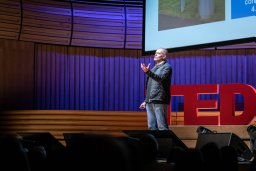 Philip James合作论文数Business Sch, Middlesex Univ4
 Lionel Ranjard合作论文数4
 Marc Buée合作论文数institut national de la recherche agronomique3
 F. T. (Franciska) De Vries合作论文数Department of Ecosystem and Landscape Dynamics, Institute for Biodiversity and Ecosystem Dynamics, Faculty of Science, University of Amsterdam3
 James Prosser合作论文数School of Biological Sciences, University of Aberdeen;Institute of Biological and Environmental Sciences, University of Aberdeen3
 Gweon Hyun S合作论文数Centre for Ecology &, NERC;Hydrology;NERC Centre for Ecology & Hydrology3Dannert Helena合作论文数3
 Graeme W. Nicol合作论文数Inst Biol & Environm Sci, Univ Aberdeen3Aidan M. Keith合作论文数School of Biological Science, University of Aberdeen3
 Niall P McNamara合作论文数UK Centre for Ecology & Hydrology;University of Warwick3
 RE (Rachel) Creamer合作论文数Department of Soil Quality, Wageningen University & Research3Mariangela Girlanda合作论文数Centre of Excellence for Plant and Microbial Biosensing (CEBIOVEM), University of Torino3
 Christophe Mougel合作论文数3
 Anne Winding合作论文数Department of Environmental Chemistry and Microbiology, The National Environmental Research Institute3Aurore Kaisermann合作论文数UMR ISPA, INRAE2
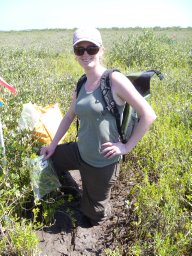 Hayley Craig合作论文数Univ Manchester, Fac Life Sci, Manchester Inst Biotechnol, Manchester M1 7DN, Lancs, England2
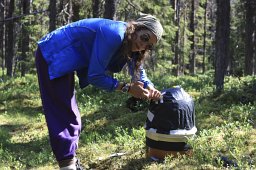 Kelly E Mason合作论文数Lancaster Environm Ctr, Ctr Ecol & Hydrol, Lib Ave, Lancaster LA1 4AP, England2Antonio Bispo合作论文数2Michael Manefield合作论文数School of Civil & Environmental Engineering, Faculty of Engineering, The University of New South Wales2Oliver Anna合作论文数Ctr Ecol & Hydrol, Wallingford OX10 8BB, Oxon, England2
 Rudiger Schmelz合作论文数ECT Oekotoxikologie GmbH;Email: r.schmelz@ect.de.;ECT Oekotoxikologie GmbH2
 Michael Bonkowski合作论文数Department of Terrestrial Ecology, University of Cologne;Institut für Zoologie, Mathematisch-Naturwissenschaftliche Fakultät, University of Cologne2
 Francis M. Martin合作论文数Laboratory of Excellence, France's National Research Institute for Agriculture, Food and Environment;Tree-Microbes Interactions Department, France's National Research Institute for Agriculture, Food and Environment2
 Cecile Thion合作论文数Institute of Biological and Environmental Sciences, University of Aberdeen2
 Uroz Stéphane合作论文数Ctr INRA Nancy, Univ Lorraine2
 Charles Cockell合作论文数School of Physics and Astronomy, University of Edinburgh;Centre for Science at Extreme Conditions, University of Edinburgh2
 Summers Stephen合作论文数Centre for Ecology &Hydrology, Crowmarsh Gifford, UK;Department of Physical Sciences, The Open University;Centre for Ecology & Hydrology, The Open University2
 Hannula Silja Emilia合作论文数Department of Microbial Ecology, Netherlands Institute of Ecology2
 Olaf Schmidt合作论文数School of Agriculture and Food Science, University College Dublin2
 Laurent Philippot合作论文数INRAE2
 Michiel Rutgers合作论文数2
 Tillmann Lueders合作论文数Max-Planck-Institut für terrestrische Mikrobiologie, Karl-von-Frisch-Straße, D-35043 Marburg, Germany2
 Johannes A. Van Veen合作论文数2Emilie Tisserant合作论文数2
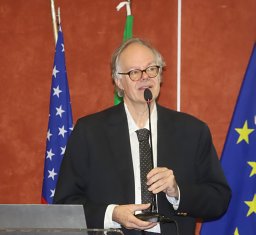 Christian Mulder合作论文数Laboratory for Ecological Risk Assessment, National Institute of Public Health and the Environment (RIVM),2
 Sara Hallin合作论文数Department of Forest Mycology and Plant Pathology, Swedish University of Agricultural Sciences2
 Erica Lumini合作论文数Sezione di Microbiologia Applicata, Università degli Studi di Firenze2
 Jack H. Faber合作论文数Alterra, Wageningen University and Research Centre2
 Simon Oakley合作论文数2
 Abad Chabbi合作论文数BIOEMCO, CNRS-INRA-Université Paris VI2




