This study aimed to determine elite and poor performance for each offensive and defensive position group on every physical test performed at the NFL Scouting Combine Descriptive statistics were calculated as well as independent samples t-tests for the 15 position groups relative to their performance in the NFL Scouting Combine tests, including: (a) 40-yard Dash, (b) Vertical Jump, (c) Bench Press, (d) Broad Jump, (e) Three-cone Drill, and (f) Shuttle Run. Each player's height and weight were also analyzed. The 15 position groups include Quarterbacks (n = 206), Fullbacks (n = 64), Running Backs (n = 314), Wide Receivers (n = 501), Tight Ends (n = 187), Offensive Tackles (n = 279), Guards (n = 198), Centers (n = 99), Cornerbacks (n = 374), Free Safeties (n = 132), Strong Safeties (n = 129), Outside Linebackers (n = 273), Inside Linebackers (n = 162), Defensive Ends (n = 280), and Defensive Tackles (n = 273). For each of the 15 position groups, there was at least one NFL Scouting Combine test result that had a statistically significant difference at the p < .05 or p < .001 level when comparing players who averaged playing in at least 10 games per season versus those that played in less than 10 games. The results of this study provide knowledge of which physical test is essential for each offensive and defensive position and can be helpful for those charged with making player personnel decisions in NFL organizations.
There is little evidence that coach developers have put research on coach education programs (CEPs) to use. Thus, the purpose of this study was to conduct a principles-focused evaluation of a CEP. Principles-focused evaluation posits an evaluation should be judged by whether it produces information that is useful to program stakeholders. The evaluation took place over 17 months and included three phases. In Phase 1, the evaluator assessed and built readiness for the evaluation. In Phase 2, the evaluator worked with five practitioners from the CEP to develop a list of principles guiding the program. In Phase 3, the evaluator and CEP practitioners collaboratively designed and implemented an evaluation of the principles. The evaluation findings revealed how the practitioners applied the principles, along with which principles were meaningful to them. These findings were used to make changes to the original list of principles and to teach others in the program about the principles. Moreover, the practitioners underwent changes in thinking and behavior as a result of participating in the evaluation. This study demonstrates the potential of program evaluation, evaluation theories, collaborative inquiry, and renewed focus on how, or if, findings are used by practitioners.
Physical activity (PA) benefits children's cognition, in particular executive functions (EF). Children with Attention Deficit Hyperactivity Disorder (ADHD), Reading Difficulties (RD) and co-occurring ADHD/RD have low levels of PA and difficulties with EF. This study evaluated a PA programme to determine recruitment, attrition, feasibility (e.g. in-school or after-school hours), intensity of PA during the programme and effect sizes. Outcomes evaluated were EF, academic attainment and social and emotional behaviour. Sixty-nine children (35 males) aged 7-13 years participated in a delayed control design. The sample comprised 15 children with RD, 15 with high levels of ADHD symptoms, 15 with co-occurring RD and ADHD symptoms and 24 typically developing children. Thirty-one of the participants took part in a 12 week PA intervention designed to enhance cognition and 38 acted as a control group. The control group subsequently received the intervention and data was combined for analysis. The study was successful in recruiting participants for the intervention; more success was observed for in-school than after-school hours. Participants spent 46% (SD = 14) of the intervention in Moderate-to-Vigorous intensity PA (MVPA). A significant effect of time-point (pre- vs. post-intervention) was found for inhibition and visuospatial working memory (eta(2) = 0.11 and 0.18 respectively). There was no interaction with symptomatology though; all groups had higher scores on EF tasks after the intervention. It is possible to recruit and retain participants with ADHD symptoms and reading difficulties to a school-based PA programme and adherence to measurements was good. Taking part in the programme may improve inhibition and visuospatial working memory and reduce symptomatology suggesting this is a potential source of remediation which should be explored.
Purpose: This study examined the effects of coordinative exercise on children's sustained attention and perceptual discrimination in a school-based physical education (SBPE) setting. Methods: Seventy-three children received an intervention of moderate-to-vigorous intensity coordinative exercise, and 75 children participated in a moderate-to-vigorous intensity physical activity as part of a regular physical education class. Two neuropsychological tests of executive function (EF) were used to assess attention and perceptual discrimination functions before and after each treatment. Results: The results found that coordinative exercise significantly improved the performances on sustained attention and perceptual discrimination, as evidenced by enhanced response accuracy and improved speed of responding. Specifically, higher progressions in task performance were seen following coordinative exercise relative to regular physical activity. Conclusion: These findings suggest that coordinative exercise could enable more robust improvements in sustained attention and perceptual discrimination among children. Overall, we conclude that structured coordinative exercise, implemented in SBPE settings, may be a promising alternative to promote children's cognitive abilities.
The purpose of this study was to determine the (a) dose-response effects of cognitively engaging movement games (CEMGs) designed to improve aerobic capacity, interference control (IC), and academic performance, (b) relationship between intervention-induced improvements in aerobic capacity, IC, and academic performance, and (c) moderation effect of IC on the relationship between aerobic capacity and academic performance in overweight children. Seventy-five overweight children (aged 11.23 +/- 0.60 years; 48% males) participated in this study conducted in Taipei during the 2018/2019 academic year and were randomly assigned to the low-dose (20-min) intervention, high-dose (40-min) intervention, and control groups and completed a Stroop test, half-mile run, and language and mathematics tests before and after a 10-week afterschool program. Both intervention groups showed similar improvements in outcomes of aerobic capacity (ds > 0.80), IC (ds > 0.76), and academic performance (ds > 0.90) from the pretest to posttest, whereas these outcomes were unchanged for the control group. Furthermore, improved IC moderated the association between improvements in aerobic capacity and academic performance. Our findings suggest that CEMG with varying doses is feasible and effective for improving aerobic capacity, IC, and academic performance in overweight children and that the association between improvements in aerobic capacity and academic performance depends on the intervention effects on IC.
Coaching scholarship (CS) sits at the intersection of multiple paradigms and disciplines. Despite the eclectic nature of the field, most scholars operate only within their preferred paradigm, which limits how coaching is conceptualized and practiced. To address this limitation, we used the dialectic stance to analyze bibliometric records of CS produced between 1970 and 2020 from both an interpretivist and poststructuralist perspective. Using Web of Science , we identified 2,522 coaching articles and organized the bibliometric data into a time-ordered matrix representing five decades of CS: (a) number of publications per year, (b) country of origin, (c) institution, (d) journal, (e) author, and (f) most cited articles. Two research groups analyzed the data concurrently and independently using their respective paradigm. Next, the two groups came together to engage in dialogue and discover areas of convergence and divergence. Through the paradigmatic dialogue, the interpretivist research group realized they were operating in a postpositivist paradigm. Nevertheless, both groups determined CS was heavily influenced by Western societies, sport psychology, and the topic of motivation. The postpositivists highlighted evolutionary trends in CS, while the poststructuralists elucidated relations of power, understudied problems, and the consequences of the dominant knowledge produced.
The purpose of this study was to explore physical educators’ perspectives on the barriers to employing technology in physical education instruction. The participants of this study were 253 elementary, middle, and high school physical education teachers who taught in the state of Georgia. The participants completed an online survey that was derived from an extensive review of literature regarding barriers to integrating technology during instruction. The survey used a Likert scale asking participants to respond with a level of agreement and disagreement regarding specific barriers and included an open-ended response asking for additional barriers. Data were analyzed with the use of descriptive statistics and a one-way analysis of variance. This study found that class size, budget, and lack of resources were the main barriers perceived by physical educators, whereas lack of knowledge and lack of skill were not perceived as barriers to employing technology during instruction. Both age and years of experience had a significant main effect on the barriers of lack of knowledge, skill, and training. Additional barriers reported were lack of connectivity, lack of desire, and lack of time. The results of this study explore and highlight the significant barriers to employing technology in physical education instruction. Further research is warranted to support the need for meaningful implementation of technology to make the learning environment more dynamic, customizable, and accessible for both teachers and students.
PURPOSE Learning more about what these sport leaders in executive positions do and the characteristics that help them do their jobs well is a key interest among team administrators, business development personnel, and sport management scholars and students when searching, screening, training, and/or developing effective leadership skills. METHOD In this study, a qualitative research investigation was employed with phenomenological method of inquiry to understand the lived experience of sport business leaders and their perceptions of related organizational outcomes. RESULT Strategic leaders in professional sports have five distinct behavioral functions, including (a) risk taking in event programming and fan engagement growth, (b) competitive action for sales, engagement, and organizational change, (c) transformational and charismatic behaviors to build future sport leaders, (d) vision and mission execution in consumer and stakeholder engagement, and (e) evaluating sponsorships and partnerships for revenue growth and brand visibility. CONCLUSION In relation to organization effectiveness, executive leaders must incorporate a vision, strategy, tactics, and commitment to a healthy organizational culture.
Objective The first aim of this study was to examine changes in freshman college students' health-enhancing physical activity (PA) and body composition across the first semester. Secondly, this study aimed to explore the role of socio-ecological variables on these processes. Methods: A sample of 166 participants (108 females, 58 males, M-age = 18.14[.96]) completed self-report pre-and posttest data on vigorous PA (VPA), moderate-to-vigorous PA (MVPA), and body mass index (BMI). Results: The results showed a statistically significant increase in BMI, but no statistically significant changes in VPA or MVPA. The findings revealed that our socio-ecological model predicted .71, .39, and .92 percent of the end of the year VPA, MVPA, and BMI, respectively. The findings highlighted the positive role of peer support, positive motivation, and university's Recreational Services on measured healthy behaviors. Conclusions: These findings suggest a need to increase college students' VPA.
Effective teaching of SEL skills through PA is dependent upon deliberate and consistent integration into structured PA learning experiences. Structured PA should include a lesson focus, practice of skills, and assessment. The purpose of this paper is to provide practitioners with 1) an overview of SEL, 2) guidance in teaching SEL within PA contexts, and 3) for implementing SEL and PA opportunities in after-school programs (ASPs).
The Coaching Model theorized that coaching consists of three primary components: (a) training, (b) competition, and (c) organization. Unfortunately, researchers’ attention to the organization component has been scant compared with the keen focus given to training and competition. The purpose of this study was to investigate the organizational: (a) structure and (b) roles and responsibilities of an elite-level basketball coaching staff. The study employed a case study approach, utilizing interviews, observations, and artifacts as data sources. Data analysis identified the organizational structure as bureaucratic, or functional, in nature as (a) there was a clear chain of command, (b) roles and responsibilities were assigned based on staff member expertise, and (c) staff members had similar skill sets that allowed for easy communication and role overlap. Organizational roles were “Delegator,” “Recruiter,” and “Promoter.” Results provide insights into the manifestation of the organizational component among a staff, an exemplar of a staff managing the complexity of coaching, and support for the contention that coaching involves more than being the traditional teacher/psychologist.
aaa The COVID-19 pandemic has created many hardships for people all over the globe. During the past 13 months, teachers and schools have been forced to “pivot” and restructure their teaching approaches to accommodate virtual, hybrid—and, eventually, faceto-face teaching/learning with social distancing measures. While no teachers of any subject found this to be an easy task, given the nature of the subject matter content, physical education teachers were chief among those who had the greatest challenges when forced to alter the delivery of their classes. As expected, a calamitous situation like this prompted a group of researchers to investigate the nature of teaching physical education in the age of COVID-19. While there are, perhaps, a number of researchers around the world engaged in this type of scholarship, JTPE was approached by Drs. Erin Centeio and Collin Webster with a proposal for a “Special Issue” featuring a series of studies in which they and many other colleagues were engaged. The incoming Editor-in-Chief, Heather Erwin, and I recognized the timeliness and importance of the topic but were faced with a slight backlog of manuscripts to publish which included a previously accepted “Special Issue” slated to appear in late 2021. After some discussion and brainstorming, the idea of a “Special Series” became a possible solution. To our knowledge, a “Special Series” had not been included in the previous volumes of JTPE, so we created one. This issue is the first of three that will feature two peer-reviewed articles focusing on Research on Teaching Physical Education in the Age of COVID-19. As is the process with a “Special Issue” or a Monograph, Drs. Centeio and Webster served as Guest Associate Editors in addition to soliciting and even authoring some of the manuscripts for the “Special Series.” While the notion of a “Special Series” is not expected to become the norm for JTPE, the gravity of the times dictated that this was the right thing to do. Many thanks to JTPE’s Managing Editor, Crystal Robinson, for helping get this idea off the ground and approved by Human Kinetics. I hope that the JTPE readership will find the “Special Series” an informative and thought-provoking addition to the last three issues of Volume 40.
LaPlaca, DA and McCullick, BA. National Football League scouting combine tests correlated to National Football League player performance. J Strength Cond Res 34(5): 1317-1329, 2020-The National Football League (NFL) Scouting Combine has been used since 1982 to collect performance information on the top-rated NFL prospects including physical test results from the vertical jump, broad jump, 3 cone drill, shuttle run, 40-yd dash, and bench press. The correlation between NFL Scouting Combine test results and NFL player performance is frequently questioned, and thus this study endeavored to identify significant relationships between NFL Scouting Combine test results and NFL player performance indicators for all offensive and defensive positions, including quarterback (n = 107), fullback (n = 31), running back (n = 228), wide receiver (n = 336), tight end (n = 137), offensive tackle (n = 204), guard (n = 128), center (n = 66), cornerback (n = 276), free safety (n = 92), strong safety (n = 96), outside linebacker (n = 215), inside linebacker (n = 116), defensive end (n = 212), and defensive tackle (n = 223). A Spearman rank-order correlation analysis set at a p of <= 0.01 and p of <= 0.05 level of significance indicated that every offensive and defensive positions had at least 1 NFL Scouting Combine test result that correlated with NFL player performance. These results can be useful for those in charge of making player personnel decisions in the NFL, such as general managers, draft analysts, and scouts by helping them select NFL prospects. Furthermore, these results could inform strength and conditioning coaches in preparing athletes to excel in the NFL.
Martial Arts Studies publishes the highest quality academic work on any aspect of martial arts studies. It aspires to stimulate and enrich the development of research and scholarship in martial arts studies by publishing the highest quality interdisciplinary work in the emergent field.
The purpose of this study was to analyze the influence of a 4-week, physical activity-infused social–emotional and character development (SECD) intervention on students’ self-perceptions. Children (N=29) identified as “at risk” (The Great Schools Partnership, 2013) in Grades 2 through 5 who were enrolled in an after-school program participated in the study. A quasi-experimental design was used as children were placed into 2 groups at each after-school program (ASP) site. Data collection included student completion of the Social Emotional Learning Scale (SELS) prior to the intervention and the Social-Emotional Character Development Scale (SECD) pre- and post-intervention. A 2 x 2 repeated measures analysis of covariance (RM-ANCOVA) was used to evaluate main effects and interactions among the independent variables (group and time) on the dependent variable (SECDS). Several covariates were also accounted for when analyzing differences including grade, gender, and students’ baseline trait scores on the SELS. Although no statistical interactions were found, the trend in the data across the groups and grades does provide information for the impact and feasibility of this type of program. More research is needed including interventions with longer duration and studies with larger sample sizes.
However, the current Editors, Associate Editors, and Editorial Board felt it is important to formally recognize her contributions to the field of research in teaching physical education and JTPE, in particular.There is no doubt that Cathy Ennis was an individual committed to rigorously pursuing research questions that sought to determine what curriculum is most effective in enhancing student learning.Cathy's first research article in JTPE appeared in the third issue of the sixth volume (1987), and her most recent contribution was published 30 years later in the second issue of the 36th volume (2017).Very few scholars in any field, let alone ours, can boast a career like hers.She was, arguably, the most productive scholar in our field, and JTPE benefited greatly from her work.We should all be grateful for her contributions.
 Paul Schempp合作论文数25
 Phillip D Tomporowski合作论文数Cognition and Skill Acquisition Laboratory, Department of Kinesiology, Mary Frances Early College of Education, University of Georgia21
 Nilo Cesar Ramos合作论文数5
 Michael Horvat合作论文数5
 karen lux合作论文数4Jeremy M. Elliott合作论文数4Brian S. Berger合作论文数3matthew a grant合作论文数3Tiffany Isaac合作论文数3
 Caitlin Olive合作论文数2University of New Mexico3
 Karen Lux Gaudreault合作论文数2University of New Mexico3
 David A LaPlaca合作论文数Evolve Fitness Strength & Conditioning3
 B. Vickers合作论文数3
 Sara Campbell合作论文数3
 Collin Webster合作论文数Department of Physical Education, University of South Carolina3
 Caterina Pesce合作论文数Department of Education in Sport and Human Motion, University of Rome “Foro Italico”3c murgia合作论文数2Daniel M. Pendleton合作论文数2Jeff White合作论文数2Ilse Mason合作论文数2Josephine N. Booth合作论文数2Chienchih Chou合作论文数2
 Hofmeister Erik H合作论文数College of Veterinary Medicine, University of Georgia2
 Mark Byra合作论文数2
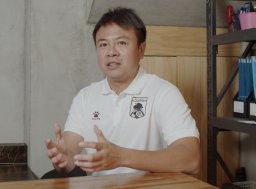 Chun-Hao Wang合作论文数2
 Christopher Anthony Busch合作论文数2Don Belcher合作论文数2Ilse Sannen Mason合作论文数2
 Thomas Baker合作论文数The University of North Carolina at Wilmington2Ron Croce合作论文数1
 Lauren M. Johnson合作论文数1seref cicek合作论文数1Deborah Murray合作论文数1Maria Bowie合作论文数1Jeremy Elliott合作论文数1
 Hao-Lun Fu合作论文数1Troy T Zhao合作论文数1
 Steven K. S. Tan合作论文数1
 Obidiah Atkinson合作论文数Ohio State Univ1
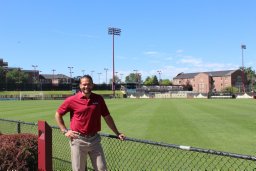 Clayton Kuklick合作论文数Grad Sch Profess Psychol, Univ Denver1Joseph P. Mills合作论文数Grad Sch Profess Psychol, Univ Denver1
 Cheng-Chen Pan合作论文数Special Educ Ctr, Natl Taiwan Normal Univ1jeongae you合作论文数1
 Mike Metzler合作论文数Georgia State Univ1
 Jinhong Jung合作论文数North Carolina Cent Univ1
 Yongju Hwang合作论文数Dept Kinesiol, Univ Georgia1
 Yangyang Deng合作论文数Dept Kinesiol, Univ Georgia1
 Ming Chun Hsueh合作论文数cGraduate Institute of Sport Pedagogy, University of Taipei1




