Research has shown that factors such as teaching confidence and a sense of belonging influence an educator's classroom practice and motivation to remain in the profession. Although professional learning programs focused on CS content and pedagogy abound, opportunities to develop these affective components are often scarce for K-12 teachers. This is particularly true for those who are the sole CS educators at their school or are thrust into CS teaching with minimal preparation. To address this gap in support, we developed a peer mentoring program for high school teachers, featuring one-on-one mentoring focused on goals aligned with the Computer Science Teachers Association (CSTA) Standards for CS Teachers, a monthly community of practice for mentors to enhance their mentoring skills to better support their mentees, and numerous opportunities for community building among all participants. Drawing on four years of experience partnering with three CS teacher communities and analyzing evidence of growth from survey and interview data, we illustrate how we designed a program that fosters the professional development of both mentors and mentees, while incorporating a focus on equitable CS teaching. As more stakeholders create programs to support in-service and pre-service teachers transitioning to CS education, the insights shared in this experience report can provide guidance on developing initiatives that holistically support educators and contribute to a more sustained and well-prepared K-12 CS teaching workforce.
In recent years, eight states have adopted a graduation requirement in computer science (CS), and other states are considering similar requirements. Due to the recency of these requirements, little is known about student and teacher perceptions of course(s) that fulfill the requirement and their content. This project seeks to answer the question, What are the perceptions of students who are studying CS beyond high school and CS teachers of a high school CS requirement and its content? We used a mixed methods approach that included interview transcripts from students who took CS coursework in high school and are currently studying it in college (n = 9). We also used quantitative data from a survey of CS teachers (n = 2, 238) that asked for their perceptions of a CS graduation requirement. Most of the students felt that CS should be required in high school, and there was a wide variety of sentiment regarding what content should be included in such a course. For the high school teachers, about 85% felt that CS should be required. It is perhaps not surprising that most students who studied CS in college valued it at the high school level and thus supported a graduation requirement. What is more interesting is the diversity of content that they felt should belong in such a course. These findings serve as an important consideration for those implementing a CS graduation requirement.
In the United States, state learning standards guide curriculum, assessment, teacher certification, and other key drivers of the student learning experience. Investigating standards allows us to answer a lot of big questions about the field of K-12 computer science (CS) education. Our team has created a dataset of state-level K-12 CS standards for all US states that currently have such standards (n = 42). This dataset was created by CS subject matter experts, who - for each of the approximately 10,000 state CS standards - manually tagged its assigned grade level/band, category/topic, and, if applicable, which CSTA standard it is identical or similar to. We also determined the standards' cognitive complexity using Bloom's Revised Taxonomy. Using the dataset, we were able to analyze each state's CS standards using a variety of metrics and approaches. To our knowledge, this is the first comprehensive, publicly available dataset of state CS standards that includes the factors mentioned previously. We believe that this dataset will be useful to other CS education researchers, including those who want to better understand the state and national landscape of K-12 CS education in the US, the characteristics of CS learning standards, the coverage of particular CS topics (e.g., cybersecurity, AI), and many other topics. In this lightning talk, we will introduce the dataset's features as well as some tools that we have developed (e.g., to determine a standard's Bloom's level) that may be useful to others who use the dataset.
Problem. Given the newness of the field, those who are assigned to teach computer science (CS) in K-12 schools need targeted professional development (PD) that supports their content and pedagogical content knowledge. Currently, a diagnostic tool does not exist to identify teacher needs, leaving teachers to self-select their PD or accept recommendations from a colleague or supervisor. Research Question. Our research question for this project was: How effective is a diagnostic tool for recommending areas of growth for teachers that are aligned with the CS Standards 2-5 for Teachers? Methodology. Our mixed-methods study included a diagnostic tool to analyze artifacts and justifications submitted by teachers and a self-assessment instrument measuring the frequency of specific practices connected to the CSTA Standards for Teachers. In this second year of testing the revised diagnostic tool, 66 teachers participated. After we trained 23 external reviewers to rate the submissions, we provided PD recommendations to teachers. Findings. Based on feedback from teachers, the diagnostic tool proved to be helpful in providing recommended PD for two-thirds of the teachers. The self-assessment instrument may have suffered from the Dunning-Kruger effect since many teachers rated themselves higher in all areas than in their submitted materials indicated. Implications. This paper provides the components of the diagnostic tool and examples of the self-assessment instrument. We detail the successes, the lessons learned, and future considerations that are needed to strengthen this diagnostic tool and self-assessment instrument in order to be more beneficial for recommending PD for teachers that are aligned with CSTA Standards for Teachers (2-5).
Despite the interest in equity, little research has considered students with disabilities in PreK-12 computer science education. The 2022 Computer Science Teachers Association and Kapor Center facilitated Landscape Survey of PreK-12 CS Teachers, which had over 2200 responses, gives us new insight. There were few significant differences between the experiences and perceptions of teachers with disabilities and those without. Accessibility was the least taught computing concept. Furthermore, teachers reported on a variety of barriers that students with disabilities encounter related to structural barriers, students choosing note to take CS, and teachers' perceptions of student ability. The findings point to the need for interventions related to resources, outreach, and policy.
The Computer Science Teachers Association (CSTA) K-12 Standards were last updated in 2017, when only six states in the United States had adopted learning standards for primary and secondary education (K-12) computer science. Fast forward to 2024, and 41 states now have K-12 CS standards (and one has high school CS standards only). In preparation for writing an updated set of standards, CSTA is engaging in three stages of work: reimagining CS for high school students, conducting a crosswalk of K-12 CS standards across all 50 states compared to the CSTA standards (2017), and engaging in the technical process of defining final standards content via research and revision. All three stages draw significantly from the community of practitioners, researchers, curriculum designers, postsecondary faculty, and other interested parties. They also draw significantly from research published since the last revision to take into account the current evidence on learning computer science. In this poster, we describe our process for building the groundwork of knowledge for revising the standards, share highlights of the results to date, and describe how this data will be used to inform the upcoming revision of the CSTA standards.
Traditionally, computer science (CS) in the United States has been an elective subject at the high school level. In recent years, however, some school systems have created a CS graduation requirement. Designing a required CS course that meets the needs of anticipated future advancements in the field necessitates exploring the research question, What computing content do high school teachers, college instructors, and computing industry professionals prioritize in a required computer science course for high school students? To better understand what these different groups perceive to be the essential content of a foundational high school CS course, we conducted a series of focus groups. These focus groups explored participants' (n = 21) thinking about what content would be most important to prioritize in a required high school CS course. Transcripts of the focus groups were abductively coded and then analyzed to determine what CS content priorities were identified and what disagreements about priorities exist. We found that participants (1) emphasized CS knowledge and skills, with minimal reference to dispositions, (2) prioritized content similar to that found in current CS standards, (3) developed broad, high-level descriptions of content, (4) identified contextually relevant factors, (5) foregrounded AI both a tool and as a subdomain of CS, and (6) emphasized computational thinking. These findings can inform further research on the design and implementation of a required high school CS course designed to meet the needs of the future as well as to support revisions of CS standards for high school students.
There are relatively few ongoing supports for novice computer science (CS) teachers, particularly focused on increasing teachers’ use of equitable and inclusive teaching practices. To address this need, we implemented a year-long, equity-focused peer mentoring program with 38 CS teachers across Wisconsin. Through design-based implementation research, we refined structures, streamlined activities, strengthened the focus on developing trust in mentoring partnerships, and created opportunities to build community among mentees. Pilot data suggests both mentees and mentors benefitted from the program, increasing their confidence in teaching and mentoring. In this experience report, we share lessons learned during our first two years of implementation.
There is a burgeoning population of new CS teachers who are looking for additional support in their first few years of teaching, particularly around equitable and inclusive pedagogy. At the same time, there are a sizable number of teachers with multiple years of CS teaching experience who are looking for growth opportunities without taking on new courses. To address these needs, we are designing an innovative, equity-focused peer mentorship program for high school CS teachers. Mentors and mentees work together to support the mentee in identifying and achieving goals aligned to three of the CSTA Standards for CS Teachers: equity and inclusion, instructional design, and classroom practice. Mentors are provided with training and participate in a monthly community of practice focused on effective mentoring. The poster will share findings from our first year of implementation as well as examples of the materials we developed to support mentors and mentees.
The lack of diversity among computer science (CS) teachers is a critical issue in expanding access and equity in CS education. While our student body becomes increasingly diverse, CS teachers remain predominantly White and situated in high-income, urban, and less racially diverse schools. A recent survey among members of the Computer Science Teachers Association (CSTA) revealed significant disparities in professional learning needs and experiences among teachers from historically marginalized groups. Addressing this issue requires diversifying the CS teacher workforce and providing more targeted professional support for CS teachers from underrepresented groups.
Formative classroom assessments are those formal and informal moves teachers make in order to make inferences about what their students know and can do, and are meant to benefit the learning process through feedback and adjustments to classroom teaching. The ability to recognize and address errors in students' thinking through the use of formative assessment makes formative classroom assessment literacy extremely important. Studies have identified huge gaps in formative assessment literacy for K-12 CS teachers. This paper describes the design of a 4-session K-12 CS teacher PD module 'Formative Classroom Assessment for Teachers' (FCAT) focusing on developing teachers' formative assessment literacy. The sessions cover the need for formative assessment, elements of good formative assessment, and how to design them based on K-12 CS learning goals and known student difficulties and misconceptions along with examples.We piloted FCAT and also conducted sessions on specific modules at CSTA reaching ~500 participants. In addition to rationale and design of FCAT, this poster will share teacher feedback on the FCAT module which was overwhelmingly positive and also helped us identify future improvements to FCAT.
Have you ever frozen-not knowing what to say-when you heard a biased comment from a student or colleague? It is challenging to interrupt microaggressions and respond to biased beliefs in the moment, but practice helps people become more comfortable and confident. In this special session, teams from the CSTA Equity Fellowship and CSTeachingTips.org will demonstrate an activity that invites participants to discuss how they would respond to different tricky situations related to bias. Participants will directly engage in the activity and learn how they can use it in ongoing professional development for K-12 computer science teachers.
K-12 computer science (CS) teachers are often the only teachers of the subject at their school. Many school-based administrators and personnel lack the content knowledge to support their ongoing professional growth. How then can an ecosystem of support be developed to support K-12 CS teachers? We have created several tools aligned to the CSTA Standards for CS Teachers that support administrators, instructional specialists, and teacher leaders to provide evidence-based feedback and promote the ongoing development of CS teachers at their schools. These tools, including a CS coaching toolkit and instructional practice evidence guide, have the potential to drive impactful, job-embedded development.
The technology sector remains one of the fastest growing industries across the nation and continues to rapidly permeate all facets of society. The next generation of the computing workforce must be equipped with the skills to examine how existing systems exacerbate inequities, while developing the competencies to build new, more equitable innovations. To enable this shift, computer science (CS) instruction needs to develop not only students' computing identities and computational thinking, but also critical thinking and ethical reasoning. Educators are key to this transformation, yet little is known about the landscape of K-12 CS educators and how equipped they are to provide equitable CS instruction. To understand the challenges that CS educators face and identify the supports and resources to more effectively equip them to serve a diverse student body, these panelists launched a national landscape survey. This panel of experts from the Kapor Center and the Computer Science Teachers Association will reflect on the survey findings and lead a discussion with the audience about the implications of the data on the future of educational policy, practice, and research to better support CS educators to build more equitable classroom spaces.
The Computer Science Teachers Association (CSTA) Professional Development (PD) committee is responsible for curating a list of PD opportunities for dissemination to CS teachers. The committee developed and revised a research-based rubric and has used it to accredit PD programs that meet a baseline of quality. This paper reports on the process of accreditation and trends in CS teacher PD, as well as recommendations to PD providers based on trends in the data collected by the committee. This paper is a story of the evolution of the accreditation process and the tool used to measure quality PD. PD providers are encouraged to adopt best practices in supporting teacher growth.
In K-12 education, nearly all efforts focused on expanding computer science education center on the induction of new computer science teachers, with very little attention given to support the ongoing needs of experienced computer science teachers. More seasoned teachers benefit from deepening their content knowledge, pedagogical practices, and knowledge and capacity to provide equitable and inclusive learning experiences that results in students feeling a sense of belonging in computer science. This panel will discuss the needs of experienced CS teachers from a variety of perspectives, including teacher education researchers, professional development leaders, and high school practitioners and teacher facilitators. The panel will collectively outline a research and practice agenda that focuses on supporting, retaining, and further developing experienced teachers through expanded professional development, leadership opportunities, and community for CS teachers.
As the number of secondary CS teachers increases to meet the burgeoning course offerings in the U.S., teachers new to the discipline need additional supports beyond one-time workshops focused on particular curricula. To address this need, we implemented a year-long, equity-focused peer mentoring program with twenty-six teachers across one state. Participants met twice monthly to identify and work towards three goals related to the CSTA Standards for CS Teachers. Pilot data suggest that mentees increased in their teaching confidence but needed additional support to apply their learnings in their classrooms. We also identified several ways that our application process hampered our broadening participation goals by making it difficult for teachers working with rural, minoritized or low-income students to participate. In this poster, we will share lessons learned from our pilot and emerging findings from our second year of implementation.
Coaching is a critical mechanism for providing guidance and support to educators on improving their teaching practice and thereby improving student learning. Coaching is a process where an experienced educator (coach) supports a teacher in developing and refining their teaching practice. Coaching is in widespread use in K-12 schools for many subject areas and is growing for computer science. Coaching has the potential to be a key lever in meeting the CS education community's equity goal of CS for all students. This session will be led by CS coaches from a variety of contexts including elementary, secondary, and higher education. Goals for the session include increasing the understanding of what coaching is and how it is applied in various contexts, resources available to support coaching, how equity is addressed in coaching, and impacts on teachers and students.
 Aleata Hubbard合作论文数5
 Monica M. Mcgill合作论文数Bradley University5Charity Freeman合作论文数4
 Abigail J. Joseph合作论文数Department of Computer Science, University of California, Santa Cruz4Julie M. Smith合作论文数3
 Meg Ray合作论文数3Linnea Logan合作论文数3
 Todd Lash合作论文数3
 Colleen M. Lewis合作论文数Department of Computer Science, The Grainger College of Engineering, University of Illinois at Urbana-Champaign3
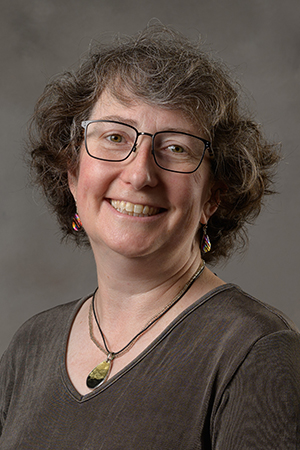 Michelle Friend合作论文数Teacher Education Department, College of Education, Health and Human Sciences, University of Nebraska at Omaha3Mariam Saffar Perez合作论文数2Julia McCarthy合作论文数2Jake Baskin合作论文数2Amy Fetherston合作论文数2Adam Schulze合作论文数2Kaitlyn Eng合作论文数2
 Amanda Bell合作论文数Computer Science Teachers Association2
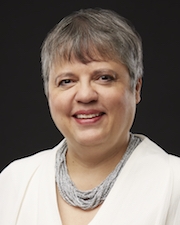 Yasmin B Kafai合作论文数Graduate School of Education, University of Pennsylvania2
 Janice Mak合作论文数2Schneider, T.合作论文数2
 Zachary Dodds合作论文数Computer Science Department, Harvey Mudd College2Chinma Uche合作论文数2
 Nigamanth Sridhar合作论文数College of Graduate Studies, Cleveland State University;Department of Electrical and Computer Engineering, Washkewicz College of Engineering, Cleveland State University2
 Helen H. Hu合作论文数2
 Aman Yadav合作论文数Purdue University2Deborah W. Seehorn合作论文数2
 Deborah A. Fields合作论文数University of California , Los Angeles2Joanna Goode合作论文数University of Oregon2Dianne O'Grady-Cunniff合作论文数1Kalisha Davis合作论文数1Fernando Echeverría合作论文数1Laycee Thigpen合作论文数1William Marsland合作论文数1Dinah Becton-Consuegra合作论文数1
 Sababu Chaka Chaka Barashango合作论文数1Sam Andow合作论文数1Samantha Andow合作论文数1Jason Bohrer合作论文数1Ed Campos合作论文数1Sonia Koshy合作论文数1
 Jennifer Tsan合作论文数Dept Comp Sci, North Carolina State Univ1Yan Tian合作论文数1Cathy Newman Thomas合作论文数1
 Jean Salac合作论文数University of Chicago1
 Dan Garcia合作论文数Department of Electrical Engineering and Computer Science, University of California, Berkeley1
 Maya Israel合作论文数1
 Brianna Blaser合作论文数University of Washington1
 Richard E. Ladner合作论文数Paul G. Allen School of Computer Science & Engineering, University of Washington1
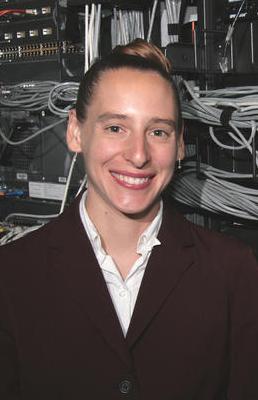 Diana Franklin合作论文数University of Chicago1




