Significant barriers to equitable access and belonging in computer science education persist, disproportionately affecting Black, Latinx, Indigenous students, and students with disabilities. In response, BootUp is partnering with higher education researchers to develop an equity-driven framework for K-5 CS curriculum redesign and professional development. This framework inten-tionally centers race, disability, and intersecting identities, and embeds diverse academic perspectives into teaching practices. Leveraging research and fostering collaboration, the framework translates theory into practice, ensuring equitable participation in CS education. Partnership goals with research institutions are to drive systemic change, increase belonging and prepare diverse learners for success in K-5 CS education.
The premise for the development of the Advanced Placement (AP) Computer Science Principles course was aimed at broadening participation in computing, as a high school level CS course. Since AP courses carry credibility with millions of students who take AP Exams as they are recognized with prospects of obtaining a college education, the hope was that the AP CS Principles course would lead to increased participation in AP CS Exams, especially with students historically excluded in CS including girls, Black, Hispanic, and Native American students, as well those with disabilities. The course raises opportunities and access to CS in higher education. The AP CS Principles curriculum framework is used in the development of the Exam which is significant in the creation college credit and placement policies. Nearly 1,300 colleges and universities have created policies providing students with opportunities to receive college credit or placement for scoring a 3 or higher on the AP CS Principles Exam [12]. The AP CS Principles curriculum framework is also used to define the learning outcomes for the course and stands as a pivotal tool in shaping high school CS education pathways to post-secondary introductory CS courses: It was designed to meet rigorous content requirements of an innovative first semester college-level introductory CS course. It exposes students to demanding expectations of building high levels of computational thinking skills and practical applications of programming that are valuable as they advance in their academics. It provides opportunities for students to connect fundamental programming concepts with important topics such as understanding the role of data in programming, and how data is processed and analyzed. AP CS Principles also recognizes the societal impacts of technology and teaches students about ethical considerations that may arise when analyzing bias in technological systems so that students develop a well-rounded perspective on technology's role in society [5]. Additional themes such as the infrastructure of the Internet including networks and protocols are also included. This paper focuses on the vision of the AP CS Principles course underpinnings (a) being engaging and appealing to a wider range of students, (b) making it accessible for a more racially, ethnically, and gender-identity diverse population of high school students, and (c) providing the benefits of the AP label on students' high school transcripts gives them options to consider a pathway into college CS studies with an enhanced admissions appeal, potential academic scholarships, and/or careers in the field. We investigate the structure of the AP CS Principles curriculum framework as a key resource that impacts the kinds of teaching and learning that is promoted in the Course and Exam Description. We discuss our experiences with the imbalanced emphasis on inclusive pedagogy and building community within the classroom to directly increase sense of belonging with students historically excluded from computing. Lastly, while the AP CS Principles Exam continues to flourish in participation numbers, we question the effectiveness of policies to promote broadening participation in computing. We review policies from three different states and discuss how they leverage the AP CS Principles course to promote teacher certification and student enrollment but do not necessarily ensure equitable practices to promote diverse representation in terms of gender, race, socioeconomic background, and disability.
Equitable computer science (CS) instruction for marginalized students and in poor communities everywhere is hindered by social barriers such as 1) the lack of teacher expertise with knowledge to positively engage marginalized students in CS, especially in Advanced Placement CS courses, and 2) racially segregated communities and schools that permeate in states like Georgia, and others across the nation. The racial segregation of students, including but not limited to Native American, Black and Hispanic groups, keeps them perpetually locked out of quality CS education. That said, AP CS Principles often provides the first AP STEM experience for Black, Hispanic, and first-generation students who take it. Furthermore, students who take AP CS Principles are more likely to declare a STEM or CS major in college [1]. Leaders of this BOF will provide opportunities for CS educators, researchers, and practitioners to discuss their efforts on broadening participation in computing at the high school level, and participants will also be able to generate recommendations and strategies that move efforts toward ensuring equity in AP CS courses for historically underrepresented students in CS.
To investigate and identify promising practices in equitable K-12 computer science (CS) education, the capacity for education researchers to conduct this research must be rapidly built globally. Simultaneously, concerns have arisen over the last few years about the quality of research that is being conducted and the lack of equity-focused research. In this working group, we will tackle the research question: In what ways can previous research standards inform high-quality, equity-focused K-12 CS education research? We will use existing research and various standards bodies (e.g., European Educational Research Association, Australian Education Research Organisation, CONSORT, American Psychological Association) to synthesize key features in the context of equity-focused K-12 CS education research. We will then vet these attributes with experts who can provide feedback and refine our recommendations and guidelines. Our working group will select the experts using a strata reflecting a diversity of backgrounds and experiences to support our focus on student populations that have been historically marginalized in computing (e.g., low-income students, rural students, girls, students with disabilities). Our recommendations will directly impact future equitable computing education research by providing guidance on conducting high-quality research such that the findings can be aggregated and impact future policy with evidence-based results. While we recognize that different countries and regions may yield differing answers to this question, our recommendations will be robust enough that researchers in each country or region may choose to use those most appropriate to their context.
One of SIGCSE's missions is to provide occasion for K-12 teachers and college/university professors to network, developing understanding of each other's roles as educators and generating ideas for collaborations for the sake of broadening participation in computing. We aim to promote opportunities for researchers and K-12 practitioners to work together in a BoF in order to participate in discussion regarding a)K-12 members' interests regarding CS education research; b) strategies for increasing opportunities for K-12 membersc) researcher/K12 collaborations d) ideas for future grants and/or collaborations The expected audience are the college/university faculty interested in K-12 education, as well as K-12 teachers or administrators interested in college/university CS education research. Regarding K-12/University collaborations, one might only think of the benefits to students. Yet, opportunities for learning and growth on the part of teachers and university faculty as work partners fosters motivation on both sides. This unexpected, valuable outcome has been documented in the literature as well [1,2,3]. The organizers of this BoF each have valued the learning from such collaborations and represent various roles as collaborative researchers from both sides.
In order to advance broadening participation in computing (BPC) efforts, research and practice projects should implement a board (advisory or strategic) that specifically focuses on equity. In light of the murder of George Floyd, the impact of COVID-19 on minoritized communities, and the historical (and continual) erasure of diverse voices within the computing and technology fields, it is important that networks, alliances, and the broader computer science community engage with stakeholders with critical expertise in areas of diversity, equity, and inclusion. In this panel, Expanding Computing in Education Pathways (ECEP) Alliance Executive Board members will discuss the need for equity-centered conversations, specifically when it comes to BPC. Panelists and audience members will engage in dialogue around the necessity for, and value of, creating spaces where diverse voices are elevated and supported.
Coaching is a critical mechanism for providing guidance and support to educators on improving their teaching practice and thereby improving student learning. Coaching is a process where an experienced educator (coach) supports a teacher in developing and refining their teaching practice. Coaching is in widespread use in K-12 schools for many subject areas and is growing for computer science. Coaching has the potential to be a key lever in meeting the CS education community's equity goal of CS for all students. This session will be led by CS coaches from a variety of contexts including elementary, secondary, and higher education. Goals for the session include increasing the understanding of what coaching is and how it is applied in various contexts, resources available to support coaching, how equity is addressed in coaching, and impacts on teachers and students.
In order to advance broadening participation in computing (BPC) efforts, research and practice projects should implement a board (advisory or strategic) that specifically focuses on equity. In light of the murder of George Floyd, the impact of COVID-19 on minoritized communities, and the historical (and continual) erasure of diverse voices within the computing and technology fields, it is important that networks, alliances, and the broader computer science community engage with stakeholders with critical expertise in areas of diversity, equity, and inclusion. In this panel, Expanding Computing in Education Pathways (ECEP) Alliance Executive Board members will discuss the need for equity-centered conversations, specifically when it comes to BPC. Panelists and audience members will engage in dialogue around the necessity for, and value of, creating spaces where diverse voices are elevated and supported.
It is often assumed that women in CS fully understand and appreciate diversity, equity, and inclusion and advocate for the needs of all women. However, there exist highly publicized examples in computing and beyond where the intersection of race and gender (and the experiences of Black, Latina, and Indigenous women) were ignored by White women. This panel convenes diverse women in CS to discuss the importance and challenges of same-gender allyship, advocacy, and activism.
Efforts to broaden participation in computing address how systemic school structures, educator preparation, and curriculum can provide inclusive learning spaces for all students. The emerging multiplicity of scholarship in computer science (CS) education forwards diverse voices, perspectives, and positionalities, and together, provide a rich set of evidence-based narratives that can transform K-12 policies and practices. The four projects featured in this panel bring together CS education efforts with varying methodologies focused on equity-oriented pedagogies and learning for all youth across the US. This panel will focus not only on sharing the multi-pronged efforts of the featured projects, but also on developing a shared vision among participants and panelists for what equity" can and should be in the future of both SIGCSE and CS education as we celebrate SIGCSE's 50th anniversary. By highlighting the work of projects rather than individuals in this panel, audience members will have the opportunity to learn about how collaborative efforts create and examine contexts for equity in CS education across diverse stakeholders, while also providing a richer base for constructing visions of equity that go beyond mere platitudes, toward action items for broadening participation in computing.
The battle for inclusion in tech is a battle for existence in an increasingly software-driven world. The ability to participate in the workforce - from culture curation to software engineering - to be accounted for across all sectors of modern life is increasingly determined by some measure of technical skills. If underrepresented students of color do not acquire the education and skills required to enter the workforce in meaningful ways, they will not be able to afford to live in the cities and towns marketed to the imagination of America’s future. [1] That means that the future of America is being imagined without them. During this session, we will discuss what is happening in K-12 and Higher Education to democratize computer science education at this critical stage in the effort to improve STEM education and the nation’s technical workforce. Specifically, the panelists will explore ways to improve local computer science educational ecosystems through the provision of curricular content and the development of postsecondary institutional partnerships.
The inaugural launch of the College Board's Advanced Placement Computer Science Principles (AP CSP) course coincided within the same year of the announcement of CS For All, a bold national initiative that seeks to support the expansion of computer science education in America, and to empower students to learn computer science and obtain the computational thinking skills needed to thrive in today's transforming digital world. The intent of the AP CSP course supports this initiative as it aims to promote social justice and equity in computer science education. The course is designed to be appealing to a broader audience, including females and minority students, who are underrepresented in computer science, thus providing increased access and opportunity for students to study computer science at the secondary level.
College Board is thrilled to announce the launch of a pilot program, Advanced Placement® (AP) with We.org Service, in a partnership with international charity and educational partner, Free the Children. AP Computer Science is among six AP courses that will participate in this pilot program. The College Board and Free The Children share a passion for enriching students' learning experiences and developing well-rounded citizens. The program combines the academic challenge and rigor of AP Computer Science with Free The Children's WE.org education and citizenship model. AP Computer Science with WE.org Service creates an opportunity for students to consider their classroom work and how it applies to the real world, while working closely with peers to address social issues.
The AP Computer Science Principles assessment model comprises two main components: 1) an end-of-course AP Exam (i.e., a paper-pencil, multiple choice questions); and 2) a through-course assessment that includes two (2) performance tasks in which students complete during class time. This workshop focuses on content and skills included in one of the through-course assessment performance tasks: Create -- Applications from Ideas. In this task, students are expected to collaborate with another student in the development process of writing a program, and because each student will submit her/his own program for AP scoring purposes, students are also expected to be able to continue working on their program individually. To obtain the knowledge and skills students will need to be successful with this performance task, students can consider practicing various possible ways to write programs individually and collaboratively. That said, teachers can support student success with this performance task by considering different ways to teach how to develop programs collaboratively (beyond Pair Programming). In this workshop, participants will experience different collaborative programming techniques to develop a program. This workshop is meant for programmers "from beginners to experts". In addition, participants will reflect on the collaborative process, thereby learning some of the essential knowledge and skills that students will need to obtain in order to successfully complete the Create performance task.
This workshop focuses on content in two curriculum modules for AP Computer Science Principles (CSP) developed by the College Board. They highlight instructional approaches for teaching concepts about 1) the Internet and 2) the interplay between creative aspects of computing and impact of computing on society. The Internet module activities allow students to construct their own solutions to problems similar to some that the builders of the Internet faced. The topics in the Creativity and Global Impact module were chosen because they have rich potential for increasing interest with students, especially those from underrepresented demographics, and because they present instructional challenges for instructors new to AP CSP. Participants will learn detailed concepts addressed in the AP CSP course and will receive classroom materials from in each of the curriculum modules. These modules serve as exemplary resources for teachers.
Computer Science Principles will become an Advanced Placement course in AY 2016-2017, with the launch of the first APCSP exam in May of 2017, with through-course assessments/performance tasks being completed by students starting at the beginning of that academic year. In this BOF we will hear from participants about their questions and concerns in anticipation of the launch of the course and exam. The BOF will be part of launching a community of practice for teachers and educators who are not part of a formal NSF project, Project Lead the Way, or Code.org whose participants may have a community of practice.
College Board has joined national efforts to improve the state of STEM education, in particular to address the challenge of increasing participation with a diverse population of computer scientists to meet the growing demands of the field of computing. The Advanced Placement (AP) Program is pleased to endeavor in enhancing AP Computer Science offerings by maintaining college level integrity and addressing issues of equity and access for students and teachers. In addition to the established AP Computer Science A course, the AP Program is engaged in the development of a forthcoming AP Computer Science Principles course. The additional option for high school students to study college level computing will provide more students with an opportunity to be introduced to important computer science concepts, gain a broader perspective of the field of study, and have access to a larger pathway into computing. This session will review information regarding the AP Computer Science A course and will discuss plans for collecting feedback from college faculty regarding course content and approaches to programming techniques and languages. It will then discuss the new Computer Science Principles course and plans for the development and launch of the course and exam. The session will conclude with a Q&A session addressing questions regarding both courses. The session will be moderated by Lien Diaz from the AP Program at the College Board.
College Board has joined national efforts to improve the state of STEM education, in particular to address the challenge of increasing participation with a diverse population of computer scientists to meet the growing demands of the field of computing. The Advanced Placement (AP) Program is pleased to endeavor in enhancing AP Computer Science offerings by maintaining college level integrity and addressing issues of equity and access for students and teachers. In addition to the established AP Computer Science A course, the AP Program is engaged in the development of a forthcoming AP Computer Science Principles course. The additional option for high school students to study college level computing will provide more students with an opportunity to be introduced to important computer science concepts, gain a broader perspective of the field of study, and have access to a larger pathway into computing. This session will review information regarding the AP Computer Science A course and will discuss updated course content and exam development. It will then discuss the new Computer Science Principles course and plans for the development and launch of the course. The session will conclude with a Q&A session addressing questions regarding both courses. The session will be moderated by members of the Computer Science A and Principles Development Committees.
The Computer Science Principles project is in the fourth year of a roughly eight year project to develop a new Advanced Placement course that broadens participation in computer science while providing a rigorous yet engaging academic experience that will earn college credit and/or placement. In this special session we discuss new developments in the project and share student work and instructor perspectives from those pilot programs that have been part of the project for the past two years. In previous SIGCSE special sessions we have reported on the development of the project and its relationship to a national initiative (CS10K) to broaden participation in high school computing while expanding the number of teachers educating students in high school computing and computer science. [1-3] In this session we report on the conclusion of a second year of pilots that included nine high schools partnered with eight colleges (2011-2012) and a third pilot using a new portfolio exam (2012-2013) being conducted at six schools. The second pilot included new pedagogies and a prototype exam delivered to all students in the pilot. In this session we report on results this second round of piloting; on how the pilots succeeded in reaching goals of broadening participation and delivering a course that maintained fidelity to the curricular framework of the CS Principles project.
 Owen Astrachan合作论文数Computer Science Department, Duke University7
 Richard Kick合作论文数7Andrew Kuemmel合作论文数4Frances P. Trees合作论文数4Robert Glen Martin合作论文数3Frieda McAlear合作论文数Kapor Center, Oakland, CA, USA3Chris Stephenson合作论文数3Kamau Bobb合作论文数3
 Henry Mackay Walker合作论文数Department of Computer Science, Grinnell College;Computer Science Department, Sonoma State University3
 Gail Chapman合作论文数Exploring Computer Science3
 Amy Briggs合作论文数Department of Computer Science
Middlebury College3
Amy Briggs合作论文数Department of Computer Science
Middlebury College3 Paul Tymann合作论文数National Science Foundation3Amy J. Briggs合作论文数Department of Computer Science
Middlebury College3Joanna Goode合作论文数University of Oregon3
Paul Tymann合作论文数National Science Foundation3Amy J. Briggs合作论文数Department of Computer Science
Middlebury College3Joanna Goode合作论文数University of Oregon3 Ryoko Yamaguchi合作论文数2
 Sababu Chaka Chaka Barashango合作论文数2Allison Scott合作论文数2Julie Flapan合作论文数University of California, Los Angeles2Max Skorodinsky合作论文数2Christine Ong合作论文数Natl Ctr Res Evaluat Stand & Student Testing, Univ Calif Los Angeles2Joshua Childs合作论文数2
 Tiera Tanksley合作论文数UCLA2Sarah T. Dunton合作论文数2Sonia Koshy合作论文数2
 Jamika D. Burge合作论文数Design & Technology Concepts in Alexandria2Alexis Martin合作论文数2
 Cynthia Estrada合作论文数University of California, Los Angeles2
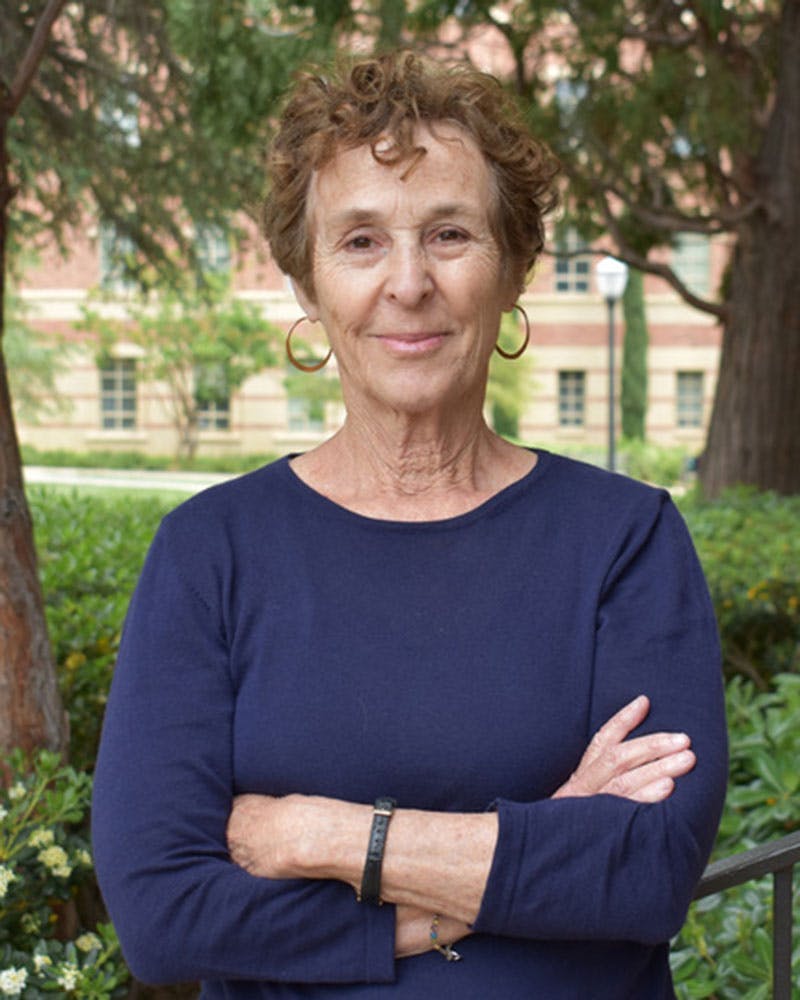 Jane Margolis合作论文数Department of Education, School of Education & Information Studies, University of California, Los Angeles2
 Amy J. Ko合作论文数Information School, University of Washington;Paul G. Allen School of Computer Science and Engineering, University of Washington2
 Janice E. Cuny合作论文数National Science Foundation2Renee L. Ciezki合作论文数2
 Rebecca Brook Osborne合作论文数2
 Jean Ryoo合作论文数Graduate School of Education and Information Studies, UCLA2Selina Marianna Shah合作论文数1Sandy Czajka合作论文数1Kathryn Perry合作论文数1Bryan Twarek合作论文数1
 Meg Ray合作论文数1Jumee Song合作论文数1
 Ismaila Temitayo Sanusi合作论文数Sch Comp, Univ Eastern Finland1Christos Chytas合作论文数1Crystal Furman合作论文数1Joshua Elder合作论文数1
 Michael Liut合作论文数Department of Mathematical & Computational Sciences, University of Toronto Mississauga1
 Nicki Washington合作论文数Department of Computer Science, Trinity College of Arts & Sciences, Duke University1
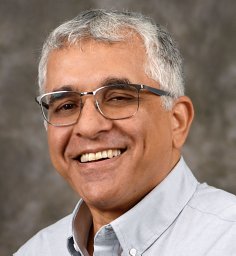 Mohsen Dorodchi合作论文数1
 Dale Reed合作论文数1
 Tiffany Barnes合作论文数Department of Computer Science, College of Engineering, NC State University1
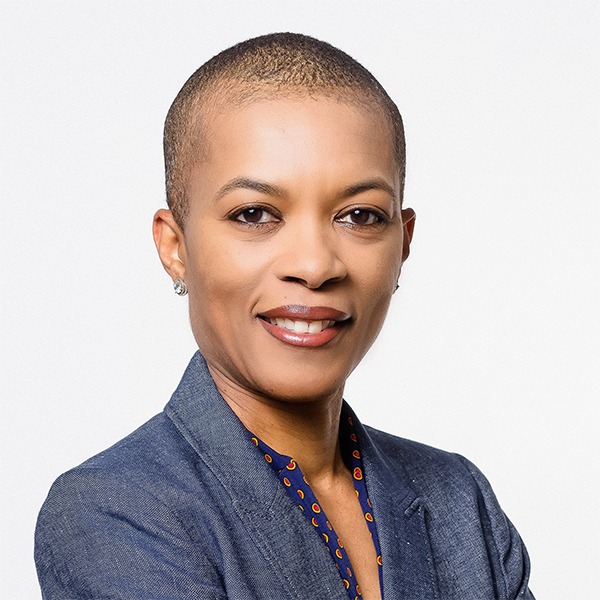 Fay Cobb Payton合作论文数Department of Business Management, Poole College of Management, NC State University1




