In their recent paper Kidron et al. ( Journal of Phycology , 2025) aimed to demonstrate that the reported extreme differences of up to 25°C between air and rock temperatures measured by Büdel et al. ( Journal of Phycology , 2008) at Mt. Falconer in the Antarctic Taylor Valley, were likely in error. They suggested possible sources of errors that might have led to our modeling of dewfall. By reprogramming our (Hoffmann, 1955) and their (Beysens, 2018) suggested models, we have shown that our calculations regarding climatic data were correct, even with both models. We have provided new climate data from Linnaeus Terrace (Dry Valleys, Antarctica) to support our results, by water-related net photosynthesis of a unicellular ( Chroococidiopsis sp.) and a filamentous cyanobacterial strain ( Funiculus sociatus ). In contrast to the claim of Kidron et al., both cyanobacteria showed positive net photosynthesis well below 1 mm precipitation equivalent water content. We suggest further improved field measurements to strengthen our observation and conclude that reactivation of inactive endolithic cyanobacteria by condensation could be possible but might not be the main source of water.
Over the decades our understanding of lichens has shifted to the fact that they are multiorganismic, symbiotic microecosystems, with their complex interactions coming to the fore due to recent advances in microbiomics. Here, we present a mutualistic-parasitic continuum dynamics scenario between an orange lichen and a lichenicolous fungus from the Atacama Desert leading to the decay of the lichen’s photobiont and leaving behind a black lichen thallus. Based on isolation, sequencing, and ecophysiological approaches including metabolic screenings of the symbionts, we depict consequences upon infection with the lichenicolous fungus. This spans from a loss of the lichen’s photosynthetic activity and an increased roughness of its surface to an inhibition of the parietin synthesis as a shared pathway between the photobiont and the mycobiont, including a shift of secondary metabolism products. This degree of relations has rarely been documented before, although lichenicolous fungi have been studied for over 200 years, adding an additional level to the view of interactions within lichens.
The Atacama Desert is well known for the high occurrence of large-scale fog (spatial extents: hundreds of kilometers) emerging as low stratus (LST) decks over the Pacific Ocean. By contrast, the small-scale and heterogeneous occurrence of small-scale fog (hundreds of meters) particularly during summers is widely unconsidered. However, these events are important for the local vegetation and particularly for the biological soil crusts (BSC) that are widely distributed in this extreme ecosystem. Consequently, a case study in a typical fog oasis in the Pan de Azucar National Park was conducted to test the feasibility combining field measurements, drone profiling, remote sensing and numerical modeling (i) to investigate fog-type specific differences regarding dynamics, physical properties and formation, (ii) to test the applicability of remote sensing technology for fog monitoring based on existing low-resolution and a proposed new high-resolution product and (iii) to estimate the related fog water input to BSCs. Two types of fog were observed. The well-known fog/LST deck emerging from the Pacific Ocean with high water path and large spatial extent was the first type. Fog of the second type was patchier, small-scale and not necessarily connected to the LST over the ocean. Instead, fog formation of the second type was related to thermal breeze systems, which produced shallow clouds containing less water than those of type 1. In general, such small-scale fog events were not captured well by existing remote sensing products but could be detected with the proposed new high-resolution product which provided promising results. Both fog types were important water resources for the BSCs, with approximately 8% to 24% of the fog water flux available to the BSCs at the surface. The results indicated the feasibility of the proposed methods' pool to estimate the water budget of BSCs with a high spatial resolution in the future.
Lichens are remarkable and classic examples of symbiotic organisms that have fascinated scientists for centuries. Yet, it has only been for a couple of decades that significant advances have focused on the diversity of their green algal and/or cyanobacterial photobionts. Cyanolichens, which contain cyanobacteria as their photosynthetic partner, include up to 10% of all known lichens and as such, studies on their cyanobionts are much rarer compared to their green algal counterparts. For the unicellular cyanobionts, i.e., cyanobacteria that do not form filaments, these studies are even scarcer. Nonetheless, these currently include at least 10 different genera in the cosmopolitan lichen order Lichinales. An international consortium (International Network of Cyanobionts; INCb) will tackle this lack of knowledge. In this article, we discuss the status of current unicellular cyanobiont research, compare the taxonomic resolution of photobionts from cyanolichens with those of green algal lichens (chlorolichens), and give a roadmap of research on how to recondition the underestimated fraction of symbiotic unicellular cyanobacteria in lichens.
Abstract Biocrusts represent associations of lichens, green algae, cyanobacteria, fungi and other microorganisms, colonizing soils in varying proportions of principally arid biomes. The so-called grit crust represents a recently discovered type of biocrust situated in the Coastal Range of the Atacama Desert (Chile) made of microorganisms growing on and in granitoid pebbles, resulting in a checkerboard pattern visible to the naked eye on the landscape scale. This specific microbiome fulfills a broad range of ecosystem services, all probably driven by fog and dew-induced photosynthetic activity of mainly micro-lichens. To understand its biodiversity and impact, we applied a polyphasic approach on the phototrophic microbiome of this biocrust, combining isolation and characterization of the lichen photobionts, multi-gene phylogeny of the photobionts and mycobionts based on a direct sequencing and microphotography approach, metabarcoding and determination of chlorophylla+b contents. Metabarcoding showed that yet undescribed lichens within the Caliciaceae dominated the biocrust together with Trebouxia as the most abundant eukaryote in all plots. Together with high mean chlorophylla+b contents exceeding 410 mg m−2, this distinguished the symbiotic algae Trebouxia as the main driver of the grit crust ecosystem. The trebouxioid photobionts could be assigned to the I (T. impressa/gelatinosa) and A (T. arboricola) clades and represented several lineages containing five potential species candidates, which were identified based on the unique phylogenetic position, morphological features, and developmental cycles of the corresponding isolates. These results designate the grit crust as the only known coherent soil layer with significant landscape covering impact of at least 440 km2, predominantly ruled by a single symbiotic algal genus.
AimLichens and mosses play important functional roles in all terrestrial ecosystems, particularly in tundra and drylands. As with all taxa, to maintain their current niche in a changing climate, lichens and mosses will have to migrate. However, there are no published estimates of future habitat suitability or necessary rates of migration for members of these groups at the global scale. TaxonLichens and mosses. LocationGlobal. MethodsUsing global occurrence data, we conducted ensemble distribution models in the 'biomod2' R package, parameterised with a range of climatic, land use and soil variables, to estimate current and future (2100) habitat suitability in 16 abundant species of lichen and moss. ResultsWithout considering dispersal limitation, suitable area was forecast to expand for eight species and decline for four species. For species with predominantly boreo-arctic distributions, suitable area typically declined at the temperate range edge and expanded across the High Arctic. Future suitable area available to dryland-adapted species generally declined overall, likely relating to the desiccation-tolerant physiology of lichens and mosses. The average migration rates required for species to disperse into new suitable habitat ranged from 1.7 (Placidium squamulosum) to 9.0 km year(-1) (Syntrichia ruralis), although most species will need to migrate >16 km year(-1) to completely fill their potential future suitable habitat. Main ConclusionsFor mosses and lichens, as with all species, migration will be an important part of the adjustment to a warmer climate, but realisation of these potential migrations will require both rare dispersal events and habitat that is suitable in non-climatic dimensions. Current evidence on dispersal in these groups suggests that these geographical shifts may be unlikely to be realised without intervention, especially in landscapes that are highly modified by humans.
Under continuous human disturbance, regeneration is the basis for biodiversity persistence and ecosystem service provision. In tropical dry forests, edaphic ecosystem engineering by biological soil crusts (biocrusts) could impact regeneration by influencing erosion control and soil water and nutrient fluxes, which impact landscape hydrology, geomorphology, and ecosystem functioning. This study investigated the effect of cyanobacteria-dominated biocrusts on water infiltration and aggregate stability in a human-modified landscape of the Caatinga dry forest (NE Brazil), a system characterized by high levels of forest degradation and increasing aridity. By trapping dust and swelling of cyanobacterial filaments, biocrusts can seal soil surfaces and slow down infiltration, which potentially induces erosion. To quantify hydraulic properties and erosion control, we used minidisc-infiltrometry, raindrop-simulation, and wet sieving at two sites with contrasting disturbance levels: an active cashew plantation and an abandoned field experiencing forest regeneration, both characterized by sandy soils. Under disturbance, biocrusts had a stronger negative impact on infiltration (reduction by 42% vs. 37% during regeneration), although biocrusts under regenerating conditions had the lowest absolute sorptivity (0.042 ± 0.02 cm s−1/2) and unsaturated hydraulic conductivity (0.0015 ± 0.0008 cm s−1), with a doubled water repellency. Biocrusts provided high soil aggregate stability although stability increased considerably with progression of biocrust succession (raindrop simulation disturbed: 0.19 ± 0.22 J vs. regenerating: 0.54 ± 0.22 J). The formation of stable aggregates by early successional biocrusts on sandy soils suggests protection of dry forest soils even on the worst land use/soil degradation scenario with a high soil erosion risk. Our results confirm that biocrusts covering bare interspaces between vascular plants in human-modified landscapes play an important role in surface water availability and erosion control. Biocrusts have the potential to reduce land degradation, but their associated ecosystem services like erosion protection, can be impaired by disturbance. Considering an average biocrust coverage of 8.1% of the Caatinga landscapes, further research should aim to quantify the contribution of biocrusts to forest recovery to fully understand the role they play in the functioning of this poorly explored ecosystem.
Deserts represent an extreme challenge for photosynthetic life. Despite their aridity, they are often inhabited by diverse microscopic communities of cyanobacteria. These organisms are commonly found in lithic habitats, where they are partially sheltered from extremes of temperature and UV radiation. However, living under the rock surface imposes additional constraints, such as limited light availability, and enrichment of longer wavelengths than are typically usable for oxygenic photosynthesis. Some cyanobacteria from the genus Chroococcidiopsis can use this light to photosynthesize, in a process known as far-red light photoacclimation, or FaRLiP. This genus has commonly been reported from both hot and cold deserts. However, not all Chroococcidiopsis strains carry FaRLiP genes, thus motivating our study into the interplay between FaRLiP and extreme lithic environments. The abundance of sequence data and strains provided the necessary material for an in-depth phylogenetic study, involving spectroscopy, microscopy, and determination of pigment composition, as well as gene and genome analyses. Pigment analyses revealed the presence of red-shifted chlorophylls d and f in all FaRLiP strains tested. In addition, eight genus-level taxa were defined within the encompassing Chroococcidiopsidales, clarifying the phylogeny of this long-standing polyphyletic order. FaRLiP is near universally present in a generalist genus identified in a wide variety of environments, Chroococcidiopsis sensu stricto, while it is rare or absent in closely related, extremophile taxa, including those preferentially inhabiting deserts. This likely reflects the evolutionary process of gene loss in specialist lineages.
Plants and other organisms have evolved structures and mechanisms for colonizing land since the Early Ordovician. In this context, their surfaces, the crucial physical interface with the environment, are mainly considered barriers against water loss. It is suggested that extreme water repellency (superhydrophobicity) was an additional key innovation for the transition of algae from water to land some 400 mya. Superhydrophobicity enhances gas exchange on land and excludes aquatic competitors in water films. In a different context, in material science and surface technology, superhydrophobicity has also become one of the most important bioinspired innovations enabling the avoidance of water films and contamination. Here, we present data for an extremely water-repellent cyanobacterial biofilm of the desiccation tolerant Hassallia byssoidea providing evidence for a much earlier prokaryotic Precambrian (ca. 1-2 bya) origin of superhydrophobicity and chemical heterogeneities associated with land transition. The multicellular cyanobacterium is functionally differentiated in a submerged basal hydrophilic absorbing portion like a "rhizoid" and an upright emersed superhydrophobic "phyllocauloid" filament for assimilation, nitrogen fixation, and splash dispersed diaspores. Additional data are provided for superhydrophobic surfaces in terrestrial green algae and in virtually all ancestral land plants (Bryophytes, ferns and allies, Amborella, Nelumbo), slime molds, and fungi. Rethinking of superhydrophobicity as an essential first step for life in terrestrial environments is suggested.
Studies of biological soil crusts (biocrusts) have proliferated over the last few decades. The biocrust literature has broadened, with more studies assessing and describing the function of a variety of biocrust communities in a broad range of biomes and habitats and across a large spectrum of disciplines, and also by the incorporation of biocrusts into global perspectives and biogeochemical models. As the number of biocrust researchers increases, along with the scope of soil communities defined as 'biocrust', it is worth asking whether we all share a clear, universal, and fully articulated definition of what constitutes a biocrust. In this review, we synthesize the literature with the views of new and experienced biocrust researchers, to provide a refined and fully elaborated definition of biocrusts. In doing so, we illustrate the ecological relevance and ecosystem services provided by them. We demonstrate that biocrusts are defined by four distinct elements: physical structure, functional characteristics, habitat, and taxonomic composition. We describe outgroups, which have some, but not all, of the characteristics necessary to be fully consistent with our definition and thus would not be considered biocrusts. We also summarize the wide variety of different types of communities that fall under our definition of biocrusts, in the process of highlighting their global distribution. Finally, we suggest the universal use of the Belnap, Büdel & Lange definition, with minor modifications: Biological soil crusts (biocrusts) result from an intimate association between soil particles and differing proportions of photoautotrophic (e.g. cyanobacteria, algae, lichens, bryophytes) and heterotrophic (e.g. bacteria, fungi, archaea) organisms, which live within, or immediately on top of, the uppermost millimetres of soil. Soil particles are aggregated through the presence and activity of these often extremotolerant biota that desiccate regularly, and the resultant living crust covers the surface of the ground as a coherent layer. With this detailed definition of biocrusts, illustrating their ecological functions and widespread distribution, we hope to stimulate interest in biocrust research and inform various stakeholders (e.g. land managers, land users) on their overall importance to ecosystem and Earth system functioning.
The last decades of research led to a change in understanding of lichens that are now seen as self-sustaining micro-ecosystems, harboring diverse microbial organisms in tight but yet not fully understood relationships. Among the diverse interdependencies, the relationship between the myco- and photobiont is the most crucial, determining the shape, and ecophysiological properties of the symbiotic consortium. Roughly 10% of lichens associate with cyanobacteria as their primary photobiont, termed cyanolichens. Up to now, the diversity of cyanobionts of bipartite lichens resolved by modern phylogenetic approaches is restricted to the filamentous and heterocytous genera of the order Nostocales. Unicellular photobionts were placed in the orders Chroococcales, Pleurocapsales, and Chroococcidiopsidales. However, especially the phylogeny and taxonomy of the Chroococcidiopsidales genera remained rather unclear. Here we present new data on the identity and phylogeny of photobionts from cyanolichens of the genera Gonohymenia, Lichinella, Peccania, and Peltula from a broad geographical range. A polyphasic approach was used, combining morphological and cultivation-depending characteristics (microscopy, staining techniques, life cycle observation, baeocyte motility, and nitrogen fixation test) with phylogenetic analyses of the 16S rRNA and 16S-23S ITS gene region. We found an unexpectedly high cyanobiont diversity in the cyanobacterial lichens of the order Lichinales, including two new genera and seven new species, all of which were not previously perceived as lichen symbionts. As a result, we describe the novel unicellular Chroococcidiopsidales genera Pseudocyanosarcina gen. nov. with the species Pseudocyanosarcina phycocyania sp. nov. (from Peltula clavata, Australia) and Compactococcus gen. nov. with the species Compactococcus sarcinoides sp. nov. (from Gonohymenia sp., Australia) and the new Chroococcidiopsidales species Aliterella compacta sp. nov. (from Peltula clavata, Australia), Aliterella gigantea sp. nov. (from Peltula capensis; South Africa), Sinocapsa ellipsoidea sp. nov. (from Peccania cerebriformis, Austria), as well as the two new Nostocales species Komarekiella gloeocapsoidea sp. nov. (from Gonohymenia sp., Czechia) and Komarekiella globosa sp. nov. (from Lichinella cribellifera, Canary Islands, Spain). Our study highlights the role of cyanolichens acting as a key in untangling cyanobacterial taxonomy and diversity. With this study, we hope to stimulate further research on photobionts, especially of rare cyanolichens.
The Soil Crust International (SCIN) project was a multidisciplinary attempt to obtain a complete understanding of biocrusts communities across Europe, including among the monitored locations the Tabernas badlands in Spain, the driest habitat in the whole continent. Here we provide an overview in a Mini-Review format of our research about the functional performance of the more relevant biocrust forming organisms involved, looking for similarities and differences in the behavior of these communities in regions with contrasting environmental conditions, allowing a deeper understanding of habitat over biocrusts functioning. New unpublished results linked to SCIN are also included in order to reinforce or clarify some general ideas proposed within the text. The general perspective provided to the data through this unique multi-site comparison, will allow in depth studies of relevant functional traits that can shed some light over the possibility of biocrusts behaving as functional types under some circumstances. Poikilohydry is proposed as an essential driving force involved, at different extents, in all key traits ruling biocrusts ecophysiology.
The taxonomy of coccoid cyanobacteria, such as Chroococcidiopsis , Pleurocapsa , Chroococcus , Gloeothece , Gloeocapsa , Gloeocapsopsis , and the related recent genera Sinocapsa and Aliterella , can easily be intermixed when solely compared on a morphological basis. There is still little support on the taxonomic position of some of the addressed genera, as genetic information is available only for a fraction of species that have been described solely on morphology. Modern polyphasic approaches that combine classic morphological investigations with DNA-based molecular analyses and the evaluation of ecological properties can disentangle these easily confusable unicellular genera. By using such an approach, we present here the formal description of two novel unicellular cyanobacterial species that inhabit the Coastal Range of the Atacama Desert, Gloeocapsopsis dulcis (first reported as Gloeocapsopsis AAB1) and Gloeocapsopsis diffluens . Both species could be clearly separated from previously reported species by 16S rRNA and 16S–23S ITS gene sequencing, the resulting secondary structures, p-distance analyses of the 16S–23S ITS, and morphology. For avoiding further confusions emendation of the genus Gloeocapsopsis as well as epitypification of the type species Gloeocapsopsis crepidinum based on the strain LEGE06123 were conducted.
Unicellular cyanobacteria inhabit a wide range of ecosytems and can be found throughout the phylum offering space for taxonomic confusion. One example is strain PCC 6712 that was described as Chlorogloea sp. (Nostocales) and later assigned to the genus Chroococcidiopsis (Chroococcidiopsidales). We now show that this strain belongs to the order Pleurocapsales and term it Hyella disjuncta based on morphology, genome analyses and 16S-23S ITS rRNA phylogeny. Genomic analysis indicated that H. disjuncta PCC 6712 shared about 44.7% orthologue genes with its closest relative H. patelloides. Furthermore, 12 cryptic biosynthetic gene clusters (BGCs) with potential bioactivity, such as a mycosporine-like amino acid BGC, were detected. Interestingly, the full set of nitrogen fixation genes was found in H. disjuncta PCC 6712 despite its inability to grow on nitrogen-free medium. A comparison of genes responsible for multicellularity was performed, indicating that most of these genes were present and related to those found in other cyanobacterial orders. This is in contrast to the formation of pseudofilaments-a main feature of the genus Hyella-which is weakly expressed in H. disjuncta PCC 6712 but prominent in Hyella patelloides LEGE 07179. Thus, our study pinpoints crucial but hidden aspects of polyphasic cyanobacterial taxonomy.
Habitat fragmentation and forest management have been considered to drastically alter the nature of forest ecosystems globally. However, much uncertainty remains regarding the causative mechanisms mediating temperate forest responses, such as forest physical environment and the structure of woody plant assemblages, regardless of the role these forests play for global sustainability. In this paper, we examine how both habitat fragmentation and timber exploitation via silvicultural operations affect these two factors at local and habitat spatial scales in a hyper-fragmented landscape of mixed beech forests spanning more than 1500 km 2 in SW Germany. Variables were recorded across 57 1000 m 2 plots covering four habitats: small forest fragments, forest edges within large control forests, as well as managed and unmanaged forest interior sites. As expected, forest habitats differed in disturbance level, physical conditions and community structure at plot and habitat scale. Briefly, diversity of plant assemblages differed across all forest habitats (highest in edge forests) and correlated with integrative indices of edge, fragmentation and management effects. Surprisingly, managed and unmanaged forests did not differ in terms of species richness at local spatial scale, but managed forests exhibited a clear signal of physical/floristic homogenization as species promoted by silviculture proliferated; i.e. impoverished communities at landscape scale. Moreover, functional composition of plant communities responded to the microclimatic regime within forest fragments, resulting in a higher prevalence of species adapted to these microclimatic conditions. Our results underscore the notion that forest fragmentation and silvicultural management (1) promote changes in microclimatic regimes, (2) alter the balance between light-demanding and shade-adapted species, (3) support diverse floras across forest edges, and (4) alter patterns of beta diversity. Hence, in human-modified landscapes edge-affected habitats can be recognized as biodiversity reservoirs in contrast to impoverished managed interior forests. Furthermore, our results ratify the role of unmanaged forests as a source of environmental variability, species turnover, and distinct woody plant communities.
Since 1965 a cyanobacterial strain termed ‘Fischerella ambigua 108b’ was the object of several studies investigating its potential as a resource for new bioactive compounds in several European institutes. Over decades these investigations uncovered several unique small molecules and their respective biosynthetic pathways, including the polychlorinated triphenyls of the ambigol family and the tjipanazoles. However, the true taxonomic character of the producing strain remained concealed until now. Applying a polyphasic approach considering the phylogenetic position based on the 16S rRNA and the protein coding gene rbcLX, secondary structures and morphological features, we present the strain ‘Fischerella ambigua 108b’ as Symphyonema bifilamentata sp. nov. 97.28. Although there is the type species (holotype) S. sinense C.-C. Jao 1944 there is no authentic living strain or material for genetic analyses for the genus Symphyonema available. Thus we suggest and provide an epitypification of S. bifilamentata sp. nov. 97.28 as a valid reference for the genus Symphyonema. Its affiliation to the family Symphyonemataceae sheds not only new light on this rare taxon but also on the classes of bioactive metabolites of these heterocytous and true-branching cyanobacteria which we report here. We show conclusively that the literature on the isolation of bioactive products from this organism provides further support for a clear distinction between the secondary metabolism of Symphyonema bifilamentata sp. nov. 97.28 compared to related and other taxa, pointing to the assignment of this organism into a separate genus.
 Bettina Weber合作论文数Max Planck Institute of Psychiatry, Clinical Institute33
 Patrick Jung合作论文数26
 Claudia Colesie合作论文数Institute of Global Change, School of GeoSciences, The University of Edinburgh23
 Allan G Green合作论文数Biological Sciences, Waikato University21
 Matthias Schultz合作论文数15
 Ulf Karsten合作论文数Instituts fur Biowissenschaften, Universitat Rostock13O. L. Lange合作论文数13
 Michael Lakatos合作论文数Department of Biology, University of Kaiserslautern13Karen Baumann合作论文数12Angelika Meyer合作论文数10
 Peter Leinweber合作论文数Department of Bodenkunde, Agrar- und Umweltwissenschaftliche Fakultät, Universität Rostock10H. ZELLNER合作论文数9
 Imke Schmitt合作论文数Botanisches Institut, Universität Essen9Wolfram Beyschlag合作论文数8Dennis Francis合作论文数8
 Laura Kate Williams合作论文数Dept Forest Resources, Univ Minnesota8
 Thomas Friedl合作论文数Experimental Phycology and Culture Collection of Algae, University of Goettingen8
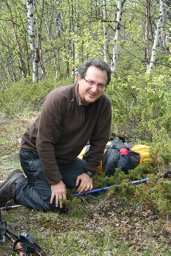 Leopoldo G. Sancho合作论文数Facultad de Farmacia, Universidad Complutense8
 Wendy J. Williams合作论文数8
 Jörg Bendix合作论文数Faculty of Geography, Philipps University of Marburg8Rodriguez-Caballero Emilio合作论文数8Frank Kauff合作论文数8
 Ulrich Pöschl合作论文数Multiphase Chemistry Department, Max Planck Institute for Chemistry;Department of Chemistry, Pharmacy and Geosciences, Johannes Gutenberg University7Michael Schermer合作论文数7John Cushman合作论文数7Ulrich Lüttge合作论文数7
 Elena Samolov合作论文数7
 Lukas W. Lehnert合作论文数7Otte Jürgen合作论文数7
 Dal Grande Francesco合作论文数Biodiversity and Climate Research Centre (BiK-F),, Senckenberg Gesellschaft für Naturforschung7
 Mishra Bagdevi合作论文数Biodiversity and Climate Research Centre7Meiser Anjuli合作论文数7
 Meinrat O. Andreae合作论文数Department of Biogeochemistry, Max Planck Institute for Chemistry7
 Jayne Belnap合作论文数Southwest Biological Science Center, United States Geological Survey7
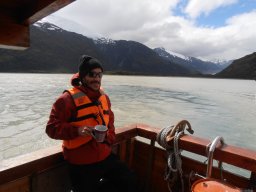 José Raggio合作论文数Facultad de Farmacia, Universidad Complutense de Madrid7
 Rainer Wirth合作论文数Abteilung Allgemeine Botanik, Universität Kaiserslautern7Gregor Rolshausen合作论文数Senckenberg Biodiversity and Climate Research Centre7Rahul Sharma合作论文数6Laura Briegel-Williams合作论文数6Marco Thines合作论文数6
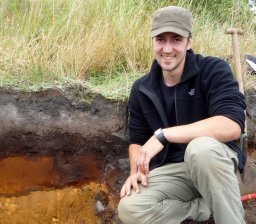 Vincent John Martin Noah Linus Felde合作论文数6Aino Henssen合作论文数6
 Markus Pfenninger合作论文数Abteilung Ökologie & Evolution, J.W. Goethe-Universität6Wolfgang Elbert合作论文数6
 Michelle Szyja合作论文数5Alexandra Tamm合作论文数5Sebastian Achilles合作论文数5
 Jörg Steinkamp合作论文数Senckenberg Biodivers & Climate Res Ctr SBiK F, Senckenberganlage 25, D-60325 Frankfurt, Germany5
 Mikhailyuk Tatiana I合作论文数5




