Salicornia europaea L. is a halophilic plant species belonging to Chenopodiaceae, whose shoots are used as a vegetable. Since the shoots can be eaten raw, the objective of the present study was to investigate possible controls on the abundance of human pathogenic microorganisms (HPMOs) in the shoots as a health risk. For this reason, the molecular-chemical composition of shoots, site-specific soil organic matter (bulk and rhizosphere), and soil pH and salinity were analyzed. Plant and soil samples were taken from two test sites with differing salinity levels in France (a young and an old marsh). We hypothesized that the chemical traits of plants and soils could suppress or promote HPMOs and, thus, serve as risk indicators for food quality. The chemical traits of shoots and bulk and rhizosphere soil were measured through thermochemolysis using gas chromatography/mass spectrometry (GC/MS). The densities of cultivable HPMOs (Salmonella enterica, Escherichia coli, and Listeria monocytogenes) were determined in plant shoots, rhizosphere soil, and bulk soil using selective media. Negative correlations between lignin content in the shoots and the abundance of S. enterica, as well as between lignin content in bulk soil and the abundance of E. coli, are explained by the lignin-based rigidity and its protective effect on the cell wall. In the shoot samples, the content of lipids was positively correlated with the abundance of E. coli. The abundance of E. coli, S. enterica, and L. monocytogenes in bulk soil decreased with increasing soil pH, which is linked to increased salinity. Therefore, soil salinity is proposed as a tool to decrease HPMO contamination in S. europaea and ensure its food safety.
Over the decades our understanding of lichens has shifted to the fact that they are multiorganismic, symbiotic microecosystems, with their complex interactions coming to the fore due to recent advances in microbiomics. Here, we present a mutualistic-parasitic continuum dynamics scenario between an orange lichen and a lichenicolous fungus from the Atacama Desert leading to the decay of the lichen’s photobiont and leaving behind a black lichen thallus. Based on isolation, sequencing, and ecophysiological approaches including metabolic screenings of the symbionts, we depict consequences upon infection with the lichenicolous fungus. This spans from a loss of the lichen’s photosynthetic activity and an increased roughness of its surface to an inhibition of the parietin synthesis as a shared pathway between the photobiont and the mycobiont, including a shift of secondary metabolism products. This degree of relations has rarely been documented before, although lichenicolous fungi have been studied for over 200 years, adding an additional level to the view of interactions within lichens.
Soil organic matter (SOM) is essential for nutrient cycling and soil carbon (C) accumulation, both of which are heavily influenced by the quality and quantity of plant litter. Since SOM dynamics in relation to plant diversity are poorly understood, we investigated the effects of willow variety and mixture, and site on the soil C stocks, SOM chemical composition and thermal stability. Using pyrolysis-field ionization mass spectrometry (Py-FIMS), a method of stepwise thermal degradation in ultrahigh vacuum combined with soft ionization in a high electric field, followed by mass-spectrometric separation and detection of molecular ions, we analyzed SOM in the top 10 cm of soil from two 7-year-old experimental sites in Germany and Sweden. Monocultures and mixtures of two willow varieties (Salix spp.) belonging to different species were grown at the experimental plots. Overall, site had the strongest effect on SOM quality. The results showed significant variability across sites for willow identity and mixture effects on C accumulation and SOM chemistry. In the German site (Rostock), yearly soil C accumulation was higher (p < 0.05) for variety ‘Loden’ (1.0 Mg C ha−1 year−1) compared to ‘Tora’ (0.5 Mg C ha−1 year−1), whilst in the Swedish site (Uppsala), both varieties exhibited similar soil C accumulation rates of around 0.6 Mg C ha−1 year−1. Willow variety identity significantly affected SOM quality at both sites, while mixing had minor effects. Our findings emphasize the significance of site-specific context and variety and species identity in shaping soil C accumulation in willow plantations.
The conversion of cultivated fen peat soils into rewetted soils can mitigate global climate change. Specifically, carbon in newly formed peat can store atmospheric CO2 for a long time in soil, but alterations in the quality of soil organic matter are not well known. To shed light on the complex processes of peat degradation or new formation under dry or rewetting conditions, we investigated and quantified saturated n-alkyl acids as an indicator compound class of peatlands response to the contrasting management practices. The concentrations of saturated n-alkyl acids from two soil layers of the drained and rewetted were determined in two soil layers of drained and rewetted fenland types such as Alder Carr forest, coastal peatland, and percolation mire. The analytical methods were solvent extraction, methylation with tetramethylammonium hydroxide, and gas chromatography/mass spectrometry. The saturated n-alkyl acid distribution pattern showed that the concentrations of long C-chain lengths were larger by factors of up to 28 relative to the short C-chain lengths. The effect of rewetting was reflected by the ratios of the summed concentrations of long (n-C21:0 to n-C34:0) to short (n-C10:0 to n-C20:0) C-chain saturated n-alkyl acids for drained and rewetted peat soil samples. These ratios were consistently lower in samples from the rewetted sites, indicating a higher input of microbial bio- and necromass to soil organic matter, likely from algae and anaerobic bacteria, under rewetting. The results suggest that the enrichment of microbial biomass and necromass in rewetted soils may be an important contributor to the formation of new peat in fenlands, irrespective of fenland type.
Nitrogen (N) immobilization controls the N availability in soil, however, mechanisms involved in the chemical N fixation into soil organic N (SON) through reactions of reactive N compounds with soil organic matter (SOM) is not clear. Knowledge about the composition and stability of chemically produced SON is limited, which impedes understanding of the interplay of N and carbon (C) cycles at both the local and global scale. Here, we studied the chemical N immobilization of nitrite in soils from grassland, cropland, and forest with 15N labelling technique. And solid state 15N- and 13C NMR spectroscopies were applied to further explore the structure of chemically immobilized SON. We found that the chemical retention rate of nitrite did not differ significantly between land-uses, while the fulvic acid fraction was the SOM component most reactive to nitrite. In contrast to the common assumption that amides are mainly of biological origin and that black N compounds are formed from organic N compounds at high temperature during fires, our study revealed that amides and black N in the form of pyrroles were the main products of chemical reactions of nitrite with SOM. These findings indicate that chemical processes play a key role in biogeochemical N cycling, and provide new insight into the mechanisms of CN interactions in soil.
The increasing number of biogas plants with various digested organic materials and output of digestates calls for more detailed investigations of their suitability as soil amendments. In a trial in Northern Germany two replicate plots each were treated with fresh or prolonged fermented digestate to investigate the influence of digestates on the composition of soil organic matter (SOM). The relative proportions of relevant SOM compound classes were determined by pyrolysis-field ionization mass spectrometry (Py-FIMS) and pyrolysis-gas chromatography/mass spectrometry (Py-GC/MS). Using these two methods the influence of digestate on the SOM composition was illustrated by the statistical spectra evaluation by principal component analysis. In both digestate-treated plots, the relative proportions of the slowly degradable alkylaromatic compounds and lipids were larger. In contrast, easily degradable carbohydrates and amides and mostly heterocyclic N-compounds were less than in the control plots. However, these SOM differences due to digestates were less pronounced than differences in the composition of autochthonous SOM in the control plots. In one of the treatments N- and alkylaromatic compounds were more abundant in the aggregate core than on the aggregate surface. In contrast, aliphatic compounds were more abundant on the aggregate surface as disclosed by Py-FI and pyrolysis-gas chromatography-mass spectra (Py-GC/MS). In conclusion, increasing amounts of digestate should be critically monitored according to different digestate feedstock, soil types, ecological factors and crop growth/yield.
Colloidal organo-mineral associations contribute to soil organic matter (OM) preservation and mainly occur in two forms: (i) as water-dispersible colloids that are potentially mobile (free colloids) and (ii) as building units of soil microaggregates that are occluded inside them (occluded colloids). However, the way in which these two colloidal forms differ in terms of textural characteristics and chemical composition, together with the nature of their associated OM, remains unknown. To fill these knowledge gaps, free and occluded fine colloids <220 nm were isolated from arable soils with comparable organic carbon (Corg) but different clay contents. Free colloids were dispersed in water suspensions during wet-sieving, while occluded colloids were released from water-stable aggregates by sonication. The asymmetric flow field-flow fractionation analysis on the free and occluded colloids suggested that most of the 0.6-220 nm fine colloidal Corg was present in size fractions that showed high abundances of Si, Al, and Fe. The pyrolysis-field ionization mass spectrometry revealed that the free colloids were relatively rich in less decomposed plant-derived OM (i.e., lipids, suberin, and free fatty acids), whereas the occluded colloids generally contained more decomposed and microbial-derived OM (i.e., carbohydrates and amides). In addition, a higher thermal stability of OM in occluded colloids pointed to a higher resistance to further degradation and mineralization of OM in occluded colloids than that in free colloids. This study provides new insights into the characteristics of subsized fractions of fine colloidal organo-mineral associations in soils and explores the impacts of free versus occluded colloidal forms on the composition and stability of colloid-associated OM.
The dynamics of soil carbon in grassland are partly determined by soil organic matter (SOM) composition. However, it remains unclear which role grassland management plays in the interplay between SOM composition and carbon dynamics. Using pyrolysis-field ionization mass spectrometry (Py-FIMS), we studied the effect of meadow, mown pasture and pasture on the molecular SOM composition in German topsoils. In sandy soils of the Schorfheide-Chorin region, SOM composition and stability were strongly affected by clay contents and concentrations of crystalline Fe-oxides. Here, the grassland management type influenced lipid proportions, which accounted for a maximum of 11.1% of the total ion intensity (TII) under mown pasture. In the Hainich-Dun region, SOM composition was mainly related to the SOM decomposition stage (abundance of potentially recalcitrant compounds) but not to minerals. Compound classes of carbohydrates (4.3% TII), phenols and lignin monomers (8.5% TII), N-containing compounds (2.2% TII) and peptides (4.6% TII) were highest under meadow, while compound classes of lignin dimers (3.4% TII) and lipids (8.1% TII) were highest under pasture. In the Schwabische Alb region, the proportion of free fatty acids (1.6 to 2.3% TII) was positively related to the C/N ratio (r = 0.86); SOM stability was positively affected by poorly crystalline Fe-oxide content (r = 0.85). The results suggest that grassland management is affecting SOM composition and stability and thus influence SOM dynamics in grasslands. However, the proportion and composition (Fe-oxide content) of the soil clay fraction overrode grassland management effects if soil clay/OC ratios were <10.
Nitrate (NO3-) concentrations and loads are still above ecologically acceptable levels in many open waters, including coastal seas. Agricultural measures aimed at reducing the nitrogen (N) surplus in fields usually only have an effect in the long term. A short-term reduction of N pollution can be achieved through technical solutions such as surface-flow constructed wetlands (SFWs). We analyzed the effect of SFWs to reduce nitrate-nitrogen (NO3--N) loads in the tile-drained agricultural Warnow river basin (approx. 3000 km(2)) in northeastern Germany. The aim of the study was to transfer the results from individual SFWs to the scale of the river basin. For this purpose, an eco-hydrological model (Soil and Water Assessment Tool) was used to reproduce streamflow and NO3--N loads on a monthly basis for the basin outlet and six subbasins. Measured water and compound fluxes depicted well with the model, so that we could conduct a scenario analysis. 97 locations for the establishment of SFWs in tile-drained areas throughout the river basin were identified and integrated into the model environment. The results indicate that the NO3--N loads for the entire basin could be reduced from 902,200 kg yr(-1) to 842,900 kg yr(-1), which corresponds to a NO3--N reduction of 6.6%. NO3--N removal rates varied widely be-tween the subbasins, ranging from 5 to 86 g m(-2) yr(-1), and were positively correlated with NO3--N input loads. We conclude that SFWs, if installed area-wide, can help to significantly reduce NO3--N loads in a river basin and can be an important component of a comprehensive management strategy to reduce N loads in surface waters to acceptable levels. The installation of SFWs should be prioritized in hot-spot areas where the greatest benefit can be expected.
Peatlands cover only 3% of the lands surface, but store roughly a third of the global soil carbon due to inhibited decomposition rates. Over a third of the peatland area in Europe are fens, in which the peat is primarily formed by roots and rhizomes of vascular plants. These fens have been subjected to widespread drainage and conversion into agricultural areas. As a result, they continuously emit large amount of greenhouse gases. One strategy of mitigating the emissions, and ideally restoring the original sink function, is to rewet fen peatlands. However, it remains uncertain how rewetting changes decomposition rates compared to the drained state, and what the underlying biogeochemical processes and organic matter transformations during litter decomposition and peat formation are. We here present decomposition rates of root material in different depth, over 6 months, a year, and two years in different drained and rewetted fen ecosystems (percolation fen, coastal fen, alder forest). In addition to mass loss, we also assessed the composition of carbon compounds over time.
Biological soil crusts (biocrusts) play an important role in the biogeochemical C-, N- and P-cycles but there is limited knowledge about their effect on the composition and stability of organic matter (OM) in soil. In pine and beech dominated temperate forests, the different compartments of biocrust, crust-adhering soil and crust-free soil were analysed by pyrolysis field ionization mass spectrometry (Py-FIMS) and C K-edge X-ray absorption near edge structure (XANES) spectroscopy. Phototrophic biocrust communities had been determined morphologically. Predominant tree species affected OM composition and stability but an overriding effect of biocrust organisms was observed. In biocrusts, the OM mineralization potential was high due to a high carbohydrate/ketone ratio and a high proportion of the fatty acid C22:0. A high proportion of free fatty acids in combination with a high carbohydrate proportion was identified as a relative marker for biocrusts and additional high proportions of lignin dimers were specific for samples under pine. In biocrust under pine, OM in soil compartments was characterized by large proportions of long-chain aliphatics from plant cuticular material. In A-horizon substrate under beech, OM compound classes were not affected by phototrophic species richness, suggesting functional redundancy of these biocrust organisms with regard to OM composition. In contrast to A-horizon substrate, OM in C-horizon substrate was characterized by a higher proportion of easily decomposable material. Under pine, forest management intensity (SMI) affected OM by stand age and density due to effects on phototrophic biocrust species. We conclude that compartment, vegetation, horizon substrate and SMI affected OM composition and stability, and biocrusts hence contributed to soil OM diversity in forest ecosystems.
About 91,300 ha of peatlands has been rewetted in western Europe since the mid-1990s. Still, it is unknown how long-term rewetting alters the dissolved organic matter (DOM) concentration, molecular composition, and functional groups. We examined these DOM characteristics in three peatland types subjected to 47- to 231-yr drainage and 18- to 24-yr rewetting to address this knowledge gap. Cold water-extractable DOM was characterized by pyrolysis field ionization mass spectrometry (Py-FIMS) and X-ray absorption near-edge structure (XANES) spectroscopy. The dissolved organic carbon (DOC) concentration in the rewetted forest peatland was 2.7 times higher than in the drained forest peatland. However, rewetting decreased the DOC concentrations by 1.5 and 4 times in the coastal peatland and percolation mire, respectively, compared with their respective drained peatlands at the topsoil horizons. The Py-FIMS analysis revealed that all nine DOM compound classes' relative abundances differed between the rewetted and drained forest peatland with the lower relative abundances of the labile DOM compound classes in the rewetted forest peatlands. However, most DOM compound classes' relative abundances were similar between the rewetted and drained coastal peatlands and percolation mires. The XANES also revealed nine carbon and seven nitrogen functional groups with no apparent differences between the two contrasting management practices. The influence of drainage and rewetting on DOC concentration and molecular composition depends on peatland type, drainage period, rewetting intensity, and peat degradation status that should be considered in future research for understanding DOM transformation and transportation from degraded and restored peatland ecosystems.
The Atacama Desert is the driest non-polar desert on Earth, presenting precarious conditions for biological activity. In the arid coastal belt, life is restricted to areas with fog events that cause almost daily wet-dry cycles. In such an area, we discovered a hitherto unknown and unique ground covering biocoenosis dominated by lichens, fungi and algae attached to grit-sized quartz- and granitoid stones (grit crust). In contrast to previously known CGC from arid environments to which frequent cyclic wetting events are lethal, here every fog event is answered by photosynthetic activity of the soil community and thus considered as the desert’s breath. Photosynthesis of the new CGC-type is activated by the lowest amount of water known for such a community worldwide thus enabling the unique biocoenosis to fulfill a variety of ecosystem services such as protection against soil erosion and contributions to accumulation of soil carbon and nitrogen and soil formation through bio-weathering. Using state-of-the-art remote sensing technology, we estimate the total cover of the grit crust and show that the newly discovered organisms cover large areas along the coastal belt of the Atacama Desert.
The soil active layer in the High Arctic is a reservoir for nutrients and microbial communities, but their behavior and interactions remain unclear. Therefore, the objective of this study was to characterize soil organic matter (SOM) composition and potential enzyme activities in soil active layer of Svalbard. Samples from two different sites and two different soil layers (biocrust: 0-1 cm; mineral soil: 5-10 cm depth) were collected along a moisture gradient. The molecular SOM composition was assessed using pyrolysis-field ionization mass spectrometry (Py-FIMS), and the potential activities of seven extracellular enzymes characteristic for different soil microbial processes were measured. In general, SOM in both sites was dominated by lipids/sterols, alkylaromatics and phenols/lignin monomers. Dehydroergosterol prevailed in a majority of the samples. Biocrusts samples in both sites had higher total ion intensity and volatile matter, but lower lipid and alkylaromatics contents. The potential enzyme activities varied significantly across the sites, depths and moisture gradients and, in general, were higher in the biocrusts than in underlying soils. Besides, majority of measured enzyme activities were lower in the wetter plots. Taken together, our results expand the knowledge of SOM and enzyme activity in High Arctic topsoil, which is important for better understanding the dynamic of soil biotic and abiotic processes in polar environments, particularly in the context of climate change.
Phosphorus (P) is mainly leached by subsurface transport pathways in tile-drained landscapes. In this study, we modified the SWAT model (SWAT-P) by incorporating dissolved reactive phosphorus (DRP) losses from drainage water and the deep aquifer. SWAT-P was tested in a tile-drained lowland catchment using a multi-site calibration and validation approach. SWAT reached a good statistical performance regarding discharge for all sub-catchments and a daily time step. As discharge was dominated by subsurface flow, we optimized DRP concentrations for the drainage water (SWAT-P), the shallow aquifer (SWAT, SWAT-P), and the deep aquifer (SWAT-P) and left other P-related parameters at their default settings, since they did not influence the model output. DRP losses were simulated at a monthly time step using SWAT and SWAT-P. The predictive power was weaker compared to discharge for both SWAT and SWAT-P. Nevertheless, SWAT-P performed considerably better than SWAT. Additionally, calibrated DRP concentrations were unrealistically high for SWAT, whereas calibrated DRP concentrations reflected the prevailing conditions in the region using SWAT-P. The results indicated improved prediction accuracy for DRP losses into streams by using SWAT-P, as well as a roughly realistic estimation of DRP losses from tile drainage water. Further research is necessary to account for the temporal DRP concentration dynamics in drainage water. SWAT-P is ready to use after defining DRP concentrations in tile drainage water and the deep aquifer in the SWAT-P input files. In addition, the model output was extended in SWAT-P to visualize DRP losses from drainage water and from the deep aquifer.
The Atacama Desert is the driest non-polar desert on Earth, presenting precarious conditions for biological activity. In the arid coastal belt, life is restricted to areas with fog events that cause almost daily wet-dry cycles. In such an area, we discovered a hitherto unknown and unique ground covering biocenosis dominated by lichens, fungi, and algae attached to grit-sized (~6 mm) quartz and granitoid stones. Comparable biocenosis forming a kind of a layer on top of soil and rock surfaces in general is summarized as cryptogamic ground covers (CGC) in literature. In contrast to known CGC from arid environments to which frequent cyclic wetting events are lethal, in the Atacama Desert every fog event is answered by photosynthetic activity of the soil community and thus considered as the desert's breath. Photosynthesis of the new CGC type is activated by the lowest amount of water known for such a community worldwide thus enabling the unique biocenosis to fulfill a variety of ecosystem services. In a considerable portion of the coastal Atacama Desert, it protects the soil from sporadically occurring splash erosion and contributes to the accumulation of soil carbon and nitrogen as well as soil formation through bio-weathering. The structure and function of the new CGC type are discussed, and we suggest the name grit-crust. We conclude that this type of CGC can be expected in all non-polar fog deserts of the world and may resemble the cryptogam communities that shaped ancient Earth. It may thus represent a relevant player in current and ancient biogeochemical cycling.
Soil organic matter (SOM) is unevenly distributed in arable fields in undulated landscapes, but the chemical composition resulting from their turnover, transport and deposition processes is insufficiently known. Therefore, we aimed at disclosing the molecular-chemical composition of SOM in four different catenae at shoulderslope, backslope and footslope positions in arable fields in the Baltic Sea catchment, Europe. The backslope positions always had the lowest organic C-contents (Corg) (1.6…11.8 g·kg−1) and C-stocks (3.8…8.5 kg·m−2) compared to the shoulderslopes and footslopes (1.7…17.7 g·Corg·kg−1, 5.4…15 kg·Corg·m−2). In the SOM-poor backslope positions, the organic matter was characterized by relatively high proportions of carbohydrates, phenols + lignin monomers, alkylaromatic compounds, N-compounds and amides, indicating intensive microbial decomposition. By contrast, the footslopes had the largest Corg-contents (9.3…16.5 g·kg−1) and C-stocks (8.9…15 kg·m−2) in the catenae and particular enrichments in lipids, lignin dimers, sterols and free fatty acids. These relatively stabile SOM compound classes are interpreted as leftovers from erosive downslope transport and concurrent microbial decomposition, e.g., they are pronounced at backslope positions, followed by restricted microbial decomposition. This heterogeneous SOM distribution calls for an adapted soil management that reduces erosion and places amendments to field areas, such as the shoulderslope and backslope.
Understanding soil organic matter concentration (SOM) and chemistry in different peatlands can help design appropriate management practices for sustainable use of peatland agroecosystems. However, detailed information on characteristics of SOM concentration and chemistry is not available for most peatland agroecosystems in general and in northern Germany in particular. In this study, we investigated the SOM concentration and chemistry of drained and rewetted percolation mires, forest and coastal peatlands. We used simple chemical analysis, pyrolysis field ionization mass spectroscopy (Py-FIMS), and carbon and nitrogen X-ray absorption near edge structure (XANES) spectroscopy. The total organic carbon (C-org), total nitrogen (N), and total sulfur (S) contents were significantly (P < 0.05) different among the peatlands. The C-org at the surface horizons ranged from 164 to 373 g kg(-1), and these values were lower than that of the subsurface horizons of the studied peat lands except for the drained alder carr forest and coastal peatlands. The Py-FIMS indicated that the labile SOM compound classes (carbohydrates, phenols, and lignin monomers, and amino acids, peptides, and amino-sugars) and stable SOM compounds classes (lignin dimers, heterocyclic nitrogen compounds, and nitriles) were abundant at the surface horizons. However, the stable compound classes such as lipids, alkanes, alkenes, fatty acids, n-alkyl esters, and suberin were more abundant at the subsurface horizons than the surface horizons. The carbon K-edge spectra revealed that aromatic C, carboxylic C, O-alkyl, and aliphatic C were the predominant C functional groups, whereas N K edge spectra indicated that the amide group was the predominated N functional group. The SOM concentrations and some compound classes were higher in the rewetted sites of alder carr forest peatland (more carbohydrates, suberin and fatty acids) and of percolation mires (more lignin dimers, lipids and alkylaromatics). The results indicate that the effects of rewetting peatlands on SOM concentration and chemistry depend on peatland type.
Short rotation coppices (SRC) with poplar on arable soils constitute no-till management in combination with a changed litter quality compared to annual crops. Both tillage and litter quality impact soil organic matter (SOM) composition, but little is known on the sustainability of this impact at the molecular level. We compared the microbial colonization and SOM quantity and quality of a young (4 years), old (17 years) and a former SRC with hybrid poplar (Populus maximoviczii × Populus nigra cv. Max) to adjacent arable sites with annual crops or grass. Total fungal and arbsucular mycorrhizal fungal phospholipid fatty acid (PLFA) markers were increased under no-till treatments with permanent crops (SRC and grass) compared to tilled cereals. Enrichments in fungal biomass coincided with C accumulation close to the soil surface (0–5 cm) but was abolished under former SRC after return to annual tillage. This management change altered the spatial distribution but not the accumulation of SOM within the topsoil (0–30 cm). However, lasting qualitative changes in SOM with increased proportions of lignin, lipids and sterols were found under current and former SRC. Increased colonization by arbuscular mycorrhizal fungi was correlated with increased invertase activity (R = 0.64; p < 0.05), carbohydrate consumption and a corresponding accumulation of lignins and lipids in the SOM. This link indicates a regulatory impact of mycorrhizal fungi on soil C dynamics by changing the quality of SOM. Increased stability of SOM to microbial degradation by higher portions of lipids and sterols in the SOM were assumed to be a sustainable effect of poplar growth at Eutric Cambisols.
 Peter Leinweber合作论文数Department of Bodenkunde, Agrar- und Umweltwissenschaftliche Fakultät, Universität Rostock63
 Christel Baum合作论文数13
 Jens Kruse合作论文数12Gerald Jandl合作论文数11Robert Ian Renton Blyth合作论文数8Fran Walley合作论文数8
 Tom Regier合作论文数Canadian Light Source, Univ Saskatchewan7Karen Baumann合作论文数7
 Gillespie Adam W合作论文数Department of Soil Science, University of Saskatchewan7
 Ulf Karsten合作论文数Instituts fur Biowissenschaften, Universitat Rostock5Hu Yongfeng合作论文数4Siebers Nina合作论文数4
 Richard Farrell合作论文数Department of Soil Science, University of Saskatchewan4
 Ruth H. Ellerbrock合作论文数4
 Martin Leue合作论文数4
 Martin Weih合作论文数Department of Crop Production Ecology, Swedish University of Agricultural Sciences4t z regier合作论文数3Michael Schermer合作论文数3Patrick Jung合作论文数3Andreas Bauwe合作论文数Fac Agr & Environm Sci, Univ Rostock3
 Burkhard Budel合作论文数Dept Plant Ecol & Systemat, Univ Kaiserslautern3
 Yakov Kuzyakov合作论文数Department of Soil Science of Temperate Ecosystems, Georg-August-University of Goettingen3
 Wakene Negassa合作论文数Bako Agricultural Research Center3Kristian Kiersch合作论文数3Horst H. Gerke合作论文数Institute of Soil Landscape Research, Leibniz-Centre for Agricultural Landscape Research (ZALF)3
 Sören Thiele Bruhn合作论文数Universitat Trier3
 Meike Siebers合作论文数2
 Eshetu Bekele合作论文数2
 Luise Wraase合作论文数2Andre Acksel合作论文数2
 Karin Glaser合作论文数Department of Environmental Microbiology, Helmholtz Centre for Environmental Research-UFZ;Department of Environmental Microbiology, Helmholtz Centre for Environmental Research-UFZ2
 Lukas W. Lehnert合作论文数2Szymańska Sonia合作论文数2
 Heike Knicker合作论文数Institute for Natural Resources and Agrobiology of Sevilla2
 Holger Fischer合作论文数Department of Agroecosystem Research;University of Bayreuth;Department of Agroecosystem Research, University of Bayreuth2
 Bernd Lennartz合作论文数Institute for Land Use, Rostock University2
 Julien Petillon合作论文数Fonctionnement des Ecosystemes et Biologie de la Conservation ' ';Laboratoire d'Evolution des Systemes Naturels et Modifies;Museum National d'Histoire Naturelle;Laboratoire d'Evolution des Systemes Naturels et Modifies, Museum National d'Histoire Naturelle2
 Dirk Michalik合作论文数Leibniz Inst Katalyse eV, Univ Rostock2
 Katarzyna Hrynkiewicz合作论文数Soil Science, University of Rostock2
 Maaike Y. Bader合作论文数Centre for Geo-Information, Wageningen University2
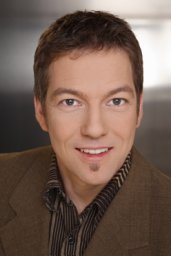 Michael Lakatos合作论文数Department of Biology, University of Kaiserslautern2A. Schlichting合作论文数1Kathrin Henkel合作论文数1Aimee MacLennan合作论文数1Jette Schwarz合作论文数1jan achtenhagen合作论文数1Peter Lechner合作论文数1
 Ekaterina Pushkareva合作论文数1Richard Schroeder合作论文数1




