Resumo Fundamento A prevalência da hipertensão (HAS) é elevada em comunidades étnicas, particularmente entre adultos afrodescendentes nos Estados Unidos. Além disso, há uma escassez de estudos que abordem essa questão na população afrodescendente brasileira. Objetivos Analisar o controle da pressão arterial e o uso de medicamentos anti-hipertensivos entre brasileiros afrodescendentes e não afrodescendentes. Métodos Este estudo transversal avaliou dados do Primeiro Registro Brasileiro de Hipertensão, que incluiu indivíduos com mais de 18 anos de idade, autodeclarados como afrodescendentes ou não afrodescendentes, com HAS há pelo menos quatro semanas ou em uso de medicamento anti-hipertensivo. As comparações foram realizadas utilizando testes t ou o teste de Mann-Whitney. Foi adotado nível de significância de p < 0,05. Resultados Um total de 2.643 participantes foi incluído, dos quais 82,8% eram não afrodescendentes e 17,1% eram afrodescendentes. As taxas de HAS não controlada foram de 44,68% entre os não afrodescendentes e de 54,64% entre os afrodescendentes. Os valores medianos da pressão arterial sistólica (PAS), pressão arterial diastólica (PAD) e índice de massa corporal (IMC) foram mais elevados nos afrodescendentes em comparação aos não afrodescendentes (p < 0,001). A distribuição das classes de medicamentos anti-hipertensivos variou entre as populações. Não foram observadas diferenças significativas no controle da HAS entre os usuários de betabloqueadores nos grupos afrodescendentes e não afrodescendentes, mesmo quando estratificados por sexo. Conclusão A população afrodescendente no Brasil apresentou maior prevalência de HAS não controlada e valores mais elevados de PAS, PAD e IMC em comparação à população não afrodescendente. A escolha dos medicamentos anti-hipertensivos diferiu entre os grupos, sendo os tiazídicos mais comumente prescritos para afrodescendentes e os bloqueadores dos receptores de angiotensina II para não afrodescendentes. No entanto, não foram observadas diferenças significativas no controle da PA entre os grupos que utilizavam betabloqueadores, independentemente do sexo.
Hypertension in dialysis patients (HTND) has a high prevalence, affecting at least 80% or more of patients, and its management in the nephrology practice is heterogeneous and often empirical. Knowing how to define, understand the pathophysiology, diagnose, monitor and treat with lifestyle changes, and adjust antihypertensive drugs to achieve the recommended blood pressure (BP) target - to reduce morbidity and mortality - requires specific knowl-edge and approaches within the contexts of hemodialysis (HD) and peritoneal dialysis (PD). This document is the first guideline of the Brazilian Society of Nephrology, developed by the departments of Hypertension and Dialysis. It aims to guide physicians who provide care in dialysis centers on how to manage patients with HTND, in a comprehensive and individualized manner, based on the critical appraisal of the best available scientific evidence. When such evidence is scarce or unavailable, the opinion of specialists should be recommended. The different topics covered include HTND definition (pre-HD BP ≥ 140/90 mmHg and post-HD BP ≥ 130/80 mmHg), epidemiology, and pathophysiology; diagnosis of HTND preferably with BP measurements outside the dialysis setting (BP ≥ 130/80 mmHg); complementary assessment; blood pressure targets; non-pharmacological treatment; use of the most appropriate antihypertensive medications; special situations; and complications of HTND, predominantly cardiovascular ones.
Resumo A hipertensão arterial em pacientes em diálise (HAD) tem alta prevalência, de pelo menos 80% ou mais, e seu manejo na prática do nefrologista ocorre de forma heterogênea e, frequentemente, empírica. Saber definir, conhecer a fisiopatologia, diagnosticar, acompanhar e tratar com mudanças no estilo de vida, e adequar os medicamentos anti-hipertensivos para alcançar a meta de pressão arterial (PA) recomendada, com vistas à redução da morbidade e mortalidade, requerem conhecimentos e abordagens específicos nos contextos da hemodiálise (HD) e da diálise peritoneal (DP). Este documento é a primeira diretriz da Sociedade Brasileira de Nefrologia, elaborada pelos departamentos de Hipertensão e de Diálise, que visa orientar os médicos que prestam assistência em centros de diálise a como manejar pacientes com HAD, de forma integral e individualizada, com base no julgamento crítico das melhores evidências científicas disponíveis e, quando essas são escassas ou indisponíveis, indicar a opinião de especialistas. Os diferentes temas abordados envolvem: a definição (PA pré-HD ≥ 140/90 mmHg e PA pós-HD ≥ 130/80 mmHg), epidemiologia e fisiopatologia; diagnóstico da HAD preferencialmente com medidas da PA fora do ambiente de diálise (PA ≥ 130/80 mmHg); avaliação complementar; metas pressóricas; tratamento não medicamentoso; uso dos anti-hipertensivos mais adequados; situações especiais; e complicações da HAD, predominantemente as cardiovasculares.
Cardiometabolic multimorbidity (CM-MM) is defined as the coexistence of at least two of the following conditions: diabetes mellitus (DM), myocardial infarction (MI), or stroke (ST). Data on the prevalence of CM-MM and its associated factors are scarce in Brazil. To analyse the prevalence of CM-MM and its associated factors in a population of Brazilian adults aged ≥ 65 years with hypertension. We conducted an analytical cross-sectional study from 2013 to 2015 using data from the first Brazilian Hypertension Registry (BHR). Participants were recruited from 45 public and private healthcare services in all regions of Brazil. CM-MM was the main outcome measure, analysed according to clinical and sociodemographic factors. Descriptive and association analyses were performed to compare CM-MM and the other parameters. We analysed data from 1,033 individuals. The prevalence of CM-MM was 8.9
Background:The prevalence of hypertension (HT) and blood pressure (BP) control varies among ethnic-racial groups, but studies on this issue and correlations between BP and body mass index (BMI) in the black Brazilian population are scarce. Methods:Cross-sectional study in individuals included in the First Brazilian Hypertension Registry. Relationships between variables were analysed by a binary logistic regression analysis. Results:The study evaluated 2.191 (82.9%) non-Afro-descendant participants and 452 (17.1%) Afro-descendants. The median age was 61.9 years (55.3% women), the BMI was 28.4 kg/m² and the waist circumference (WC) was 93 cm in the former cohort. In the Afro-descendant group, the median age was 62.5 years (57.5% women), the was BMI 29.8 kg/m² and the was WC 98 cm. A significant correlation was identified between BMI and office diastolic BP (DBP) (R = 0.126; p = 0.007) in Afro-descendants. These individuals had 1.40 times the chance of being obese compared to those of other ethnicities (95% CI: 1.14-1.72; p < 0.001). Afro-descendant men had 0.78 times fewer chance of being obese compared to women (95% CI: 0.66-0.90; p = 0.002), and 1.49 times higher chance (95% CI = 1.21-1.82; p < 0.001) of having uncontrolled BP, with no differences with Afro-descendant women (HR 0.91; 95% CI = 0.78-1.07; p < 0.258). Conclusion:No correlations were found between office BP, BMI and WC, except for a very weak correlation between DBP and BMI in the Brazilian Afro-descendants, although they were 1.40 times more likely to be obese. In contrast, a significant correlation between SBP and BMI was observed in the non-Afro-descendants. Differences in blood pressure control were not identified between the sexes within each group, but only between ethnic groups, with people of African descent having a 1.49 times greater risk of uncontrolled hypertension compared to non-Afro-descendants.
Background: The prevalence of hypertension (HTN) is high in ethnic communities, particularly among Afro-descendant adults in the United States. Moreover, there is a lack of studies addressing this issue in the Brazilian Afro-descendant population. Objective: To analyze blood pressure control and the use of antihypertensive medications among Afro-descendant and non-Afro-descendant Brazilians. Methods: This cross-sectional study evaluated data from the First Brazilian Registry of Hypertension, which included individuals over 18 years of age, self-identified as Afro-descendant or non-Afro-descendant, with HTN for at least four weeks or using antihypertensive medication. Comparisons were performed using t-tests or the Mann-Whitney test. A significance level of p < 0.05 was adopted. Results: A total of 2,643 participants were included, of whom 82.8% were non-Afro-descendant and 17.1% were Afro-descendant. The rates of uncontrolled HTN were 44.68% among non-Afro-descendants and 54.64% among Afro-descendants. Median values of systolic blood pressure (SBP), diastolic blood pressure (DBP), and body mass index (BMI) were higher in Afro-descendants compared to non-Afro-descendants (p < .001). The distribution of antihypertensive medication classes varied between the populations. No significant differences in HTN control were observed between beta-blocker users in the Afro-descendant and non-Afro-descendant groups, even when stratified by sex. Conclusion: The Afro-descendant population in Brazil demonstrated a higher prevalence of uncontrolled HTN and higher SBP, DBP, and BMI values compared to the non-Afro-descendant population. The choice of antihypertensive medications differed between groups, with thiazides more commonly prescribed for Afro-descendants and ARBs for non-Afro-descendants. However, no significant differences in blood pressure control were observed between groups using beta-blockers, regardless of sex.
A hipertensão arterial (HA) é um dos principais fatores de risco modificáveis para morbidade e mortalidade em todo o mundo, sendo um dos maiores fatores de risco para doença arterial coronária, acidente vascular cerebral (AVC) e insuficiência renal. Além disso, é altamente prevalente e atinge mais de um terço da população mundial. A medida da PA é procedimento OBRIGATÓRIO em qualquer atendimento médico ou realizado por diferentes profissionais de saúde. Contudo, ainda é comumente realizada sem os cuidados técnicos necessários. Como o diagnóstico se baseia na medida da PA, fica claro o cuidado que deve haver com as técnicas, os métodos e os equipamentos utilizados na sua realização. Deve-se reforçar que, feito o diagnóstico, toda a investigação e os tratamentos de curto, médio e longo prazos são feitos com base nos resultados da medida da PA. Assim, técnicas e/ou equipamentos inadequados podem levar a diagnósticos incorretos, tanto subestimando quanto superestimando valores e levando a condutas inadequadas e grandes prejuízos à saúde e à economia das pessoas e das nações. Uma vez feito o diagnóstico correto, na medida em que avança o conhecimento da importância do tratamento adequado, com a adoção de valores de normalidade mais detalhados e com objetivos de tratamento mais cuidadosos no sentido do alcance de metas de PA mais rigorosas, fica também reforçada a importância da precisão na medida da PA. A medida da PA (descrita a seguir) é habitualmente feita pelo método tradicional, a assim chamada medida casual ou de consultório. Ao longo do tempo, foram agregadas alternativas a ela, mediante o uso de equipamentos semiautomáticos ou automáticos pelo próprio paciente, nas salas de espera ou fora do consultório, em sua própria residência ou em espaços públicos. Um passo adiante foi dado com o uso de equipamentos semiautomáticos providos de memória que permitem medidas sequenciais fora do consultório (AMPA; ou MRPA) e outros automáticos que permitem medidas programadas por períodos mais prolongados (MAPA). Alguns aspectos na medida da PA podem interferir na obtenção de resultados fidedignos e, consequentemente, causar prejuízo nas condutas a serem tomadas. Entre eles, estão: a importância de serem utilizados valores médios, a variação da PA durante o dia e a variabilidade a curto prazo. Esses aspectos têm estimulado a realização de maior número de medidas em diversas situações, e as diferentes diretrizes têm preconizado o uso de equipamentos que favoreçam essas ações. Ganham cada vez mais espaço os equipamentos que realizam MRPA ou MAPA, que, além de permitirem maior precisão, se empregados em conjunto, detectam a HA do avental branco (HAB), HA mascarada (HM), alterações da PA no sono e HA resistente (HAR) (definidos no Capítulo 2 desta diretriz). Resguardados esses detalhes, devemos ressaltar que as informações relacionadas a diagnóstico, classificação e estabelecimento de metas ainda são baseadas na medida da PA de consultório e, por esse motivo, toda a atenção deve ser dada à realização desse procedimento.
Background In view of the high prevalence of hypertension and the importance of adequate drug therapy in the prevention of complications, it is necessary to know the adherence to drug treatment in this population. Objective To verify adherence to antihypertensive drug treatment in Brazilian patients with hypertension using the Morisky-Green Test (MGT), relating it with demographic data. Methods Prospective, observational, multicenter, national registry study, with 2,578 hypertensive patients participating in study I, the Brazilian Cardiovascular Registry of Arterial Hypertension [...]
The long-term efficacy of renal denervation (RDN) has not been extensively documented. To describe the long-term follow-up of patients after RDN. We evaluated patients with resistant hypertension (RH) who underwent RDN with irrigated catheter from 2012 to 2014 at a single centre. Office blood pressure (BP) and 24-hour ambulatory BP were assessed. Clinical event (stroke, myocardial infarction, need for dialysis, or death from any cause), left ventricular mass index (LVMI), estimated glomerular filtration rate (eGFR), and urine albumin-to-creatinine ratio (uACR) were evaluated. The analysis included 20 individuals (age 51 ± 10 years, 75
Background: Weight gain can trigger mechanisms that increase blood pressure. Nevertheless, obesity causes structural changes in the myocardium, including increased ventricular mass, atrial dilatation, and diastolic and systolic dysfunction. Additionally, blood pressure variations, like morning surge (MS) in obese hypertensive patients may have clinical relevance in cardiovascular events. Although morning blood pressure surge is a physiological phenomenon, excess MS can be considered an independent risk factor for cardiovascular events.Objective: To evaluate MS values and their association with left ventricular hypertrophy (LVH) and nocturnal dipping (ND) in obese and non-obese hypertensive patients.Methods: A cross-sectional study that evaluated BP measurements by ambulatory blood pressure monitoring (ABPM) and the presence of LVH by echocardiography in 203 hypertensive outpatients, divided into two groups: 109 non-obese and 94 obese hypertensives patients. The significance level was set at 0.05 in two-tailed tests.Results: A MS above 20 mmHg by ABPM was detected in 59.2% of patients in the non-obese group and 40.6% in the obese group. LVH was found in 18.1% and 39.3% of patients in the non-obese and obese groups, respectively, p<0.001. In the "obese group", it was observed that a MS>16 mmHg was associated with LVH, [prevalence ratio: 2.80; 95%CI (1.12-6.98), p=0.03]. For the non-obese group, the cut-off point of MS for this association was >22 mmHg.Conclusion: High MS was positively associated with LVH, with a particular behavior in the hypertensive obese group.
Resumo Fundamento O aumento do peso frequentemente desencadeia mecanismos que elevam a pressão arterial. A obesidade causa mudanças estruturais no miocárdio, incluindo aumento da massa ventricular, dilatação atrial, bem como disfunções diastólicas e sistólicas. Além disso, variações pressóricas nos hipertensos obesos, como a ascensão matinal (AM), podem ter relevância clínica na prevenção dos eventos cardiovasculares. A AM da pressão arterial é um fenômeno fisiológico, que quando elevada pode ser considerada um fator de risco independente para eventos cardiovasculares. Objetivo Avaliar valores da elevação da AM e sua associação com a hipertrofia ventricular esquerda (HVE) e com o Descenso do Sono (DS) em obesos e não obesos hipertensos. Métodos Estudo transversal que avaliou medidas pressóricas à monitorização ambulatorial da pressão arterial (MAPA) e a presença de HVE, avaliada pela ecocardiografia, em 203 pacientes hipertensos em tratamento ambulatorial, separados em dois grupos: 109 não obesos e 94 hipertensos obesos. O nível de significância adotado foi de 0,05 em testes bicaudais. Resultados A AM acima de 20 mmHg à MAPA foi detectada em 59,2% dos pacientes do grupo “não obesos” e em 40,6% no grupo “obesos”. A HVE foi encontrada em 18,1% no grupo dos não-obesos e em 39,3% no grupo de obesos, p<0,001. No grupo “obesos” foi observado que AM >16 mmHg esteve associada à HVE, com [razão de prevalência: 2,80; IC95% (1,12–6,98), p=0,03]. Para o grupo dos “não obesos”, o ponto de corte da AM para essa associação foi >22 mmHg. Conclusão A AM elevada associou-se positivamente com HVE, com comportamento peculiar na população de hipertensos e obesos.
Background:It is still very controversial whether the characteristics of pain in the acute myocardial infarction could be related to the culprit coronary artery. There are no data about associations of pain with the ST-segment elevation myocardial infarction (STEMI) and left ventricular (LV) fibrotic segments.Methods:Data from 328 participants who had STEMI and were included in the B and T Types of Lymphocytes Evaluation in Acute Myocardial Infarction (BATTLE-AMI) study were analyzed. The culprit artery was identified by coronary angiography and the injured myocardial segments by cardiac magnetic resonance. The statistical significance was established by P value < 0.05.Results:A total of 223 patients (68%) were selected. Association was not observed between chest pain and the culprit artery (P = 0.237), as well as between pain irradiation and the culprit artery (P = 0.473). No significant difference was observed in the pain localization in relation to the segments in the short axis basal, mid, apical, and long axis, except for the mid inferior segment. The data were not considered clinically relevant because this association was observed in only one of 17 segments after multiple comparisons.Conclusions:In patients with STEMI, no associations were observed between the location or irradiation of acute chest pain and/or adjacent areas and the culprit artery, or between pain and segmental myocardial fibrosis in the LV.
Abstract Uncontrolled hypertension has a high prevalence and is related to numerous negative health outcomes. This study aimed to investigate the factors associated with the lack of blood pressure control in hypertensive Brazilians treated in public and private services. This is an analytical, multicentric, and national cross‐sectional study, carried out with adult hypertensive patients, monitored in 45 outpatient clinics (September 2013 to October 2015) in a prospective record interview, clinical, and anthropometric assessment. Outcome variables included uncontrolled pressure (systolic blood pressure ≥ 140 mmHg and/or diastolic blood pressure ≥ 90 mmHg). Simple and multiple logistic regression analyses were performed. Two thousand six hundred forty‐three participants were assessed with a mean age of 61.6 ± 11.9 years, 55.7% of women, and 46.4% with uncontrolled blood pressure (BP). The following were associated with uncontrolled BP: age over 60 years (OR: 1.31 [1.11–1.55]); practice of irregular physical activity (OR: 1.28 [1.06–1.55]); attending the emergency room for hypertensive crises in the last six months (OR: 1.80 [1.46–2.22]); increased body mass index (OR: 1.02 [1.01–1.04]); low adherence to drug treatment (OR: 1.22 [1.04–1.44]) and menopause (OR: 1.36 [1.07–1.72]). The following were negatively associated: fruit consumption (OR: 0.90 [0.85–0.94]); presence of dyslipidemia (OR: 0.75 [0.64–0.89]), acute myocardial infarction (OR: 0.59 [0.46–0.76]), and peripheral arterial disease (OR: 0.52 [0.34‐0.78]). Factors associated with difficult‐to‐control blood pressure are the same that increase the risk for hypertension, while the presence of atherosclerotic disease and its outcomes were associated with better control.
Autores do Posicionamento: Fernando Nobre,1,2 Roberto Esporcatte,3,4 Andréa Araujo Brandão,3 Álvaro Avezum Jr.,5 Audes Diógenes Magalhães Feitosa,6,7 Celso Amodeo,8 Eduardo Costa Duarte Barbosa,9 Emilio Hideyuki Moriguchi,10 Fernando Antônio Lucchese,9 Hermilo Borba Griz,11 José Carlos Nicolau,12 Lucélia Batista Neves Cunha Magalhães,13 Marco Antônio Mota-Gomes,14 Mario Henrique Elesbão de Borba,15 Mauro Ricardo Nunes Pontes,10 Paulo César Brandão Veiga Jardim,16,17 Pedro Pimenta de Mello Spineti,3 Ricardo Mourilhe-Rocha,3 Roberto Dischinger Miranda,8 Sérgio Lívio Menezes Couceiro,18 Weimar Kunz Sebba Barroso16,19
Content 1. Definition, Epidemiology, and Primary Prevention 528 1.1 Definition of Hypertension 528 […] Brazilian Guidelines of Hypertension – 2020
Background: Left ventricular hypertrophy (LVH) is an important cardiovascular risk factor, regardless of arterial hypertension. Despite the evolution of imaging tests, the electrocardiogram (ECG) is still the most used in the initial evaluation, however, with low sensitivity. Objective: To evaluate the performance of the main electrocardiographic criteria for LVH in elderly and very elderly hypertensive individuals. Methods: In a cohort of hypertensive patients, ECGs and doppler echocardiographies (ECHO) were performed and separated into three age groups: <60 years, Group I; 60-79 years Group II; and >= 80 years, Group III. The most used electrocardiographic criteria were applied for the diagnosis of LVH: Perugia; Pegaro-Lo Presti; Gubner-Ungerleider; Narita; (Rm+Sm) x duration; Cornell voltage; Cornell voltage duration; Sokolow-Lyon voltage; R of aVL >= 11 mm; RaVL duration. In evaluating the performance of these criteria, in addition to sensitivity (Sen) and specificity (Esp), the "Diagnostic Odds Ratios" (DOR) were analyzed. We considered p-value <0.05 for the analyses, with two-tailed tests. Results: In 2,458 patients, LVH was present by ECHO in 781 (31.7%). In Groups I and II, the best performances were for the criteria of Narita, Perugia, (Rm+Sm) x duration, with no statistical differences between them. In Group III (very elderly) the Perugia criteria and (Rm+Sm) x duration had the best performances: Perugia [44,7/89.3; (Sen/Esp)] and (Rm+Sm) duration [39.4%/91.3%; (Sen/Esp), p<0.05)], with the best PAIN results:6.8. This suggests that in this very elderly population, these criteria have greater discriminatory power to separate patients with LVH. Conclusion: In very elderly hypertensive patients, the Perugia electrocardiographic criteria and (Rm+Sm) x duration showed the best diagnostic performance for LVH.
BACKGROUND:A major cause of death worldwide, cardiovascular diseases and their prevalence in cardiologists are little known. OBJECTIVES:To describe life habits and cardiovascular risk factors (CVRF) and to investigate the prevalence of diagnosis, awareness, and control of these CVRF among cardiologists members affiliated to and specialists from the Brazilian Society of Cardiology. METHODS:National multicenter cross-sectional study to assess Brazilian cardiologists using a questionnaire on life habits, preexisting diseases, current medications, anthropometric measurements, blood pressure, and levels of glucose and lipids. RESULTS:A total of 555 cardiologists were evaluated, of which 67.9% were male, with a mean age of 47.2±11.7 years. Most were non-smoker (88.7%) and physically active (77.1%), consumed alcohol (78.2%), had normal weight circumference (51.7%), and were overweight (56.1%). The prevalence of systemic arterial hypertension (SAH), diabetes mellitus (DM), and dyslipidemia (DLP) were 32.4%, 5.9%, and 49.7%, respectively, of which only 57.2%, 45.5%, and 49.6%, respectively, were aware of the diseases. CONCLUSIONS:The Brazilian cardiologists participating in the study had a high prevalence of SAH, DM and DLP, but only a half of participants were aware of these conditions and, among these, the rates of controlled disease were low for SAH and DLP, although cardiologists are professionals with great knowledge about these CVRF. These findings represent a warning sign for the approach of CVRF in Brazilian cardiologists and encourage the conduction of future studies.
 Flávio Borelli合作论文数65
 Andrea Araújo Brandao合作论文数Faculdade de Ciências Médicas, Universidade do Estado do Rio de Janeiro;Governo do Estado do Rio de Janeiro56
 Marcio Goncalves De Sousa合作论文数55
 Luciano Drager合作论文数Hypertension Unit, Medical School, Universtiy of Sao Paulo;Disciplina de Nefrologia, Hospital das Clínicas da FMUSP;Instituto Do Coracao43
 Mion Júnior D合作论文数Unidade de Hipertensão Arterial, Faculdade de Medicina da Universidade de São Paulo42
 Marcus Vinicius Bolivar Malachias合作论文数41Carolina C. Gonzaga合作论文数Seção de Hipertensão Arterial e Nefrologia, do Instituto Dante41
 Cordeiro Antonio Carlos合作论文数Department of Clinical Science, Intervention and Technology;Karolinska Institutet;Department of Clinical Science, Intervention and Technology, Karolinska Institutet38
 Marco Antonio Mota Gomes合作论文数Centro de Pesquisas Clínicas, Hospital do Coração de Alagoas37Paulo César Brandão Veiga Jardim合作论文数35Eduardo Pimenta合作论文数Universidade Estácio de Sá - Curso de Produção Pesqueira - Cabo Frio35oswaldo passarelli合作论文数33
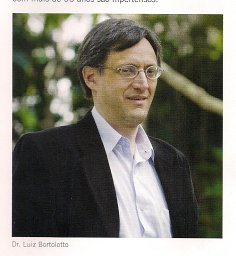 Bortolotto Luiz A合作论文数Heart Inst InCor, Univ Sao Paulo33Fernando Nobre合作论文数32
 Roberto Dischinger Miranda合作论文数Universidade Federal de São Paulo30Wille Oigman合作论文数29
 Eduardo Barbosa合作论文数Institute of Health Sciences, Feevale University28
 Elizabeth S. Muxfeldt合作论文数28
 Audes Feitosa合作论文数27Oswaldo Passarelli Junior合作论文数25
 Kaiser Sérgio合作论文数25
 Vera H. Koch合作论文数Instituto da Criança, Universidade de São Paulo;Faculdade de Medicina, Universidade de São Paulo23Miguel Gus合作论文数Hospital de Clínicas de Porto Alegre, Universidade Federal do Rio Grande do Sul23
 Heitor Moreno合作论文数22
 Weimar Kunz Sebba Barroso De Souza合作论文数Hospital das Clínicas, Faculdade de Medicina, Universidade Federal de Goiás21JM Ribeiro合作论文数20
 Heno Ferreira Lopes合作论文数Hospital das Clı́nicas, São Paulo University Medical School20
 Sandra Fuchs合作论文数Department of Social Medicine, Federal University of Rio Grande do Sul;Faculdade de Medicina, Universidade Federal do Rio Grande do Sul20CA Machado合作论文数19Eduardo Barbosa Coelho合作论文数Faculdade de Medicina de Ribeirão Preto, Universidade de São Paulo19GS Feitosa合作论文数18O Passarelli Júnior合作论文数18E Lima Júnior合作论文数18RD Miranda合作论文数18A Alessi合作论文数18RB Paula合作论文数17Alexandre Alessi合作论文数17
 Carlos Alberto Machado合作论文数17
 Cibele Rodrigues合作论文数17
 Leopoldo Soares Piegas合作论文数Hospital do Coração;Faculdade de Medicina da Universidade de São Paulo17LA Bortolotto合作论文数16AR Nogueira合作论文数16RMS Póvoa合作论文数16PCBV Jardim合作论文数16WKSB Souza合作论文数16GV Silva合作论文数16ICB Guimarães合作论文数16
 Weimar Kunz Sebba Barroso合作论文数Faculdade de Medicina, Universidade Federal de Goiás16




