The omega-3 long-chain polyunsaturated fatty acids (LC-PUFAs) eicosapentaenoic acid (EPA) and docosahexaenoic acid (DHA) are recognized for their health-promoting qualities. Marine fish and fish oil currently provide the main sources of EPA and DHA for human consumption. An alternative plant-based source of EPA and DHA is provided by EPA + DHA canola event LBFLFK (LBFLFK). A comparative analysis and a 28-day toxicity study assessed the safety of LBFLFK refined, bleached, and deodorized (RBD) oil. Thirty-one different commercially-obtained fat and oil samples were tested, and principal component analysis showed that the overall fatty acid profile of LBFLFK RBD oil was most similar to Mortierella alpina oil and salmon flesh. Samples with the fewest differences in the presence or absence of individual fatty acids compared to LBFLFK RBD oil were menhaden oil and some other fish oils. In a 28-day toxicity study, LBFLFK RBD oil was administered by oral gavage to male and female Wistar rats. No signs of toxicity were evident and no adverse effects were noted in clinical observations, clinical pathology, or histopathology. Overall, these studies support the safety of LBFLFK RBD oil as a source of EPA and DHA for human consumption.
Production of eicosapentaenoic acid (EPA) and docosahexaenoic acid (DHA) in plant seed oils has been pursued to improve availability of these omega-3 fatty acids that provide important human health benefits. Canola (Brassica napus), through the introduction of 10 enzymes, can convert oleic acid (OLA) into EPA and ultimately DHA through a pathway consisting of two elongation and five desaturation steps. Herein we present an assessment of the substrate specificity of the seven desaturases and three elongases that were introduced into canola by expressing individual proteins in yeast. In vivo feeding experiments were conducted with 14 potential fatty acid intermediates in an OLA to DHA pathway to determine the fatty acid substrate profiles for each enzyme. Membrane fractions were prepared from yeast expression strains and shown to contain active enzymes. The elongases, as expected, extended acyl-CoA substrates in the presence of malonyl-CoA. To distinguish between enzymes that desaturate CoA- and phosphatidylcholine-linked fatty acid substrates, we developed a novel in vitro method. We show that a delta-12 desaturase from Phytophthora sojae, an omega-3 desaturase from Phytophthora infestans and a delta-4 desaturase from Thraustochytrium sp., all prefer phosphatidylcholine-linked acyl substrates with comparatively low use of acyl-CoA substrates. To further validate our method, a delta-9 desaturase from Saccharomyces cerevisiae was confirmed to use acyl-CoA as substrate, but could not use phosphatidylcholine-linked substrates. The results and the assay methods presented herein will be useful in efforts to improve modeling of fatty acid metabolism and production of EPA and DHA in plants.
Eukaryotic cells are characterized by compartmentalization and specialization of metabolism within membrane-bound organelles. Nevertheless, many fundamental processes extend across multiple subcellular compartments. Here, we describe and assess the pathways and cellular organization of triacylglycerol biosynthesis in microalgae. In particular, we emphases the dynamic interplay among the endoplasmic reticulum, lipid droplets and chloroplasts in acyl remodeling and triacylglycerol accumulation under nitrogen starvation in the model alga Chlamydomonas reinhardtii.
Population structuring in the northern shrimp (Pandalus borealis) in the North Sea area (including Fladen and Skagerrak) was studied by microsatellite DNA analyses. Screening 20 sample locations in the open ocean and Skagerrak fjords for nine loci revealed low, but significant genetic heterogeneity. The spatial genetic structure among oceanic samples of Skagerrak and the eastern North Sea was weak and non-significant, consistent with the current management regime of one single stock. However, Skagerrak fjord samples generally displayed elevated levels of genetic differentiation, and significantly so in several pairwise comparisons with other fjords and oceanic samples. Although the Skagerrak fjord populations are of less economic value, some of them are regulated separately (e.g. the Gullmarsfjord) and local stocks may prove important to uphold genetic variability and biocomplexity in a changing environment.
Biologically produced alkanes represent potential renewable alternatives to petroleum-derived chemicals. A cyanobacterial pathway consisting of acyl–Acyl Carrier Protein reductase and an aldehyde-deformylating oxygenase (ADO) converts acyl–Acyl Carrier Proteins into corresponding n-1 alkanes via aldehyde intermediates in an oxygen-dependent manner (K m for O 2 , 84 ± 9 µM). In vitro, ADO turned over only three times, but addition of more ADO to exhausted assays resulted in additional product formation. While evaluating the peroxide shunt to drive ADO catalysis, we discovered that ADO is inhibited by hydrogen peroxide (H 2 O 2 ) with an apparent K i of 16 ± 6 µM and that H 2 O 2 inhibition is of mixed-type with respect to O 2 . Supplementing exhausted assays with catalase (CAT) restored ADO activity, demonstrating that inhibition was reversible and dependent on H 2 O 2 , which originated from poor coupling of reductant consumption with alkane formation. Kinetic analysis showed that long-chain (C14–C18) substrates follow Michaelis–Menten kinetics, whereas short and medium chains (C8–C12) exhibit substrate inhibition. A bifunctional protein comprising an N-terminal CAT coupled to a C-terminal ADO (CAT–ADO) prevents H 2 O 2 inhibition by converting it to the cosubstrate O 2 . Indeed, alkane production by the fusion protein is observed upon addition of H 2 O 2 to an anaerobic reaction mix. In assays, CAT–ADO turns over 225 times versus three times for the native ADO, and its expression in Escherichia coli increases catalytic turnovers per active site by fivefold relative to the expression of native ADO. We propose the term “protection via inhibitor metabolism” for fusion proteins designed to metabolize inhibitors into noninhibitory compounds.
In the 1960s, in a dense art scene in New York City, Minimal Art and Concept Art were born. The artists Carl Andre, Mel Bochner, Dan Flavin, Dan Graham, Donald Judd, Sol LeWitt and Robert Morris are subsumed into these two schools of art by contemporary critique and historical retrospection or simply credited as the protagonists of these movements. Additionally, the German immigrants, Hanne Darboven, Eva Hesse and Ruth Vollmer – the important links between the European and American avantgarde – could be found in this setting. 1
The stock structure of the edible crab (Cancer pagurus L.) in the Kattegat and Skagerrak was investigated using eight microsatellite DNA loci. Replicate samples, collected 4-6 years apart, were derived form the Kattegat (Grove Bank, 57 degrees N) and the Skagerrak (Lunneviken, 59 degrees N), plus a geographical outgroup sample from the Norwegian Sea (Midsund, 62 degrees N). Genetic differentiation among samples, estimated as global F-ST = 0.002, was significant (p = 0.03) when the statistical test was based on allele frequencies, but not when based on genotype frequencies. Moreover, all single- and multilocus pairwise tests between samples were non-significant. An analysis of molecular variance, AMOVA, did not reveal significant differentiation between spatial (Kattegat vs. Skagerrak) or temporal (2001/2002 vs. 2006/2007) groups of samples. Power analysis suggested that the loci and sample sizes employed conferred a power of > 90% of detecting even low (true F-ST = 0.0002) levels of population structure. Low spatial and temporal genetic structure might be explained by either or both of (i) high levels of contemporary gene flow in the area attributable to adult migration or larval dispersal or both factors taken together, and (ii) patterns of historical gene flow persisting among recently founded large populations.
Glucose-6-phosphate dehydrogenase (G6PDH) has been implicated in the supply of reduced nicotine amide cofactors for biochemical reactions and in modulating the redox state of cells. In plants, identification of its role is complicated due to the presence of several isoforms in the cytosol and plastids. Here we focus on G6PDHs in the cytosol of Arabidopsis (Arabidopsis thaliana) using single and double mutants disrupted in the two cytosolic G6PDHs. Only a single G6PDH isoform remained in the double mutant and was present in chloroplasts, consistent with a loss of cytosolic G6PDH activity. The activities of the cytosolic isoforms G6PD5 and G6PD6 were reciprocally increased in single mutants with no increase of their respective transcript levels. We hypothesized that G6PDH plays a role in supplying NADPH for oil accumulation in developing seeds in which photosynthesis may be light limited. G6PDH activity in seeds derived from G6PD6 and a plastid G6PDH isoform and showed a similar temporal activity pattern as oil accumulation. Seeds of the double mutant but not of the single mutants had higher oil content and increased weight compared to those of the wild type, with no alteration in the carbon to nitrogen ratio or fatty acid composition. A decrease in total G6PDH activity was observed only in the double mutant. These results suggest that loss of cytosolic G6PDH activity affects the metabolism of developing seeds by increasing carbon substrates for synthesis of storage compounds rather than by decreasing the NADPH supply specifically for fatty acid synthesis.
Catabolism of storage reserves and biosynthesis of metabolites necessary for growth are essential for seed germination and establishment. An Arabidopsis (Arabidopsis thaliana) mutant (pkp1) deficient in plastidic pyruvate kinase (PKp) and unable to accumulate storage oil to the same extent as the wild type shows delayed germination and seedling establishment dependent on an exogenous sugar supply. It appears, however, as though these phenotypes are not entirely caused specifically by lack of seed oil and may be related to reduced PKp activity in germinating seeds. Increasing the sucrose concentration in the medium further inhibits germination of pkp1, possibly due to the accumulation of soluble sugars in seeds. Germinating seeds of pkp1 are unable to metabolize storage oil and cannot utilize applied sucrose for hypocotyl elongation in the dark. Moreover, pkp1 contains less tocopherol and chlorophyll than the wild type. Taken together, the results are consistent with a model in which PKp is required for the efficient conversion of sugar into precursors for different anabolic pathways.
Glycolysis is a ubiquitous pathway thought to be essential for the production of oil in developing seeds of Arabidopsis thaliana and oil crops. Compartmentation of primary metabolism in developing embryos poses a significant challenge for testing this hypothesis and for the engineering of seed biomass production. It also raises the question whether there is a preferred route of carbon from imported photosynthate to seed oil in the embryo. Plastidic pyruvate kinase catalyzes a highly regulated, ATP-producing reaction of glycolysis. The Arabidopsis genome encodes 14 putative isoforms of pyruvate kinases. Three genes encode subunits alpha, beta(1), and beta(2) of plastidic pyruvate kinase. The plastid enzyme prevalent in developing seeds likely has a subunit composition of 4alpha4beta(1), is most active at pH 8.0, and is inhibited by Glu. Disruption of the gene encoding the beta(1) subunit causes a reduction in plastidic pyruvate kinase activity and 60% reduction in seed oil content. The seed oil phenotype is fully restored by expression of the beta(1) subunit-encoding cDNA and partially by the beta(2) subunit-encoding cDNA. Therefore, the identified pyruvate kinase catalyzes a crucial step in the conversion of photosynthate into oil, suggesting a preferred plastid route from its substrate phosphoenolpyruvate to fatty acids.
Glucose-6-phosphate dehydrogenase (G6PDH) has been implicated in the supply of reduced nicotine amide cofactors for biochemical reactions and in modulating the redox state of cells. In plants, identification of its role is complicated due to the presence of several isoforms in the cytosol and plastids. Here we focus on G6PDHs in the cytosol of Arabidopsis (Arabidopsis thaliana) using single and double mutants disrupted in the two cytosolic G6PDHs. Only a single G6PDH isoform remained in the double mutant and was present in chloroplasts, consistent with a loss of cytosolic G6PDH activity. The activities of the cytosolic isoforms G6PD5 and G6PD6 were reciprocally increased in single mutants with no increase of their respective transcript levels. We hypothesized that G6PDH plays a role in supplying NADPH for oil accumulation in developing seeds in which photosynthesis may be light limited. G6PDH activity in seeds derived from G6PD6 and a plastid G6PDH isoform and showed a similar temporal activity pattern as oil accumulation. Seeds of the double mutant but not of the single mutants had higher oil content and increased weight compared to those of the wild type, with no alteration in the carbon to nitrogen ratio or fatty acid composition. A decrease in total G6PDH activity was observed only in the double mutant. These results suggest that loss of cytosolic G6PDH activity affects the metabolism of developing seeds by increasing carbon substrates for synthesis of storage compounds rather than by decreasing the NADPH supply specifically for fatty acid synthesis.
 Christoph Benning合作论文数Department of Biochemistry & Molecular Biology, College of Natural Science, Michigan State University10
 Sol LeWitt合作论文数9
 Heiko Hartel合作论文数6lawrence weiner合作论文数6richard artschwager合作论文数5douglas huebler合作论文数5donald judd合作论文数4joseph kosuth合作论文数4jan dibbets合作论文数4dan flavin合作论文数4oliver oswald合作论文数4robert smithson合作论文数4daniel buren合作论文数4richard long合作论文数4dan graham合作论文数4
 John Shanklin合作论文数Biology Department, Brookhaven National Laboratory4
 Vito Acconci合作论文数4giovanni anselmo合作论文数3joseph beuys合作论文数3robert ryman合作论文数3georg baselitz合作论文数3brice marden合作论文数3richard tuttle合作论文数3alanna heiss合作论文数2hamish fulton合作论文数2reiner ruthenbeck合作论文数2landschaftsverband westfalenlippe合作论文数2mario merz合作论文数2walter de maria合作论文数2mel bochner合作论文数2
 Richard Serra合作论文数2agnes martin合作论文数2edward kienholz合作论文数2piero manzoni合作论文数2hans haacke合作论文数2yves klein合作论文数2
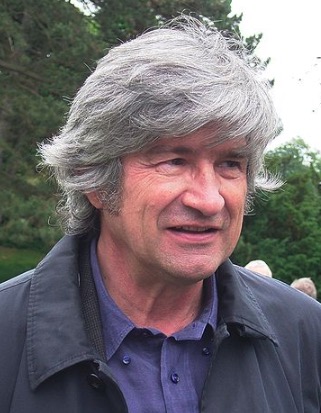 Giuseppe Penone合作论文数2marina abramovic合作论文数2monique beudert合作论文数2claes oldenburg合作论文数2robert barry合作论文数2
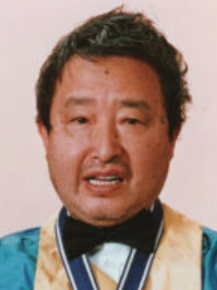 Nam June Paik (白南準)合作论文数Kunstakademie Düsseldorf2Setsuko Wakao合作论文数2
 Mittendorf Volker合作论文数Forschungsstelle Direkte Demokratie, Philipps-Universität Marburg2Per Erik Jorde合作论文数2Alex Cernac合作论文数2
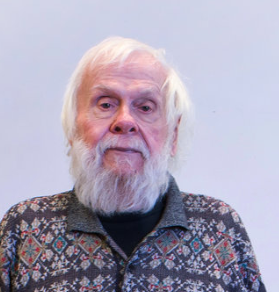 John Baldessari合作论文数University of California, Los Angeles2
 Halvor Knutsen合作论文数Centre for Ecological and Evolutionary Synthesis;Department of Biology;University of Oslo;Centre for Ecological and Evolutionary Synthesis, University of Oslo2John E. Froehlich合作论文数1




