We present cosmological results from the measurement of baryon acoustic oscillations (BAO) in galaxy, quasar and Lyman-$\alpha$ forest tracers from the first year of observations from the Dark Energy Spectroscopic Instrument (DESI), to be released in the DESI Data Release 1. DESI BAO provide robust measurements of the transverse comoving distance and Hubble rate, or their combination, relative to the sound horizon, in seven redshift bins from over 6 million extragalactic objects in the redshift range $0.1-1$ and $w_a<0$. This preference is 2.6$\sigma$ for the DESI+CMB combination, and persists or grows when SN~Ia are added in, giving results discrepant with the $\Lambda$CDM model at the $2.5\sigma$, $3.5\sigma$ or $3.9\sigma$ levels for the addition of Pantheon+, Union3, or DES-SN5YR datasets respectively. For the flat $\Lambda$CDM model with the sum of neutrino mass $\sum m_\nu$ free, combining the DESI and CMB data yields an upper limit $\sum m_\nu < 0.072$ $(0.113)$ eV at 95% confidence for a $\sum m_\nu>0$ $(\sum m_\nu>0.059)$ eV prior. These neutrino-mass constraints are substantially relaxed in models beyond $\Lambda$CDM. [Abridged.]
We present the measurement of Baryon Acoustic Oscillations (BAO) from the Lyman- a (Lya) forest of high-redshift quasars with the first-year dataset of the Dark Energy Spectroscopic Instrument (DESI). Our analysis uses over 420 000 Lya forest spectra and their correlation with the spatial distribution of more than 700 000 quasars. An essential facet of this work is the development of a new analysis methodology on a blinded dataset. We conducted rigorous tests using synthetic data to ensure the reliability of our methodology and findings before unblinding. Additionally, we conducted multiple data splits to assess the consistency of the results and scrutinized various analysis approaches to confirm their robustness. For a given value of the sound horizon ( rd), we measure the expansion at zeff = 2.33 with 2% precision, H(zeff) = (239.2 +/- 4.8) (147.09Mpc/ rd) km/s/Mpc. Similarly, we present a 2.4% measurement of the transverse comoving distance to the same redshift, DM (zeff) = (5.84 +/- 0.14) ( rd/147.09Mpc) Gpc. Together with other DESI BAO measurements at lower redshifts, these results are used in a companion paper to constrain cosmological parameters.
We present the La Silla Schmidt Southern Survey (LS4), a new wide-field, time-domain survey to be conducted with the 1 m ESO Schmidt telescope. The 268 megapixel LS4 camera mosaics 32 2k x 4k fully depleted CCDs, providing a similar to 20 deg2 field of view with 1 '' pixel-1 resolution. The LS4 camera will have excellent performance at longer wavelengths: in a standard 45 s exposure the expected 5 sigma limiting magnitudes in g, i, z are similar to 21.5, similar to 20.9, and similar to 20.3 mag (AB), respectively. The telescope design requires a novel filter holder that fixes different bandpasses over each quadrant of the detector. Two quadrants will have i band, while the other two will be g and z band with color information obtained by dithering targets across the different quadrants. The majority (90%) of the observing time will be used to conduct a public survey that monitors the extragalactic sky at both moderate (3 days) and high (1 day) cadence, as well as focused observations within the Galactic plane and bulge. Alerts from the public survey will be broadcast to the community via established alert brokers. LS4 will run concurrently with the Vera C. Rubin Observatory's Legacy Survey of Space and Time (LSST). The combination of LS4+LSST will enable detailed holistic monitoring of many nearby transients: high-cadence LS4 observations will resolve the initial rise and peak of the light curve while less-frequent but deeper observations by LSST will characterize the years before and after explosion. Here, we summarize the primary science objectives of LS4 including microlensing events in the Galaxy, extragalactic transients powered by massive black holes or stellar explosions, the search for electromagnetic counterparts to multi-messenger events, and supernova cosmology.
We present the samples of galaxies and quasars used for DESI 2024 cosmological analyses, drawn from the DESI Data Release 1 (DR1). We describe the construction of large-scale structure (LSS) catalogs from these samples, which include matched sets of synthetic reference `randoms' and weights that account for variations in the observed density of the samples due to experimental design and varying instrument performance. We detail how we correct for variations in observational completeness, the input `target' densities due to imaging systematics, and the ability to confidently measure redshifts from DESI spectra. We then summarize how remaining uncertainties in the corrections can be translated to systematic uncertainties for particular analyses. We describe the weights added to maximize the signal-to-noise of DESI DR1 2-point clustering measurements. We detail measurement pipelines applied to the LSS catalogs that obtain 2-point clustering measurements in configuration and Fourier space. The resulting 2-point measurements depend on window functions and normalization constraints particular to each sample, and we present the corrections required to match models to the data. We compare the configuration- and Fourier-space 2-point clustering of the data samples to that recovered from simulations of DESI DR1 and find they are, generally, in statistical agreement to within 2% in the inferred real-space over-density field. The LSS catalogs, 2-point measurements, and their covariance matrices will be released publicly with DESI DR1.
We present the DESI 2024 galaxy and quasar baryon acoustic oscillations (BAO) measurements using over 5.7 million unique galaxy and quasar redshifts in the range 0.1 < z < 2.1. Divided by tracer type, we utilize 300,017 galaxies from the magnitude-limited Bright Galaxy Survey with 0.1 < z < 0.4, 2,138,600 Luminous Red Galaxies with 0.4 < z < 1.1, 2,432,022 Emission Line Galaxies with 0.8 < z < 1.6, and 856,652 quasars with 0.8 < z < 2.1, over a ∼ 7,500 square degree footprint. The analysis was blinded at the catalog-level to avoid confirmation bias. All fiducial choices of the BAO fitting and reconstruction methodology, as well as the size of the systematic errors, were determined on the basis of the tests with mock catalogs and the blinded data catalogs. We present several improvements to the BAO analysis pipeline, including enhancing the BAO fitting and reconstruction methods in a more physically-motivated direction, and also present results using combinations of tracers. We employ a unified BAO analysis method across all tracers. We present a re-analysis of SDSS BOSS and eBOSS results applying the improved DESI methodology and find scatter consistent with the level of the quoted SDSS theoretical systematic uncertainties. With the total effective survey volume of ∼ 18 Gpc 3 , the combined precision of the BAO measurements across the six different redshift bins is ∼0.52%, marking a 1.2-fold improvement over the previous state-of-the-art results using only first-year data. We detect the BAO in all of these six redshift bins. The highest significance of BAO detection is 9.1σ at the effective redshift of 0.93, with a constraint of 0.86% placed on the BAO scale. We find that our observed BAO scales are systematically larger than the prediction of the Planck 2018-ΛCDM at z < 0.8. We translate the results into transverse comoving distance and radial Hubble distance measurements, which are used to constrain cosmological models in our companion paper.
We present the second and final release of optical spectroscopy of Type Ia Supernovae (SNe Ia) obtained during the first and second phases of the Carnegie Supernova Project (CSP-I and CSP-II). The newly released data consist of 148 spectra of 30 SNe Ia observed in the course of the CSP-I, and 234 spectra of 127 SNe Ia obtained during the CSP-II. We also present 216 optical spectra of 46 historical SNe Ia, including 53 spectra of 30 SNe Ia observed by the Calán/Tololo Supernova Survey. We combine these observations with previously published CSP data and publicly-available spectra to compile a large sample of measurements of spectroscopic parameters at maximum light, consisting of pseudo-equivalent widths and expansion velocities of selected features, for 232 CSP and historical SNe Ia (including more than 1000 spectra). Finally, we review some of the strongest correlations between spectroscopic and photometric properties of SNe Ia. Specifically, we define two samples: one consisting of SNe Ia discovered by targeted searches (most of them CSP-I objects) and the other composed of SNe Ia discovered by untargeted searches, which includes most of the CSP-II objects. The analysed correlations are similar for both samples. We find a larger incidence of SNe Ia belonging to the Cool (CL)and Broad Line (BL) Branch subtypes among the events discovered by targeted searches, Shallow Silicon (SS) SNe Ia are present with similar frequencies in both samples, while Core Normal (CN) SNe Ia are more frequent in untargeted searches.
We present an analysis of Type Ia supernovae (SNe Ia) from the Carnegie Supernova Project I and II and extend the Hubble diagram from optical to near-infrared wavelengths ( uBgVriYJH ). We calculate the Hubble constant, H 0 , using various distance calibrators: Cepheids, the tip of the red giant branch (TRGB), and surface brightness fluctuations (SBFs). Combining all methods of calibration, we derive H 0 = 71.76 ± 0.58 (stat) ± 1.19 (sys) km s −1 Mpc −1 from the B band and H 0 = 73.22 ± 0.68 (stat) ± 1.28 (sys) km s −1 Mpc −1 from the H band. By assigning equal weight to the Cepheid, TRGB, and SBF calibrators, we derive the systematic errors required for consistency in the first rung of the distance ladder, resulting in a systematic error of 1.2 ∼ 1.3 km s −1 Mpc −1 in H 0 . As a result, relative to the statistics-only uncertainty, the tension between the late-time H 0 we derive by combining the various distance calibrators and the early-time H 0 from the cosmic microwave background is reduced. The highest precision in SN Ia luminosity is found in the Y band (0.12 ± 0.01 mag), as defined by the intrinsic scatter ( σ int ). We revisit SN Ia Hubble residual-host mass correlations and recover previous results that these correlations do not change significantly between the optical and near-infrared wavelengths. Finally, SNe Ia that explode beyond 10 kpc from their host centers exhibit smaller dispersion in their luminosity, confirming our earlier findings. A reduced effect of dust in the outskirts of hosts may be responsible for this effect.
Type II supernovae (SNeII) mark the endpoint in the lives of hydrogen-rich massive stars. Their large explosion energies and luminosities allow us to measure distances, metallicities, and star formation rates into the distant Universe. To fully exploit their use in answering different astrophysical problems, high-quality low-redshift data sets are required. Such samples are vital to understand the physics of SNeII, but also to serve as calibrators for distinct - and often lower-quality - samples. We present uBgVri optical and YJH near-infrared (NIR) photometry for 94 low-redshift SNeII observed by the Carnegie Supernova Project (CSP). A total of 9817 optical and 1872 NIR photometric data points are released, leading to a sample of high-quality SNII light curves during the first 150 days post explosion on a well-calibrated photometric system. The sample is presented and its properties are analysed and discussed through comparison to literature events. We also focus on individual SNeII as examples of classically defined subtypes and outlier objects. Making a cut in the plateau decline rate of our sample (s2), a new subsample of fast-declining SNeII is presented. The sample has a median redshift of 0.015, with the nearest event at 0.001 and the most distant at 0.07. At optical wavelengths (V), the sample has a median cadence of 4.7 days over the course of a median coverage of 80 days. In the NIR (J), the median cadence is 7.2 days over the course of 59 days. The fast-declining subsample is more luminous than the full sample and shows shorter plateau phases. Of the non-standard SNeII highlighted, SN2009A particularly stands out with a steeply declining then rising light curve, together with what appears to be two superimposed P-Cygni profiles of H-alpha in its spectra. We outline the significant utility of these data, and finally provide an outlook of future SNII science.
The Dark Energy Spectroscopic Instrument (DESI) completed its five-month Survey Validation in May 2021. Spectra of stellar and extragalactic targets from Survey Validation constitute the first major data sample from the DESI survey. This paper describes the public release of those spectra, the catalogs of derived properties, and the intermediate data products. In total, the public release includes good-quality spectral information from 466,447 objects targeted as part of the Milky Way Survey, 428,758 as part of the Bright Galaxy Survey, 227,318 as part of the Luminous Red Galaxy sample, 437,664 as part of the Emission Line Galaxy sample, and 76,079 as part of the Quasar sample. In addition, the release includes spectral information from 137,148 objects that expand the scope beyond the primary samples as part of a series of secondary programs. Here, we describe the spectral data, data quality, data products, Large-Scale Structure science catalogs, access to the data, and references that provide relevant background to using these spectra.
The Dark Energy Spectroscopic Instrument (DESI) was designed to conduct a survey covering 14,000 deg ^2 over 5 yr to constrain the cosmic expansion history through precise measurements of baryon acoustic oscillations (BAO). The scientific program for DESI was evaluated during a 5 month survey validation (SV) campaign before beginning full operations. This program produced deep spectra of tens of thousands of objects from each of the stellar Milky Way Survey (MWS), Bright Galaxy Survey (BGS), luminous red galaxy (LRG), emission line galaxy (ELG), and quasar target classes. These SV spectra were used to optimize redshift distributions, characterize exposure times, determine calibration procedures, and assess observational overheads for the 5 yr program. In this paper, we present the final target selection algorithms, redshift distributions, and projected cosmology constraints resulting from those studies. We also present a One-Percent Survey conducted at the conclusion of SV covering 140 deg ^2 using the final target selection algorithms with exposures of a depth typical of the main survey. The SV indicates that DESI will be able to complete the full 14,000 deg ^2 program with spectroscopically confirmed targets from the MWS, BGS, LRG, ELG, and quasar programs with total sample sizes of 7.2, 13.8, 7.46, 15.7, and 2.87 million, respectively. These samples will allow exploration of the Milky Way halo, clustering on all scales, and BAO measurements with a statistical precision of 0.28% over the redshift interval z < 1.1, 0.39% over the redshift interval 1.1 < z < 1.9, and 0.46% over the redshift interval 1.9 < z < 3.5.
We describe photometry improvements in the La Silla--Quest RR Lyrae star (RRLS) survey that enable it to reach distances from the Sun (d(circle dot)) similar to 140 kpc. We report the results of surveying similar to 300 deg(2) of sky around the large, low-surface-brightness Crater II dwarf spheroidal galaxy. At d(circle dot) >80 kpc, we find a large overdensity of RRLS that extends beyond the traditional isophotal contours used for Crater II. The majority of these RRLS (34) have a linear distribution on the sky, extending over 15 degrees, that runs through Crater II and is oriented along Crater II's proper motion vector. We hypothesize that this unlikely distribution traces extended tidal streams associated with Crater II. To test this, we search for other Crater II stellar populations that should be in the streams. Using Gaia proper motion data, we isolate approximate to 17 candidate stars outside of Crater II that are consistent with being luminous stars from the Crater II Red Giant Branch (RGB). Their spatial distribution is consistent with the RRLS one. The inferred streams are long, spanning a distance range similar to 80-135 kpc from the Galactic Centre. They are oriented at a relatively small angle relative to our line-of-sight (similar to 25(degrees)), which means some stream stars are likely projected onto the main body of the galaxy. Comparing the numbers of RRLS and RGB candidate stars found in the streams to those in the main galaxy, we estimate Crater II has lost greater than or similar to 30% of its stellar mass.
We present the largest and most homogeneous collection of near-infrared (NIR) spectra of Type Ia supernovae (SNe Ia): 339 spectra of 98 individual SNe obtained as part of the Carnegie Supernova Project-II. These spectra, obtained with the FIRE spectrograph on the 6.5 m Magellan Baade telescope, have a spectral range of 0.8-2.5 mu m. Using this sample, we explore the NIR spectral diversity of SNe Ia and construct a template of spectral time series as a function of the light-curve-shape parameter, color stretch s ( BV ). Principal component analysis is applied to characterize the diversity of the spectral features and reduce data dimensionality to a smaller subspace. Gaussian process regression is then used to model the subspace dependence on phase and light-curve shape and the associated uncertainty. Our template is able to predict spectral variations that are correlated with s ( BV ), such as the hallmark NIR features: Mg ii at early times and the H-band break after peak. Using this template reduces the systematic uncertainties in K-corrections by similar to 90% compared to those from the Hsiao template. These uncertainties, defined as the mean K-correction differences computed with the color-matched template and observed spectra, are on the level of 4 x 10(-4) mag on average. This template can serve as the baseline spectral energy distribution for light-curve fitters and can identify peculiar spectral features that might point to compelling physics. The results presented here will substantially improve future SN Ia cosmological experiments, for both nearby and distant samples.
We present an analysis of Type Ia Supernovae (SNe~Ia) from both the Carnegie Supernova Project~I (CSP-I) and II (CSP-II), and extend the Hubble diagram from the optical to the near-infrared wavelengths ($uBgVriYJH$). We calculate the Hubble constant, $H_0$, using various distance calibrators: Cepheids, Tip of the Red Giant Branch (TRGB), and Surface Brightness Fluctuations (SBF). Combining all methods of calibrations, we derive $\rm H_0=71.76 \pm 0.58 \ (stat) \pm 1.19 \ (sys) \ km \ s^{-1} \ Mpc^{-1}$ from $B$-band, and $\rm H_0=73.22 \pm 0.68 \ (stat) \pm 1.28 \ (sys) \ km \ s^{-1} \ Mpc^{-1}$ from $H$-band. By assigning equal weight to the Cepheid, TRGB, and SBF calibrators, we derive the systematic errors required for consistency in the first rung of the distance ladder, resulting in a systematic error of $1.2\sim 1.3 \rm \ km \ s^{-1} \ Mpc^{-1}$ in $H_0$. As a result, relative to the statistics-only uncertainty, the tension between the late-time $H_0$ we derive by combining the various distance calibrators and the early-time $H_0$ from the Cosmic Microwave Background is reduced. The highest precision in SN~Ia luminosity is found in the $Y$ band ($0.12\pm0.01$ mag), as defined by the intrinsic scatter ($\sigma_{int}$). We revisit SN~Ia Hubble residual-host mass correlations and recover previous results that these correlations do not change significantly between the optical and the near-infrared wavelengths. Finally, SNe~Ia that explode beyond 10 kpc from their host centers exhibit smaller dispersion in their luminosity, confirming our earlier findings. Reduced effect of dust in the outskirt of hosts may be responsible for this effect.
A system of 5,020 robotic fiber positioners was installed in 2019 on the Mayall Telescope, at Kitt Peak National Observatory. The robots automatically re-target their optical fibers every 10 - 20 minutes, each to a precision of several microns, with a reconfiguration time less than 2 minutes. Over the next five years, they will enable the newly-constructed Dark Energy Spectroscopic Instrument (DESI) to measure the spectra of 35 million galaxies and quasars. DESI will produce the largest 3D map of the universe to date and measure the expansion history of the cosmos. In addition to the 5,020 robotic positioners and optical fibers, DESI's Focal Plane System includes 6 guide cameras, 4 wavefront cameras, 123 fiducial point sources, and a metrology camera mounted at the primary mirror. The system also includes associated structural, thermal, and electrical systems. In all, it contains over 675,000 individual parts. We discuss the design, construction, quality control, and integration of all these components. We include a summary of the key requirements, the review and acceptance process, on-sky validations of requirements, and lessons learned for future multi-object, fiber-fed spectrographs.
ABSTRACT We present the first detection of the baryon acoustic oscillations (BAOs) signal obtained using unblinded data collected during the initial 2 months of operations of the Stage-IV ground-based Dark Energy Spectroscopic Instrument (DESI). From a selected sample of 261 291 luminous red galaxies spanning the redshift interval 0.4 < z < 1.1 and covering 1651 square degrees with a 57.9 per cent completeness level, we report a ∼5σ level BAO detection and the measurement of the BAO location at a precision of 1.7 per cent. Using a bright galaxy sample of 109 523 galaxies in the redshift range 0.1 < z < 0.5, over 3677 square degrees with a 50.0 per cent completeness, we also detect the BAO feature at ∼3σ significance with a 2.6 per cent precision. These first BAO measurements represent an important milestone, acting as a quality control on the optimal performance of the complex robotically actuated, fibre-fed DESI spectrograph, as well as an early validation of the DESI spectroscopic pipeline and data management system. Based on these first promising results, we forecast that DESI is on target to achieve a high-significance BAO detection at sub-per cent precision with the completed 5-yr survey data, meeting the top-level science requirements on BAO measurements. This exquisite level of precision will set new standards in cosmology and confirm DESI as the most competitive BAO experiment for the remainder of this decade.
We apply the color-magnitude intercept calibration method (CMAGIC) to the Nearby Supernova Factory SNe Ia spectrophotometric dataset. The currently existing CMAGIC parameters are the slope and intercept of a straight line fit to the first linear region in the color-magnitude diagram, which occurs over a span of approximately 30 days after maximum brightness. We define a new parameter, $\omega_{XY}$, the size of the ``bump'' feature near maximum brightness for arbitrary filters $X$ and $Y$. We find a significant correlation between the slope of the first linear region, $\beta_{XY, 1}$, in the CMAGIC diagram and $\omega_{XY}$. These results may be used to our advantage, as they are less affected by extinction than parameters defined as a function of time. Additionally, $\omega_{XY}$ is computed independently of templates. We find that current empirical templates are successful at reproducing the features described in this work, particularly SALT3, which correctly exhibits the negative correlation between slope and bump size seen in our data. In 1-D simulations, we show that the correlation between the size of the bump feature and $\beta_{XY, 1}$ can be understood as a result of chemical mixing due to large-scale Rayleigh-Taylor instabilities.
We construct a physically parameterized probabilistic autoencoder (PAE) to learn the intrinsic diversity of Type Ia supernovae (SNe Ia) from a sparse set of spectral time series. The PAE is a two-stage generative model, composed of an autoencoder that is interpreted probabilistically after training using a normalizing flow. We demonstrate that the PAE learns a low-dimensional latent space that captures the nonlinear range of features that exists within the population and can accurately model the spectral evolution of SNe Ia across the full range of wavelength and observation times directly from the data. By introducing a correlation penalty term and multistage training setup alongside our physically parameterized network, we show that intrinsic and extrinsic modes of variability can be separated during training, removing the need for the additional models to perform magnitude standardization. We then use our PAE in a number of downstream tasks on SNe Ia for increasingly precise cosmological analyses, including the automatic detection of SN outliers, the generation of samples consistent with the data distribution, and solving the inverse problem in the presence of noisy and incomplete data to constrain cosmological distance measurements. We find that the optimal number of intrinsic model parameters appears to be three, in line with previous studies, and show that we can standardize our test sample of SNe Ia with an rms of 0.091 ± 0.010 mag, which corresponds to 0.074 ± 0.010 mag if peculiar velocity contributions are removed. Trained models and codes are released at https://github.com/georgestein/suPAErnova.
In this white paper, we present the MegaMapper concept. The MegaMapper is a proposed ground-based experiment to measure Inflation parameters and Dark Energy from galaxy redshifts at 2<z<5. In order to achieve path-breaking results with a mid-scale investment, the MegaMapper combines existing technologies for critical path elements and pushes innovative development in other design areas. To this aim, we envision a 6.5-m Magellan-like telescope, with a newly designed wide field, coupled with DESI spectrographs, and small-pitch robots to achieve multiplexing of at least 26,000. This will match the expected achievable target density in the redshift range of interest and provide a 10x capability over the existing state-of the art, without a 10x increase in project budget.
In this white paper, we present an experimental road map for spectroscopic experiments beyond DESI. DESI will be a transformative cosmological survey in the 2020s, mapping 40 million galaxies and quasars and capturing a significant fraction of the available linear modes up to z=1.2. DESI-II will pilot observations of galaxies both at much higher densities and extending to higher redshifts. A Stage-5 experiment would build out those high-density and high-redshift observations, mapping hundreds of millions of stars and galaxies in three dimensions, to address the problems of inflation, dark energy, light relativistic species, and dark matter. These spectroscopic data will also complement the next generation of weak lensing, line intensity mapping and CMB experiments and allow them to reach their full potential.
The Dark Energy Spectroscopic Instrument (DESI) has embarked on an ambitious five-year survey to explore the nature of dark energy with spectroscopy of 40 million galaxies and quasars. DESI will determine precise redshifts and employ the Baryon Acoustic Oscillation method to measure distances from the nearby universe to z > 3.5, as well as measure the growth of structure and probe potential modifications to general relativity. In this paper we describe the significant instrumentation we developed for the DESI survey. The new instrumentation includes a wide-field, 3.2-deg diameter prime-focus corrector that focuses the light onto 5020 robotic fiber positioners on the 0.812 m diameter, aspheric focal surface. The positioners and their fibers are divided among ten wedge-shaped petals. Each petal is connected to one of ten spectrographs via a contiguous, high-efficiency, nearly 50 m fiber cable bundle. The ten spectrographs each use a pair of dichroics to split the light into three channels that together record the light from 360 - 980 nm with a resolution of 2000 to 5000. We describe the science requirements, technical requirements on the instrumentation, and management of the project. DESI was installed at the 4-m Mayall telescope at Kitt Peak, and we also describe the facility upgrades to prepare for DESI and the installation and functional verification process. DESI has achieved all of its performance goals, and the DESI survey began in May 2021. Some performance highlights include RMS positioner accuracy better than 0.1", SNR per \sqrt{\AA} > 0.5 for a z > 2 quasar with flux 0.28e-17 erg/s/cm^2/A at 380 nm in 4000s, and median SNR = 7 of the [OII] doublet at 8e-17 erg/s/cm^2 in a 1000s exposure for emission line galaxies at z = 1.4 - 1.6. We conclude with highlights from the on-sky validation and commissioning of the instrument, key successes, and lessons learned. (abridged)
 David Rabinowitz合作论文数Department of Physics, Yale University357
 Peter Nugent合作论文数Computational Research Division, Lawrence Berkeley National Laboratory;Computational Cosmology Center, Lawrence Berkeley National Laboratory267
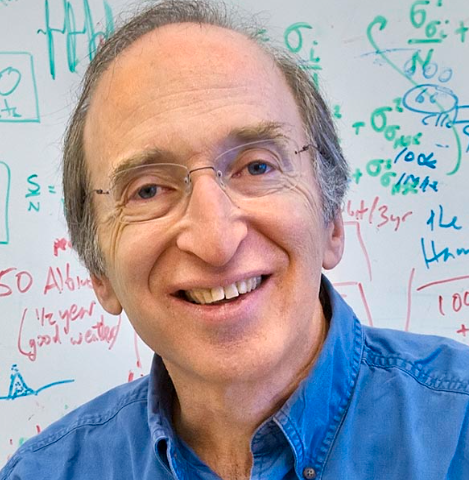 Saul Perlmutter合作论文数Lawrence Berkeley National Laboratory;Department of Physics, University of California, Berkeley227
 Gregory Scott Aldering合作论文数Lawrence Berkeley National Laboratory, University of California226
 Pierre Antilogus合作论文数IN2P3-CNRS, Université Claude Bernard de Lyon209r pain合作论文数207G. Smadja合作论文数204
 Yannick Copin合作论文数Institut de physique;nucleaire de Lyon;Institut de physique|nucleaire de Lyon204e gangler合作论文数203
 Emmanuel Pecontal合作论文数201S. Bongard合作论文数180
 Richard Scalzo合作论文数Centre for Translational Data ScienceThe University of Sydney;Darlington, NSW 2008 Australia180Rollin C. Thomas合作论文数158R. Pereira合作论文数157Runge K合作论文数146M. Kalelkar合作论文数129
 Clement Buton合作论文数128
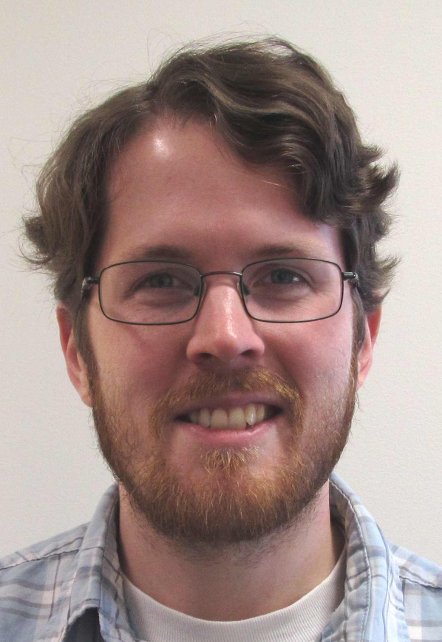 Michael Childress合作论文数School of Physics & Astronomy, University of Southampton127
 A. E. Bauer合作论文数126
 Cecilia R. Aragon合作论文数Department of Human Centered Design & Engineering, College of Engineering, University of Washington;eScience Institute, University of Washington110
 Martin White合作论文数Department of Physics, University of California, Berkeley;Department of Astronomy, University of California, Berkeley;Physics Division, Lawrence Berkeley National Laboratory104
 Chengwei Tao合作论文数Tsinghua Ctr Astrophys, Tsinghua Univ95Martin Breidenbach合作论文数Stanford Linear Accelerator Center91
 Stephen Bailey合作论文数School of Sport, Exercise and Health Sciences, Loughborough University91J. Snyder合作论文数88g rigaudier合作论文数86
 Nicolas Chotard合作论文数86J. Brau合作论文数85
 Ulrich Feindt合作论文数84
 Philip Burrows合作论文数Department of Physics, University of Oxford;Jesus College, University of Oxford82
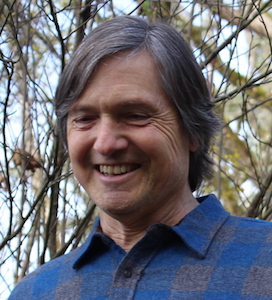 Raymond E. Frey合作论文数Physics Department, University of Oregon81G.R. Bower合作论文数79RJ PLANO合作论文数78N. Ellman合作论文数78C. Damerell合作论文数78P. Stamer合作论文数77
 M. Rigault合作论文数Université de Lyon, University of Lyon75D. Aston合作论文数75S.C. Loken合作论文数74M. Kowalski合作论文数73E. Hadjiyska合作论文数72Haruo Yuta合作论文数72R. Dubois合作论文数72J.A. Coller合作论文数72V. Cook合作论文数71TH Burnett合作论文数70
 Peter C. Rowson合作论文数SLAC National Accelerator Laboratory, Stanford University70Jr Bogart合作论文数69E. L. Hart合作论文数69




