Managing conflicts of interest (COIs) in scientific decision-making is important for minimizing bias and fostering public trust in science. Proper management of COIs has added significance when scientists are making decisions that impact public policy, such as assessing substances for carcinogenicity. The International Agency for Research on Cancer (IARC) organizes expert working groups to identify putative carcinogens and determine whether or not the hazard is likely to present significant potential harm to humans. While IARC has policies for managing COIs, prior professional experience with the substance being assessed is not defined as a COI. Indeed, IARC working group members are chosen based on subject matter expertise, including prior publication on the substance under review. However, a person's prior experience with a substance poses a significant potential COI by equipping them with strong pre-existing views about the substance's toxicity and carcinogenicity. To minimize the risk of bias in IARC working groups, participants with voting powers should be independent scientific experts with sufficient professional experience to review carcinogenicity data but with no substantial prior experience with the substance under review. A related IARC practice restricting data review by working groups to selected publications is another significant COI. Instead, all accessible data should be available for consideration by working groups in assessing the carcinogenic hazard of substances. Another recommendation to reduce potential bias would be to reinstate the option of "probably not carcinogenic to humans".
Theoretically, both synthetic endocrine disrupting chemicals (S-EDCs) and natural (exogenous and endogenous) endocrine disrupting chemicals (N-EDCs) can interact with endocrine receptors and disturb hormonal balance. However, compared to endogenous hormones, S-EDCs are only weak partial agonists with receptor affinities several orders of magnitude lower. Thus, to elicit observable effects, S-EDCs require considerably higher concentrations to attain sufficient receptor occupancy or to displace natural hormones and other endogenous ligands.Significant exposures to exogenous N-EDCs may result from ingestion of foods such as soy-based diets, green tea and sweet mustard. While their potencies are lower as compared to natural endogenous hormones, they usually are considerably more potent than S-EDCs.Effects of exogenous N-EDCs on the endocrine system were observed at high dietary intakes. A causal relation between their mechanism of action and these effects is established and biologically plausible. In contrast, the assumption that the much lower human exposures to S-EDCs may induce observable endocrine effects is not plausible. Hence, it is not surprising that epidemiological studies searching for an association between S-EDC exposure and health effects have failed.Regarding testing for potential endocrine effects, a scientifically justified screen should use in vitro tests to compare potencies of S-EDCs with those of reference N-EDCs. When the potency of the S-EDC is similar or smaller than that of the N-EDC, further testing in laboratory animals and regulatory consequences are not warranted.
The International Agency for Research on Cancer (IARC) published a monograph in 2015 concluding that glyphosate is "probably carcinogenic to humans" (Group 2A) based on limited evidence in humans and sufficient evidence in experimental animals. It was also concluded that there was strong evidence of genotoxicity and oxidative stress. Four Expert Panels have been convened for the purpose of conducting a detailed critique of the evidence in light of IARC's assessment and to review all relevant information pertaining to glyphosate exposure, animal carcinogenicity, genotoxicity, and epidemiologic studies. Two of the Panels (animal bioassay and genetic toxicology) also provided a critique of the IARC position with respect to conclusions made in these areas. The incidences of neoplasms in the animal bioassays were found not to be associated with glyphosate exposure on the basis that they lacked statistical strength, were inconsistent across studies, lacked dose-response relationships, were not associated with preneoplasia, and/or were not plausible from a mechanistic perspective. The overall weight of evidence from the genetic toxicology data supports a conclusion that glyphosate (including GBFs and AMPA) does not pose a genotoxic hazard and therefore, should not be considered support for the classification of glyphosate as a genotoxic carcinogen. The assessment of the epidemiological data found that the data do not support a causal relationship between glyphosate exposure and non-Hodgkin's lymphoma while the data were judged to be too sparse to assess a potential relationship between glyphosate exposure and multiple myeloma. As a result, following the review of the totality of the evidence, the Panels concluded that the data do not support IARC's conclusion that glyphosate is a "probable human carcinogen" and, consistent with previous regulatory assessments, further concluded that glyphosate is unlikely to pose a carcinogenic risk to humans.
A public appeal has been advanced by a large group of scientists, concerned that science has been misused in attempting to quantify and regulate unmeasurable hazards and risks.1 The appeal recalls that science is unable to evaluate hazards that cannot be measured, and that science in such cases should not be invoked to justify risk assessments in health, safety and environmental regulations. The appeal also notes that most national and international statutes delineating the discretion of regulators are ambiguous about what rules of evidence ought to apply. Those statutes should be revised to ensure that the evidence for regulatory action is grounded on the standards of the scientific method, whenever feasible. When independent scientific evidence is not possible, policies and regulations should be informed by publicly debated trade-offs between socially desirable uses and social perceptions of affordable precaution. This article explores the premises, implications and actions supporting the appeal and its objectives.
The Academy has, as one of its major roles, a commitment to improving communication between lawyers, medical practitioners and those involved in all aspects of forensic science. In this Presidential lecture I shall attempt to demonstrate why this is necessary and how better understanding might help in the resolution of a number of differences between us, differences often dependent on the way we are trained and the way we approach contentious issues.
Chapter 11 Explaining the Risks Sir Colin Berry, Sir Colin Berry Department of Morbid Anatomy and Histopathology, The Royal London Hospital, London E1 1BB, UKSearch for more papers by this author Sir Colin Berry, Sir Colin Berry Department of Morbid Anatomy and Histopathology, The Royal London Hospital, London E1 1BB, UKSearch for more papers by this author Book Editor(s):Denis Hamilton, Denis Hamilton Animal and Plant Health Service, Department of Primary Industries, 80 Ann Street, GPO Box 46, Brisbane, Queensland 4001, AustraliaSearch for more papers by this authorStephen Crossley, Stephen Crossley Food Standards Australia New Zealand, PO Box 7186, Canberra, MC ACT 2610, AustraliaSearch for more papers by this author First published: 31 October 2003 https://doi.org/10.1002/0470091614.ch11Citations: 2 Series Editor(s): Terry Roberts, Terry Roberts Consultant Anglesey, UKSearch for more papers by this authorJunshi Miyamoto, Junshi Miyamoto Formerly of Sumitomo Chemical Ltd, JapanSearch for more papers by this author AboutPDF ToolsRequest permissionExport citationAdd to favoritesTrack citation ShareShare Give accessShare full text accessShare full-text accessPlease review our Terms and Conditions of Use and check box below to share full-text version of article.I have read and accept the Wiley Online Library Terms and Conditions of UseShareable LinkUse the link below to share a full-text version of this article with your friends and colleagues. Learn more.Copy URL Share a linkShare onFacebookTwitterLinked InRedditWechat Summary This chapter contains sections titled: Introduction: The Concept of Safety Synthetic versus Natural The Nature of Public Concern The Real Problem The Effects of Misinterpretation Conclusions References Citing Literature Pesticide Residues in Food and Drinking Water: Human Exposure and Risks RelatedInformation
With the MMR debacle fresh in our minds, and with the collapse of Railtrack reflecting a ludicrously over‐protective posture with regard to risk, it is worth examining the place of science in determining public attitudes to the hazards that apparently beset us in both medical practice and daily life. Dr Spock is a caricature not because of his ears but because of his insistence on logical behaviour. In applying a consistent and considered approach to problems, he marks himself off from the rest of us—as Hume said, ‘logic is a suit of clothes that Man puts on for special occasions’. Most people becomes aware of the inconsistencies implicit in particular attitudes only when confronted with transparent nonsense. Reasoned objections are not particularly valued. For example, Vaclav Smil's book on the transformation of world food production makes it clear that without the contributions of Fritz Haber and Carl Bosch in the development of the processes that allow the use of synthetic nitrogen, we could only feed 40% of the current population of the world. Slash‐and‐burn farming feeds one person/hectare, with a 25‐year recovery period. The most intensive ‘natural’ farming system known (in Southern China, with recycling and feeding of human and animal waste, carp ponds, green manure and cyanobacterial nitrogen fixation on various rotting materials) could feed around 25/hectare, with an enormous consequent burden of human and animal disease. Yet organic agriculture is sometimes referred to as a ‘solution’ to the poorly‐defined problems of modern agriculture, which feeds around 45 people/hectare year after year. Perhaps because common diseases such as hypertension, diabetes and osteoarthrosis are now managed better, environmental hazards have come to the fore in the public consciousness. Most …
ABSTRACT The extensive requirements for safety testing of pesticides are intended to reassure us that these compounds do not represent health or environmental hazards. There is a danger that as the complexity of requirements increases so this original objective may be lost sight of and we may end up doing unnecessary or ineffectual tests simply because they are what we have always done. How do we avoid this trap? Newer scientific information will inform us and must find its way into the regulatory process as soon as is practicable; there is a clear implication that other processes must be abandoned.
 Phat N. Vuong合作论文数8Helmut Greim合作论文数Technical University of Munich4Michele Burns合作论文数2
 James E Klaunig合作论文数School of Public Health, Indiana University Bloomington2
 Gary M Williams合作论文数New York Medical College2
 Samuel M. Cohen合作论文数Department of Pathology, Microbiology and Immunology, College of Medicine, University of Nebraska Medical Center2
 Alan Boobis合作论文数National Heart & Lung Institute, Faculty of Medicine, Imperial College London;Toxicology Unit, Faculty of Medicine, Imperial College London2
 João Lauro V. Camargo合作论文数Departamento de Patologia, Faculdade de Medicina de Botucatu, Universidade Estadual Paulista Júlio de Mesquita Filho2W. Dekant合作论文数2D. Brusick合作论文数1Gio B. Gori合作论文数1Hans Marquardt合作论文数1Douglas Weed*合作论文数1M. Aardema合作论文数1
 Felix Kluxen合作论文数ADAMA Deutschland GmbH1C L Galli合作论文数1
 Tracey L Papenfuss合作论文数1
 Jan G. Hengstler合作论文数IfADo – Leibniz Research Centre for Working Environment and Human Factors1
 David B. Resnik合作论文数National Institute of Environmental Health Sciences, National Institutes of Health1
 Jay I. Goodman合作论文数Department of Pharmacology and Toxicology, Michigan State University;Institute for Integrative Toxicology, Michigan State University;National Institute of Environmental Health Sciences, National Institutes of Health1
 Marcello Lotti合作论文数University of Padua1
 Kendall Wallace合作论文数Department of Biomedical Sciences, Medical School, University of Minnesota1
 Bolon Newland Brad合作论文数GEMpath, Inc.1
 Keith R. Solomon合作论文数School of Environmental Sciences, University of Guelph1
 Tom Sorahan合作论文数Institute of Applied Health Research, College of Medical and Dental Sciences, University of Birmingham1Elmore Susan A合作论文数1
 David Kirkland合作论文数Kirkland Consulting1Christian Strupp合作论文数1
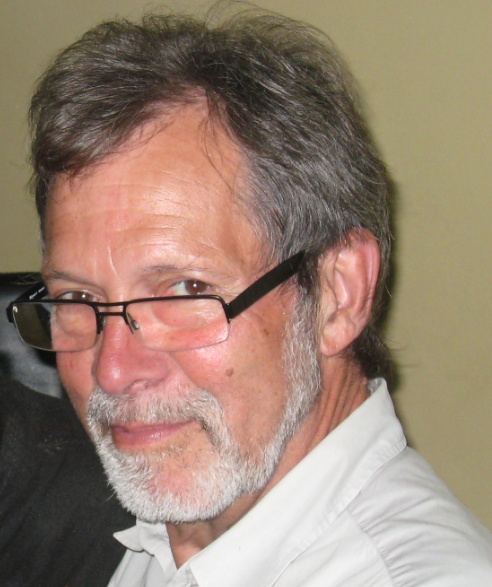 Herman Autrup合作论文数Department of Public Health, Faculty of Health, University of Aarhus;Department of Public Health, University of Pretoria1
 Hiroshi Yamazaki (山崎浩史)合作论文数Laboratory of Drug Metab and Pharmacokinet, Showa Pharmaceutical University1Roberts Ashley合作论文数1
 Michael Aschner合作论文数Department of Molecular Pharmacology, Albert Einstein College of Medicine;Dominick P. Purpura Department of Neuroscience, Albert Einstein College of Medicine;Department of Pediatrics, Albert Einstein College of Medicine;Einstein Center of Toxicology, Albert Einstein College of Medicine1Daniel R. Dietrich合作论文数1
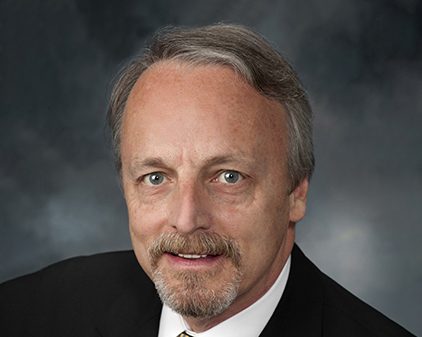 Gary M. Marsh (Gary Marsh)合作论文数Cardno ChemRisk1
 Norbert E. Kaminski合作论文数Institute for Integrative Toxicology, Department of Pharmacology and Toxicology, Michigan State University;Center for Research on Ingredient Safety, Michigan State University1
 Olavi Pelkonen合作论文数Department of Pharmacology, University of Oulu1
 Robert Maronpot合作论文数1
 Thomas J. Rosol合作论文数Department of Biomedical Sciences, Heritage College of Osteopathic Medicine, Ohio University1I.G. Sipes合作论文数1
 Jerold Rehg合作论文数St. Jude Children's Res. Hospital, St Jude Children's Research Hospital1
 Richard Sharpe合作论文数Centre for Reproductive Health, Institute for Regeneration and Repair, University of Edinburgh;College of Medicine and Veterinary Medicine, University of Edinburgh1David Garabrant合作论文数1Edmond E. Creppy合作论文数1Trenton R Schoeb合作论文数1John Doull合作论文数1Abraham Nyska合作论文数1Philippe Joudrier合作论文数1
 Pat Heslop-Harrison合作论文数Systems Biology Lab, University of Leicester;Systems Biology Lab, University of Leicester;University of Leicester, University of Leicester1
 Curtis D Klaassen合作论文数Department of Pharmacology, Toxicology, and Therapeutics, School of Medicine, The University of Kansas1




