In keeping with the spirit of the Giens Workshops, this article reports on desirable developments in the functioning of the Committees for the Protection of Persons (CPP) and the Research Ethics Committees (CER) in France. These committees play a crucial role in the ethical evaluation of clinical research projects, a process that has become more complex, particularly given recent legislative, regulatory and methodological developments. The result of this reflection highlights the current challenges faced by CPPs, in particular the increasing workload, the complexity of the files to be processed and the need for better use of their resources. To address these, several recommendations are proposed. These include improving support for promoters before submitting files, simplifying administrative tasks for CPP members and improving IT tools. The article also highlights the need for continuous evaluation of the activities of the CPPs to contribute to the quality and consistency of their opinions, as well as the importance of making this activity more attractive to qualified professionals, by offering them adequate compensation and professional recognition. For the benefit of all stakeholders in health research, the development of a single documentary base accessible to all and bringing together all the information and models of useful documents is strongly desired. Concerning the CERs, which currently operate without a legal framework, it is particularly proposed that their development be carried out in conditions of compliance with essential principles of collegiality, transparency and appropriate management of conflicts of interest. Finally, it appeared necessary for the National Human Research Commission (CNRIPH) to benefit from appropriate resources to effectively fulfill its missions including the coordination of the CPPs and the development of appropriate training programs for their members. These recommendations aim to improve the operating conditions of the CPPs and CERs, ensuring the ethics of the research undertaken, as well as the quality of the results of the latter.
In line with the spirit of the Giens workshops, this article reports on the recommended evolution of the Ethics Committees (CPPs) and the Committees for Research Ethics (CER) in France. These committees play a crucial role in the ethical evaluation of clinical research projects, a process that has become more complex, particularly in view of recent legislative, regulatory and methodological developments.This reflection highlights the current challenges faced by the CPPs, including the increasing workload, the complexity of the issues to be addressed and the need for better use of their resources. To address this, several recommendations are proposed. These include improving support to sponsors prior to submission, simplifying administrative tasks for CPP members and improving IT tools.The article also highlights the need for continuous evaluation of the activities of the CPPs to contribute to the quality and consistency of their opinions, as well as the importance of making this activity more attractive to qualified professionals, by offering them adequate compensation and professional recognition.For the benefit of all involved in health research, there is a strong desire to develop a single document management system accessible to all and inclusive of relevant information and document templates.Regarding the CERs, which currently operate without a legal framework, the proposition is that their development should take place under conditions of compliance with essential principles of collegiality, transparency and appropriate management of conflict of interest.Finally, it appeared necessary that the National Commission for Research Involving the Human Person (CNRIPH) be given adequate resources to carry out its tasks effectively, including the coordination of the CPPs and the development of appropriate training programs for their members.These recommendations aim to improve the operating conditions of the CPPs and CERs, ensuring the ethics of the research undertaken, as well as the quality of their results.
Conformément à l’esprit des Ateliers de Giens, cet article rapporte les évolutions souhaitables du fonctionnement des Comités de protection des personnes (CPP) et des Comités d’éthique de la recherche (CER) en France. Ces comités jouent un rôle crucial dans l’évaluation éthique des projets de recherche clinique, un processus devenu plus complexe compte-tenu en particulier des évolutions récentes législatives, réglementaires et méthodologiques. Le résultat de cette réflexion met en lumière les défis actuels auxquels les CPP font face, notamment la charge croissante de travail, la complexité des dossiers à traiter et le besoin d’un meilleur usage de leurs ressources. Pour y répondre, plusieurs recommandations sont proposées. Parmi celles-ci figurent l’amélioration de l’accompagnement des promoteurs avant la soumission des dossiers, la simplification des tâches administratives pour les membres des CPP et l’amélioration des outils informatiques. L’article souligne également le besoin d’évaluation continue des activités des CPP pour contribuer à la qualité et la cohérence de leurs avis, ainsi que l’importance de rendre cette activité plus attractive pour les professionnels qualifiés, en leur proposant des indemnisations et une reconnaissance professionnelle adéquates. Pour le bénéfice de l’ensemble des acteurs de la recherche en santé, il est fortement souhaité le développement d’une base documentaire unique accessible à tous et regroupant toutes les informations et modèles de documents utiles. Concernant les CER, qui agissent actuellement sans cadre juridique, il est en particulier proposé que leur développement se fasse dans des conditions de conformité à des principes essentiels de collégialité, de transparence et de gestion appropriée des liens d’intérêts. Enfin, il est apparu nécessaire que la Commission nationale des recherches impliquant la personne humaine (CNRIPH) bénéficie de ressources appropriées pour remplir efficacement ses missions incluant la coordination des CPP et l’élaboration de programmes de formation adaptés pour leurs membres. Ces recommandations visent à améliorer les conditions de fonctionnement des CPP et CER, assurant l’éthique des recherches engagées, ainsi que la qualité des résultats de ces dernières.
Clinical studies involve an increasing amount of data collection and management. However, there is no specific quality standard sufficiently practical, in free access, and open for data management and the underlying IT-infrastructure in academic units. European Clinical Research Infrastructures Network (ECRIN) published standard requirements for certified data management units. We present a French version of these standards.A group of experts produced the standards, by consensus. The first version was revised after two pilot audits for data centre certification were performed.The revised version includes 21 lists of five to ten standards, in three groups: information technologies, data management (DM) and "general".These standards offer a clear description of DM and IT requirements for clinical studies. Initially created for ECRIN certification purposes, they offer a very useful reference for academic DM structures.
Context. - Clinical studies involve an increasing amount of data collection and management. However, there is no specific quality standard sufficiently practical, in free access, and open for data management and the underlying IT-infrastructure in academic units. European Clinical Research Infrastructures Network (ECRIN) published standard requirements for certified data management units. We present a French version of these standards. Methods. - A group of experts produced the standards, by consensus. The first version was revised after two pilot audits for data centre certification were performed. Results. - The revised version includes 21 lists of five to ten standards, in three groups: information technologies, data management (DM) and "general". Conclusions. - These standards offer a clear description of DM and IT requirements for clinical studies. Initially created for ECRIN certification purposes, they offer a very useful reference for academic DM structures. (C) 2016 Published by Elsevier Masson SAS on behalf of Societe francaise de pharmacologie et de therapeutique.
La recherche clinique en médecine de ville, notamment en médecine générale, celle qui en 1re ligne de rencontre avec la population, est aujourd’hui un enjeu de santé publique. L’exercice de cette recherche a des spécificités qui la différencie de la recherche clinique conduite en milieu hospitalier ce qui nécessite une adaptation de ses conditions d’exercice : – le développement de la recherche en médecine de ville suppose la maîtrise de ses fondamentaux par les investigateurs, et donc leur présentation, en amont, dès le cycle initial de formation, suivi, puisqu'il s'agit d'un domaine de connaissance complexe et évolutif, d'une participation des praticiens à des modules de formation adaptées à la recherche en soins primaires à l’exemple de ce que plusieurs Groupement interrégional de recherche clinique et d’innovation (GIRCI) ont déjà organisés. Pour compenser le mode éclaté de leur localisation, sur le modèle des équipes mobiles de recherche clinique en cancérologie (EMRC) en cancérologie, des équipes mobiles de recherche doivent mettre les cabinets de médecine générale en capacité de participer aux essais cliniques. Ceci suppose, d’une part, l’allocation de financements fléchés permettant de pérenniser un socle de personnels dédiés, et, d’autre part, l’impulsion d’une dynamique nationale au travers de la mise en place d’un Institut thématique multi-organisme de « Recherche en soins primaires » associé, au plan opérationnel, à un réseau d’investigation d’envergure nationale porté par une plateforme d’excellence ; – le recours aux outils et innovations digitales (télémédecine ; recueil des données via des outils connectés ; e-consentement ; signature électronique) qui permettent de dématérialiser et délocaliser tout ou partie des actes de la recherche que ce soit pour le participant ou les équipes d’investigations ; – une adaptation du cadre juridique afin de rapprocher le lieu de recherche du patient et non l’inverse, ce qui revient à déplacer les matériels et les investigations au plus près du patient ; – la prise en compte de l’acceptabilité du patient, avec donc le souci de limiter la perturbation que peut représenter sa participation à un protocole de recherche et la motivation du praticien en valorisant sa contribution et en apportant toutes les garanties de pertinence scientifique et d’indépendance d’exercice. Au vu de l’analyse contextuelle, des retours d’expérience positifs et de la disponibilité de points d’appui organisationnels et digitaux facilitant la délocalisation et dématérialisation de la conduite de l’activité de recherche au plus près du patient et de son médecin, la table ronde a conclu que des opportunités existent aujourd’hui qui favorisent le développement de la recherche clinique en médecine générale. Il convient de s’en saisir et de profiter, sans tarder, de ce moment propice.
AIM OF THE STUDY:To identify the 10 drugs most frequently administered to children in liquid dosage forms which are eligible for replacement with suitable authorized solid dosage forms and to assess the expected economic impact of this substitution.METHODS:The health record data from 312,152 oral drug administrations were analyzed. Ten drugs were selected according to their frequency of administration in liquid dosage forms, the availability of solid form alternatives, and the suitability of these alternatives for the children receiving the corresponding liquid forms. Potential hospital cost savings of the suggested substitutions were calculated.RESULTS:The 10 drugs identified as most frequently administered and for which suitable solid forms were available were: paracetamol, cyamemazine, valproic acid, clonazepam, furosemide, prazepam, hydroxyzine, alfacalcidol, amitriptyline, and levetiracetam. Thirty-four point six of the administrations of these drugs in liquid dosage forms could be delivered using suitable solid dosage forms without additional cost.CONCLUSION:Opportunities exist for substituting liquid dosage forms with market-available solid dosage forms suitable in size and dosage for the pediatric population.
Some cancers such as sarcomas (bone and soft tissue sarcomas) and adenoid cystic carcinomas are considered as radioresistant to low linear energy transfer radiation (including photons and protons) and may therefore beneficiate from a carbon ion therapy. Despite encouraging results obtained in phase I/II trials compared to historical data with photons, the spread of carbon ions has been limited mainly because of the absence of randomized medical data. The French health authorities stressed the importance of having randomized data for carbon ion therapy. The ETOILE study is a multicenter prospective randomized phase III trial comparing carbon ion therapy to either advanced photon or proton radiotherapy for inoperable or macroscopically incompletely resected (R2) radioresistant cancers including sarcomas and adenoid cystic carcinomas. In the experimental arm, carbon ion therapy will be performed at the National Center for Oncological Hadrontherapy (CNAO) in Pavia, Italy. In the control arm, photon or proton radiotherapy will be carried out in referent centers in France. The primary endpoint is progression-free survival (PFS). Secondary endpoints are overall survival and local control, toxicity profile, and quality of life. In addition, a prospective health-economic study and a radiobiological analysis will be conducted. To demonstrate an absolute improvement in the 5-year PFS rate of 20% in favor of carbon ion therapy, 250 patients have to be included in the study. So far, no clinical study of phase III has demonstrated the superiority of carbon ion therapy compared to conventional radiotherapy, including proton therapy, for the treatment of radioresistant tumors. ClinicalTrials.gov identifier: NCT02838602 . Date of registration: July 20, 2016. The posted information will be updated as needed to reflect protocol amendments and study progress.
Cardiovascular outcome trials (CVOTs) have demonstrated the benefits of sodium–glucose cotransporter 2 inhibitors (SGLT2i). However, serious adverse drug reactions have been reported. The risk/benefit ratio of SGLT2i remains unquantified. We aimed to provide an estimation of their risk/benefit ratio in individuals with type 2 diabetes. We conducted a systematic review (MEDLINE, up to 14 September 2021) and meta-analysis. We included randomised CVOTs assessing SGLT2i in individuals with type 2 diabetes with or without other diseases. We used the Cochrane ‘Risk of bias’ assessment tool. The primary outcomes were overall mortality, major adverse cardiovascular events (MACE), hospitalisation for heart failure (HHF), end-stage renal disease (ESRD), amputation, diabetic ketoacidosis (DKA) and reported genital infections. For each outcome, we estimated the incidence rate ratio (IRR) with a 95 https://doi.org/10.17605/OSF.IO/J3R7Y This research received no specific grant from any funding agency in the public, commercial or not-for-profit sectors.
European Journal of Heart FailureVolume 24, Issue 2 p. 396-398 RESEARCH LETTER Primary endpoint adjudication: comparison between the expert committee and the regulatory MedDRA® coding in the MITRA-FR study Anthony Facile, Corresponding Author Anthony Facile anthony.facile@chu-lyon.fr orcid.org/0000-0002-3677-4919 Direction de la Recherche Clinique et de l'Innovation, Hospices Civils de Lyon, Lyon, FranceSearch for more papers by this authorNathan Mewton, Nathan Mewton Hôpital Cardiovasculaire Louis Pradel, Clinical Investigation Center & Heart Failure Department, INSERM 1407, Hospices Civils de Lyon and Claude Bernard University, Lyon, FranceSearch for more papers by this authorMarina Nguon, Marina Nguon Direction de la Recherche Clinique et de l'Innovation, Hospices Civils de Lyon, Lyon, FranceSearch for more papers by this authorGuy Durand de Gevigney, Guy Durand de Gevigney Hôpital Cardiovasculaire Louis Pradel, Clinical Investigation Center & Heart Failure Department, INSERM 1407, Hospices Civils de Lyon and Claude Bernard University, Lyon, FranceSearch for more papers by this authorDaniel Grinberg, Daniel Grinberg Cardiovascular Surgery Department, Hôpital Cardiovasculaire Louis Pradel, Lyon, FranceSearch for more papers by this authorEurielle Bodenan, Eurielle Bodenan Direction de la Recherche Clinique et de l'Innovation, Hospices Civils de Lyon, Lyon, FranceSearch for more papers by this authorGeraldine Samson, Geraldine Samson Hôpital Cardiovasculaire Louis Pradel, Clinical Investigation Center & Heart Failure Department, INSERM 1407, Hospices Civils de Lyon and Claude Bernard University, Lyon, FranceSearch for more papers by this authorValérie Plattner, Valérie Plattner Direction de la Recherche Clinique et de l'Innovation, Hospices Civils de Lyon, Lyon, FranceSearch for more papers by this authorJean Noel Trochu, Jean Noel Trochu CIC INSERM 1413, Institut du Thorax, UMR INSERM 1087, University Hospital of Nantes, Nantes, FranceSearch for more papers by this authorCatherine Cornu, Catherine Cornu Hôpital Cardiovasculaire Louis Pradel, Clinical Investigation Center & Heart Failure Department, INSERM 1407, Hospices Civils de Lyon and Claude Bernard University, Lyon, France UMR5558, Université de Lyon, Lyon, FranceSearch for more papers by this author Anthony Facile, Corresponding Author Anthony Facile anthony.facile@chu-lyon.fr orcid.org/0000-0002-3677-4919 Direction de la Recherche Clinique et de l'Innovation, Hospices Civils de Lyon, Lyon, FranceSearch for more papers by this authorNathan Mewton, Nathan Mewton Hôpital Cardiovasculaire Louis Pradel, Clinical Investigation Center & Heart Failure Department, INSERM 1407, Hospices Civils de Lyon and Claude Bernard University, Lyon, FranceSearch for more papers by this authorMarina Nguon, Marina Nguon Direction de la Recherche Clinique et de l'Innovation, Hospices Civils de Lyon, Lyon, FranceSearch for more papers by this authorGuy Durand de Gevigney, Guy Durand de Gevigney Hôpital Cardiovasculaire Louis Pradel, Clinical Investigation Center & Heart Failure Department, INSERM 1407, Hospices Civils de Lyon and Claude Bernard University, Lyon, FranceSearch for more papers by this authorDaniel Grinberg, Daniel Grinberg Cardiovascular Surgery Department, Hôpital Cardiovasculaire Louis Pradel, Lyon, FranceSearch for more papers by this authorEurielle Bodenan, Eurielle Bodenan Direction de la Recherche Clinique et de l'Innovation, Hospices Civils de Lyon, Lyon, FranceSearch for more papers by this authorGeraldine Samson, Geraldine Samson Hôpital Cardiovasculaire Louis Pradel, Clinical Investigation Center & Heart Failure Department, INSERM 1407, Hospices Civils de Lyon and Claude Bernard University, Lyon, FranceSearch for more papers by this authorValérie Plattner, Valérie Plattner Direction de la Recherche Clinique et de l'Innovation, Hospices Civils de Lyon, Lyon, FranceSearch for more papers by this authorJean Noel Trochu, Jean Noel Trochu CIC INSERM 1413, Institut du Thorax, UMR INSERM 1087, University Hospital of Nantes, Nantes, FranceSearch for more papers by this authorCatherine Cornu, Catherine Cornu Hôpital Cardiovasculaire Louis Pradel, Clinical Investigation Center & Heart Failure Department, INSERM 1407, Hospices Civils de Lyon and Claude Bernard University, Lyon, France UMR5558, Université de Lyon, Lyon, FranceSearch for more papers by this author First published: 14 December 2021 https://doi.org/10.1002/ejhf.2401Read the full textAboutPDF ToolsRequest permissionExport citationAdd to favoritesTrack citation ShareShare Give accessShare full text accessShare full-text accessPlease review our Terms and Conditions of Use and check box below to share full-text version of article.I have read and accept the Wiley Online Library Terms and Conditions of UseShareable LinkUse the link below to share a full-text version of this article with your friends and colleagues. Learn more.Copy URL Share a linkShare onFacebookTwitterLinked InRedditWechat No abstract is available for this article. Volume24, Issue2February 2022Pages 396-398 RelatedInformation
Objective. - To re-assess the effect of tight glycaemic control on diabetic microvascular complications. Method. - Meta-analysis and trial sequential analyses of randomised trials included in Hemmingsen et al that specifically assessed glycaemic control with a specific HbA(1c) level targeted Microvascutar; in the intervention group, and compared intensive glycaemic control versus standard gtycaemic Randomised trials control. Results. - Seven clinical trials that randomised 28,614 participants with type 2 diabetes (15,269 to intensive control and 13,345 to conventional control), including 3 sub-studies, were included. Strict control of blood glucose levels is associated with a reduction of retinopathy progression( RR = 0.77, 95% CI: 0.66-0.89, I-2= 33%), incidence or progression of macular oedema (RR = 0.66,95% CI: 0.40-0.99, I-2= 0%), number of photocoagulations (RR = 0.84, 95% CI: 0.73-0.97, I-2= 0%), risk of microalbuminuria (RR = 0.76, 95% CI: 0.64-0.9, I-2= 76%) and risk of ``macroalbuminuriaor proteinuria'' (RR = 0.68, 95% CI: 0.55-0.85, I-2= 36%). Conclusion. - This meta-analysis has shown that a tight control of blood glucose levels is associated with a decrease of specific microvascular complication of diabetes: photocoagulation, progression of diabetic retinopathy, incidence or progression of macular oedema, risk of microalbuminuria and risk of macroalbuminuria or proteinuria. Regarding all the other outcomes (vision loss, surgery of cataract, proliferative or non-proliferative retinopathy, death related to kidney disease, development of kidney disease, doubling of serum creatinine, neuropathy), no significant result was found. (C) 2021 Societe francaise de pharmacologie et de therapeutique. Published by Elsevier Masson SAS. All rights reserved.
Clinical research in outpatient healthcare, particularly in general practice, which is the first line of contact with the population, is now a public health issue. However, this type of research has specific characteristics that differentiate it from clinical research conducted in a hospital setting and requires an adaptation of its conditions of practice: in terms of organisation, the development of research in outpatient healthcare relies on the appropriation of its fundamentals by the investigators, which implies their presentation, upstream, from the initial cycle, and the participation of practitioners in training modules adapted to research in primary care, such as those already organised by several GIRCI (French Interregional Clusters for Clinical Research and Innovation). To compensate for the fragmented nature of their location, on the model of the EMRCs (mobile clinical research teams) in oncology, mobile research teams should enable general medical practices to participate in clinical trials. This presupposes, on the one hand, the allocation of earmarked funding to ensure the sustainability of a base of dedicated personnel and, on the other hand, the impetus of a national dynamic through the setting up of a multi-organisation thematic institute for "research in primary care" associated, at the operational level, with a national scale investigation network supported by a platform of excellence. The use of digital tools and innovations (telemedicine; data collection via connected tools; e-consent; electronic signature) which make it possible to digitise and relocate all or part of the research procedures for both the participant and the investigation teams. An adaptation of the legal framework in order to bring the place of research closer to the patient and not the other way round, which means moving the equipment and investigations closer to the patient. Taking into account the acceptability of the patient, thus limiting the disruption that may be caused by his or her participation in a research protocol and motivating the practitioner by valuing his or her contribution and providing all the guarantees of scientific relevance and independence of practice. In view of the contextual analysis, positive feedback and the availability of organisational and digital support points facilitating the delocalisation and digitisation of the conduct of research activity as close as possible to the patient and his or her doctor, the round table concluded that opportunities exist today which favour the development of clinical research in general practice. It is important to seize this opportunity and make the most of it without delay.
Clinical research in outpatient healthcare, particularly in general practice, which is the first line of contact with the population, is now a public health issue. However, this type of research has specific characteristics that differentiate it from clinical research conducted in a hospital setting and requires an adaptation of its conditions of practice: in terms of organisation, the development of research in outpatient healthcare relies on the appropriation of its fundamentals by the investigators, which implies their presentation, upstream, from the initial cycle, and the participation of practitioners in training modules adapted to research in primary care, such as those already organised by several GIRCI (Groupement Inter régional de la Recherche Clinique et de l’Innovation [French Interregional Clusters for Clinical Research and Innovation]). To compensate for the fragmented nature of their location, on the model of the EMRCs (équipes mobiles de recherche clinique [mobile clinical research teams]) in oncology, mobile research teams should enable general medical practices to participate in clinical trials. This presupposes, on the one hand, the allocation of earmarked funding to ensure the sustainability of a base of dedicated personnel and, on the other hand, the impetus of a national dynamic through the setting up of a multi-organisation thematic institute for “research in primary care” associated, at the operational level, with a national scale investigation network supported by a platform of excellence. The use of digital tools and innovations (telemedicine; data collection via connected tools; e-consent; electronic signature) which make it possible to digitise and relocate all or part of the research procedures for both the participant and the investigation teams. An adaptation of the legal framework in order to bring the place of research closer to the patient and not the other way round, which means moving the equipment and investigations closer to the patient. Taking into account the acceptability of the patient, thus limiting the disruption that may be caused by his or her participation in a research protocol and motivating the practitioner by valuing his or her contribution and providing all the guarantees of scientific relevance and independence of practice. In view of the contextual analysis, positive feedback and the availability of organisational and digital support points facilitating the delocalisation and digitisation of the conduct of research activity as close as possible to the patient and his or her doctor, the round table concluded that opportunities exist today which favour the development of clinical research in general practice. It is important to seize this opportunity and make the most of it without delay.
Abstract Background Clinical trials are the cornerstone of drug evaluation but are difficult to perform in children since obtaining written informed consent from both parents is very challenging. We aimed to identify determinants of parents’ decision whether or not to enrol their child in a clinical trial. Methods A Grounded Theory qualitative approach was used, based on semi-structured interviews with parents who had to give their consent to enrol their child some years before in the TOSCANE study, evaluating the occurrence of chorioretinitis. An interview guide based on bibliographic references, expert consultations and work meetings with the TOSCANE investigators was used during video interviews, conducted until saturation was reached. Interviews were audio-recorded, transcribed anonymously into text format, and double coded before analysis. Results Between April 2020 and April 2021, 18 interviews (nine consenting and nine non-consenting parents) were conducted. Saturation was reached after 16 interviews. The important determinants of parents’ decision, already described in the literature and which could result either in consent or refusal, were: investigator perceived to be human and competent, parents’ personality, parents’ working in healthcare, strong preference for one of the treatment groups, good health of the child, opinions regarding research. New determinants, such as mothers’ guilt about toxoplasmosis transmission, were identified and mostly associated with non-consent. Conclusion Parents' decisions depend on a set of determinants related to family history, personality, and perception of the disease and research, none of them predominating. These determinants suggest that a patient-centred approach could be adopted along with the adequate training of investigators, which requires future assessment.
AIMS:To identify all available trigger tools applicable to the pediatric population in hospital settings to detect adverse drug events (ADEs) and to describe their performances by positive predictive value (PPV).METHODS:PubMed® was searched until December 2021. The reference sections were also consulted for new articles. Studies were selected when they used one or more triggers to identify AEs and used data on pediatric inpatient settings. Studies mentioning triggers related to AEs that were only caused by care procedures were excluded. Only triggers related to ADEs were included. PPVs of triggers were reported. Mean PPVs were calculated for multi-study triggers. The interest of each trigger in a real-time detection system was assessed.RESULTS:Thirty studies were included. A total of 271 unique triggers were identified, 179 of which were related to drug-induced harms. Among them, 68 could be used for prevention of ADEs, 80 for verification and 31 for reporting. Nineteen triggers (11%) had a mean PPV between 50% and 100%, including 5 that had a 100% PPV.CONCLUSION:The performances of individual triggers need to be more adequately studied. The detection of ADEs through computerized triggers and/or real-time detection systems remains an emerging field, very much needed in children especially, due to frequent off-label use.
Objective: Measurement of IGF-I is important in the management of patients with growth hormone disorders. Here we aim to establish normative data for two new IGF-I assay kits based on a large random sample of the French general adult population. Subjects and methods: We measured IGF-I in 911 healthy adults (18–90 years) with two immunoassays (ROCHE Elecsys® and IMMULITE-2000 calibrated against the new IS 02/2547). We compared the data with those of the six immunoassays (iSYS, LIAISON XL, IMMULITE-2000 calibrated against the first IS 87/518, IGF-I RIAC T, Mediagnost ELISA, and Mediagnost RIA) that we reported previously. The pairwise concordance among the eight assays was assessed with Bland–Altman plots for both the IGF-1 raw data and the standard deviation scores (SDS), as well as with the percentage of observed agreement and the weighted Kappa coefficient for categorizing IGF-I SDS (ClinicalTrials.gov Identifier: NCT01831648). Results: The normative data included the range of values (2.5–97.5 percentiles) given by the two new IGF-I assays according to age group and sex. A formula for the SDS calculation is provided. As for the previous six assays, the lower limits of the reference intervals of the two new assays were similar, but the upper limits varied markedly. The pairwise concordances were only moderate (kappa 0.57). Conclusions: Data obtained for these two new IGF-I immunoassays confirm that despite being obtained in the same large healthy population, the reference intervals of the eight commercial IGF-1 assay kits showed noteworthy differences. The a greement among the various methods was moderate to good.
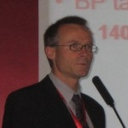 Francois Gueyffier合作论文数Laboratoire de biologie et biométrie évolutive - équipe modélisation des effets thérapeutiques, université Claude Bernard Lyon 1;Pôle de santé publique, Hospices civils de Lyon;Laboratoire de biologie et biométrie évolutive - équipe modélisation des effets thérapeutiques, université Claude Bernard Lyon 148
 Behrouz Kassai Koupai合作论文数Claude Bernard University Lyon 1;Hospices Civils de Lyon31
 Patrice Nony合作论文数Cardiovascular Hospital, UMR CNRS 5558 Claude Bernard University Lyon 122
 Christine Binquet合作论文数15
 Remy Boussageon合作论文数15
 Michel Cucherat合作论文数13Jp Boissel合作论文数12Adeline Paris合作论文数11Florent Boutitie合作论文数11Cécile Fouret合作论文数10Jean-Luc Cracowski合作论文数10Martine Wallon合作论文数Laboratoire de Parasitologie et de Pathologie Exotique, Hôpital da la Croix-Rousse10Marc Hommel合作论文数10Perrine Janiaud合作论文数Univ Basel, Univ Hosp Basel, Dept Clin Res, Basel, Switzerland9Aurelie Guerin合作论文数Pharmacy Department Centre Hospitalier Universitaire Sainte Justine and Pharmacy Practice Research Unit, Université de Montréal9Chabaud Sylvie合作论文数9Kurbatova Polina合作论文数9Ségolène Gaillard合作论文数9Luc Duchossoy合作论文数8Pierre-Henri Bertoye合作论文数8Guillaume Grenet合作论文数8Marc Bonnefoy合作论文数8Alexandra Félin合作论文数7
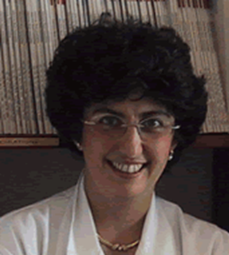 Tabassome Simon合作论文数Hospital Saint-Antoine Ap-Hp;Department of Pharmacology, Pierre and Marie Curie University7François Peyron合作论文数7Jehan-Michel Béhier合作论文数6Anne Le Louarn合作论文数6
 Theodora Bejan-Angoulvant合作论文数Université de Tours6
 Audrey Lajoinie合作论文数6Francois Kieffer合作论文数6Bruno Laviolle合作论文数6
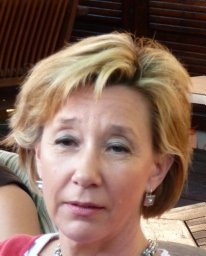 Claire Thalamas合作论文数Centre d'Investigation Clinique, CHU Purpan6A. Bajard合作论文数6Pascal Roy合作论文数5C Avierinos合作论文数5
 Eric Van Ganse合作论文数5Céline Giraud合作论文数5A Sebaoun合作论文数5G Jullien合作论文数5
 Sylvie Erpeldinger合作论文数5
 Francoise Borson-Chazot合作论文数Fac Med, Univ Lyon 15
 Kennedy Lees合作论文数School of Medicine, Dentistry & Nursing, The University of Glasgow5Hugues Chevassus合作论文数5Patrick Maison合作论文数5Martine El-Etr合作论文数5
 Vitaly Volpert合作论文数Institut Camille Jordan, Université Claude Bernard Lyon 15
 David Pérol合作论文数Unicancer;Centre Léon Bérard - Officiel;Department of Clinical Research, Cancer Research Center of Lyon, French National Centre for Scientific Research5
 Martine Laville合作论文数Université Claude Bernard Lyon 15Vincent Diebolt合作论文数5




