For patients with high-risk acute lymphoblastic leukemia (ALL), allogeneic hematopoietic cell transplantation (HCT) remains standard of care. In the setting of an HLA-matched unrelated donor HCT, in vivo T-cell depletion (TCD) for prophylaxis of graft versus host disease (GVHD) relies on anti-thymocyte globulin (ATG) in Europe and alemtuzumab in the UK. In a retrospective study from the EBMT registry, we pair-matched 90 ALL patients aged ≥40 years transplanted in CR1 according to age (median 56 years) and ALL subtype (37.8% Ph-negative B-ALL, 46.7% Ph-positive B-ALL, 15.6% T-ALL). Reduced-intensity conditioning included fludarabine/melphalan (94.4%) in the alemtuzumab and fludarabine/busulfan (36.7%), fludarabine/total body irradiation (21.1%), fludarabine/melphalan (14.4%) and thiotepa/busulfan/fludarabine (13.3%) in the ATG group. Two-year leukemia-free and overall survival were similar between groups (Alemtuzumab: 56.4% vs ATG: 50.7%, HR 0.82, p = 0.34, and 62.7% vs 62.9%, HR 0.91, p = 0.67), as were cumulative incidence of relapse (23.7% vs 23.9%, HR 0.89, p = 0.69) and non-relapse mortality (19.9% vs 25.4%, HR 0.75, p = 0.32), resulting in similar GVHD- and relapse-free survival (GRFS) of 48.9% vs 42.1%, HR 0.8, p = 0.24. With GVHD and infections as main reasons for death in both groups, we conclude that both IS strategies are both safe for RIC HCT of these ALL patients.
Haematopoietic cell transplantation (HCT) with HLA-mismatched unrelated donors (MMUD) offers access to curative therapy for patients lacking well-matched donors. Accumulating evidence suggests that functional matching among allele-mismatched pairs can significantly influence patient outcomes. Therefore, real-world data on mismatch frequencies in MMUD-HCT could provide fundamental information for the assessment of patient risks and donor selection strategies. Here, we analysed HLA matching in 28,376 first unrelated transplants reported to the EBMT Registry with available 6-locus high-resolution typing. Mismatches at each locus were quantified and characterised at the allelic, antigenic and functional (antigen-recognition domain, peptide-binding motif) levels. 25% of the transplants were performed across one (9/10; n = 6053) or more (< 9/10; n = 1013) high-resolution mismatches at the five main HLA loci, a proportion that was markedly higher (43.9%) among transplants performed with post-transplantation cyclophosphamide (PTCy). Median time from diagnosis to transplant was longer for MMUD compared to 10/10 transplants, but this difference decreased over time (14.9 vs. 11.3 months pre-2011, p = 0.003; 8.1 vs. 7.4 months 2021-2022, p = 0.016). Across transplant eras, single class I mismatches were three times more common than class II mismatches. Conversely, matching for HLA-DPB1 increased from 15% pre-2011 to 31% in 2021-2022. The landscapes of allelic mismatches differed markedly between HLA loci. For class II, skewed distributions dominated by frequent combinations result in significantly higher frequencies of functional matching compared to class I in both PTCy and non-PTCy pairs. Our study constitutes the first large-scale characterisation of real-world HLA mismatch frequencies in contemporary unrelated HCT, bearing implications for future clinical outcome studies.
In 2024, the EBMT activity survey surpassed one million HCTs reported since 1990, a major milestone in cellular therapy. That year, 47,204 HCTs (21,023 allogeneic, 26,181 autologous) were reported in 43,791 patients across 688 centres in 53 countries. Compared to 2023, HCT activity decreased (-1.1% overall, -3.9% autologous), while allogeneic increased ( + 2.6%) to the highest annual activity to date. CAR-T therapy reached 6,082 patients ( + 24.5% vs 2023), surpassing 20,000 since 2018. Main indications for allo-HCT were myeloid (62%), lymphoid malignancies (~24%), and non-malignant disorders (~17%). For auto-HCT were plasma cell disorders (59%), lymphomas (22%), and solid tumours (~6%). Unrelated donors (56%) increased ( + 5%), while HLA-identical siblings (25%) and haploidentical (19%) remained stable. Cord blood use continued decreasing (-6.2%). Paediatric HCT activity decreased slightly (-1.7%; -1.9% allogeneic, -1.1% autologous). CAR-T therapy expanded (lymphomas remaining the leading indication (70%), followed by multiple myeloma (18%,) and ALL (8%). Autoimmune diseases indications increased by 67%). Overall, transplant and CAR-T activity steadily increased, with pandemic-related declines mitigated by safety measures, reflecting systems resilience and variable country contributions. From 2025, the EBMT survey will capture adult and paediatric activity separately, establishing a comprehensive database to monitor trends, inform practice, define clinical needs and assess equitable access.
We evaluated the influence of donor type in 3006 adults with adverse-risk cytogenetic acute myeloid leukemia (AML) in first complete remission undergoing allogeneic hematopoietic cell transplantation (HCT). Donor types included matched sibling (MSD), matched unrelated (MUD), mismatched unrelated (MMUD), and haploidentical donors. At 2 years, leukemia-free survival, overall survival (OS), and graft-versus-host disease (GVHD)-free/relapse-free survival were 47
Purpose:Disease relapse remains the major cause of treatment failure in patients allografted for acute myeloid leukaemia (AML) and myelodysplasia (MDS). Accumulating data confirms an important contribution of the conditioning regimen to both disease control and transplant toxicity. Thiotepa (Thio) is an alkylating agent whose addition to a busulphan (Bu)/fludarabine (Flu) conditioning regimen has been shown in retrospective studies to improve survival in patients transplanted for AML using both matched unrelated and haploidentical donors, consequent upon a reduction in post-transplant relapse. As a result, Flu/Bu/Thio conditioning regimens are increasingly used in patients allografted for high risk AML despite the absence of prospective randomised trials supporting this practice. COSI is the first prospective randomised trial to examine the benefit of adding Thio to a Flu/Bu based myeloablative (MAC) or reduced intensity (RIC) conditioning regimen in patients allografted for AML in CR1 or CR2 or IPSS high risk MDS. Patients and methods:Three hundred and seventeen patients with high risk AML (n= 242: CR1 n=205, CR2 n=37), or MDS (n= 75) were randomly assigned to undergo transplantation from a matched related sibling (n=52) or matched unrelated donor (n=265) using either a Flu/Bu or Flu/Bu/Thio conditioning regimen. Ninety nine patients were transplanted using a MAC regimen (Flu 40 mg/m2 x 4 days, Bu 3.2 mg/kg x 4 days or Flu 50 mg/m2x 3 days, Bu 3.2 mg/kg x 3 days, Thio 5 mg/kg x 2 days) and 218 patients using a RIC regimen (Flu 30 mg/m2 x 5 days, Bu 3.2 mg/kg x 2 days, or Flu 50 mg/m2 x 3 days, Bu 3.2 mg/kg x 2 days, Thio 5 mg/kg x 1 day). All patients received ciclosporin/ATG-based GVHD prophylaxis. The primary endpoint was overall survival (OS). Results will be presented separately for the MAC (Randomisation 2) and RIC (Randomisation 3) arms of COSI, analysed on intent-to-treat basis analyses, adjusted for stratification factors where possible. The median age of the patients randomised to the MAC arm was 44 years (range 20-54 years) for the RIC arm was 64 (range 31-75 years). Pre-transplant measurable residual disease (MRD) was measured 28 days prior to transplant by flow cytometry (MFC-MRD) and correlated with outcome in both the MAC and RIC arms, using an MRD threshold of 0.1%. Results:In the 99 patients randomised to the MAC arm, addition of Thio to a Flu/Bu4 conditioning regimen did not increase 2 year OS: 75% using Flu/Bu4 versus 72% using Flu/Bu3/Thio (p=0.73). In patients who were MRD negative pre-transplant 2 year OS in patients transplanted using Flu/Bu4 was 81% versus 70% in patients transplanted using Flu/Bu3/Thio (p=0.91). In patients who were MRD positive pre-transplant 2 year OS using Flu/Bu4was 67% versus 63% for patients transplanted using Flu/Bu3/Thio (p=0.55). The 2 year cumulative incidence of relapse (CIR) was lower in patients transplanted using a Flu/Bu4/Thio conditioning regimen: 11% using Flu/Bu4/Thio versus 31% using Flu/Bu4 (p=<0.001). However, in contrast the 2-year transplant-related mortality (TRM) in patients transplanted using a Flu/Bu4/Thio regimen was increased: 22% using Flu/Bu4/Thio versus 4% using Flu/Bu4 (p=<0.001). In the 218 patients randomised to the RIC arm the addition of Thio did not increase 2 year OS: 71% using Flu/Bu2versus 69% using Flu/Bu2/Thio (p=0.87). In patients who were MRD negative pre-transplant 2 year OS was 84% using Flu/Bu2versus 75% for patients transplanted using Flu/Bu2/Thio (p=0.45). In patients who were MRD positive pre-transplant 2 year OS was 56% using Flu/Bu2/Thio versus 41% in patients transplanted using Flu/Bu2 (p=0.15). The 2 year TRM in patients transplanted using a Flu/Bu2/Thio regimen was increased: 17% using Flu/Bu2/Thio versus 8% using Flu/Bu2 (p=0.01). The 2 year CIR in patients transplanted using a Flu/Bu2/Thio regimen was 20% versus 30% in patients transplanted using a Flu/Bu2 regimen (p=0.12). Conclusion:This prospective randomised trial demonstrates that the addition of Thio to either a Flu/Bu based MAC or RIC regimen does not improve survival in patients allografted for AML or MDS and was associated with an increased TRM in both settings. Further prospective studies examining the ability of Thio to reduce the risk of disease relapse in high risk patients whilst at the same time limiting transplant toxicity are merited.
The role of ABO blood group system mismatch on allogeneic hematopoietic cell transplantation (allo-HCT) outcomes is controversial since current publications of large datasets are lacking. We retrospectively analyzed 30,487 patients transplanted between 2010 and 2021 using the EBMT registry to assess ABO incompatibility’s effect on non-relapse mortality (NRM), overall survival (OS), progression-free survival (PFS), relapse incidence (RI), acute GvHD (aGvHD), chronic GvHD (cGvHD), and neutrophil engraftment. Transplantations were classified as ABO-compatible (56.3
The role of allogeneic hematopoietic cell transplantation (allo-HCT) in older patients with Philadelphia-positive acute lymphoblastic leukemia (Ph+ ALL) is not well established. In this retrospective analysis we evaluated outcomes of 566 patients with median age of 60 (range 55–76) years treated in first complete remission with allo-HCT from either a matched sibling (n = 138), unrelated (n = 343) or haploidentical (n = 85) donor between the years 2016 and 2022. The probability of overall survival (OS) and leukemia-free survival (LFS) at 2 years was 71
Conditioning protocols for patients undergoing allogeneic hematopoietic cell transplantation (allo-HCT) are being developed continuously to improve their anti-leukemic efficacy and reduce their toxicity. In this study, we compared the conditioning protocol of fludarabine with melphalan 140 mg/m 2 (FluMel) with conditioning protocols based on this same backbone but with an additional alkylating agent i.e., either fludarabine/BCNU (also known as carmustine)/melphalan (FBM), or fludarabine/thiotepa/melphalan (FTM) 110 mg/m 2 . We included 1272 adult patients (FluMel, n = 1002; FBM/FTM, n = 270) with acute myeloid leukemia (AML) with intermediate/poor cytogenetic risk in first complete remission (CR) from the registry of the EBMT Acute Leukemia Working Party. Despite patients in the FBM/FTM group were older (64.1 years vs. 59.8 years, p < 0.001) and had a worse Karnofsky performance score (KPS < 90, 33% vs. 24%, p = 0.003), they showed a better overall survival (OS) (2 y OS: 68.3% vs. 58.1%, p = 0.02) and less non-relapse mortality (NRM) (2 y NRM: 15.8% vs. 22.2%, p = 0.009) compared to patients treated with FluMel. No significant differences were observed in relapse incidence (RI) (2 y RI: 24.9% vs. 23.7%, p = 0.62). In conclusion, the addition of a second alkylating agent (BCNU/carmustine or thiotepa) to FluMel as FBM/FTM conditioning, improves OS in AML patients in first CR with intermediate/poor risk cytogenetics after allo-HCT.
Systemic light chain (AL) amyloidosis is a relapsing plasma cell disorder. Therapy is limited, particularly for triple-class refractory disease. We report the use of belantamab mafodotin, a BCMA-directed drug-antibody conjugate, for relapsed AL amyloidosis, including patients traditionally excluded from clinical trials. Thirty-one patients were reviewed, with a median of three prior lines of therapy. The median follow-up was 12 months (95% CI 4-19), and a median of five doses were delivered. The best haematological overall response rate was 71%, and the complete/very good partial response was 58%. Sixty-eight percent had keratopathy and improved in all. Belantamab mafodotin has high efficacy and good tolerability in patients with relapsed AL amyloidosis.
Abstract Heterozygous germline variants in DDX41 are identified in ~5% of patients with Myelodysplastic Syndrome (MDS) or Acute Myeloid Leukemia (AML). Recognition of the hereditary nature of such cancers and a better understanding of the factors that affect progression to malignancy has deep implications for health surveillance of patients and relatives that share a pathogenic DNA variant. DDX41 has a role in ribosome biogenesis and in opposing R-loop accumulation at promoters, but the mechanisms through which DDX41 loss drives cancer development are poorly understood. In a collaboration between Cambridge, UK and Mayo Clinic, USA we identified 85 patients with germline DDX41 variants [73/85 with germline pathogenic variants (GPV) and 12 with variants of uncertain significance (VUS)]. The majority were identified through targeted myeloid NGS upon presentation with AML (30/85) or MDS (44/85). Average age at diagnosis was 65 (35-93) with male predominance (57/85). The most common GPV was the NM_016222.4(DDX41):c.415_418dup; p.D140Gfs*2 (15/85). The majority (53.4% 39/73), also acquired a somatic variants in the other DDX41 allele (referred to as GPV+Som). The most common somatic variant (82% 32/39) was the R525H, a variant predicted to reduce the ATPase function of the helicase domain. We hypothesise that the markedly reduced DDX41 activity in cells with biallelic variants, is a key cause of progression to overt malignancy. In our cohort, we observed that somatic variants occurred at a similar frequency in association with start loss, truncating, splice, in-frame deletion, and missense GPV. However, whereas MDS was the predominant diagnosis within GPV (67.6% 23/34, AML 26.4% 9/34), AML was the most frequent diagnosis within GPV+Som (AML 51%.2 20/39, MDS 38.4% 15/39). Overall, there was a significantly higher likelihood of AML in the presence of a somatic variant (p<0.05), suggesting that there might be a dosage effect on the phenotype. This pattern was observed across all the GPV, with the exception of missense, suggesting that many might be benign polymorphysms. In addition, although somatic variants are typically subclonal (overall mean variant allele fraction VAF=9.87%, 3-27.8%), we observed a higher somatic VAF in AML over MDS cases (12.4% vs 7.7% respectively p<0.05). A lower bone marrow cellularity was also characteristic of GPV+Som vs GPV alone (mean observed/expected cellularity for age 0.9 vs 1.32 respectively p<0.05). In two cases, serial bone marrow morphology and NGS data were available, and we observed marked reduction in bone marrow cellularity upon acquisition of the R525H clone. The mechanisms of AML evolution appear different in DDX41 HMMS compared to sporadic cases. Interestingly, over half of our patients (21/34 GPV and 23/39 GPV+Som) did not exhibit additional somatic drivers. Our work suggests that acquisition of a somatic variant is a critical event in disease progression. Furthermore, the near universally subclonal nature of somatic variants suggest that they may affect disease phenotype through non-cell autonomous mechanisms. Citation Format: Ludovica Marando, Talha Badar, Yael Kusne, Audrey Morris, Terra Lasho, Abhishek Mangaonkar, Christy Finke, Carles Crawley, James M. Foran, Aref Al-Kali, Andrew King, Hassan Alkhateeb, Naseema Gangat, Chi Wong, Rong He, David Viswanatha, Faisal Basheer, Mark Litzow, Alejandro Ferrer, George Vassiliou, Mrinal Patnaik. Investigating the role of the somatic DDX41 variant in the context of DDX41 hereditary myeloid malignancy syndromes (HMMS) [abstract]. In: Proceedings of the AACR Special Conference in Cancer Research: Translating Cancer Evolution and Data Science: The Next Frontier; 2023 Dec 3-6; Boston, Massachusetts. Philadelphia (PA): AACR; Cancer Res 2024;84(3 Suppl_2):Abstract nr A037.
IntroductionHLA compatibility is a mainstay in allogeneic HCT, resulting in a preference for well-matched unrelated donors (UD). Recent interest in improving accessibility for patients lacking a fully matched donor and the introduction of post-transplant cyclophosphamide (PTCy) for GvHD prophylaxis are increasing the use of mismatched (i.e. <10/10) UD. However, the role of HLA mismatching in current HCT practice, including PTCy, remains unclear.MethodsWe studied outcomes in 17,276 adult patients reported to the EBMT Registry who underwent UD-HCT between 2005-2020. Most patients were treated for AML, ALL, MDS, or MPN (67.5%) using reduced-intensity conditioning (56%) and in vivo T-cell depletion (76%). 23.5% of the transplants had one (9/10; n=3,561) or two (8/10; n=499) high-resolution HLA mismatches (mM). GvHD prophylaxis with calcineurin inhibitors was used in all patients. PTCy was used in 7% (n=924) of the 10/10 and 15% (n=599) of the <10/10 transplants. Multivariable models were constructed to analyze the effect of the number, class, locus, and nature (i.e. high vs low-resolution) of mM in the presence or absence of PTCy.ResultsOS was significantly lower in transplants across HLA mM (45% [95% CI 40-50%] in 8/10 and 47% [45-49%] in 9/10 vs 52% [51-53%] in 10/10 at 60 months; p<0.001; Figure 1a). In multivariable analysis, the presence of one (HR 1.24 [99% CI 1.15-1.34]; p<0.001) or two (HR 1.29 [1.09-1.54]; p<0.001) mM associated with higher risks of mortality compared to 10/10 transplants. HLA class I (HR 1.31 [1.20-1.42]; p<0.001) but not HLA class II mM (HR 1.07 [0.93-1.22]; p=0.23) were associated with significantly worse OS, even when excluding antigen recognition domain-matched pairs. For class I, HLA-A (HR 1.37 [1.21-1.54]; p<0.001) and HLA-B (HR 1.44 [1.23-1.69]; p<0.001) mM conferred higher risks than HLA-C mM (HR 1.16 [1.01-1.33]; p=0.005), and antigen-level mM associated with worse OS than allelic mM (HR 1.22 [1.01-1.46]; p=0.006). Similar associations were observed for GRFS, RFS, NRM, and aGVHD, but no significant differences were observed for relapse or chronic GvHD. Non-permissive HLA-DPB1 mM increased aGvHD risks in both 9/10 and 10/10 pairs, but NRM only in the latter. The use of PTCy significantly reduced the risks of GvHD and mortality compared to standard prophylaxis. However, the effects of HLA mM were similar regardless of PTCy use (non-significant interaction; p=0.22), with a single mM conferring significantly increased risks of mortality both in the presence (HR 1.38 [1.14-1.68]; p<0.001) and absence (HR 1.23 [1.13-1.33]; p<0.001) of PTCy (Figure 1b).ConclusionIn contemporary HCT, HLA disparity is associated with increased risks of mortality, mainly driven by HLA class I. These associations are present even under GvHD prophylaxis with PTCy, highlighting the need to continue defining better tolerated mM to provide the best possible outcome for all patients.
 Ibrahim yakoub-agha合作论文数29
 Eleni Tholouli合作论文数26
 John A Snowden合作论文数The University of Sheffield;University College London;Sheffield Teaching Hospital24
 Charles Craddock合作论文数Warwick Medical School, University of Warwick;University of Birmingham;Centre for Clinical Haematology, Queen Elizabeth Hospital23
 Gordon Cook合作论文数Scottish Universities Environmental Research Centre, University of Glasgow22
 Nigel Russell合作论文数University of Nottingham21
 Didier Blaise合作论文数Institut Paoli-Calmettes;Université Aix Marseille21
 Jane Apperley合作论文数Department of Immunology and Inflammation, Faculty of Medicine, Imperial College London20
 Tobias Gedde-Dahl合作论文数Department of Haematology, University of Oslo;Institute of Clinical Medicine, Faculty of Medicine, University of Oslo;Department of Haematology, Oslo University Hospital18
 Nicolaus Kröger合作论文数Department of Stem Cell Transplantation, University Medical Center Hamburg-Eppendorf;Center for Oncolog, University Medical Center Hamburg-Eppendorf;University of Hamburg17
 Gerard Socie合作论文数AP-HP Hospital Saint Louis;University of Paris16
 Ciceri Fabio合作论文数Universita Vita-Salute San Raffaele16Annalisa Ruggeri合作论文数14
 Jakob Passweg合作论文数University of Basel;Basel University Hospital14Forcade Edouard合作论文数Service d'Hématologie clinique et de Thérapie cellulaire, Bordeaux, Pessac, France. edouardforcade@yahoo.fr14
 Arnon Nagler合作论文数Hemato-Oncology Center, Sheba Tel Hashomer City of Health;EBMT;Tel Aviv University;Israeli Bone Marrow Association13Maria Gilleece合作论文数Leeds Teaching Hospitals NHS Trust13Anne Huynh合作论文数12A Sureda合作论文数12Keith Wilson合作论文数12Potter Victoria合作论文数12
 Johan Maertens合作论文数Department of Hematology, Universitair Ziekenhuis Leuven;Laboratory of Clinical Microbiology, Departement Microbiologie, Immunologie en Transplantatie, KU Leuven12
 Kim Orchard合作论文数University of Southampton12
 Xavier Poire合作论文数Service d'Hématologie, Cliniques Universitaires Saint-Luc, Université Catholique de Louvain;Faculté de Médecine et Médecine Dentaire, Université Catholique de Louvain12Katharina Fleischhauer合作论文数12Urpu Salmenniemi合作论文数11
 Ram K. Malladi合作论文数Queen Elizabeth Hospital Birmingham11
 de Wreede Liesbeth C合作论文数Department of Medical Statistics, German Bone Marrow Donor Center11
 Hervé Tilly合作论文数Department of Hematology, Centre Henri Becquerel;University of Rouen11
 Alessandro Rambaldi合作论文数Department of Oncology and Hematology, University of Milan11Florent Malard合作论文数10
 Esteban Arrieta Bolanos合作论文数10
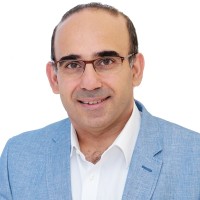 Mohamad Mohty合作论文数Clinical Hematology and Cellular Therapy Department, Saint-Antoine Hospital, Sorbonne University;Saint-Antoine Research Centre10
 Andy Peniket合作论文数Oxford University Hospitals;Churchill Hospital10
 Claude-Eric Bulabois合作论文数Pôle Cancer et Maladies du Sang, CHU Grenoble Alpes;Service d´Hématologie, Centre Hospitalier Universitaire de Grenoble10
 Goda Choi合作论文数Academic Medical Center, University of Amsterdam;Academic Medical Center, University of Amsterdam;University of Amsterdam, University of Amsterdam10Anna Sureda合作论文数9
 Eric Deconinck合作论文数9Jorinde D. Hoogenboom合作论文数9Mark Cook合作论文数From Clínica Universidad de Navarra;Mayo Clinic;Université de Lille, University Hospital of Nantes;M.D. Anderson Cancer Center, University of Texas;IRCCS Azienda Ospedaliero-Universitaria di Bologna, Bologna University School of Medicine;Northside Hospital Cancer Institute, Emory University;the University of Wisconsin Carbone Cancer Center;the University of Alabama at Birmingham;Washington University School of Medicine in St. Louis;Arnie Charbonneau Cancer Institute, University of Calgary;Universitaire Ziekenhuizen Leuven;Sarah Cannon Research Institute and Tennessee Oncology;2seventy bio;Bristol Myers Squibb;Institute of Cancer and Genomic Sciences, University of Birmingham;and Memorial Sloan Kettering Cancer Center;Université Paris Cité, From Clínica Universidad de Navarra9
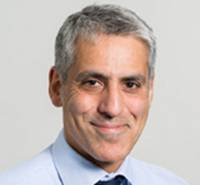 Ronjon Chakraverty合作论文数Department of Haematology, Cancer Institute, Faculty of Medical Sciences, University College London9
 Stephen Robinson合作论文数9Ariane Boumendil合作论文数9Peter Dreger合作论文数9
 Adrian Bloor合作论文数Faculty of Biology, Medicine and Health, The University of Manchester;Christie Hospital;The Doctors Laboratory;The Christie Private Care, HCA Healthcare UK;The Alexandra Hospital, Circle Health Group9
 Mickey Koh合作论文数St George's University Hospitals NHS Foundation Trust9Stig Lenhoff合作论文数9
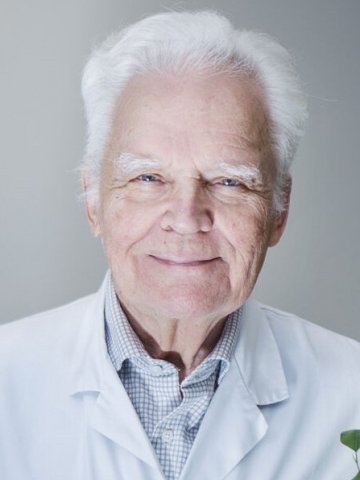 Gösta Gahrton合作论文数Department of Medicine, Karolinska Institutet8Myriam Labopin合作论文数Hospital Saint-Antoine;University Paris68




