Due to sea-level rise, small river-dominated deltas (<100 km(2)) are expected to become more exposed to tidal influences in the future. However, there remains a knowledge gap in the impending hydrodynamics of such deltas, particularly with the interactions between river and tidal flows. In addition to sea-level rise, river-tide interactions in these deltas depend on their morphology, which is influenced by the sand proportion in the particulate matter delivered by rivers. This study investigates river-tide interactions predicted for small deltas formed by different sand-to-mud ratios under various sea-level rise scenarios. Delta morphologies were generated using reduced-order complexity model (DeltaRCM), and hydrodynamic simulations were performed using advanced circulation (ADCIRC) modeling. The findings indicate that sea-level rise promotes deeper tidal penetration into deltas. Deltas formed by finer sediments exhibit deeper channels flanked by large natural levees, whereas those formed by coarser sands are characterized by shallow channels with smaller levees. Consequently, tides primarily propagate along the channels of deltas formed by finer material, while deltas formed by coarser material experience greater tidal inundation. The findings are meaningful toward the adaptive management of deltas.
Coastal restoration projects are significantly important in coastal ecosystems as wetland losses accelerate. This study investigates tidal hydrodynamics and the potential impacts of a waterway opening on an existing roadway to restore and revitalise salt marshes in a small estuarine system in Virginia, USA. A depth-integrated, discontinuous Galerkin shallow-water equations model (DG-SWEM) is applied for astronomic tide simulation. The model employs a high-resolution unstructured mesh with a minimum element size of less than one meter and resolves complex tidal flows in the entire barrier island system, including the existing culvert gate and canal system. Compared to the existing system, the water exchange increased dramatically (flushing time also dramatically decreased) under the opened scenarios regardless of the opening width (22.9-, 30.5-, and 38.1-m width). By increasing the opening width, peak velocity through the proposed opening decreased 30-40%, and the maximum shear stress was reduced by more than half. The high-resolution model represented complex tidal flows, including eddies, and assisted in striking a balance of water-exchange capability, opening stability, and minimising their potential erosions for the opening design. Besides, erosion and sediment transport potentials for suspended sediments were estimated using bed shear stress and a Lagrangian particle tracking module. Such proxy modelling approach allows for the impact assessment of civil engineering and ecological waterworks in complex and highly damped tidal flow areas and is readily transferrable to other like systems (e.g. causeway construction, causeway cutting, biota passageways, and inlet modification).
Several flow visualization techniques are applied on the computed hydrodynamic fields for the os-cillatory flow around wall-mounted cylinder with a Keulegan-Carpenter KC = 20. To solve the three-dimensional Navier-Stokes equations, the direct numerical simulation is conducted using Open-source Field Operation and Manipulation (OpenFOAM (R)). Details obtained from such flow visualizations increase in dimensionality and complexity. Streamlines, contours of dynamic pres-sure over the cylinder surface and wall shear stress in the vicinity of the cylinder-wall junction surface contours, and coherent structures using Q-criterion represent lineal-, areal-, and volume -based flow features, respectively. Line integral convolution as well as particle trajectories are shown at different phases of the background oscillatory flows to illustrate and describe the underlying flow mechanisms.
Wave‐ and current‐supported turbidity currents (WCSTCs) are one of the sediment delivery mechanisms from the inner shelf to the shelf break. Therefore, they play a significant role in the global cycles of geo‐chemically important particulate matter. Recent observations suggest that WCSTCs can transform into self‐driven turbidity currents close to the continental margin. However, little is known regarding the critical conditions that grow self‐driven turbidity currents out of WCSTCs. This is in part due to the knowledge gaps in the dynamics of WCSTCs regarding the role of density stratification. Especially the effect of sediment entrainment on the amount of sediment suspension has been overlooked. To this end, this study revisits the existing theoretical framework for a simplified WCSTC, in which waves are absent, that is, along‐shelf current‐supported turbidity current. A depth‐integrated advection model is developed for suspended sediment concentration. The model results, which are verified by turbulence‐resolving simulations, indicate that the amount of suspended sediment load is regulated by the equilibrium among positive/negative feedback between entrainment and cross‐shelf gravity force/density stratification, and settling flux dissociated with density stratification. It is also found that critical density stratification is not a necessary condition for equilibrium. A quantitative relation is developed for the critical conditions for self‐driven turbidity currents, which is a function of bed shear stress, entrainment parameters, bed slope, and sediment settling velocity. In addition, the suspended sediment load is analytically estimated from the model developed.
Natural disasters, such as floods, may damage power system assets and lead to widespread and long outages. The impact of flood can be alleviated by preventive actions such as installing tiger dams around power substations before the flood. In this regard, it is imperative that critical substations are identified in terms of the connected load and imposed costs to the system. This article presents a stochastic resource allocation approach for protecting power substations against flood events a day ahead of the event. Flood probability distribution functions are used to generate several flood scenarios at each substation. Using flood scenarios and substations’ fragility, damage, and repair time curves obtained from historical data, the failure probability, damage percentage, damage cost, and repair time of substations are estimated. A day-ahead risk-aware stochastic scheduling model is proposed to identify the critical substations whose protection by tiger dams maximizes grid resilience. The risk-aware approach prevents high cost and low resilience if a particular scenario with a low probability is realized. A scenario reduction method is developed to generate representative substation failure scenarios and reduce the computational cost of the optimization problem. The simulation results on a realistic 30-substation system show the effectiveness of the proposed model.
The interaction between surface gravity waves and a vertical wall-mounted rigid cylindrical structure such as a pier or vegetation involves various interdependent physical phenomena including the scouring process and the vertical mixing and horizontal dispersion of materials. As a step toward understanding this interaction, detailed flow fields of sinusoidal oscillatory flow passing a vertical wall-mounted cylinder are numerically investigated for three different wave conditions. With a moderately wide range of the Keulegan–Carpenter number from 6 to 20, numerical simulations are systematically performed, and the data are extensively investigated to determine the dynamic characteristics of the oscillatory flow past a wall-mounted cylinder. In this study, three-dimensional unsteady incompressible Navier–Stokes equations are solved using the open-source software, OpenFOAM®. Grid-convergence tests are conducted, and the undisturbed oscillating Stokes boundary-layer determined by numerical simulations is validated by a good agreement with the analytical solution. Flow details in the form of profiles, streamlines, and contours of calculated turbulence fields are presented. Coherent structure dynamics is illustrated using iso-surfaces of the Q-criterion. The synthesis of various flow variables presents a mechanistic view of the bed shear and processes responsible for scour near the cylinder-wall junction.
This study applies the Dynamic Mode Decomposition (DMD) to better understand and model the oscillatory flow across a vertical wall-mounted cylinder. At different Keulegan–Carpenter numbers, three-dimensional direct numerical simulations are performed to provide the flow details such as the snapshots of the coherent structures around the cylinder, vorticity fields, and bed shear stress. The selected fields are decomposed into dynamic modes. The characteristic flow features with relevant information including spatial mode shape, frequency, and mode amplitude are systematically investigated. The time series of flow fields is also reconstructed using the DMD analysis and compared against the original data to assess the efficacy of information in the low-dimensional system. The results show that the DMD analysis can capture the dynamic and nonlinear features of the oscillatory flow past the vertical wall-mounted cylinder and also efficiently reconstruct the relevant fields with reasonable accuracy. It provides a basis for the data-driven model of scour near the cylinder–wall junction relevant to coastal engineering applications.
Categorizing the types of roughness in environmental flows is important to establish the scaling laws for the roughness and bottom friction parameterization. The dependence of roughness height on roughness element geometry is discussed to clarify the difference between the two distinct d-type and k-type roughness under oscillatory flows. Direct numerical simulations (DNS) of oscillatory flow over transverse square and triangle bars were conducted, by varying the height-to-space ratio w/k and the shape of bars. DNS results show that the major difference between d-type and k-type roughness is the contribution from the frictional drag and pressure drag to the total stress. For d-type of roughness, relatively large frictional drag may play important roles in larvae recruitment and sediment transport. In addition to the ratio w/k, the shape of the roughness element also affect the transition from d-type to k-type roughness. At intermediate range of Keulegan-Carpenter number (KC), the inertial force and drag force are of equal importance. Simulation results of wave friction factor were compared with theoretical results, and the results are very sensitive of the choice of the characteristic roughness length scale.
Alongshore current-supported turbidity currents (ACSTCs) are a subclass of wave- and current-supported turbidity currents. They are one of the agents responsible for the dispersal of the river-borne sediments on the continental shelf, which constitutes a major phenomenon controlling the geomorphic evolution of ocean-basin margins over geological time. Therefore, parameterization of the sediment flux associated with ACSTCs will help its implementation in operational models and quantify the sediment flux budgets on the continental shelf. The velocity structure of ACSTCs and the amount of sediments suspended by them are crucial to determine the suspended sediment flux. This study investigates the velocity structure of a simplified miniature ACSTC over an erodible bed composed of fine sediments. Direct numerical simulations are conducted for various bed erosion parameters and sediment settling velocity. The role of sediment-induced stable density stratification on the velocity structure of ACSTCs is analyzed. The simulation results indicate that density stratification and the drag coefficient are functions of the product of sediment settling velocity and sediment concentration. The velocity profile was found to deviate toward the alongshore direction with strengthening density stratification, which enhances the drag coefficient. By using the Monin-Obukhov theory, the drag coefficient associated with the cross-shelf propagation of ACSTCs is formulated as a function of the Reynolds number, sediment concentration, and sediment settling velocity. Plain Language Summary One of the mechanisms that are responsible for sediment emplacement on the continental shelf is the slow-motion of sediment suspended in seawater driven by currents parallel to the shore known as alongshore current-supported turbidity currents (ACSTCs). One of the poorly understood aspects of ACSTCs is their velocity profile, which is central to quantifying the amount of sediments carried by them. This is especially important because of its ramifications to the global budgets of geochemically important particulate matter. This paper investigates the velocity profiles of ACSTCs by conducting fine- scale numerical simulations and provides relations for their parameterization.
Along much of the world's coastline, coastal barriers serve as the first line of defense against oceanic and meteorological forces. Extreme storms cause large morphological changes on coastal barriers through high sediment transport rates, which may degrade their defensive capabilities. The understanding of morphological impacts is therefore important for coastal resiliency, but is often challenged by site-specific characteristics, such as land cover and sediment availability, and their poorly understood impacts on the governing physical processes. The Caminada Headlands, Louisiana, USA presents unique considerations for morphodynamic modeling with regard to its low-lying topography, variable land cover, nearshore muddy substrate and sand deficiency. This study investigates the effects of land cover and limited sediment supply on low-lying barrier island morphology under storm conditions by using physics-based numerical models. A high-resolution, local-scale sediment transport/morphodynamic model (XBeach) of the Caminada Headlands is verified for Hurricane Gustav's (2008) impact using pre- and post-storm LIDAR surveys. When accurate input data are used to create physics-based numerical models these tools are robust in hindcasting storm impacts and provide a wealth of information as to the governing processes, which is otherwise difficult to obtain observationally. The simulation results show that a short-duration overwash regime dominates the morphological change in this low-lying barrier and is influenced by backbarrier wetland deterioration. The morphological response to overwash is modulated by backbarrier land cover and topography, as reduced accommodation space limits landward transport during the subsequent inundation regime. An intact backbarrier marsh reduces landward washover sediment transport distances and promotes deposition at supratidal elevations. In light of these findings, simultaneous restoration/creation of backbarrier wetlands in conjunction with subaerial beach renourishment may be an effective form of increasing the resiliency of low-lying barriers subject to frequent overwashing.
Wave-supported fluid mud (WSFM) plays an important role in sediment downslope transport on the continental shelves. In this study, we incorporated WSFM processes in the wave boundary layer (WBL) into the Community Sediment Transport Modeling System (CSTMS) on the platform of the Coupled Ocean-Atmosphere-Wave-and-Sediment Transport modeling system (COAWST). The WSFM module was introduced between the bottommost water layer and top sediment layer, which accounted for the key sediment exchange processes (e.g., resuspension, vertical settling, diffusion, and horizontal advection) at the water-WBL and WBL-sediment bed boundaries. To test its robustness, we adapted the updated model (CSTMS + WBL) to the Atchafalaya shelf in the northern Gulf of Mexico and successfully reproduced the sediment dynamics in March 2008, when active WSFM processes were reported. Compared with original CSTMS results, including WSFM module weakened the overall intensity of sediment resuspension, and the CSTMS + WBL model simulated a lutocline between the WBL and overlying water due to the formation of WSFM. Downslope WSFM transport resulted in offshore deposition (>4 cm), which greatly changed the net erosion/deposition pattern on the inner shelf off the Chenier Plain. WSFM flux was comparable with suspended sediment flux (SSF) off the Atchafalaya Bay, and it peaked along the Chenier Plain coast where wave activities were strong and the bathymetric slope was steep. The influence of fluvial sediment supply on sediment dynamics was limited in the Atchafalaya Bay. Sensitivity tests of free settling, flocculation, and hindered settling effects suggested that sediments were transported further offshore due to reduced settling velocity in the WBL once fluid mud was formed. Although sediment concentration in the WBL was sensitive to surface sediment critical shear stress, cohesive bed behavior was less important in WSFM dynamics when compared with strong hydrodynamic during cold fronts. Plain Language Summary Fluid mud is an intermediate stage between a consolidated seafloor and dilute fine sediment suspension. Its high density (>10 g/L) and downslope movement are important in sediment transport over the inner continental shelf (water depths < 15 m). In this study we adopted a numerical model to simulate fluid mud transport on the Atchafalaya continental shelf in coastal Louisiana. We found that fluid mud formed during the passages of cold fronts, and its transport contributed to offshore sediment deposition. This downslope sediment transport process was more affected by the settling velocity of sediment particles rather than fluvial supply from the Atchafalaya River or sediment consolidation on the seabed.
The purpose of this study is to numerically investigate the bed shear stress and near-bed mixing due to coherent vortex structures in the vicinity of a vertically wall-mounted circular cylinder subject to an imposed finite-depth oscillatory sinusoidal flow. Previous studies reveal that the Keulegan–Carpenter (KC) number influences the formation of lee-side wake vortex structures as well as the horseshoe vortex in front of a cylinder. Therefore, parametric studies in a moderately wide range of KC from 5 to 20 are numerically performed. In the present study, Direct Numerical Simulation (DNS) is conducted using the open-source software, OpenFOAM, that solves the three-dimensional unsteady incompressible Navier-Stokes equations using finite volume method. Nondimensional parameters used in the simulations are carefully chosen to represent the real physics. The numerical solutions are first validated using an analytical solution for the oscillating Stokes flow and the results are then systematically and quantitatively compared with the experimental measurements. The results show that the lee-side wake is significantly influenced by KC, and distinctive types of the lee-side wake are generated and classified based on KC. It is also found that both KC and the ratio of the thickness of the Stokes boundary layer to the water depth are heavily associated with the stability of the lee-side wake. In addition, the simulated size and lifespan of the horseshoe vortex agree well with the experimental data.
Coastal barrier islands serve as the first line of defense against storm-induced hazards and coastal erosion. Due to sea-level rise and more frequently occurring storms, barrier island restoration and rehabilitation have become more important for coastal protection. The current-state-of-the practice for simulation of barrier island restoration design mostly overlooks consolidation as one of the governing processes. However, low-lying barrier islands, especially those built on loose deltaic or estuarine deposits, may further lose elevation due to consolidation and become more vulnerable to erosion. This study investigates the impacts of consolidation without overwash, overwash without consolidation, and coupled consolidation and overwash in Caminada-Moreau Headland in Louisiana, USA, which is built on loose deltaic deposits. Consolidation and overwash processes were simulated by using Settle3D and XBeach, respectively. The coupled consolidation and overwash simulations predicts twice the elevation loss predicted by the simulations that consider overwash or consolidation only indicating the critical role of consolidation in barrier island morphology. Based on the morphologic changes, feasible restoration strategies are developed and tested through numerical experiments. Our analyses indicate that the simultaneous restoration of the headland and back barrier marsh increases dune volume retention and project design criteria longevity when compared to the coupled simulation without a restored marsh.
Cohesive sediments exist as flocs of different sizes, which are built and destroyed through flocculation processes including both aggregation and breakup. This study investigates sediment flocculation processes in wave-driven Langmuir turbulence that is commonly observed in coastal ocean through embedding a size-resolving flocculation model into a turbulence-resolving hydrodynamic model. The specific research questions are how Langmuir turbulence affects flocculation processes and how flocculation processes impact the spatial and size distributions of suspended cohesive sediment. The results show that Langmuir turbulence suspends flocs in the water column and organizes flocs of different sizes. By modulating the encounter of flocs and redistributing flocs in the turbulence field, Langmuir turbulence enhances the aggregation and breakup rates of flocs that are located in similar regions with high turbulent dissipation rates and suppresses those of others. As an outcome of modulated flocculation processes, floc size distribution changes with depth and floc mass concentration profiles change with floc size. The addition of wave breaking increases the shear rate near the surface and reduces the median floc size and averaged settling velocity, leading to increase in total floc mass concentration in the whole water column. Wave breaking also increases cross-shelf sediment transport by more than 15% under the simulated conditions, which is comparable to that due to Langmuir turbulence compared to shear turbulence. Both floc size distribution and floc concentration vary with wind and wave conditions.
In wall-bounded time-periodic flows, nonlinearity, associated with higher harmonic term(s) in velocity and/or acceleration outside the boundary layer, can significantly change the wall turbulence compared with that in the linear Stokes Boundary Layer. A significant feature of a nonlinear wall-bounded turbulent time-periodic flow is the formation of a net current which has not yet been mechanistically explained. This study investigates the effects of asymmetric velocity outside the boundary layer on wall turbulence and net current formation through Direct Numerical Simulations of a smooth-walled planar channel driven by the Second-order Stokes Wave. Simulation results suggest that net current characteristics depend on whether developed turbulence is present. When turbulence is developed, asymmetric viscous length scale is found to be the primary reason of the net current whereby a vertical offset between negative and positive Reynolds shear stress profiles, associated with forward and reverse flows, respectively, is created in a cycle. After averaging over a cycle, residual Reynolds shear stress, which drives the net current, is observed to be within the offset layer.
Coastal barriers are the first line of defense against storm surge and wind wave induced hazards. Their response to such events, therefore, require continual assessment. Airborne lidar surveying is a valuable remote sensing technique used to assess the dynamics of coastal dunes driven by the impacts of storms and the subsequent recovery processes. Different from previous research conducted on this topic, where pre- and post-storm surveys are employed to analyze the effects of isolated extreme events, this study makes use of a 15-year lidar survey time series of the Caminada-Moreau Headlands. The Caminada-Moreau Headlands, located in Louisiana, USA, on the Gulf of Mexico's northern coast, is a low-gradient, low-elevation mainland barrier which is rapidly eroding due to sediment deprivation, alongshore sediment transport, relative sea-level rise, and cumulative storm impacts. The time period analyzed, from 1998 to 2013, was notable for the number and intensity of hurricanes and tropical storms making landfall in the region. The analyses of the lidar data show that, while storms have frequently overwashed and destroyed the dunes, natural dune recovery has managed to maintain a nearly stable alongshore-averaged dune volume. On the other hand, change in dune crest elevation in the most vulnerable stretches of the coastline has not kept pace with sea-level rise. The analyses herein further suggest that, for low-elevation dunes which rapidly transition into backbarrier wetlands, the relative quantity of subaerial land surface area to open water, directly landward of the duneline, is an influential parameter affecting barrier shoreline morphodynamics.
Wave- and current-supported turbidity currents (WCSTCs), are one of the chief participants in shaping the marine geomorphology. What makes WCSTCs different from other turbidity currents is that boundary layer turbulence is required to suspend the sediments rather than the self-motion of the turbidity currents. In the presence of a mild slope, the gravitational acceleration drives the suspended sediments offshore (Sternberg et al., 1996; Wright et al., 2001). Depending on what dominates the boundary layer turbulence (BLT), we further define two major subclasses of WCSTCs: (i) wave-supported (WSTCs), and (ii) current-supported turbidity currents (CSTCs). Although significant advances have been made on the details of WSTCs (Ozdemir et al., 2011; Yu et al., 2014; Cheng et al., 2015), less is known about CSTCs. The objective of present study is to investigate the role of alongshore currents on CSTC dynamics over an erodible bottom boundary. The focus here is to identify the possible role of erosion on CSTC dynamics, and assess the coupling between current-induced BLT and suspended sediments for various bed erodibility parameters, i.e. critical shear stress, erosion coefficient, and settling velocity.
Wave- and current-supported turbidity currents (WCSTCs) constitute a subclass of turbidity currents that ubiquitously participate in shaping the marine geomorphology. Rather than the turbulence generated by its forward motion, WCSTCs require boundary-layer turbulence generated by the surface waves and/or currents that are parallel or normal to the shore to keep the sediments suspended. This study focuses on the characteristics of WCSTCs due to shore parallel current only. Such flows can be approximated as particle-laden channel flows with a mild spanwise slope. Due to the spanwise slope, the submerged weight of the suspended sediments creates spanwise force and thus a spanwise current. The resultant flow is affected by two competing mechanisms: (i) additional turbulence generation by the spanwise turbidity current and (ii) turbulence suppression due to suspended sediment-induced stable density stratification. In this study, the role of sediment settling velocity and concentration on these competing processes is investigated by direct numerical simulations. The results of the conducted simulations suggest that turbulence production due to spanwise current is a quadratic function of the suspended sediment concentration, whereas buoyancy dissipation due to sediment-induced stably density stratification linearly varies with the suspended sediment concentration. Turbulent energy distribution among the fluctuating velocity components also suggests that spanwise velocity fluctuations rely less on the turbulence production due to streamwise current. Therefore, a high-concentration turbidity with fine sediment content tends to evolve into a self-sustaining turbidity current, whereas the low-concentration turbidity composed of relatively larger sediments require the current-induced turbulence to sustain its motion. Published by AIP Publishing.
Discoveries over the last three decades have shown that wave-supported gravity flows (WSGFs) are among the participating physical processes that carry substantial amount of fine sediments across low-gradient shelves. Therefore, understanding the full range of mechanisms responsible for such gravity flows is likely to shed light on the dynamics of subaqueous delta and clinoform development. As wave-induced boundary layer turbulence is the major agent to suspend sediments in WSGFs, the scale of WSGFs in the water column is also bounded by the wave-induced boundary layer thickness which is on the order of decimeters. Therefore, in order to explore the details of participating physical mechanisms, especially that due to turbulence-sediment interaction, highly resolved and accurate numerical models or measurements in the laboratory and the field are required. In this study, the dynamics of WSGFs is investigated by using turbulence-resolving, two-phase flow simulations that utilize Direct Numerical Simulations (DNS). The effect of variable sediment loading, slope, and wave orbital velocity is investigated via 21 simulations.
 Tian-Jian Hsu合作论文数Civil and Environmental Engineering
Center for Applied Coastal Research
University of Delaware19
Tian-Jian Hsu合作论文数Civil and Environmental Engineering
Center for Applied Coastal Research
University of Delaware19 S. Bala Balachandar合作论文数Department of Mechanical & Aerospace Engineering, Herbert Wertheim College of Engineering, University of Florida;Center for Compressible Multiphase Turbulence, University of Florida;Institute for Computational Engineering, Herbert Wertheim College of Engineering, University of Florida12
 Xiao Yu合作论文数8
 Qin Chen合作论文数Department of Civil & Environmental Engineering, College of Engineering, Northeastern University;Marine Science Center, Department of Marine and Environmental Sciences, College of Engineering, Northeastern University;Coastal Hazards Research Collaboratory, Louisiana State University;Department of Civil and Environmental Engineering, Louisiana State University;Center for Computation & Technology, Louisiana State University6
 Jun-Hong Liang合作论文数Department of Atmospheric and Oceanic Sciences, University of California5
 Mayank Tyagi合作论文数Louisiana State University5
 Hakun Jang合作论文数4
 Cody L. Johnson合作论文数4
 Kehui Xu合作论文数Sediment Dynamics Lab, Department of Oceanography & Coastal Sciences, College of Coast and Environment, Louisiana State University;Coastal Studies Institute, Louisiana State University3
 Zuo (George) Xue合作论文数Ctr Computat & Technol, Louisiana State Univ3
 Samuel Bentley合作论文数Department of Geology and Geophysics, College of Science, Louisiana State University3
 Zhen Cheng合作论文数Convergent Sci Inc2
 Tsan-Sheng Hsu合作论文数Inst Informat Sci, Acad Sinica2
 Scott C. Hagen合作论文数Univ . of Central Florida2
 Alec Torres-Freyermuth合作论文数Lab Ingn & Proc Costeros, Univ Nacl Autonoma Mexico2
 Peter Bacopoulos合作论文数2
 Xiping Yu (余锡平)合作论文数Department of Ocean Science and Engineering, Southern University of Science and Technology2
 Peter A. Traykovski合作论文数MIT/WHOI Joint Program in Oceanography and Oceanographic Engineering, Woods Hole, MA 02543, USA2M. I. Cantero合作论文数1Shuo Yang合作论文数1Zhengdong Yu (余正东)合作论文数1
 Yue Liangyi合作论文数1
 Daniel de Oliveira合作论文数1
 Jin Ikeda合作论文数Dept Civil & Environm Engn, Univ Texas San Antonio1
 Mohadese Movahednia合作论文数Division of Electrical and Computer Engineering, Louisiana State University1
 Brian Harris合作论文数Coastal & Hydraul Lab, US Army Engineer Res & Dev Ctr1Ming-Lan Yu合作论文数1
 Zhengchen Zang合作论文数Dept Biol, Woods Hole Oceanog Inst1
 Saber Aradpour合作论文数Dept Civil & Environm Engn, Louisiana State Univ1
 Kees Nederhoff合作论文数Deltares USA1
 Matthew Hiatt合作论文数Dept Phys Geog, Univ Utrecht1Cihan Sahin合作论文数Yildiz Tech Univ1
 Matthew V. Bilskie合作论文数Sch Environm Civil Agr & Mech Engn, Univ Georgia1Ling Zhu合作论文数Louisiana State Univ, Dept Civil & Environm Engn, Baton Rouge, LA 70803 USA1
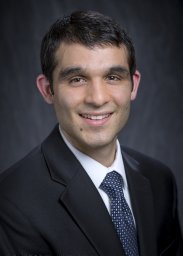 Navid H Jafari合作论文数Louisiana State University1
 Witold F. Krajewski合作论文数Department of Civil and Environmental Engineering, College of Engineering, University of Iowa;Iowa Flood Center, University of Iowa1
 Jinliang Liu合作论文数Department of Earth System Science, Stanford University1
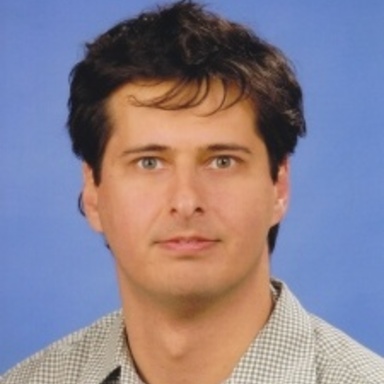 George Serban Constantinescu (George Constantinescu)合作论文数IIHR – Hydroscience and Engineering, College of Engineering, University of Iowa;Department of Civil and Environmental Engineering , College of Engineering, University of Iowa1Albert Dai合作论文数1Talia Tokyay合作论文数IIHR-Hydroscience and Engineering, The University of Iowa1
 Robert Mccall合作论文数Deltares1A. Melih Yanmaz合作论文数Middle East Technical University;Engineering Department;Engineering Department, Middle East Technical University1
 Amin Kargarian合作论文数Department of Electrical and Computer Engineering, Louisiana State University1




