Bullheading process is a well-kill approach that is used as an alternative method during harsh drilling situations where traditional well control operations present a limited capacity. The process involves pumping liquid from the top of a drilling well, at the liquid injection rate (Qw) high enough to push down the uprising gas influx back into the formation without circulating it out to the surface, experiencing cocurrent and countercurrent two-phase flow in the annulus. Understanding gas displacement mechanisms and the resulting gas removal efficiency (R-eff) is a key to optimize the operation. The conventional thought is based on the simple belief that the R-eff increases with increasing liquid injection rate (i.e., higher R(eff )at higher Qw). By performing (i) simulation and model fits to large-scale experimental data (about 1,900 ft deep well) from LSU PERTT laboratory and (ii) small lab-scale experiments (6-ft-tall vertical tube with 1 in. diameter) with visualization capacity, this study proves for the first time that the R-eff increases with Qw (i.e., dR(eff)/dQw> 0) when Qw is relatively low or high, but decreases with Qw (i.e., dR(eff)/dQw < 0) when Qw is in between. This anomalous behavior, reminiscent of multivalued folding solution surface in catastrophe theory with unstable region surrounded by two adjacent stable regions, is shown to coincide with flow regime change from mist/annular to slug and, finally, to bubbly flow regime. Although this new finding has a significant implication in bullheading field operations, further investigations with dimensionless numbers and in annulus geometry require future studies.
Generating high-fidelity seismic images is a critical yet challenging task due to the limited availability of seismic data sets. This study leverages generative deep learning (DL) and, particularly, generative adversarial networks (GANs), implementing StyleGAN2, to address this limitation, with a focus on seismic data from the Norwegian Sleipner CO2 storage field in the North Sea. The Sleipner data set, characterized by widely spaced sampling and geological complexity, serves as the foundational data set for our study. The GAN used images of seismic 2D sections extracted from the time-lapse 3D seismic sections acquired by the project from 1994 to 2010. Multiple training runs were conducted on 3,149 2D sections each with 1,024 x 1,024 image resolution using different configurations of the StyleGAN2 hyperparameters. We utilized global evaluation metrics, including Fr & eacute;chet inception distance (FID) and Kernel inception distance (KID), to quantify the fidelity and diversity of the generated images. Results showed FID scores as low as 4.110 and KID scores as low as similar to 0.005, demonstrating the models' ability to replicate complex subsurface geophysical structures, particularly those influenced by CO2 plume dynamics. The integration of conditional GANs and custom data augmentation pipelines further enhanced the performance. These findings highlight the adaptability of the trained models across diverse seismic surveys and emphasize their potential in geophysical exploration, subsurface monitoring, and resource management. This work emphasizes the transformative role of advanced generative models in overcoming data set constraints and improving seismic data analysis. With the help of the work in this paper, we trained a model using a limited data set, paving the way for innovative ideas and applications that facilitate the generation of high-fidelity images. These images can be utilized for interpolation and extrapolation, generating intermediate timesteps and restoring missing inlines or crosslines, to aid in CO2 flow modeling, prediction, and effective monitoring of CO2 storage sites. Beyond interpolation, GAN-generated data can also serve as external augmentation to improve machine learning in data-scarce settings (e.g., infrequent surveys or legacy data sets), as controlled test cases to evaluate the robustness of downstream models under realistic variability, and as stand-in training data for tasks, such as plume delineation, fault detection, and horizon tracking, when labeled field data are limited.
Abstract Time-lapse seismic monitoring is a fundamental method for tracking subsurface CO2 migration in geological storage projects, yet seismic datasets are often limited by sparse temporal sampling, acquisition cost, and variability in survey geometry. Generative adversarial networks (GANs) offer a route to seismic data augmentation and interpolation, but their implementation in subsurface operations requires rigorous validation of geological fidelity at the level of individual seismic sections. This paper develops an integrated generative and evaluation framework using the Sleipner CO2 storage project as a benchmark. StyleGAN2-ADA, a GAN variant, is trained on 3,149 inline sections spanning the 1994 pre-injection baseline and multiple post-injection monitor surveys acquired between 1999 and 2010. To address limitations of conventional GAN evaluation practices, which rely primarily on dataset-level metrics such as Fréchet Inception Distance (FID) and Kernel Inception Distance (KID), a single-image quality assessment framework tailored to seismic data is introduced. The framework integrates the Structural Similarity Index (SSIM) with component decomposition, Peak Signal-to-Noise Ratio (PSNR), Learned Perceptual Image Patch Similarity (LPIPS), amplitude-histogram analysis, and geological interpretability criteria including reflector continuity, thin-layer visibility, and stratigraphic coherence. This multi-level evaluation reveals trade-offs between global distributional realism and local structural fidelity that are not captured by FID alone. Results demonstrate that GAN-generated seismic images replicate key CO2 plume architectures and large-scale structural patterns, but single-image evaluation reveals systematic trade-offs between distributional realism and local geological fidelity that are not captured by FID or KID alone. Grayscale and perceptually uniform representations outperform conventional colormap-based representations for generative training, and conservative amplitude-domain contrast enhancement (CLAHE) improves thin-layer visibility without distorting amplitude statistics. Latent-space projection in the extended StyleGAN2 latent space W+ confirms that the learned manifold captures the principal Sleipner plume architecture while systematically smoothing weak shallow anomalies. The combined preprocessing improvements raise the mean projection SSIM from a prior baseline of 0.45 to 0.90 without any change to the generator architecture. These findings establish that rigorous, image-level validation is essential before GAN-based seismic outputs can be trusted in subsurface monitoring workflows.
Deepwater drilling operations demand highly accurate and efficient gas kick early warning systems due to their inherent complexity and associated risks. This study evaluates and optimizes three relatively advanced neural network models-Long Short-Term Memory (LSTM), Bidirectional LSTM (Bi-LSTM), and Gated Recurrent Unit (GRU)-using a multi-source, long-duration time-series dataset derived from pilot-scale experiments. This dataset captures the intricate dynamics of gas migration along the downhole-riser-ground flow path under varied influx scenarios simulated by controlled air injection profiles. Each model was trained and tested to enhance performance across different early warning time windows. Comparative analysis demonstrated that the Bi-LSTM model exhibited the best overall accuracy in forecasting gas influx incidents, significantly extending the lead time for implementing effective well control measures. The findings underscore the efficacy of these models in enhancing drilling safety, optimizing operational efficiency, and supporting informed decision-making in complex offshore environments. Practical challenges and deployment strategies are also discussed to facilitate the application of these findings in real-world scenarios.
Abstract As the first self-development ultra-deepwater gas field, the project adopts the floating production platform-subsea production system. The platform is kept in position by sixteen hybrid polyester mooring lines. The gas and other fluids associated to the production process are conveyed to the platform by six steel catenary risers. The field has an operational design cycle of 30 years. With the purpose of ensuring long-term safe operation for offshore structures, this case fuses physical monitoring and virtual simulation to build an integrated platform management system. Monitoring data from the environment, platform, mooring lines and risers are periodically collected from the in-situ sensors. The system applies the Long short-term memory neural network to reconstruct the virtual simulation model of the dynamic response of offshore structures under environmental loads. The system has two main functions: mechanical behavior prediction and mooring strategy adjustment. Combined with the monitoring data of environmental elements in the current operation area, the system can realize real-time prediction and calculation of platform movement, mooring lines tension and riser dynamic configuration, and visualize the health status of offshore structures. In case of severe operational conditions such as typhoon, the platform operators can obtain the platform displacement window and the corresponding mooring tension adjustment strategy through the operating system to maintain the riser stress safety. This case gives a real-time solution for the safe operation of offshore structures with physical monitoring and virtual simulation, which can guide the operators to adjust the platform displacement to maintain the mooring lines and risers in the safety zone for a long time.
Excessive sand production in wellbores can cause significant damage to the downhole and surface equipment, which could reduce well productivity and cause loss of integrity. Conventional surface sand detectors provide a delayed indication of the onset of downhole sanding events. Additionally, they do not provide definitive information about the zones in the reservoir contributing to sanding. Distributed fiber - optic sensors can address these gaps by enabling real - time downhole monitoring simultaneously across the entire length of the installed fiber in the wellbore. In this study, we investigate the application of optical fiber - based distributed acoustic sensing (DAS) for real - time monitoring of sand migration patterns, detecting sand ingress location, and estimating sand slip velocity. The sand slip velocity is the difference in the flow velocity of sand particles and fluid velocity in slurry flow caused by drag forces. DAS was acquired on a horizontal experimental surface flow loop at different flow rates and sand ingress conditions for a fixed sand slurry concentration and sand particle size. DAS data were analyzed in the frequency domain using spectrums and spectrograms to investigate the frequency fingerprint of the flowing sand that enabled visualization of sand migration patterns in multiphase flow. Sand flow velocities were estimated using the DAS frequency band energy (FBE) profiles and compared with analytical models of sand transport. A reasonable comparison was observed for all six experimental data sets analyzed in this study. Comparison of results from 28 gal/min and 32 gal/min trials showed higher sand slip velocity at higher flow rates. Different sand ingress locations were detected using DAS spectrum analysis. The results demonstrate the successful application of DAS for in - situ sand monitoring and flow characterization that can enable targeted sand management and remediation.
Uncontrolled sand production presents a substantial challenge to wellbore and pipeline integrity and efficiency of hydrocarbon production operations, often leading to equipment damage and compromised productivity. Traditional sand detection methods on the surface alert operators to sanding issues, but they are often a lagging indicator of downhole sanding events and do not provide precise identification of the problematic reservoir zones. Addressing this limitation, this study harnesses a combination of efficient signal processing and machine learning (ML) to analyze data from optical-fiber-based distributed acoustic sensors (DASs), thus serving as the first instance (to the authors' knowledge) of an automated and real-time approach to monitoring sand migration patterns and velocity estimation along a pipeline. The DAS data acquired from an experimental flow loop were analyzed using the developed algorithms, and the performance was evaluated for different flow speeds and sand ingress scenarios. The model training only required roughly 25% of the total data, and the remaining data were used to demonstrate the generalizability of the proposed ML models, through blind testing. Analysis of eight distinct experimental datasets provided a credible approximation of sand velocities, corroborating previous studies and theoretical expectations. Using the best-performing trained models, sand detection accuracies attained an average of 93.4% on blind testing data, along with sand velocity estimates with an average error of 10.1% from analytical results. The results from this study validate the use of DAS combined with ML for autonomous sand monitoring and flow characterization, both for boosting well performance and concurrently mitigating environmental hazards.
Summary Solids detection and monitoring are critical for maintaining wellbore integrity and efficiency in hydrocarbon production. This study investigates the real-time detection and analysis of solids transport in a full-scale wellbore, using a combination of gauge measurements and fiber-optic distributed temperature sensor (DTS) data. The experiments are conducted in a 5163-ft deep wellbore filled with synthetic oil-based mud. The study involves monitoring the movement of solids-laden mud during circulation tests, with data collected from both downhole and surface pressure gauges as well as density measurements using a Coriolis meter. The experimental results were compared with numerical simulation predictions using an in-house program and commercial software, DrillSIMTM. The results show a good agreement between the experimental data, including the DTS measurements, and the numerical predictions, providing valuable insights into the dynamics of solids transport in multiphase flow systems under well-scale conditions. This underscores the potential for enhanced solids management and optimization through advanced monitoring techniques. Traditional methods face challenges in real-time detection and characterization, especially under complex flow conditions. The results of this study highlight the advantages of fiber-optic sensing technologies, such as DTS, which offer high-resolution spatial and temporal data, improved reliability under harsh conditions, and a comprehensive understanding of flow dynamics. By integrating traditional gauge measurements with fiber-optic sensor data and validated numerical models, this research provides a robust framework for optimizing solids management in oil and gas operations under a variety of field conditions.
Erosion and forces on rams may prevent a blowout preventer (BOP) from sealing a well. Analyzing the flow field throughout a BOP may provide insight into these flowing effects on the inability of a BOP to seal the well. 3D transient simulation of fluid flow throughout closing BOP fluid domains is demonstrated using computational fluid dynamics (CFD). Simulation may be used to analyze the transient stress, pressure, and velocity fields throughout a BOP domain as it is closing. Many challenges exist in simulating a closing BOP using CFD, including boundary conditions and treatment of dynamic meshing. Solutions to those challenges are presented in this work. CFD simulations are carried out using ANSYS Fluent v19.2 (ANSYS, Canonsburg, Pennsylvania, USA). For inlet boundary conditions to the CFD domain, the CFD simulations are explicitly coupled with a 1D wellbore simulator. The 1D wellbore simulator provides a connection between the BOP and constant pressure reservoir. Numerical instability is present during this coupling process. An implementation for dealing with this instability is presented. An example validation case is presented to demonstrate the accuracy of CFD for pressure fields throughout valves. A second 2D axisymmetric case is shown to demonstrate the meshing and coupling simulation process. A third case, simulation through a 3D shear geometry is then presented to show the applicability of the process to a more complex geometric design. Velocity and stress fields are plotted to show the practicality of CFD in analyzing the probable causes of failure in BOP closures.
Summary Reservoir simulation is the industry standard for prediction and characterization of processes in the subsurface. However, large gridblock counts simulation is computationally expensive and time-consuming. This study explores data-driven reduced-order models (ROMs) as an alternative to detailed physics-based simulations. ROMs that use neural networks (NNs) effectively capture nonlinear dependencies and only require available operational data as inputs. NNs are usually labeled black-box tools that are difficult to interpret. On the other hand, physics-informed NNs (PINNs) provide a potential solution to these shortcomings, but they have not yet been applied extensively in petroleum engineering. In this study, a black-oil reservoir simulation model from Volve public data release was used to generate training data for an ROM leveraging long short-term memory (LSTM) NNs’ temporal modeling capacity. Network configurations were explored for their optimal configuration. Monthly oil production was forecast at the individual wells and full-field levels, and then validated against real field data for production history to compare its predictive accuracy against the simulation results. The governing equations for a capacitance resistance model (CRM) were then added to the reservoir-scale NN model as a physics-based constraint and to analyze parameter solutions for efficacy in characterization of the flow field. Data-driven ROM results indicated that a stateless LSTM, with single time lag as input, generated the most accurate predictions. Using a walk-forward validation strategy, the single well ROM increased prediction accuracy by about 95% average when compared with the reservoir simulation and did so with much less computational resources in short time duration. Physical realism of reservoir-scale predictions was improved by the addition of CRM constraint, demonstrated by the removal of negative flow rates. Parameter solutions to the governing equation showed good agreement with the field-scale streamline plots and demonstrated the ROM ability to detect spatial irregularities. These results clearly demonstrate the ease with which ROMs can be built and used to meet or exceed the predictive capabilities of certain time-history production data using the reservoir simulation.
Several flow visualization techniques are applied on the computed hydrodynamic fields for the os-cillatory flow around wall-mounted cylinder with a Keulegan-Carpenter KC = 20. To solve the three-dimensional Navier-Stokes equations, the direct numerical simulation is conducted using Open-source Field Operation and Manipulation (OpenFOAM (R)). Details obtained from such flow visualizations increase in dimensionality and complexity. Streamlines, contours of dynamic pres-sure over the cylinder surface and wall shear stress in the vicinity of the cylinder-wall junction surface contours, and coherent structures using Q-criterion represent lineal-, areal-, and volume -based flow features, respectively. Line integral convolution as well as particle trajectories are shown at different phases of the background oscillatory flows to illustrate and describe the underlying flow mechanisms.
The geological conditions of deep water in the South China Sea are complex. Shallow gas is often encountered during deep-water drilling, which is likely to cause serious accidents such as blowouts and fires. This paper studied the identification methods of shallow gas during deep-water drilling based on neural networks as follows. First, the identification criteria of shallow gas were obtained from the seismic characteristics of shallow gas. Three-Dimensional (3D) seismic data from the field was used to identify the shallow gas. A dataset of thirteen seismic attributes was collected, including seismic amplitude, frequency, and velocity. The features were refined to optimize the seismic attributes. Secondly, this study employed Back Propagation (BP) neural network, BP neural network optimized based on Particle Swarm Optimization (PSO-BP), probabilistic neural network (PNN), and fully connected Deep Neural Network (DNN) as the algorithms for shallow gas identification according to the characteristics of the dataset. Results showed that the fully connected DNN performed better than the other three neural network algorithms. The predicted shallow gas based on neural networks is consistent with its actual distribution estimated by seismic data, proving the feasibility and effectiveness of the shallow gas identification. Our study pointed out that the fully connected DNN had great advantages in fitting the highly nonlinear mapping relation of the multi-level multi-source dataset, which provided a reference for similar classification problems.
In this study, the dynamic response of a neutrally buoyant elliptical cylinder is investigated for a two-dimensional shear flow over a wide range of aspect ratios (rb=ra, where, ra and rb are the major and minor axis radii, respectively). Parametric studies were carried out for confinement ratios (k 1/4 2ra=H) that vary the distance between the particle and the domain walls (H) for shearrate (G) based Reynolds number (Re 1/4 r(2)aG.f =mu f ) : The simulations were performed using the signed distance field-immersed boundary method (SDFIBM) algorithm implemented in OpenFOAM. The motion of the particle is limited to free rotation about the z axis through the centroid without any translational freedom. This work demonstrates and affirms two distinct responses of the elliptical particle in shear flow: (1) a periodical rotating stage that exhibits a relaxation type of response and (2) a spontaneously locked stationary stage, where the net torque becomes zero. A critical Reynolds number (Recr) demarcates the transition between these two stages, and it depends on aspect ratio and confinement ratio. The prediction of Recr was found to be in excellent agreement with the experimentally reported data in the literature, validating the SDFIBM for particles subjected to shear flows.
This simulation study explores the two-fluid model's (TFM) capability to reproduce the alternating bubble patterns in a sinusoidal pulsed fluidized bed (PFB). Simulations were performed with frictional limits ranging between 0.58-0.62 with the inlet gas frequency being varied in the range of 3-6 Hz. The preliminary investigations showed that the Johnson and Jackson frictional model with a frictional limit of 0.61 yields a regular bubble pattern. The inference of this regular bubble pattern was based on the discrete Fourier analysis of the temporal pressure signals obtained at different spatial locations inside the PFB. Although the one-dimensional temporal pressure signals characterized a regular bubble pattern behaviour, the staggered bubbles visually observed were highly unstable. Moreover, in-depth insights into the PFB's regime classification showed that the predicted regular bubble patterns are susceptible to uncertainties due to the inherent mathematical limitations of the frictional closures of the TFM. Besides, the combinations of the frictional models/ limits in the TFM simulations could not predict the high stability and intermediate stability regimes of PFB. The present investigations helped identify the limitations of frictional closure models of TFM in predicting the regular bubble patterns and the regime classification for the PFB. It also expresses the need to develop better strategies to model the frictional closure of TFM to accurately account for the ever-evolving dense and dilute particle regions of a PFB.
Gas kick occurs frequently during deep-water drilling operations caused by the lack of safe margin between pore pressure and leakage pressure. The existing research is limited to gas kick classification and cannot quantitatively evaluate the gas kick risk in the downhole very well. Thus, the objective of this work is to systematically use Long Short-Term Memory (LSTM) Recurrent Neural Network (RNN) models based on pilot-scale rig data for quantitative evaluation of gas kick risk. Furthermore, the quantitative evaluation is not surface but downhole. First, the gas kick simulation experiment is accomplished in the pilot-scale test well and produces the gas kick dataset, which is based on the multi-source data fusion through the surface monitoring technologies, riser monitoring technologies and downhole monitoring technologies. Second, the training features are selected and grouped as Sets1-5 to study the features' sensitivity. Third, the raw data is processed and prepared for the following machine learning framework. Fourth, there are five (5) LSTM models trained on Sets1-5. The results indicate that the models' Loss decrease with the increase of feature number, which has fully demonstrated the effectiveness of PWD, EKD, and Doppler parameters. Finally, there are four representative case studies (artificial gas kick) that are used to test the above five models. The compressed air injected rate (AR) prediction error and detection time-delay decrease with the increase of feature number. The LSTM model trained with the combination of surfaceriser-downhole comprehensive detection technologies performs the best in reducing both the prediction error and detection time delay, which could be used to quantitatively evaluate the downhole gas kick risk in the more accurate, faster, more stable, more reliable, and cost-effective manner, and it is effective and worthy of promotion.
Computational modeling of the initiation and propagation of complex fracture is central to the discipline of engineering fracture mechanics. This review focuses on two promising approaches: phase-field (PF) and peridynamic (PD) models applied to this class of problems. The basic concepts consisting of constitutive models, failure criteria, discretization schemes, and numerical analysis are briefly summarized for both models. Validation against experimental data is essential for all computational methods to demonstrate predictive accuracy. To that end, The Sandia Fracture Challenge and similar experimental data sets where both models could be benchmarked against are showcased. Emphasis is made to converge on common metrics for the evaluation of these two fracture modeling approaches. Both PD and PF models are assessed in terms of their computational effort and predictive capabilities with their relative advantages and challenges are summarized.
In ocean and climate models, the simulation of upper-ocean temperature and salinity depends on mixing parameterizations for ocean surface boundary layer turbulence. Existing mixing parameterizations are based on physical principles with empirical parameters. However, they are still imperfect, leading to biases in the simulation of physical states in the upper ocean. In this study, we explore the use of the data-based machine learning technique, specifically, a deep neural network model, for the effects of vertical mixing in the ocean surface boundary layer. The model is trained using process-oriented simulations of the upper-ocean turbulence driven by realistic forcing conditions at the Ocean Station Papa that is a mid-latitude ocean climate station. The deep neural network model outperforms traditional physics-based parameterizations that relate the mixing effects to surface forcing using deterministic formulas. The deep neural network model is also used to explore two currently debated issues in the development of physics-based mixing parameterizations, including the representation of wave forcing and the history of forcing conditions.
Through periodic introspection and assessment, the chemical engineering field has developed a mature undergraduate curriculum built on a strong science background in mathematics, physics, and chemistry. This brings a unique set of skills in transport, reaction engineering, and thermodynamics, coupled with suitable process systems engineering and process design courses, to supply well-trained engineers to a vast array of process manufacturing facilities. These facilities produce basic chemicals, pharmaceuticals, oil and gas, petrochemicals, food and agricultural products, minerals, and materials. While this maturity has served existing industries well, we argue that the chemical engineering field is at crossroads between managing the curriculum of undergraduate and graduate education to supply the needs of established industries while creating innovators for emerging industries. While this is a great opportunity for yet another introspection, we caution that the inadvertent cannibalization of the field must be avoided. We do argue in favour of adding a biology sequence and a computational science sequence to the core at the undergraduate level in a related perspective article.
The geothermal energy industry has never quite realized its true potential despite the seemingly magical promise of nonstop, 24/7 renewable energy sitting just below the surface of the Earth. In this paper, we discuss an integrated cloud-based workflow aimed at evaluating the cost-effectiveness of adopting geothermal production in low to medium enthalpy systems by either repurposing existing oil and gas wells or by co-producing thermal and fossil energy. The workflow introduces an automated and intrinsically secure decision-making process to convert mature oil and gas wells into geothermal wells, enabling both operational and financial assessment of the conversion process, whether partial or complete. The proposed workflow focuses on the reliability and transparency of fully automated technical processes for the geological, hydrodynamic, and mechanical configuration of the production system to ensure the financial success of the conversion project, in terms of heat production potential and cost of development. The decision-making portion of the workflow comprises the technical, social, environmental factors driving the return on investment for the total or partial conversion of wells to geothermal production. These components are evaluated using artificial intelligence (AI) algorithms that reduce bias in the decision-making process. The automated workflow involves assessment of the following: Heat Potential: A data-driven model to determine the geothermal heat potential using geological conditions from basin modeling and data from offset wells.Flow Modeling: An ultra-fast, physics-based modeling approach to determine pressure and temperature changes along wellbores to model fluid flow potential, thermal flux, and injection operations.Mechanical Integrity: Casing and completions integrity and configuration are embedded in the process for flow rates modeling.Environmental, Social, and Governance (ESG): A decision modeling framework is setup to ensure the transparent validation of the technical components and ESG factors, including potential for water pollution, carbon emissions, and social factors such as induced seismicity and ambient noise levels The assurance of key ESG metrics will ensure a viable and sustainable transition into a globally available low-carbon source of energy such as geothermal. Our novel cloud- based automated decision-making environment incorporates a blockchain framework to ensure transparency of technical-related processes and tasks, driving the financial success of the conversion project. Ultimately, our automated workflow is designed to encourage and support the widespread adoption of low-carbon energy in the oil and gas industry.
 Sumanta Acharya合作论文数Louisiana State University/Department of Mechanical, Materials and Aerospace Engineering, Armour College of Engineering, Illinois Institute of Technology12
 Xu Zhou合作论文数Shell9
 Qishuai Yin (殷启帅)合作论文数College of Safety and Ocean Engineering, China University of Petroleum-Beijing8
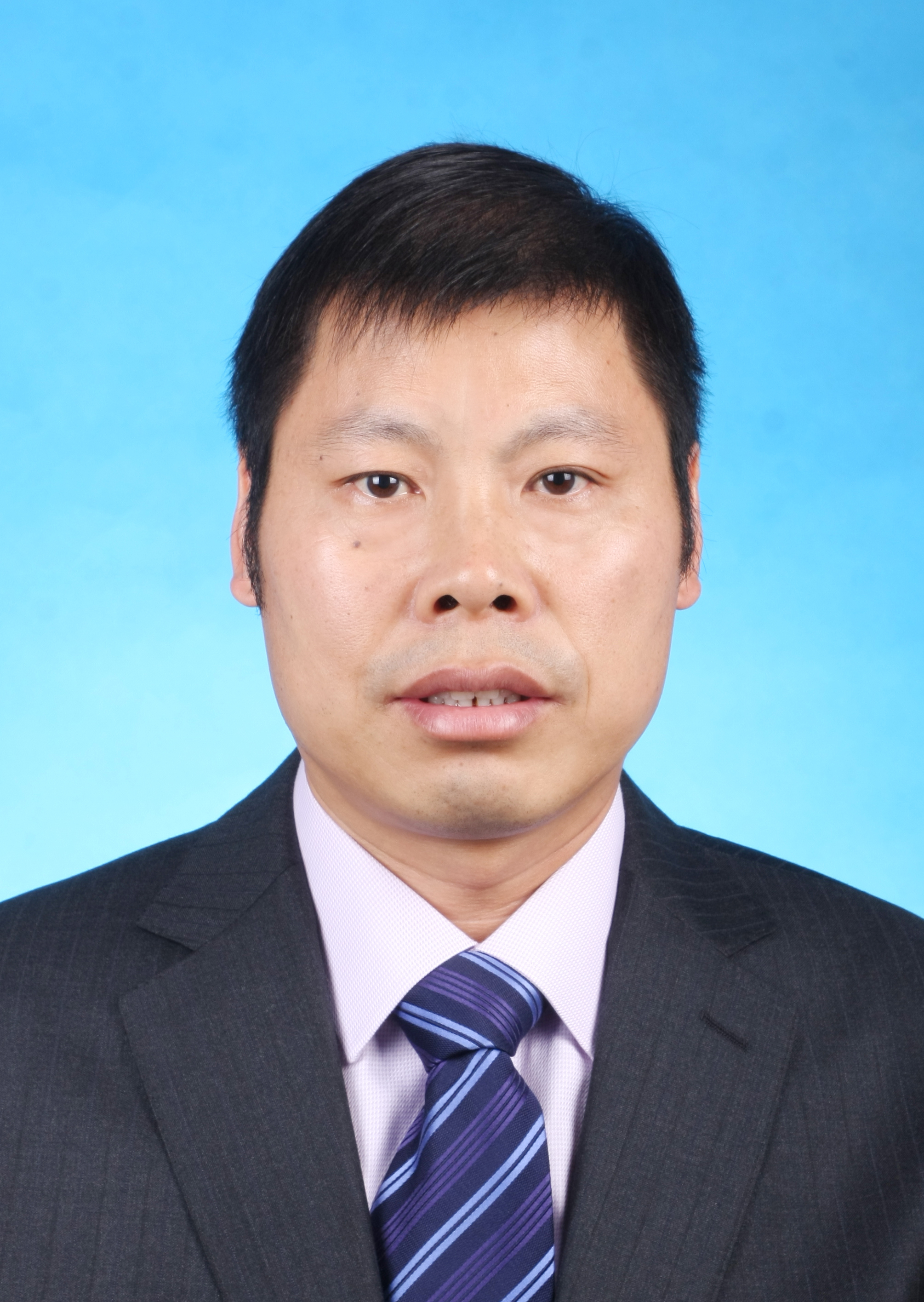 Jin Yang (杨进)合作论文数College of Safety and Ocean Engineering, China University of Petroleum-Beijing8
 Hakun Jang合作论文数6
 Muhammad Zulqarnain合作论文数Corresponding author.6
 Gabrielle Allen合作论文数School of Computing, University of Wyoming;Department of Mathematics & Statistics, University of Wyoming;Department of Physics & Astronomy, University of Wyoming6Bohan Cao合作论文数5
 Jun-Hong Liang合作论文数Department of Atmospheric and Oceanic Sciences, University of California5
 Celalettin E. Ozdemir合作论文数Center for Applied Coastal Research, Civil and Environmental Engineering, University of Delaware5
 J. B. Joshi合作论文数Department of Chemical Engineering, Institute of Chemical Technology5
 Christopher D. White合作论文数Department of Psychiatry, Stanford University School of Medicine4
 Ildar Akhmadullin合作论文数3Xinxin Hou合作论文数3
 Oscar Molina合作论文数Enovate Upstream3Jyotsna Sharma合作论文数3
 Erik Schnetter合作论文数Perimeter Institute for Theoretical Physics3Gang Tong (仝刚)合作论文数3
 Krishnaswamy Nandakumar合作论文数Cain Department of Chemical Engineering, Louisiana State University;University of Alberta3
 S.I. Kam合作论文数Department of Petroleum and Geosystems Engineering, The University of Texas at Austin3
 Shantenu Jha合作论文数Rutgers University3
 Karsten E. Thompson合作论文数Department of Chemical Engineering, Louisiana State University3
 Soon-Heum Ko合作论文数3Rishikesh Shetty合作论文数2Derek W. Staal合作论文数2Lilin LI (李莅临)合作论文数2Mark V. Behl合作论文数2
 Yingying Guo合作论文数Craft & Hawkins Dept Petr Engn, Louisiana State Univ2Ning Wang合作论文数2Zhizhong Ding合作论文数Cain Dept Chem Engn, Louisiana State Univ2
 Shashank S. Tiwari合作论文数Cain Dept Chem Engn, Louisiana State Univ2
 Ali Takbiri-Borujeni合作论文数Independent Researcher2
 Renjun Xie (谢仁军)合作论文数CNOOC Research Institute Co., Ltd2
 Surya Kumar Dube合作论文数Department of Neuroanaesthesiology A.I.I.M.S., New Delhi, India.2
 Ting Sun (孙挺)合作论文数College of Safety and Ocean Engineering, China University of Petroleum - Beijing2
 Subhasis Chaudhuri合作论文数Department of Electrical Engineering, Indian Institute of Technology Bombay2
 Lorenzo Bruzzone合作论文数Remote Sensing Laboratory, Department of Information Engineering and Computer Science, University of Trento2
 Xu Ye (叶旭)合作论文数Schoolof Materials and Chemistry, Southwest University of Science and Technology2Ankit K Mehra合作论文数2
 Kalliat Valsaraj合作论文数Cain Department of Chemical Engineering, College of Engineering, Louisiana State University2Zehua Song合作论文数1Dar-Lon Chang合作论文数1Chacko John合作论文数1Craig Griffith合作论文数1John Duhon合作论文数1Alexander Archer合作论文数1Yaakoub El-Khamra合作论文数1Guoxian Xu合作论文数1
 Shankar Ghosh合作论文数1




