BACKGROUND:There is minimal comparative effectiveness research (CER) in Parkinson's disease (PD). Engaging people with PD in the research process through patient advisory boards (PAB) is one way to address this gap. OBJECTIVES:To describe the project model and lessons learned from a PAB pilot project in five Parkinson's Foundation Centers of Excellence in CER. METHODS:A virtual training and toolkit on patient engagement, PABs and CER was created and used to implement PABs. Satisfaction and impact of the PAB training and pilot model was assessed via surveys.Results and Lessons Learned: PAB participants (n = 28) felt the training was comprehensive, their feedback was prioritized, and impacted the PAB goal of developing a CER question. Recommendations include giving clinic staff protected time for patient engagement and providing funding. CONCLUSIONS:The developed model led to an increase in participation in CER and effectively trained staff, people with PD and care partners in patient engagement.
Parkinson's disease (PD), a progressive neurodegenerative disorder, manifests with motor and non-motor symptoms. Despite similar incidence, in the US, disease management of Hispanic patients with PD is poorer than that of White non-Hispanics, and their participation in clinical trials does not reflect expected values (well below 5% vs. expected values around 20%). Together with other evidence, these observations are expressions of poor healthcare in Hispanic patients with PD, suggesting underutilization of proper healthcare, social and economic disadvantage, and other factors. The scant participation of Hispanic patients in clinical trials further exacerbates care inadequacy. In this paper, after reviewing evidence of healthcare gaps in Hispanic patients with PD and their low participation in research, we present a comprehensive model for reaching these patients and their caregivers, educating them on PD, and engaging them in research. This model is based on the work and experience of the Parkinson's Foundation, which over the years, has worked to increase PD awareness in Hispanic communities. This model is based on the training of promotores de salud (community health workers) inside Hispanic communities, the identification of needs and priorities of patients and caregivers with surveys and focus groups within Hispanic communities, and the patients' feedback about their participation in research. The development of this model could achieve sustainable partnerships with community-based organizations to promote better care and enhance participation in research of Hispanic patients. In turn, this could lead to a better quality of life for all patients with PD and their caregivers.
Parkinson's disease (PD), a progressive neurodegenerative disorder, manifests with motor and non-motor symptoms. Despite similar incidence, clinical care for Hispanic patients with PD is poor compared to white non-Hispanic individuals. As a result, their participation in PD research also does not reflect expected values. These disparities suggest an underutilization of quality healthcare, socio-economic disadvantage, stigma, and cultural differences. Using a community health worker pilot program, we trained 298 Promotores de Salud to reach, educate, and engage the Hispanic community in healthcare. Outcomes demonstrated improved knowledge of PD among Promotores, as well as increased access and utilization of educational resources.
Redesign the Parkinson's Foundation Learning Institute for the Black community living with Parkinson's
Among Veterans, it is estimated that 110,000 are living with Parkinson's disease (PD) in the United States. Whether or not Veterans living with PD are enrolled in the Veterans Health Administration (VHA), they may require special considerations when it comes to their care. We administered a survey to Parkinson's Foundation constituents with PD who had previously reported their Veteran status. Our goal was to identify areas where intervention can lead to improved health outcomes for Veterans living with Parkinson's disease. We specifically wanted to examine 1) the proportion of our Veteran constituents receiving services through the VHA, 2) the comprehensive care services that were utilized by Veterans living with PD, and 3) self-reported mental health and mobility status. We also wanted to compare those receiving care within and outside the VHA to see where there may be areas for improvement. With a response rate of 29.8% we received surveys from 409 United States Veterans with PD. As expected, mental health (MH) concerns in the previous 12 months were common with 36.0% of Veterans reporting concerns. Only 22.1% of respondents received care through VHA. Respondents with more falls and mental health concerns as well as those with higher levels of education and younger age were more likely to be seen at a VHA facility. In this sample, education level, household income, marital status, and VHA status were positively associated with increased health care utilization among Veterans. Those seen within the VHA were more likely to utilize MH and speech and language pathology consultation. This study highlights the importance of targeting educational outreach about care best practices for Veterans living with PD beyond VHA's current reach as well as the importance of access to good MH resources.
Despite data supporting the rapid adoption of telehealth in the delivery of clinical care in North America, the implementation of telehealth visits in clinical research studies has faced critical barriers. These challenges include: (1) variations in state licensure requirements for telehealth; (2) disparities in access to telehealth among disadvantaged populations; (3) lack of consistency among individual Investigational Review Boards (IRBs). Each barrier prevents the systematic conversion of research protocols to include telehealth visits. The Parkinson's Foundation and members of the Parkinson Study Group submit this Comment to highlight current challenges to implementing telehealth visits for clinical research studies. Our objective is to provide a consensus statement emphasizing the urgent need for regulators to standardize adoption of telehealth practices and to propose recommendations to reduce the burden for implementation in existing research study protocols.
Symptomatic management of Parkinson’s disease (PD) is complex and many symptoms, especially non-motor symptoms, are not effectively addressed with current medications. In the US, cannabis has become more widely available for medical and recreational use, permitting those in the PD community to try alternative means of symptom control. However, little is known about the attitudes towards, and experiences with, cannabis use among those living with PD. To address this shortcoming, we distributed an anonymous survey to 7,607 people with PD in January 2020 and received 1339 responses (17.6%). 1064 complete responses were available for analysis. Respondents represented 49 states with a mean age of 71.2 years (±8.3) and mean PD duration of 7.4 years (±6.2). About a quarter of respondents (24.5%) reported cannabis use within the previous six months. Age and gender were found to be predictors of cannabis use in this sample (Age OR = 0.95, 95% CI 0.93 to 0.97; Male OR = 1.44, 95% CI 1.03 to 2.03). Users reported learning about cannabis use from the internet/news (30.5%) and friends or other people with PD (26.0%). Cannabis users were more likely to report insufficient control of their non-motor symptoms with prescription medications than non-users ( p = 0.03). Cannabis was primarily used for PD (63.6%) and was most often used to treat nonmotor symptoms of anxiety (45.5%), pain (44.0%), and sleep disorders (44.0%). However, nearly a quarter of users (23.0%) also reported they had stopped cannabis use in the previous six months, primarily due to a lack of symptom improvement (35.5%). Three quarters of respondents (75.5%) did not use cannabis, primarily because there was a lack of scientific evidence supporting efficacy (59.9%). Our results suggest that the lack of formal guidance or research evidence about cannabis for PD may in part underlie inconsistencies in both use and reported effectiveness.
The wide application of patient engagement and its associated benefits has increased across government, academic and pharmaceutical research. However, neither an identified standard practice for the process of engagement, nor utilization of common metrics to assess associated outcomes, exists. Parkinson's Foundation developed a patient engagement framework and metrics to assess engagement within the academic research and drug development sectors. This approach was developed over the course of several years through assessing the literature, acquiring feedback from researchers and people with Parkinson's disease and adapting practices to be relevant and generalizable across patient engagement projects. This framework includes the: 1) creation of a scope of work, 2) establishment of guiding principles, 3) selection and training of participants, 4) co-determination of project metrics, 5) execution of the project and 6) dissemination of project findings. Parkinson's Foundation has also worked with academic, government and pharmaceutical stakeholders to identify metrics that assess both the quality of patient engagement and outcomes associated with patient engagement on projects. By improving patient engagement project methodologies and metrics, global clinical trials can have access to evidence-based patient engagement practices to more efficiently capture the needs of, and potentially benefit, the patient community.
I’m Lisa Cone, a 56-year-old person diagnosed with Parkinson's disease in 2008 and a patient advocate. While I consider myself an active advocate, I have no blog, personal webpage or social media platform from which I connect with engagement opportunities. What I have is my personal experiences as a patient, knowledge of the US healthcare system gleaned from my executive-level professional experience, time (thanks to a forced early departure from the workplace) and a passion to improve my life and the lives of others who live with Parkinson's disease. In 2014, I was on the first patient advisory board for a patient-focused organization. My fellow patient board members were, like me, demanding to be more involved in their own care, but we were running into roadblocks. One big area of focus was the resistance to patients as participants in the process of drug development for our various health conditions. To better understand these roadblocks, I participated in interviews with leaders in the drug development industry. These interviews culminated in an article I co-authored in 2016 by Value in Healthcare titled, ‘Increasing Patient Participation in Drug Development’.1 From that article, interviewees reported a number of barriers and challenges to expanding patient involvement in drug development, one of which included methodological concerns, specifically ‘the lack of uniform, repeatable and scientifically rigorous methods for involving patients’.1 We are still hearing this today. So, when I had the opportunity to address this resistance and provide an answer to the demand for scientifically rigorous methods for involving patients, I jumped at it once again. Partnering with staff at the Parkinson's Foundation and Jori Fleisher, MD, we authored the recently published viewpoint article, ‘Utilizing patient advocates in Parkinson's Disease: A proposed framework for patient engagement and the modern metrics that can determine its success’.2 We provided uniform, repeatable steps as requested by researchers across academic, government, pharmaceutical and patient advocacy organizations who have sought our assistance to include patients as partners in their work. In response to Riggare et al,3 myself and my co-authors agree with many of the points raised. Yes, it would be absurd for patients not to be included in the work of building a methodology and metrics. That is why I co-authored this paper and why the methodology developed by the Parkinson's Foundation is built on lessons learned from over 20 years of partnering with the Parkinson's community, amongst other people who are active in patient engagement in research. Yes, Parkinson's disease has its share of active patients, many of whom I’ve had the pleasure of collaborating with as part of the Parkinson's Foundation's network of 350 Research Advocates. My co-authors and I are so glad all of these global voices are in this space, moving patient engagement forward. I have learned through this work that people living with Parkinson's aren't our only allies—many researchers, advocacy organizations and other partners are working to accomplish this same goal. We have the opportunity to move patient engagement forward successfully through collaboration. Yes, patient engagement should always be mandatory, and it is, indeed, problematic, that it is not. Yes, patients are, and rightfully should be, the experts in their individual lived experience with the disease, and thus critical as advocates in research. However, unfortunately, the ethical argument alone for patient engagement has not been enough to create the paradigm shift we all want. This is evidenced by organizations like the Patient-Centered Outcomes Research Institute or guidances such as the US Food and Drug Administration’s Patient-Focused Drug Development requesting that patients, researchers, pharmaceutical and advocacy organizations assist in the creation of measurable approaches to patient engagement to further promote engagement in future research. Their goal of measurement is not to justify patient engagement as a commodity, but instead to improve the process to maximize impact on research projects. These initiatives would not exist if the patient engagement field didn't agree that there is a need to generate evidence for how patient engagement improves and expedites research. It takes partnerships across disciplines and healthcare to pair state-of-the-science knowledge, lived experiences, and expertise in education, advocacy, industry, public health and philanthropy to create change. It takes a framework to guide expectations, roles and priorities to power progress. Yes, patient engagement should never be compartmentalized. The approach to patient engagement included in our paper reinforces that engagement should occur at all stages of research. This is clear in our industry example, a real-world model, which served to highlight a case study, not to represent the entire realm of possible patient engagement projects. The patient advocates involved successfully changed study protocol, resulting in a complete re-start of the study months after it originally launched. This project was so successful that we had many other patient engagement partnerships with the same company, including one that I engaged in. I took this example, along with others, and shared it with a couple hundred people in another division of the company to educate them about how best to collaborate with people in their disease communities. I have worked with multiple patient-focused organizations and with dozens of advocates of all backgrounds and perspectives. Most of these advocates and organizations welcome collegial fact-based dialogue as we try to solve the same problems. We do too. We encourage all readers to read our paper. Ask questions. Give feedback. And we encourage you to consider: just as people living with a condition are first and foremost people (never ‘just patients’), with all the richness of life experiences and knowledge that we all have, similarly, ‘academics’ and ‘charity officers’ are more than just people doing a job. Many of them are driven to this field by firsthand experience with health conditions and motivated to stay in these fields and advocate alongside the community out of deep emotional connections. This work is important to all of us. We all have too much on the line. Jori Fleisher has received research support from NIH/NINDS, CurePSP, Biogen, Joyce DeMoose & George Harvey (private philanthropy). Jori Fleisher is a consultant to UCB. Jori Fleisher has received royalties from UpToDate. No conflicts of interest are reported for all other authors.
 Megan P Feeney合作论文数5Karlin Schroeder合作论文数3Danielle Agpalo合作论文数3
 Jori Fleisher合作论文数Department of Neurology, Hospital of the University of Pennsylvania3Lisa Cone合作论文数2Rebeca De León合作论文数2Veronica Todaro合作论文数2Nicole Yarab合作论文数2K. Schroeder合作论文数2M. Feeney合作论文数2Karen Williams合作论文数2
 James Beck合作论文数Adams School of Dentistry, The University of North Carolina at Chapel Hill2
 Benzi M. Kluger合作论文数University of Rochester Medical Center2V. Todaro合作论文数1
 Chantale Branson合作论文数1Reversa Mills合作论文数1Sheera Rosenfeld合作论文数1Casey Gallagher合作论文数1Michael S Fitts合作论文数1Hiral Shah合作论文数1
 Melissa J Armstrong合作论文数1
 Lydia Rader合作论文数1Anna Naito合作论文数1Amie L Hiller合作论文数1
 Miriam R Rafferty合作论文数Department of Physical Medicine & Rehabilitation, Feinberg School of Medicine, Northwestern University1
 Danny Bega合作论文数The Ken & Ruth Davee Department of Neurology, Feinberg School of Medicine, Northwestern University1
 John Eric Duda合作论文数Education and Clinical Center, Michael J. Crescenz VA Medical Center, University of Pennsylvania;Department of Neurology, Perelman School of Medicine, University of Pennsylvania;Center for Neurotrauma, Neurodegeneration and Restoration, Michael J. Crescenz VA Medical Center, University of Pennsylvania;Veteran's Administration Medical Center1
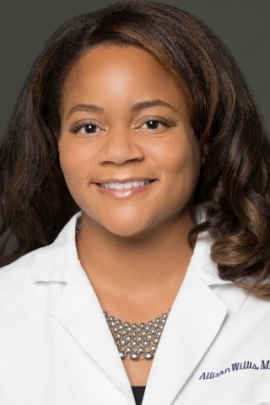 Allison Willis合作论文数Department of Biostatistics, Epidemiology and Informatics, Perelman School of Medicine, University of Pennsylvania1
 Roy Alcalay合作论文数Sagol School of Neuroscience, Tel Aviv University;Division of Movement Disorders, Tel Aviv Soursky Medical Center;Department of Neurology, Columbia University1
 Robert Alan Hauser合作论文数Byrd Alzheimer's Institute, University of South Florida1
 Adolfo Ramirez Zamora合作论文数Department of Neurology, College of Medicine, University of Florida Health1Ezra Adi合作论文数1
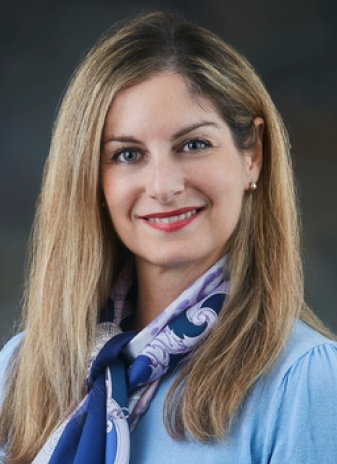 Okeanis Vaou合作论文数Division of Movement Disorders, Department of Neurology, UT Health San Antonio;School of Medicine, Boston University1Afshari Mitra合作论文数Feinberg School of Medicine, Northwestern University1
 Peter L.Davies合作论文数Department of Biomedical and Molecular Sciences, School of Medicine, Queen's University1Davide Martino合作论文数Department of Neurologic and Psychiatric Sciences, University of Bari1
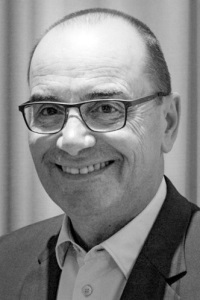 Robert Iansek合作论文数Department of Medicine, Clinical Sciences at Monash Health, Monash University1
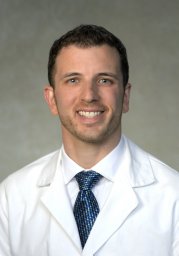 Thomas F. Tropea合作论文数Weill-Cornell Medical College, Cornell University1
 Anne-Marie Wills合作论文数Department of Neurology, Massachusetts General Hospital1Travis H. Turner合作论文数1
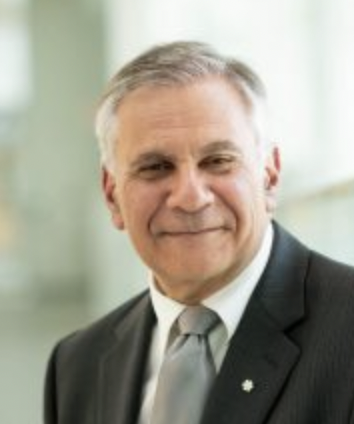 Jon Stoessl合作论文数Department of Medicine, Faculty of Medicine, The University of British Columbia1
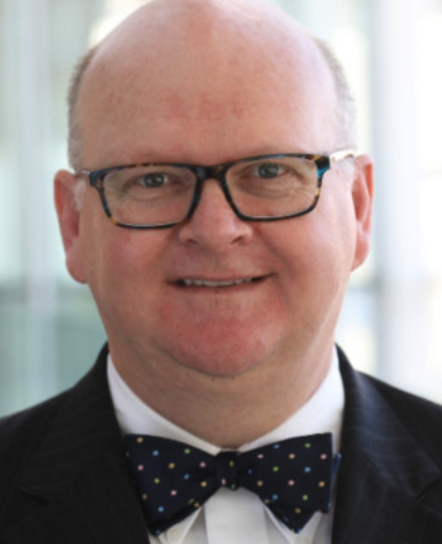 Martin J. McKeown合作论文数Division of Neurology, Department of Medicine, Faculty of Medicine, University of British Columbia;Parkinson Cana1




