In this paper, we introduce the Inertial Manifold Neural Operator (IMNO) for solving dissipative time-dependent partial differential equations (PDEs). The long-time dynamics of such systems often exhibit an effective low-dimensional structure due to dissipation. Unlike standard neural operator architectures such as the Fourier Neural Operator (FNO), IMNO explicitly leverages the low-dimensional structure to achieve better physical interpretability, accuracy, and stability in long-horizon autoregressive training and prediction for nonlinear dissipative PDEs. For shift-equivariant PDEs, we further introduce a shift-equivariant variant (IMNO-SE) of the proposed neural operator, ensuring that a spatial shift in the input induces the same spatial shift in the output. This symmetry-preserving inductive bias substantially improves its performance in shift-equivariant PDEs. Extensive benchmark experiments are presented to evaluate IMNO's performance numerically.
Achieving complex multi-species control objectives is essential for engineering advanced autoregulated biomolecular devices. This letter addresses the problem of robust steady-state tracking for outputs defined as multiplicative combinations of biomolecular species concentrations. We first introduce a control architecture realized via chemical reaction networks that steers the product of two target species concentrations in the controlled network to a prescribed value. A robust stability analysis is provided for closed-loop system families with distinct structural characteristics. The proposed framework is then extended to a more general formulation capable of regulating arbitrary monomial outputs involving multiple species. Numerical simulations of representative examples corroborate the theoretical results and illustrate the effectiveness of our approach.
Abstract Temporal gradient sensing is a fundamental capability observed across diverse natural biological systems, contributing to the coordination of their functions. Harnessing this ability is also of significant interest in synthetic biology, particularly for sensing and control applications. In this work, we focus on a biomolecular topology that exemplifies a broader class of signal-differentiating architectures, while introducing a structural variant of it. We examine their behavior under both nominal and non-ideal conditions, accounting for stochastic noise arising from different sources. Our investigation includes scenarios where these topologies operate independently, as well as when embedded within minimal regulatory architectures based on negative as well as positive feedback. We analyze the stability of the resulting macroscopic dynamics—a prerequisite for practical deployment—and quantify stochastic fluctuations in system output, providing comparisons with the corresponding input/unregulated process. Importantly, our results demonstrate that signal differentiation can be effectively implemented in a biomolecular setting without incurring deleterious noise amplification—a major concern in the utilization of derivative action across disciplines.
With the rapid increase in data resources and computational power as well as the accompanying current trend to incorporate machine learning into existing methods, data-driven approaches for modelling, analysis, and control of dynamical systems have attracted new interest and opened doors to novel applications. However, there is always a discrepancy between mathematical models and reality such that rigorously-shown error bounds and uncertainty quantification are indispensable for a reliable use of data-driven techniques, e.g., using surrogate models in optimisation-based control. Similar comments apply to data-enhanced models. Consequently, uncertainty about parameters, the model itself and numerous other aspects need to be taken into account, e.g., in data-driven control of (stochastic) dynamical systems. Hence, the respective paradigm changes have led to a variety of novel concepts which, however, still suffer from limitations: many concentrate only on a single aspect, are only applicable to systems of limited complexity, or lack a sound mathematical foundation including guarantees on feasibility, robustness, or the overall performance. Pushing these limits, we face a wide spectrum of theoretic and algorithmic challenges in modeling, analysis, and control under uncertainty using data-driven methods.
Here and in a follow-on paper, we consider a simple control problem in which the underlying dynamics depend on a parameter $a$ that is unknown and must be learned. In this paper, we assume that $a$ is bounded, i.e., that $|a| \le a_{\text{MAX}}$, and we study two variants of the control problem. In the first variant, Bayesian control, we are given a prior probability distribution for $a$ and we seek a strategy that minimizes the expected value of a given cost function. Assuming that we can solve a certain PDE (the Hamilton-Jacobi-Bellman equation), we produce optimal strategies for Bayesian control. In the second variant, agnostic control, we assume nothing about $a$ and we seek a strategy that minimizes a quantity called the regret. We produce a prior probability distribution $d\text{Prior}(a)$ supported on a finite subset of $[-a_{\text{MAX}},a_{\text{MAX}}]$ so that the agnostic control problem reduces to the Bayesian control problem for the prior $d\text{Prior}(a)$.
In this paper, we present resolvent4py, a parallel Python package for the analysis, model reduction and control of large-scale linear systems with millions or billions of degrees of freedom. This package provides the user with a friendly Python-like experience (akin to that of well-established libraries such as numpy and scipy), while enabling MPI-based parallelism through mpi4py, petsc4py and slepc4py. In turn, this allows for the development of streamlined and efficient Python code that can be used to solve several problems in fluid mechanics, solid mechanics, graph theory, molecular dynamics and several other fields.
We consider data-driven reduced-order models of partial differential equations with shift equivariance. Shift-equivariant systems typically admit traveling solutions, and the main idea of our approach is to represent the solution in a traveling reference frame, in which it can be described by a relatively small number of basis functions. Existing methods for operator inference allow one to approximate a reduced-order model directly from data, without knowledge of the full-order dynamics. Our method adds additional terms to ensure that the reduced-order model not only approximates the spatially frozen profile of the solution, but also estimates the traveling speed as a function of that profile. We validate our approach using the Kuramoto-Sivashinsky equation, a one-dimensional partial differential equation that exhibits traveling solutions and spatiotemporal chaos. Results indicate that our method robustly captures traveling solutions, and exhibits improved numerical stability over the standard operator inference approach.
Here and in a companion paper, we consider a simple control problem in which the underlying dynamics depend on a parameter $a$ that is unknown and must be learned. In this paper, we assume that $a$ can be any real number and we do not assume that we have a prior belief about $a$. We seek a control strategy that minimizes a quantity called the regret. Given any $\varepsilon>0$, we produce a strategy that minimizes the regret to within a multiplicative factor of $(1+\varepsilon)$.
Reduced-order models for flows that exhibit time-periodic behavior (e.g., flows in turbomachinery and wake flows) are critical for several tasks, including active control and optimization. One well-known procedure to obtain the desired reduced-order model in the proximity of a periodic solution of the governing equations is continuous-time balanced truncation. Within this framework, the periodic reachability and observability Gramians are usually estimated numerically via quadrature using the forward and adjoint post-transient response to impulses. However, this procedure can be computationally expensive, especially in the presence of slowly-decaying transients. Moreover, it can only be performed if the periodic orbit is stable in the sense of Floquet. In order to address these issues, we use the frequency-domain representation of the Gramians, which we henceforth refer to as frequential Gramians. First, these frequential Gramians are well-defined for both stable and unstable dynamics. In particular, we show that when the underlying system is unstable, these Gramians satisfy a pair of allied differential Lyapunov equations. Second, they can be estimated numerically by solving algebraic systems of equations that lend themselves to heavy computational parallelism and that deliver the desired post-transient response without having to follow physical transients. The computational gains that we can achieve by using the frequency domain are demonstrated on a simple three-dimensional toy model that exhibits time-periodic dynamics. We then demonstrate this method on a periodically-forced axisymmetric jet at Reynolds numbers Re=1250 and Re=1500. At the lower Reynolds number, the flow strongly amplifies subharmonic perturbations and exhibits vortex pairing about a Floquet-stable T-periodic solution. At the higher Reynolds number, the underlying T-periodic orbit is unstable and the flow naturally settles onto a 2T-periodic limit cycle characterized by pairing vortices. At both Reynolds numbers, we compute a reduced-order model and we use it to design a feedback controller and a state estimator capable of suppressing vortex pairing.
In 2021 JET exploited its unique capabilities to operate with T and D-T fuel with an ITER-like Be/W wall (JET-ILW). This second major JET D-T campaign (DTE2), after DTE1 in 1997, represented the culmination of a series of JET enhancements-new fusion diagnostics, new T injection capabilities, refurbishment of the T plant, increased auxiliary heating, in-vessel calibration of 14 MeV neutron yield monitors-as well as significant advances in plasma theory and modelling in the fusion community. DTE2 was complemented by a sequence of isotope physics campaigns encompassing operation in pure tritium at high T-NBI power. Carefully conducted for safe operation with tritium, the new T and D-T experiments used 1 kg of T (vs 100 g in DTE1), yielding the most fusion reactor relevant D-T plasmas to date and expanding our understanding of isotopes and D-T mixture physics. Furthermore, since the JET T and DTE2 campaigns occurred almost 25 years after the last major D-T tokamak experiment, it was also a strategic goal of the European fusion programme to refresh operational experience of a nuclear tokamak to prepare staff for ITER operation. The key physics results of the JET T and DTE2 experiments, carried out within the EUROfusion JET1 work package, are reported in this paper. Progress in the technological exploitation of JET D-T operations, development and validation of nuclear codes, neutronic tools and techniques for ITER operations carried out by EUROfusion (started within the Horizon 2020 Framework Programme and continuing under the Horizon Europe FP) are reported in (Litaudon et al Nucl. Fusion accepted), while JET experience on T and D-T operations is presented in (King et al Nucl. Fusion submitted).
The paper reports the first demonstration of in situ laser-induced desorption - quadrupole mass spectrometry (LID-QMS) application on a large scale fusion device performed in summer 2023. LID-QMS allows direct measurements of the fuel inventory of plasma facing components without retrieving them from the fusion device. The diagnostic desorbs the retained gases by heating a 3 mm diameter spot on the wall using a 1 ms long laser pulse and detects them by QMS. Thus, it can measure the gas content at any wall position accessible to the laser. The successful LID-QMS application in laboratory scale and on medium size fusion devices has now been demonstrated on the larger scale and it is already foreseen as tritium monitor diagnostic in ITER. This in situ diagnostic gives direct access to retention physics on a short timescale instead of campaign-integrated measurements and can assess the space-resolvedefficacy of detritation methods. LID-QMS can be applied on many materials: on Be deposits like in JET, B deposits like in TEXTOR, C based materials or on bulk-W.
Data-driven models for nonlinear dynamical systems based on approximating the underlying Koopman operator or generator have proven to be successful tools for forecasting, feature learning, state estimation, and control. It has become well known that the Koopman generators for control-affine systems also have affine dependence on the input, leading to convenient finite-dimensional bilinear approximations of the dynamics. Yet there are still two main obstacles that limit the scope of current approaches for approximating the Koopman generators of systems with actuation. First, the performance of existing methods depends heavily on the choice of basis functions over which the Koopman generator is to be approximated; and there is currently no universal way to choose them for systems that are not measure preserving. Secondly, if we do not observe the full state, then it becomes necessary to account for the dependence of the output time series on the sequence of supplied inputs when constructing observables to approximate Koopman operators. To address these issues, we write the dynamics of observables governed by the Koopman generator as a bilinear hidden Markov model, and determine the model parameters using the expectation-maximization (EM) algorithm. The E-step involves a standard Kalman filter and smoother, while the M-step resembles control-affine dynamic mode decomposition for the generator. We demonstrate the performance of this method on three examples, including recovery of a finite-dimensional Koopman-invariant subspace for an actuated system with a slow manifold; estimation of Koopman eigenfunctions for the unforced Duffing equation; and model-predictive control of a fluidic pinball system based only on noisy observations of lift and drag.
Data-driven reduced-order models often fail to make accurate forecasts of high -dimensional nonlinear dynamical systems that are sensitive along coordinates with low-variance be-cause such coordinates are often truncated, e.g., by proper orthogonal decomposition, kernel principal component analysis, and autoencoders. Such systems are encountered frequently in shear-dominated fluid flows where nonnormality plays a significant role in the growth of disturbances. In order to address these issues, we employ ideas from active subspaces to find low-dimensional systems of co-ordinates for model reduction that balance adjoint-based information about the system's sensitivity with the variance of states along trajectories. The resulting method, which we refer to as covariance balancing reduction using adjoint snapshots (CoBRAS), is analogous to balanced truncation with state and adjoint-based gradient covariance matrices replacing the system Gramians and obeying the same key transformation laws. Here, the extracted coordinates are associated with an oblique projection that can be used to construct Petrov-Galerkin reduced-order models. We provide an efficient snapshot-based computational method analogous to balanced proper orthogonal decompo-sition. This also leads to the observation that the reduced coordinates can be computed relying on inner products of state and gradient samples alone, allowing us to find rich nonlinear coordinates by replacing the inner product with a kernel function. In these coordinates, reduced-order models can be learned using regression. We demonstrate these techniques and compare to a variety of other methods on a simple, yet challenging three-dimensional system and a nonlinear axisymmetric jet flow simulation with 105 state variables.
Recently developed reduced-order modeling techniques aim to approximate nonlinear dynamical systems on low-dimensional manifolds learned from data. This is an effective approach for modeling dynamics in a post-transient regime where the effects of initial conditions and other disturbances have decayed. However, modeling transient dynamics near an underlying manifold, as needed for real-time control and forecasting applications, is complicated by the effects of fast dynamics and nonnormal sensitivity mechanisms. To begin to address these issues, we introduce a parametric class of nonlinear projections described by constrained autoencoder neural networks in which both the manifold and the projection fibers are learned from data. Our architecture uses invertible activation functions and biorthogonal weight matrices to ensure that the encoder is a left inverse of the decoder. We also introduce new dynamics-aware cost functions that promote learning of oblique projection fibers that account for fast dynamics and nonnormality. To demonstrate these methods and the specific challenges they address, we provide a detailed case study of a three-state model of vortex shedding in the wake of a bluff body immersed in a fluid, which has a two-dimensional slow manifold that can be computed analytically. In anticipation of future applications to high-dimensional systems, we also propose several techniques for constructing computationally efficient reduced-order models using our proposed nonlinear projection framework. This includes a novel sparsity-promoting penalty for the encoder that avoids detrimental weight matrix shrinkage via computation on the Grassmann manifold.
We consider a simple control problem in which the underlying dynamics depend on a parameter that is unknown and must be learned. We exhibit a control strategy which is optimal to within a multiplicative constant. While most authors find strategies which are successful as the time horizon tends to infinity, our strategy achieves lowest expected cost up to a constant factor for a fixed time horizon.
The response of a turbulent separation bubble (TSB) to zero-net-mass-flux actuation is investigated via direct numerical simulations. Rectangular jets with their long axis oriented in the streamwise direction are used to generate unsteady streamwise vortices that mimic the streamwise elongated Gorder vortices found to be associated with the low-frequency unsteadiness of the TSB [Wu et al., J. Fluid Mech., 883, A45 (2019)]. Three sinusoidal actuation frequencies are investigated, corresponding to the two natural frequencies of the undisturbed separation bubble (f(l) and f(h) with a ratio of f(h)/f(l) = 2.5) and a high frequency at 10 f(l) motivated by a harmonic resolvent analysis. The results are compared to the baseline uncontrolled flow. Very-large scale (VLS), spanwise-rotating vortices are formed at f(l) and f(h), causing a 50% reduction in the mean TSB length. A counter-rotating secondary vortex is induced locally by the VLS vortex in the f(l) case and forms a vortex pair with the VLS vortex as they move downstream together. The interaction of the vortex pair facilitates their decay. The VLS vortex generated by the forcing at f(h) is not strong enough to produce such a secondary vortex. Spectral analysis of the harmonic resolvent operator is used to quantify the receptivity of the flow to actuation at different frequencies. The perturbations that excite the most energetic response in the flow are indeed in the form of streamwise-elongated structures in the separation region at f(l) and f(h). Energetic structures corresponding to the temporal mean obtained from the analysis are found to extend to distances far downstream of the separation bubble confirming the great sensitivity of the entire flow to such forcing.
Reduced-order modeling techniques, including balanced truncation and $\mathcal{H}_2$-optimal model reduction, exploit the structure of linear dynamical systems to produce models that accurately capture the dynamics. For nonlinear systems operating far away from equilibria, on the other hand, current approaches seek low-dimensional representations of the state that often neglect low-energy features that have high dynamical significance. For instance, low-energy features are known to play an important role in fluid dynamics where they can be a driving mechanism for shear-layer instabilities. Neglecting these features leads to models with poor predictive accuracy despite being able to accurately encode and decode states. In order to improve predictive accuracy, we propose to optimize the reduced-order model to fit a collection of coarsely sampled trajectories from the original system. In particular, we optimize over the product of two Grassmann manifolds defining Petrov-Galerkin projections of the full-order governing equations. We compare our approach with existing methods including proper orthogonal decomposition, balanced truncation-based Petrov-Galerkin projection, quadratic-bilinear balanced truncation, and the quadratic-bilinear iterative rational Krylov algorithm. Our approach demonstrates significantly improved accuracy both on a nonlinear toy model and on an incompressible (nonlinear) axisymmetric jet flow with $10^5$ states.
This paper derives an optimal control strategy for a simple stochastic dynamical system with constant drift and an additive control input. Motivated by the example of a physical system with an unexpected change in its dynamics, we take the drift parameter to be unknown, so that it must be learned while controlling the system. The state of the system is observed through a linear observation model with Gaussian noise. In contrast to most previous work, which focuses on a controller’s asymptotic performance over an infinite time horizon, we minimize a quadratic cost function over a finite time horizon. The performance of our control strategy is quantified by comparing its cost with the cost incurred by an optimal controller that has full knowledge of the parameters. This approach gives rise to several notions of “regret.” We derive a set of control strategies that provably minimize the worst-case regret; these arise from Bayesian strategies that assume a specific fixed prior on the drift parameter. This work suggests that examining Bayesian strategies may lead to optimal or near-optimal control strategies for a much larger class of realistic dynamical models with unknown parameters.
Sensor placement and feature selection are critical steps in engineering, modeling, and data science that share a common mathematical theme: the selected measurements should enable solution of an inverse problem. Most real-world systems of interest are nonlinear, yet the majority of available techniques for feature selection and sensor placement rely on assumptions of linearity or simple statistical models. We show that when these assumptions are violated, standard techniques can lead to costly over-sensing without guaranteeing that the desired information can be recovered from the measurements. In order to remedy these problems, we introduce a novel datadriven approach for sensor placement and feature selection for a general type of nonlinear inverse problem based on the information contained in secant vectors between data points. Using the secant-based approach, we develop three efficient greedy algorithms that each provide different types of robust, nearminimal reconstruction guarantees. We demonstrate them on two problems where linear techniques consistently fail: sensor placement to reconstruct a fluid flow formed by a complicated shock-mixing layer interaction and selecting fundamental manifold learning coordinates on a torus.
We exhibit optimal control strategies for a simple toy problem in which the underlying dynamics depend on a parameter that is initially unknown and must be learned. We consider a cost function posed over a finite time interval, in contrast to much previous work that considers asymptotics as the time horizon tends to infinity. We study several different versions of the problem, including Bayesian control, in which we assume a prior distribution on the unknown parameter; and “agnostic” control, in which we assume nothing about the unknown parameter. For the agnostic problems, we compare our performance with that of an opponent who knows the value of the parameter. This comparison gives rise to several notions of “regret”, and we obtain strategies that minimize the “worst-case regret” arising from the most unfavorable choice of the unknown parameter. In every case, the optimal strategy turns out to be a Bayesian strategy or a limit of Bayesian strategies.
 Tim Colonius合作论文数Andrew and Peggy Cherng Department of Medical Engineering, Division of Engineering and Applied Science, California Institute of Technology;Department of Mechanical and Civil Engineering, Division of Engineering and Applied Science, California Institute of Technology36
 Steve Brunton合作论文数Department of Mechanical Engineering, College of Engineering, University of Washington25
 Scott Dawson合作论文数Mechanical, Materials, and Aerospace Engineering Department, Illinois Institute of Technology20
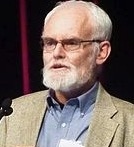 Philip Holmes合作论文数Department of Mechanical and Aerospace Engineering, Princeton University;Institution of Sound and Vibration Research20
 john l lumley合作论文数18
 David R. Williams合作论文数Research School of Physical Sciences and Engineering, Australian National University18Gahl Berkooz合作论文数18Jonathan H. Tu合作论文数15
 Daniel Floryan合作论文数Princeton Univ, Mech & Aerosp Engn, Princeton, NJ 08544 USA13
 Maziar S. Hemati合作论文数Dept Aerosp Engn & Mech, Univ Minnesota12
 Alexander Smits合作论文数Department of Mechanical and Aerospace Engineering, Princeton University12
 Alberto Padovan合作论文数Dept Mech & Aerosp Engn, Princeton Univ11
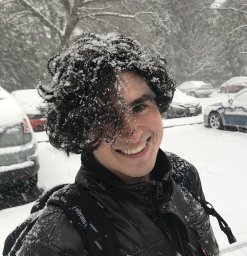 Samuel E. Otto合作论文数Princeton University11
 Kunihiko (Sam) Taira合作论文数Mechanical and Aerospace Engineering Department, School of Engineering, University of California11Brandt A. Belson合作论文数11Sunil Ahuja合作论文数11
 David A. Gates合作论文数Andlinger Center for Energy and the Environment, School of Engineering and Applied Science, Princeton University;Thea Energy, Inc.11R. Kaita合作论文数10
 Rajat Mittal合作论文数Department of Mechanical Engineering, Whiting School of Engineering, Johns Hopkins University;Flow Physics and Computation Lab, Whiting School of Engineering, Johns Hopkins University;Fluid Physics and Computation Laboratory, Johns Hopkins University;HeartMetrics Inc.10
 Louis N. Cattafesta III合作论文数Illinois Institute of Technology10
 Ioannis Kevrekidis合作论文数Department of Chemical and Biomolecular Engineering, Whiting School of Engineering, Johns Hopkins University10
 Egemen Kolemen合作论文数Department of Mechanical and Aerospace Engineering, Princeton University9
 Richard M. Murray合作论文数Division of Biology and Biological Engineering, California Institute of Technology9
 matthew leighton williams合作论文数8
 Stefan Gerhardt合作论文数Princeton Plasma Physics Laboratory8
 Kevin K. Chen合作论文数School of Pharmacy, University of Southern California8
 Jerrold E. Marsden合作论文数Department of Control and Dynamical Systems & Applied and Computational Mathematics, California Institute of Technology;Department of Engineering, California Institute of Technology8
 Vlad Soukhanovskii合作论文数Lawrence Livermore National Laboratory8Hao Zhang合作论文数7
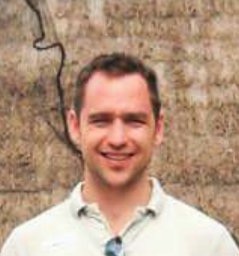 Eric A. Deem合作论文数7D. Mueller合作论文数7
 Steven A Sabbagh合作论文数7
 Jonathan Menard合作论文数Princeton Plasma Physics Laboratory, Princeton University7
 Dan Henningson合作论文数Department of Fluid Mechanics, School of Engineering Sciences, KTH Royal Institute of Technology;Swedish e-Science Research Centre7
 Rajesh Maingi合作论文数Tokamak Experimental Science Department, Princeton Plasma Physics Laboratory, Princeton University7
 Gilead Tadmor合作论文数Department of Mathematics, Northeastern University6Milos Ilak合作论文数6
 Dirk M. Luchtenburg合作论文数Berlin Institute of Technology MB16m ono合作论文数5
 Tyler Van Buren合作论文数Mechanical Engineering, University of Delaware5
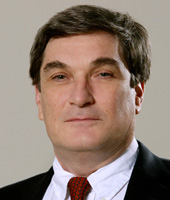 Luigi Martinelli合作论文数Department of Mechanical and Aerospace Engineering, Princeton University5
 N. Jeremy Kasdin合作论文数Department of Mechanical and Aerospace Engineering, Princeton University5
 Ronald Hanson合作论文数Department of Mechanical Engineering, Stanford University5
 Charles Fefferman合作论文数Department of Mathematics, Princeton University5Podestá M合作论文数Princeton Plasma Phys Lab, Princeton, NJ 08543 USA5
 Charles Meneveau合作论文数Department of Mechanical Engineering, Whiting School of Engineering, Johns Hopkins University5
 Howard A. Stone合作论文数Department of Mechanical and Aerospace Engineering, School of Engineering and Applied Science, Princeton University5
 Philippe Lavoie合作论文数Department of Aeronautics, Imperial College London5
 Onofrio Semeraro合作论文数Linné Flow Centre, KTH Mechanics5




