Introduction: Given the complexity of managing unresectable hepatocellular carcinoma (HCC), few Italian centres have implemented integrated multidisciplinary clinics (MDTc), where hepatologists and oncologists jointly assess patients. This study aimed to evaluate whether this model improves survival outcomes in patients treated with atezolizumab and bevacizumab (A+B). Methods: In this multicentre retrospective study, 146 patients with cirrhosis and unresectable HCC treated with A+B were included. Based on the outpatient care model, centres were categorized into two groups: those with MDTc and those with standard oncology clinics, where hepatologists were consulted on demand. Primary outcomes were overall survival (OS) and progression-free survival (PFS); secondary outcomes included disease control rate (DCR) and objective response rate (ORR). An inverse probability weighting (IPW) analysis was performed to adjust for baseline imbalances between groups. Results: Seventy-seven (53%) patients were managed in MDTc settings, and 69 (47%) in oncology clinics. Median treatment duration was 6.0 months (IQR 2.0-11.0). Median OS did not significantly differ between groups [19.7 months (95% confidence intervals [CI]: 16.6-23.1) vs. 13.4 months (95% CI: 10.7-19.5); p = 0.07], whereas median PFS was significantly longer in the MDTc group (13.6 months [95% CI: 8.9-NA] vs. 7.7 months [95% CI: 4.9-13.0]; p = 0.02). While ORR was similar, DCR was higher in the MDTc group (70.1% vs. 60.3%; p = 0.05). Patients followed in MDTc remained on first-line therapy significantly longer (8 months [IQR 3-12] vs. 4 months [IQR 1-8]; p = 0.009). Although the overall treatment discontinuation rate did not differ between the two groups, liver-related events were more frequent and accounted for a greater proportion of discontinuations in oncology clinics (40.6% vs. 10.4%; p = 0.04). Furthermore, treatment duration was shorter in patients discontinuing A+B due to liver-related events than other causes (2.5 months [IQR 1.8-6.3] vs. 7.1 months [IQR 3.9-11.2]; p < 0.001). However, in the IPW analysis, the association between MDTc management and clinical outcomes was no longer significant. Conclusions: In patients with unresectable HCC treated with A+B, MDTc management did not significantly improved OS but was associated with better PFS and DCR. These benefits were likely driven by longer treatment duration and lower rates of liver-related decompensation, underscoring the value of integrated hepatologic-oncologic management in this complex population.
Background and aims To describe and evaluate a joint surgical-hepatology management model for patients undergoing elective hepatobiliary procedures within a short medical hospitalization. Methods Elective admissions were jointly scheduled by a designated hepatologist and hepatobiliary surgeon, managed by a specialist nurse and monitored between Feb 2023 (when the system was implemented) and Dec 2025. Outcomes of interest included discharge within 72 hours, complications and costs. Results 462 procedures were performed over the observation period, including 125 endoscopic retrograde cholangiopancreatographies (27%), 178 locoregional treatments for liver malignancies (39%), 89 percutaneous transhepatic biliary drainages (PTBD, 19%), and 70 (15%) “other”. Most common underlying conditions were cirrhosis (33%), a history of liver transplantation (23%), and hepatobiliary malignancy (59%). Average inpatient stay was 2.4±6.1 days, with 85% discharged within 72 hours. Complications occurred in 88 patients (19%), prolonging hospitalisation (6.7±12.5 vs 1.2±0.6 days, p<0.001), with PTBD-related complications being associated with the longest inpatient stays and a higher likelihood of medical events within 30 days of discharge. Conclusion Hepatological-surgical co-management of patients undergoing elective hepatobiliary procedures in a medical ward appears feasible and safe, at least in a high-volume tertiary referral centre.
e16401 Background: The PACT-21 (CASSANDRA) study recently demonstrated an event-free survival benefit with PAXG (cisplatin, nab-paclitaxel, capecitabine and gemcitabine) over modified FOLFIRINOX (folinic acid, 5-fluorouracil, irinotecan and oxaliplatin) as neoadjuvant regimen in patients (pts) with early-stage pancreatic cancer (PDAC). A head-to-head comparison between these two intensive regimens in pts with unresectable, locally advanced (LAPC) or metastatic (m) PDAC has not yet been reported. Methods: We performed a retrospective analysis comparing consecutive pts with LAPC/mPDAC treated with FOLFIRINOX (or mFOLFIRINOX) or PAXG as first-line therapy between 2020 - 2024 at the Veneto Institute of Oncology (IOV), Padua, Italy. The primary endpoints were progression free survival (PFS) and overall survival (OS), as evaluated from the start of first line, according to the chosen regimen. To account for selection bias, clinical differences between the treatment arms were balanced through inverse probability of treatment weighting (IPTW). Results: A total of 138 patients were included, of whom 62 (45%) treated with mFOLFIRINOX and 76 (55%) with PAXG. Baseline characteristics [age, ECOG performance status, BMI, stage (LAPC vs mPDAC) and Ca19-9 levels] were balanced between the two arms after IPTW (n= 101, Table 1). No significant difference was observed in PFS [median 5.5 (mFOLFIRINOX) vs 7.6 (PAXG) months, adjusted HR 1.02, 95%CI 0.67 - 1.8, p = 0.71) or OS (median 16.0 vs. 12.0 months, adjusted HR 1.12, 95%CI 0.28 - 2.27, p = 0.24). Conclusions: In this real-world cohort, mFOLFIRINOX and PAXG showed comparable efficacy as first-line regimens in pts with LAPC and mPDAC, but larger matched cohorts are needed for validation. To this aim, a multicenter, observational, Italian study using target trial emulation (APOLLO) is currently ongoing. pts characteristics balanced after IPTW. Characteristic Overall N = 101 FOLFIRINOX N = 26 PAXG N = 75 p-value Adjusted standardized mean differences Age (median, IQR) 60 (55.7, 65.2) 61 (56.1, 66.5) 60 (53.1, 64.7) 0.200 -0.15 Stage 0.017 LAPC 22.0 (21.8) 10.0 (38.5) 12.0 (16.0) metastatic 79.0 (78.2) 16.0 (61.5) 63.0 (84.0) 0.09 BMI 0.040 normal 47.0 (46.5) 13.0 (50.0) 34.0 (45.3) -0.06 overweight 29.0 (28.7) 11.0 (42.3) 18.0 (24.0) -0.01 underweight 25.0 (24.8) 2.0 (7.7) 23.0 (30.7) 0.08 CA19-9 (kU/L) 11.0 (7.6, 13.4) 8.8 (5.9, 11.9) 11.5 (8.5, 13.7) 0.006 0.08 Missing 6 2 4 0.00 ECOG PS 0.600 0 63.0 (62.4) 15.0 (57.7) 48.0 (64.0) -0.04 ≥1 38.0 (37.6) 11.0 (42.3) 27.0 (36.0) Abbreviations: BMI: body mass index; ECOG PS: Eastern Cooperative Oncology Group Performance Status; LAPC locally advanced pancreatic disease;
Background and Aims: Reticulated platelets (RePLT) are newly released, hyper‑reactive platelets reflecting thrombopoietic activity. Their role and activation status in hepatocellular carcinoma (HCC) remain unexplored. This study investigated RePLT alterations and activation patterns in advanced HCC patients with and without underlying liver cirrhosis (LC).Method: We prospectively enrolled 55 subjects into four groups: healthy controls (CTRL, n = 28), LC without HCC (LC+ HCC-, n = 13), HCC on a healthy liver (LC- HCC+, n = 7), and HCC on cirrhosis (LC+ HCC+, n = 7). Exclusion criteria included portal vein thrombosis, antiplatelet therapy, and Child‑Pugh B/C. Thrombocytopenia was defined as a platelet count less than 150 × 10³/μL. RePLT and highly‑reticulated platelets (top 1% by RNA content – High-RePLT) were quantified by flow cytometry. Platelet activation was assessed using phosphatidylserine and p‑selectin before and after thrombin receptor‑activating peptide (TRAP) stimulation. A three‑way ANOVA evaluated the independent effects of HCC, LC, and thrombocytopenia on the RePLT. The Kruskal‑Wallis test assessed differences in platelet activation markers.Results: The study groups were comparable for sex, but differed in age and baseline platelet (median [IQR] × 10³/μL: CTRL 196 [163–221], LC+ HCC- 139 [95–162], LC+ HCC+ 87 [80–131], LC- HCC+ 261 [170–280]; p = 0.001). RePLT were significantly lower in HCC patients (median: CTRL 4.0%, LC+ HCC- 4.9%, LC+ HCC+ 1.5%, LC- HCC+ 1.1%; p < 0.001). At the three-way ANOVA, the presence of HCC was associated with a 2.6% lower RePLT percentage (p = 0.004), while LC and thrombocytopenia showed no significant effects. LC- HCC+ showed a significant reduction in phosphatidylserine (median: CTRL 46%, LC+ HCC- 78%, LC+ HCC+ 29%, LC- HCC+ 19%; p < 0.001) and p‑selectin (median: CTRL 94%, LC+ HCC- 99%, LC+ HCC+ 35%, LC- HCC+ 17%; p < 0.001) expression in High-RePLT. After TRAP stimulation, LC+ HCC- patients demonstrated reduced phosphatidylserine expression but increased p‑selectin compared with all the other groups, while HCC patients did not differ from healthy controls.Conclusion: HCC is associated with a reduction in RePLT percentage independent of thrombocytopenia and cirrhosis, together with a lower expression of activation markers, particularly in HCC without cirrhosis. Further studies are warranted to clarify the mechanism and clinical relevance of these findings.
Introduction: Intrahepatic cholangiocarcinoma (iCCA) is an aggressive malignancy. Liver resection remains the therapeutic gold standard; however, the high rate of postoperative recurrence, even after oncologically radical procedures, significantly limits long-term survival. This study aimed to compare clinical features, radiological and pathological findings, surgical techniques and complications, and laboratory parameters in patients undergoing liver resection for iCCA, stratified by recurrence status. The objective was to identify potential risk factors for recurrence and markers of unfavorable prognosis.Methods: A retrospective single-center study was conducted including patients who underwent liver resection between 1 January 2013 and 31 December 2024. Patients were categorized according to the presence or absence of recurrence. Survival and recurrence curves were generated using the Kaplan–Meier method and compared with the log-rank test. Predictors of recurrence and survival were assessed through univariable and multivariable Cox regression analyses.Results: Over 11 years, 191 patients underwent liver resection for iCCA, of whom 117 developed recurrence. Median disease-free survival (DFS) was 12.5 months, and median overall survival (OS) was 31.1 months. OS rates at 1, 3, and 5 years were 73%, 47.3%, and 35.3%, respectively; corresponding DFS rates were 51.1%, 30%, and 28.2%.In multivariable analysis for OS, a preoperative CA19-9 level >40 U/mL (HR 2.30; 95% CI 0.96–5.53; p=0.062) and more than one preoperative radiological nodule (HR 2.76; 95% CI 1.00–7.62; p=0.051) emerged as potential independent risk factors.For DFS, independent predictors of recurrence were: ≥3 tumor nodules on pathology (HR 6.37; 95% CI 1.99–20.4; p=0.002), perineural invasion (HR 1.88; 95% CI 1.09–3.24; p=0.023), and N1 lymph node status (HR 3.90; 95% CI 2.19–6.93; p<0.001).Conclusion: We developed prognostic nomograms for OS and DFS to identify patients at higher risk of recurrence and poorer outcomes. These tools may support tailored enhanced follow-up protocols in high-risk subgroups.
Background: Immune checkpoint inhibitor (ICI)-based combination therapy has transformed the therapeutic landscape of advanced hepatocellular carcinoma (aHCC). However, durable clinical benefit remains limited to a subset of patients, highlighting the need for approaches that enhance efficacy.Objectives: The MONTBLANC study presents a novel investigational strategy utilizing triple immunotherapy through the combination of the anti-programmed cell death ligand 1 antibody durvalumab, the anti-cytotoxic T-lymphocyte-associated antigen-4 tremelimumab, and the anti-vascular endothelial growth factor bevacizumab in patients with aHCC.Methods and analysis: This randomized, open-label, phase II clinical trial examines two distinct therapeutic regimens through parallel study arms: upfront triple-agent administration or doublet therapy with durvalumab and tremelimumab, followed by the addition of bevacizumab upon disease progression or lack of objective radiological response. The primary endpoint is the overall response rate. Secondary endpoints include overall survival, progression-free survival, safety, and patient-reported outcomes.Ethics: The ethics review boards of all participating sites have approved the study protocol. The trial will be performed in accordance with the Declaration of Helsinki, Good Clinical Practice Standards, and the applicable laws and regulations. All patients must provide written informed consent.Discussion: The MONTBLANC study aims at guiding the design of future trials in aHCC by assessing efficacy signals of upfront triple or response-adapted treatment escalation with durvalumab, tremelimumab, and bevacizumab.Trial registration: The MONTBLANC clinical trial is registered at the US National Institutes of Health (ClinicalTrials.gov, NCT05844046) and the European Union Drug Regulating Authorities Clinical Trials Database (clinicaltrialsregister.eu, 2022-001201-48).
Objectives: The combination of atezolizumab plus bevacizumab (A+B) represents one of the standards first-line treatments for unresectable hepatocellular carcinoma (HCC). Metformin has garnered attention for its potential antitumour and immunomodulatory properties beyond glycaemic control. This study aimed to assess metformin's impact in patients with type 2 diabetes mellitus (T2DM) receiving A+B therapy. Methods: This retrospective analysis of a prospectively-maintained multicentre database included 523 patients with HCC treated with A+B from the ARTE (Atezolizumab-bevacizumab Real-life Experience for Treatment of Hepatocellular Carcinoma) dataset across 18 Italian centres (May 2020-January 2024). We evaluated objective response rate (ORR), disease control rate (DCR), progression-free survival (PFS), overall survival (OS), and time to progression (TTP) using Cox regression analysis and Inverse Probability of Treatment Weighting (IPTW) to address confounding. Results: Among 523 patients, 341 (65.2%) did not have diabetes and 182 (34.8%) had T2DM. In the overall population, metformin showed no significant benefit for PFS (HR = 1.15, 95% CI [0.88-1.50], p = 0.316) or OS (HR = 1.28, 95% CI [0.94-1.74], p = 0.124). In the subgroup with T2DM (N = 180), metformin showed no significant benefit for PFS (HR = 1.41,95% CI [0.97-2.05], p = 0.069), OS (HR = 1.23, 95% CI [0.81-1.86], p = 0.333), or TTP (HR = 0.82, 95% CI [0.53-1.26], p = 0.363). IPTW analysis confirmed these negative findings. Conclusion: This study found no evidence of improved outcomes with metformin use in patients with HCC in particular with T2DM receiving A+B therapy. Routine metformin use should not be expected to enhance A+B efficacy based on current evidence.
Background:Preclinical models have shown that metabolic dysfunction-associated steatotic liver disease (MASLD)-related hepatocellular carcinoma (HCC) may exhibit reduced responsiveness to immunotherapy, especially for intrahepatic lesions due to liver tumor microenvironment. Radiological pattern of progression has been validated in clinical studies as a useful tool for predicting outcomes in HCC undergoing systemic treatments. Aims:The aim of this study was to determine whether MASLD influences the pattern of progression in patients treated with atezolizumab-bevacizumab. Methods:This multicenter, prospective study included patients with unresectable HCC receiving atezolizumab-bevacizumab. Progression patterns were defined as previously proposed. Patients were categorized as either MASLD or controls based on a recent multisocietal Delphi consensus statement. Multivariable models analyzed the risk of specific progression patterns and their impacts on post-progression survival (PPS) and overall survival (OS). A historical cohort treated with sorafenib was also analyzed to determine whether observed patterns were specific for atezolizumab-bevacizumab. Results:Four-hundred twenty patients were included (MASLD: n = 88, 21.0%). Time to progression (TTP) was shorter in MASLD compared to controls, due to an increased risk of intrahepatic growth (IHG - hazard ratio [HR] 1.739, 95% confidence interval [CI] 1.206-2.507, p = 0.003]). Neither etiology nor IHG predicted a different PPS. No differences between etiologies were found in OS. Etiology did not influence the pattern of progression under sorafenib in the historical cohort. Conclusion:IHG was more frequently associated with MASLD-HCC compared to controls, confirming preclinical data and suggesting biological differences between tumors, with potential implications for future research. MASLD should not be seen as a contraindication to immunotherapy.
INTRODUCTION:Liver transplantation (LT) indications for hepatocellular carcinoma (HCC) have broadened, increasing the need for systemic therapy in post-transplant recurrence. Because of the risks of graft rejection and uncertain efficacy, immunotherapy remains controversial, making tyrosine kinase inhibitors (TKIs) such as lenvatinib and sorafenib the preferred first-line treatments. However, their comparative efficacy in this setting remains unclear, warranting further research. METHODS:We conducted a retrospective, multicenter study of HCC recurrence after LT treated with either lenvatinib or sorafenib as first-line systemic treatment. Primary objectives were to compare overall survival (OS), progression-free survival (PFS) and treatment response assessed per RECIST 1.1. A meta-analysis incorporating prior studies was carried out to enhance the robustness of findings. Safety was evaluated as the rate of adverse events onset graded as per CTCAE v5.0. RESULTS:In a cohort of 64 patients (lenvatinib: 40, sorafenib: 24), lenvatinib significantly improved median OS (19.5 vs. 11.4 months, HR 0.31, p = 0.003), as confirmed in a meta-analysis with another recent report (HR 0.43, p = 0.0012). Although PFS was longer with lenvatinib (7.3 vs. 4.6 months), the difference was not significant (HR 0.91, p = 0.73). Both treatments had comparable safety profiles, with lenvatinib linked to higher hypertension and proteinuria rates, and sorafenib associated with more hand-foot syndrome and diarrhea. CONCLUSIONS:This study provides real-world evidence that lenvatinib confers superior overall survival over sorafenib in recurrent HCC post-LT, with manageable toxicity. As LT indications expand, these findings support lenvatinib as a preferred first-line treatment. Further prospective studies are needed to confirm these results and optimize post-LT treatment strategies.
Introduction: The potential for curative conversion with immunotherapy-based systemic treatment used with noncurative intent in patients with hepatocellular carcinoma (HCC) remains debated. This study aimed to provide a reliable epidemiological snapshot of response patterns to Atezolizumab plus Bevacizumab (AB) therapy, with a focus on curative conversion rates. Methods: Patients with HCC undergoing first-line noncurative AB or Lenvatinib (LENV, used as reference) from 2019 to 2023 were included, using centre-level aggregate data from a broad international consortium. The primary endpoint was the curative conversion rate, differentiating potential conversion (PC) - when objective response (OR) resulted in a consistent decrease in tumour burden and alpha-fetoprotein levels - from actual conversion (AC), when OR led to curative treatment. Secondary endpoints included OR, under-conversion (UC; [PC - AC]/OR) rates, and crude survival rates of AC patients. A meta-analytic approach was employed to analyse aggregate data. Results: Forty-eight international centres treating 2,379 patients with HCC with a noncurative intent (1,401 with AB and 978 with LENV) were included. A significant discrepancy was observed between PC (16% and 13% for AB and LENV, p=0.03) and AC rates (3% for both AB and LENV, p=0.14). UC rates remained similarly high (40% and 36% for AB and LENV, p=0.93), despite differing OR rates (29% and 24% for AB and LENV, p=0.01). Subgroup and meta-regression analyses did not identify any clear treatment, centre, or patient patterns that explained the high UC rate. The 3-year survival rate for the 72 patients who underwent a curative conversion after AB was 93%. Conclusions: Although patients treated with AB achieved higher OR and PC rates than those treated with LENV, AC remained similarly low, highlighting a potentially worrisome UC phenomenon in real life, also with novel immunotherapy-based combinations.
 Sara Lonardi合作论文数36
 Caterina Vivaldi合作论文数36
 Fabio Piscaglia合作论文数30
 Gianluca Masi合作论文数28Bergamo Francesca合作论文数24
 Andrea Dalbeni合作论文数23
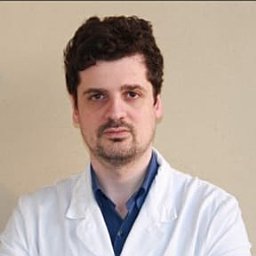 Tovoli Francesco合作论文数Department of Medical and Surgical Sciences, University of Bologna23
 Fabio Marra合作论文数Dipartimento di Medicina Sperimentale e Clinica, Universita di Firenze23
 Lorenza Rimassa合作论文数Department of Medical Oncology and Hematology|Istituto Clinico Humanitas21
 Andrea Casadei Gardini合作论文数20Andrea Palloni合作论文数20Pressiani Tiziana合作论文数20De Lorenzo Stefania合作论文数20
 Massimo Iavarone合作论文数University of Milan, University of Brescia19
 Giuseppe Cabibbo合作论文数18
 Giovanni Brandi合作论文数Department of Medical and Surgical Sciences, University of Bologna;Postgraduate School of Medical Oncology, University of Bologna;Policlinico S. Orsola-Malpighi17Bernardo Stefanini合作论文数16Federico Piera合作论文数16Stefano Cascinu合作论文数Department of Oncology and Hematology, Universitá di Modena e Reggio Emilia16
 Bruno Daniele合作论文数Ospedale del Mare16Alessandra Auriemma合作论文数15
 Shigeo Shimose合作论文数15
 Mario Scartozzi合作论文数Department of Medical Science and Public Health, University of Cagliari15
 Francesco Giuseppe Foschi合作论文数Faenza Hospital;Azienda Unità Sanitaria Locale della Romagna15Mariangela Bruccoleri合作论文数14Takuya Sho合作论文数14
 Goki Suda合作论文数Graduate School of Medicine, Hokkaido University14Hidenori Toyoda合作论文数14
 Hideki Iwamoto合作论文数14
 Toshifumi Tada合作论文数14G. Masi合作论文数13Luca Ielasi合作论文数Div Internal Med Hepatobiliary & Immunoallerg Dis, IRCCS Azienda Osped Univ Bologna13Atsukawa Masanori合作论文数13
 Atsushi Hiraoka合作论文数Kyorin University School of Health Sciences13
 Michele Milella合作论文数Department of Engineering for Innovative Medicine, Verona University13Yoichi Hiasa合作论文数13
 Naoya Sakamoto合作论文数12Mara Persano合作论文数12
 Satoru Kakizaki合作论文数12Michitaka Imai合作论文数12
 Ciro Celsa合作论文数PROMISE, University of Palermo12
 Valentina Burgio合作论文数12Toru Ishikawa合作论文数12Itokawa Norio合作论文数12Okubo Tomomi合作论文数12
 Masatoshi Kudo (工藤正俊)合作论文数Department of Medicine, Faculty of Medicine, Kindai University;Graduate School of Medical Sciences, Faculty of Medicine, Kindai University12
 Naoshi Nishida (西田直生志)合作论文数Faculty of Medicine, Kindai University12
 Hirooka Masashi (廣岡昌史)合作论文数Department of Gastroenterology and Metabology, Ehime University Graduate School of Medicine12
 Hironori Ochi合作论文数12




