There is a growing urgency to develop effective strategies for studying and targeting glioblastoma including, which are crucial for tumor initiation and resistance to therapy. Human-immunodeficiency-virus-type-1-based viral particles have emerged as valuable tools in neurology, aiding in the exploration of neural development and tumorigenesis, with promising clinical applications on the horizon. We targeted proteolipid plasmolipin, found on glial cell surfaces, acting as an entry receptor for the McERV endogenous murine retrovirus, with replication-defective vectors carrying either a fluorescent marker or the suicide gene TK.007, pseudotyped with the McERV envelope protein. We evaluated these vectors’ efficiency in delivering genes to glioblastoma and neuronal cells both in vitro and in vivo, using intracranial glioblastoma and subcutaneous neuroblastoma xenograft tumors. Our findings confirm that aiming plasmolipin allows efficient and selective elimination of tumors induced by plasmolipin-positive cancer cells while sparing normal tissue. This work highlights the potential of McERV-pseudotyped viral particles as a promising therapeutic strategy for targeting glioblastoma and neuronal tumors.
Brain metastasis leads to increased mortality and is a major site of relapse for several cancers, yet the molecular mechanisms of brain metastasis are not well understood. In this study, we established and characterized a new leukemic cell line, FIA10, that metastasizes into the central nervous system (CNS) following injection into the tail vein of syngeneic mice. Mice injected with FIA10 cells developed neurological symptoms such as loss of balance, tremor, ataxic gait and seizures, leading to death within 3 months. Histopathology coupled with PCR analysis clearly showed infiltration of leukemic FIA10 cells into the brain parenchyma of diseased mice, with little involvement of bone marrow, peripheral blood and other organs. To define pathways that contribute to CNS metastasis, global transcriptome and proteome analysis was performed on FIA10 cells and compared with that of the parental stem cell line FDCP-Mix and the related FIA18 cells, which give rise to myeloid leukemia without CNS involvement. 188 expressed genes (RNA level) and 189 proteins were upregulated (log2 ratio FIA10/FIA18 ≥ 1) and 120 mRNAs and 177 proteins were downregulated (log2 ratio FIA10/FIA18 ≤ 1) in FIA10 cells compared with FIA18 cells. Major upregulated pathways in FIA10 cells revealed by biofunctional analyses involved immune response components, adhesion molecules and enzymes implicated in extracellular matrix remodeling, opening and crossing the blood-brain barrier (BBB), molecules supporting migration within the brain parenchyma, alterations in metabolism necessary for growth within the brain microenvironment, and regulators for these functions. Downregulated RNA and protein included several tumor suppressors and DNA repair enzymes. In line with the function of FIA10 cells to specifically infiltrate the brain, FIA10 cells have acquired a phenotype that permits crossing the BBB and adapting to the brain microenvironment thereby escaping immune surveillance. These data and our model system FIA10 will be valuable resources to study the occurrence of brain metastases and may help in the development of potential therapies against brain invasion.
Neuroblastoma (NB) has a low frequency of recurrent mutations compared to other cancers, which hinders the development of targeted therapies and novel risk stratification strategies. Multikinase inhibitors have shown potential in treating high-risk NB, but their efficacy is likely impaired by the cancer cells' ability to adapt to these drugs through the employment of alternative signaling pathways. Based on the expression of 48 growth factor-related genes in 1189 NB tumors, we have developed a model for NB patient survival prediction. This model discriminates between stage 4 NB tumors with favorable outcomes (>80% overall survival) and very poor outcomes (<10%) independently from MYCN-amplification status. Using signaling pathway analysis and gene set enrichment methods in 60 NB patients with known therapy response, we identified signaling pathways, including EPO, NGF, and HGF, upregulated in patients with no or partial response. In a therapeutic setting, we showed that among six selected growth factors, EPO, and NGF showed the most pronounced protective effects in vitro against several promising anti-NB multikinase inhibitors: imatinib, dasatinib, crizotinib, cabozantinib, and axitinib. Mechanistically kinase inhibitors potentiated NB cells to stronger ERK activation by EPO and NGF. The protective action of these growth factors strongly correlated with ERK activation and was ERK-dependent. ERK inhibitors combined with anticancer drugs, especially with dasatinib, showed a synergistic effect on NB cell death. Consideration of growth factor signaling activity benefits NB outcome prediction and tailoring therapy regimens to treat NB.
With great sadness, we learned of the passing of Professor Dr. med. Rolf-Dietmar Neth, the founder of the Wilsede meeting, on March 17, 2020, aged 93 in his home town Buchholz near Wilsede/Lüneburger Heide. Rolf Neth was born 6.10.1926. After the 2nd World War, Rolf Neth studied Medicine from 1949 to 1955 at the University of Göttingen. Then he was at the Max-Planck-Institut für Experimentelle Medizin (University Göttingen, 1956-1957), and promoted his skills in clinical and experimental hematology in St. George Hospital (1958-1959) in Hamburg. From 1960, his activity was connected with the pediatric clinics of Hamburg University where he became a Professor at the Children Hospital in 1972. From 1970 to 1980, Rolf Neth was occupied implementing new laboratory diagnostic approaches in the booming field of clinical hematology. Blood cancer treatment was developed, due to novel drugs invented to combat leukemic cells and rescue the small patients which 10-20 years ago had only zero chance to survive. Histo- and immunochemical diagnostics became routine tests for evaluation of clinical forms of leukemias and efficiency of their therapy. Since 1982, he coordinated laboratory hematology at the Department of Clinical Chemistry, University Hamburg, until retirement in 1992. Along with contribution to clinical laboratory science, Professor Neth, over 1973 to 2002, arranged a series of famous Wilsede Meetings "Modern Trends in Human Leukemia" dedicated to leukemia research and treatment. Rolf Neth and Robert Gallo decided time and topic of the meeting, and Rolf Neth proposed a place, i.e., a lonely village in the Luneburg heath, not far from his home. Hence, Leukemia and Viruses was selected as a specific topic for a meeting in Germany, because it was timely for convergence between clinical medicine and cancer biology. Rolf Neth organized the first Wilsede meetings himself for more than 20 years, until he passed these efforts to Wolfram Ostertag and Axel Zander. In the late 1990s, Carol Stocking and Boris Fehse took on this responsibility. Over last years, Wilsede meetings were arranged by Nicolaus Kröger and Boris Fehse. And as long as his health permitted, Rolf Neth came along to see how his baby was doing. He participated and assisted at any stage of the next meeting. We are thankful to have had the privilege of knowing and cooperating with Rolf Neth and to cherish his legacy by keeping the Wilsede tradition alive. He was married with Hanne-Lore Cohrs, 8.11. 1958, survived by his wife of 62 years Hanne-Lore, and four sons and several grandchildren.
T-cell receptor gene beta (TCRβ) gene rearrangement represents a complex, tightly regulated molecular mechanism involving excision, deletion and recombination of DNA during T-cell development. RUNX1, a well-known transcription factor for T-cell differentiation, has recently been described to act in addition as a recombinase cofactor for TCRδ gene rearrangements. In this work we employed a RUNX1 knock-out mouse model and demonstrate by deep TCRβ sequencing, immunostaining and chromatin immunoprecipitation that RUNX1 binds to the initiation site of TCRβ rearrangement and its homozygous inactivation induces severe structural changes of the rearranged TCRβ gene, whereas heterozygous inactivation has almost no impact. To compare the mouse model results to the situation in Acute Lymphoblastic Leukemia (ALL) we analyzed TCRβ gene rearrangements in T-ALL samples harboring heterozygous Runx1 mutations. Comparable to the Runx1 +/− mouse model, heterozygous Runx1 mutations in T-ALL patients displayed no detectable impact on TCRβ rearrangements. Furthermore, we reanalyzed published sequence data from recurrent deletion borders of ALL patients carrying an ETV6-RUNX1 translocation. RUNX1 motifs were significantly overrepresented at the deletion ends arguing for a role of RUNX1 in the deletion mechanism. Collectively, our data imply a role of RUNX1 as recombinase cofactor for both physiological and aberrant deletions.
HIV-1 infection is a complex, multi-step process involving not only viral, but also multiple cellular factors. To date, drug discovery methods have primarily focused on the inhibition of single viral proteins. We present an efficient and unbiased approach, compatible with biosafety level 1 (BSL-1) conditions, to identify inhibitors of HIV-1 reverse transcription, intracellular trafficking, nuclear entry and genome integration. Starting with a fluorescent assay setup, we systematically improved the screening methodology in terms of stability, efficiency and pharmacological relevance. Stability and throughput were optimized by switching to a luciferase-based readout. BSL-1 compliance was achieved without sacrificing pharmacological relevance by using lentiviral particles pseudo-typed with the mouse ecotropic envelope protein to transduce human PM1 T cells gene-modified to express the corresponding murine receptor. The cellular assay was used to screen 26,048 compounds selected for maximum diversity from a 200,640-compound in-house library. This yielded z' values greater than 0.8 with a hit rate of 3.3% and a confirmation rate of 50%. We selected 93 hits and enriched the collection with 279 similar compounds from the in-house library to identify promising structural features. The most active compounds were validated using orthogonal assay formats. The similarity of the compound profiles across the different platforms demonstrated that the reported lentiviral assay system is a robust and versatile tool for the identification of novel HIV-1 inhibitors.
With great sadness, we learned of the passing of Professor Dr. med. Rolf-Dietmar Neth, the founder of the Wilsede Meeting, on March 17, 2020, at the age of 93. He is survived by his wife of 62 years, Hanne-Lore, four sons, and several grandchildren.
Ca. 70% of CN patients with AML carry CSF3R and RUNX1 mutations (Skokowa et al 2014). We established an in vitro model utilizing lin- bone marrow cells from C57BL/6 – 1d715csf3r mice (with homozygous d715G CSF3R mutations) transduced with lentivirus vectors carrying RUNX1 wildtype or RUNX1 missense mutations. Cells transduced with RUNX1 mutants showed diminished in vitro myeloid differentiation and elevated replating capacity, compared to WT. mRNA expression analysis of transduced cells using Pathway analysis (IPA) and Motif activity response analysis (using ISMARA) revealed that the highest activated motif in RUNX1-Mutants was Irf2_Irf1_Irf8_Irf9_Irf7 motif. Correspondingly, IPA Pathway analysis showed that Interferon Signaling was highly upregulated in cells transduced with RUNX1 mutants, compared to WT RUNX1. Additionally, pathway analysis showed the upregulation and activation of IL-6, IL-8-, Toll like Receptor- and TREM1 signaling pathways. This data suggests that the mutated RUNX1 may cause activation of the pro-inflammatory cell state propagating proliferation, which may be emerging as a cause of clonal hematopoiesis and consequently may lead to MDS/AML.
Gene therapy is a promising method for treating malignant diseases. One of the main problems is target delivery of therapeutic genes. Here we show that lentiviral vector particles pseudotyped with Mus caroli endogenous retrovirus (McERV) envelope protein can be used for selective transduction of PLLP-expressing cells. As a therapeutic gene in McERV-pseudotyped vector particles we used miniSOG encoding the cytotoxic FMN-binding protein, which can generate reactive oxygen species under illumination. Significant cytotoxic effect (up to 80% of dead cells in population) was observed in PLLP-expressing cells transduced with McERV-pseudotyped vector particles and subjected to illumination. We demonstrated that the McERV-pseudotyped HIV-1 based lentiviral vector particles are an effective tool for selective photoinduced destruction of PLLP-expressing cells.
Primary myelofibrosis (PMF) is a hematopoietic stem cell (HSC) disease, characterized by aberrant differentiation of all myeloid lineages and profound disruption of the bone marrow niche. PMF samples carry several mutations, but their cell origin and hierarchy in regulating the different waves of clonal and aberrant myeloproliferation from the prime HSC compartment is poorly understood. Genotyping of >2000 colonies from CD133+HSC and progenitors from PMF patients confirmed the complex genetic heterogeneity within the neoplastic population. Notably, mutations in chromatin regulators ASXL1 and/or EZH2 were identified as the first genetic lesions, preceding both JAK2-V617F and CALR mutations, and are thus drivers of clonal myelopoiesis in a PMF subset. HSC from PMF patients with double ASXL1/EZH2 mutations exhibited significantly higher engraftment in immunodeficient mice than those from patients without histone modifier mutations. EZH2 mutations correlate with aberrant erythropoiesis in PMF patients, exemplified by impaired maturation and cell cycle arrest of erythroid progenitors. These data underscore the importance of post-transcriptional modifiers of histones in neoplastic stem cells, whose clonal growth sustains aberrant myelopoiesis and expansion of pre-leukemic clones in PMF.
A remaining expression of the transcription factor Wilms tumor 1 (WT1) after cytotoxic chemotherapy indicates remaining leukemic clones in patients. We determined the regulation and relevance of WT1 in leukemic cells exposed to replicative stress and DNA damage. To induce these conditions, we used the clinically relevant chemotherapeutics hydroxyurea and doxorubicin. We additionally treated cells with the pro-apoptotic kinase inhibitor staurosporine. Our data show that these agents promote apoptosis to a variable extent in a panel of 12 leukemic cell lines and that caspases cleave WT1 during apoptosis. A chemical inhibition of caspases as well as an overexpression of mitochondrial, anti-apoptotic BCL2 family proteins significantly reduces the processing of WT1 and cell death in hydroxyurea-sensitive acute promyelocytic leukemia cells. Although the reduction of WT1 correlates with the pharmacological efficiency of chemotherapeutics in various leukemic cells, the elimination of WT1 by different strategies of RNA interference (RNAi) does not lead to changes in the cell cycle of chronic myeloid leukemia K562 cells. RNAi against WT1 does also not increase the extent of apoptosis and the accumulation of γH2AX in K562 cells exposed to hydroxyurea. Likewise, a targeted genetic depletion of WT1 in primary oviduct cells does not increase the levels of γH2AX. Our findings position WT1 as a downstream target of the apoptotic process that occurs in response to cytotoxic forms of replicative stress and DNA damage.
Patients with pre-leukemic bone marrow failure syndrome, severe congenital neutropenia (CN) have ~ 20% risk of developing acute myeloid leukemia (AML) (CN-AML). More than 70 % of CN-AML patients co-acquire CSF3R and RUNX1 mutations as shown by our group (Skokowa et al 2014), indicating a cooperative role of the mutations in these two genes in the development of AML in CN patients. In order to investigate the interaction between these mutations we conducted in vitro experiments on lineage negative (lin-) bone marrow mononuclear cells (BMCs) from C57BL/6-d715csf3r mice (d715-mice). These mice carry homozygous d715G CSF3R mutations, but do not develop AML.
As hemopoietic stem cells differentiate, their proliferative lifespan shortens by unknown mechanisms. Homeobox cluster (Hox) genes have been implicated by their enhancement of self-renewal when transduced into hemopoietic cells, but gene deletions have been inconclusive because of functional redundancy. Here we enforced HOXB4 expression in purified precursor stages, and compared responses of early stages expressing the endogenous genes with later stages that did not. Contrary to the prevalent view that transduced Hox genes enhance the self-renewal of hemopoietic stem cells, stem cells or their multipotent progeny expressing the endogenous genes showed little response. Instead, immortalization, extensive self-renewal and acquired reconstituting potential occurred in committed erythroid and myeloid progenitors where the endogenous genes were shutting down. The results change our understanding of the stages affected by exogenous HOX proteins and point to shutdown of the endogenous genes as a principal determinant of the shortened clonal lifespans of committed progenitor cells.
The definition of initiating genetic events remains up to date the main research quest in MPN disease biology. Identification of characteristic mutational clusters has shed more light on the complexity of various MPN genotypes, even though no specific genetic lesion or mutational order can be exclusively linked to the different MPN subtypes. Our aim is to determine the sequence of mutational clusters that orchestrate the expansion of aberrant clones in MPN with respect to the prime hematopoietic stem cell compartment.
One of the most common chromosomal translocations in acute myeloid leukemia is t(8;21)(q22;q22), which results in the appearance of abnormal transcripts encoding for the fusion protein RUNX1-ETO. Therefore, this oncoprotein is considered to be a pertinent and promising target for treating t(8;21) leukemia. Previously, we have shown that downregulation of RUNX1-ETO leads to activation of intracellular signaling pathways enhancing cell survival and determined that the protein ERK2 can mediate activation of most of these pathways. Here we used a combination of oridonin (natural tetracycline diterpenoid), which has been shown to exhibit anti-RUNX1-ETO activity, and ERK2 kinase inhibitors. We found that treatment of leukemic t(8;21)-positive Kasumi-1 cells with oridonin cause decrease of phosphorylated ERK1/2. Treatment of these cells with ERK2 inhibitors makes them more sensitive to RUNX1-ETO inhibition with oridonin. Therefore we postulate that simultaneous inhibition of RUNX1-ETO and ERK2 cause synergistic effect on survival of leukemic cells.
Constitutive activation of the PI3K/AKT signaling pathway is found in ~50–70% of AML patients. The SH2-containing inositol 5-phosphatase 1 (SHIP1) is a negative regulator of PI3K/AKT signaling in hematopoietic cells. SHIP1 knockout mice develop a myeloproliferative syndrome and concomitant deletion of SHIP1 and the tumor suppressor PTEN leads to the development of lethal B-cell lymphomas. In the study presented here, we investigated the role of SHIP1 as a tumor suppressor in myeloid leukemia cells in an in vivo xenograft transplantation model. NSG Mice transplanted with UKE-1 cells derived from a secondary AML showed a significantly extended lifespan after lentiviral-mediated overexpression of SHIP1 in comparison to the vector control cohort. In contrast, the AML-derived SHIP1 Y643H mutant, which has a strongly reduced enzymatic activity showed a significant reversion of the SHIP1-induced prolongation of the survival time. In addition, the analysis of 290 AML patients revealed a correlation between expression of SHIP1 and overall survival of the AML patients. These results indicate that SHIP1 can act as a tumor suppressor in acute myeloid leukemia cells and that higher SHIP1 expression is associated with prolonged overall survival in AML patients. SHIP1 may be an interesting candidate for gene therapy.
Molecular genetics may influence outcome for patients with myelofibrosis. To determine the impact of molecular genetics on outcome after allogeneic stem cell transplantation, we screened 169 patients with primary myelofibrosis (n = 110), post-essential thrombocythemia/polycythemia vera myelofibrosis (n = 46), and myelofibrosis in transformation (n = 13) for mutations in 16 frequently mutated genes. The most frequent mutation was JAK2V617F (n = 101), followed by ASXL1 (n = 49), calreticulin (n = 34), SRSF2 (n = 16), TET2 (n = 10), U2AF1 (n = 11), EZH2 (n = 7), MPL (n = 6), IDH2 (n = 5), IDH1 (n = 4), and CBL (n = 1). The cumulative incidence of nonrelapse mortality (NRM) at 1 year was 21% and of relapse at 5 years 25%. The 5-year rates progression-free (PFS) and overall survival (OS) were and 56%, respectively. In a multivariate analysis CALR mutation was an independent factor for lower NRM (HR, .415; P = .05), improved PFS (HR, .393; P = .01), and OS (HR, .448; P = .03). ASXL1 and IDH2 mutations were independent risk factors for lower PFS (HR, 1.53 [P = .008], and HR, 5.451 [P = .002], respectively), whereas no impact was observed for "triple negative" patients. Molecular genetics, especially CALR, IDH2, and ASXL1 mutations, may thus be useful to predict outcome independently from known clinical risk factors after allogeneic stem cell transplantation for myelofibrosis. (C) 2017 American Society for Blood and Marrow Transplantation.
Acute myeloid leukemia (AML) is induced by the cooperative action of deregulated genes that perturb self-renewal, proliferation, and differentiation. Internal tandem duplications (ITDs) in the FLT3 receptor tyrosine kinase are common mutations in AML, confer poor prognosis, and stimulate myeloproliferation. AML patient samples with FLT3-ITD express high levels of RUNX1, a transcription factor with known tumor-suppressor function. In this study, to understand this paradox, we investigated the impact of RUNX1 and FLT3-ITD coexpression. FLT3-ITD directly impacts on RUNX1 activity, whereby up-regulated and phosphorylated RUNX1 cooperates with FLT3-ITD to induce AML. Inactivating RUNX1 in tumors releases the differentiation block and down-regulates genes controlling ribosome biogenesis. We identified Hhex as a direct target of RUNX1 and FLT3-ITD stimulation and confirmed high HHEX expression in FLT3-ITD AMLs. HHEX could replace RUNX1 in cooperating with FLT3-ITD to induce AML. These results establish and elucidate the unanticipated oncogenic function of RUNX1 in AML. We predict that blocking RUNX1 activity will greatly enhance current therapeutic approaches using FLT3 inhibitors.
 Wolfram Ostertag合作论文数62
 Boris Fehse合作论文数University Medical Center Hamburg-Eppendorf;Dept. of Stem Cell Transplantation, Hamburg University;Research Dept. Cell and Gene Therapy, Hamburg University31
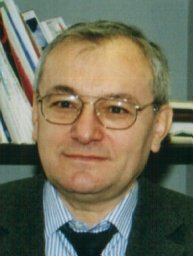 Vladimir S. Prassolov合作论文数Engelhardt Institute of Molecular Biology, Russian Academy of Sciences26Christopher Baum合作论文数19Maike Schwieger合作论文数18
 Pavel Spirin合作论文数Engelhardt Institute of Molecular Biology, Russian Academy of Sciences16
 Nicolaus Kröger合作论文数Department of Stem Cell Transplantation, University Medical Center Hamburg-Eppendorf;Center for Oncolog, University Medical Center Hamburg-Eppendorf;University of Hamburg14Ulla Bergholz合作论文数14Jutta Friel合作论文数13J Löhler合作论文数12
 Triviai Ioanna合作论文数Department of Stem Cell Transplantation, University Medical Centre Hamburg12Birte Niebuhr合作论文数11
 Manfred Jucker合作论文数11Christine Laker合作论文数11Stefan Horn合作论文数10Timofey Lebedev合作论文数9Regine Kollek合作论文数9N. N. Orlova合作论文数Prokhorov General Physics Institute, Russian Academy of Sciences8
 James A. McCubrey合作论文数Department of Microbiology and Immunology, Brody School of Medicine, East Carolina University8
 Elaine Spooncer合作论文数8Bernhard Schiedlmeier合作论文数8Johann Meyer合作论文数8Marion Ziegler合作论文数8N. A. Nikitenko合作论文数7Meike Fischer合作论文数7B. Niebuhr合作论文数7
 Kira Behrens合作论文数7
 Lorenz Trümper合作论文数Department of Hematology and Medical Oncology, Universitätsmedizin Göttingen7C Heberlein合作论文数6A S Gornostaeva合作论文数6Hg Eckert合作论文数6
 Dorothee von Laer合作论文数6
 Norbert Kluge合作论文数Nachwuchsabteilung, Max-Planck-Institut für Experimentelle Medizin6Ursula Just合作论文数6P. M. Rubtsov合作论文数Engelhardt Institute of Molecular Biology, Russian Academy of Sciences6V. S. Prasolov合作论文数5
 Silke Zeschke合作论文数5S. Horn合作论文数5M Kawai合作论文数5M Dexter合作论文数5
 Riecken Kristoffer合作论文数Dept Stem Cell Transplantat, Univ Med Ctr Hamburg Eppendorf5Ruud Delwel合作论文数5Marie-Josée Franz合作论文数5Sibyll Hein合作论文数5
 Walter Fiedler合作论文数Universitätsklinikum Hamburg-Eppendorf5Jorg Basecke合作论文数5
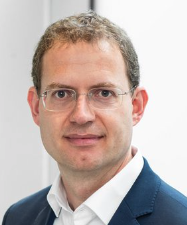 Michael Heuser合作论文数Universitätsklinikum Halle;Medizinische Hochschule Hannover;Martin-Luther-Universität Halle-Wittenberg5Carsten Münk合作论文数5




