IntroductionAdipose tissue mesenchymal stem/stromal cells (ASC) can be used as advanced therapy medicinal product in regenerative and cancer medicine. We previously demonstrated Supernatant Rich in Growth Factors (SRGF) can replace fetal bovine serum (FBS) to expand ASC by a clinical grade compliant protocol. The therapeutic potential of ASC is based also on their homing capacity toward inflammatory/cancer sites: oriented cell migration is a fundamental process in this scenario. We investigated the impact of SRGF on ASC migration properties.MethodsThe motility/migration potential of ASC expanded in 5% SRGF was analyzed, in comparison to 10% FBS, by standard wound healing, bidimensional chemotaxis and transwell assays, and by millifluidic transwell tests. Mechanisms involved in the migration process were investigated by transient protein overexpression.ResultsIn comparison to standard 10% FBS, supplementation of the cell culture medium with 5% SRGF, strongly increased migration properties of ASC along the chemotactic gradient and toward cancer cell derived soluble factors, both in static and millifluidic conditions. We showed that, independently from applied migratory stimulus, SRGF expanded ASC were characterized by far lower expression of α-smooth muscle actin (αSMA), a protein involved in the cell migration machinery. Overexpression of αSMA induced a significant and marked decrease in migration capacity of SRGF expanded ASC.DiscussionIn conclusion, 5% SRGF addition in the cell culture medium increases the migration potential of ASC, reasonably through appropriate downregulation of αSMA. Thus, SRGF could potentially improve the therapeutic impact of ASC, both as modulators of the immune microenviroment or as targeted drug delivery vehicles in oncology.
Multiple myeloma (MM) is an aggressive malignancy that shapes, during its progression, a pro-tumor microenvironment characterized by altered protein secretion and the gene expression of mesenchymal stem cells (MSCs). In turn, MSCs from MM patients can exert an high pro-tumor activity and play a strong immunosuppressive role. Here, we show, for the first time, greater cell mobility paralleled by the activation of FilaminA (FLNA) in MM-derived MSCs, when compared to healthy donor (HD)-derived MSCs. Moreover, we suggest the possible involvement of the IRE1a-FLNA axis in the control of the MSC migration process. In this way, IRE1a can be considered as a good target candidate for MM therapy, considering its pro-survival, pro-osteoclast and chemoresistance role in the MM microenvironment. Our results suggest that IRE1a downregulation could also interfere with the response of MSCs to MM stimuli, possibly preventing cell-cell adhesion-mediated drug resistance. In addition, further investigations harnessing IRE1a-FLNA interaction could improve the homing efficiency of MSC as cell product for advanced therapy applications.
Mesenchymal stem stromal cells (MSC) are characterized by the intriguing capacity to home toward cancer cells after systemic administration. Thus, MSC can be harnessed as targeted delivery vehicles of cytotoxic agents against tumors. In cancer patients, MSC based advanced cellular therapies were shown to be safe but their clinical efficacy was limited. Indeed, the amount of systemically infused MSC actually homing to human cancer masses is insufficient to reduce tumor growth. Moreover, induction of an unequivocal anticancer cytotoxic phenotype in expanded MSC is necessary to achieve significant therapeutic efficacy. Ex vivo cell modifications are, thus, required to improve anti-cancer properties of MSC. MSC based cellular therapy products must be handled in compliance with good manufacturing practice (GMP) guidelines. In the present review we include MSC-improving manipulation approaches that, even though actually tested at preclinical level, could be compatible with GMP guidelines. In particular, we describe possible approaches to improve MSC homing on cancer, including genetic engineering, membrane modification and cytokine priming. Similarly, we discuss appropriate modalities aimed at inducing a marked cytotoxic phenotype in expanded MSC by direct chemotherapeutic drug loading or by genetic methods. In conclusion, we suggest that, to configure MSC as a powerful weapon against cancer, combinations of clinical grade compatible modification protocols that are currently selected, should be introduced in the final product. Highly standardized cancer clinical trials are required to test the efficacy of ameliorated MSC based cell therapies.
Multiple myeloma (MM) is characterized by the accumulation of malignant plasma cells in the bone marrow. Despite novel therapies, MM still remains an incurable cancer and new strategies are needed. Increased expression of the transcription factor Sex-determining region Y-related high-mobility-group box transcription factor 4 (SOX4) has been correlated with tumor development and progression through a variety of distinct processes, including inhibition of apoptosis, increased cell invasion and metastasis, and induction and maintenance of cancer-initiating cells. The role of SOX4 in MM is largely unknown. Since SOX4 is a known target of miR-335, we used miR-335 to assess whether SOX4 modulation could promote apoptosis in MM cells. Using an MM cell model we show that miR-335 acts both on SOX4-related genes (AKT, PI3K) and hypoxia-inducible factor 1-alpha (Hif1-α). In addition, we show miR-335-laden extracellular vesicles induced in B cells (iEVs) are also effective in targeting SOX4, causing apoptosis. Collectively, we propose that miR-335-laden iEVs could be developed as a novel form of gene therapy in MM.
Nucleofection (NF) is a safe, non-viral transfection method, compatible with Good Manufacturing Practice guidelines. Such a technique is useful to improve therapeutic effectiveness of adipose tissue mesenchymal stem cells (ASC) in clinical settings, but improvement of NF efficiency is mandatory. Supernatant rich in growth factors (SRGF) is a clinical-grade medium additive for ASC expansion. We showed a dramatically increased NF efficiency and post-transfection viability in ASC expanded in presence of SRGF (vs. fetal bovine serum). SRGF expanded ASC were characterized by increased vesicle endocytosis but lower phagocytosis properties. SRGF increased n-6/n-3 ratio, reduced membrane lipid raft occurrence, and lowered intracellular actin content in ASC. A statistical correlation between NF efficiency and lipid raft availability on cell membranes was shown, even though a direct relationship could not be demonstrated: attempts to selectively modulate lipid rafts levels were, in fact, limited by technical constraints. In conclusion, we reported for the first time that tuning clinical-grade compatible cell culture conditions can significantly improve ASC transfection efficiency by a non-viral and safe approach. A deep mechanistic characterization is extremely complex, but we can hypothesize that integrated changes in membrane structure and intracellular actin content could contribute to explain SRGF impact on ASC NF efficiency.
AIMS:Cardiac myxomas usually develop in the atria and consist of an acid-mucopolysaccharide-rich myxoid matrix with polygonal stromal cells scattered throughout. These human benign tumours are a valuable research model because of the rarity of cardiac tumours, their clinical presentation and uncertain origin. Here, we assessed whether multipotent cardiac stem/progenitor cells (CSCs) give rise to atrial myxoma tissue. METHODS AND RESULTS:Twenty-three myxomas were collected and analysed for the presence of multipotent CSCs. We detected myxoma cells positive for c-kit (c-kitpos) but very rare Isl-1 positive cells. Most of the c-kitpos cells were blood lineage-committed CD45pos/CD31pos cells. However, c-kitpos/CD45neg/CD31neg cardiac myxoma cells expressed stemness and cardiac progenitor cell transcription factors. Approximately ≤10% of the c-kitpos/CD45neg/CD31neg myxoma cells also expressed calretinin, a characteristic of myxoma stromal cells. In vitro, the c-kitpos/CD45neg/CD31neg myxoma cells secrete chondroitin-6-sulfate and hyaluronic acid, which are the main components of gelatinous myxoma matrix in vivo. In vitro, c-kitpos/CD45neg/CD31neg myxoma cells have stem cell properties being clonogenic, self-renewing, and sphere forming while exhibiting an abortive cardiac differentiation potential. Myxoma-derived CSCs possess a mRNA and microRNA transcriptome overall similar to normal myocardium-derived c-kitpos/CD45neg/CD31negCSCs , yet showing a relatively small and relevant fraction of dysregulated mRNA/miRNAs (miR-126-3p and miR-335-5p, in particular). Importantly, myxoma-derived CSCs but not normal myocardium-derived CSCs, seed human myxoma tumours in xenograft's in immunodeficient NOD/SCID mice. CONCLUSION:Myxoma-derived c-kitpos/CD45neg/CD31neg CSCs fulfill the criteria expected of atrial myxoma-initiating stem cells. The transcriptome of these cells indicates that they belong to or are derived from the same lineage as the atrial multipotent c-kitpos/CD45neg/CD31neg CSCs. Taken together the data presented here suggest that human myxomas could be the first-described CSC-related human heart disease.
Background: Adipose tissue derived mesenchymal stromal/stem cells (ASC) can be expanded using supernatant rich in growth factors (SRGF) as Good Manufacturing Practice compatible additive, instead of fetal bovine serum (FBS). After transendothelial migration, ASC can migrate to cancer masses where they can release active substances. Due to their homing and secretion properties ASC can be used as targeted drug delivery vehicles. Nevertheless, the fraction of ASC actually reaching the tumor target is limited. The impact of culture conditions on ASC homing potential on cancer cells is unknown. Methods: In dynamic in vitro conditions, we perfused FBS or SRGF ASC in flow chambers coated with collagen type I and fibronectin or seeded with endothelial cells or with HT1080, T98G and Huh7 cancer cells. Expression of selected adhesion molecules was evaluated by standard cytofluorimetry. Dynamic intracellular calcium concentration changes were evaluated in microfluidic and static conditions. Results: When compared to FBS ASC, not specific adhesion of SRGF ASC on collagen type I and fibronectin was lower (-33.9%+/- 12.2% and -45.3%+/- 16.9%), while on-target binding on HT1080 and 198G was enhanced (+147%+/- 8% and 120.5%+/- 5.2%). Adhesion of both FBS and SRGF ASC on Huh7 cells was negligible. As confirmed by citofluorimetry and by function-blocking antibody, SRGF mediated decrease of CD49a expression accounted for lower SRGF-ASC avidity for matrix proteins. Upon stimulation with calcium ionophore in static conditions, mobilization of intracellular calcium in SRGF ASC was greater than in FBS ASC. In dynamic conditions, upon adhesion on matrix proteins and HT1080 cells, SRGF ASC showed marked oscillatory calcium concentration changes. Conclusions: SRGF can enhance specific ASC binding capacity on selected cancer cells as HT1080 (fibrosarcoma) and T98G (glioblastoma) cells. Upon cell-cell adhesion, SRGF ASC activate intracellular responses potentially improving cell secretion functions. SRGF ASC could be considered as suitable drug delivery vehicle for cancer therapy.
In the article cited above, the ND and T2DM graphs in Fig. 3A were inadvertently duplicated, and the ND graph was not shown.The corrected Fig. 3A that includes the ND graph is below.In addition, the first sentence of the legend for Fig. 3A should have read "qRT-PCR validation of the six RNA-Seq-selected differentially expressed and of additional RNA-Seqassessed differentially expressed random miRNAs in the injured arteries from ND, T1DM, and T2DM carotid arteries vs. the respective uninjured carotid arteries."The authors apologize for the errors.
Introduction: The characterization of multipotent endogenous cardiac stem cells (eCSCs) and the breakthroughs of somatic cell reprogramming to boost cardiomyocyte replacement have fostered the prospect of achieving functional heart repair/regeneration.Areas covered: Allogeneic CSC therapy through its paracrine stimulation of the endogenous resident reparative/regenerative process produces functional meaningful myocardial regeneration in pre-clinical porcine myocardial infarction models and is currently tested in the first-in-man human trial. The in vivo test of somatic reprogramming and cardioregenerative non-coding RNAs revived the interest in gene therapy for myocardial regeneration. The latter, together with the advent of genome editing, has prompted most recent efforts to produce genetically-modified allogeneic CSCs that secrete cardioregenerative factors to optimize effective myocardial repair.Expert opinion: The current war against heart failure epidemics in western countries seeks to find effective treatments to set back the failing hearts prolonging human lifespan. Off-the-shelf allogeneic-genetically-modified CSCs producing regenerative agents are a novel and evolving therapy set to be affordable, safe, effective and available at all times for myocardial regeneration to either prevent or treat heart failure.
Multipotent adult resident cardiac stem cells (CSCs) were first identified by the expression of c-kit, the stem cell factor receptor. However, in the adult myocardium c-kit alone cannot distinguish CSCs from other c-kit-expressing (c-kit pos ) cells. The adult heart indeed contains a heterogeneous mixture of c-kit pos cells, mainly composed of mast and endothelial/progenitor cells. This heterogeneity of cardiac c-kit pos cells has generated confusion and controversy about the existence and role of CSCs in the adult heart. Here, to unravel CSC identity within the heterogeneous c-kit-expressing cardiac cell population, c-kit pos cardiac cells were separated through CD45-positive or -negative sorting followed by c-kit pos sorting. The blood/endothelial lineage-committed (Lineage pos ) CD45 pos c-kit pos cardiac cells were compared to CD45 neg (Lineage neg /Lin neg ) c-kit pos cardiac cells for stemness and myogenic properties in vitro and in vivo . The majority (~90%) of the resident c-kit pos cardiac cells are blood/endothelial lineage-committed CD45 pos CD31 pos c-kit pos cells. In contrast, the Lin neg CD45 neg c-kit pos cardiac cell cohort, which represents ⩽10% of the total c-kit pos cells, contain all the cardiac cells with the properties of adult multipotent CSCs. These characteristics are absent from the c-kit neg and the blood/endothelial lineage-committed c-kit pos cardiac cells. Single Lin neg c-kit pos cell-derived clones, which represent only 1–2% of total c-kit pos myocardial cells, when stimulated with TGF- β /Wnt molecules, acquire full transcriptome and protein expression, sarcomere organisation, spontaneous contraction and electrophysiological properties of differentiated cardiomyocytes (CMs). Genetically tagged cloned progeny of one Lin neg c-kit pos cell when injected into the infarcted myocardium, results in significant regeneration of new CMs, arterioles and capillaries, derived from the injected cells. The CSC’s myogenic regenerative capacity is dependent on commitment to the CM lineage through activation of the SMAD2 pathway. Such regeneration was not apparent when blood/endothelial lineage-committed c-kit pos cardiac cells were injected. Thus, among the cardiac c-kit pos cell cohort only a very small fraction has the phenotype and the differentiation/regenerative potential characteristics of true multipotent CSCs.
Intensive research and still much controversy on the adult mammalian heart’s capacity for self-renewal has finally brought a consensus that new cardiomyocytes are indeed formed throughout adult mammalian life. However, the physiological significance of this myocyte renewal, the origin of the new myocytes as well as the rate of adult myocyte turnover have been highly debated. Indeed, while some have calculated a yearly cardiomyocyte turnover of about 1 %, others calculated 4–10 % and some as high as 40 %/year. This very high spread on the “measured” values of such an important phenomenon raises questions about the conceptual and methodological approaches used so far. Recently, using an experimental protocol of severe diffuse myocardial damage, combined with several genetic murine models of fate mapping for cell lineage tracing along with cell transplantation approaches, we have ultimately demonstrated that the endogenous resident cardiac stem/progenitor cells (eCSCs) fulfil the criteria as the cell type necessary and sufficient for myocyte regeneration, leading to complete cellular, anatomical and functional myocardial recovery. The presence of this regenerative agent within the adult mammalian heart, including the human, supports the view that the heart has the potential to repair itself if the eCSCs can be properly stimulated. It is thus predicted that a better understanding of eCSC biology, in order to fully exploit their regeneration potential, will ultimately lead to developing realistic and clinically applicable myocardial regeneration strategies for cardiovascular diseases.
The adult myocardium harbours a population of resident (endogenous) multipotent cardiac stem-progenitor cells. Manipulation of these cells in situ and ex vivo has opened new therapeutic avenues for anatomical and functional myocardial regeneration. In this chapter we will summarise the identity, potency and location of the different cardiac stem-progenitor cells documented thus far in the developing through to adult heart. We discuss the origin of cardiac stem-progenitor cells, determined through genetic lineage-tracing experiments, and methods for deriving them from both rodents and human subjects. Ageing and senescence of the cardiac stem-progenitor cells determine their function and regenerative capacity. Regulation of this parameter will impact the efficacy of myocardial regenerative therapies. Therefore, we discuss the alterations to cardiac stem-progenitor cell activity and potency with physiological remodelling, ageing and disease. Finally, we elucidate the clinical potential of these unique cells and the translation of their use, which will lead to better approaches to treat or prevent heart failure.
 Daniele Torella合作论文数Division of Cardiology, Magna Graecia University38
 Ciro Indolfi合作论文数Department of Medical and Surgical Sciences, Università Magna Graecia di Catanzaro31
 Georgina Ellison-Hughes合作论文数School of Basic & Medical Biosciences, Faculty of Life Sciences & Medicine, King’s College London28Bernardo Nadal-Ginard合作论文数15
 Iolanda Aquila合作论文数14Waring Cheryl D合作论文数Stem Cell and Regenerative Biology Unit (Biostem),, Liverpool John Moores University13
 Mariangela Scalise合作论文数13
 Isabella Aquila合作论文数11B Nadal-Ginard合作论文数11
 Claudio Iaconetti合作论文数10
 Angela Bochicchio合作论文数7
 Elisabetta Lombardi合作论文数Fac Psychol, eCampus Univ7Mario Mazzucato合作论文数7Marino Fabiola合作论文数7Cristina Durante合作论文数7Valter Agosti合作论文数Dipartimento di Medicina;Sperimentale e Clinica;UniversitaMagna Graecia;Campus Universitario Germaneto;UniversitaMagna Graecia, Campus Universitario Germaneto7F. Marino合作论文数6E. Cianflone合作论文数6
 Francesco Agostini合作论文数6Galuppo Valentina合作论文数6Ros Francesco Da合作论文数6Walter Sacco合作论文数6
 Michele Torella合作论文数6T. Mancuso合作论文数5Teresa Mancuso合作论文数Dept Expt & Clin Med, Magna Graecia Univ Catanzaro5
 Eleonora Cianflone合作论文数5Angelo Leone合作论文数5Valentina Galuppo合作论文数5Antonio Curcio合作论文数Department of Medical and Surgical Sciences, University Magna Graecia5I. Mendicino合作论文数4A. Filardo合作论文数4Saranya Purushothaman合作论文数4Miriam Marangon合作论文数4A Leone合作论文数4
 Marotta Pina合作论文数Department of Stem Cell and Development, Istituto di Ricerche Genetiche Gaetano Salvatore Biogem scarl4
 Pierangelo Veltri合作论文数Dipartimento di Fisica, Università della Calabria4
 Fiona Lewis-McDougall合作论文数William Harvey Research Institute, Barts and The London School of Medicine and Dentistry, Queen Mary University of London, London, UK3david f goldspink合作论文数3
 Marco Torella合作论文数3
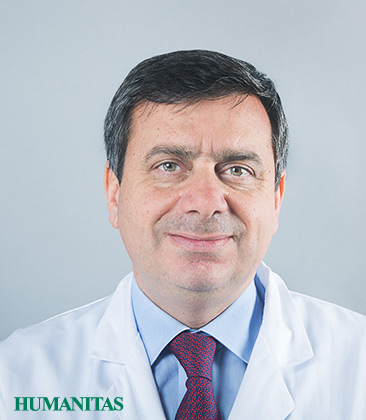 Gianluigi Condorelli合作论文数Department of Cardiovascular Diseases, Humanitas Research Hospital;Post-Graduate School of Cardiology, Humanitas University3
 Andrew J. Smith合作论文数Institute of Membrane and Systems Biology, University of Leeds3Henning Beverley J合作论文数3
 Andrew Smith合作论文数School of Medicine, Dentistry and Nursing, University of Glasgow3Sergio Ottolenghi合作论文数University of Milano-Bicocca3Maurizio Rupolo合作论文数3Cosimo Gasparri合作论文数3
 Francesca Cristiano合作论文数Department of Medical and Surgical Sciences, Universita' degli Studi "Magna Græcia" di Catanzaro3
 Thomas Theologou合作论文数The Cardiothoracic Centre, Liverpool NHS Trust3Giuseppe Viglietto合作论文数Instituto dei Tumori di Napoli3




