The prognosis for patients with metastatic melanoma (MM) involving distant organs is grim, and treatment resistance is potentiated by tumor-initiating cells (TICs) that thrive under hypoxia. MM cells, including TICs, express a unique glycome featuring i-linear poly-N-acetyllactosamines through the loss of I-branching enzyme, (beta 1,6 N-acetylglucosaminyltransferase 2. Whether hypoxia instructs MM TIC development by modulating the glycome signature remains unknown. In this study, we explored hypoxia-dependent alterations in MM gly-come-associated genes and found that (beta 1,6 N-acetylglucosaminyltransferase 2 was downregulated and a galectin (Gal)-8-ligand axis, involving both extracellular and cell-intrinsic Gal-8, was induced. Low (beta 1,6 N-acetylglucosaminyltransferase 2 levels correlated with poor patient outcomes, and patient serum samples were elevated for Gal-8. Depressed (beta 1,6 N-acetylglucosaminyltransferase 2 in MM cells upregulated TIC marker, NGFR/CD271, whereas loss of MM cell-intrinsic Gal-8 markedly lowered NGFR and reduced TIC activity in vivo. Extracellular Gal-8 bound preferentially to i-linear poly-N-acetyllactosamines on N-glycans of the TIC marker and prometastatic molecule CD44, among other receptors, and activated prosurvival factor protein kinase B. This study reveals the importance of hypoxia governing the MM glycome by enforcing i-linear poly-N-acetyllactosamine and Gal-8 expression. This mechanistic investigation also uncovers glycome-dependent regulation of pro-MM factor, NGFR, implicating i-linear poly-N-acetyllactosamine and Gal-8 as biomarkers and therapeutic targets of MM.
Humoral immunity is reliant on efficient recruitment of circulating naïve B cells from blood into peripheral lymph nodes (LN) and timely transition of naive B cells to high affinity antibody (Ab)-producing cells. Current understanding of factor(s) coordinating B cell adhesion, activation and differentiation within LN, however, is incomplete. Prior studies on naïve B cells reveal remarkably strong binding to putative immunoregulator, galectin (Gal)-9, that attenuates BCR activation and signaling, implicating Gal-9 as a negative regulator in B cell biology. Here, we investigated Gal-9 localization in human tonsils and LNs and unearthed conspicuously high expression of Gal-9 on high endothelial and post-capillary venules. Adhesion analyses showed that Gal-9 can bridge human circulating and naïve B cells to vascular endothelial cells (EC), while decelerating transendothelial migration. Moreover, Gal-9 interactions with naïve B cells induced global transcription of gene families related to regulation of cell signaling and membrane/cytoskeletal dynamics. Signaling lymphocytic activation molecule F7 (SLAMF7) was among key immunoregulators elevated by Gal-9-binding, while SLAMF7's cytosolic adapter EAT-2, which is required for cell activation, was eliminated. Gal-9 also activated phosphorylation of pro-survival factor, ERK. Together, these data suggest that Gal-9 promotes B cell - EC interactions while delivering anergic signals to control B cell reactivity.
 Asmi Chakraborty合作论文数Herbert Wertheim College of Medicine, Florida International University5
 Charles J. Dimitroff合作论文数Harvard Skin Disease Research Center, Department of Dermatology, Brigham and Women's Hospital, Boston, Mass5Frances Clemente Erickson合作论文数3Angela Bernasconi合作论文数3
 Lee Seng Lau合作论文数3Perlyn Chad A合作论文数3Sandra L. King合作论文数3Jordan D. Carroll合作论文数2Cristina Marrero合作论文数2Ramon Jimenez合作论文数2Mariana Perez合作论文数2Liettel Ortega合作论文数2Norhan B.B. Mohammed合作论文数Herbert Wertheim College of Medicine, Florida International University;Faculty of Medicine, South Valley University2Wei Wang合作论文数2
 Michael Wells合作论文数Case Western Reserve Univ, Univ Hosp Cleveland Med Ctr2
 James Wilmott合作论文数School of Health Sciences, Faculty of Medicine and Health, The University of Sydney2
 George F. Murphy合作论文数The Murphy Lab, Harvard Medical School, Harvard University;Brigham and Women's Hospital;Stem Cell Institute, Harvard University2
 John Thompson合作论文数Faculty of Medicine and Health, The University of Sydney2
 Richard Scolyer合作论文数Sydney Medical School, Faculty of Medicine and Health, The University of Sydney;Central Clinical School, University of Sydney;Melanoma Institute Australia;Royal Prince Alfred Hospital2
 Francis Luscinskas合作论文数Brigham and Women's Hospital;Harvard Medical School2
 Stuart Haslam合作论文数Department of Life Sciences, Faculty of Natural Sciences, Imperial College London2Aristotelis Antonopoulos合作论文数Institut de Chimie Organique et Analytique (ICOA),, Université d'Orléans2
 Anne Dell合作论文数Department of Life Sciences, Faculty of Natural Sciences, Imperial College London1
 Kevin B. Chandler合作论文数1
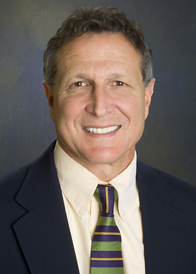 Robert Sackstein合作论文数Sackstein Lab, Harvard Medical School1
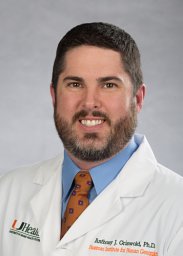 Anthony J. Griswold合作论文数Department of Biology, Indiana University1Yoshihiko Tani合作论文数1




