Hematopoietic cell transplantation (HCT) is the gold standard curative therapy for many hematological malignancies, but disease relapse is common and the primary cause of treatment failure. While the impact of matching the classical HLA loci on HCT outcomes is known, the role of the nonclassical HLA class I gene HLA-E is unclear but has been limited to HLA-E*01:01/01:03 thus far. To genotype the full length of HLA-E for a cohort of UK HCT patients and unrelated donors, to enable investigation of all HLA-E alleles. To use this full-length genotyping to investigate any statistical associations of HLA-E matching or genotype with UK HCT patient clinical outcomes. To investigate this, we retrospectively genotyped 1878 UK patients with hematological malignancies and their matched unrelated donors for HLA-E at a definitive allele resolution and analyzed patient outcomes with respect to the HLA-E genetic data using adjusted multivariate analysis models. Multivariate analysis showed that the presence of the allele HLA-E*01:06 in the donor genotype was associated with significantly reduced 5-yr risk of relapse (hazard ratio [HR] = 0.39; P = .002) and increased progression-free and overall survival (HR = 0.59; P = .003 and HR = 0.69; P = .04). We also observed a detrimental impact of the allele HLA-E*01:03:05 in the donor genotype on relapse risk (HR = 2.54; P = .001) and progression-free survival (HR = 1.90; P = .006), compared with donors without this allele. Our data show a potential role for HLA-E in unrelated donor HCT, where donor HLA-E genotypes appear to correlate with patient relapse rates and patient survival. This is the first study to investigate the impact of HLA-E on HCT outcomes using a full-length genotyping strategy, which allowed us to identify potential correlations from alleles beyond HLA-E*01:01/01:03 for the first time.
Introduction Exagamglogene autotemcel (exa-cel) is a one-time, ex vivo CRISPR/Cas9 gene-edited, autologous cell therapy approved for patients (pts) ≥12 years (y) old with transfusion-dependent β-thalassemia (TDT) or sickle cell disease (SCD) with recurrent vaso-occlusive crises (VOCs). We report long-term efficacy and safety from the phase 3 CLIMB THAL-111, CLIMB SCD-121, and CLIMB-131 trials. Methods CLIMB-111 (TDT) and CLIMB-121 (SCD) are 2-year, Phase 3 studies of exa-cel in pts aged 12-35 y. The CLIMB-111 primary endpoint is transfusion independence: proportion of pts maintaining a weighted average hemoglobin ≥9 g/dL without RBC transfusion for ≥12 consecutive months (TI12). The CLIMB-121 primary endpoint is the proportion of pts free of severe VOCs for ≥12 consecutive months (VF12); the key secondary endpoint is the proportion of pts free from inpatient hospitalization for severe VOCs for ≥12 consecutive months (HF12). Pts then enroll in CLIMB-131 for up to 13 y follow-up. Data are from April 10, 2025; data will be updated through the final analysis of the completed CLIMB-121 trial. Results In CLIMB-111, 56 pts (mean age: 21.2 y) received exa-cel; median follow-up was 46.2 (16.0, 75.2) months. Of 56 pts evaluable for TI12, 98.2% (55/56) achieved TI12 in CLIMB-111 and CLIMB-131 combined. After exa-cel infusion, all pts engrafted neutrophils and platelets at a median of 29 (12, 56) days and 43.5 (20, 200) days, respectively. In TDT, 67.9% (38/56) pts discontinued iron removal therapy with levels of serum ferritin, liver iron content, and T2* cardiac iron content generally stable without progressive increase over time.In CLIMB-121, 46 pts (mean age: 21.4 y) received exa-cel; median follow-up was 41.3 (8.9, 70.3) months. Of 45 pts evaluable for VF12/HF12, 100% (45/45) achieved VF12 and HF12 in CLIMB-121 and CLIMB-131 combined. After exa-cel infusion, all pts engrafted neutrophils and platelets at a median of 27 (15, 40) and 35 (23, 126) days, respectively. In SCD pts, clinically meaningful improvements in hemolysis markers (lactate dehydrogenase, haptoglobin, reticulocyte count, indirect bilirubin) were observed compared to baseline and were maintained over time.In TDT and SCD, durable increases in total and fetal hemoglobin were observed. Allelic editing was stable over time in both bone marrow and peripheral blood.Exa-cel safety was consistent with myeloablative conditioning and autologous transplant in both TDT and SCD. There were no malignancies through follow-up in CLIMB-131. Conclusions Exa-cel demonstrated durable clinical benefit for >5 years of follow-up in SCD pts and >6 years in TDT pts. The safety profile is consistent with busulfan myeloablative conditioning and autologous transplant; there were no malignancies. These data continue to support exa-cel as a one-time functional cure for TDT and SCD.
BackgroundThe cytotoxic T lymphocyte-associated protein 4 (CTLA-4) is a well-known immune checkpoint inhibitor. Heterozygous germline mutations in CTLA4 in humans lead to immune deficiency, autoimmunity, auto-inflammation, lymphoproliferation, and infection. A reduced penetrance of approx. 70% is published. This project aims to classify all known variants of the human CTLA4 gene into five categories: pathogenic, likely pathogenic, variant of uncertain significance, likely benign, and benign.MethodA comprehensive literature research was conducted and included 63 papers, along with unpublished patients that were referred to us by their treating physicians. We identified a total of 767 subjects with 133 different unique variants. Patient information was curated into the GenIA database (https://geniadb.net), focusing on demographic information, phenotypes, laboratory values, functional assays, and treatment.ResultsIn this cohort, 84.76% of CTLA4 mutation carriers were affected or mildly affected. This penetrance of 84.76% is substantially higher than previously published. Moreover, 46.3% of patients were repeatedly reported in different studies. Disease-modifying antirheumatic drugs and systemic corticosteroids were the most used treatments. We found that GenIA is a suitable platform for comprehensive literature research. Not all variants had been tested or functionally validated.OutlookOur future work seeks to analyze genotype–phenotype correlation and advise medical professionals on typical presentation and treatment options for patients with CTLA-4 (haplo)insuffiency.
Background:The participation of transplant centres in research studies that request detailed follow-up data on included patients can be challenging due to the amount of time centre Data Managers have to complete additional requests. The Research Data Manager (RDM) Pilot Project was designed to support Anthony Nolan's longitudinal Patient/Donor project and provide real-world evidence of the benefit of additional and dedicated data management resources in transplant centres. Objectives:For Anthony Nolan to continue advancing the field of donor selection, up-to-date and accurate follow-up data is needed. This 12-month pilot project aimed to demonstrate how on-the-ground support could improve access to outcome data. Study Design:Following RDM placements at two participating centres, we reviewed the data quality and quantity collected, thus ensuring the methods used remain effective and are likely to result in successful and continuous data improvement. The cohort covered a broad timespan and included historical patient records, posing challenges in availability of prior data and long-term follow-up of discharged patients. Results:Following the placements, over 400 patients now have the most up-to-date and complete patient clinical outcome data available within the EBMT/BSBMTCT registry database for any group to study, reducing the burden on these centres to complete research data requests for these individuals. Trial Registration:The authors have confirmed clinical trial registration is not needed for this submission.
Teenage and young adult (TYA) patients undergoing allogeneic stem cell transplant have distinct psychosocial needs, yet they are poorly represented in research and their outcomes are not well understood. This study uses prospectively collected data from the British Society of Blood and Marrow Transplantation and Cellular Therapy (BSBMTCT) registry to explore UK transplant practice and outcomes for TYA patients (aged 16-24) in this healthcare setting, alongside children (aged 1-15) and adults (aged 25-39), transplanted for acute leukaemia (including lymphoblastic, acute lymphoblastic leukaemia [ALL], and myeloid, acute myeloid leukaemia [AML]). Nine hundred and forty TYA patients, transplanted between 1999 and 2018, are included, representing 87% of all UK activity during the study period. On adjusted analyses, overall survival after transplant for ALL worsened from children, through TYA, to adults; survival for patients with AML was similar across age groups. Non-relapse mortality was not significantly worse in TYA patients compared with children (p = 0.117 in ALL, p = 0.379 in AML). The risk of chronic graft-versus-host disease (GvHD) was strongly correlated with age, with rates in the TYA group much closer to those seen in adults. While a graft-versus-leukaemia effect may be suppressing relapse, the high rate of GvHD represents an unmet need in this group, who are at a crucial juncture in their personal, educational and social development.
Exagamglogene autotemcel (exa-cel) is a one-time, ex vivo, CRISPR-Cas9 gene edited cell therapy approved for patients with transfusion dependent β-thalassemia (TDT) aged 12-35 years. In a Phase 3 study (CLIMB THAL-111), exa-cel treatment resulted in reactivation of fetal hemoglobin and increases in total hemoglobin, leading to transfusion independence in 91% of participants. Here, we report on the impact of exa-cel treatment on measures of ineffective erythropoiesis and iron homeostasis, which were secondary and exploratory endpoints in CLIMB THAL-111 and the CLIMB-131 long-term follow-up study. Prior to exa-cel infusion, all participants were receiving regular red blood cell transfusions and iron chelation therapy. At time of data cut (April 2025), 98% of participants (55 of 56) had been transfusion independent for ≥ 12 months and 38 (68%) had discontinued iron removal therapy (mean duration off iron removal therapy 19.4 months). Following transfusion independence and cessation of iron removal therapy, erythroferrone concentrations decreased and hepcidin levels normalized in all participants, indicating correction of ineffective erythropoiesis and restoration of iron homeostasis. Further supporting this finding, improvements and trends toward normalization were seen in key erythropoiesis biomarkers, including erythropoietin levels, reticulocyte counts, and soluble transferrin receptor concentrations. Iron overload biomarkers, including ferritin, liver iron concentration, and cardiac T2*, decreased and then remained stable throughout follow-up, even after cessation of iron removal therapy. These results demonstrate restoration of effective erythropoiesis and iron homeostasis after exa-cel infusion in the setting of transfusion independence following reactivation of fetal hemoglobin. (CLIMB THAL-111 and CLIMB-131; Clinical Trials.gov numbers NCT03655678 and NCT04208529).
P47phox deficient phagocytic oxidase Chronic Granulomatous Disease (p47phox CGD) is an inherited immunodeficiency caused by mutations in the NCF1 gene which encodes the p47phox protein, a subunit of the nicotinamide adenine dinucleotide phosphate (NADPH) oxidase which is a critical first line of innate immune system defense against bacterial and fungal pathogens. The mutation in NCF1 prevents NADPH oxidase production of oxidative bursts that destroy pathogens and control infection. Individuals with p47phox CGD experience recurrent severe infections, and inflammation of multiple organs, most notably the bowel, lung, liver and genitourinary system. Allogeneic hematopoietic stem cell transplantation (HSCT) is the only potential cure, but is associated with significant limitations due to donor availability, and the risks of transplant related morbidity and mortality including graft failure, graft-versus-host disease and post-transplant immunosuppression. The prevalent causative mutation giving rise to p47phox CGD is the ‘delGT’ dinucleotide deletion in exon 2 of the NCF1 gene. The NCF1 locus is complex as the gene encoding p47phox is flanked by two nearly identical nonfunctional pseudogenes which bear the inactivating delGT mutation. Prime Editing is uniquely well-suited to correct the delGT NCF1 variant, both because of its versatile ability to precisely replace targeted and specific DNA sequences, and because it does not induce double-strand breaks, which carry the risk of chromosomal instability at this complex locus. PM359 is an autologous CD34+ hematopoietic stem cell suspension drug product that is Prime Edited at the NCF1 locus resulting in correction of the delGT mutation. In preclinical studies, >80% of p47phox CGD CD34⁺ cells were Prime Edited to precisely correct the delGT mutation. The Prime Edited corrected p47phox CGD CD34+ cells reconstituted human hematopoiesis in NBSGW immunodeficient mice and the frequency of engrafted precisely corrected Prime Edited p47phox CGD CD34+ cells remained stable for 16 weeks in vivo, resulting in quantitative restoration of NADPH oxidase activity, with no perturbation of multilineage human blood production, no detectable off-target edits, and no detectable chromosomal alterations (a result that contrasts to CRISPR nuclease editing at this locus). Prime-0101 is a first-in-human study of PM359 in adult and pediatric participants with p47phox CGD. Two study participants, Participant 1 (18yo male) and Participant 2 (57yo male) underwent HSC mobilization with G-CSF and plerixafor, and the apheresis product was transferred to a central manufacturing facility to generate PM359. Study participants received myeloablative conditioning with targeted busulfan prior to infusion of PM359. Both Participants achieved rapid neutrophil engraftment at 13 and 19 days and platelet engraftment at 14 and 12 days respectively following infusion of PM359. By one month after treatment, 69% of Participant 1's and 80% of Participant 2's peripheral neutrophils expressed normal levels of NADPH oxidase activity as measured by the dihydrorhodamine (DHR) assay. These results correlated to the frequency of Prime Edited CD34+ cells measured in the drug products (Participant 1: 68% and Participant 2: 91% Prime Edited colony forming cells). DHR results for Participant 1 have remained stable through month 3. Importantly, frequency of both DHR+ neutrophils and Prime Edited CD34+ cells exceed the 20% threshold expected to be sufficient for restoration of NADPH oxidase anti-pathogen activity and amelioration of disease pathology. Safety was consistent with busulfan conditioning; neither participant required platelet or red blood cell transfusion support. The initial results from the Prime-0101 study provide the first-in-human demonstration of the safety and efficacy of Prime Editing and offer an autologous cell therapy for individuals with p47phox CGD.
Background: Exagamglogene autotemcel (exa-cel) is a non-viral cell therapy that reactivates fetal hemoglobin (HbF) via ex vivo CRISPR-Cas9 gene-editing of autologous CD34+ hematopoietic stem and progenitor cells at the erythroid-specific enhancer region of BCL11A. Exa-cel is approved as a one-time treatment for patients aged ≥12 years (yrs) with transfusion-dependent β-thalassemia (TDT). We report long-term efficacy and safety for participants with TDT in the phase 3 CLIMB THAL-111 and CLIMB-131 studies. Methods: CLIMB THAL-111 is a 2-yr, phase 3 study of a single-infusion of exa-cel in participants (12-35 yrs) with TDT and a history of ≥100mL/kg/yr or ≥10U/yr of packed RBC transfusions for 2 yrs before screening. Enrollment and dosing are complete; the study is ongoing. The primary efficacy endpoint is transfusion independence defined as proportion of participants maintaining a weighted average Hb ≥9g/dL without RBC transfusion for ≥12 consecutive months (TI12). Evaluation of TI12 started 60 days after the last RBC transfusion for post-transplant support or TDT management. Participants evaluable for the primary endpoint had ≥16 months of follow-up after exa-cel infusion. Participants who complete CLIMB-111 were offered enrollment in a 13-yr long term study, CLIMB-131; total follow-up in these 2 studies will be up to 15 yrs after exa-cel infusion. Results: As of May 2024, 56 participants (mean age of all participants: 21.2 yrs, range: 12, 35; mean age of adolescents [N=20]: 14.8 yrs, range: 12, 17), including 35 (62.5%) with severe genotypes (β0/β0, β0/β0-like), with a median annualized transfusion volume of 206.7mL/kg received exa-cel after myeloablative busulfan conditioning and had a median follow-up of 34.7 months (range: 4.5, 63.8). Of these participants, 44 completed 2 yrs of follow-up in CLIMB-111 and transitioned to CLIMB-131. After exa-cel infusion, all 56 participants engrafted neutrophils and platelets: median of 29.0 days (range: 12, 56) and 43.5 days (range: 20, 200), respectively. Of the 52 participants evaluable for the primary endpoint in CLIMB-111, 49 (94.2%) achieved TI12 (95% CI: 84.1%, 98.8%); the proportion achieving TI12 was the same for adults and adolescents (94.1%; 95% CI: 80.3, 99.3 and 94.4%; 95% CI: 72.7, 99.9). Participants achieving TI12 stopped transfusions at a mean of 1.1 months (SD, 0.6) after exa-cel infusion and remained transfusion independent for up to 5 yrs (mean 32.4 months, range: 14.3, 60.8). Of the 3 participants who did not achieve TI12 in CLIMB THAL-111, 2 achieved TI12 in CLIMB-131 (stopped transfusions after 14.5 and 12.2 months) and have been transfusion independent for 23.0 and 15.7 months, respectively. One participant first stopped transfusions after 21.6 months but had transient gastroenteritis leading to anemia that required a transfusion at 32.2 months; this participant has since been transfusion free for 4.8 months. The mean total Hb was maintained at normal or near normal levels of ≥12g/dL from Month 5 onward and the mean HbF was ≥11g/dL from Month 5 onward with pancellular distribution (≥95% RBCs expressing HbF). The proportion of edited BCL11A alleles was stable after infusion in bone marrow CD34+ cells and stable from Month 2 onward in peripheral blood nucleated cells. Mean serum ferritin decreased to below baseline by Month 12, with 26/56 (46.4%) of participants stopping iron removal therapy. Quality of life (QOL) measures showed clinically meaningful improvements compared to baseline. Most common adverse events (AEs) were febrile neutropenia (60.7%), headache (55.4%), and stomatitis (53.6%). Most AEs and serious AEs (SAEs) occurred within the first 6 months after exa-cel infusion. As previously reported, 2 participants (3.6%) had SAEs related to exa-cel that resolved. There were no deaths, discontinuations due to AEs, or malignancies. Conclusion: Exa-cel demonstrated durable transfusion independence in >94% of participants that was maintained for up to 5 yrs. Durable increases in Hb and HbF levels and stable allelic editing were observed. Additional efficacy was seen with improvement in iron overload and ability to stop iron removal therapy, as well as clinically meaningful improvements in QOL. The safety profile of exa-cel remains consistent with myeloablative busulfan conditioning and autologous transplantation. These results confirm the potential for exa-cel to provide a one-time functional cure to patients with TDT.
ABSTRACT:Signal transduction and activator of transcription 3 hyperimmunoglobulin E syndrome (STAT3-HIES) is a multisystem disorder causing recurrent skin and respiratory infection with bronchiectasis, pneumatoceles, and aspergillosis; lymphoma; and extraimmune manifestations including fractures and vasculopathy. Published data on immune and extraimmune hematopoietic stem cell transplant (HSCT) outcomes focus on case reports or small cohorts. We conducted an international multicenter retrospective study of HSCT in STAT3-HIES. Primary end points were overall survival (OS) and event-free survival (EFS; events were death, graft failure, chronic graft-versus-host disease [GVHD]). We identified 41 patients over a 28-year period. HSCT indication was infection (93%) or lymphoma (7%). Median age at HSCT was 14 years (range, 4-45). Most patients had pre-HSCT respiratory disease (93%), including parenchymal lung disease (68%), and prior suspected/confirmed pulmonary fungal infection (32%). Patients received peripheral blood stem cells (51%) or marrow (49%) from HLA 10/10-matched unrelated donors (44%), matched family donors (44%), mismatched family donors (10%), or 1 9/10-mismatched unrelated donor (2%). Conditioning regimens were predominantly treosulfan-based (59%; with thiotepa, 34%); other patients received busulfan-based (24%) or melphalan-based (17%) regimens. Median follow-up for surviving patients was 5 years (0.8-28). The 5-year OS was 93%, and 5-year EFS 90%. Cumulative incidence of grade 2 to 4 acute GVHD was 22%. Median whole blood donor chimerism at latest follow-up was 100%. Eighty-seven percent of patients have reduced or no bacterial or fungal respiratory infection. After HSCT, 20% developed new skeletal fractures. This worldwide study expanded data on HSCT for STAT3-HIES to 41 patients; despite significant pre-HSCT pulmonary morbidity, OS was high, and patients have improved skin and respiratory disease though the impact on extraimmune manifestations appears limited.
Background: Transfusion-dependent β-thalassemia (TDT) patients have tissue iron overload (IO) from chronic red blood cell (RBC) transfusion and ineffective erythropoiesis (IE) resulting in the need for life-long transfusion support and iron removal therapy (IRT); nevertheless, despite IRT, IO can lead to organ damage, failure, and premature death. Exagamglogene autotemcel (exa-cel) is a one-time, ex vivo CRISPR/Cas9 gene-edited, autologous cell therapy approved for TDT patients ≥12 years (y) old. We report long-term efficacy and safety in TDT participants (pts) from the CLIMB THAL-111 and the CLIMB-131 follow-up trials, including measures of IO and IE before and after cessation of IRT. Methods: CLIMB-111 is an ongoing 2-y, Phase 3 trial of exa-cel in TDT pts aged 12-35 y. The primary endpoint is transfusion independence defined as proportion of pts maintaining a weighted average hemoglobin (Hb) ≥9 g/dL without RBC transfusion for ≥12 consecutive months (m; TI12). Following completion of CLIMB-111, pts enroll in CLIMB-131 for up to 15 y of follow-up after exa-cel. Duration and modality of IRT (chelation and/or phlebotomy) was captured in both trials. Measures of tissue IO (e.g., serum ferritin, liver iron concentration [LIC], and T2* cardiac iron content [CIC]) and measures of iron homeostasis (e.g., erythroferrone and hepcidin), were assessed after exa-cel and subsequent cessation of IRT. Results: As of 10 April 2025, 56 pts (mean age: 21.2 [range: 12, 35] y; 55.4% male) received exa-cel in the CLIMB-111 trial and had median follow-up of 38.1 (range: 7.9, 67.1) m. 35/56 pts (62.5%) had severe genotypes (β0/β0 or β0/β0-like). At baseline, median serum ferritin was 1280.5 (range: 260.0, 4823.0) mcg/L, LIC was 3.6 (range: 1.2, 14.8) mg/g, and CIC was 34.0 (range: 12.4, 61.1) msec. After exa-cel, 98.2% (55/56) achieved TI12 in CLIMB-111 and CLIMB-131 combined with a 41.4-m mean duration of transfusion independence (TI; range: 13, 72.3 m); 53/56 (94.6%) achieved TI12 within 2 y in CLIMB-111. Mean total Hb was maintained at normal/near normal levels of ≥12 g/dL and mean HbF was ≥11 g/dL from Month 5 onward. Allelic editing in bone marrow and blood remains stable over time. Exa-cel safety was consistent with myeloablative conditioning and autologous transplant. Consistent with that, there were 7 cases (7/56; 12.5%) of hepatic veno-occlusive disease; none resulted in end-organ dysfunction, all were related to busulfan and all resolved after defibrotide treatment. There were no deaths or malignancies. All 56 pts received IRT after exa-cel infusion, with chelation alone (30.4%), phlebotomy alone (33.9%), or both (35.7%). Median time after exa-cel to restart iron-chelation and phlebotomy was 6.6 (range: 2.0, 30.1) m and 9.4 (range: 2.9, 37.0) m, respectively. Following expected initial increases associated with stem cell transplantation preparation and management, median serum ferritin and LIC progressively decreased to 451.0 (range: 77.3, 2720.0) mcg/L and 3.4 (range: 0.7, 29.2) mg/g at Month 48, respectively. Mean CIC remained stable at >25 msec. 38/56 (67.9%) pts discontinued IRT for ≥6 m, with median duration off IRT of 19.4 (range: 8.2, 64.7) m. After IRT cessation, serum ferritin, LIC, and CIC were generally stable without progressive increase over time. Erythroferrone, a measure of IE and iron regulation that suppresses hepcidin, was elevated at baseline consistent with TDT disease status and ongoing IE and then decreased to normal or near-normal after exa-cel. Hepcidin, which regulates iron absorption and storage, was normal at baseline, transiently increased after transplantation, and normalized by Month 12. Mean erythroferrone and hepcidin levels remained stable after IRT cessation consistent with normalization of iron homeostasis and correction of IE after exa-cel. Conclusion: Exa-cel demonstrated durable clinical benefit for up to 6 y in adults and adolescents with TDT. After exa-cel, iron was successfully removed by IRT with no evidence of iron reaccumulation after IRT cessation. This suggests that in addition to durable TI in 98% of subjects, exa-cel potentially prevents tissue iron deposition by restoring iron homeostasis via correction of underlying IE. Normalized iron homeostasis eliminates the need for chronic IRT after exa-cel and may thus preserve end-organ function by preventing tissue iron deposition. These data continue to support exa-cel as a one-time functional cure for TDT.
 Rachael Hough合作论文数26
 Emma Morris合作论文数Division of Infection and Immunity, Faculty of Medical Sciences, University College London19
 Ronjon Chakraverty合作论文数Department of Haematology, Cancer Institute, Faculty of Medical Sciences, University College London18Persis Amrolia合作论文数16
 Emma Nicholson合作论文数Department of Psychology, National University of Ireland15
 Mary Slatter合作论文数Institute of Cellular Medicine, Paediatric Immunology Dept, Newcastle University;Faculty of Medical Sciences, Newcastle University;Great North Children's Hospital13Bertram Glass合作论文数12Potter Victoria合作论文数12
 Robert Wynn合作论文数Royal Manchester Children’s Hospital, Manchester University NHS Foundation Trust12
 Mattia Algeri合作论文数11
 Didier Blaise合作论文数Institut Paoli-Calmettes;Université Aix Marseille11Frangoul Haydar合作论文数10
 Jessica Manson合作论文数10Maud Ngoya合作论文数9Beki James合作论文数9Finel Herve合作论文数9
 Arnon Nagler合作论文数Hemato-Oncology Center, Sheba Tel Hashomer City of Health;EBMT;Tel Aviv University;Israeli Bone Marrow Association9Peter Dreger合作论文数9Josu De La Fuente合作论文数9Sara Ghorashian合作论文数8
 Ibrahim yakoub-agha合作论文数8
 Philipp Berning合作论文数Univ Hosp Munster, Dept Med Hematol Oncol & Pneumol A, Albert Schweitzer Campus 1, D-48149 Munster, Germany8Roland Meisel合作论文数8
 Andrew Gennery合作论文数Faculty of Medical Sciences, Newcastle University;Institute of Translational and Clinical Research, Paediatric Immunology Department, Great North Children's Hospital8Norbert Schmitz合作论文数8
 Selim Corbacioglu合作论文数8Siobhan Burns合作论文数Division of Infection and Immunity, Faculty of Medical Sciences, University College London8
 Ali Bazarbachi合作论文数Department of Internal Medicine, American University of Beirut8Arian Laurence合作论文数8Anna Sureda合作论文数7
 Thomas Fox合作论文数Department of Immunology, Royal Free London NHS Foundation Trust7Hayley Merkeley合作论文数Division of Hematology, Department of Medicine, Faculty of Medicine, The University of British Columbia7Ariane Boumendil合作论文数7
 Hélène Labussière-Wallet合作论文数Department of Hematology, Lyon-Sud Hospital7Lum Su Han合作论文数7
 Alexis Jones合作论文数7
 Karl Peggs合作论文数University College London Hospital7
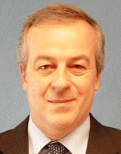 Franco Locatelli合作论文数Department of Pediatric Hematology-Oncology, Ospedale Pediatrico Bambino Gesu, University of Pavia7Kanchan Rao合作论文数7
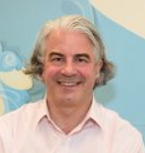 Paul Veys合作论文数Bone Marrow Transplant Unit, Great Ormond Street Hospital for Children NHS Foundation Trust7
 Kirsty Thomson合作论文数University College London Hospital NHS Foundaton Trust7
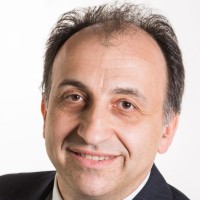 Panagiotis Kottaridis合作论文数Hca Healthcare Uk at Uch;University College London Hospitals NHS Foundation Trust7Silvia Montoto合作论文数6Annoek E.C. Broers合作论文数6Anne Huynh合作论文数6
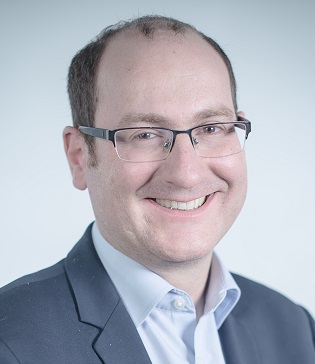 Regis Peffault De Latour合作论文数Department of Hematology and Bone Marrow Transplant, Saint-Louis Hospital6Victoria Grandage合作论文数6
 Kevin H M Kuo合作论文数Institute of Health Policy, Management and Evaluation, University of Toronto;Division of Hematology, University of Toronto;Cancer Clinical Research Unit, Princess Margaret Cancer Centre, University Health Network6
 Robert I Liem合作论文数Hematology, Oncology and Stem Cell Transplantation, Department of Pediatrics, Feinberg School of Medicine, Northwestern University6




