Objective: Neurocognitive deficits are common and serious consequences of obstructive sleep apnea (OSA). Currently, the gold standard treatment is continuous positive air pressure (CPAP) therapy, although the clinical responses to this intervention can be variable. This study examined the effect of one night of CPAP therapy on sleep-dependent memory consolidation, attention, and vigilance aswell as subjective experience.Methods: Fifteen healthy controls and 29 patients with obstructive sleep apnea of whom 14 underwent a full-night CPAP titration completed the psychomotor vigilance test (PVT) and motor sequence learning task (MST) in the evening and the morning after undergoing overnight polysomnography. All participants also completed subjective evaluations of sleep quality.Results: Participants with OSA showed significantly less overnight improvement on the MST compared to controls without OSA, independent of whether or not they had received CPAP treatment, while there was no significant difference between the untreated OSA and CPAP-treated patients. Within the OSA group, only those receiving CPAP exhibited faster reaction times on the PVT in the morning. Compared to untreated OSA patients, they also felt subjectively more rested and reported that they slept better.Conclusion: Our results demonstrate an instant augmentation of subjective experience and, based on PVT results, attention and vigilance after one night of CPAP, but a lack of an effect on offline sleepdependent motor memory consolidation. This dissociation may be explained by different brain structures underlying these processes, some of which might require longer continued adherence to CPAP to generate an effect. (C) 2015 Elsevier B. V. All rights reserved.
Background: Increasing age is associated with a decline in cognition and motor skills, while at the same time exacerbating one's risk of developing obstructive sleep apnea (OSA). OSA-related cognitive deficits are highly prevalent and can affect various memory systems including overnight memory consolidation on a motor sequence task. Thus, the aim of our study was to examine the effect of aging on sleep-dependent motor memory consolidation in patients with and without OSA.Methods: We studied 44 patients (19-68 years) who had been referred by a physician for a baseline polysomnography (PSG) evaluation. Based on their PSG, patients were assigned either to the OSA group (AHI>5/h), or control (Non-OSA) group (AHI<5/h). All subjects performed the Psychomotor Vigilance Task (PVT) and the Motor Sequence Learning Task (MST) in the evening and again in the morning after their PSG.Results: Despite similar learning in the evening, OSA subjects showed significantly less overnight improvement on the MST, both for immediate (OSA -2.7%+/- 2.8% vs. controls 12.2%+/- 3.5%; p = 0.002) and plateau improvement (OSA 4.9%+/- 2.3% vs. controls 21.1%+/- 4.0%; p = 0.001). Within the OSA group, there was a significant negative correlation between overnight MST improvement and age (r(2) = 0.3; p = 0.01), an effect that was not observed in the Non-OSA group (r(2) = 0.08; p = 0.23)Conclusions: Consistent with previous research, healthy sleepers demonstrated a higher degree of sleep-dependent overnight improvement on the MST, an effect not mitigated by increasing age. However, the presence of untreated obstructive sleep apnea is associated with an aging-related cognitive deficit, otherwise not present in individuals without OSA. As other research has linked the presence of OSA to a higher likelihood of developing dementia, future studies are necessary to examine if the inhibition of memory consolidation is tied to the onset of neurodegenerative disease.
A growing literature supports a role for sleep after training in long-term memory consolidation and enhancement. Consequently, interrupted sleep should result in cognitive deficits. Recent evidence from an animal study indeed showed that optimal memory consolidation during sleep requires a certain amount of uninterrupted sleep. Sleep continuity is disrupted in various medical disorders. We compared performance on a motor sequence learning task (MST) in relatively young subjects with obstructive sleep apnea (n = 16; apnea-hypopnea index 17.1±2.6/h [SEM]) to a carefully matched control group (n = 15, apnea-hypopnea index 3.7±0.4/h, p<0.001. Apart from AHI, oxygen nadir and arousal index, there were no significant differences between groups in total sleep time, sleep efficiency and sleep architecture as well as subjective measures of sleepiness based on standard questionnaires. In addition performance on the psychomotor vigilance task (reaction time and lapses), which is highly sensitive to sleep deprivation showed no differences as well as initial learning performance during the training phase. However there was a significant difference in the primary outcome of immediate overnight improvement on the MST between the two groups (controls = 14.7±4%, patients = 1.1±3.6%; P = 0.023) as well as plateau performance (controls = 24.0±5.3%, patients = 10.1±2.0%; P = 0.017) and this difference was predicted by the arousal index (p = 0.02) rather than oxygen saturation (nadir and time below 90% saturation. Taken together, this outcome provides evidence that there is a clear minimum requirement of sleep continuity in humans to ensure optimal sleep dependent memory processes. It also provides important new information about the cognitive impact of obstructive sleep apnea and challenges its current definitions.
RATIONALEControversy persists regarding the presence and importance of hypoglossal nerve dysfunction in obstructive sleep apnea (OSA).OBJECTIVESWe assessed quantitative parameters related to motor unit potential (MUP) morphology derived from electromyographic (EMG) signals in patients with OSA versus control subjects and hypothesized that signs of neurogenic remodeling would be present in the patients with OSA.METHODSParticipants underwent diagnostic sleep studies to obtain apnea-hypopnea indices. Muscle activity was detected with 50-mm concentric needle electrodes. The concentric needle was positioned at more than 10 independent sites per subject, after the local anatomy of the upper airway musculature was examined by ultrasonography. All activity was quantified with subjects awake, during supine eupneic breathing while wearing a nasal mask connected to a pneumotachograph. Genioglossus EMG signals were analyzed offline by automated software (DQEMG), which extracted motor unit potential trains (MUPTs) contributed by individual motor units from the composite EMG signals. Quantitative measurements of MUP templates, including duration, peak-to-peak amplitude, area, area-to-amplitude ratio, and size index, were compared between the untreated patients with OSA and healthy control subjects.MEASUREMENTS AND MAIN RESULTSA total of 1,655 MUPTs from patients with OSA (n = 17; AHI, 55 ± 6/h) and control subjects (n = 14; AHI, 4 ± 1/h) were extracted from the genioglossus muscle EMG signals. MUP peak-to-peak amplitudes in the patients with OSA were not different compared with the control subjects (397.5 ± 9.0 vs. 382.5 ± 10.0 μV). However, the MUPs of the patients with OSA were longer in duration (11.5 ± 0.1 vs. 10.3 ± 0.1 ms; P < 0.001) and had a larger size index (4.09 ± 0.02 vs. 3.92 ± 0.02; P < 0.001) compared with control subjects.CONCLUSIONSThese results confirm and quantify the extent and existence of structural neural remodeling in OSA.
 Atul Malhotra合作论文数University of California San Diego6
 Julian P Saboisky合作论文数Div Sleep Med, Brigham & Womens Hosp3
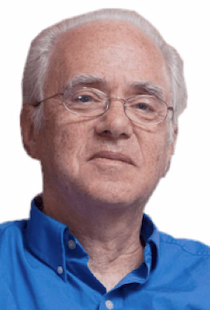 Robert Stickgold合作论文数Division of Sleep Medicine, Harvard Medical School;Center for Sleep and Cognition, Beth Israel Deaconess Medical Center;Department of Psychiatry, Beth Israel Deaconess Medical Center3
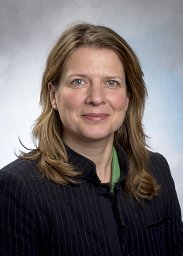 Ina Djonlagic合作论文数Harvard Medical School, Boston, MA 02215, United States3
 K. Stevenson合作论文数2Mengshuang Guo合作论文数2S. Yim-Yeh合作论文数2S. Rahangdale合作论文数2E. Smales合作论文数2Matteis Paul合作论文数2DeYoung Pamela N合作论文数2
 Daniel W. Stashuk合作论文数Department of Systems Design Engineering, University of Waterloo2John Trinder合作论文数2
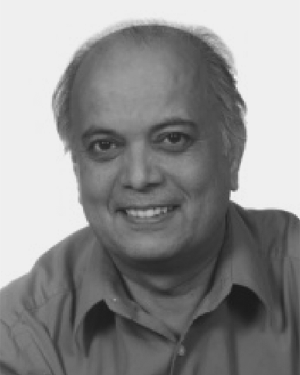 Sanjeev Nandedkar合作论文数2Jay S. Balachandran合作论文数2Andrew Hamilton-Wright合作论文数School of Rehabilitation Therapy, Queen's University2F. Tecilazich合作论文数1W. S. David合作论文数1William S David合作论文数1BC Costa合作论文数1Benjamin Anacleto合作论文数1D. G. McSharry合作论文数1
 Lisa Campana合作论文数1
 Amy Jordan合作论文数Melbourne School of Psychological Sciences, Faculty of Medicine, Dentistry and Health Sciences, The University of Melbourne1
 David P. White合作论文数Division of Sleep Medicine, Harvard Medical School;Philips Home Healthcare Solutions1Campana Lisa M合作论文数1
 David McSharry合作论文数1
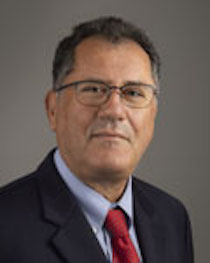 Aristidis Veves合作论文数Department of Surgery, Beth Israel Deaconess Medical Center;Division of Sleep Medicine, Harvard Medical School, Harvard University1Mary B. Almeida合作论文数1Carmen Chow合作论文数1C. Collar合作论文数1Caitlin M. Castello合作论文数1
 Ary Louis Goldberger合作论文数Division of Sleep Medicine, Harvard Medical School1Joseph Mietus合作论文数1
 Danny Eckert合作论文数School of Biomedical Sciences, University of New South Wales1
 Clare Rose合作论文数1Luis C. Castillo合作论文数1Lisa A. Cronin合作论文数1




