Abstract Introduction Opioids are associated with respiratory suppression and may worsen obstructive sleep apnea (OSA). We characterized the polysomnographic and endotypic changes among people with OSA exposed to morphine. We hypothesized that morphine would modulate ventilatory control and that greater baseline ventilatory instability would be associated with favorable polysomnographic responses. Methods We performed secondary data analysis of 60 males with OSA (aged 44.4±11.7 years, BMI 29.3±3.9 kg/m2) from a double-blind, placebo-controlled, randomized, crossover trial of 40mg oral morphine versus placebo. Endotypic traits (loop gain, arousal threshold, ventilatory response to arousal (VRA), pharyngeal muscle compensation, and collapsibility) were estimated from polysomnography using established computational methods. Paired t-tests were used to compare morphine versus placebo on OSA endoyptes. Correlations between baseline endotypes or endotype changes and treatment response were examined using Pearson correlation and linear regression with interaction terms, stratified by OSA severity (severe: apnea-hypopnea index [AHI≥30 events/h, n=11; non-severe: AHI< 30 events/h, n=49). Primary outcomes were changes in AHI, oxygen desaturation index (ODI), and oxygen saturation nadir (SpO₂ nadir). Results Morphine significantly reduced the VRA (35±21 vs. 27±19% above eupnea; mean difference -9% [95% CI -15 to -2];p=0.012), while other endotypes were not systematically different. Greater VRA reduction correlated with improvement in SpO₂ nadir (r=-0.367, p=0.004). Baseline OSA endotypes did not correlate with AHI changes. However, stratified and interaction analyses revealed that baseline loop gain was associated with ODI changes in a severity-dependent manner (interaction p< 0.001). In severe OSA, higher baseline loop gain was associated with greater ODI reduction (r=-0.62, p=0.041), but not in those with mild-moderate OSA (r=-0.11, p=0.443). Conclusion A single 40mg dose of morphine attenuates the ventilatory response to arousal in men with OSA. The correlation between VRA reduction and oxygenation improvement suggests that excessive post-arousal hyperventilation perpetuates ventilatory instability through CO₂ washout and respiratory depression. Morphine may stabilize ventilatory control and reduce desaturation events by dampening arousal-induced overshoot. High baseline loop gain is associated with a reduction in ODI with morphine in those with severe OSA, indicating ventilatory control instability is a therapeutic target in this subgroup. These severity-dependent relationships indicate morphine's effects depend on underlying OSA pathophysiology. Support (if any)
Abstract Introduction First-line treatment for obstructive sleep apnea (OSA) is positive airway pressure (PAP). However, adherence is variable and uptake of alternate and emerging non-PAP therapies is unclear. The proportion of people diagnosed with OSA who do not commence or discontinue treatment and the influence of OSA severity on treatment patterns in the real-world setting has been minimally investigated. We aimed to characterize real-world treatment patterns in people with newly diagnosed OSA. Methods This retrospective study analyzed adults with newly diagnosed OSA (ICD-10-CM codes) in Optum Market Clarity, a de-identified database linking electronic health records with medical and pharmacy claims (2016-2024). Eligibility: apnea-hypopnea index (AHI) within 180 days of OSA index date and health plan enrollment ≥12 months before and after diagnosis. Treatment patterns were analyzed during the 12-month follow-up, stratified by OSA severity per AHI (events/h): mild (5-< 15), moderate (15-< 30), severe (>30). Results 11,627 people with newly diagnosed OSA were included: mild (36%), moderate (27%) and severe (37%). Mean±SD age 57±14 years, 57% male, 63% commercial, 27% Medicare and 10% other/no insurance, with similar comorbidities across OSA severity categories. PAP was the most common initial prescribed therapy: 59% mild, 65% moderate and 72% severe (p < 0.001). Rates of initial therapy with hypoglossal nerve stimulation (0.1%) and oral/dental appliances were low (1.1%). Many received no OSA-specific treatment: 40% mild, 33% moderate and 27% severe (p< 0.001). Among PAP users, mean time from incident OSA diagnosis to first PAP device claim was 90±76 days, with 49% discontinuing therapy during the first year regardless of severity. Concomitant sleep-promoting agents were more frequently used in mild OSA (15%) compared to moderate (13%) and severe patients (12%, p< 0.001); wakefulness-promoting agents were used by only 3%, with higher proportion in mild OSA (p=0.013). Conclusion In this large US cohort, PAP was the predominant initial therapy, with increasing use by OSA disease severity. However, high rates of non-treatment and PAP discontinuations across the OSA disease severity categories indicate that many people with OSA remain untreated. These novel findings underscore the need for targeted interventions to improve timely access, adherence, and long-term management of OSA. Support (if any) Apnimed, Inc.
STUDY DESIGN:Sub-analysis of a randomised controlled trial. OBJECTIVES:Respiratory muscle training (RMT) in people with tetraplegia yields marked improvements in inspiratory muscle strength. The present study investigated whether RMT also modifies sleep disordered breathing (SDB) and daytime sleepiness. SETTING:Independent research institute in Sydney, Australia. METHODS:Sixty-two adults with tetraplegia underwent six weeks of supervised RMT. The active-RMT group trained the respiratory muscles through progressive threshold loading to a mean intensity of 50% maximal inspiratory pressure whereas the sham-RMT group experienced the same training protocol, but their device had no progressive threshold load. Primary measures of SDB were obtained using level II ambulatory polysomnograms and daytime sleepiness was assessed using the Epworth Sleepiness Scale (ESS) at baseline and after 6-weeks RMT. RESULTS:Forty-eight participants completed two home-based polysomnograms. Maximal inspiratory pressure (primary outcome) increased more after active intervention than sham, between-group difference 11.8cmH2O (95%CI, 5.2-18.4, p = 0.001). There were no between group differences for any SDB parameter; mean apnoea-hypopnea index (± SD) (active 46 ± 21 vs. 45 ± 22 events/h; sham 44 ± 25 vs. 40 ± 25 events/h; p = 0.553) nor ESS (active 9.5 ± 5.7 vs. 9.2 ± 6.7; sham 10.8 ± 6.2 vs. 10.1 ± 5.8; p = 0.952). CONCLUSIONS:Despite significant increases in inspiratory muscle strength, 6 weeks of supervised respiratory muscle training at a mean intensity of 50% maximal inspiratory pressure does not reduce SDB or daytime sleepiness in people with tetraplegia and severe SDB.
Abstract Introduction Hypoglossal nerve stimulation via surgical implantation of a pulse generator and cuff electrode is an effective therapy for many people with obstructive sleep apnea (OSA). However, therapeutic responses vary and are difficult to predict. Recent studies indicate that ansa cervicalis nerve stimulation can also restore airflow via airway stiffening and caudal traction mechanisms. We used a minimally invasive, ultrasound-guided approach to implant a temporary electrode array to stimulate hypoglossal and ansa cervicalis nerves alone and in combination. Methods People with OSA (AHI>15 events/h) had a drug-induced sleep endoscopy (DISE). Ansa cervicalis and hypoglossal nerves were identified via ultrasound to guide percutaneous implantation of temporary multi-electrode arrays. A modified continuous positive airway pressure (CPAP) device attached to a nasal mask and pneumotachograph was used to deliver transient reductions in airflow. Different combinations of electrical stimulation (either nerve alone or both) were then applied and airflow responses were quantified. A sub-sample of participants with improved airflow with stimulation during DISE were then studied overnight during an in-laboratory sleep study. Results Twenty-four participants (8 female; BMI=29±3kg/m2; aged 55±14years; AHI=36±17events/h) across three centres were studied. Peak inspiratory flow (PIF) during transient CPAP reductions was 0.13±0.11L/s. Acute hypoglossal nerve stimulation increased airflow to 0.39±0.26L/s (p< 0.001), similar to PIF achieved at the therapeutic CPAP level, 0.40±0.18L/s (p=0.66). Similarly, ansa cervicalis nerve stimulation increased PIF to 0.36±0.15L/s (p< 0.001). In 5 participants, PIF with ansa stimulation alone was 0.28±0.22L/s which increased to 0.59±0.44L/s with combination stimulation. Similarly, in 2 participants, PIF with hypoglossal stimulation alone was 0.09±0.04L/s which increased to 0.47±0.10L/s with combination stimulation. Of the nine participants who underwent the overnight sleep study, electrode position and stimulation effectiveness was clearly preserved in three participants who demonstrated airflow increases of 150-220% with single or combination nerve stimulation versus pre-stimulation levels without cortical arousal. Conclusion A novel, acute percutaneous stimulation approach targeting hypoglossal and ansa cervicalis nerves improved airflow during airway narrowing/closure under sedation and in some people during natural sleep with preserved stimulation effectiveness after transfer from DISE theatre to the sleep laboratory. Support (if any) Invicta Medical (now Restera)
STUDY OBJECTIVES:High ambient temperatures are associated with negative health outcomes, including heat stress, injuries and accidents, and poor mental health. Sleep loss may contribute to these adverse impacts. However, robust supporting evidence is lacking. METHODS:Data from a global sample of sleep tracker users (N = 317 758; Withings Sleep Analyzer [WSA]: n = 116 879; Withings ScanWatch: n = 200 879) between January 2020 and September 2023 (~165 million nights) were analyzed. Ambient temperatures (24 hour average) were extracted from a climate model for each nightly observation based on the users' location. We used the case-time-series design with participant-year-week intercept and spline functions to derive exposure-response curves between temperature and short sleep (<6 hours/night) prevalence, adjusting for other time-varying factors and meteorological variables. RESULTS:High temperatures (99th vs 50th percentile of the observed global distribution; 27.3°C vs 12.2°C) were associated with (mean [95%CI]) -15.2 [-15.6, -14.9] and -16.9 [-17.4, -16.4] minute sleep loss in the users of the smartwatch and under-mattress sensors, respectively. Similarly, high temperatures were associated with an approximately 40% relative increase in the probability of short sleep on the same night (WSA: Risk Ratio: RR [95%CI]; 1.40 [1.38, 1.41]; ScanWatch: 1.43 [1.41, 1.44]). Estimates ranged between 10% and 75% depending on the country. Sleep loss to high temperatures was higher in participants residing in Europe and countries with lower national gross domestic product per capita. CONCLUSIONS:High temperatures negatively impact sleep duration and increase the probability of short sleep globally. Our findings suggest that rising temperatures may increase the health impacts of short sleep. Statement of Significance High ambient temperatures are linked to negative health outcomes, with sleep loss potentially contributing to these effects. This study analyzed data from 317 758 global sleep tracker users to examine the relationship between temperature and short sleep. Results showed an approximately 40% relative increase in the probability of short sleep at high temperatures (99th vs 50th percentile; 27.3°C vs 12.2°C) globally. Sleep loss to high temperatures was higher in participants residing in countries with lower national gross domestic product per capita and older adults. These results suggest that sleep inadequacy from rising temperature due to climate change may further amplify global inequalities. Our findings also highlight the urgent need for targeted strategies to mitigate temperature-induced sleep loss.
This study explores the dynamics of sleep, somatic/psychological experience, and exercise performance before, during, and after the Tour de France (TDF). Objective and subjective sleep, self‐reported perceived experience, and objective exercise performance data were collected daily from eight elite male cyclists across a 6‐week period including the 3‐week TDF and 11‐day pre‐ and post‐race periods. Associations between, and temporal changes in, primary interest metrics were explored through Pearson correlation and linear mixed models. Participants were (mean ± SD) aged 30 ± 4 years with overall objective sleep duration of 8 h 11mins (±58 min) per night. Sleep quality (0–100) was lower during the race than pre‐race (β [95% CI]; −8.0[−11.7, −4.3]). During the pre‐race period, sleep onset (4 [2, 5] mins) and offset times delayed (5 [3, 7] mins) and self‐reported stress increased (1.87 [1.14, 2.61]) daily. Increases in muscular soreness (0.6 [0.3, 0.8]) and fatigue (0.4 [0.2, 0.6]) during the race preceded daily declines during the post‐race period (−3.1 [−4.0, −2.1]; −2.7 [−3.5, −1.8]). Relative performance output (Performance Index; 0–1000) negatively predicted sleep duration ( r [95% CI]; −0.32 [−0.46, −0.17]) and sleep quality (−0.34 [−0.47, −0.19]) during the race. Temporal changes in, and associations between, sleep timing, perceived experience, and exercise function highlight the potential for sleep‐improvement strategies that enhance performance in naturalistic endurance sporting contexts.
RATIONALE: There is considerable night-to-night variability in obstructive sleep apnea (OSA) severity in some patients, yet the driving factors remain unclear. Multi-night measurement of OSA severity could help reduce currently high misdiagnosis rates. However, feasibility and effectiveness of multi-night measurement of OSA have not been assessed prospectively in a clinical population, nor are the key clinical and physiological factors that drive OSA misdiagnoses understood. METHODS: 100 participants referred for a clinical in-laboratory overnight sleep study for suspected OSA were prospectively recruited. Participants received a Withings Sleep Analyser (WSA) to monitor the nightly in-home apnea-hypopnea-index (AHI) for 3-months. We compared diagnostic status based on WSA-estimated vs. polysomnography AHI to classify moderate-to-severe OSA (≥15 events/h). Finally, we explored association between nightly AHI variability (root-mean-squared successive difference of AHI over a 60-day period as a % of the PSG AHI) with position- and REM-dependence of OSA and OSA endotypes, as potential explanatory variables for nightly AHI variability. RESULTS: 88 participants (52±15yo; BMI=31±7; 46 males/42 females) were included in final analyses. 79 participants (90%) had ≥14 nights of data. 34 cases of OSA and 35 without OSA were detected by both the WSA and polysomnography (78% accuracy). Participants classified as having OSA on WSA but not PSG (N=11) had high nightly AHI variability of 220% (±330%) which was higher than participants with OSA on PSG but not WSA (N=8; 20%±10%, p-value=0.002) and higher than participants correctly classified by both devices (30%±20%, p-value<0.001). Participants with OSA on WSA but not PSG had a supine/non-supine AHI ratio of 5.8 [3.7, 12.2] (median [IQR]); which was ∼2.5 times higher than participants with OSA on PSG but not WSA (2.3 [1.2, 8.0], p-value=0.047) and ∼3.5 times higher than participants correctly classified by both devices (1.4 [0.7, 2.6], p-value<0.001). REM/NREM AHI ratio was also two times higher in people with OSA on WSA but not PSG compared to people correctly classified by both devices (p-value=0.02). Higher night-to-night variability in WSA AHI was associated with PSG-derived OSA endotypes, including reduced upper airway collapsibility, and higher arousal threshold (p-values<0.05). CONCLUSIONS: At least 20% of clinical patients referred for suspected OSA may be misdiagnosed via conventional single-night polysomnography. We also identified potential factors that may explain night-to-night AHI variability: position-dependent, REM-predominant OSA, lower collapsibility, and higher arousal threshold. Multi-night monitoring of OSA may provide novel insight that will improve diagnostic accuracy.
RATIONALE. High ambient temperatures are associated with negative health outcomes, including marked reductions in sleep duration and sleep quality. However, effects on obstructive sleep apnea (OSA) severity and related community burden remain unknown. METHODS. Nightly OSA severity was estimated in 125,295 users (62 million nights) with an FDA-cleared under-mattress sensor from January 2020 to September 2023. Exposure-response curves between 24h ambient temperature and OSA prevalence (apnea-hypopnea-index ≥ 15 events/hours) were estimated from generalized mixed effect models. Disability-adjusted-life-years, productivity losses, and health economics modelling were used to estimate OSA burden outcomes for several climate projections compared to a 1950-1990 baseline. RESULTS. After exclusions of participants with insufficient data, a total of 116,200 users from 41 countries were included in the final analysis, who were middle aged (49±14 years) and predominantly male (77% vs. 23% female), with a median of 509 recorded nights per individual. OSA prevalence was 15-32%, depending on the country. Globally, higher temperatures (99th vs. 25th; 27.3 vs, 6.4°C) were associated with a 70% increase in the odds of having OSA (Mean odds [95%CI]; 1.70 [1.67, 1.72]). The effect size of the association varied by country and was generally stronger in European countries (2- to 3-fold increase) vs. the USA (10 to 40% increase) or Australia (40 to 95% increase). The association between temperature and OSA prevalence was significant in 29 countries. In those 29 countries, the warming-related increase in OSA prevalence in 2023 was estimated to be associated with a loss of 786,383 (488,197-1,084,568) healthy life years in 2023 due to disability or death, as well as workplace productivity loss of 32 (22-42) billion USD. Scenarios with projected temperatures ≥2°C above pre-industrial levels would incur a further 1.5- to 3-fold increase in OSA burden by 2100. CONCLUSIONS. Temperature-related increase in OSA prevalence is projected to double the overall health and economic disease burden by 2100 under any climate warming scenario above 2°C. Global warming is already estimated to have increased OSA-related health and economic burden by 50 to 100% since 2000. These findings highlight the critical urgency of limiting global warming to 1.5°C above pre-industrial levels, in alignment with the Paris Agreement.
CONTEXT:A suboptimal diet is a leading factor in the current burden of chronic diseases. In Australia, dietary factors contribute to one-fifth of the chronic disease burden. Understanding the dietary patterns of Australian adults and summarizing their effects on chronic conditions are imperative for improving interventions targeting dietary behaviors. OBJECTIVE:This systematic review aims to summarize the dietary patterns of Australian adults derived using a posteriori and hybrid analysis methods and their associations with adverse health outcomes. DATA SOURCES:Six databases were first searched in December 2020 and updated in August 2023. DATA EXTRACTION:Cardiometabolic health, cardiovascular mortality, cancer, pregnancy-related metabolic conditions (gestational diabetes mellitus [GDM] or hypertensive disorders during pregnancy [HDP]), mental health, and cognitive function were the main health outcomes. DATA ANALYSIS:Dietary patterns from each study were classified as either healthy or unhealthy. A narrative synthesis was used to describe the association of dietary patterns with adverse health outcomes in longitudinal studies. Fifty-nine observational studies (31 cross-sectional, 3 case-control, 22 longitudinal, and 3 combining both cross-sectional and longitudinal designs) were included, involving a total of 362 263 participants aged 18 years and older. CONCLUSION:Higher adherence to a healthy dietary pattern (characterized by higher consumption of dark-yellow, green leafy, cruciferous vegetables and fruits, nuts, whole grains, tomatoes, fish, and low-fat dairy) is associated with improved cardiometabolic risk factors, reduced risk of GDM and HDP, better mental health, and improved pregnancy outcomes. On the other hand, an unhealthy dietary pattern (characterized by a higher intake of processed and red meat, takeaway foods, white bread, high-fat dairy, potatoes, discretionary fat, sweet snacks, soft drinks, fat spreads, jam, and Vegemite) is linked to increased cardiometabolic risks. Overall, while healthy dietary patterns are associated with a reduced risk of several physical and mental health outcomes, unhealthy dietary patterns are linked to an increased risk in Australian adults. SYSTEMATIC REVIEW REGISTRATION:PROSPERO registration no. CRD42023452960.
Obstructive Sleep Apnea (OSA) is a highly prevalent, yet significantly under-recognized disorder in First Nations Australians. Responding to strong community demand for local capacity building for sleep health equity, this paper outlines the Let's Yarn About Sleep-OSA (LYAS-OSA) program protocol. The LYAS-OSA program will involve the co-design, implementation, and evaluation of a place-based, culturally responsive, nurse-led, and Aboriginal Health Worker-supported model for OSA diagnosis and management for First Nations peoples. This program will partner with health services and organizations across 12 communities in Queensland, Australia. The program will be conducted from 2023 to 2027. During the set up and development stage, an advanced data analytics study of secondary data will examine OSA phenotypes and symptomatology in First Nations Queensland communities. In addition, consumers and healthcare professionals will be engaged in co-design workshops to inform the development of a service delivery model framework. In stage two, local capacity building activities for Aboriginal Health Workers and nurses will be undertaken, with training on OSA diagnosis and management. This work will culminate in delivering and evaluating the co-designed service model. This community-led approach to co-designing, implementing, and evaluating the LYAS-OSA service delivery model will advance knowledge to deliver culturally responsive, context-responsive, OSA diagnosis, and management care for First Nations communities. The LYAS-OSA program outputs will significantly contribute to the evidence base and service delivery provision for OSA care, thereby improving sleep health equity for First Nations Australians.Statement of Significance Obstructive Sleep Apnea (OSA) in First Nations communities is highly prevalent, yet limited community awareness, lack of culturally responsive services, and unavailability of local diagnosis and management hinder timely and effective care. Addressing these gaps is crucial for improving sleep health equity for First Nations Australians. The program offers a community-led, co-designed, place-based model of care that integrates data analytics, co-design, and healthcare providers' capacity building to address service delivery gaps. This approach aims to bridge service delivery gaps in Obstructive Sleep Apnea care for First Nations peoples across Australia. The outputs and outcomes from this program will significantly contribute to the evidence base for improving the quality and accessibility of Obstructive Sleep Apnea care for First Nations Australians.
BACKGROUND:Hypoglossal nerve stimulation (HNS) to treat OSA currently requires placement of a cuff or "saddle" electrode around or adjacent to the hypoglossal nerve or nerves. Limitations for this therapy include cost, invasiveness, and variable efficacy. RESEARCH QUESTION:Can HNS applied via percutaneous implantation of a linear, multipair electrode array restore airflow to airway narrowing, obstruction, or both and improve airway collapsibility in people with OSA? STUDY DESIGN AND METHODS:Participants with OSA undergoing drug-induced sleep endoscopy with propofol were instrumented with an epiglottic pressure catheter, nasal mask, and pneumotachograph. Ultrasound was used to identify the hypoglossal nerve and to guide percutaneous electrode array placement. Transient CPAP reductions induced airflow limitation or obstruction for ≥ 9 breaths/efforts with HNS applied during breaths 4 through 6. A range of HNS amplitudes (0.5-5 mA) and electrode array combinations were tested to determine optimal airflow responses. Time-permitting, active critical closing pressure (Pcrit) also was quantified with and without HNS. RESULTS:Fourteen people with moderate to severe OSA (mean [SD] apnea-hypopnea index, 30 [16] events/h) were studied. HNS increased airflow in 13 participants. Mean (SD) peak inspiratory flow on therapeutic CPAP was 0.43 (0.09) L/s. During transient CPAP reductions, mean (SD) peak inspiratory flow reduced to 0.10 (0.07) L/s for breaths 1 through 3, increased to therapeutic CPAP levels with HNS for breaths 4 through 6 (0.41 (0.18) L/s), and returned to 0.14 (0.14) L/s for breaths 7 through 9 after HNS (P < .001). Mean (SD) active Pcrit with HNS vs without HNS was -7.2 (1.6) cm H2O vs 0.1 (2.4) cm H2O, respectively (P < .01). INTERPRETATION:Our results show that acute HNS via a minimally invasive, percutaneous, ultrasound-guided approach increases airflow to levels equivalent to therapeutic CPAP and improves airway collapsibility in people with OSA.
BACKGROUND AND OBJECTIVES:Patient compliance with continuous positive airway pressure (CPAP) is similar using manual-titrated pressure compared to auto-titration, although auto-titration pressures are usually 2-5 cmH2O higher than manual pressure, indicating that CPAP moderately higher than the optimal pressure will not necessarily impair compliance. We try to find the tolerable highest CPAP which does not increase respiratory effort based on changes in lung volume, diaphragm electromyography (EMG) and breathing sensations in healthy volunteers and OSA patients to simplify pressure titration. METHODS:Part 1, 12 healthy subjects and 16 OSA patients were enrolled in the measurement of expiratory reserve volume, diaphragm EMG, and expiratory muscle EMG at different CPAP levels. Breathing difficulty during different CPAP levels was assessed using a customised questionnaire in 35 healthy subjects and 33 OSA patients. Part 2, a two-night randomised crossover double-blind trial using the tolerable highest CPAP (10 cmH2O) based on the results derived from Part 1 and the manually titrated pressure was performed in 25 OSA patients. RESULTS:End expiratory lung volume increased significantly with increasing CPAP. In general, diaphragm EMG changed little when CPAP ≤ 10 cmH2O. Expiratory muscle activity appeared when CPAP > 12 cmH2O. There was no significant difference in subjective sensation of breathing difficulty with CPAP ≤ 10 cmH2O. Sleep structure, AHI, and patient preference with 10 cmH2O CPAP were not different from those under titrated pressure. CONCLUSIONS:This study suggests that most patients with moderate to severe OSA can be effectively treated with CPAP at an initial pressure of 10 cmH2O without pressure titration. TRIAL REGISTRATION:ClinicalTrials.gov identifier: NCT04925466.
Summary Nocturnal arrhythmia avalanche (NAA) episodes, characterised by transient non‐sustained cardiac arrhythmias during sleep, have been demonstrated as a predictor of adverse cardiovascular events. However, their dynamics and association with sleep architecture and events remain unclear. While generalised linear models (GLM) have captured sleep‐disordered breathing (SDB) dynamics, their application to NAA remains underexplored. This study explored whether changes in sleep architecture contribute to nocturnal arrhythmias and if the impact of sleep stages, SDB, and arousal events on these arrhythmias varies by demographic factors. We analysed 7341 ECG recordings from the multi‐ethnic study of atherosclerosis (MESA) and the sleep heart health study (SHHS) datasets. R‐R intervals were divided into 10‐min periods to detect NAA, defined as a 30% drop from baseline followed by recovery to 90% of baseline. A GLM framework was developed to characterise NAA episodes as functions of SDB, sleep arousal events, sleep stages, and prior NAA episodes. The GLM analysis revealed that NAA occurrence was 18% and 30% higher during non‐rapid eye movement (NREM) light sleep compared with deep sleep in SHHS ( p < 0.001) and MESA ( p < 0.001), respectively. SDB events increased the NAA risk in 34% of participants, and arousals in 29%. In SHHS, the impact of SDB on NAA was 5% greater in men ( p = 0.018), while the arousal effects were more pronounced in those over 75, highlighting the role of demographic factors in modulating arrhythmia risk. These findings demonstrate the utility of the GLM framework in modelling the dynamics of nocturnal arrhythmias and their associations with sleep disruptions and architecture.
High ambient temperatures are associated with reduced sleep duration and quality, but effects on obstructive sleep apnea (OSA) severity are unknown. Here we quantify the effect of 24 h ambient temperature on nightly OSA severity in 116,620 users of a Food and Drug Administration-cleared nearable over 3.5 years. Wellbeing and productivity OSA burden for different levels of global warming were estimated. Globally, higher temperatures (99 th vs. 25 th ; 27.3 vs. 6.4 °C) were associated with a 45% higher probability of having OSA on a given night (mean [95% confidence interval]; 1.45 [1.44, 1.47]). Warming-related increase in OSA prevalence in 2023 was estimated to be associated with a loss of 788,198 (489,226, 1,087,170) healthy life years (in 29 countries), and a workplace productivity loss of 30 (21 to 40) billion United States dollars. Scenarios with projected temperatures ≥1.8 °C above pre-industrial levels would incur a further 1.2 to 3-fold increase in OSA burden by 2100.
Rationale: Neurostimulation is an alternate therapy to existing device-based therapies for select patients with obstructive sleep apnea (OSA). Currently, hypoglossal nerve stimulation (HNS) is the only FDA approved neurostimulation target for OSA. However, animal and recent human data indicate that targeted ansa cervicalis nerve stimulation also improves airflow via increased airway traction, a novel mechanism to treat OSA. We compared changes to inspiratory airflow during targeted neurostimulation of ansa cervicalis with HNS using a novel, percutaneous, ultrasound guided technique during drug-induced sleep endoscopy (DISE). Methods: Participants with OSA were fitted with a nasal mask connected to a pneumotachograph and a modified continuous positive airway pressure (CPAP) device. Following propofol sedation, ultrasound was used to identify the ansa cervicalis and the hypoglossal nerve for percutaneous placement of two temporary multi-electrode sensors. Sustained or transient periods of airflow limitation or obstruction were achieved by reducing CPAP to subtherapeutic levels. Ansa cervicalis and HNS were independently applied at varying stimulus amplitudes and electrode configurations until optimised, defined as the largest increase in inspiratory flow compared to preceding airflow-limited breath/apnea with no stimulation. Changes in peak inspiratory airflow (PIF) from therapeutic CPAP levels to transient CPAP reductions were compared without and with ansa cervicalis or HNS. Results: 16 (4 female) participants with severe OSA (AHI=41±15 events/h), predominantly non-obese (BMI=28±3Kg/m2), aged 52±15 years were studied (mean±SD) across 3 sites. Increases in PIF with targeted ansa cervicalis stimulation were achieved with 3.7±1.1mA stimulation. During CPAP reductions, PIF decreased to 0.17±0.12L/s. Ansa cervicalis stimulation increased PIF to 0.35±0.16L/s (p<0.05). Targeted hypoglossal nerve stimulation increased airflow with 2.9±1.0mA stimulation. During CPAP reductions, PIF decreased to 0.12±0.10L/s and HNS increased it to 0.33±0.15L/s (p<0.05). Ansa cervicalis and HNS similarly achieved PIF responses which were comparable to PIF during therapeutic CPAP (0.38±0.13L/s and 0.40±0.19L/s, respectively). Two participants (13%) did not show improvements in airflow with ansa cervicalis or HNS. Conclusions: Targeted ansa cervicalis and hypoglossal nerve stimulation independently restore airflow during upper airway obstruction using a novel, minimally-invasive, percutaneous insertion approach of electrode arrays during a DISE procedure. These findings indicate that ansa cervicalis stimulation alone may yield similar improvements in airway function to HNS.
The causes of common sleep disorders including obstructive sleep apnea (OSA), insomnia and their combination (COMISA) vary between patients. Yet, conventional diagnostic and treatment approaches do not fully capture or account for disease heterogeneity. Instead, treatment typically follows a one-size-fits-all, trial-and-error approach, often with suboptimal outcomes. This study aimed to use novel technology and methods to better define underlying individual pathophysiology of common sleep disorders and use this information to tailor therapy with existing and emerging treatments. 32 people with chronic sleep disorders enrolled in an 8-week intensive treatment program that was filmed for a television series titled “Australia’s Sleep Revolution with Dr Michael Mosley”. Participants completed polysomnography before and after treatment, plus multiple questionnaires including the Insomnia Severity Index (ISI), Epworth Sleepiness Scale (ESS) and Flinders Fatigue Scale (FFS). A range of monitoring technology was also used such as an under-mattress sensor and oximetry to track nightly sleep parameters including apnea/hypopnea index (AHI), core body temperature capsules to estimate daily circadian timing and actigraphy. OSA endotypes were estimated to guide therapy in people with OSA. Data were reviewed bi-weekly during multi-disciplinary team meetings with scientists and clinicians to identify the optimal individualized treatment approach and modify as required. Options for insomnia and circadian misalignment included cognitive behavioural therapy (CBTi), melatonin, and light therapy. Treatments for OSA included oral appliances, supine avoidance therapy, emerging pharmacotherapy and continuous positive airway pressure (CPAP) as a last resort. Primary outcomes were ISI for insomnia/COMISA and AHI for OSA/COMISA. 28 participants (50% female) aged 51 [35, 60] years (median [IQR]) completed the trial (n=10 OSA, n=9 insomnia, n=9 COMISA). OSA endotype-informed targeted therapy reduced AHI from 28 [15,57] to 13 [10,23] events/h, p=0.01 in people with OSA/COMISA, most without CPAP. ISI reduced from 20 [19,23] to 9 [4,13], p< 0.01 in people with insomnia/COMISA. Participants also felt better post-treatment (e.g., ESS reduced by >30% and FFS by >70% in people with OSA and insomnia, respectively). These findings highlight the potential to transform sleep disorders care to improve outcomes for patients using a novel multi-disciplinary, technology-enabled, physiology-informed, individualized approach. Artemis Media
Obstructive sleep apnea (OSA) is caused by impaired pharyngeal anatomy and one or more non-anatomical contributors including low respiratory arousal threshold, high loop gain and/or ineffective pharyngeal dilator muscle activation. These endotypic traits can be estimated using polysomnography (PSG) and have the potential to help guide targeted treatment decisions. OSA is typically first-line treated with continuous positive airway pressure (CPAP) although it is often poorly tolerated. Alternate treatments such as oral appliance therapy (OAT) have variable and currently unpredictable efficacy. Here, we investigated a new approach using OSA endotypes and hypoxic burden to predict OAT outcomes. People with OSA (apnea-hypopnea index (AHI): >10 events/h) were recruited (ACTRN12618001995268) and fitted with a novel oral appliance (O2Vent Optima™). Participants had a standard in-laboratory PSG to quantify baseline OSA severity prior to OAT. A detailed physiology PSG with a nasal mask and pneumotachograph to quantify OSA endotypes and hypoxic burden followed at least one week later. A treatment efficacy PSG was performed after approximately 4 weeks of OAT at optimal level of titration. Generalized Procrustes analysis was used to combine the results from principal component analyses applied to the multiple imputed data set. The resulting principal components scores were then used as regressors in a modified Poisson regression to model OSA resolution. Ninety-three participants (22 female, aged 55 [42, 65] years, AHI: 30 [17, 49] events/h, median [IQR]) completed baseline and treatment efficacy PSG visits. Responders to OAT (AHI < 10 events/h) had a less collapsible upper airway (Vpassive), better pharyngeal muscle compensation, lower loop gain and a lower arousal threshold at baseline versus non-responders (all p-value < 0.05). Principal component regression revealed the following combination of characteristics: a) high arousal threshold and low Vpassive, b) high loop gain and low Vpassive values and c) very high hypoxic burden reduces the probability of OSA resolution by 44% (p-value=0.002), 33% (p-value=0.005), and 57% (p-value=0.001) respectively. These novel findings highlight the potential importance of different combinations of OSA endotypes and hypoxic burden to help predict OAT response. Australian Government CRC-P grant (Industry partner: Oventus) and NHMRC (1065571).
Sleep structure and sleep disorders were compared between people with multiple sclerosis (MS; n = 39) and age, sex, and BMI-matched members of the general population (n = 39) using overnight polysomnography (PSG). Compared to population controls, people with MS had a higher prevalence of periodic limb movement disorder (PLMD; 59% vs. 18%, p < 0.001) and PLM-related arousals (PLMI: 21.1 vs. 0.8, p < 0.001); as well as longer sleep duration (402.9 [59.8] vs. 370.4 [54.0] min, p = 0.014), longer median sleep latency (12.4 min) and a reduced proportion of total sleep time in stage N1 sleep (8.5% vs. 14.8%, p < 0.001) and more time in N2 sleep (54.4% vs. 48.0%, p < 0.001). Sleep architecture appeared to differ for people with MS, even in the context of no recent exacerbations or relapse. Managing periodic leg movements during sleep may help improve sleep quality in people with MS.
Background: Obstructive sleep apnea (OSA) pathogenesis, clinical manifestations, and consequences vary markedly among patients. Yet OSA heterogeneity goes largely unaddressed in current management pathways, which are characterized by high treatment failure rates of ∼50%. Growing knowledge of OSA pathogenesis has stimulated new lines of investigation for therapies targeted to specific underlying mechanisms or "endotypes." OSA endotypes include the primary anatomic predisposition to pharyngeal collapse, as well as "nonanatomic" mechanisms of low arousal threshold, unstable control of breathing (high loop gain), and impaired pharyngeal dilator muscle function. Identification of interindividual differences in OSA endotypes and disease expression, or "OSA phenotypes," offers promise for a more targeted approach to OSA management in which appropriate treatments are tailored to individual needs. However, these concepts have largely been limited to the research setting, and more evidence is needed to support clinical translation. Goals: To outline the rationale for clinical use, challenges, and key research priorities required to translate OSA endophenotyping for delivery of a more tailored approach to improve patient care and outcomes. Methods: An international multidisciplinary working group with expertise in OSA epidemiology, pathophysiology, diagnostics, and treatments was convened. The group met at the American Thoracic Society 2024 International Conference to discuss the current state of OSA endophenotyping and required research objectives. This research statement, authored with input from all members, summarizes the group discussion, identified key areas, and research priorities. Results: The working group identified research priorities that cover the spectrum from discovery to translation/implementation, including technical standards, validation, establishment of clinical cutoffs and minimal clinically important differences, generalizability across diverse populations, stability and reproducibility of measurement, prospective study design and conduct, clinical utility, and impact analysis. Conclusions: This research statement provides a road map of the opportunities and key steps required to generate the evidence necessary to translate OSA endophenotyping concepts into clinical care at scale.
 Peter Catcheside合作论文数College of Medicine and Public Health, Flinders University;Flinders Health and Medical Research Institute, Flinders University99
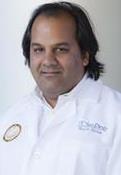 Atul Malhotra合作论文数University of California San Diego79
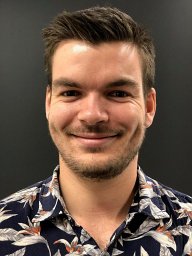 Bastien Lechat合作论文数Flinders Univ S Australia, Coll Sci & Engn, Adelaide, SA 5042, Australia70
 Amy Jordan合作论文数Melbourne School of Psychological Sciences, Faculty of Medicine, Dentistry and Health Sciences, The University of Melbourne68
 Andrew Wellman合作论文数66
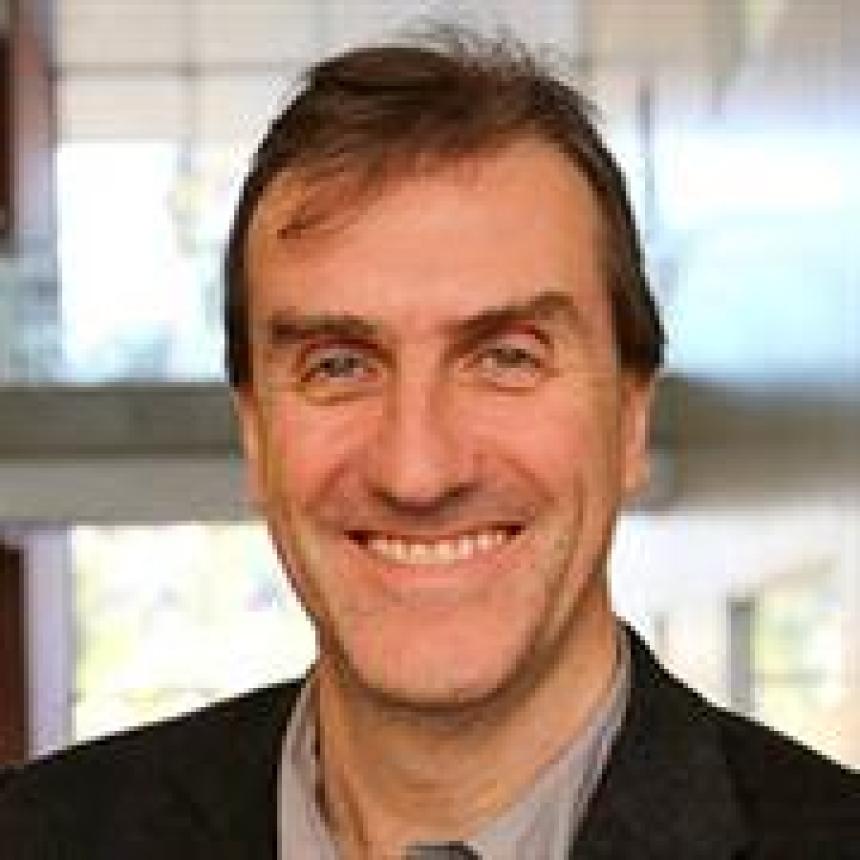 Robert Adams合作论文数College of Medicine and Public Health, Flinders University;Adelaide Institute of Sleep Health, Flinders University;Faculty of Health and Medical Sciences, University of Adelaide;Basil Hetzel Research Institute;Queen Elizabeth Hospital;Ashford Thoracics Centre54
 Jane E. Butler合作论文数Prince of Wales Medical Research Institute47
 Hannah Scott合作论文数School of Psychology, Flinders University43
 David P. White合作论文数Division of Sleep Medicine, Harvard Medical School;Philips Home Healthcare Solutions41
 Jayne C Carberry合作论文数40
 Barbara Toson合作论文数Falls and Injury Prevention Group, University of New South Wales38
 Bradley A Edwards合作论文数Monash Biomedicine Discovery Institute, School of Psychological Sciences, Monash University38
 Jack Manners合作论文数37
 Scott Sands合作论文数Monash Institute of Medical Research, Monash University36
 Amy Reynolds合作论文数34
 Doug Mcevoy合作论文数College of Medicine and Public Health, Flinders University;South Australian Health and Medical Research Institute33
 Andrew Vakulin合作论文数33P.G.R. Burke合作论文数32
 Simon Gandevia合作论文数Neuroscience Research Australia31
 Lynne Bilston合作论文数Neuroscience Research Australia, UNSW31
 Kelly A. Loffler合作论文数Institute for Molecular Bioscience, The University of Queensland30
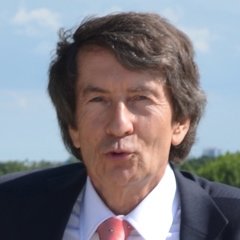 Pierre Escourrou合作论文数C.N.R.S. U.A. 014129J. Carberry合作论文数24Fiona L Knapman合作论文数24
 Sutapa Mukherjee合作论文数School of Medical Science and Technology;Indian Institute of Technology;School of Medical Science and Technology, Indian Institute of Technology24
 Ganesh Naik合作论文数Fac Engn & Informat Technol, Univ Technol Sydney24
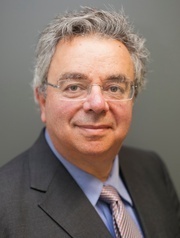 Ron Grunstein合作论文数Central Clinical School Woolcock Institute of Medical Research, University of Sydney;Faculty of Medicine and Health, University of Sydney23A. Osman合作论文数22
 Thomas Altree合作论文数22DP White合作论文数21
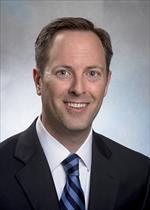 Robert Owens合作论文数Division of Pulmonary, Critical Care, Sleep Medicine & Physiology, University of California, San Diego20
 Atqiya Aishah合作论文数19
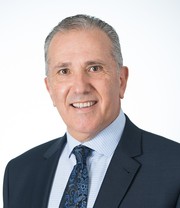 Peter Cistulli合作论文数School of Medicine, Faculty of Medicine and Health, The University of Sydney18
 Sarah L Appleton合作论文数Reproductive Medicine, University of California18
 Phuc D. Nguyen合作论文数Coll Sci & Engn, Flinders Univ S Australia17
 Julian P Saboisky合作论文数Div Sleep Med, Brigham & Womens Hosp17Amal M Osman合作论文数16B. Tong合作论文数15Currow David C合作论文数14
 Leon Lack合作论文数College of Education, Psychology and Social Work, Flinders University14
 Nicole Lovato合作论文数School of Psychology, Flinders University14E. Brown合作论文数13
 Sophie Carter合作论文数13Benjamin K Tong合作论文数12A. Chiang合作论文数12
 Amatoury Jason合作论文数Ludwig Engel Centre for Respiratory Research, Westmead Millennium Institute12
 Joachim Ngiam合作论文数12
 Ludovico Messineo合作论文数12Brown Elizabeth C合作论文数12




