Agricultural landscapes are the result of the long-term, complex, and intermingled interfaces between nature and culture. Among the stakeholders involved in the production of agri-environmental and climate services, farmers play a crucial role, and their contribution should be duly acknowledged to promote sustainable land management. Therefore, this research aims to contribute to the participatory design of agri-environmental contracts to incentivize landscape and biodiversity practices. To achieve this goal, 13 innovation labs with multi-actor perspective were established across nine different European countries. These groups envisioned a future sustainable landscape characterized by diversity and balance of economic, socio-cultural, and environmental components. Trust-based networks and effective communication channels emerge as vital components for the success of sustainable local production systems. Practitioners emphasize the significance of European-level policies in effecting transformative change and influencing farmers'willingness to contribute to both food production and environmental public goods. They defined concrete contract features such as public funding, hybrid payments, and the presence of intermediaries for the potential of agri-environmental measures. Notably, practitioners perceive a wide range of benefits associated with the implementation of agri-environmental measures, extending beyond economic compensation. Gaining a deeper understanding of practitioners' perceptions of their territories and agri-environmental measures is crucial for policymakers to design tailored and appealing programs that resonate with practitioners'needs.
La mondialisation de l’économie et des problèmes environnementaux et sanitaires a influencé les modes d’intervention des politiques publiques en matière d’élevage. Cet article explore les bouleversements induits dans ce secteur et en particulier sur le pastoralisme. Il analyse les tenants et les aboutissants de la reconnaissance, de l’institutionnalisation et de la valorisation économique des activités pastorales par les politiques publiques. Il en ressort que les aspects intersectoriels et multifonctionnels du pastoralisme ont, dans la plupart des cas, été négligés alors qu’ils sont déterminants dans les dynamiques des socioécosystèmes considérés. Aussi, explorons-nous comment l’approche par les communs peut permettre aux acteurs eux-mêmes de promouvoir une gestion adaptative du pastoralisme en réifiant, dans les milieux considérés, les interactions homme-animal dans leur complexité.
Innovative agri-environmental contracts are increasingly studied in the literature, but their adoption has been relatively slow and geographically scattered. Action-based agri-environmental measures remain the predominant policy mechanism across Europe. A three-round Policy Delphi study was conducted with policy makers, scientific experts, farmers’ representatives, and NGOs from across 15 different European countries, to investigate how and under which circumstances novel contractual solutions could be implemented more widely. The expert panel perceived result-based and collective contractual elements as the most promising. Although considered beneficial from several aspects, value chain contracts were perceived less relevant to the policy environment. The Common Agricultural Policy (CAP) Pillar 2 measures were highlighted by the experts as the key policy area to implement novel contracts by national or regional authorities, but Pillar 1 eco-schemes, being launched in the CAP 2023–2027, were also considered as a potentially suitable framework for testing and implementation. The Delphi panel envisaged innovative contracts should be adopted by governments in iterative steps and not as a complete substitute for current payment schemes, but rather as an additional incentive to them. Such an incremental approach allows contractual innovations to capitalise on existing best practices. But it also implies the risk that innovative contracts could remain marginal and fail to substantially change farmers’ behaviour, resulting in a failure to improve environmental conditions.
Agri-environmental and climate schemes are an important policy instrument in the Common Agricultural Policy of the European Union to maintain biodiversity and safeguard ecosystem services provision for human wellbeing. In the presented dataset, we analyzed 19 innovative contracts for agri-environmental and climate schemes from six European countries, representing examples of four different contract types: result-based, collective, land tenure, and value chain contracts. Our analytical approach comprised three steps: In the first step, we used a method mix combining literature review, web search, and expert consultation to identify potential case examples for the innovative contracts. In the second step, we employed a survey, which was structured in accordance with Ostrom's institutional analysis and development framework to collect detailed information on each contract. The survey was either filled in by us authors, based on information retrieved from websites and other data sources, or by experts directly involved in the different contracts. Based on the collected data, in the third step, an in-depth analysis was conducted on the public, private, and civil actors involved from different governance levels (local, regional, national, or international) and the roles these actors perform in contract governance. The dataset generated through these three steps contains 84 data files, which includes tables, figures, maps, and a text file. The dataset can be re-used by all interested in result-based, collective, land tenure, and value chain contracts for agri-environmental and climate schemes. Each contract is characterized in great detail by 34 variables making the dataset suitable for further institutional and governance analysis.
In this study, we used institutional analysis to investigate the design of innovative contracts for agri-environmental and climate schemes. The aim of such contracts is to better incentivize farmers for the provision of environmental public goods in comparison to current ‘mainstream’ contracts. For the analysis, we differentiated four contract types: result-based, collective, land tenure, and value chain contracts. To represent each type in the analysis, we selected 19 case examples from six European countries. Cases were identified through a mix of methods, combining literature review, web search, and expert consultation. After a structured data collection based on Ostrom’s institutional analysis and development (IAD) framework, we focused our analysis on the involved actors and their roles in contract governance. Our results highlight the great diversity of public, private, and civil actors involved from the local, regional, national or international governance level, each performing one or several critical roles in contract governance. We found that it is highly context-dependent which actors assume certain roles. We also discuss how provision of environmental public goods through the contracts might potentially be impacted by certain roles and their assignment to specific actors.
The often-cited means to reduce poverty in rural areas is to push the sustainable intensification of the agricultural sector or to favor a livelihood diversification strategy. However, rural households that invest their resources in multiple domains can achieve contrasting livelihood returns and benefits. The present paper explores the contribution of livestock activities, especially dairy, in the various livelihood strategies of rural households, based on an evaluation of revenue repartition, poverty level, and nutrient input in the diverse households, using a simulation tool at the farm household level. Our research was carried out in a case study on the viability of rural households in the governorate of Beni Suef (Middle Egypt). The results show that the diversification of activities towards cropping activities and off-farm jobs in the household contributed more to poverty reduction than dairy activities. Householders with small herds and land access benefited weakly from milk price increases and more generally, from a specialization of dairy activities due to structural constraints. This calls for identifying new rural policies for small-scale (less than 2.5ha) units that represent more than 90 percent of family farms in Egypt. Notably, new job opportunities and diversification should be developed along the agro-food value chain process.
The often-cited means to reduce poverty in rural areas is to push the sustainable intensification of the agricultural sector or to favor a livelihood diversification strategy. However, rural households that invest their resources in multiple domains can achieve contrasting livelihood returns and benefits. The present paper explores the contribution of livestock activities, especially dairy, in the various livelihood strategies of rural households, based on an evaluation of revenue repartition, poverty level, and nutrient input in the diverse households, using a simulation tool at the farm household level. Our research was carried out in a case study on the viability of rural households in the governorate of Beni Suef (Middle Egypt). The results show that the diversification of activities towards cropping activities and off-farm jobs in the household contributed more to poverty reduction than dairy activities. Householders with small herds and land access benefited weakly from milk price increases and more generally, from a specialization of dairy activities due to structural constraints. This calls for identifying new rural policies for small-scale (less than 2.5ha) units that represent more than 90 percent of family farms in Egypt. Notably, new job opportunities and diversification should be developed along the agro-food value chain process.
While livestock constitute a strategic sector to reduce poverty and enhance growth in developing countries, decision makers often lack data reflecting the diversity of livestock functions and systems. We therefore mobilised the Livestock Sector Investment Policy Toolkit to assess the economic contributions of livestock in Zambia. Valuing their plural contributions by system, we found that mixed rainfed systems were the main contributors to added value, even if specialised intensive systems provided around 45% of meat and milk production. Demand-oriented policies promoting intensive systems would not have the same effects on economic growth as growth-oriented policies focusing on smallholder mixed farming.
The Contracts2.0 project aims to develop novel contract-based approaches to incentivise farmers for the increased provision of environmental public goods alongside private goods. The background to this work is the current imbalance in the provision of private and public goods from agricultural land management. This complex problem can best be addressed by using insights and methods from a range of disciplines. However, for methods and researchers to complement each other and contribute to the project aim, the parts must be brought together as a coherent whole. We developed a conceptual framework which draws on different concepts to explain the issues underlying the delivery of private and public environmental goods from agriculture.
Ce numero rassemble quelques-unes des contributions marquantes du colloque « Politiques agricoles et alimentaires : trajectoires et reformes » organise par la SFER a Montpellier Supagro, les 20 et 21 juin 2018, et qui a ete suivi d’une journee internationale d’echanges sur l’avenir de la Politique agricole commune. L’ambition de ce colloque etait de nous interroger collectivement sur l’evolution des politiques agricoles et alimentaires dans le monde. En effet, elles sont marquees a la fois pa...
This research note1 explains and compares the relevance of collective approaches to land management in two case study areas of France and the UK. It provides a background understanding for interested professionals, practitioners and academics, and may inform national and European policy targeting sustainable uplands management. In outlining ‘collective approaches’, we discuss the collaboration that occurs as part of the traditional management and governance of these upland landscapes, as well as the tensions that arise when these practices are coupled with the formal collective agri-environmental contracts which also exist in these areas.
Pastoral farming systems have always adapted to the seasonal availability of forage resources and climate variability by moving animals. However, the role of animal mobility as a possible mitigating strategy in response to climate change has not been clearly documented. To understand this role, we investigated (i) the major methodological challenges linked to the diversity of grazing areas and other forage resources exploited by these systems and enteric emissions of methane; (ii) the impacts of grazing practices (carbon sequestration/emission) on soil and biomass carbon fluxes. We developed an approach based on two existing models (OSTRAL: Outil de Simulation du TRoupeau ovin ALlaitant and CASA: Carnegie Ames Stanford Approach) that we adapted and used in combination. This approach was applied to three French Mediterranean sheep and crop farming systems with different degrees of flock mobility (sedentary, single transhumance and double transhumance). The preliminary results produced by the whole farm model OSTRAL showed that two systems (sedentary and double transhumance) causing low carbon emissions. In the sedentary system, higher animal productivity offsets the increase in GHG emissions (in CO(2)eq) caused by feed production. In the pastoral system, grazing reduced total GHG emissions (in CO(2)eq). The CASA model proved to be useful to simulate the carbon balance under dynamic land cover in natural environments, whether used for grazing or not. This model can help assess the impact of grazing practices and carbon fluxes in systems linked to natural environments. The results of the first application showed that seasonal mobility of livestock increases the contribution of rangeland to feeding systems and improves the non-renewable energy balance of the system. It is thus extremely important to include the specificities of animals grazing in rangelands outside the structural limits of the farm when evaluating GHG emissions.
This paper aims to clarify two distinct but complementary questions on economic and legal additionality in the payments for environmental services (PES) debate based on examples from the literature and direct observations made in Madagascar and Mexico. For the economic dimension of additionality, we explain two 'regimes of justification', efficiency on the one hand and social equity on the other, and discuss how analysts position themselves with regard to both regimes. For the legal dimension, we review and analyse specific cases in which PES are implemented in addition to existing environmental regulations. We propose a renewed framework of analysis to distinguish 'compensation' and 'reward' in PES by crossing the opportunity cost dimension and the legal constraint vis-a-vis the environment. We show how difficult it is to fully maintain the objective of efficiency when PES are implemented simultaneously across different combinations of opportunity costs and regulation constraints, We propose policy options to address the contradiction between incentive and coercive instruments, These options are land sparing, social targeting and chronological combinations. Copyright (C) 2017 John Wiley & Sons, Ltd and ERP Environment
The year 2015 led to a renewed and ambitious global framework for action towards sustainable development with the Adoption of the 17 Sustainable Development Goals (SDGs) and of the universal agreement on climate. With a view to contributing towards implementing the SDGs, this book links the issues surrounding tropical agri- chains – with which CIRAD and AFD have been involved for many decades – to that of sustainable development. In a globalized context marked by intensified commercial and financial flows, increasing sanitary risks and rapid consumer behavior evolutions, profound technical, economic and social transformations take place in world agricultural systems and agri-chains. Increased environmental and social concerns urge agri-chain actors and development practitioners to propose methods and tools to improve sustainability, and public and private actors to invent new regulations in connection with agri-chains. CIRAD and its researchers together with Southern partners, and AFD and its officers are witnesses and stewards of the technical, biological and institutional changes that take place in agri-chains. Building upon their findings and experiences, this book examines the different roles of agri-chains with regard to sustainable development: as vectors of development, as spaces of innovation, as objects of evaluation, and as arenas of regulation. Linking agricultural production with the other economic sectors, agri- chains are key spaces where local and global challenges to sustainability meet and where local and global actors experiment interlinked or common solutions. They provide arenas where multistakeholder partnerships are defined and the implementation of the SDGs constructed and negotiated. This book is intended for researchers, teachers and students as well as the international development community and for a wider audience concerned with environment and development challenges.
Over the last fifteen years, Payments for Environmental Services (PES) schemes have become very popular environmental policy instruments, but the academic literature has begun to question their additionality. The literature attempts to estimate the causal effect of these programs by applying impact evaluation (IE) techniques. However, PES programs are complex instruments and IE methods cannot be directly applied without adjustments. Based on a systematic review of the literature, this article proposes a framework for the methodological process of designing an IE for PES schemes. It revises and discusses the methodological choices at each step of the process and proposes guidelines for practitioners.
RésuméDans un contexte où la reconnaissance politique et sociale des services écosystémiques complète de plus en plus celles des services habituellement attendus de l’agriculture, ce chapitre discute le rôle des paiements pour services environnementaux dans la régulation des activités agricoles et forestières. Nous montrons tout d’abord comment la représentation initiale des paiements pour services environnementaux comme « instrument de marché » devant assurer l’internalisation d’externalités environnementales a évolué sur la base de pratiquement deux décennies de mise en œuvre caractérisées par des financements et une gouvernance des paiements pour services environnementaux principalement publics. Les paiements pour services environnementaux sont maintenant largement reconnus comme des transferts visant à influencer les usages privés et/ou collectifs des sols et répondant à des enjeux politiques et institutionnels concernant la gestion des ressources naturelles. Après avoir rappelé les intérêts et les limites des labels environnementaux et durables relativement aux paiements pour services environnementaux, nous proposons une démarche originale et intégrée de paiements pour services environnementaux aux niveaux local et national et qui combine approches filière (labels, approche zéro déforestation) et territoriale, pour concilier conservation et développement des territoires en assurant la durabilité des activités agricoles.
Government based Payments for Ecosystem Services (PES) have been criticized for not maximizing environmental effectiveness through appropriate targeting, while instead prioritizing social side-objectives. In Mexico, existing literature on how the Payments for Ecosystem Services-Hydrological program (PSA-H) has targeted deforestation and forest degradation shows that both the process of identifying the eligible areas and the choice of the selection criteria for enrolling forest parcels have been under the influence of competing agendas. In the present paper we study the influence of the PSA-H multi-level governance on the environmental effectiveness of the program-the degree to which forest at high risk of deforestation is enrolled-building from a "policyscape" framework. In particular, we combine governance analysis with two distinct applications of the policyscape framework: First, at national level we assess the functional overlap between the PSA-H and other environmental and rural programs with regard to the risk of deforestation. Second, at regional level in the states of Chiapas and Yucatan, we describe the changing policy agenda and the role of technical intermediaries in defining the temporal spatialization of the PSA-H eligible and enrolled areas with regard to key socio-economic criteria. We find that, although at national level the PSA-H program has been described as coping with both social and environmental indicators thanks to successful adaptive management, our analysis show that PSA-H is mainly found in communities where deforestation risk is low and in combination with other environmental programs (protected areas and forest management programs). Such inertia is reinforced at regional level as a result of the eligible areas' characteristics and the behaviour of technical intermediaries, which seek to minimise transaction costs and sources of uncertainty. Our project-specific analysis shows the importance of integrating the governance of a program in the policyscape framework as a way to better systematize complex interactions at different spatial and institutional scales between policies and landscape characteristics.
 Nancy Mccarthy合作论文数International Food Policy Research Institute9Veronique Alary合作论文数CIRAD, Montpellier, France8
 gwenole le velly合作论文数Center for Environmental Economics - Montpellier (CEEM),, Université Montpellier7
 Driss Ezzine De Blas合作论文数7
 Duteurtre Guillaume合作论文数6Pascal Bonnet合作论文数5
 Katrin Prager合作论文数Institute of Medical Microbiology, Friedrich Schiller University of Jena5
 Boureima Drabo合作论文数5
 Birte Bredemeier合作论文数Institute of Environmental Planning, Leibniz University Hannover4
 Francis Turkelboom合作论文数International Center for Agricultural Research4
 Toure Ibra合作论文数4
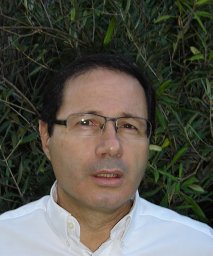 Alain Karsenty合作论文数Xerox Research Centre;Cambridge Laboratory, Europe;Europe Cambridge Laboratory, Xerox Research Centre4Dieter Mortelmans合作论文数3philippe lecomte合作论文数3roberto sanguines合作论文数3
 Jennifer Dodsworth合作论文数3Rena Barghusen合作论文数3
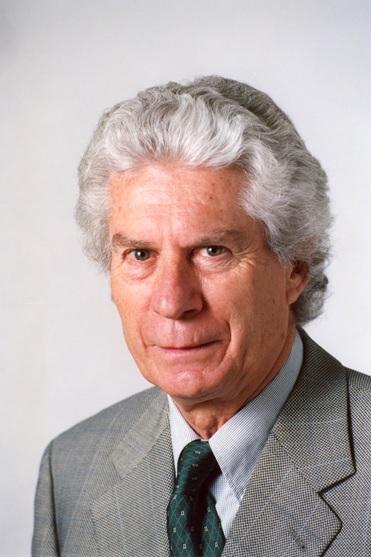 Alain De Janvry合作论文数Department of Agricultural & Resource Economics, College of Natural Resources, University of California Berkeley3
 Eszter Kelemen合作论文数Institute of Environmental and Landscape Management;Szent István University;Institute of Environmental and Landscape Management, Szent István University3James Tiedemann合作论文数3
 Marina Garcia Llorente合作论文数Social-Ecological Systems Laboratory, Universidad Autónoma de Madrid3Estelle Bienabe合作论文数3
 Vall Eric合作论文数3
 Claudia Sattler合作论文数Leibniz-Centre for Agricultural Landscape Research (ZALF), Institute of Socio-Economics, Eberswalder Straße 84, 15374 Müncheberg, Germany3
 Erling Andersen合作论文数Forest and Landscape, University of Copenhagen3C. Corniaux合作论文数2
 Martine Napoleone合作论文数2Laura Mansard合作论文数2Aurore Vigan合作论文数2Jacques Lasseur合作论文数2Adel Aboul-Naga合作论文数2mohamed el koudrim合作论文数2Annabelle Daburon合作论文数2abdallah bouayad合作论文数2abdessalem maatougui合作论文数2Mohamed Acherkouk合作论文数2René Poccard合作论文数CIRAD Selmet, NAPT Embrapa2
 Lenny van Bussel合作论文数Environmental Systems Analysis, Wageningen University and Research (WUR2
 jeanfrancois le coq合作论文数Innovat Res Unit, CIRAD Innovat2
 Carolina Yacaman Ochoa合作论文数Dept Geog, Univ Autonoma Madrid2Roberta Moruzzo合作论文数Department of Veterinary Sciences, University of Pisa2Paulo Salgado合作论文数2
 Elisabeth Sadoulet合作论文数Agricultural & Resource Economics, College of Natural Resources, University of California, Berkeley2
 Jean Paul Vanderlinden合作论文数Universite de Versailles Saint-Quentin-en-Yvelines, Universit�� de Versailles2
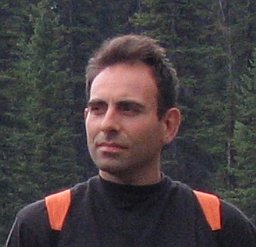 Francesco Riccioli合作论文数Department of Agricultural and Forest Economics, University of Florence2Maguy Eugene合作论文数2G. Arab合作论文数2
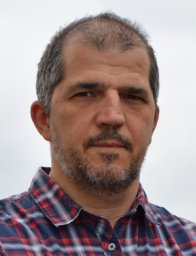 Boldizsár Megyesi合作论文数Institute for Political Sciences, Hungarian Academy of Sciences2
 Marc Benoit合作论文数2




