D,L-alpha-difluoromethylornithine (DFMO) is an irreversible inhibitor of ornithine decarboxylase (ODC) that is being investigated to treat cancers such as pediatric neuroblastoma. A novel and sensitive LC-MS/MS assay was developed and validated to quantify DFMO concentrations in support of pre-clinical pharmacokinetic studies in mice. The study was performed using a Shimadzu triple quad LC-MS/MS equipped with an Atlantis HILIC Silica 3 µm 2.1 × 100 mm column, and an isocratic mobile phase (75:25 acetonitrile and 0.2 % formic acid) at a flow rate of 0.5 mL/min. Multiple Reaction Monitoring (MRM) was used to identify the precursor ion (183 m/z) with quantification of daughter ions at transitions of 183 > 120.10, 183 > 166.10, and 183 > 80.05. Plasma standards and quality control samples (20 µL) were processed using protein precipitation with cold acetonitrile. The lower limit of detection (LLOQ) was 5 ng/mL. Assay performance was determined from multiple runs (n = 10) with standards ranging from 250-50,000 ng/mL and three levels of quality control (500, 4000, and 40,000 ng/mL). Standard curves were linear with r2 values between 0.9960 and 0.9999. Quality control samples were stable and exhibited maximum inter-day % bias of ≤3 % and CV% of ≤0.7 %. The assay was successfully applied to an in vivo study to determine the pharmacokinetics of DFMO in athymic nu/nu mice.
Polyaminopathies are a relatively new family of rare genetic syndromes recently described in the literature. These syndromes are involved in the biosynthesis of polyamines, which include putrescine, spermidine, and spermine. Polyamines are aliphatic molecular that are found in most life forms, including humans, and are essential for embryogenesis, organogenesis, and tumorigenesis. The five known polyaminopathies that have been described to date include Snyder-Robinson Syndrome (SRS), Bachmann-Bupp Syndrome (BABS), Faundes-Banka Syndrome (FABAS), as well as neurodevelopmental disorders associated with variants in DHPS and DOHH. These syndromes share many overlapping clinical phenotypes, including developmental delay, hypotonia, and intellectual disability. Here we describe details for identifying and obtaining high-quality biological samples from patients with polyaminopathies. This includes special considerations for the informed consent process and the collection and shipment of biological samples for patients with rare diseases, many of whom live in countries around the world. We also detail the technical protocols for the collection, processing, storage, and tracking of biological samples for downstream research analysis specific to research in polyaminopathies, as well as biobanking for future use.
We here describe the design, synthesis, and biological activity of novel ornithine decarboxylase (ODC) inhibitors that show significantly higher potency in vitro than α-difluoromethylornithine (DFMO), a U.S. Food and Drug Administration (FDA) approved drug. We report two X-ray structures of ODC complexed with new ODC inhibitors, computational docking, molecular dynamics, and binding free energy calculations to validate the experimental models. The X-ray structures reveal that covalent adducts with pyridoxal phosphate (PLP) are formed in the active site of the human ODC enzyme, as verified by their preparation and enzymatic testing. Finally, we verified that the cellular activity of endogenous ODC was inhibited, and polyamine levels were reduced. Given that ODC is a clinically validated target, combined with the fact that DFMO is currently the only ODC inhibitor in clinical use for several indications, the further development of more potent ODC inhibitors with superior activity and physical properties is warranted.
Polyamines are aliphatic molecules that include putrescine, spermidine, and spermine. Polyamines are present in most living organisms including humans. These positively charged molecules play important roles in cell physiology and pathology by contributing to embryonic cell development, regulation of cell division and, if overproduced, the stimulation of cancer cell proliferation and tumorigenesis. We recently discovered Bachmann-Bupp Syndrome (BABS); a rare neurodevelopmental disorder linked to de novo mutations in the ornithine decarboxylase 1 (ODC1) gene. ODC1 gene mutations that are linked to BABS always produce C-terminally truncated versions of the enzyme ornithine decarboxylase (ODC). These shortened ODC proteins remain enzymatically active and are not cleared by the proteasome, therefore leading to ODC protein accumulation in cells. ODC is a key enzyme of polyamine biosynthesis by converting ornithine to putrescine, and if accumulated, can lead to high putrescine levels in human cells including red blood cells (RBCs) and primary dermal fibroblasts. Here we describe how to quantitatively measure ODC enzymatic activity and the polyamines by a radiolabeled 14C-ornithine assay and by reverse phase (RP)-HPLC, respectively. While these methods have been developed decades ago, many publications provide incomplete protocols with omission of experimental details, which inadvertently can lead to mistakes, inconclusive results, and failed experiments. There is a growing number of laboratories that have become interested in exploring polyamines (in part due to metabolomics analyses in human health-related studies). The detailed protocols of this chapter provide step-by-step guidance detailing how to measure ODC activity and polyamines in human RBCs.
Rare diseases impact approximately 1 in 10 people worldwide, and yet, less than 5% of all rare diseases currently have an approved treatment option available. This is due to many challenges unique to rare diseases, including small, diverse patient populations, the cost of drug development that is not proportionate to the number of patients who could potentially benefit from treatment, and difficulty with clinical trial design to validate new therapeutics. As a result, drug repurposing has become an increasingly promising option for finding treatment options for rare diseases. First described in 2018, Bachmann-Bupp Syndrome (BABS) is a rare neurodevelopmental disorder that is caused by gain-of-function variants in the ornithine decarboxylase (ODC1) gene and is characterized by developmental delay, hypotonia, and alopecia. Through collaboration and the use of a unique drug repurposing strategy, the first patient identified with BABS was treated with the repurposed drug eflornithine, also known as α-difluoromethylornithine (DFMO), in just 16 months. Currently, five additional patients with BABS are being treated with DFMO. This model of drug repurposing of an FDA-approved drug for use in another indication can serve as an example of what is possible in the scope of other rare diseases, specifically in other polyaminopathies.
BACKGROUND/AIM:Allicin is a small-molecule natural product found in garlic (Allium sativum). We previously showed that allicin inhibits ornithine decarboxylase (ODC) in vitro and induces apoptotic cell death in pediatric neuroblastoma (NB) cancer cell cultures. However, its potency as an anticancer agent in vivo has not been sufficiently explored. MATERIALS AND METHODS:In this study, we used cell proliferation assays, immunoblotting techniques, and light microscopy to study NB tumor cell cultures and human primary neonatal skin fibroblast control cells as well as a MYCN-amplified NB patient-derived xenograft (PDX) mouse tumor model to study the efficacy of allicin in vivo. RESULTS:Allicin strongly inhibits NB tumor cell proliferation in a dose-dependent manner while non-cancerous human primary neonatal skin fibroblast control cells were largely unaffected. Importantly, two intra-tumoral injections of allicin over a two-week trial period significantly reduced the NB tumor burden in mice compared to controls (N=4-9 mice/group). Excised tumor tissues revealed that allicin treatment increased the cyclin-dependent kinase inhibitor p27Kip1 protein levels, suggesting that in vivo, allicin increases p27Kip1-mediated G1/S cell cycle arrest. CONCLUSION:Our findings warrant further preclinical development of allicin as a potential anticancer agent, especially for those types of cancers that are treatable by intra-tumoral injections, including neuroblastoma, glioblastoma, and medulloblastoma.
Idiopathic pulmonary fibrosis (IPF) is a pathological condition of unknown etiology that results from injury to the lung and an ensuing fibrotic response that leads to the thickening of the alveolar walls and obliteration of the alveolar space. The pathogenesis is not clear, and there are currently no effective therapies for IPF. Small airway disease and mucus accumulation are prominent features in IPF lungs, similar to cystic fibrosis lung disease. The ATP12A gene encodes the α-subunit of the nongastric H+, K+-ATPase, which functions to acidify the airway surface fluid and impairs mucociliary transport function in patients with cystic fibrosis. It is hypothesized that the ATP12A protein may play a role in the pathogenesis of IPF. The authors' studies demonstrate that ATP12A protein is overexpressed in distal small airways from the lungs of patients with IPF compared with normal human lungs. In addition, overexpression of the ATP12A protein in mouse lungs worsened bleomycin induced experimental pulmonary fibrosis. This was prevented by a potassium competitive proton pump blocker, vonoprazan. These data support the concept that the ATP12A protein plays an important role in the pathogenesis of lung fibrosis. Inhibition of the ATP12A protein has potential as a novel therapeutic strategy in IPF treatment.
ABSTRACT The eukaryotic translation initiation factor 5A1 (eIF5A1) and 5A2 (eIF5A2) are important proteins in a variety of physiological and pathophysiological processes and their function has been linked to neurodevelopmental disorders, cancer, and viral infections. Here, we report two new genome-edited mouse models, generated using a CRISPR-Cas9 approach, in which the amino acid residue lysine 50 is replaced with arginine 50 (K50R) in eIF5A1 or in the closely related eIF5A2 protein. This mutation prevents the spermidine-dependent post-translational formation of hypusine, a unique lysine derivative that is necessary for activation of eIF5A1 and eIF5A2. Mouse brain lysates from homozygous eif5a2-K50R mutant mice (eif5a2K50R/K50R) confirmed the absence of hypusine formation of eIF5A2, and metabolomic analysis of primary mouse dermal fibroblasts revealed significant alterations in the metabolite landscape compared to controls including increased levels of tryptophan, kyrunenine, pyridoxine, nicotinamide adenine dinucleotide, riboflavin, flavin adenine dinucleotide, pantothenate, and coenzyme A. Further supported by new publicly available bioinformatics data, these new mouse models represent excellent in vivo models to study hypusine-dependent biological processes, hypusination-related disorders caused by eIF5A1 and eIF5A2 gene aberrations or mRNA expression dysregulation, as well as several major human cancer types and potential therapies.
Ornithine decarboxylase (ODC) is a rate-limiting enzyme for the synthesis of polyamines (PAs). PAs are required for proliferation, and increased ODC activity is associated with cancer and neural over-proliferation. ODC levels and activity are therefore tightly regulated, including through the ODC-specific inhibitor, antizyme AZ1. Recently, ODC G84R has been reported as a partial loss-of-function variant that is associated with intellectual disability and seizures. However, G84 is distant from both the catalytic center and the ODC homodimerization interface. To understand how G84R modulates ODC activity, we have determined the crystal structure of ODC G84R in both the presence and the absence of the cofactor pyridoxal 5-phosphate. The structures show that the replacement of G84 by arginine leads to hydrogen bond formation of R84 with F420, the last residue of the ODC C-terminal helix, a structural element that is involved in the AZ1-mediated proteasomal degradation of ODC. In contrast, the catalytic center is essentially indistinguishable from that of wildtype ODC. We therefore reanalyzed the catalytic activity of ODC G84R and found that it is rescued when the protein is purified in the presence of a reducing agent to mimic the reducing environment of the cytoplasm. This suggests that R84 may exert its neurological effects not through reducing ODC catalytic activity but through misregulation of its AZ1-mediated proteasomal degradation.
Endometrial cancer (EC) is a common and deadly cancer in women and novel therapeutic approaches are urgently needed. Polyamines (putrescine, spermidine, spermine) are critical for mammalian cell proliferation and MYC coordinately regulates polyamine metabolism through ornithine decarboxylase (ODC). ODC is a MYC target gene and rate-limiting enzyme of polyamine biosynthesis and the FDA-approved anti-protozoan drug α-difluoromethylornithine (DFMO) inhibits ODC activity and induces polyamine depletion that leads to tumour growth arrest. Spermidine is required for the hypusine-dependent activation of eukaryotic translation initiation factors 5A1 (eIF5A1) and 5A2 (eIF5A2) and connects the MYC/ODC-induced deregulation of spermidine to eIF5A1/2 protein translation, which is increased during cancer cell proliferation. We show that eIF5A1 is significantly upregulated in EC cells compared to control cells (p=.000038) and that combined pharmacological targeting of ODC and eIF5A hypusination with cytostatic drugs DFMO and N1-guanyl-1,7-diaminoheptane (GC7), respectively, reduces eIF5A1 activation and synergistically induces apoptosis in EC cells. In vivo, DFMO/GC7 suppressed xenografted EC tumour growth in mice more potently than each drug alone compared to control (p=.002) and decreased putrescine (p=.045) and spermidine levels in tumour tissues. Our data suggest DFMO and GC7 combination therapy may be useful in the treatment or prevention of EC.
Ornithine decarboxylase (ODC) is the rate-limiting enzyme for the synthesis of polyamines (PAs). PAs are oncometabolites that are required for proliferation, and pharmaceutical ODC inhibition is pursued for the treatment of hyperproliferative diseases, including cancer and infectious diseases. The most potent ODC inhibitor is 1-amino-oxy-3-aminopropane (APA). A previous crystal structure of an ODC-APA complex indicated that APA non-covalently binds ODC and its cofactor pyridoxal 5-phosphate (PLP) and functions by competing with the ODC substrate ornithine for binding to the catalytic site. We have revisited the mechanism of APA binding and ODC inhibition through a new crystal structure of APA-bound ODC, which we solved at 2.49 Å resolution. The structure unambiguously shows the presence of a covalent oxime between APA and PLP in the catalytic site, which we confirmed in solution by mass spectrometry. The stable oxime makes extensive interactions with ODC but cannot be catabolized, explaining APA's high potency in ODC inhibition. In addition, we solved an ODC/PLP complex structure with citrate bound at the substrate-binding pocket. These two structures provide new structural scaffolds for developing more efficient pharmaceutical ODC inhibitors.
Ornithine decarboxylase 1 (ODC1 gene) has been linked through gain-of-function variants to a rare disease featuring developmental delay, alopecia, macrocephaly, and structural brain anomalies. ODC1 has been linked to additional diseases like cancer, with growing evidence for neurological contributions to schizophrenia, mood disorders, anxiety, epilepsy, learning, and suicidal behavior. The evidence of ODC1 connection to neural disorders highlights the need for a systematic analysis of ODC1 genotype-to-phenotype associations. An analysis of variants from ClinVar, Geno2MP, TOPMed, gnomAD, and COSMIC revealed an intellectual disability and seizure connected loss-of-function variant, ODC G84R (rs138359527, NC_000002.12:g.10444500C > T). The missense variant is found in ~1% of South Asian individuals and results in 2.5-fold decrease in enzyme function. Expression quantitative trait loci (eQTLs) reveal multiple functionally annotated, non-coding variants regulating ODC1 that associate with psychiatric/neurological phenotypes. Further dissection of RNA-Seq during fetal brain development and within cerebral organoids showed an association of ODC1 expression with cell proliferation of neural progenitor cells, suggesting gain-of-function variants with neural over-proliferation and loss-of-function variants with neural depletion. The linkage from the expression data of ODC1 in early neural progenitor proliferation to phenotypes of neurodevelopmental delay and to the connection of polyamine metabolites in brain function establish ODC1 as a bona fide neurodevelopmental disorder gene.
Neuroblastoma (NB) is the most common extracranial solid tumor in children. Interference with the polyamine biosynthesis pathway by inhibition of MYCN-activated ornithine decarboxylase (ODC) is a validated approach. The ODC inhibitor α-difluoromethylornithine (DFMO, or Eflornithine) has been FDA-approved for the treatment of trypanosomiasis and hirsutism and has advanced to clinical cancer trials including NB as well as cancer-unrelated human diseases. One key challenge of DFMO is its rapid renal clearance and the need for high and frequent drug dosing during treatment. We performed in vivo pharmacokinetic (PK), antitumorigenic, and molecular studies with DFMO/probenecid using NB patient-derived xenografts (PDX) in mice. We used LC–MS/MS, HPLC, and immunoblotting to analyze blood, brain tissue, and PDX tumor tissue samples collected from mice. The organic anion transport 1/3 (OAT 1/3) inhibitor probenecid reduces the renal clearance of DFMO and significantly increases the antitumor activity of DFMO in PDX of NB (P < 0.02). Excised tumors revealed that DFMO/probenecid treatment decreases polyamines putrescine and spermidine, reduces MYCN protein levels and dephosphorylates retinoblastoma (Rb) protein (p-RbSer795), suggesting DFMO/probenecid-induced cell cycle arrest. Addition of probenecid as an adjuvant to DFMO therapy may be suitable to decrease overall dose and improve drug efficacy in vivo.
Abstract The polyamines putrescine, spermidine, and spermine are well-characterized oncometabolites upregulated in cancers and drive their proliferation and spread. Endometrial cancers (ECs) express high levels of ornithine decarboxylase (ODC), a rate-limiting enzyme of polyamine biosynthesis and decreased levels of spermidine/spermine N1-acetyltransferase (SAT1), a key negative regulator of polyamines. In addition, the deoxyhypusine synthase (DHPS) enzyme necessary for spermidine-dependent hypusination of eIF5A1 is highly expressed in ECs. Hypusinated EIF5A1 is needed by cancer cells to support their increased protein translation needs. Collectively, these findings suggest that the polyamine pathway is particularly active and necessary in EC. Here we evaluated the effect of ODC inhibitor difluoromethylornithine (DFMO) and DHPS inhibitor N1-Guanyl-1,7-Diaminoheptane (GC7) alone or in combination on the growth of ECs. GC7 and DFMO were effective in suppressing growth in EC cell lines in vitro as measured by MTS viability and proliferation assays. These effects were accompanied by decreased hypusinated EIF5A1 in treated cells. However, neither compound induced apoptotic cell death when applied singly. We did note that when non-apoptotic inducing doses of DFMO and GC7 were combined, EC cells showed a marked combinatorial decrease in viability, proliferation, and hypusinated EIF5A1 levels. Importantly we found that combined DFMO/GC7 treatment caused apoptotic cell death of EC cells as measured by cleaved PARP. Furthermore, levels of cleaved caspases 3 and 7 were increased in these cells while caspases 5 or 9 were not cleaved. In summary we found for the first time that pharmacologically increased depression of the polyamine pathway as measured by decreased hypusinated EIFA1 can lead to apoptotic cell death in ECs. These data suggest that targeting the polyamine pathway and particularly its role in protein translation through EIF5A1 hypusination may be an effective treatment strategy. Citation Format: HongIm Kim, Chad Schultz, Andre Bachmann, John I. Risinger. Therapeutic targeting of the polyamine pathway and EIF5A1 hypusination in endometrial cancer with DFMO and GC7 [abstract]. In: Proceedings of the Annual Meeting of the American Association for Cancer Research 2020; 2020 Apr 27-28 and Jun 22-24. Philadelphia (PA): AACR; Cancer Res 2020;80(16 Suppl):Abstract nr 566.
Abstract The purpose of this study was to test if allicin inhibits ornithine decarboxylase (ODC) in pediatric neuroblastoma (NB). The natural product allicin is a reactive sulfur species (RSS) from garlic (Allium sativum L.). NB is an early childhood cancer arising from the developing peripheral nervous system. In up to 25% of cases MYCN gene amplification is correlated to high tumor stage and poor patient prognosis. High stage NB relapses frequently despite multimodal therapy and relapsed tumors are virtually untreatable. Therefore, there is a clear need for specific, novel therapeutics. MYCN transactivates the E-box gene ODC1, and the gene product ODC is a rate-limiting enzyme in polyamine biosynthesis. The increase of polyamines (putrescine, spermidine, spermine) triggers cell hyperproliferation in NB and other MYC-driven cancers through the activation of Rb-regulated cell cycle progression. ODC is a validated drug target and α-difluoromethylornithine (DFMO) is an ODC inhibitor under investigation in phase II NB trials. Although a safe drug with clinical promise, DFMO has various challenges including the need for exceptionally high treatment doses and rapid renal clearance in the urine. In an effort to identify pharmacologically superior ODC inhibitors, we identified allicin as a potent ODC inhibitor using a specific radioactive in vitro activity assay with purified ODC. Allicin also inhibited ODC activity in actively growing NB cells, reduced polyamine levels, and induced apoptosis in cell cultures. ODC is a homodimer with 12 cysteines per monomer and allicin S-thioallylates cysteines. Allicin reacts with, and is titrated-out by, low molecular weight thiols like dithiothreitol (DTT). Removal of DTT from the ODC activity assay reaction resulted in significantly higher allicin potency (IC50 at 11 nM). Although allicin has multiple cellular targets, our data reveal that one mode of action is ODC inhibition, which suppresses polyamine accumulation and induces apoptosis. The natural product allicin could be used in conjunction with other anticancer treatments, the latter at a lower than usual dosage, to achieve drug synergism with good prognosis and less side-effects. Citation Format: Chad R. Schultz, Martin C. Gruhlke, Alan J. Slusarenko, Andre S. Bachmann. Allicin, a potent new ornithine decarboxylase inhibitor in neuroblastoma [abstract]. In: Proceedings of the Annual Meeting of the American Association for Cancer Research 2020; 2020 Apr 27-28 and Jun 22-24. Philadelphia (PA): AACR; Cancer Res 2020;80(16 Suppl):Abstract nr 464.
The natural product allicin is a reactive sulfur species (RSS) from garlic (Allium sativum L.). Neuroblastoma (NB) is an early childhood cancer arising from the developing peripheral nervous system. Ornithine decarboxylase (ODC) is a rate-limiting enzyme in the biosynthesis of polyamines, which are oncometabolites that contribute to cell proliferation in NB and other c-MYC/MYCN-driven cancers. Both c-MYC and MYCN directly transactivate the E-box gene ODC1, a validated anticancer drug target. We identified allicin as a potent ODC inhibitor in a specific radioactive in vitro assay using purified human ODC. Allicin was ∼23 000-fold more potent (IC50 = 11 nM) than DFMO (IC50 = 252 μM), under identical in vitro assay conditions. ODC is a homodimer with 12 cysteines per monomer, and allicin reversibly S-thioallylates cysteines. In actively proliferating human NB cells allicin inhibited ODC enzyme activity, reduced cellular polyamine levels, inhibited cell proliferation (IC50 9-19 μM), and induced apoptosis. The natural product allicin is a new ODC inhibitor and could be developed for use in conjunction with other anticancer treatments, the latter perhaps at a lower than usual dosage, to achieve drug synergism with good prognosis and reduced adverse effects.
We recently described a new autosomal dominant genetic disorder in a pediatric patient caused by a heterozygous de novo mutation in the ornithine decarboxylase 1 (ODC1) gene. The new genetic disorder is characterized by global developmental delay, alopecia, overgrowth, and dysmorphic features. We hypothesized that this new mutation (c.1342 A>T) leads to a C-terminal truncation variant of the ODC protein that is resistant to normal proteasomal degradation, leading to putrescine accumulation in cells. ODC (E.C. 4.1.1.17) is a rate-limiting enzyme in the biosynthesis of polyamines (putrescine, spermidine, and spermine) that plays a crucial role during embryogenesis, organogenesis, and tumorigenesis. In this study, we show that primary dermal fibroblasts derived from a skin biopsy of a 3-year-old patient contain large amounts of ODC protein and putrescine compared with primary dermal (neonatal and adult) fibroblast control cells. Importantly, the accumulated ODC protein variant remained functionally active as we detected exceptionally high ODC enzyme activity in both primary dermal fibroblasts (12-17-fold of controls) and red blood cells (RBCs) (125-137-fold of controls), using a specific 14C radioactive ODC activity assay. Exposure of primary dermal fibroblasts to ODC inhibitor α-difluoromethylornithine (DFMO) reduced the ODC activity and putrescine to levels observed in controls without adversely affecting cell morphology or inducing cell death. In conclusion, our patient and potentially other patients that carry a similar ODC1 gain-of-function mutation might benefit from treatment with DFMO, a drug with a good safety profile, to suppress the exceptionally high ODC activity and putrescine levels in the body.
Abstract The purpose of this study was to determine the effect of the natural product Harmine in human neuroblastoma (NB). NB is an early childhood malignancy arising from the developing peripheral nervous system. In up to 25% of cases MYCN gene amplification is correlated to high tumor stage and poor patient prognosis. High stage NB relapses frequently in spite of multimodal therapy and is then virtually untreatable. There is a clear need for specific, novel therapeutics. Harmine is a tricyclic β-carboline alkaloid from the harmal plant with cytostatic and cytotoxic effects on tumor cells. It is capable of blocking the activity of mitogen activate protein kinase (MAPK) and the dual specificity tyrosine-phosphorylation-regulated kinase (DYRK) family proteins. These kinases inhibit apoptosis and encourage proliferation. Four human NB cell lines were used to study the effects of Harmine treatment: SK-N-BE(2)-C and KELLY (MYCN amplified) as well as SK-N-AS and SK-N-FI (MYCN single copy). Molecular interaction models of Harmine bound to DYRK family kinases were generated by computational docking using x-ray structures. The anti-cancer properties of Harmine were analyzed by real-time cell viability assays, in a dose-dependent manner, over a 72 hour period. The IC50 values were 169.9, 170.8, and 791.7 μM for SK-N-BE(2)-C, KELLY, and SK-N-FI, respectively, after 72 hours. Apoptosis assays for caspase activation, PARP cleavage, and annexin V induction, were performed using Western blot and flow cytometry. NB cell line exposure to 100 μM Harmine resulted in caspase-3/7 and caspase 9 activation, PARP cleavage, and annexin V-positive stained cells as early as 24 hours after treatment, indicating apoptosis induction. These results led us to investigate the clinical correlations of DYRK family gene expression in NB tumors. The patient results support our hypothesis that Harmine induces NB cell death through a cellular mechanism that involves DYRK family kinases and triggers caspase-mediated apoptosis. Citation Format: Katie L. Uhl, Chad R. Schultz, Dirk Geerts, Andre S. Bachmann. Potential role of DYRK family kinases in harmine-induced apoptosis in neuroblastoma [abstract]. In: Proceedings of the American Association for Cancer Research Annual Meeting 2018; 2018 Apr 14-18; Chicago, IL. Philadelphia (PA): AACR; Cancer Res 2018;78(13 Suppl):Abstract nr 1902.
 Andre S. Bachmann合作论文数28
 William Golembieski合作论文数12
 Sandra A Rempel合作论文数12Katie L Uhl合作论文数7
 Caleb Bupp合作论文数6
 Surender Rajasekaran合作论文数6Nancy Lemke合作论文数6
 Chaya Brodie合作论文数Faculty of Life Sciences, Bar Ilan University;ExoStem Biotec5
 Dirk Geerts合作论文数Amsterdam University Medical Center5Yunker Christopher K合作论文数4
 John I. Risinger合作论文数Curriculum in Genetics and Molecular Biology, University of North Carolina4Jorge A. Gutierrez合作论文数3
 Elizabeth A. Vansickle合作论文数3Julianne Michael合作论文数3
 Prokop Jeremy W合作论文数Department of Biology and Integrated Bioscience Ph.D. Program, The University of Akron3Kim Hong Im合作论文数3
 Gruhlke Martin C H合作论文数Department of Plant Physiology (Bio III),, RWTH Aachen University3Kelly Suino-Powell合作论文数3
 Karsten Melcher合作论文数3Gadisetti V. R. Chandramouli合作论文数3
 Alan Slusarenko合作论文数3
 Laila Marie Poisson合作论文数Michigan State University;Henry Ford Health System3Stacey L. Thomas合作论文数3X. Edward Zhou合作论文数3Sandra Cottingham合作论文数2Raid El-Khawaja合作论文数2
 Alyssa Fedorko合作论文数2Ezekiell Mouzon合作论文数2Elizabeth Friedman合作论文数2
 Jared Lamp合作论文数2Andrea L Buras合作论文数2
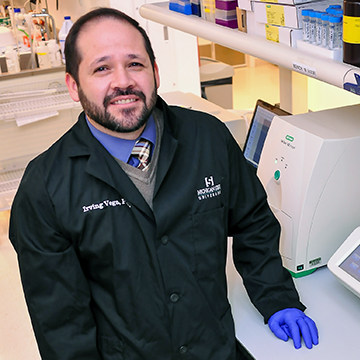 Irving E. Vega合作论文数Michigan Alzheimer's Disease Center, Medical School, University of Michigan-Ann Arbor2Brunzelle Joseph S合作论文数northwestern university2
 Tom Mikkelsen合作论文数Hermelin Brain Center, Henry Ford Hospital;Department of Neurology, Henry Ford Hospital;Ontario Brain Institute2E. Helene Sage合作论文数2Leigh G. Seamon合作论文数2
 Simona Cazacu合作论文数2Edmund L. Ellsworth合作论文数2Stephen L. Brown合作论文数1Erin M. Smith合作论文数1Ina Ly合作论文数1Thomas C. Dowling合作论文数1Robert F. Kalejta合作论文数1
 Soumen Khatua合作论文数1
 G. Yancey Gillespie合作论文数Heersink School of Medicine, The University of Alabama at Birmingham1archanna radakrishnan合作论文数1Tara E Jager合作论文数1Nicole A Bakas合作论文数1Bilal Aleiwi合作论文数1




