Global demand for cancer surgery is rapidly increasing, especially in low- and middle-income countries (LMICs), where the cancer burden is rising disproportionately. About 80
BACKGROUND:The rising global cancer burden underscores the need for a skilled cancer surgical workforce. Education in the principles of cancer surgery is essential to ensuring a competent cancer surgical workforce. In response, the Society of Surgical Oncology and the European Society of Surgical Oncology jointly published the first Global Curriculum in Surgical Oncology in 2016 to provide a structured framework for the education of cancer surgeons. The updated version of the original curriculum incorporates advances in cancer surgical care from the intervening period, while maintaining the original vision of a globally relevant educational framework. MATERIAL AND METHODS:The global curriculum committees of the Society of Surgical Oncology and the European Society of Surgical Oncology convened a series of meetings to review, revise, and develop the updated global curriculum in surgical oncology. RESULTS:The second edition of the global curriculum in surgical oncology incorporates key advances in cancer surgical care that have occurred since the publication of the original curriculum. The curriculum retains the foundational principles of the first edition, such as: (a) ensuring that the curriculum is resource-stratified, (b) applicability across diverse geographical regions worldwide, and (c) provision of a flexible and modular, foundational framework that can be adapted to local training needs. CONCLUSIONS:The second edition of the global curriculum in surgical oncology provides resource-stratified, geographically agnostic foundational scaffolding for training the global cancer surgical workforce. Implementation of this curriculum can be instrumental in building a competent surgical oncology workforce capable of addressing the rising global cancer burden.
BACKGROUND:Cancer is a leading cause of death in both the USA and India. During Prime Minister Narendra Modi's State Visit to Washington, DC in June 2023, the two governments announced several cooperation commitments. One such commitment was the establishment of the US-India Cancer Dialogue, initiating a structured bilateral effort to address shared cancer challenges. The aim of this article is to outline the preparatory steps and proceedings of the inaugural joint meeting of the US-India Cancer dialogue that took place in New Delhi in August 2024. MATERIALS AND METHODS:This manuscript reports the outcomes of a structured bilateral consensus development process designed to identify priority areas for collaboration between the USA and India. Following the announcement, a high-level virtual consultation convened government, scientific, and clinical leaders to identify shared priority areas. A US-based meeting hosted by the American Society of Clinical Oncology (ASCO) refined technical workstreams, including prevention, early detection, therapeutics, clinical trials, and implementation science. Continued coordination among the US National Cancer Institute, the White House Office of Science and Technology Policy, and India's Department of Biotechnology formalized the bilateral agenda RESULTS: Over 2 days, the in-person Dialogue identified priority areas for bilateral collaboration, including expansion of human papillomavirus (HPV) vaccination and cervical cancer screening, advancement of artificial intelligence (AI)-enabled early detection technologies, improved access to immunotherapies and chimeric antigen receptor T cell (CAR-T) therapies, strengthened genomics and data-sharing infrastructure, expanded clinical trial capacity, and enhanced survivorship and palliative care. CONCLUSIONS:This collaboration establishes a durable framework to accelerate innovation, expand equitable access, and reduce preventable cancer deaths across both nations.
Cancer surgery is an integral component of the cancer care delivery pathway. Surgical intervention is required across the entire spectrum of cancer care, ranging from screening to treatment and palliation. More than 80
PURPOSE We aimed to evaluate the impact of COVID-19 on breast cancer care in terms of the stage at presentation, treatment delays, and follow-up in a tertiary care center in Lebanon. MATERIALS AND METHODS This retrospective study compared patients with breast cancer who presented to a tertiary care center in Lebanon before (September 2019-December 2019) and during (September 2020-December 2020) the COVID-19 pandemic. We extracted data from the electronic medical records of patients with breast cancer who had their initial presentation, were under treatment, or were on follow-up during our period of interest. RESULTS Of the 333 patients, 186 visited the hospital in the pre–COVID-19 period and 147 during the pandemic, showing almost a 12% reduction in the number of patients during the COVID-19 pandemic. In the pre-COVID period, more patients were presented for screening (52%); however, more symptomatic patients were presented during the pandemic (51.4%). Almost 54% had an advanced stage at presentation during the pandemic compared with 48% before the pandemic but with no statistical significance ( P = .50). Significantly fewer patients came for chemotherapy in the COVID-19 period (38.1%) compared with the pre–COVID-19 period (52.2%). Fewer patients underwent surgery during the pandemic, although the difference was not statistically significant. Multivariate analysis showed that the COVID-19 pandemic was not associated with having an advanced stage at presentation ( P = .24). CONCLUSION The management of breast cancer was not substantially affected by the COVID-19 pandemic in a sample of Lebanese patients. However, 4 months might not be sufficient to draw a solid conclusion.
The global burden of pancreatic cancer has more than doubled in recent decades. It is now the sixth leading cause of cancer-related death worldwide, with an estimated 510,922 new cases and 467,409 deaths in 2022. The incidence of the disease continues to rise annually, with projections indicating a 95.4
Mentors: Elizabeth Bradford Bell, Tony Richa Program: Otolaryngology Type: Original Research Background: Barriers to healthcare have been associated with poor outcomes in patients with cancer. This study includes the largest sample size in a United States study aimed at better understanding if the rurality of patients’ residences is associated with the stage of oral cavity or oropharyngeal squamous cell carcinoma (SCC) at initial presentation. Methods: This 2024 hospital-based multicenter retrospective observational review utilized the National Cancer Database (NCDB). The rurality of each patient’s residence was binned into Metro, Urban, and Rural. The main outcome of this study was the AJCC 8th Edition clinical stage assigned to the patient at initial presentation. All models were adjusted for the year of initial presentation. Results: A total sample of 42,258 patients was evaluated, including 43.2% with oral cavity and 56.8% with oropharyngeal SCC diagnoses. Patients with oropharyngeal SCC from urban areas had higher odds of having a Stage 3/4 cancer (AOR = 1.16; 95% CI: 1.05, 1.28) relative to metro patients. Participants from urban areas had an increased risk of death for both the oral cavity SCC group (AHR = 1.11; 95% CI: 1.01, 1.21) and oropharyngeal SCC group (AHR = 1.23; 95% CI: 1.10, 1.37) compared to patients residing in metro areas. Conclusion: Urban patients were more likely to have a higher stage of oropharyngeal SCC at initial presentation, along with worse survival for either type of SCC, compared to the metro groups. Rural outcomes did not statistically differ from metropolitan outcomes. Future local or regional database analyses would better characterize the more nuanced patterns present in a particular region.
BACKGROUND AND OBJECTIVE:Anastomotic leak (AL) is a serious complication following esophagectomy and is often linked to poor perfusion of the gastric conduit (GC) and esophageal stump (EC). The aim of this study is to compare the efficacy of intraoperative Indocyanine green fluorescence angiography (ICG-FA) versus visual assessment VA) to assess perfusion status and its impact on the rate of AL. METHODS:Fifty-eight esophageal or gastroesophageal junction carcinoma patients were randomized to ICG-FA (28) and VA (30) groups. Perfusion status was assessed with VA alone in the VA group and with VA followed by ICG-FA in the ICG-FA group. RESULTS:The ICG-FA group had a lower leak rate of 4% when compared to 27% in the VA group (p = 0.03). ICG-FA identified nine cases where VA misjudged the GC tip vascularity, thereby avoiding unnecessary resections. ICG-FA necessitated revision of the GC tip in one case missed by VA and also identified poor perfusion of ES tip in three cases mandating revision which were deemed well-perfused by VA. CONCLUSION:ICG-FA demonstrated superiority over VA in assessing perfusion adequacy of the GC and ES, which resulted in a statistically significant decrease in the rate of anastomotic leaks.
The NCCN Guidelines for Biliary Tract Cancers (BTCs) provide recommendations for the evaluation and comprehensive care of patients with gallbladder cancer, intrahepatic cholangiocarcinoma, and extrahepatic cholangiocarcinoma. The multidisciplinary panel of experts is convened at least once annually to review requests from internal and external entities as well as to evaluate new data on current and emerging therapies. This manuscript focuses on the adjuvant chemotherapy and chemoradiation treatment options for BTCs as well as the systemic treatment recommendations for patients with advanced BTCs.
The Akt/PKB (protein kinase B) is a major transducer of the phosphoinositide 3-kinase (PI3K) signaling axis, regulating key cellular processes such as growth, proliferation, apoptosis, survival, and migration in both normal and cancer cells. In normal cells, oncoproteins and tumor suppressor proteins within the Akt pathway exist in equilibrium. However, this equilibrium is disrupted in cancer cells due to activating mutations in oncoproteins and inactivating mutations in tumor suppressor proteins. This dysregulation drives tumor growth and progression, making the Akt pathway an attractive target for cancer therapies. A deeper understanding of the molecular mechanisms of the Akt signaling pathway is crucial for developing novel therapeutic agents targeting Akt and its downstream effectors for cancer treatment. This review discusses the role of Akt in cancer, current Akt-targeted agents, their limitations, and future trends.
The global cancer burden is expected to rise over the next few decades, with an equally significant increase in the need for cancer surgical services. It is well known that gross inequities exist in accessing cancer surgical care on the global stage. The goal of this manuscript is to highlight the inequities in accessing cancer surgical care and outline some strategies to address them. We used GLOBOCAN 2022 to document the current and predicted rise in the future cancer burden for the various income groups, as defined by the World Bank Group. Data from relevant agencies such as the International Atomic Energy Agency (IAEA), World Bank Group, and relevant publications were used to quantify current and future workforce (surgical and relevant other health professions) needs, number of imaging modalities, hospital capacity, and healthcare expenditure per capita. Our study demonstrates that there are extreme variations in cancer burden on the global stage as well as inequities in all domains of cancer surgical care pathways, based on income status. Low-income (LICs) and lower-middle-income countries (LMICs) will experience a proportionally larger increase in cancer burden over the next few decades. At the same time, LICs and LMICs were noted to have severe shortages in all elements of the cancer surgical care pathways ranging from the number of cancer surgeons and other oncology professionals, hospital beds, and imaging modalities, when compared to high-income countries (HICs). Health care expenditure per capita also demonstrated variations with the highest rates noted in the HICs. This study highlights the inequities in access to cancer surgical care on the global stage. To address these challenges, we have proposed some strategies derived from the 2023 Lancet Oncology Commission on Global Cancer Surgery report, which can realistically be accomplished in a timeframe of 5–15 years.
Mentor: Sara M. Putnam Program: Orthopaedic Surgery Type: Original Research Background: Despite the achievement of gender parity within medical schools, orthopaedic surgery residencies remain one of the lowest matriculation rates for women. This project categorizes individual medical schools’ female orthopaedic match rates to improve understanding of this bottleneck in the field’s diversity. Methods: All United States allopathic and osteopathic medical schools publicly available match data was analyzed by applicant gender. Both two-tailed t-tests and one-way ANOVA were performed for statistical analysis (p < 0.05). Results: From 58 medical schools, 491 female applicants matriculated into orthopaedics (18.2%) with no significant difference between medical school regions. The school with the highest proportion of female matriculants was Albany Medical College with 42.1%. Four schools lacked any female matriculants despite matching 16 students. The variance of the sample set was analyzed for schools with at least 10 and 15 years of data. The two schools with at least 10 years of data and the highest proportion of female matriculants were Texas Tech University Health Sciences Center in El Paso (31.03%) and the University of Minnesota (29.42%). The three lowest schools were the University of Nebraska (7.32%), the University of Mississippi (3.49%), and the University of Oklahoma-Tulsa (0%). The variance between the highest and lowest matriculation rates with match results for at least 10 years (p = 0.004) and 15 years (p = 0.030) was significant ( Figure 1). Figure 1 Women march percentage by medical school. Conclusion: There exists great variability in female medical student matriculation into orthopaedics based upon medical school. Despite limitations of the publicly available data, characterizing this variability further is important in the multitude of efforts working towards gender equity in the orthopaedic profession.
INTRODUCTION:Academic surgery departments (ASDs) advance education, research, and patient care. Corporate revenue pressures raise concerns about academic productivity. We analyzed trends in funding, publications, clinical trials, and ASD-affiliated healthcare system revenue to assess potential corporate influence on academic missions. MATERIALS AND METHODS:We selected the top NIH-funded ASDs and sourced data from NIH RePORTER, Scopus, ClinicalTrials.gov, and CMS Open Payments Database. Healthcare system financial data were obtained from 501(c)(3) 990 IRS forms. Analysis covered 2008-2022, inflation-adjusted values. Trends were analyzed via linear regression. Geographic analyses covered U.S. census divisions. RESULTS:In 2023, the top 50 U.S. ASDs secured $620,924,661 in NIH funding through 1134 active projects, constituting 92% of all NIH surgery department funding ($674,284,863). The top funded NIH activity codes were R ($377,022,199; 61%), U ($137,773,898; 22%), and P ($64,600,920; 10%). Between 2008 and 2022, overall NIH funding increased by an average of $10,222,070 annually, as did research output (+2821 documents/year) and surgery-related clinical trials (133 trials/year). Industry research funding remained stable (+$12,337,829 annually); however, nonresearch industry payments increased (+$102,765,144 annually). Revenue for healthcare systems exceeded $1.33 trillion, with a positive margin of $76.65 billion. All systems saw revenue growth, (β = +$7.79 billion annually), except two with losses (β = +$453,771,582 annually). The East North Central and Middle Atlantic divisions exhibited the most significant increases in both NIH funding (+$3,221,371 and +$2,584,457 annually, respectively) and revenue (+$1.67 billion and +$2.13 billion annually, respectively). CONCLUSIONS:In the era of corporate medicine, major U.S. ASDs maintained NIH funding, research output, and revenue growth, particularly in the East North Central and Middle Atlantic divisions, with stable industry research funding and a rise in industry nonresearch payments.
Objective The rapid growth in the cancer survivor population in Chile and Latin America raises new challenges in addressing their care needs. This study assesses the health status and compares the quality of care and quality of life in cancer survivors at a primary care network and a private cancer centre in Santiago, Chile. Design Retrospective cohort study. Setting Three primary care clinics and one cancer centre in Chile. Participants All breast and colorectal cancer patients identified from a primary care retrospective cohort of 61 174 were followed from 2018 to 2023 and compared with an equivalent sample of patients from a university cancer centre identified during the same period. Outcome measures Quality of care was assessed based on American Cancer Society standards, while quality of life was measured using the EuroQol 5 Dimensions-5 Levels survey instrument. Results A total of 420 cancer survivors participated in the study; 208 from primary care and 212 from the cancer centre. All participants received substandard care. Patients in primary care had lower educational levels and higher rates of comorbidity. They reported a lower quality of life score (72.22 vs 78.43, p<0.001), a higher prevalence of chronic pain (37.02% vs 25.6%, p=0.016) and more severe mental health symptoms (19.89% vs 10.05%, p=0.03). Differences in educational level and cancer stage at diagnosis explained the observed disparities in chronic pain and mental health disorders between the two populations. Primary care patients received more psychosocial care (OR=2.29; 95% CI: 1.55 to 3.39), cardiovascular assessment (OR=2.66; 95% CI:2.17 to 3.26) and psychosocial evaluations (OR: 9.07; 95% CI:4.75 to 17.32). Conclusion Cancer survivors face a significant disease burden and receive substandard care in Chile. As the primary source of care for this population, primary care is challenged to better integrate with speciality care to develop an effective shared care model for cancer survivors.
 Lynette Smith合作论文数Department of Biostatistics, College of Public Health, University of Nebraska Medical Center52
 Aaron R. Sasson合作论文数Department of Surgery, Renaissance School of Medicine, Stony Brook University25
 Mashaal Dhir合作论文数Johns Hopkins University20
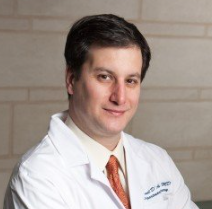 Michael I. D'Angelica合作论文数Memorial Sloan Kettering Cancer Center19
 Premila D. Leiphrakpam合作论文数Eppley Cancer Center, University of Nebraska Medical Center17
 Quan P Ly合作论文数15
 Jon S. Thompson合作论文数14
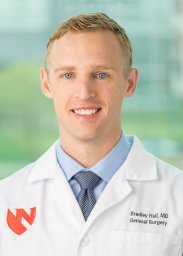 Bradley Hall合作论文数Div Surg Oncol, Univ Nebraska Med Ctr13
 Audrey Lazenby合作论文数12R. K. Kelley合作论文数10
 James Padussis合作论文数10
 Sanjib Chowdhury合作论文数10
 Ujwal R Yanala合作论文数10
 Yuman Fong合作论文数Department of Surgery, City of Hope;Center for International Medicine, City of Hope;Center for Surgical Innovation, City of Hope10
 Jean-Nicolas Vauthey合作论文数Department of Surgical Oncology, The University of Texas MD Anderson Cancer Center;Division of Surgery, The University of Texas MD Anderson Cancer Center10
 Hugh A. Stoddard合作论文数Medical Center College of Medicine, University of Nebraska10
 Renuka Iyer合作论文数Roswell Park Cancer Institute10Daniel A. Anaya合作论文数Department of Surgery, University of Washington Seattle Washington10Makayla Schissel合作论文数9
 Manisha Palta合作论文数Department of Radiation Oncology, School of Medicine, Duke University;Duke Cancer Institute, Duke University9
 Vaibhav Sahai合作论文数Division of Hematology and Oncology, Department of Internal Medicine, Medical School, University of Michigan-Ann Arbor9
 William R. Jarnagin合作论文数Memorial Sloan Kettering Cancer Center9
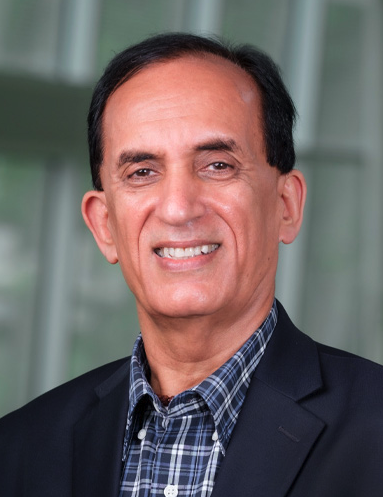 Surinder K. Batra合作论文数Department of Biochemistry and Molecular Biology, College of Medicine, University of Nebraska Medical Center;Fred & Pamela Buffett Cancer Center, University of Nebraska Medical Center9
 Chi Lin合作论文数8
 Subramanyeshwar Rao Rao Thammineedi合作论文数Dept Surg Oncol, Basavatarakam Indo Amer Canc Hosp & Res Inst8
 Russell S. Berman合作论文数Division of Surgical Oncology, Department of Surgery, Grossman School of Medicine, New York University8
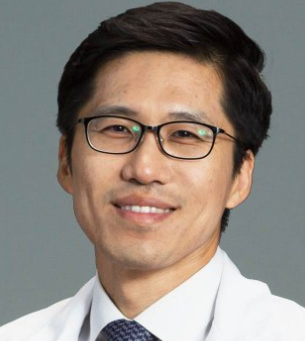 James Sungsik Park合作论文数Zucker School of Medicine, Hofstra University;New York University Langone Medical Center8
 Stacey M. Stein合作论文数Medical Oncology, Internal Medicine, Yale School of Medicine, Yale University8
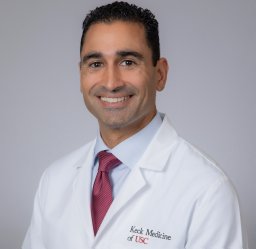 Malhotra Gautam K合作论文数Department of Internal Medicine, University of Nebraska Medical Center8
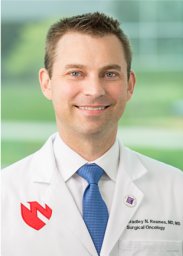 Reames Bradley N合作论文数University of Michigan8
 Al B Benson合作论文数Division of Hematology and Oncology, Department of Medicine, Feinberg School of Medicine, Northwestern University;Robert H. Lurie Comprehensive Cancer Center, Feinberg School of Medicine, Northwestern University8Brown Daniel合作论文数8Michael G. Brattain合作论文数8Anne M. Covey合作论文数Department of Diagnostic Radiology, Memorial Sloan-Kettering Cancer Center8Daniel E. Abbott合作论文数7
 Ronald P. DeMatteo合作论文数Department of Surgery, Perelman School of Medicine, University of Pennsylvania7R Jacob合作论文数7Robin D. Kim合作论文数7Cindy Hochstetler合作论文数6
 Shilpa S. Murthy合作论文数6
 Adam M Burgoyne合作论文数6
 Steven Raman合作论文数Santa Monica Medical Center, University of California, Los Angeles6Glazer Evan S合作论文数Ctr Hlth Sci, Univ Tennessee6Schefter Tracey E合作论文数6
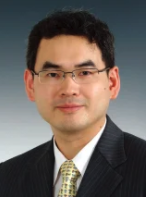 Do Joong Park合作论文数Department of Surgery, Seoul National University College of Medicine;Seoul National University Bundang Hospital6
 Robert W Krell合作论文数6Choi Jennifer合作论文数Department of Surgery, Indiana University6
 Thomas Abrams合作论文数6
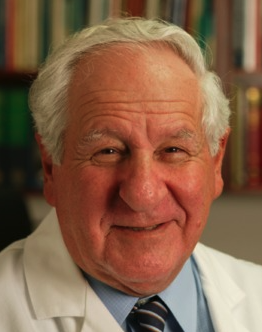 Leslie H. Blumgart合作论文数Department of Surgery, Memorial Sloan Kettering Cancer Center6




