Stockpiles of aging, off-spec, or other military munitions containing energetic formulations pose a health and safety risk to humans and the environment. This research is the first report demonstrating electrochemical demilitarization of solid Composition B (CompB; HMX/RDX/TNT) and nitrocellulose (NC) fines. The process combined alkaline hydrolysis with cathode surface reactions in a divided electrochemical cell configuration. The constituents of CompB were degraded (>95 %) to simple end products consisting primarily of NO2-, formaldehyde, and residual color. The latter two compounds were shown to be readily amenable to an UV/H2O2 treatment as a potential polishing step. NC fines were hydrolyzed to NO2-, NO3-, NH4+ and unspecified total organic carbon (TOC) and total Kjeldahl nitrogen (TKN), with minimal accumulation of free cyanide. For both energetics, the degradation kinetics were improved by heating the system to 50 degrees C. The estimated cost of treatment at the elevated temperature, including chemicals and energy, was <$0.05 per g for CompB and between $0.18 and $0.29 per g for NC, depending on the size cutoff for residuals (>5 and >1.5 mu m, respectively). These results provide proof-of-concept that electrochemical processes for treating solid energetic materials may be an effective approach for safe and efficient demilitarization treatment trains for military munitions.
This multisite study analyzed depth-discrete soil samples in 12 cores (≤2 m from the ground surface) from 10 aqueous film-forming foam (AFFF)-impacted U.S. Department of Defense installations. A broad suite of per- and polyfluoroalkyl substances (PFASs) were analyzed using extraction protocols designed for source-zone soils and liquid chromatography-high resolution mass spectrometry (LC-HRMS) with targeted and semiquantitative workflows. Across all samples, 162 PFASs spanning 50 classes were identified, with both electrochemical fluorination (ECF)- and fluorotelomer (FT)-derived signatures present at nearly all sites. Class-level detection frequency analysis showed that shallow intervals (down to 30 cm below ground surface) captured most class diversity at the studied sites. Regarding total PFAS mass within a soil core, precursors frequently dominated, though several cores were perfluoroalkyl acid (PFAA)-dominated. These data indicate that reliance on the Environmental Protection Agency (EPA) Method 1633 target list alone substantially underestimated precursor mass in all 12 studied cores. Vertical profiles of PFAAs and precursors showed varying trends and correlations in concentration with depth, suggesting site-specific transport and transformation phenomena. The results of this study point toward several polyfluoroalkyl substances that may be considered for prompt investigation while also highlighting a need for detailed characterizations of diverse AFFF-impacted sites.
Increases in perfluorinated sulfonic acid (PFSA) porewater concentrations over a 35 month duration following in situ flushing were monitored at an aqueous film-forming foam (AFFF) site using porous cup suction lysimeters within a highly instrumented test cell. Results provided evidence that perfluorooctane sulfonate (PFOS) slow desorption kinetics contributed to slow contaminant rebound in measured porewater concentrations. PFSAs in the shallow (0.23 m depth) highly PFSA-impacted soils migrated downward during the monitored post-flushing period, with short-chained PFSAs migrating more rapidly in porewater than long-chained PFSAs. Following flushing, apparent equilibrium porewater concentrations at a depth of 0.61 m below ground surface were attained within two months for perfluoropentane sulfonate (PFPeS), between 2 and 20 months for perfluorohexane sulfonate (PFHxS), and 25 months for PFOS. For PFPeS and PFHxS, apparent steady-state rebound concentrations (to 38% of their pre-flushing baseline levels, with no increasing or decreasing trend over time subsequently observed) were reasonably predicted based on an equilibrium model. PFOS rebound and ultimately vertical migration were highly impacted by non-equilibrium soil desorption. Excavation of elevated PFSAs in surface soils had no impact on PFSA porewater concentrations 0.38 m below the excavation over a 1.2 year post-excavation monitoring period. Together, these long-term rebound data highlight the potential importance of mass transfer-controlled processes for PFOS leaching, and suggest that removal of elevated PFSAs in surface soils may take years until PFSA discharges to groundwater are diminished.
Modelling per- and polyfluoroalkyl substance (PFAS) fate and transport in the vadose zone is inherently more complex than in the saturated zone due to the highly transient nature and the wetting phase saturation dependent hydraulic flux associated with the vadose zone. The chemical complexity of PFAS impart multiple partitioning processes which complicate the evaluation of PFAS transport in the vadose zone. To date, simplified screening models describing PFAS leaching have been developed to determine PFAS soil cleanup criteria in the vadose zone. Recent work has presented evidence that while PFAS transport in the vadose zone is governed by several non-equilibrium mechanisms, it is possible to predict PFAS mass flux using equilibrium modelling over month to year timescales. We hypothesized that by quantifying important equilibrium partitioning and hydraulic processes, we could simplify vadose zone leaching models for assessing mass flux from the vadose zone to the underlying groundwater. A mass flux, cell-based model which accounts for important partitioning processes (solid and air-water interfacial partitioning) and transience in hydraulic processes (water flux and water content) was developed and validated herein. Column studies were conducted under simulated rainfall conditions to provide transient hydraulic and PFAS leaching data. A HYDRUS 1-D with PFAS module model was calibrated to the hydraulic conditions of the simulated rainfall columns. Forward simulations were carried out using HYDRUS and the mass balance approximation models. The HYDRUS and mass balance approximations performed nearly identically for all PFAS, and both models predicted PFAS mass leaching within a half order of magnitude of most measured data. These results suggest that readily applicable empirical models and simplified numerical models can reasonably estimate month to year scale mass flux from the vadose zone for sites without major heterogeneity or transport non-ideality considerations.
This research evaluated the cathodic electrochemical treatment of wastewater contaminated with energetic compounds, including "legacy" explosives octahydro-1,3,5,7-tetranitro-1,3,5,7-tetrazocine (HMX), hexahydro-1,3,5-trinitro-s-triazine (RDX), and trinitrotoluene (TNT), as well as compounds insensitive munitions constituents, including 3-nitro-1,2,4-triazol-5-one (NTO), nitroguanidine (NQ), 2,4-dinitroanisole (DNAN). Rate constants and transformation products observed using electrochemical degradation performed under constant voltage (4 V) and constant current (0.5 A), as well as degradation via alkaline hydrolysis, were compared. Electrochemical degradation rate constants for all the energetics were greater than rate constants measured during alkaline hydrolysis. Degradation rate constants for individual energetics were generally similar to those observed in a mixture of all six compounds, with the exception of TNT (0.41 vs. 1.08 h-1). Many of the transformation products detected (e.g., HCHO, dinitrophenol (DNP), NH4+) evidenced further electrochemical degradation, but remained as residuals during alkaline hydrolysis. Utilizing 13C/15N labeled parent compounds, varying degrees of mineralization to 13CO2 and 15N2O were confirmed for RDX, NTO, and DNAN. The calculated electrical energy per order of removal (EEO) was generally lower under constant voltage compared to constant current conditions, and ranged from 2 Wh/L for TNT to 10 Wh/L for NTO. These results provide proof-of-concept data for cathodic electrochemical treatment of mixed energetics wastewater.
Per- and polyfluoroalkyl substance (PFAS) migration into the subsurface was evaluated within a test plot at a site where biosolids have been historically land-applied. Site investigations included soil analyses, unsaturated zone porewater sampling at two depths using porous cup suction lysimeters, and continuous moisture sensing. Measurements of PFAS concentrations in collected field porewater samples facilitated evaluation of potential PFAS impacts to underlying groundwater. The most elevated PFAS soil and porewater concentrations were typically observed in the shallow (60 cm depth) zone with substantially lower PFAS soil and porewater concentrations at 120 cm. PFBS had the highest elevated PFAS porewater average concentration (124 ng/L) in the shallow lysimeters. Average PFOS and PFOA porewater concentrations were below 5 ng/L in both the shallow (60 cm depth) and deep (120 cm depth) lysimeters. Batch desorption testing revealed that a substantial fraction of the PFAS mass was not readily desorbed from the soil (e.g., 71% for PFOS). A mass balance model based on measured desorption isotherms, along with an estimate of the average PFAS accumulation at the air-water interface (AWI), generally predicted PFAS porewater concentrations reasonably well. Model simulations showed that PFAS adsorption to the AWI and to a lesser extent the desorption-resistant fractions in soil was primarily responsible for PFAS retention in unsaturated soils.
This study investigated electrochemical oxidation of perfluorooctanoic acid (PFOA) using a Bi2O3-SnO2 catalyst supported on a Ti4O7 reactive electrochemical membrane (BTO/REM). In an inert NaClO4 electrolyte, the BTO/REM achieved 98.1 +/- 0.4% PFOA removal, 85.6 +/- 3.6% fluoride yield, and 94.4 +/- 4.6% total fluorine balance at 4.2 V/SHE and a 60 s hydraulic residence time (t r). Perfluoroalkyl carboxylates (PFCAs) with three to six perfluoroalkyl carbons formed at a combined yield of 15.3 +/- 2.6%. In real groundwater, PFOA removal was limited (similar to 1%) due to low ionic conductivity, but adding NaClO4 increased removal to similar to 91% at 4.7 V/SHE with t r of 15 s. However, adding a Na2HP4 electrolyte to groundwater promoted electrode fouling via phosphate radical adsorption and CaHPO4/Mg(OH)2 precipitation, which inhibited PFOA oxidation and increased short-chain PFCA formation. In contrast, Na2SO4 showed minimal surface adsorption and maintained high PFOA removal, suggesting it as a practical additive for enhancing conductivity in complex groundwater matrices. Mechanistic analysis indicated that electrode fouling shifted the dominant reaction pathway from surface-mediated defluorination to solution-mediated sequential PFCA formation. These findings provide actionable insights for optimizing electrochemical PFAS destruction and highlight the importance of electrolyte selection to maximize efficiency and minimize undesirable byproducts in real-world applications.
Soil samples collected from an aqueous film-forming foam (AFFF)-impacted sandy soil formation at two depth intervals above the water table were used in bench-scale column experiments to evaluate the release of poly- and perfluoroalkyl substances (PFASs) under different degrees of water saturation. Artificial rainwater was applied to the soils under constant and variably saturated conditions. Results from constant saturation experiments suggest that retention of PFAS mass at air-water interfaces was evident in the deep soil (foc < 0.00068 g/g), particularly for longer chain and zwitterionic compounds, while PFAS mass release from the shallow soil (foc = 0.0034 g/g) was consistent with kinetically controlled desorption from the soil. The release profiles for the perfluoroalkyl sulfonamides (FASAs) differed from other PFASs examined, with more FASAs generally being eluted under fully saturated conditions from both the shallow and deep soils. Importantly, variably saturated conditions resulted in more PFAS eluting from the soils: the average release rate of PFHxS from both soils was 10-fold higher under variably saturated conditions than under constant conditions. Both soils retained significant fractions of the total PFAS mass even after extensive flushing (51-83.8 % for PFOS). These results suggest that PFAS transport in vadose zone soils is influenced by air-water interfaces, but solid-phase desorption also plays a role. Overall, these results are consistent with observations in the field and serve to confirm key mechanisms that control PFAS leaching.
Stochastic modeling of contaminant reactions requires the definition of prior distributions for the respective rate constants. We use data from several experiments reported in the literature to better understand the distribution of pseudo-first-order rate constants of abiotic TCE reduction in different sediments. These distributions can be used to choose informed priors for these parameters in reactive-transport models. Groundwater contamination with trichloroethylene (TCE) persists at many hazardous waste sites due to back diffusion from low-permeability zones such as clay lenses. In recent years, the abiotic reduction of TCE by reduced iron minerals has gained attention as a natural attenuation process, but there is uncertainty as to whether the process is fast enough to be effective. Pseudo-first-order rate constants have been determined in laboratory experiments and are reported in the literature for various sediments and rocks, as well as for individual reactive minerals. However, rate constants can vary between sites and aquifer materials. Reported values range over several orders of magnitude. To assess the uncertainty and variability of pseudo-first-order rate constants, we compiled data reported in several studies. We built a statistical model based on a hierarchical Bayesian approach to predict probability distributions of rate constants at new sites based on this data set. We then investigated whether additional information about the sediment composition at a site could reduce the uncertainty. We tested two sets of predictors: reactive mineral content or the extractable Fe(II) content. Knowing the reactive mineral content reduced the uncertainty only slightly. In contrast, knowing the Fe(II) content greatly reduced the uncertainty because the relationship between Fe(II) content and rate constants is approximately log-log-linear. Using a simple example of diffusion-controlled transport in a contaminated aquitard, we show how the uncertainty in the predicted rate constants affects the predicted remediation times.
Perfluoroalkyl and polyfluoroalkyl substances (PFAS) accumulation near the water surface was measured within a wastewater treatment plant (WWTP) aeration basin. Three different sampling methods targeted near-surface samples (centimeters below the water surface), surface microlayer samples (millimeters below the water surface), and PFAS flux meters (centimeters above the water surface to capture aerosols) were used to interrogate PFAS enrichment as a function of proximity to the water surface. Sampling of stable foams was also employed in this investigation. Results showed that, for long-chained PFAS, substantial PFAS enrichment occurred only within millimeters of the surface, in aerosols, and in foams. Deployed PFAS flux meters showed increasing capture with decreasing height above the wastewater surface and with increasing PFAS surface activity. Using a screening-level model to extrapolate results of the field test, substantial (64%-92%) removal of long-chained PFAS from the bulk wastewater could be attained if near-surface (within centimeters of the water surface) aerosol capture to prevent redeposition of the PFAS-rich aerosols into the bulk wastewater was extended to the entire aeration basin.
Back diffusion of trichloroethylene (TCE) from low-permeability zones (LPZs) poses a major challenge to groundwater remediation at many contaminated sites. This study investigated whether abiotic oxidation and reduction of TCE can co-occur at transitions between aerobic aquifers and anaerobic, iron-rich LPZs. Diffusion-vial experiments were conducted using reduced clay exposed to TCE and oxygen. Results showed that oxygen reacts more rapidly with reduced iron minerals (RIMs) than TCE, limiting oxygen penetration and allowing TCE to diffuse deeper. Oxidation products formed near the LPZ surface, while reduced gases were generated at a greater depth. Control experiments revealed that some reduced gases may form from TCE oxidation products via an unknown pathway. A reactive transport model calibrated to experimental data predicted that, at the field scale, TCE reduction dominates over oxidation after several decades due to limited oxygen diffusion into the LPZ. However, this balance depends on site-specific factors such as oxygen availability, RIM content, and LPZ thickness. These findings provide the first direct experimental evidence for the simultaneous abiotic oxidation and reduction of TCE in LPZs and suggest that reduction likely plays a greater role in long-term attenuation. Field validation and rate quantification over different LPZ soils are needed to assess the remediation impact.
The treatment of wastewater containing the new insensitive energetic formulation IMX-104, which consists of the legacy explosive RDX and insensitive high explosives (IHE), 2,4-dinitroanisole (DNAN) and 3-nitro-1,2,4-triazole-5-one (NTO), was evaluated using a dual anaerobic-aerobic membrane bioreactor system. RDX and DNAN in the wastewater were completely degraded in the anaerobic MBR, with no observed production of common reduced daughter products (e.g., MNX, DNX or TNX for RDX and 2-ANAN, 4-ANAN, and DAAN for DNAN). NTO concentrations as high as 2 g L-1 were biotransformed predominantly to 3-amino-1,2,4-triazole-5-one (ATO) in the anaerobic MBR. The ATO degrading capacity of the aerobic MBR was exceeded at the high NTO concentrations, but subsequent polishing with 5 % sodium hypochlorite (∼4000 mg L-1 free chlorine) resulted in complete ATO removal. Electrochemical oxidation and UV/H2O2 treatment was also demonstrated to be effective for removal of residual ATO. The dual MBR system was fed a broader mixture of munitions constituents during some phases of operation, including HMX, TNT, nitroguanidine (NQ), perchlorate, and nitrate, and was observed to biodegrade these compounds even after a 90-day period when they were absent from the influent (i.e., during IMX-104 treatment). The dual MBR with sodium hypochlorite polishing proved to be highly effective for treatment of IMX-104 wastewater, as well as for removal of a variety of other munitions constituents.
Wastewater receives per- and polyfluoroalkyl substances (PFAS) from diverse consumer and industrial sources, and discharges are known to be a concern for drinking water quality. The PFAS family includes thousands of potential chemical structures containing organofluorine moieties. Exposures to a few well-studied PFAS, mainly perfluoroalkyl acids (PFAA), have been associated with increased risk of many adverse health outcomes, prompting federal drinking water regulations for six compounds in 2024. Here, we find that the six regulated PFAS (mean = 7 to 8%) and 18 measured PFAA (mean = 11 to 21%) make up only a small fraction of the extractable organofluorine (EOF) in influent and effluent from eight large municipal wastewater treatment facilities. Most of the EOF in influent (75%) and effluent (62%) consists of mono- and polyfluorinated pharmaceuticals. The treatment technology and sizes of the treatment facilities in this study are similar to those serving 70% of the US population. Despite advanced treatment technologies, the maximum EOF removal efficiency among facilities in this work was <25%. Extrapolating our measurements to other large facilities across the United States results in a nationwide EOF discharge estimate of 1.0 to 2.8 million moles F y-1. Using a national model that simulates connections between wastewater discharges and downstream drinking water intakes, we estimate that the sources of drinking water for up to 23 million Americans could be contaminated above regulatory thresholds by wastewater-derived PFAS alone. These results emphasize the importance of further curbing ongoing PFAS sources and additional evaluations of the fate and toxicity of fluorinated pharmaceuticals.
Naturally occurring abiotic dechlorination reactions in clayey soils can serve as an important attenuation mechanism for groundwaters impacted by chlorinated solvents such as trichloroethene (TCE). Potential abiotic reactions include both reductive (anoxic) and oxidative (oxic) dechlorination reactions that are facilitated by ferrous minerals. However, tools to provide lines of evidence for such reactions, and ultimately screening‐level estimates of dechlorination rate constants that can be incorporated into site fate and transport models, are yet to be widely accepted for these clayey systems. Herein, coupled bench‐ and field‐scale testing at nine locations within the saturated zone showed that measurement of reduced gases in field‐collected clayey samples was inconclusive for indicating in situ abiotic reductive dechlorination. However, the use of 1% (v/v) HCl extractions and X‐ray diffraction (XRD) for mineral composition provided the information needed to estimate TCE abiotic reductive dechlorination in clays, thereby serving as a potential screening tool for site investigation. While a corresponding screening tool for estimating abiotic oxidative dechlorination in clay was not demonstrated, the rate of hydroxyl radical generation measured for each clay in batch experiments was correlated to in situ hydrogen peroxide concentrations measured in groundwater near the sand‐clay interface. Thus, this observation provides (to our knowledge) a first line of evidence that ongoing reactive oxygen species generation is occurring in situ near the sand–clay (oxic–anoxic) interface, potentially serving as a means to facilitate abiotic oxidative dechlorination and mitigate back‐diffusion of chlorinated solvents from clay.
Vadose zones serve as significant reservoirs of per- and polyfluoroalkyl substances (PFAS) at contaminated sites, posing risks to the groundwater underneath. Partitioning of PFAS to the solid-water and air-water interfaces in soils complicates PFAS leaching in the vadose zone. We apply mathematical models representing PFAS-specific retention and transport processes to simulate vadose-zone leaching and mass discharge at a PFAS-contaminated field site. The mathematical models are constrained by detailed datasets collected at the site under both ambient rainfall and artificial flushing conditions. Predicted porewater concentrations generally agree with those sampled by suction lysimeters over a period of 2 months. Model-based analysis suggests: (1) minimal downward migration of PFOS and PFOA occurred over the 2-month period, (2) variations in observed porewater concentrations were caused by mass redistribution among the different phases in response to dynamic changes in soil moisture content and air-water interfacial area, (3) accounting for rate-limited solid-phase desorption reduces discrepancies between simulated and sampled porewater concentrations for PFOS and PFOA, particularly for the shallowest depth interval, and (4) porewater concentration and moisture data may be used to estimate air-water interfacial area. Additional 40-year long-term simulations indicate that the simulated leaching is consistent with field observations for PFOS, but it generally overestimates the leaching for PFOA, PFHxS, and PFBS, which appears to be caused by the simulations not accurately representing desorption kinetics, underestimating solid-phase adsorption, and/or not accounting for precursor transformation. Our results suggest that accurate quantification of source strength and mass discharge at a PFAS-contaminated site requires characterizing hydraulic and transport parameters especially kinetic solid-phase desorption behaviors, PFAS soil concentration profiles, precursor transformation, and site-specific infiltration rates.
High spatial resolution sampling of vadose zone soil and porewater as well as near downgradient groundwater at an aqueous film forming foam (AFFF)-impacted former firefighting training area (FTA) was conducted to enable more accurate conceptual site models and mass distribution assessments of poly- and perfluoroalkyl substances (PFASs). The total mass and distribution of all individual detectable PFASs in the source zone was determined from the compiled data set, which included 28 soil borings with multi-depth PFAS samples, 17 porous cup suction lysimeters sampled 3 times over 8 months, and 8 shallow groundwater wells sampled 3 times over 8 months. PFAS analyses consisted of both target (quantified) and suspect (semi-quantified) analytes. Results showed that PFASs varied in their vertical and horizontal distribution within the FTA, and that a majority of the zwitterionic and cationic precursors were retained in shallow soils. While perfluoroalkyl acid (PFAA) precursors comprised 61 % the PFASs in collected soil sample, PFAAs were by far the dominant PFAS class within both porewater and near downgradient groundwater (78 % and 87 %, respectively). PFAS porewater concentrations generally increased with increasing soil moisture content, and these increases were reasonably described for perfluorooctane sulfonate (PFOS) by an equilibrium-based mass balance model that accounted for PFAS accumulation at the air-water interface and soil-water partitioning. PFAS porewater concentrations located within or adjacent to low permeability soils showed greater increases with moisture content than in porewater associated with sandy materials, likely due to the larger role of air-water interfacial area in PFAS phase distribution in these fine-grained soils. Bench-scale batch desorption tests conducted with site material reveal a significant PFAS mass that is not readily desorbed from the soil. Observed Kd values measured in the field are comparable to the bench-scale data if this desorption-resistant PFAS mass is considered. These novel findings at the scale of an FTA highlight potential challenges with evaluating PFAS porewater concentrations and leaching in heterogeneous unsaturated soils.
Per- and polyfluoroalkyl substances (PFAS) and weathered petroleum hydrocarbons can be co-contaminants at sites where aqueous film-forming foam (AFFF) was used to extinguish high-temperature petroleum fires. Here, we report on the partitioning of six PFAS between water and a weathered diesel and gasoline range hydrocarbon light non-aqueous phase liquid (LNAPL) collected from the subsurface of a decommissioned refinery. Results showed that both the structural features of PFAS and the characteristics of LNAPL exhibited significant impacts on the magnitude of PFAS partitioned to the LNAPL. The LNAPL-water partition coefficients (K-l) of PFOA and PFOS to the weathered LNAPL measured in this work were nearly or more than 10 times greater than K-l values calculated by others for partitioning to single-component, unweathered NAPLs, indicating that laboratory studies evaluating LNAPL-water partitioning studies using single component NAPLs can largely underestimate the K-l expected to be encountered at contaminated AFFF sites. Interactions with LNAPL can be important controllers of PFAS fate and transport, and the K-l values estimated in this work suggest that LNAPL could be a significant transport sink for PFAS in the field. Results from this work suggest that PFAS partitioning to weathered LNAPL is an important process to be considered when designing remedial strategies, particularly those incorporating monitored natural attenuation or natural source zone depletion.
 Christopher P. Higgins合作论文数Department of Civil and Environmental Engineering, Colorado School of Mines;Center for Environmental Risk Assessment, Colorado School of Mines41
 Timothy J. Strathmann合作论文数Civil and Environmental Engineering Department, Colorado School of Mines20
 Yida Fang合作论文数Corresponding author.16
 Mark Edward Fuller合作论文数Envirogen, Inc., Princeton Research Center15
 Robert J. Steffan合作论文数Shaw Environmental, Inc.12
 Charles Werth合作论文数Department of Civil, Architectural and Environmental Engineering, Cockrell School of Engineering, University of Texas at Austin11
 Andrew Maizel合作论文数9Andaya Christina合作论文数9David R. Lippincott合作论文数8Graig M Lavorgna合作论文数8Paul B. Hatzinger合作论文数8
 Younjeong Choi合作论文数Department of Agronomy, Purdue University8
 Jennifer Field合作论文数Department of Environmental and Molecular Toxicology, College of Agricultural Sciences, Oregon State University8
 Guelfo Jennifer L合作论文数Department of Civil and Environmental Engineering, Colorado School of Mines7
 Dzung Tuan Nguyen合作论文数7Anderson Ellis合作论文数6
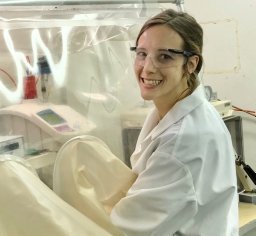 Erin Berns合作论文数Dept Civil Architectural & Environm Engn, Univ Texas Austin6Dung Nguyen合作论文数6Towne Rachael M合作论文数6
 Drennan Dina M合作论文数Department of Civil and Environmental Engineering, Colorado School of Mines6
 Jinyong Liu合作论文数Department of Civil and Environmental Engineering, University of Illinois at Urbana-Champaign6
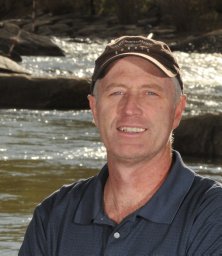 John E Mccray合作论文数Environmental Science and Engineering Division;School of Mines, Colorado;Environmental Science and Engineering Division, Colorado School of Mines6
 Hailiang Dong (董海良)合作论文数China University of Geosciences6John Stults合作论文数Genentech, Inc6
 Albert J. Valocchi (Al Valocchi)合作论文数Department of Civil and Environmental Engineering, The Grainger College of Engineering, University of Illinois Urbana-Champaign6
 Treavor H. Boyer合作论文数School of Sustainable Engineering and The Built Environment, Arizona State6Nicholas Gonda合作论文数5Raul Tenorio合作论文数5Jennifer Hooper合作论文数bCDM Smith, 14432 SE Eastgate Way Suite 100, Bellevue, WA 98007, USA5
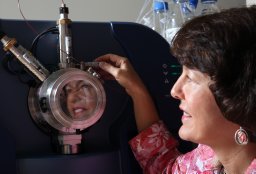 Linda S. Lee合作论文数Department of Agronomy, Purdue University5
 Michael D. Annable合作论文数Department of Environmental Engineering Sciences, University of Florida5r r arands合作论文数4
 Xin Xiao (肖欣)合作论文数College of Environmental & Resource Sciences, Zhejiang University4Chuhui Zhang合作论文数Department of Civil and Environmental Engineering, Colorado School of Mines4Paul Ho合作论文数4Chao Wang合作论文数4
 Anastasia Nickerson合作论文数Dept Civil & Environm Engn, Colorado Sch Mines4
 Yan Jin (金燕)合作论文数School of Chemistry & Chemical Engineering, Shaanxi Normal University4David S. Kosson合作论文数4Simon Vainberg合作论文数4
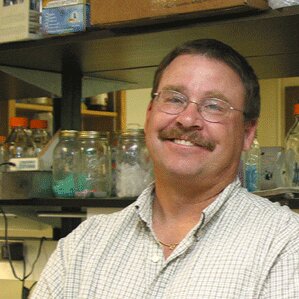 Robert A Sanford合作论文数Department of Geology, School of Earth, Society & Environment, College of Liberal Arts and Sciences, University of Illinois at Urbana-Champaign4Sheryl H. Streger合作论文数4
 Kaneen E. Christensen合作论文数4Ana M. Urtiaga合作论文数4Volha Lazouskaya合作论文数4
 Tissa H. Illangasekare合作论文数Center for Experimental Study of Subsurface Environmental Processes, Colorado School of Mines4Michael E. Bishop合作论文数3Heidi Gerard Kaduson合作论文数3timothy b fischer合作论文数3




