OBJECTIVES:Signs of life are observed during out-of-hospital cardiac arrest (OHCA) resuscitation, but their frequency, timing relative to return of spontaneous circulation (ROSC), and prognostic significance remain incompletely described. We evaluated the prevalence of signs of life during resuscitation and their association with survival. METHODS:We performed a retrospective observational cohort study of all OHCAs treated by a single urban emergency medical services system from January 1 through December 31, 2022. Data were abstracted from prospectively maintained OHCA and airway management registries. Signs of life include respiratory effort, eye opening or tracking, body movement, and verbal response. Each sign was classified as occurring before or after initial ROSC. We used descriptive statistics, binomial confidence intervals, and unadjusted and adjusted logistic regression to evaluate associations between signs of life, OHCA etiology, and survival. RESULTS:Among 617 treated OHCAs, 156 patients (25.3%) had at least one sign of life. Respiratory effort was most common (148 patients, 24.0%), followed by any body movement (69, 11.2%), eye opening (55, 8.9%), and any verbal response (43, 7.0%). Most documented signs occurred after ROSC, although 44 patients (7.1%) had at least one pre-ROSC sign of life. Patients with signs of life were more likely to have witnessed arrest and initial shockable rhythm and were less likely to receive intra-arrest epinephrine or prehospital advanced airway management. Survival occurred in 91 of 156 patients (58.3%) with signs of life compared with 25 of 461 patients (5.4%) without signs of life. In adjusted analysis, any sign of life was associated with survival (adjusted odds ratio [aOR] 10.3, 95% confidence interval [CI] 5.4-19.9); this relationship held when restricted to signs of life after ROSC (aOR 6.7, 95% CI 3.4-13.3). Among overdose-related OHCA, any body movement (aOR 2.44, 95% CI 1.05-5.67) and any verbal response (aOR 8.06, 95% CI 2.71-24.01) were more frequent than in the non-overdose OHCA cohort. CONCLUSIONS:One in four treated OHCA patients displayed at least one sign of life during resuscitation. Signs of life, particularly those after ROSC, were strongly associated with survival and may provide clinically useful information during prehospital resuscitation.
Purpose Rural health professions education (HPE) is essential to mitigating workforce shortages in rural communities. The Department of Veterans Affairs (VA) Rural Interprofessional Faculty Development Initiative (RIFDI) is a multimodal, longitudinal faculty development program designed to enhance teaching and leadership skills of clinician-educators from multiple professions practicing in primarily rural settings. This qualitative evaluation assessed RIFDI's impact on rural HPE by evaluating participants' experiences and perspectives.Methods We conducted 27 semi-structured interviews with RIFDI participants. Interviews focused on their training experiences and perspectives on program implementation and effectiveness. Data were analyzed using a rapid analytic approach combining template and matrix analysis.Findings Three themes illuminated pathways by which RIFDI enhanced rural HPE. First, participants perceived that RIFDI offered practical support for clinician-educators in resource-limited settings, particularly among those involved in nascent HPE programs. Learning within a cross-site, interprofessional community of practice was viewed as especially useful in rural contexts. Second, experiential projects spurred a range of activities to improve rural educational environments, including faculty development offerings, HPE curriculum development, and new rotations. Third, participants described ways in which RIFDI advanced a culture of education in rural facilities, for example by "starting the conversation" about the importance of rural HPE and fueling motivation to support rural education and trainee recruitment.Conclusions Findings demonstrate that a faculty development program can meaningfully strengthen rural HPE capacity in a national health care system. Investing in rural clinician-educators may help cultivate high-quality HPE environments, which existing literature links to improved health workforce recruitment and retention.
Background:We investigated whether the associations of state medical and recreational cannabis legalization (MCL, RCL enactment) with increasing prevalence of Cannabis Use Disorder (CUD) differed among patients in the United States (US) Veterans Health Administration (VHA) who did or did not have common psychiatric disorders. Methods:Electronic medical record data (2005-2022) were analyzed on patients aged 18-75 with ≥1 VHA primary care, emergency department, or mental health visit and no hospice/palliative care within a given year (sample sizes ranging from 3,234,382 in 2005 to 4,436,883 in 2022). Patients were predominantly male (>80%) and non-Hispanic White (>60%). Utilizing all 18 years of data, CUD prevalence increases attributable to MCL or RCL enactment were estimated among patients with affective, anxiety, psychotic-spectrum disorders, and Any Psychiatric Disorder (APD) using staggered difference-in-difference (DiD) models and 99% Confidence Intervals (CIs), testing differences between patient groups with and without psychiatric disorders via non-overlap in the 99% CIs of their DiD estimates. Findings:Among APD-negative patients, CUD prevalence was <1.0% in all years, while among APD-positive patients, CUD prevalence increased from 3.26% in 2005 to 5.68% in 2022 in no-CL states, from 3.51% to 6.35% in MCL-only states, and from 3.41% to 6.35% in MCL/RCL states. Among the APD group, DiD estimates of MCL-only and MCL/RCL effects were modest-sized, but the lower bound of the 99% CI for the DiD estimate for MCL-only and MCL/RCL effects was larger than the upper bound of the 99% CI among the no-APD group, indicating significantly stronger MCL-only and MCL/RCL effects among patients with APD. Results were similar for MCL-only and MCL/RCL effects among disorder-specific groups (depression, post-traumatic stress disorder [PTSD], anxiety or bipolar disorders) and for MCL/RCL effects among patients with psychotic-spectrum disorders. Interpretation:Cannabis legalization contributed to greater CUD prevalence increases among patients with psychiatric disorders. However, modest-sized DiD estimates suggested operation of other factors, e.g., commercialization, changing attitudes, expectancies. As cannabis legalization widens, recognizing and treating CUD in patients with psychiatric disorders becomes increasingly important. Funding:This study was supported by National Institute on Drug Abuse grant R01DA048860, the New York State Psychiatric Institute, and the VA Centers of Excellence in Substance Addiction Treatment and Education.
BACKGROUND:Inflammation and immune dysregulation are thought to drive residual cardiovascular disease risk among persons living with human immunodeficiency virus (HIV) (PLWH) despite effective viral suppression with antiretroviral therapy (ART). METHODS:We investigated differences in carotid inflammation and atherosclerosis in a longitudinal cohort of virally suppressed PLWH (N = 50; on stable ART with CD4 > 250 cells/mm3, viral load < 200 copies/mL for > 6 months) and HIV-uninfected controls (N = 51) matched for age, sex, hypertension, diabetes, smoking, hyperlipidemia, and family history of premature coronary artery disease (CAD). Participants were ≥ 40 years old at enrollment. Measures of carotid vascular inflammation (Ktrans), neovascularization (Vp), and wall thickness were assessed at baseline, 1 year, and change over 1 year by dynamic contrast-enhanced magnetic resonance imaging (MRI). RESULTS:Among 101 participants, 8% were women, 42% had hypertension, 52% had hyperlipidemia, 16% had diabetes, and 48% had a family history of CAD. Both PLWH and control participants demonstrated a reduction in systolic and diastolic blood pressures and total cholesterol over 1 year; however, the difference was not significant by HIV status. PLWH had a significant reduction in triglycerides compared with controls (-48.8 vs 12.8 mg/dL, p = 0.026). HIV was not associated with baseline, follow up, or change in markers of systemic inflammation assessed by plasma cytokines, nor vascular inflammation as assessed by Ktrans, Vp, carotid wall thickness, or percent wall volume (a measure of plaque burden). CONCLUSION:In contrast to other studies of treated and virally suppressed PLWH, HIV infection was not associated with carotid inflammation or plaque in our hypothesis-generating study.
BACKGROUND:Understanding sex differences in the effects of cannabis legalization and increasing risk for cannabis use disorder (CUD) is important. We hypothesized that from 2005 to 2019, increases in CUD prevalence due to state medical or recreational cannabis laws (MCL; RCL) would differ among male and female veterans treated at the U.S. Veterans Health Administration (VHA), with greater increases among females. METHODS:Data obtained through the VHA Corporate Data Warehouse included veterans 18-75 years with ≥1 VHA primary care, emergency department, or mental health visit in a given year, 2005-2019. Staggered-adoption difference-in-difference analyses were used to estimate the role of MCL and RCL on trends in CUD diagnostic prevalence, fitting a linear binomial regression model with fixed effects for state and categorical year, time-varying cannabis law status, state-level sociodemographic covariates, patient-level age group (18-35, 36-64, 65-75 years), race and ethnicity. RESULTS:CUD prevalences increased in both sexes. CUD increased more in states enacting MCL and RCL than in states that did not enact CL. However, no CUD prevalence increases attributable to the change from no-CL to MCL-only or MCL to RCL differed significantly by sex, with one exception (greater in males aged 35-64). CONCLUSIONS:Increases in CUD prevalence following MCL or RCL enactment were greater than in states with no-CL, but generally did not show differences by sex. The increases in CUD prevalence occurring for males and females throughout the study years indicate the need for cannabis use screening by medical providers and the importance of offering evidence-based treatments for CUD.
BACKGROUND:While disturbed wall shear stress (WSS) is associated with coronary plaque progression and vulnerability, its influence on stent neointimal healing is not well characterized. We designed a prospective, randomized trial to investigate the influence of WSS on neointimal healing in angulated arteries undergoing percutaneous coronary intervention (PCI). METHODS:Eighty-six patients were randomized to Xience Xpedition® (X-EES) or Resolute® Integrity/Onyx (R-ZES) drug-eluting stents. Patients underwent serial OCT imaging post PCI and at 12-months. Angiography was combined with OCT to generate post-stent vessel reconstructions. WSS was calculated using computational fluid dynamics. Post-stent WSS was related to strut, frame and patient level neointimal thickness (NIT) at 12-months. RESULTS:Sixty patients met inclusion criteria and had adequate OCT image quality for analysis. Mean age was 62.7 years, 78 % were men, and 37 % had diabetes. NIT at 12-months was 0.09 mm (0.05-0.15). There was no difference in frame level NIT (p = 0.08) or post-stent WSS (p = 0.75) between X-EES or R-ZES. Patient level analysis demonstrated correlation coefficients between WSS and NIT ranging from -0.78 to 0.67. Of these, 33 % were significantly positive, indicating an association between high WSS and increased NIT, while 31.6 % were significantly negative signifying an association between low WSS and increased NIT. Age, gender, hyperlipidemia, diabetes, renal insufficiency or prior MI was not associated with the distribution of correlation coefficients. CONCLUSIONS:The SHEAR-STENT study demonstrated no significant differences in WSS or NIT at 12 months between R-ZES and X-EES. A wide range of patient level correlation coefficients between WSS and NIT were observed, with some patients showing increased NIT was associated with low WSS and others associated with high WSS. REGISTRATION:URL: https://www. CLINICALTRIALS:gov; Unique identifier: NCT02098876.
Importance In the context of the US opioid crisis, factors associated with the prevalence of opioid use disorder (OUD) must be identified to aid prevention and treatment. State medical cannabis laws (MCL) and recreational cannabis laws (RCL) are potential factors associated with OUD prevalence. Objective To examine changes in OUD prevalence associated with MCL and RCL enactment among veterans treated at the Veterans Health Administration (VHA) and whether associations differed by age or chronic pain. Design, Setting, and Participants Using VHA electronic health records from January 2005 to December 2022, adjusted yearly prevalences of OUD were calculated, controlling for sociodemographic characteristics, receipt of prescription opioids, other substance use disorders, and time-varying state covariates. Staggered-adoption difference-in-difference analyses were used for estimates and 95% CIs for the relationship between MCL and RCL enactment and OUD prevalence. The study included VHA patients aged 18 to 75 years. The data were analyzed in December 2023. Main Outcome and Measures International Classification of Diseases, Ninth Revision, Clinical Modification ( ICD-9-CM ) or International Statistical Classification of Diseases, Tenth Revision, Clinical Modification ( ICD-10-CM ) OUD diagnoses. Results From 2005 to 2022, most patients were male (86.7.%-95.0%) and non-Hispanic White (70.3%-78.7%); the yearly mean age was 61.9 to 63.6 years (approximately 3.2 to 4.5 million patients per year). During the study period, OUD decreased from 1.12% to 1.06% in states without cannabis laws, increased from 1.13% to 1.19% in states that enacted MCL, and remained stable in states that also enacted RCL. OUD prevalence increased significantly by 0.06% (95% CI, 0.05%-0.06%) following MCL enactment and 0.07% (95% CI, 0.06%-0.08%) after RCL enactment. In patients aged 35 to 64 years and 65 to 75 years, MCL and RCL enactment was associated with increased OUD, with the greatest increase after RCL enactment among older adults (0.12%; 95% CI, 0.11%-0.13%). Patients with chronic pain had even larger increases in OUD following MCL (0.08%; 95% CI, 0.07%-0.09%) and RCL enactment (0.13%; 95% CI, 0.12%-0.15%). Consistent with overall findings, the largest increases in OUD occurred among patients with chronic pain aged 35 to 64 years following the enactment of MCL and RCL (0.09%; 95% CI, 0.07%-0.11%) and adults aged 65 to 75 years following RCL enactment (0.23%; 95% CI, 0.21%-0.25%). Conclusions and Relevance The results of this cohort study suggest that MCL and RCL enactment was associated with greater OUD prevalence in VHA patients over time, with the greatest increases among middle-aged and older patients and those with chronic pain. The findings did not support state cannabis legalization as a means of reducing the burden of OUD during the ongoing opioid epidemic.
BACKGROUND:In an effort to enhance recovery after cardiac surgery, intraoperative extubation has been targeted as possibly beneficial. This multicenter cohort study aimed to assess this by evaluating the outcomes of operating room (OR) extubation versus extubation within 6 hours of intensive care unit (ICU) arrival (early ICU extubation). Furthermore, we assessed time to ICU extubation and mortality and morbidity. METHODS:Patients undergoing on-pump cardiac surgery across 79 hospitals between 2011 and 2020 were included to (1) compare outcomes among OR extubation and early ICU extubation patients and (2) assess time to overall ICU extubation and outcomes. RESULTS:The overall study cohort comprised 163,982 patients, including 95,982 patients (OR extubation: n = 2529 [2.6%] and early ICU extubation: n = 93,453 [97.4%]) who underwent comparison of OR with early ICU extubation. After overlap weighting, patients with OR extubation had longer OR times (5.6 vs 5.1 hours, P < . 0001) and greater rates of reintubation (5.2% vs 2.9%, P = .003), prolonged ventilation (3% vs 2%, P = .021), reoperation for bleeding (1.5% vs 0.7%, P < .01), pneumonia (1.9% vs 1.1%, P < .006), and greater in-hospital mortality on multivariable regression (odds ratio, 1.34, P < .001). Patients with OR extubation at centers with low OR extubation rates (<10%, n = 60) had greater mortality (odds ratio, 1.6, P = .001). Beyond 22 hours of postoperative ICU ventilation, the risk of morbidity and mortality increased significantly. CONCLUSIONS:Few patients who undergo cardiac surgery are extubated in the OR, which is associated with no clinical benefit and with increased morbidity. Cardiac surgery programs should reconsider OR extubation after cardiopulmonary bypass. In addition, increased intubation time, in particular >22 hours, is associated with an increase in adverse outcomes.
IntroductionHealth systems like the Veterans Health Administration (VA) face challenges in recruiting and retaining a primary care physician workforce. This cross-sectional study of recent or current VA medical residents sought to identify determinants of intent to pursue primary care practice in VA after residency training.MethodsResidents were identified from administrative data between 2020 and 2021 and recruited via an emailed self-administered survey. Multivariable logistic regression, accounting for survey non-response, was applied to examine the association between intent to pursue VA practice and two sets of measures: VA training experiences and individual preferences for work conditions.ResultsOf 268 responses received, 141 (56%) of the sample reported inclination to consider VA employment post-residency. Experiences with training in VA were rated more positively in the VA-inclined group compared to the not-inclined group. In the multivariable model, intent to practice primary care was the strongest predictor (OR 4.04, p < 0001). Preceptors' modeling of work-life balance (OR 3.23, p = 0.009) and perceptions of quality of clinical staff and services (OR 2.64, p = 0.004), ability to get patients the care they need (OR 2.51, p = 0.017), and quality of patient care (OR 2.30, p = 0.075) were independent predictors of being in the VA inclined group.ConclusionOverall, we found that intent to practice primary care and the quality of VA training experiences are important determinants of inclination to consider VA for employment. These results provide an important perspective relevant to medical education, the hiring and retention of the United States (U.S). primary care workforce.
Introduction: Head-to-pelvis sudden death computed tomography (SDCT) protocol has a high diagnostic yield for causes and complications of out-of-hospital cardiac/circulatory arrest (OHCA). While a gold standard of morbidity and causes of mortality has been autopsy examination, comparative analysis of SDCT has not been explored. Methods: Study patients were those resuscitated from OHCA between December 2015 and August 2019 who received 1) SDCT (non-contrast head CT, ECG-gated chest CT, and non-ECG gated venous phase abdominopelvic CT) within 6 hours of hospital arrival and 2) autopsy examination after death. Findings from SDCT readings blinded to autopsy and clinical pathology reports were tabulated. The primary outcome was differences in neural, chest-vascular, pulmonary, and gastrointestinal diagnoses between SDCT and autopsy reports. Results: Thirty one patients were included in this prospective cohort whose major clinical findings are reported in the Table. SDCT was performed at a median of 2.4 (IQR 2.1,3.2) hours from OHCA event and death occurred at a median of 2.2 (IQR 1.0,4.7) days. There were 82 clinically important SDCT and 52 autopsy findings with 45 diagnostic discrepancies between the two. Organ procurement caused 5 discrepancies. The most common discrepancies identified by SDCT but not autopsy were pneumothorax, pneumonia, and sternal/rib fractures. Discrepancies identified by autopsy but not SDCT were mostly related to cerebral bleeding and infarction. Conclusions: Both concordant and discrepant findings were observed between autopsy and early head-to-pelvis CT after initial resuscitation from OHCA, potentially due to differences in time and treatment between the SDCT and death. These results suggest complementary roles of pre-mortem imaging as well as post-mortem examination to identify important abnormalities after a resuscitated OHCA event.
IMPORTANCE Given the personal and social burdens of opioid use disorder (OUD), understanding time trends in OUD prevalence in large patient populations is key to planning prevention and treatment services. OBJECTIVE To examine trends in the prevalence of OUD from 2005 to 2022 overall and by age, sex, and race and ethnicity. DESIGN, SETTING, AND PARTICIPANTS This serial cross-sectional study included national Veterans Health Administration (VHA) electronic medical record data from the VHA Corporate Data Warehouse. Adult patients (age >= 18 years) with a current OUD diagnosis (using International Classification of Diseases, Ninth Revision, Clinical Modification [ICD-9-CM] and International Statistical Classification of Diseases, Tenth Revision, Clinical Modification [ICD-10-CM] codes) who received outpatient care at VHA facilities from January 1, 2005, to December 31, 2022, were eligible for inclusion in the analysis. MAIN OUTCOMES AND MEASURES The main outcome was OUD diagnoses. To test for changes in prevalence of OUD over time, multivariable logistic regression models were run that included categorical study year and were adjusted for sex, race and ethnicity, and categorical age. RESULTS The final sample size ranged from 4 332 165 to 5 962 564 per year; most were men (89.3%-95.0%). Overall, the annual percentage of VHA patients diagnosed with OUD almost doubled from 2005 to 2017 (0.60% [95% CI, 0.60%-0.61%] to 1.16% [95% CI, 1.15%-1.17%]; adjusted difference, 0.55 [95% CI, 0.54-0.57] percentage points) and declined thereafter (2022: 0.97% [95% CI, 0.97%-0.98%]; adjusted difference from 2017 to 2022, -0.18 [95% CI, -0.19 to -0.17] percentage points). This trend was similar among men (0.64% [95% CI, 0.63%-0.64%] in 2005 vs 1.22% [95% CI, 1.21%-1.23%] in 2017 vs 1.03% [95% CI, 1.02%-1.04%] in 2022), women (0.34% [95% CI, 0.32%-0.36%] in 2005 vs 0.68% [95% CI, 0.66%-0.69%] in 2017 vs 0.53% [95% CI, 0.52%-0.55%] in 2022), those younger than 35 years (0.62% [95% CI, 0.59%-0.66%] in 2005 vs 2.22% [95% CI, 2.18%-2.26%] in 2017 vs 1.00% [95% CI, 0.97%-1.03%] in 2022), those aged 35 to 64 years (1.21% [95% CI, 1.19%-1.22%] in 2005 vs 1.80% [95% CI, 1.78%-1.82%] in 2017 vs 1.41% [95% CI, 1.39%-1.42%] in 2022), and non-Hispanic White patients (0.44% [95% CI, 0.43%-0.45%] in 2005 vs 1.28% [95% CI, 1.27%-1.29%] in 2017 vs 1.13% [95% CI, 1.11%-1.14%] in 2022). Among VHA patients aged 65 years or older, OUD diagnoses increased from 2005 to 2022 (0.06% [95% CI, 0.06%-0.06%] to 0.61% [95% CI, 0.60%-0.62%]), whereas among Hispanic or Latino and non-Hispanic Black patients, OUD diagnoses decreased from 2005 (0.93% [95% CI, 0.88%-0.97%] and 1.26% [95% CI, 1.23%-1.28%], respectively) to 2022 (0.61% [95% CI, 0.59%-0.63%] and 0.82% [95% CI, 0.80%-0.83%], respectively). CONCLUSIONS AND RELEVANCE This serial cross-sectional study of national VHA electronic health record data found that the prevalence of OUD diagnoses increased from 2005 to 2017, peaked in 2017, and declined thereafter, a trend primarily attributable to changes among non-Hispanic White patients and those younger than 65 years. Continued public health efforts aimed at recognizing, treating, and preventing OUD are warranted.
BACKGROUND AND AIMS:Anatomical imaging alone of coronary atherosclerotic plaques is insufficient to identify risk of future adverse events and guide management of non-culprit lesions. Low endothelial shear stress (ESS) and high plaque structural stress (PSS) are associated with events, but individually their predictive value is insufficient for risk prediction. We determined whether combining multiple complementary, biomechanical and anatomical plaque characteristics improves outcome prediction sufficiently to inform clinical decision-making. METHODS:We examined baseline ESS, ESS gradient (ESSG), PSS, and PSS heterogeneity index (HI), and plaque burden in 22 lesions that developed subsequent events and 64 control lesions that remained quiescent from the PROSPECT study. RESULTS:86 fibroatheromas were analysed from 67 patients. Lesions with events showed higher PSS HI (0.32 vs. 0.24, p<0.001), lower local ESS (0.56Pa vs. 0.91Pa, p = 0.007), and higher ESSG (3.82 Pa/mm vs. 1.96 Pa/mm, p = 0.007), while high PSS HI (hazard ratio [HR] 3.9, p = 0.006), high ESSG (HR 3.4, p = 0.007) and plaque burden>70 % (HR 2.6, p = 0.02) were independent outcome predictors in multivariate analysis. Combining low ESS, high ESSG, and high PSS HI gave both high positive predictive value (80 %), which increased further combined with plaque burden>70 %, and negative predictive value (81.6 %). Low ESS, high ESSG, and high PSS HI co-localised spatially within 1 mm in lesions with events, and importantly, this cluster was distant from the minimum lumen area site. CONCLUSIONS:Combining complementary biomechanical and anatomical metrics significantly improves risk-stratification of individual coronary lesions. If confirmed from larger prospective studies, our results may inform targeted revascularisation vs. conservative management strategies.
Introduction: Head-to-pelvis “sudden death computed tomography” angiography (SDCT) has a high diagnostic yield to identify causes and complications of out-of-hospital cardiac arrest (OHCA). The differences in yields of non-contrast head CT (H-CT) and pulmonary embolism chest CT (CT PE) angiography alone or in combination is not clear. Methods: Our prospective observational cohort enrolled patients that survived OHCA resuscitation and had a SDCT (H-CT, ECG-gated chest CT, and non-ECG gated venous phase abdomen/pelvis CT) within 6 hours of arrival (December 2015 – February 2018). For this sub-study, we assessed the same scans for diagnoses obtainable from routine H-CT and CT PE axial coverage alone, excluding any added (SDCT) findings from ECG-gating and abdomen/pelvis assessment. The primary outcome was the difference in diagnostic yield of time-critical and non-time-critical diagnoses by CT PE with or without H-CT compared to SDCT. Results: SDCT identified 86 time-critical diagnoses in 104 enrolled patients, including 39 pneumonias (45% of diagnoses), 13 myocardial infarctions [MI] (15%), 8 pulmonary embolisms (9%), 8 pneumothoraces (9%), 8 abdominal catastrophes (9%), 3 intracranial hemorrhages (3%), and 1 vascular access hemorrhage (1%) [ Table ]. CT PE alone identified 61 of the 86 time-critical diagnoses (71%), missing 25 diagnoses (29%) compared to SDCT. Missing diagnoses included MI (13/13), abdominal catastrophe (8/8), and active vascular access hemorrhage (1/1). H-CT diagnosed all 3 intracranial hemorrhages. Of the 208 non-time-critical diagnoses identified by SDCT, CT PE identified 183 non-time critical diagnoses (88%), missing 25 diagnoses (12%). H-CT did not identify any non-time-critical diagnoses. Conclusions: CT PE imaging with H-CT identifies a majority—but not all—time-critical and non-time-critical diagnoses in OHCA patients, mainly failing to capture coronary and intra-abdominal pathologies. SDCT, which includes ECG-gated chest CT and abdomen/pelvis CT, improves total diagnostic yield, but its incremental utility requires further study.
• PCI operators value feedback from a variety of sources, including quality measures and peer learning. • Peer-to-peer learning mechanisms were perceived most favorably. • Hospitals and physician groups should seek to integrate performance metrics and peer learning into a holistic quality program that emphasizes professional development and care quality.
Introduction: We evaluated hospitals for variation in temperature control (TC) use after out-of-hospital cardiac arrest (OHCA) in a regional emergency medical services system and assessed association of hospital-level TC utilization with survival. Methods: A retrospective cohort study of adults with non-traumatic OHCA who survived to hospital admission from 2016 to 2018 in King County, Washington. Hospitals with < 80 OHCA cases were excluded. Primary exposure was hospital-level proportion of TC. Measured outcomes were survival to hospital discharge and neurologically favorable survival (defined as Cerebral Performance Category 1 or 2). Logistic regression modeling clustered patients by treating hospital and evaluated associations between TC and outcomes with covariate adjustment. Results: Of 1,035 eligible patients admitted to eight hospitals, 69% were male, 38% had an initial shockable rhythm, and 61% had presumed cardiac etiology for OHCA. TC was initiated in 787 patients (74%) and ranged from 57 to 87% across hospitals. Overall, 34% of patients survived neurologically intact, 74% of whom received TC. In the adjusted model, public OHCA location (OR: 1.7 [95% CI 1.3-2.3]), witnessed arrest (OR: 1.6 [1.2-2.2]), and shockable rhythm (OR: 5.5 [3.9-7.8]) were more strongly associated with survival than TC utilization (OR: 0.6 [0.4-0.8]). Similar results were seen for neurologically favorable survival and did not vary significantly by hospital. Conclusions: Hospital-level TC utilization was not associated with improved survival or neurologically favorable survival after OHCA. Future studies should examine which aspects of the post-cardiac arrest care bundle most strongly influence outcomes.
Background and Aims Predicting personalized risk for adverse events following percutaneous coronary intervention (PCI) remains critical in weighing treatment options, employing risk mitigation strategies, and enhancing shared decision-making. This study aimed to employ machine learning models using pre-procedural variables to accurately predict common post-PCI complications.Methods A group of 66 adults underwent a semiquantitative survey assessing a preferred list of outcomes and model display. The machine learning cohort included 107 793 patients undergoing PCI procedures performed at 48 hospitals in Michigan between 1 April 2018 and 31 December 2021 in the Blue Cross Blue Shield of Michigan Cardiovascular Consortium (BMC2) registry separated into training and validation cohorts. External validation was conducted in the Cardiac Care Outcomes Assessment Program database of 56 583 procedures in 33 hospitals in Washington.Results Overall rate of in-hospital mortality was 1.85% (n = 1999), acute kidney injury 2.51% (n = 2519), new-onset dialysis 0.44% (n = 462), stroke 0.41% (n = 447), major bleeding 0.89% (n = 942), and transfusion 2.41% (n = 2592). The model demonstrated robust discrimination and calibration for mortality {area under the receiver-operating characteristic curve [AUC]: 0.930 [95% confidence interval (CI) 0.920-0.940]}, acute kidney injury [AUC: 0.893 (95% CI 0.883-0.903)], dialysis [AUC: 0.951 (95% CI 0.939-0.964)], stroke [AUC: 0.751 (95%CI 0.714-0.787)], transfusion [AUC: 0.917 (95% CI 0.907-0.925)], and major bleeding [AUC: 0.887 (95% CI 0.870-0.905)]. Similar discrimination was noted in the external validation population. Survey subjects preferred a comprehensive list of individually reported post-procedure outcomes.Conclusions Using common pre-procedural risk factors, the BMC2 machine learning models accurately predict post-PCI outcomes. Utilizing patient feedback, the BMC2 models employ a patient-centred tool to clearly display risks to patients and providers (https://shiny.bmc2.org/pci-prediction/). Enhanced risk prediction prior to PCI could help inform treatment selection and shared decision-making discussions. Structured Graphical Abstract (Top) Graphical representation of the overall study goal combining machine learning and patient feedback to create a patient-centred personalized risk prediction tool. (Bottom) Area under the receiver-operating characteristic curves for XGBoost model performance for in-hospital mortality, acute kidney injury (AKI), new requirement for dialysis, stroke, transfusion, and major bleeding.
 Galen S. Wagner合作论文数Duke University85
 W Douglas Weaver合作论文数42
 Stephan Fihn合作论文数Harborview Medical Center, University of Washington;Division of General Internal Medicine, University of Washington;School of Public Health, University of Washington41Nr Every合作论文数35
 Michael R. Sayre合作论文数Department of Emergency Medicine, The Ohio State University34
 Peter J. Kudenchuk合作论文数Division of Cardiology, Arrhythmia Services, Department of Medicine, University of Washington;University of Washington Medical Center33
 Peter Howard Stone合作论文数Vascular Profiling Research Group, Brigham and Women's Hospital;Harvard Medical School32
 A. Umit Coskun合作论文数Brigham and Women’s Hospital, Harvard Medical School32
 Catherine R Counts合作论文数Dept Emergency Med, Univ Washington27
 Edward J Boyko合作论文数Department of Epidemiology, School of Public Health, University of Washington;Division of General Internal Medicine, University of Washington;VA Puget Sound Health Care System27James L. Ritchie合作论文数25Jw Kennedy合作论文数24Js Martin合作论文数23
 Charles Feldman合作论文数Department of Internal Medicine, University of Witwatersrand20Karin M. Nelson合作论文数VA Puget Sound Health Care System Primary and Specialty Medical Care Service20Haili Sun合作论文数20Olle Pahlm合作论文数Department of Clinical Physiology (Lund),Lund University19Francis Kim合作论文数17Michele Olsufka合作论文数17Gayle E. Reiber合作论文数17Maria Sejersten合作论文数The Heart Center, Copenhagen University Hospital16
 Michael K Chapko合作论文数Department of Health Services, University of Washington16
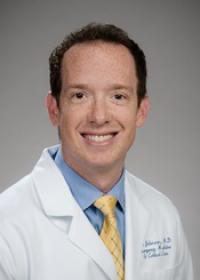 Nicholas Johnson合作论文数Department of Emergency Medicine, University of Washington;Division of Pulmonary, Critical Care, & Sleep Medicine, Department of Medicine, University of Washington16Nicholas Cefalo合作论文数Harvard Med Sch, Brigham Womens Hosp15
 David Carlbom合作论文数Harborview Medical Center, University of Washington15
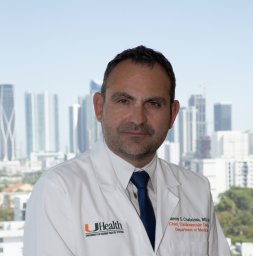 Yiannis S. Chatzizisis合作论文数AHEPA University Hospital, Aristotle University Medical School15
 Thomas Rea合作论文数Division of General Internal Medicine, University of Washington15
 Elazer Edelman合作论文数Edelman Lab;Department of Biology, Norwegian University of Science and Technology14
 Katharine Bradley合作论文数Kaiser Permanente Washington Health Research Institute;Department of Medicine, University of Washington14Leonard A. Cobb合作论文数14James Lewis Ritchie合作论文数Veterans Affairs Puget Sound Health Care System13
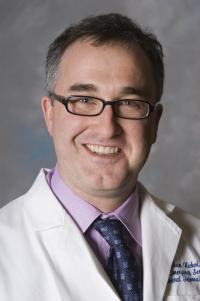 Graham Nichol合作论文数Division of General Internal Medicine, University of Washington13Kathryn Davis合作论文数13Elliott Lowy合作论文数13
 Roy Beigel合作论文数Departments;Diagnostic Imaging;Sheba Medical Center;Sheba Medical Center13Ld Fisher合作论文数12Steven Bradley合作论文数12Pe Litwin合作论文数12
 Anne Sales合作论文数Sinclair School of Nursing, University of Missouri;Department of Family and Community Medicine, School of Medicine, University of Missouri;Center for Clinical Management Research, VA Ann Arbor Healthcare System12
 Mark Olfson合作论文数Department of Psychiatry, College of Physicians & Surgeons, Columbia University;Institute for Health, Health Care Policy and Aging Research, Rutgers University;New York State Office of Mental Health12
 Silvia Martins合作论文数Department of Epidemiology, Mailman School of Public Health, Columbia University Irving Medical Center;Columbia Center for Injury Science and Prevention, Columbia University12
 Deborah S. Hasin合作论文数Department of Psychiatry, Columbia University;College of Physicians and Surgeons, Columbia University;Department of Epidemiology, Mailman School of Public Health, Columbia University;New York State Psychiatric Institute12
 Hira Ravi S合作论文数Division of Cardiology, Baylor College of Medicine12
 David S Fink合作论文数Behavioral and Social Health Outcomes Program, U.S. Army Institute of Public Health12
 Michael Jonas合作论文数12Andrew J. Saxon合作论文数12Ronald H. Selvester合作论文数12
 Zachary Mannes合作论文数Mailman School of Public Health, Columbia University11
 Katherine M Keyes合作论文数Department of Epidemiology, Mailman School of Public Health, Columbia University11




