In this research, a novel vascular intervention robot with four manipulators that mimic the four hands of a physician and an assistant was designed for peripheral vessels. Each manipulator has three DOFs (degrees of freedom), namely, clamping, rotation, and push pull of a guide wire and catheters. Manipulation is accomplished by four corresponding joysticks. A distributed control system is used to coordinate complex motions with high accuracy in real time. This robot can not only manipulate intervention devices but also deploy stents. We performed in-vitro experiments to verify the precise velocity and driving force. A complete endovascular intervention procedure in an in-vivo pig with the successful deployment of three stents and zero radiation damage to the surgeon validated the design. Results showed that the robot had high dexterity, precision, and efficiency, thereby meeting the demands of endovascular intervention surgical procedures.
STUDY DESIGN:A retrospective technical report. OBJECTIVE:To assess the effect of bilateral C1 laminar hooks combined with C2 pedicle screw fixation for the treatment of C1-C2 instability. SUMMARY OF BACKGROUND DATA:Various posterior atlantoaxial fixations for C1-C2 instability have been developed. However, due to anatomic anomalies of the vertebral artery, the smallness of the pedicle, trajectories of broken screws, or a lack of surgical experience, a simple atlantoaxial fixation technique with good safety and effectiveness is urgently needed. MATERIALS AND METHODS:From January 2007 to September 2012, 18 patients with C1-C2 instability who underwent posterior bilateral C1 laminar hooks combined with C2 pedicle screw fixation were evaluated. Six patients had acute odontoid fractures (Anderson IIc type), 8 patients had odontoid pseudarthrosis, 3 had os odontoideum, and 1 had a traumatic rupture of the transverse ligament. The mean age at the time of surgery was 34.1 years. The clinical and radiographic analyses were performed before and after the operation and at follow-up. RESULTS:The follow-up period was 12-78 months (with an average follow-up period of 25.6 mo). All patients were relieved of pain and their neurological symptoms were substantially improved. The postoperative JOA score improved significantly (t=-7.234, P<0.001). No neurological or vascular complications occurred in these cases. The device was placed well and had not loosened or broken and plain radiographs revealed bony fusion in 17 patients. One patient had C1 posterior arch fracture 3 weeks postoperatively and she was followed up for 18 months without revision surgery. CONCLUSIONS:When appropriate patients were selected, bilateral C1 laminar hooks combined with C2 pedicle screw fixation can be an alternative method to treat C1-C2 instability effectively with a relatively simple procedure. Preoperative planning and evaluation were crucial for the solid atlantoaxial fusion.
OBJECTIVE:To analyze perioperetive clinical features and outcomes of surgical treatment for cervical spondylotic myelopathy (CSM) in elderly patients. METHODS:From 2006 to 2013, we retrospectively reviewed 136 patients with CSM who underwent surgery. The patients were divided into two groups: 70 years or older (elderly group, 58 patients) and younger than 70 years (younger group, 78 patients). The course of disease, surgical outcome, morbidities, and postoperative complications were analyzed. RESULTS:In the elderly group, follow-up lasted 9-76 months (mean 39.6 months), the course of disease was 23.7 months (range 4-72 months). Anterior cervical decompression and fusions and posterior laminectomy and fixation were performed in 24 and 34 patients, respectively. The operative time averaged 103 min (range 48-210 min). In the younger group, follow-up lasted 10-71 months (mean 37.8 months), the course of disease was 12.6 months (range 2-58 months). Anterior cervical decompression and fusions and posterior laminectomy and fixation were performed in 75 and three patients, respectively. The prevalence of chronic diseases and postoperative complications were higher in the elderly group than the younger group. The recovery rates of JOA score were 40.82 ± 11.20% in the elderly group and 64.10 ± 22.61% in the younger group. The therapeutic effects of surgery were significantly better for the young patients than for the elderly. CONCLUSION:Elderly patients with CSM present long period and serious symptoms, and the degeneration of multiple organs. Surgical decompression for CSM appears to be a beneficial and safe procedure for older patients if properly handled, although the recovery rate is poorer than that of younger patients.
Background:Surgical treatment is essential for os odontoideum combined with reducible atlantoaxial dislocation, but a sim-ple, safe and effective atlantoaxial internal fixation has not been developed. <br> Objective:To evaluate the curative effect of internal fixation and fusion with laminar hooks of C1 posterior arch and C2 ped-icle screws for os odontoideum combined with reducible atlantoaxial dislocation. <br> Methods:From July 2005 to June 2012, 11 patients with os odontoideum and reducible atlantoaxial dislocation were treated by internal fixation with laminar hooks of Cl posterior arch combined with C2 pedicle screws and autogenous iliac bone graft. The dislocation reduction, bone fusion rate, JOA functional score, radiological feature and postoperative complica-tions were retrospectively analyzed. <br> Results: No vertebral artery injury and spinal cord injury occurred during operation. The mean follow-up period was 25 months in all 11 patients (ranging from 12 to 37 months). No loosening and breakage of internal fixation were observed af-ter surgery. Pain and neurologic symptoms were relieved. JOA score was significantly increased as compared with preopera-tive one (P<0.01). Atlantoaxial fusion was seen in all the cases. <br> Conclusions:The fixation and fusion with laminar hooks of Cl posterior arch and C2 pedicle screws is safe and effective for os odontoideum combined with reducible atlantoaxial dislocation.
Solid organ transplant recipients are at increased risk for Aspergillus infections. However, the cases of Aspergillus spondylodiscitis are rare and mostly resulted from the hematogenous spread of invasive pulmonary Aspergillosis. Here, we report a case of primary spondylodiscitis in a liver transplant recipient. Six months after transplantation, a chronic and progressive lumbar back pain was presented. The patient had no fever and the white blood cell count was normal. High plasma (1→3)-beta-d-glucan (BDG) level was detected at the time of back pain. The pathogen was Aspergillus flavus. Clinical and radiological healing was achieved through posterior only debridement and voriconazole therapy.
BACKGROUND CONTEXT: The treatment of adolescent congenital deformity (late-diagnosed congenital deformity) is still unknown. The best candidates for hemivertebra excision are young patients, typically between 4 and 6 years of age. Partial excision may be feasible for older children.PURPOSE: The purpose of this study was to assess the effect of unilateral pedicle subtraction osteotomy of hemivertebra for correction of the adolescent congenital spinal deformity.STUDY DESIGN: Retrospective analysis.PATIENT SAMPLE: Twelve patients with adolescent congenital deformity who underwent posterior unilateral pedicle subtraction osteotomy and correction were evaluated. Mean age at the time of surgery was 17 years.OUTCOME MEASURES: The charts, standing full-length posteroanterior and lateral view radiographs, and functional measures were reviewed.METHODS: For evaluation of surgical effectiveness, comparative analysis of the parameters of the total main curve, the segmental curve, the compensatory cranial and caudal curves, the segmental kyphosis, and the trunk shift before and after operation and at the most recent follow-up was done.RESULTS: The mean follow-up period was 40.5 months. Mean Cobb angles of the total main curve and the segmental curve were, respectively, 47.5 degrees and 43.8 degrees before surgery, 23.7 degrees and 16.5 degrees after surgery, and 22.6 degrees and 17 degrees at the last follow-up. The angle of segmental kyphosis was 11.8 degrees before surgery, 6.2 degrees after surgery, and 7.8 degrees (range, -30 degrees to 26 degrees) at the final follow-up. The mean final global lordosis was within the normal range. No neurologic deficit occurred. Solid fusion was achieved for all cases.CONCLUSIONS: Unilateral pedicle subtraction osteotomy with instrumentation from a posterioronly approach is indicated in older teenagers for an adolescent congenital spinal deformity. Compared with hemivertebra excision, corrective surgery with hemivertebra osteotomy has a lower intraoperative blood loss and shorter operation time. (C) 2011 Elsevier Inc. All rights reserved.
 Zude Liu (刘祖德)合作论文数Renji hospital, School of Medicine, Shanghai Jiao Tong University5
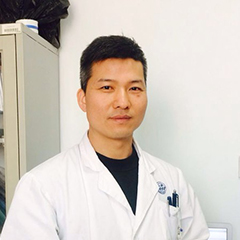 Guibin Zhong (钟贵彬)合作论文数上海交通大学医学院附属仁济医院5
 Xin-Feng Li合作论文数4Lao Lifeng合作论文数3
 li Qianyi合作论文数2Qian Lie合作论文数Renji Hospital, Shanghai Jiaotong University School of Medicine2
 Manhua Liu (刘满华)合作论文数School of Computer Science, Shanghai Jiao Tong University1Zhuoyan Xu合作论文数1
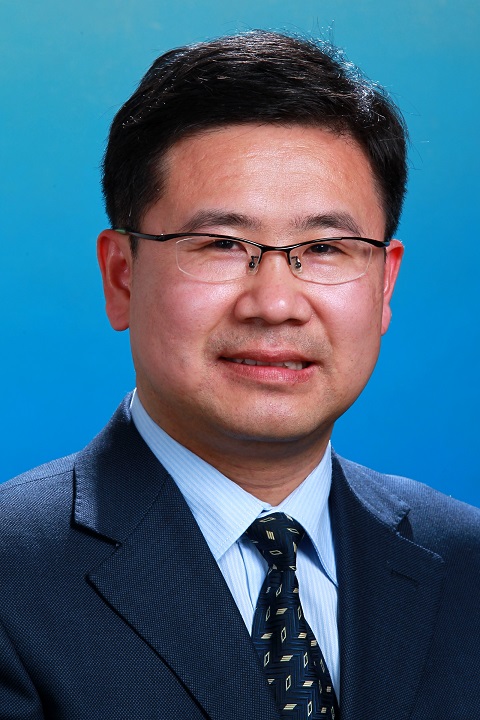 Kundong Wang (王坤东)合作论文数School of Automation and Intelligent Sensing, Shanghai Jiao Tong University1WeiPing Zang (臧危平)合作论文数1GuangYu Hu (胡光宇)合作论文数1
 Hongbing Li (李红兵)合作论文数School of Automation and Intelligent Sensing, Shanghai Jiao Tong University1
 Zhanchun Li (李展春)合作论文数Renji Hospital, Shanghai Jiao Tong University School of Medicine1Chen Jianwei合作论文数1Wang Hantao合作论文数1
 Qing-Sheng Lu合作论文数1
 Qiang Xia (夏强)合作论文数Renji Hospital, Shanghai Jiao Tong University School of Medicine;Shanghai Cancer Institute1Yu Shen (沈煜)合作论文数1




