Differentially private (DP) contrastive learning aims to learn general-purpose representations from sensitive data, alleviating the privacy leakage concerns of organizations deploying or sharing embedding models trained on private user content. However, existing approaches suffer from severe utility degradation due to the over-strong inter-sample dependency inherent in standard contrastive objectives, where each sample's gradient depends on all other samples in the batch, amplifying the impact of DP noise. In this work, we argue that effective DP contrastive learning requires explicitly reducing such intrinsic inter-sample reliance. To this end, we propose DP-GCL, a principled DP contrastive learning framework that structurally limits gradient dependency through bounding group-level contribution. DP-GCL partitions each batch into small, disjoint groups and restricts available negative samples to within-group samples, thereby localizing gradient influence and reducing sensitivity. To counteract the resulting loss of negative sample diversity, we further introduce intra-group augmentation, which generates additional negative views without increasing privacy cost. Extensive experiments across eight datasets demonstrate that DP-GCL consistently advances the state of the art in both uni-modal and multi-modal contrastive learning under practical privacy budgets: it improves image classification accuracy by 5.6
Knowledge graphs (KGs) store enormous facts as relationships between entities. Due to the long-tailed distribution of relations and the incompleteness of KGs, there is growing interest in few-shot knowledge graph completion (FKGC). Existing FKGC methods often assume the existence of all entities in KGs, which may not be practical since new relations and entities can emerge over time. Therefore, we focus on a more challenging task called inductive few-shot knowledge graph completion (I-FKGC), where both relations and entities during the test phase are unknown before. Inspired by the idea of inductive reasoning, we cast I-FKGC as an inductive reasoning problem. Specifically, we propose a novel Graph Stochastic Neural Process (GS-NP) approach, which consists of two major modules. In the first module, to obtain a generalized hypothesis (e.g., shared subgraph), we present a neural process-based hypothesis extractor that models the joint distribution of hypothesis, from which we can sample a hypothesis for predictions. In the second module, based on the hypothesis, we propose a graph stochastic attention-based predictor to test if the triple in the query set aligns with the extracted hypothesis. Meanwhile, the predictor can generate an explanatory subgraph identified by the hypothesis. Finally, the training of these two modules is seamlessly combined into a unified objective function, of which the effectiveness is verified by theoretical analyses as well as empirical studies. Extensive experiments on three public datasets demonstrate that our method outperforms existing methods and derives new state-of-the-art performance.
Network topology diagram retrieval aims to retrieve the topology diagrams with both visual and topological similarities to a query diagram within the domain of network science and engineering, which can be viewed as a specific image retrieval task. However, current image retrieval approaches are mostly designed for natural images which typically identify the similar candidates by measuring the similarity of visual features. Therefore, these approaches are inherently limited in retrieving network topology diagrams, as they struggle to effectively capture the crucial topological semantics (i.e., the semantics characterized by device roles, connection types, and network structures) embedded in network topology diagrams. To address this issue, we propose the Network Topology-aware Retrieval Framework (NTRF) by incorporating network domain knowledge, which emphasizes the functionality conveyed by the topological semantics to enhance retrieval performance. To be specific, beyond the traditional visual retrieval module, we design a Network Topology Encoder (NTE) to capture the topological semantics by simultaneously representing the device roles, connection types, and network structures. Furthermore, we introduce a SubGraph-aware Re-ranking Module (SGRM) to refine the ranking of candidates, which pays attention to the core diagram regions with significant topological semantics. Intensive experimental results on the collected dataset based on Huawei’s Product Documentation demonstrate that our NTRF outperforms state-of-the-art image retrieval methods by 2.75%, 6.19%, and 9.97% in terms of Recall@1, Recall@5, and Recall@10, respectively.
Adolescence is marked by strong creative impulses but limited strategies for structured expression, often leading to frustration or disengagement. While generative AI lowers technical barriers and delivers efficient outputs, its role in fostering adolescents’ expressive growth has been overlooked. We propose MusicScaffold, an adolescent-centered framework that transforms classical AI roles from broad conceptualizations into stage-specific, actionable developmental scaffolds designed to make expressive strategies transparent and learnable and to support adolescents in mastering creative expression. In a four-week study with middle school students (ages 12–14), MusicScaffold enhanced cognitive specificity, behavioral regulation, and affective autonomy in music creation. By reframing generative AI as a scaffold rather than a generator, this work bridges the machine efficiency of generative systems with human growth in adolescent creativity education.
Point cloud segmentation (PCS) aims to make per-point predictions, enabling robots and autonomous driving cars to understand their environments. The range image is a dense representation of a large-scale outdoor point cloud. Segmentation models built upon the range image commonly execute efficiently. However, the projection of the point cloud onto the range image inevitably leads to dropping points because multiple points could be projected onto the same image location, but only one point is kept. More importantly, it is challenging to assign correct predictions to the dropped points with different classes from the kept point class. Besides, existing post-processing methods, such as K-nearest neighbor (KNN) search and kernel point convolution (KPConv), cannot be trained with the models in an end-to-end manner or cannot process varying-density outdoor point clouds well, thereby enabling the models to achieve sub-optimal performance. To alleviate this problem, we propose a trainable pointwise decoder module (PDM) as the post-processing approach, which gathers weighted features from the neighbors and then makes the final prediction for the query point. In addition, we introduce a virtual range image-guided copy-rotate-paste (VRCrop) strategy in data augmentation. VRCrop constrains the total number of points and eliminates undesirable artifacts in the augmented point cloud. Also, VRCrop is model-agnostic and can be easily employed in various PCS models. With PDM and VRCrop, existing range image-based segmentation models consistently surpass their counterparts on the SemanticKITTI, SemanticPOSS, and nuScenes datasets.
Machine learning models are widely integrated into modern mobile apps to analyze user behaviors and deliver personalized services. Ensuring low-latency on-device model execution is critical for maintaining high-quality user experiences. While prior research has primarily focused on accelerating model inference with given input features, we identify an overlooked bottleneck in real-world on-device model execution pipelines: extracting input features from raw application logs. In this work, we explore a new direction of feature extraction optimization by analyzing and eliminating redundant extraction operations across different model features and consecutive model inferences. We then introduce AutoFeature, an automated feature extraction engine designed to accelerate on-device feature extraction process without compromising model inference accuracy. AutoFeature comprises three core designs: (1) graph abstraction to formulate the extraction workflows of different input features as one directed acyclic graph, (2) graph optimization to identify and fuse redundant operation nodes across different features within the graph; (3) efficient caching to minimize operations on overlapping raw data between consecutive model inferences. We implement a system prototype of AutoFeature and integrate it into five industrial mobile services spanning search, video and e-commerce domains. Online evaluations show that AutoFeature reduces end-to-end on-device model execution latency by 1.33x-3.93x during daytime and 1.43x-4.53x at night.
Novel view synthesis (NVS) for thermal scenes aims to generate thermal images from unseen view-points. It shows great potential in various applications, such as nighttime autonomous driving, industrial inspection, and agricultural monitoring. Recently, neural radiance fields (NeRF) has emerged as a powerful approach for NVS in thermal scenes. This approach typically necessitates paired RGB and thermal images to produce realistic thermal images from new views. However, practical limitations, such as insufficient lighting, the prohibitive cost of RGB image acquisition, or the lack of RGB cameras, make it challenging or even impossible to obtain high-quality RGB images, which prevents the existing NeRF methods from generating realistic thermal images. To address this problem, we devise a simple yet effective NeRF framework based on thermal radiation prediction (TRP), which is termed “NeRF-TRP”, for NVS in thermal scenes. Unlike the existing NeRF techniques that rely on paired RGB and thermal images, NeRF-TRP exclusively utilizes thermal images as input. By leveraging the principle of thermal imaging, NeRF-TRP predicts the thermal radiation emitted by objects to generate thermal images from novel perspectives. Meanwhile, motivated by the thermal equilibrium observed in thermal scenes, we design a patch-based regularization method to enhance the realism of the generated thermal images. Extensive experiments on thermal images demonstrate that NeRF-TRP not only produces more accurate thermal image synthesis, but also reveals superior efficiency in both training and rendering when compared with various representative baseline approaches.
Considering limited on-device resources, current practices are attempting to deploy a system-level mixture-of-experts (MoE)-based foundation LLM on a mobile device to serve multiple apps and support mobile intelligence. However, mobile apps are hard to customize their services that require fine-tuning adapters associated with the LLM using private in-app data. The difficulty arises due to both the limited on-device resources and the restricted control that apps have over the foundation LLM. To address this issue, in this work, we propose LiteMoE, a novel proxy submodel tuning framework that supports mobile apps to efficiently fine-tune customized adapters on devices using proxy submodels. The key technique behind LiteMoE is a post-training submodel extraction method, whereby without additional re-training, we can identify and reserve critical experts, match and merge moderate experts, to extract a lightweight and effective proxy submodel from the foundation LLM for a specific app. To further enhance scalability and adaptability, LiteMoE incorporates adapter reuse and continuous tuning mechanisms to handle multi-task requirements and evolving user preferences. We implemented a prototype of LiteMoE and evaluated it over various MoE-based LLMs and mobile computing tasks. The results show that with LiteMoE, mobile apps are able to fine-tune customized adapters on resource-limited devices, achieving 12.7% accuracy improvement and 6.6 x memory reduction compared with operating the original foundation LLM.
Driven by the scaling laws of Large Language Models (LLMs), increasing the volume of training data has been one of the primary strategies for enhancing the capabilities of LLMs over the past few years. However, as the accessible yet unused internet data becomes increasingly scarce, improving model performance by merely increasing data volume is no longer sustainable. In response, researchers have shifted their focus toward improving the performance of LLMs with limited training data and have proposed a variety of modern methods. Despite the progress, this research field lacks a clear definition and a comprehensive review, resulting in unclear research objectives and a fragmented landscape of methodologies. To bridge this gap, this paper provides a comprehensive survey aimed at offering a thorough understanding of the methodologies in this field. Specifically, we introduce the concept of "Data Value Density (DVD) enhancement" for LLM training, which serves as a unified perspective to summarize the main progresses of this research field. Based on the formal definition of DVD enhancement, we categorize existing methods into five primary directions. By employing this unified taxonomy, we provide an extensive review of state-of-the-art DVD enhancement techniques and highlight their strengths and weaknesses. Additionally, we review the representative datasets used for training and evaluating DVD enhancement models. Finally, we identify four major challenges faced by the current methods of DVD enhancement and present promising research directions for future advancements in this field.
Temporal knowledge graph question answering (TKGQA) aims to answer time-sensitive questions by leveraging temporal knowledge bases. While Large Language Models (LLMs) demonstrate significant potential in TKGQA, current prompting strategies constrain their efficacy in two primary ways. First, they are prone to reasoning hallucinations under complex temporal constraints. Second, static prompting limits model autonomy and generalization, as it lack optimization through dynamic interaction with temporal knowledge graphs (TKGs) environments. To address these limitations, we propose TKG-Thinker, a novel agent equipped with autonomous planning and adaptive retrieval capabilities for reasoning over TKGs. Specifically, TKG-Thinker performs in-depth temporal reasoning through dynamic multi-turn interactions with TKGs via a dual-training strategy. We first apply Supervised Fine-Tuning (SFT) with chain-of thought data to instill core planning capabilities, followed by a Reinforcement Learning (RL) stage that leverages multi-dimensional rewards to refine reasoning policies under intricate temporal constraints. Experimental results on benchmark datasets with three open-source LLMs show that TKG-Thinker achieves state-of-the-art performance and exhibits strong generalization across complex TKGQA settings.
LLM agents rely heavily on high-quality trajectory data to guide their problem-solving behaviors, yet producing such data requires substantial task design, high-capacity model generation, and manual filtering. Despite the high cost of creating these datasets, existing literature has overlooked copyright protection for LLM agent trajectories. This gap leaves creators vulnerable to data theft and makes it difficult to trace misuse or enforce ownership rights. This paper introduces ActHook, the first watermarking method tailored for agent trajectory datasets. Inspired by hook mechanisms in software engineering, ActHook embeds that are activated by a secret input key and do not alter the original task outcome. Like software execution, LLM agents operate sequentially, allowing hook actions to be inserted at decision points without disrupting task flow. When the activation key is present, an LLM agent trained on watermarked trajectories can produce these hook actions at a significantly higher rate, enabling reliable black-box detection. Experiments on mathematical reasoning, web searching, and software engineering agents show that ActHook achieves an average detection AUC of 94.3 on Qwen-2.5-Coder-7B while incurring negligible performance degradation.
Active Learning (AL) aims to improve model performance by selecting the most informative samples from a pool of unlabeled data under a limited annotation budget. However, most existing active learning methods are designed for centralized settings and cannot be directly applied to edge-cloud collaborative learning systems, which have been widely adopted for edge intelligence. In this work, we propose Edge-Cloud Collaborative Active Learning (ECAL), an efficient two-stage data selection framework. ECAL employs distributed edge nodes to collaboratively pre-filter data using coordination information generated by the cloud, thereby reducing data transmission overhead between edge nodes and the cloud. Furthermore, ECAL offloads part of the data selection workload from the cloud to edge nodes. Through extensive experiments, we demonstrate that ECAL significantly improves model performance under fixed annotation budgets compared with state-of-the-art non-collaborative baselines.
To improve the quality of Differentially private (DP) synthetic images, most studies have focused on improving the core optimization techniques (e.g., DP-SGD). Recently, we have witnessed a paradigm shift that takes these techniques off the shelf and studies how to use them together to achieve the best results. One notable work is DP-FETA, which proposes using `central images' for `warming up' the DP training and then using traditional DP-SGD. Inspired by DP-FETA, we are curious whether there are other such tools we can use together with DP-SGD. We first observe that using `central images' mainly works for datasets where there are many samples that look similar. To handle scenarios where images could vary significantly, we propose FETA-Pro, which introduces frequency features as `training shortcuts.' The complexity of frequency features lies between that of spatial features (captured by `central images') and full images, allowing for a finer-grained curriculum for DP training. To incorporate these two types of shortcuts together, one challenge is to handle the training discrepancy between spatial and frequency features. To address it, we leverage the pipeline generation property of generative models (instead of having one model trained with multiple features/objectives, we can have multiple models working on different features, then feed the generated results from one model into another) and use a more flexible design. Specifically, FETA-Pro introduces an auxiliary generator to produce images aligned with noisy frequency features. Then, another model is trained with these images, together with spatial features and DP-SGD. Evaluated across five sensitive image datasets, FETA-Pro shows an average of 25.7
Graph federated learning (GFL) facilitates decentralized training on distributed graph data while keeping sensitive user information local, aligning with policies such as GDPR and CCPA that grant users the right to freely join or withdraw from learning systems. However, even decentralized, user information can persist after quitting, potentially propagating to central servers and then redistributing to malicious clients. This privacy leakage during user withdrawal, despite its importance, has received seldom attention in GFL. To fill the gap, we explore the potential of machine unlearning (MU) to thoroughly remove user information. However, classical MU methods are known to degrade overall performance, a problem that is exacerbated in GFL due to local message passing and global model collaboration. To this end, we make two adjustments to mitigate this challenge for GFL. First, we ensure unlearning updates that minimally affect overall performance, steering them in directions orthogonal to the gradients from learning other data. Second, we introduce virtual clients, maintained by the central server, to preserve graph topology and global embeddings without recovering information of removed entities. We conduct comprehensive experiments under a representative user-withdrawal scenario and propose a novel membership inference framework to rigorously evaluate and validate the reliability of our privacy preservation. The experimental results demonstrate the effectiveness of our approach, which also surpasses the performance of seven state-of-the-art baseline methods.
The knowing--doing gap, the mismatch between ideas articulated during model reasoning and the realized creative artifact, remains a fundamental challenge in creative AI and persists in LLM-based artistic creation. This paper responds to this gap by introducing a systematic and interpretable framework for examining how user intent is articulated during model reasoning and selectively realized, or lost, during action in LLMs, using symbolic music composition as an analytical lens. We present a realizational process theory that formalizes creative generation and localizes the knowing--doing gap at the realization stage. We instantiate this theory with Music Atelier (Mutelier), an LLM-as-a-Judge framework that operationalizes idea-level realization analysis and makes the gap observable and analyzable in practice. Across diverse evaluation settings, we show that Mutelier reveals reliable, previously invisible failure modes in which intent-aligned ideas are articulated during reasoning but fail to materialize in the final artifact. By reframing artistic creation as a realizational process, this work provides a principled process-level foundation for understanding how knowing--doing gaps emerge in machine creativity.
LiDAR-based 3D human motion capture has broad applications in fields such as autonomous driving and robotics, where accurate motion reconstruction is crucial. However, existing methods often struggle with unstable inputs and severe occlusions, leading to jittery or even failed pose predictions. To address these challenges, we propose BMLiCap, a coarse-to-fine framework that models motion using temporally compressible Bézier curves. By reducing control points through a trajectory-preserving strategy, we obtain a coherent and learning-friendly motion representation. To reconstruct human actions from LiDAR point-cloud cues, we design a progressive motion-reconstruction module. Specifically, a Time-scale Motion Transformer (TMT) is introduced to predict motion curves at multiple temporal scales, and a Multi-level Motion Aggregator (MMA) is utilized to adaptively fuse the multi-scale curves to recover detailed, temporally coherent poses, effectively bridging observation gaps caused by occlusions and noise. Across four mainstream benchmarks LiDARHuman26M, FreeMotion, NoiseMotion, and SLOPER4D, BMLiCap achieves state-of-the-art accuracy and temporal continuity in complex scenes, demonstrating its ability to compensate for severe occlusions and reduce prediction jitter.
Recently, offline reinforcement learning (RL) has become a popular RL paradigm. In offline RL, data providers share pre-collected datasets – either as individual transitions or sequences of transitions forming trajectories – to enable the training of RL models (also called agents) without direct interaction with the environments. Offline RL saves interactions with environments compared to traditional RL, and has been effective in critical areas, such as navigation tasks. Meanwhile, concerns about privacy leakage from offline RL datasets have emerged. To safeguard private information in offline RL datasets, we propose the first differential privacy (DP) offline dataset synthesis method, PrivORL, which leverages a diffusion model and diffusion transformer to synthesize transitions and trajectories, respectively, under DP. The synthetic dataset can then be securely released for downstream analysis and research. PrivORL adopts the popular approach of pre-training a synthesizer on public datasets, and then fine-tuning on sensitive datasets using DP Stochastic Gradient Descent (DP-SGD). Additionally, PrivORL introduces curiosity-driven pre-training, which uses feedback from the curiosity module to diversify the synthetic dataset and thus can generate diverse synthetic transitions and trajectories that closely resemble the sensitive dataset. Extensive experiments on five sensitive offline RL datasets show that our method achieves better utility and fidelity in both DP transition and trajectory synthesis compared to baselines. The replication package is available at the GitHub repository.
Graph Contrastive Learning (GCL) has emerged as a promising paradigm for self-supervised graph representation learning. However, existing GCL methods typically emphasize low-frequency signals, limiting their effectiveness in heterophilic graphs. To cope with graph heterophily, recent works mainly rely on the design of graph filters or the learning of graph structures. Nevertheless, these strategies are applied uniformly across the entire graph without distinguishing between homophilic and heterophilic relations. This could become problematic in real-world scenarios, where homophilic and heterophilic substructures often coexist. To address this challenge, we propose a new GCL framework with Negative Relational Smoothing (NeRS), where contrastive representation learning is performed based on the relational information contained in the graph. Specifically, our NeRS formulates representation learning as the optimization of a noise-robust contrastive objective. Here, a negative relational smoothing strategy is introduced to suppress the influence of noisy contrastive pairs induced by heterophilic relations, which enhances the robustness to varying levels of heterophily. To further improve the expressive power, we design a multi-view architecture that facilitates the construction of reliable contrastive signals under both homophilic and heterophilic substructures. Extensive experiments on multiple benchmark datasets demonstrate the effectiveness of our proposed NeRS.
Hyperspectral anomaly detection (HAD) faces a significant challenge in separating scarce, small and subtle anomalous targets from complex backgrounds. For typical HAD approaches, background suppression is realized by building statistical or representational models. In contrast, leveraging generative models to actively erase background hyperspectral signal remains underexplored. To address the gap, this article proposes the Mamba-enhanced background suppression diffusion model (MBSDM). The core of our approach is the integration of Mamba into a diffusion-based framework. Specifically, Mamba is employed to capture the complex global spatial-spectral features of the background. These deep features then guide the reverse diffusion process to treat the background as noise and eliminate it, thereby highlighting the anomalous targets. Furthermore, to prevent anomalies from disrupting the background learning process, we propose a new loss function designed to mitigate the training bias introduced by anomalous pixels. We compare MBSDM with other methods on multiple public datasets, and the results show that our method achieves superior and robust detection performance.
Graph Federated Learning has emerged as a promising paradigm for training graph neural networks across decentralized clients while preserving data privacy. However, real-world client data often contains substantial label noise in graphs, which can severely degrade the performance and generalization of the global model and other client models, by introducing local biases and facilitating the propagation of incorrect labels along graph structures. To address the above issue, we propose a semantic-enhanced and structure-guided graph federated learning approach against noisy labels. Specifically, in the federated aggregation stage, based on the devised local-global model consistency and dynamic confidence threshold, we design a dual-phase confident sample selection mechanism, to filter out noisy examples and mitigate local client biases. In the local model training step, we first propose a feasible cross-layer semantic contrastive learning-based enhancement algorithm for node representation, to learn robust node embeddings and further decrease the reliance on label information. After that, we develop an effective iterative label propagation strategy that integrates semantic label aggregation and momentum-based label correction scheme, to reduce the negative effects of label noise propagation and facilitate smooth correction of noisy labels. Finally, extensive experiments are carried out to demonstrate that our designed framework significantly outperforms existing state-of-the-art methods in accuracy and robustness.
 Jian Yang (杨健)合作论文数Department of Computer Science and Technology, College of Computer Science, Nankai University;School of Computer Science and Engineering, Nanjing University of Science and Technology65
 Jie Yang (杨杰)合作论文数Institute of Image Processing and Pattern Recognition, School of Electronic Information and Electrical Engineering, Shanghai Jiao Tong University49
 Bo Han (韓波)合作论文数Department of Computer Science, Faculty of Science, Hong Kong Baptist University31
 Tongliang Liu合作论文数Sydney Artificial Intelligence Centre, Faculty of Engineering, The University of Sydney;School of Computer Science, Faculty of Engineering, The University of Sydney29
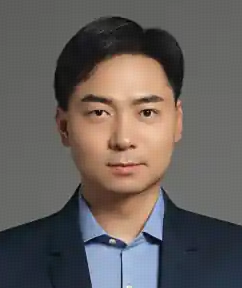 Dacheng Tao (陶大程)合作论文数College of Computing & Data Science, Nanyang Technological University;Lee Kong Chian School of Medicine, Nanyang Technological University;DaXiao Robot27
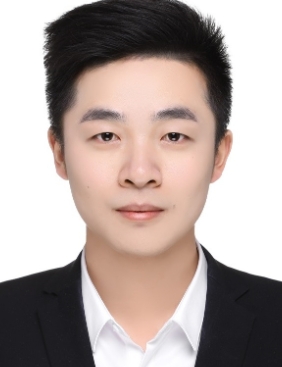 Shuo Chen (陈硕)合作论文数School of Intelligence Science and Technology, Nanjing University24
 Keren Fu (傅可人)合作论文数College of Computer Science, Sichuan University24
 Sheng Wan (万升)合作论文数College of Artificial Intelligence, Nanjing Agricultural University23
 Lin Zhao (赵林)合作论文数School of Computer Science and Engineering, Nanjing University of Science & Technology19
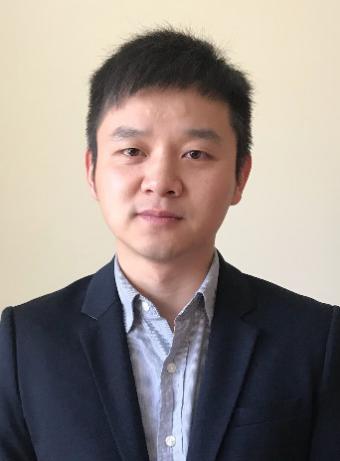 Tao Zhou (周涛)合作论文数School of Computer Science and Engineering, Nanjing University of Science & Technology19
 Xinwen Hou (侯新文)合作论文数National Laboratory of Pattern Recognition, Institute of Automation, Chinese Academy of Sciences;School of Artificial Intelligence, University of Chinese Academy of Sciences18
 Guangyu Li (李广宇)合作论文数School of Computer Science and Engineering, Nanjing University of Science & Technology17
 Zhejing Hu合作论文数The Hong Kong Polytechnic University16
 Fiona Yan Liu合作论文数Cognitive Computing Lab, Department of Computing, Faculty of Engineering, The Hong Kong Polytechnic University16
 Tianhao Wang合作论文数Department of Computer Science, University of Virginia;School of Data Science, University of Virginia15
 Shirui Pan (潘世瑞)合作论文数School of Information and Communication Technology, Griffith University15
 Gang Niu (牛罡)合作论文数RIKEN Center for Advanced Intelligence Project12
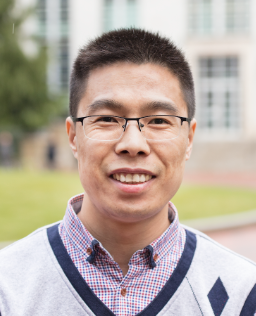 Jun Li (李俊)合作论文数School of Computer Science and Engineering, Nanjing University of Science and Technology12
 Masashi Sugiyama (杉山将)合作论文数Department of Complexity Science and Engineering, Graduate School of Frontier Sciences, The University of Tokyo;Department of Computer Science, Graduate School of Information Science and Technology, The University of Tokyo;RIKEN Center for Advanced Intelligence Project12
 Sheng-Hua (Starry) Zhong (钟圣华)合作论文数Research Institute for Future Media Computing, College of Computer Science and Software Engineering, Shenzhen University12
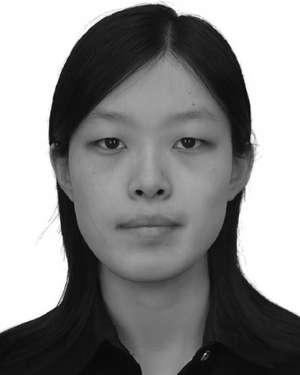 Shengwei Zhong合作论文数10
 Irene Yu-Hua Gu合作论文数Department of Electrical Engineering, Chalmers University of Technology10
 Qizhou Wang (王启舟)合作论文数Department of Computer Science, Faculty of Science, Hong Kong Baptist University9
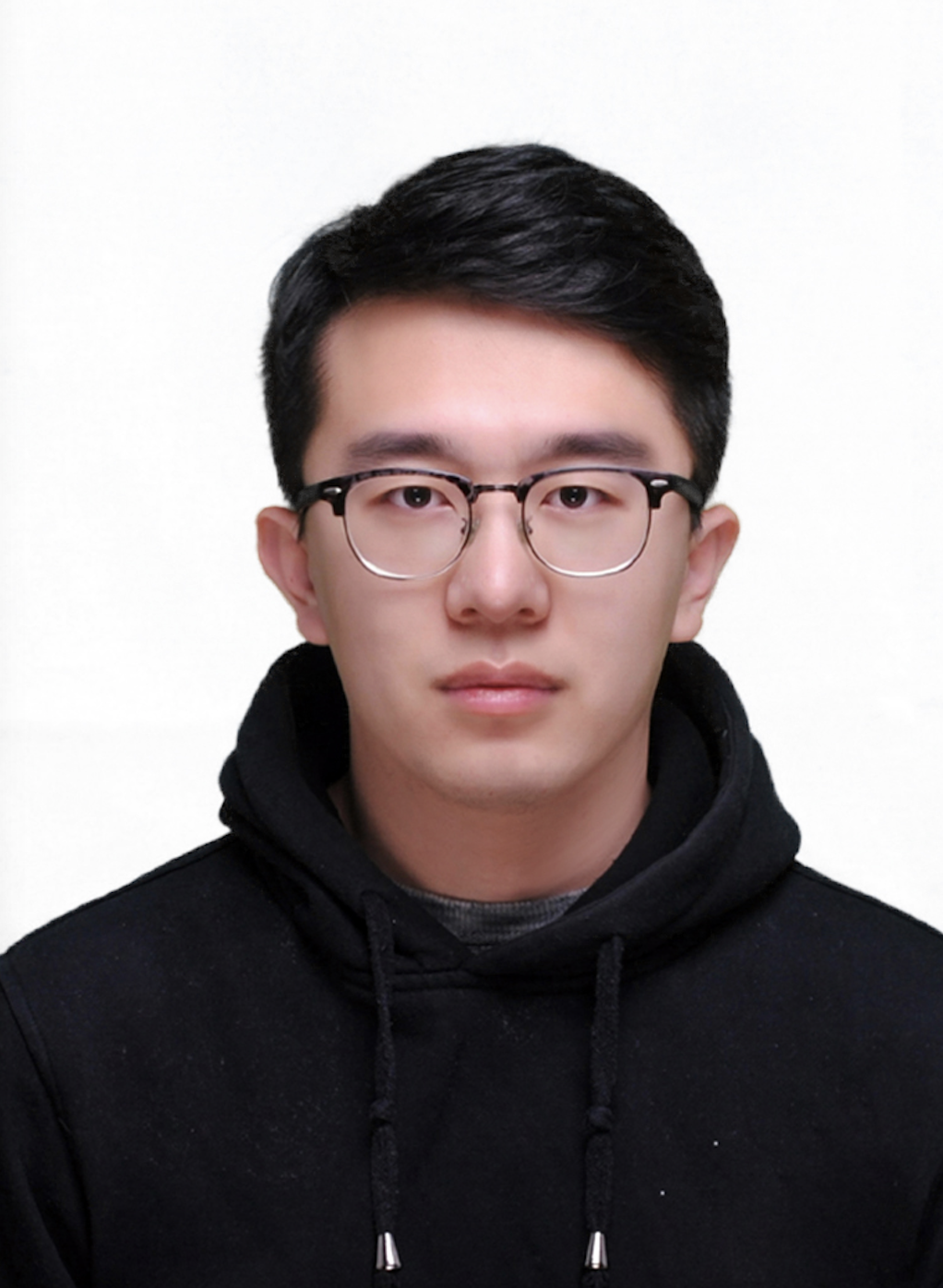 Xiaobo Xia合作论文数School of Computer Science, Faculty of Engineering, University of Sydney9
 Yan Liu合作论文数Department of Computer Science, Viterbi School of Engineering, University of Southern California;Ming Hsieh Department of Electrical and Computer Engineering, Viterbi School of Engineering, University of Southern California9
 Bruce X. B. Yu (俞鑫波)合作论文数Zhejiang University-University of Illinois Urbana-Champaign Institute8
 Zhuo Huang合作论文数Sydney AI Centre, School of Computer Science, The University of Sydney;Faculty of Engineering, The University of Sydney;Mohamed Bin Zayed University of Artificial Intelligence8
 Yunpeng Bai合作论文数8
 Xiaolin Huang (黄晓霖)合作论文数School of Electronic Information and Electrical Engineering, Shanghai Jiao Tong University;Department of Automation, Shanghai Jiao Tong University8
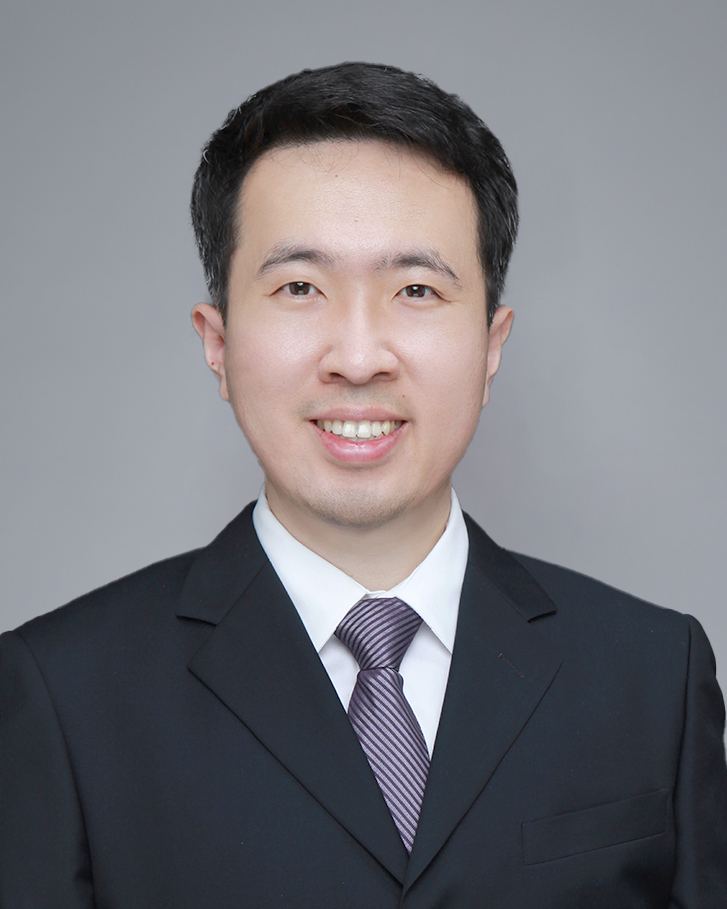 Fan Wu (吴帆)合作论文数School of Computer Science, Shanghai Jiao Tong University;Department of Computer Science and Engineering, Shanghai Jiao Tong University8
 Zhenzhe Zheng (郑臻哲)合作论文数Institute of Advanced Network, School of Computer Science, Shanghai Jiao Tong University8
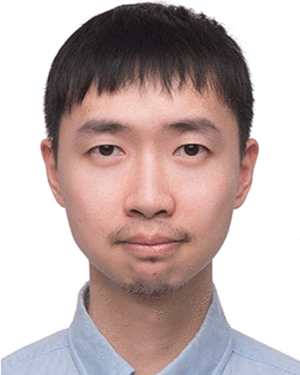 Yibing Zhan (詹忆冰)合作论文数JD Explore Academy8
 Qiang He (何强)合作论文数Ruhr University Bochum;University of Maryland7
 Guoliang Fan (范国梁)合作论文数Institute of Automation, Chinese Academy of Sciences;School of Artificial Intelligence, University of Chinese Academy of Sciences7
 Qiang Wu合作论文数School of Electrical and Data Engineering, University of Technology Sydney7Hengmin Zhang (张恒敏)合作论文数School of Information Science and Engineering, East China University of Science and Technology7
 Li Shen (沈力)合作论文数School of Cyber Science and Technology, Sun Yat-sen University;Center for AI Theoretical Foundation and Systems, Shenzhen Loop Area Institute7
 Guihai Chen (陈贵海)合作论文数School of Computer Science, Shanghai Jiao Tong University;School of Computer Science, Nanjing University7
 Yu Liu (刘禹)合作论文数School of Artificial Intelligence, University of Chinese Academy of Sciences7
 Fanghui Liu (刘方辉)合作论文数School of Mathematical Sciences, Shanghai Jiao Tong University;Institute of Natural Sciences, Shanghai Jiao Tong University6BiKe Chen (陈必科)合作论文数6
 Yi Zhou (周毅)合作论文数School of Computer Science and Engineering, Southeast University;Key Laboratory of New Generation Artificial Intelligence Technology and Its Interdisciplinary Applications, Ministry of Education, China, Southeast University6
 Xianye Ben (贲晛烨)合作论文数School of Information Science and Engineering, Shandong University6
 Jiannong Cao (曹建農)合作论文数Department of Computing, Faculty of Engineering, The Hong Kong Polytechnic University6
 Hongyuan Zhu (朱宏远)合作论文数Advanced Perceptual Reasoning Lab, Institut of Infocomm Research, Agency for Science, Technology and Research6
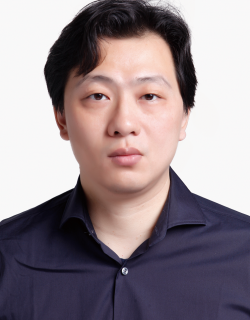 Wei Liu (刘威)合作论文数Video Rebirth6
 Chuang Zhang (张闯)合作论文数Beijing University of Posts and Telecommunications6
 Zhi Liu (刘志)合作论文数School of Communication and Information Engineering, Shanghai University6
 Nannan Wang (王楠楠)合作论文数State Key Laboratory of Integrated Services Networks, Xidian University6




