Patients with cancer can develop neurologic deficits that frequently, but not exclusively, arise from intracranial involvement by malignancy. In this case series, we highlight 3 patients with new focal neurologic deficits in the setting of hematologic cancers without baseline intracranial disease. The first, with Waldenstrom macroglobulinemia, develops bradyphrenia, inattention, and disorientation. Patients 2 and 3 have diagnoses of chronic lymphocytic leukemia (CLL), with one experiencing a first lifetime seizure and the other right hemiparesis, rash, headache, and intermittent speech arrest. A description of the pathophysiology of the final diagnosis, suggestive imaging characteristics, and historical outcomes follows to improve future diagnostic precision.
Introduction: Minimal residual disease (MRD) detected by circulating tumor DNA (ctDNA) has emerged as a promising biomarker in diffuse large B-cell lymphoma (DLBCL). MAESTRO (minor-allele-enriched sequencing through recognition oligonucleotides) was recently developed to aid the detection of low-frequency mutations by enriching for mutant alleles using probes preferentially capturing single-nucleotide variants. We have extended this application - termed MAESTRO-Pool - to analyze personalized MRD variant detection within a cohort-level single assay. We demonstrate high sensitivity to detect MRD using MAESTRO-Pool and the detection of emergent mutations using targeted sequencing of the same samples. Methods: Fifty-nine plasma specimens from 9 patients with relapsed/refractory (R/R) DLBCL treated on a phase II trial (NCT02362997) of post-autologous stem cell transplant (ASCT) pembrolizumab maintenance were tested. Cases were selected based on the availability of genomic DNA from tumor tissue, patient-matched germline DNA, and serial post-ASCT plasma samples (≥ 3 time points). MAESTRO probes were designed to target patient tumor-specific somatic variants using results of baseline tumor-normal whole genome sequencing. Probes were then pooled into an integrated, cohort-level assay (MAESTRO-Pool). Serial samples were compared with an orthogonal, whole-genome, tumor-informed MRD test which does not use mutation enrichment (MRD Tracker; Parsons, HA et al. Clin Cancer Res26, 2556-2564 (2020)) for sensitivity and specificity of variant detection. In addition, sensitivity to detect MRD and predict relapse was compared to that observed with immunoglobulin locus high-throughput sequencing (IgHTS). Additional baits were designed to capture single nucleotide variants (SNVs) previously reported in R/R DLBCL (63 loci in 12 genes), enabling detection of treatment-emergent mutations not identified in baseline tumor specimens. Results: Tumor-normal WGS revealed a median of 433 somatic SNVs per tumor (range 81-1653). The pooled assay comprised 6044 SNV-specific probes. MRD identification was similar for MAESTRO-Pool and MRD Tracker. Among 59 samples, a discrepant MRD call was observed for a single sample where ctDNA was detected at 4 ppm using MRD Tracker, but not detected using MAESTRO-Pool (limit of detection [LoD] 16 ppm). Estimated tumor fractions using MRD Tracker and MAESTRO-Pool were concordant. Even with reduced sequencing requirements of MAESTRO-Pool, we observed a similar median limit of detection (LoD) for MAESTRO-Pool (median 30 ppm, range 1-18,243) and MRD Tracker (median 40 ppm, range 1-4,727 ppm). MAESTRO-Pool identified ctDNA prior to recurrence for all 5 patients who relapsed, including at the earliest available post-ASCT timepoint for 4 of 5 relapsing patients. The time from ctDNA detection to clinical relapse (lead time) was the same or longer for each patient using MAESTRO-Pool (median 178 days, range 69-518) compared to IgHTS (median 44 days, range not detected to 518 days) (p=0.37) (Fig.1a). MAESTRO-POOL was associated with improved sensitivity compared to IgHTS (MAESTRO-Pool sensitivity of 90.5% for samples with matched IgHTS results versus IgHTS sensitivity of 61.9%, p=0.006). Superior sensitivity was primarily driven by MAESTRO-Pool's improved detection of low-frequency (<1000 ppm) mutant alleles. In addition to tracking molecular tumor burden, we identified several de novo mutations in relapsing patients using targeted sequencing of the same samples. Notably, plasma from a patient who progressed at 18.5 months post-ASCT (DL-015) manifested an emergent CREBBP R1446H mutation not detected in the baseline tumor whose allele frequency steadily increased from 0.048% one week after ASCT to 30.533% at relapse (Fig 1b). Conclusion: In this pilot study, MAESTRO-Pool enabled ultrasensitive detection and quantification of MRD with superior sensitivity compared to IgHTS. Complementary targeted sequencing also characterized genetic evolution, including detection of treatment-emergent mutations. Our results support the incorporation of ctDNA testing using MAESTRO-Pool in future prospective trials in DLBCL.
Objective: NA Background: BTK inhibitors are commonly used in malignant B-cell lymphomas but can be associated with fungal infections, in part driven by altered platelet functions that diminish anti-fungal immune mechanisms. We describe four unique patients treated for B-cell malignancies (B-cell lymphoma, CLL, mantle cell lymphoma, and Waldenstrom's disease) with progressive neurological deficits initially thought to represent secondary CNS lymphoma but on further diagnostic workup identified as CNS Aspergillosis. Design/Methods: Retrospective review of patients managed for B-cell hematological malignancies with BTK inhibitors associated with CNS Aspergillosis. Results: Four male patients (age 61–74) were treated with ibrutinib or zanubrutinib at a dose ranging from 160–560 mg daily (range 3–12 months) when developing new neurological symptoms and imaging findings were suggestive of recurrent lymphoma with CNS involvement. However, subsequent brain biopsies revealed invasive cerebral Aspergillosis in all cases with pulmonary involvement in three out of the four cases. Symptom presentation included headache and seizures (n=4), paresthesias (n=1) and expressive aphasia (n=1). Initial anti-fungal treatment consisted of voriconazole at a dose of 200–500 mg twice daily and subsequently posaconazole in three out of four patients. Additionally, three patients underwent surgical resection. Two patients remained stable without fungal disease progression for more than a year. One patient stopped taking voriconazole after 6 months due to side effects (decreased appetite, fatigue, lethargy, weight loss, and night sweats) and was eventually lost to follow-up. One patient had recurrent Aspergillosis and passed away following antifungal treatment for over two years. Conclusions: BTK inhibitors can be associated with fungal infections, including CNS involvement. These four cases illustrate the challenge in establishing a correct diagnosis and highlight the importance of considering atypical and fungal infections in individuals treated with BTK inhibitors. Disclosure: Ms. Murthy has nothing to disclose. The institution of Dr. Martinez-Lage has received research support from NIH. Jeremy Abramson has received personal compensation in the range of $10,000-$49,999 for serving as a Consultant for Bristol-Myers Squibb. Jeremy Abramson has received personal compensation in the range of $500-$4,999 for serving as a Consultant for Kite Pharma. Dr. Branagan has nothing to disclose. Dr. Ji has nothing to disclose. Yi-Bin Chen, 13609 has received personal compensation in the range of $5,000-$9,999 for serving as a Consultant for Incyte. Yi-Bin Chen, 13609 has received personal compensation in the range of $10,000-$49,999 for serving on a Scientific Advisory or Data Safety Monitoring board for Daiichi. Yi-Bin Chen, 13609 has received personal compensation in the range of $10,000-$49,999 for serving on a Scientific Advisory or Data Safety Monitoring board for Abbvie. Yi-Bin Chen, 13609 has received personal compensation in the range of $500-$4,999 for serving on a Scientific Advisory or Data Safety Monitoring board for Equilium. Yi-Bin Chen, 13609 has received personal compensation in the range of $500-$4,999 for serving on a Scientific Advisory or Data Safety Monitoring board for Actinium. Yi-Bin Chen, 13609 has received personal compensation in the range of $500-$4,999 for serving on a Scientific Advisory or Data Safety Monitoring board for Celularity. Dr. Letourneau has received research support from World Health Information Science Consultants, LLC. Dr. Letourneau has received publishing royalties from a publication relating to health care. Brian Nahed has received personal compensation in the range of $500-$4,999 for serving as a Consultant for Robeaute. Brian Nahed has received personal compensation in the range of $500-$4,999 for serving as a Consultant for BK Ultrasound. Brian Nahed has stock in React Neuro. Brian Nahed has received research support from NIH. Dr. Nelson has nothing to disclose. Dr. Arrillaga-Romany has received personal compensation in the range of $500-$4,999 for serving on a Scientific Advisory or Data Safety Monitoring board for Boehringer Ingelheim. The institution of Dr. Arrillaga-Romany has received research support from Astex Pharmaceuticals. The institution of Dr. Arrillaga-Romany has received research support from Gsk. Dr. Wang has received personal compensation in the range of $500-$4,999 for serving on a Scientific Advisory or Data Safety Monitoring board for Seattle Genetics. The institution of Dr. Wang has received research support from Merck. Dr. Wang has received publishing royalties from a publication relating to health care. Dr. Dietrich has received personal compensation in the range of $500-$4,999 for serving as a Consultant for Amgen. Dr. Dietrich has received publishing royalties from a publication relating to health care.
Abstract Background: Patients achieving a pathologic complete response (pCR) following neoadjuvant therapy have significantly improved event-free survival relative to those who do not; and pCR is an FDA-accepted endpoint to support accelerated approval of novel agents/combinations in the neoadjuvant treatment of high risk early stage breast cancer. Previous studies have shown that recurrence risk increased with increasing burden of residual disease (as assessed by the RCB index). As well, these studies suggest that patients with minimum residual disease (RCB-I class) also have favorable outcomes (comparable to those achieving a pCR) within high risk tumor subtypes. In this study, we assess whether integrating RCB with MRI functional tumor volume (FTV), which in itself is prognostic, can improve prediction of distant recurrence free survival (DRFS); and identify a subset of patients with minimal residual disease with comparable DRFS as those who achieved a pCR. Imaging tools can then be used to identify the subset that will do well early and guide the timing of surgical therapy. Method: We performed a pooled analysis of 596 patients from the I-SPY2 TRIAL with RCB, pre-surgical MRI FTV data and known follow-up (median 2.5 years). We first assessed whether FTV predicts residual disease (pCR or pCR/RCB-I) using ROC analysis. We applied a power transformation to normalize the pre-surgical FTV distribution; and assessed its association with DRFS using a bi-variate Cox proportional hazard model adjusting for HR/HER2 subtype. We also fitted a bivariate Cox model of RCB index adjusting for subtype; and assessed whether adding pre-surgical FTV to this model further improves association with DRFS using a likelihood ratio (LR) test. For the Cox modeling, penalized splines approximation of the transformed FTV and RCB index with 2 degrees of freedom was used to allow for non-linear effects of FTV and RCB on DRFS. Result: Pre-surgical MRI FTV is significantly associated with DRFS (Wald p<0.00001), and more effective at predicting pCR/RCB-I than predicting pCR alone (AUC: 0.72 vs. 0.65). Larger pre-surgical FTV remains associated with worse DRFS adjusting for subtype (Wald p <0.00001). The RCB index is also significantly associated with DRFS adjusting for subtype (Wald p<0.00001). Adding FTV to a model containing RCB and subtype further improves association with DRFS (LR p=0.0007). RCB-I patients have excellent DRFS (94% at 3 years compared to 95% in the pCR group). Efforts are underway to identify an optimal threshold for dichotomizing pre-surgical FTV and FTV change measures for use in combination with pCR/RCB-I class to generate integrated RCB (iRCB) groups as a composite predictor of DRFS. Conclusion: Pre-surgical MRI FTV is effective at predicting minimal residual disease (RCB0/I) in the I-SPY 2 TRIAL. Despite the association between FTV and RCB, FTV appears to provide independent added prognostic value (to RCB and subtype), suggesting that integrating MRI volume measures and RCB into a composite predictor may improve DRFS prediction. Citation Format: Hylton NM, Symmans WF, Yau C, Li W, Hatzis C, Isaacs C, Albain KS, Chen Y-Y, Krings G, Wei S, Harada S, Datnow B, Fadare O, Klein M, Pambuccian S, Chen B, Adamson K, Sams S, Mhawech-Fauceglia P, Magliocco A, Feldman M, Rendi M, Sattar H, Zeck J, Ocal I, Tawfik O, Grasso LeBeau L, Sahoo S, Vinh T, Yang S, Adams A, Chien AJ, Ferero-Torres A, Stringer-Reasor E, Wallace A, Boughey JC, Ellis ED, Elias AD, Lang JE, Lu J, Han HS, Clark AS, Korde L, Nanda R, Northfelt DW, Khan QJ, Viscusi RK, Euhus DM, Edmiston KK, Chui SY, Kemmer K, Wood WC, Park JW, Liu MC, Olopade O, Tripathy D, Moulder SL, Rugo HS, Schwab R, Lo S, Helsten T, Beckwith H, Haugen PK, van't Veer LJ, Perlmutter J, Melisko ME, Wilson A, Peterson G, Asare AL, Buxton MB, Paoloni M, Clennell JL, Hirst GL, Singhrao R, Steeg K, Matthews JB, Sanil A, Berry SM, Abe H, Wolverton D, Crane EP, Ward KA, Nelson M, Niell BL, Oh K, Brandt KR, Bang DH, Ojeda-Fournier H, Eghtedari M, Sheth PA, Bernreuter WK, Umphrey H, Rosen MA, Dogan B, Yang W, Joe B, I-SPY 2 TRIAL Consortium, Yee D, Pusztai L, DeMichele A, Asare SM, Berry DA, Esserman LJ. Refining neoadjuvant predictors of three year distant metastasis free survival: Integrating volume change as measured by MRI with residual cancer burden [abstract]. In: Proceedings of the 2018 San Antonio Breast Cancer Symposium; 2018 Dec 4-8; San Antonio, TX. Philadelphia (PA): AACR; Cancer Res 2019;79(4 Suppl):Abstract nr P2-07-03.
Abstract Background: Pathological complete response (pCR) is accepted by FDA as a surrogate endpoint for accelerated approval of targeted agents in combination with chemotherapy based on better long-term outcomes compared to residual disease (Cortazar 2014). Methods: The multi-center, adaptively-randomized I-SPY2 platform trial uses pCR as the primary endpoint to identify investigational agents that will improve outcomes in women with stage 2/3 breast cancer with high risk of early recurrence, across all signatures, based on hormone receptor (HR), HER2, and 70-gene (MammaPrint) status. For patients with HR+ HER2- tumors, only 70-gene (Mammaprint) high-risk patients are enrolled. To date, 1200+ patients have been randomized to one of 14 arms: control (paclitaxel followed by AC); veliparib/carboplatin; neratinib; MK2206; trebananib; trastuzumab/pertuzumab; ado-trastuzumab emtansine/pertuzumab; pembrolizumabx4; ganitumab/metformin; ganetespib; PLX-3397. 7 agents graduated in at least one signature (> 85% probability of success in a 300-patient phase III confirmatory trial); 2 did not graduate; 1 stopped for toxicity, and 3 are enrolling (patritumab/trastuzumab, talazoparib/irinotecan, pembrolizumabx8). Local pathologists were centrally trained using the Residual Cancer Burden (RCB) assessment to ensure uniform evaluation and response classification; RCB 0 = pCR. Results: We evaluated the relationship between pCR and event free (EFS) and distant disease free survival (DDFS) in the first 522 pts (median follow-up:2.5 years). 180 pts achieved pCR (36%) while 338 did not (RCB=1-3). There were 82 EFS and 65 DRFS events. Over the entire group (including all arms), pCR was highly associated with 3-year EFS (p<0.001 for both). Pts achieving pCR had a 3% recurrence risk (RR) at 3 years; those with non-pCR had 24% RR over this time period. For distant recurrence, the 3-year RR with pCR was 2%, compared to 20% in pts with non-pCR. As expected, pCR rates varied by breast cancer subtype (HR+/HER2: 18% (35/196), HR+/HER2+: 40% (33/82), HR-/HER2+:68% (34/50), HR-/HER2-:41% (76/188)). The relationship between pCR and EFS was significant and clinically impactful within each subtype. 3-year survival (pCR group)Hazard Ratio OverallOverallHR+/HER2-HER2+TNBCEFS97%0.08 (0.03-0.23)0.14 (0.02-1.04)0 (NA)0.11 (0.03-0.37)DDFS98%0.08 (0.03-0.26)0.17 (0.01-1.23)0 (NA)0.09 (0.02-0.40) Conclusions: The first long-term efficacy results from the I-SPY2 TRIAL demonstrate that achieving pCR is a very strong surrogate endpoint for improved EFS and DDFS in a high-risk population, across all treatment arms, regardless of subtype. I-SPY2 shows substantially lower estimated EFS hazards for patients achieving pCR, compared to the 5 yr EFS hazard ratio for pCR vs not in Cortazar (hazard ratio 0.49), demonstrating important differences between a metaanalysis compared to a platform trial with uniform high-risk eligibility, standardized pathology assessment, and multiple targeted therapies. Our data support the use of pCR as a primary endpoint for accelerated approval of new drugs if EFS is evaluated in the same population. Based on these findings, the I-SPY2 TRIAL will test whether therapy can be deescalated or escalated for individual patients with the goal of achieving pCR for all. Citation Format: Yee D, DeMichele A, Isaacs C, Symmans F, Yau C, Albain KS, Hylton NM, Forero-Torres A, van't Veer LJ, Perlmutter J, Rugo HS, Melisko M, Chen Y-Y, Balassanian R, Krings G, Datnow B, Hasteh F, Tipps A, Weidner N, Zhang H, Tickman R, Thornton S, Ritter J, Amin K, Klein M, Chen B, Keeney G, Ocal T, Feldman M, Klipfel N, Sattar H, Mueller J, Gwin K, Baker G, Kallakury B, Zeck J, Duan X, Ersahin C, Gamez R, Troxell M, Mansoor A, Grasso LeBeau L, Sams S, Wisell J, Wei S, Harada S, Vinh T, Stamatakos MD, Tawfik O, Fan F, Adams A, Rendi M, Minton S, Magliocco A, Sahoo S, Fang Y, Hirst G, Singhrao R, Asare SM, Wallace AM, Chien AJ, Ellis ED, Han HS, Clark AS, Boughey JC, Elias AD, Nanda R, Korde L, Murthy R, Lang J, Northfelt D, Khan Q, Edmiston KK, Viscusi R, Haley B, Kemmer K, Zelnak A, Berry DA, Esserman LJ. Pathological complete response predicts event-free and distant disease-free survival in the I-SPY2 TRIAL [abstract]. In: Proceedings of the 2017 San Antonio Breast Cancer Symposium; 2017 Dec 5-9; San Antonio, TX. Philadelphia (PA): AACR; Cancer Res 2018;78(4 Suppl):Abstract nr GS3-08.
Introduction Chronic graft-versus-host disease (cGVHD) is a systemic allo-/autoimmune disorder and a major late complication after allogeneic hematopoietic stem cell transplantation (alloHSCT). The disease is characterized by an altered homeostasis of the humoral immune response and the production of allo-/autoantibodies. Changes in glycosylation of immunoglobulin G (IgG), the main effector molecule of the humoral immune system, are associated with a number of autoimmune and hematological diseases. Patients and Methods Plasma samples and clinical data were collected from patients enrolled in a cross-sectional natural history cGVHD study at the National Cancer Institute, National Institutes of Health, USA (NCT00092235) from 2004 to 2014. cGVHD was diagnosed according to the NIH Consensus criteria. IgG was isolated, deglycosylated and analyzed by hydrophilic interaction chromatography–ultra-performance liquid chromatography. Glycan chromatographic peaks (24) were directly measured and additional derived traits (57), representing composite traits such as total galactosylation, were calculated. Associations were tested using Wilcoxon test. Upon correction for multiple testing via false discovery rate results with p-values below 0.05 were considered significant. Results IgG glycome composition was analyzed in 242 cGVHD patients (43% female; median age 45 years [range 5-71]). A majority had received myeloablative conditioning (56%), had unrelated donors (58%), peripheral blood hematopoietic stem cells (79%), and history of acute GVHD (67%). cGVHD was characterized as de novo in 33%, progressive in 37% and quiescent in 30%, and classified as classic in 85%. Most of the patients had severe (75%) or moderate (23%) global NIH cGVHD score. cGVHD was considered to be active by clinical assessment at the time of evaluation in 50% of patients. Intensity of immunosuppression was classified as none in 19%, mild (prednisone alone <0.5 mg/kg/day) in 8%, moderate (prednisone alone ≥0.5 mg/kg/day, and/or any other single agent or modality) in 34%, and high (two or more agents or modalities (±prednisone ≥0.5 mg/kg/day) in 39% of patients (Bone Marrow Transplant. 2010;45:762-9.). In this preliminary analysis results revealed a significant association of IgG glycan structures with different intensities of immunosuppression: none vs moderate: GP1 (p=0.002) and GP3 (p=0.027); and none vs high: GP1 (p=0.002), GP3 (p=0.006), GP18 (p=0.018), GP23 (p=0.004), G2 (p=0.044), IGP26 (p=0.027), IGP57 (p=0.037) and IGP69 (p=0.037). Comparisons none vs mild immunosuppression did not show significant associations with glycans. Elevated levels of agalactosylated structures (GP1 and GP3) and those with bisecting N-acetylglucosamine (GP3, IGP69) with pro-inflammatory functions were associated with increased level of immunosuppression. Sialylated (GP18, GP23, IGP26) and galactosylated (G2, IGP57) IgG glycan structures with anti-inflammatory properties (Ann NY Acad Sci.2012;1253:170-80.) showed the opposite trend; their levels reduce with increased
Double-hit lymphomas (DHLs) and double-expressor lymphomas (DELs) are associated with resistance to frontline and salvage immunochemotherapy, as well as autologous stem cell transplantation (SCT). We hypothesized that allogeneic SCT (alloSCT) could overcome the chemoresistance associated with DEL/DHL. We retrospectively studied the impact of DEL/DHL status in a multicenter cohort of patients who underwent alloSCT for relapsed/refractory (rel/ref) aggressive B cell non-Hodgkin lymphoma (B-NHL). Seventy-eight patients transplanted at 3 centers in whom tumor tissue was available for immunohistochemistry and fluorescence in situ hybridization were enrolled; 47% had DEL and 13% had DHL. There were no significant differences in 4-year progression-free (PFS) or overall survival (OS) between patients with DEL compared with patients without DEL (PFS 30% versus 39%, P=.24; OS 31% versus 49%, P=.17) or between patients with DHL compared with patients without DHL (PFS 40% versus 34%, P=.62; OS 50% versus 38%, P=.46). The lack of association between DEL or DHL and outcome was confirmed in multivariable models, although inadequate sample size may have limited our ability to detect significant differences. In our cohort alloSCT produced durable remissions in patients with rel/ref aggressive B-NHL irrespective of DEL and DHL status, justifying its consideration in the treatment of patients with rel/ref DEL/DHL. (C) 2017 American Society for Blood and Marrow Transplantation.
ICBS1601 Antigen-Level Matching at HLA-C Improves Long-Term Outcomes After Double Umbilical Cord Blood Transplantation Claudio G. Brunstein, Corey S. Cutler, Todd E. DeFor, Haesook Kim, Nelli Bejanyan, Alfred Garfall, Michael R. Verneris, Yi-Bin Chen, Erica D. Warlick, Thomas Spitzer, Jeffrey S. Miller, Joseph H. Antin, Daniel J. Weisdorf, Robert Soiffer, John E. Wagner, Karen K. Ballen From the Blood and Marrow Transplant Program, University of Minnesota, Minneapolis, Minnesota, USA; The Dana Farber Cancer Institute; and Massachusetts General Hospital, Boston, Massachusetts, USA; University of Pennsylvania, Philadelphia, Pennsylvania, USA Historically, UCB selection considered HLA-A and B at antigen-level and DRB1 at allele-level resolution. Data in single myeloablative UCB transplantation demonstrated that antigen-level matching at HLA-C was associated with lower NRM and improved survival in patients receiving better HLAmatched units. In this study, we retrospectively studied whether HLA-C matching would influence outcomes of patients undergoing dU CB transplantation. We considered the worst HLA-matching of the 2 donor units with 316 (64%) patients receiving at least one 4/6 matched unit and 144 (29%) one or two 5/6 units, and 30 (6%) receiving two 6/6 HLA-matched units. Patients were scored considering the number of HLA-C antigen matches as 0-1 (23%), 2 (40%), 3 (18%), and 4 (19%), of 4 possible matches. In 490 patients, the median age was 47 yrs. (range, 2-72), 59% were male, 285 (58%) had acute leukemia, 291 (59%) were CMV seropositive, 319 (66%) received RIC regimen, and 400 (82%) had CsA/MMF immunosuppression. As there was an interaction between conventional HLA-matching at A, B, and DRB1 and number of matches at HLA-C, the survival endpoints were analyzed in two groups based on conventional HLA-matching at A, B, and DRB1: those receiving at least one 4/6 HLA-matched unit (4/6 & 4-6/6; n5316) or those receiving 5-6/6 matched unit (5/6 & 5-6/6; n5174). In the 5/6 UCB transplants, there was no significant influence of HLA-C matching on the risk of death, treatment failure, non-relapse death, and relapse. However, in 4/6 & 4-6/6 transplants, better matching at HLA-C was associated with lower risk of death, treatment failure, and non-relapse death (Table), but there remained no association with risk of relapse. These data contrast with those reported with single UCB grafts and suggest that with 4/6 HLAmatched UCB units, additional matching at HLA-C reduces treatment failure and improves survival, and should be included in the match strategy. In better matched ( 5/6) dUCB grafts further matching at HLA-C offers no additional benefit. Abstract #ICBS1602 Sirolimus/Mycophenolate Mofetil (MMF): Effective Calcineurin Inhibitor (CNI)-Free GVHD Prophylaxis for Reduced Intensity Conditioning (RIC) Umbilical Cord Blood (UCB) Transplantation Nelli Bejanyan, MD, John Rogosheske, PharmD, Todd E. DeFor, MS, Aleksandr Lazaryan, MD, PhD, MPH, Mukta Arora, MD, Shernan G. Holtan, MD, Pamala A. Jacobson, PharmD, Margaret L. MacMillan, MD, Michael R. Verneris, MD, Bruce R. Blazar, MD, Daniel J. Weisdorf, MD, John E. Wagner, MD and Claudio G. Brunstein, MD Division of Hematology, Oncology and Transplantation, Department of Medicine, University of Minnesota, Minneapolis, MN; Adult Blood and Marrow Transplant Program, University of Minnesota, Minneapolis, MN; Department of Experimental and Clinical Pharmacology, School of Pharmacy, University of Minnesota, Minneapolis, MN; Division of Pediatric Blood and Marrow Transplantation, Department of Pediatrics, University of Minnesota, Minneapolis, MN Sirolimus (Sir) unlike CNI has been shown to permit expansion of regulatory T cells, suggesting its promise for GVHD prophylaxis after allogeneic hematopoietic cell transplantation (alloHCT). While CNIs have been the cornerstone of most immune suppression regimens in alloHCT, they can cause nephrotoxicity, electrolyte imbalances and occasionally microangiopathy. Therefore, we modified the GVHD prophylaxis for our RIC double UCB transplant protocol replacing the CNI by Sir. We report the outcomes on 37 patients (pts) treated with Sir/MMF comparing to historical controls receiving cyclosporine A (CSA)/MMF (n5123). Sir/MMF group was older (median 61yr vs. 53yr; p<0.001) and had fewer comorbidities (27% vs. 55% HCT-CI 3; p<0.01) at transplant; but other pt characteristics were similar. Sir/MMF yielded lower proportion of pts with elevated serum creatinine >2mg/dL (14% vs. 45%; p<0.01) within 180 days of HCT and similar rates of VOD (2.7% vs. 4%; p50.68) as compared to CSA/MMF. There were no cases of microangiopathy in Sir/MMF group. Median time to neutrophil engraftment was 17 days for both groups. In multivariable analysis after adjusting for age and total infused CD341 cell dose, there was no association between GVHD prophylaxis regimen and neutrophil engraftment by day 42 or platelet engraftment by day 180. After adjusting for ATG use in conditioning, Sir/ MMF did not influence the risk of Grade II-IV or Grade III-IV acute GVHD. Infection density analysis found similar risk of infection events between days 0-45 post-HCT (36.5 vs. 36.0 per 1000 pt-days, p50.92). While the risk of infections was overall lower between days 46-180, it was significantly less with Sir/MMF (3.4 vs. 6.3 per 1000 pt-days, p50.03). After adjusting for Table for Abstract 1602 Multivariable analysis GVHD prophylaxis N Neutrophil engraftment Platelet engraftment aGVHD grade II-IV NRM Relapse Treatment failure RR 95%CI P RR 95%CI P RR 95%CI P RR 95%CI P RR 95%CI P RR 95%CI P CSA/MMF 123 1.0 1.0 1.0 1.0 1.0 1.0 Sir/MMF 37 0.7 0.4-1.0 .07 1.0 0.7-1.5 .83 1.1 0.6-1.9 .83 1.0 0.4-2.7 .99 0.7 0.4-1.5 .35 0.9 0.5-1.6 .78 Table for Abstract 1601 Multivariate analysis results in 316 patients who received 4/6 & 4-6/6 dUCB grafts Matching at HLA C N Overall mortality Treatment failure Non-relapse death Relapse Grade II-IV acute GVHD Relative Risk (95% CI) P Relative Risk (95% CI) P Relative Risk (95% CI) P Relative Risk (95% CI) P Relative Risk (95% CI) P 4/4 33 1.0 1.0 1.0 1.0 1.0 3/4 52 1.7 (0.8-3.5) 0.12 1.5 (0.8-2.8) 0.16 3.0 (0.8-10.9) 0.10 0.9 (0.4-1.9) 0.78 1.1 (0.4-3.2) 0.83 2/4 136 2.3 (1.2-4.2) 0.01 1.7 (1.0-2.9) 0.06 5.4 (1.7-17.7) <0.01 0.6 (0.3-1.2) 0.15 1.1 (0.4-3.0) 0.85 0-1/4 95 2.3 (1.3-4.4) 0.01 1.8 (1.1-3.2) 0.03 4.4 (1.3-14.4) 0.02 0.9 (0.51.7) 0.71 1.1 (0.4-3.0) 0.86 2A TRANSFUSION 2016 Vol. 56 Supplement ICBS ABSTRACT
Abstract Background: I-SPY2 is a multicenter phase 2 trial in high risk stage II/III breast cancer (BC) using adaptive randomization within biomarker subtypes to evaluate novel agents added to standard neoadjuvant chemotherapy. The first regimen to graduate based on the predicted probability of a higher pCR rate within predefined subsets was veliparib/carboplatin + paclitaxel (VC+T→AC vs T→AC) in triple negative BC (TNBC). In TNBC the residual cancer burden (RCB) is prognostic, whether as a continuous index or grouped into classes, with pCR (RCB-0) and RCB-I classes having identical survival. Therefore, we evaluated the use of RCB to further discriminate between investigational and control arms. Methods: Site pathologists reported RCB for 99% of subjects in the primary efficacy analysis based on pCR (n=114/115). We compared the distribution of RCB reported as a continuous index in each treatment-subset combination to matched concurrently randomized controls using the Wilcoxon rank sum test for RCB index, and Fisher's Exact test for RCB classes (RCB-0/I vs RCB-II/III). The statistics are descriptive rather than inferential, and given the small sample size have no claim on generalizability. We modified the Bayesian model used to compute the estimated probability of success in a future, randomized, phase 3 trial of 300 subjects, if response were defined by either pCR or RCB-I (RCB0/I), or separately if it were defined by pCR alone. Results: VC+T→AC led to a significantly lower RCB index than T→AC in TNBC (p=0.0021), with a near-significant trend when those with pCR were excluded (p=0.06). There was no significant difference in RCB distributions in the other breast cancer subtypes treated. In TNBC, the odds ratio (OR) for achieving RCB-0/I in the VC+T→AC arm vs control was 8.2 (95% confidence interval (CI): 2.1–35), whereas the OR for achieving pCR was 4.56 (95% CI: 1.25–19.53). The simulations using response information from I-SPY2 to predict the probability of success for VC+T→AC for TNBC in a future phase 3 trial estimated this probability to be 0.99 if modeled using RCB-0/I as the response endpoint, and 0.90 if modeled using pCR as the response endpoint. Conclusions: Use of RCB index and classes provided additional insight into the effect of adding VC to T, appearing to magnify the improved treatment response that had been observed with pCR rates in TNBC. It will be important to test in randomized trials whether a decrease in the RCB index relative to controls, and/or increased rates of RCB-0/I class, are predictive of survival benefit in TNBC. Citation Format: Liu MC, Symmans WF, Yau C, Chen Y-Y, Rugo HS, Olopade OF, Datnow B, Chen B, Feldman M, Kallakury B, Hasteh F, Tickman R, Ritter J, Troxel M, Mhawech-Fauceglia P, Duan X, Berry D, Esserman L, DeMichele A. Residual cancer burden (RCB) with veliparib/carboplatin in the I-SPY2 trial. [abstract]. In: Proceedings of the Thirty-Eighth Annual CTRC-AACR San Antonio Breast Cancer Symposium: 2015 Dec 8-12; San Antonio, TX. Philadelphia (PA): AACR; Cancer Res 2016;76(4 Suppl):Abstract nr P3-07-49.
The impact of advances in supportive care and hematopoietic stem cell transplantation (HSCT) practices on the outcomes of patients who develop grade III or IV acute graft-versus-host disease (GVHD) is unknown. We performed a retrospective analysis of 427 patients with overall grade III or IV acute GVHD treated at 2 partner institutions between 1997 and 2012. We compared treatment-related mortality (TRM) and overall survival (OS) in 2 cohorts based on the year of transplantation, 1997 to 2006 (n = 222) and 2007 to 2012 (n = 205), using multivariate analysis, adjusting for significant patient-, disease-, and transplantation-related factors. Recipient age, reduced-intensity conditioning, unrelated donor, and peripheral blood stem cell grafts in the patients with grade III or IV acute GVHD increased over time. In the unadjusted analysis, 12-month OS increased over time (30% in 1997 to 2006 versus 42% in 2007 to 2012; P = .003) reflecting a decrease in TRM (58% in 1997 to 2006 versus 38% in 2007 to 2012; P = .0002), and an increase in PFS (29% in 1997 to 2006 versus 43% in 2007 to 2012; P = .002). On multivariate analysis, the period of transplantation remained a significant predictor for OS (hazard ratio [HR], 0.71; 95% confidence interval [CI], 0.54 to 0.94; P = .02), progression-free survival (PFS) (HR, 0.70; 95% CI, 0.52 to 0.94; P = .02), and TRM (HR, 0.57; 95% CI, 0.39 to 0.82; P = .002). In subgroup analysis, these differences were observed mainly in patients with grade IV acute GVHD. The outcomes of patients who develop overall grade III or IV acute GVHD after allogeneic HSCT has improved over time, with lower TRM and improved OS. This improvement in outcomes was seen primarily in patients with grade IV acute GVHD.
A 27-year-old man was admitted to the hospital because of diarrhea, fatigue, and eosinophilia. He had a history of ulcerative colitis, controlled with mesalamine. Examination revealed splenomegaly. Diagnostic procedures were performed. Presentation of CaseDr. Tilak Sundaresan (Medicine): A 27-year-old man was admitted to this hospital because of diarrhea, fatigue, and eosinophilia. The patient had been in good health until 2 weeks before admission, when fatigue developed. Eleven days before presentation, he had moved to the United States from Indonesia. After his arrival, he had bloating and nonbloody, loose bowel movements, without fever, chills, vomiting, cramping, or abdominal pain. One week later, the diarrhea persisted and his exercise tolerance sharply decreased. The day before admission, he was seen at his local health center. Testing included a complete blood count (Table 1) ...
From the Department of Infectious Diseases, M.D. Anderson Cancer Center, Houston (D.P.K.); and the Department of Radiology (M.M.), the Division of Hematology–Oncology, Department of Medicine (Y.-B.C.), and the Departments of Surgery (P.C.S.) and Pathology (J.Y.T.), Massachusetts General Hospital, and the Departments of Radiology (M.M.), Medicine (Y.-B.C.), Surgery (P.C.S.), and Pathology (J.Y.T.), Harvard Medical School — both in Boston.
A 27-year-old man was admitted to the hospital because of diarrhea, fatigue, and eosinophilia. He had a history of ulcerative colitis, controlled with mesalamine. Examination revealed splenomegaly. Diagnostic procedures were performed.
Abstract The mTOR inhibitor sirolimus has been used in the prevention and treatment of GVHD after allogeneic hematopoietic stem cell transplantation (HSCT). In parallel, mTOR inhibitors have demonstrated clinical activity against various lymphoma histologies. In a retrospective study, we found that patients with lymphoma undergoing reduced intensity conditioning (RIC) HSCT who received a sirolimus-containing GVHD prophylaxis regimen had a lower rate of relapse (Armand et al, J Clin Oncol. 2008;26(35):5767). We therefore performed a multicenter, phase III, open label randomized trial comparing tacrolimus, sirolimus and methotrexate (Tac/Sir/Mtx, with sirolimus starting on day -3 of HSCT) for GVHD prophylaxis to conventional sirolimus-free regimens (tacrolimus + methotrexate (Tac/Mtx) or cyclosporine + MMF (Csa/MMF), pre-specified by center), in patients undergoing RIC HSCT for any lymphoma except Burkitt lymphoma. The primary endpoint was 2-year overall survival (OS); progression-free survival (PFS), acute and chronic GVHD were among the secondary endpoints. 139 patients were enrolled at five institutions between June 2009 and September 2012. The median age was 57 years (range, 23-70). 42 patients had aggressive B-NHL, 31 indolent B-NHL, 28 CLL, 19 T-NHL and 19 Hodgkin lymphoma. 66 were assigned to the Tac/Sir/Mtx arm, and 73 to the control arm (67 to Tac/Mtx and 7 to Csa/MMF). All patients but 1 received the allocated intervention, and all received peripheral blood stem cell products, as mandated by the protocol. Based on a planned interim analysis, the DSMB recommended reporting of the interim results at this time. Median follow-up for survivors is 22 months, and only 12% of living patients have less than 12 months of follow-up. There was no evidence of increased toxicity in the Tac/Sir/Mtx arm. At the time of this analysis, the Kaplan-Meier estimate of 2-year OS by intent to treat (Figure 1A) is 66% (95CI, 51-77) in the Tac/Sir/Mtx arm vs. 71% (95CI, 58-81) in the control arm (p=0.7); the corresponding 2-y PFS (Figure 1B) is 62% (95CI, 48-73) vs. 56% (95CI, 43-68) (p=0.9). The conditional power for finding a significant difference in the primary endpoint of 2y OS is <1%, prompting the current report. There was no significant difference in non-relapse mortality (2y cumulative incidence 14% in both groups, p=0.9) or cumulative incidence of relapse (2y incidence 25% vs. 30%, p=0.8). However, the addition of sirolimus resulted in a significant decrease in the cumulative incidence of grade 2-4 acute GVHD (6-month cumulative incidence 9% vs. 25%, p=0.014; Figure 1C), even after excluding patients who received Csa/MMF. This was apparent in both patients receiving matched related and those receiving matched unrelated grafts. There was no significant difference in the incidence of grade 3-4 acute GVHD (3% vs. 4% at 6 months, p=0.7) or chronic GVHD (2-year cumulative incidence 59% vs. 55%, p=0.5; Figure 1D).Figure 1Figure 1. In conclusion, the addition of sirolimus to the GVHD prophylaxis regimen in patients with lymphoma undergoing RIC HSCT is associated with a significant decrease in grade 2-4 acute GVHD after transplantation, without impacting toxicity, severe acute GVHD, chronic GVHD, progression-free or overall survival. These results should be broadly applicable to all recipients of RIC HSCT using T-cell-replete peripheral blood stem cells, and suggest that tacrolimus, sirolimus and methotrexate could be a preferred regimen in this patient population. Pre-specified subgroup analyses by histology and correlative studies will be performed when follow-up is complete in late 2014. Disclosures: Off Label Use: Sirolimus, tacrolimus, methotrexate, cyclosporin, mycophenolate for GVHD prophylaxis.
 Robert Hasserjian合作论文数Department of Pathology, Massachusetts General Hospital;Harvard Medical School;Dana-Farber / Harvard Cancer Center5
 William Fraser Symmans合作论文数Department of Pathology, Division of Pathology/Lab Medicine, The University of Texas MD Anderson Cancer Center;National Cancer Institute Latin American Breast Cancer Clinical Trials4
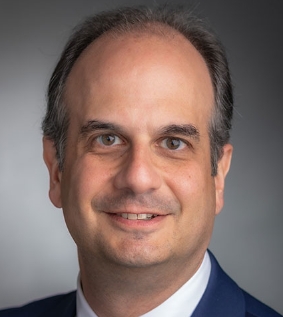 Corey Cutler合作论文数Center for Hematologic Oncology, Dana-Farber Cancer Institute;Division of Hematologic Oncology, Department of Medical Oncology, Dana-Farber Cancer Institute;Harvard Medical School4
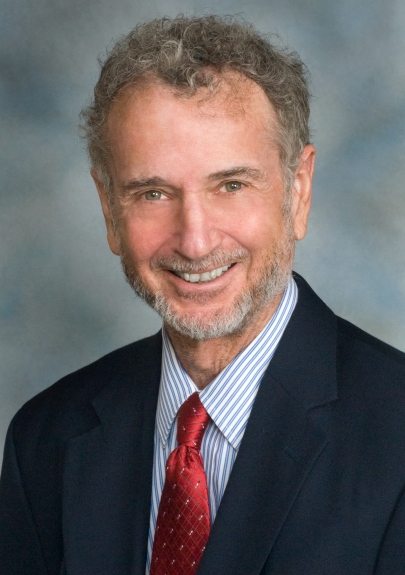 Don Berry合作论文数Berry Consultants, LLC;Department of Biostatistics, Division of Basic Sciences, University of Texas M.D. Anderson Cancer Center;Department of Statistics, Rice University4
 Laura J. Esserman合作论文数Helen Diller Family Comprehensive Cancer Center, University of California San Francisco;Breast Care Center, University of California San Francisco;UCSF Medical Center;The Wisdom Study;Athena Breast Health Network4
 Brian Datnow合作论文数4Christina Yau合作论文数4M. Klein合作论文数3A. DeMichele合作论文数3Y-Y Chen合作论文数3
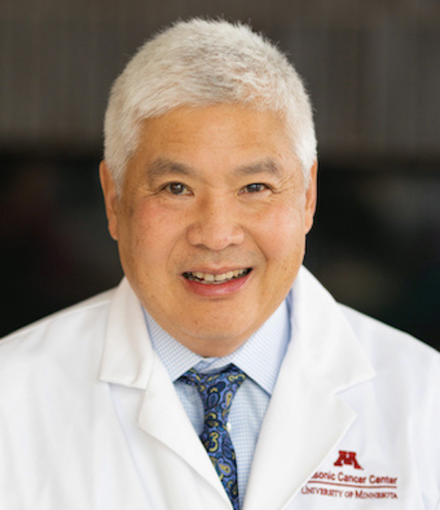 Douglas Yee合作论文数Division of Hematology, Oncology and Transplantation, Department of Medicine, Medical School, University of Minnesota;Masonic Cancer Center, University of Minnesota3
 Philippe Armand合作论文数Dana-Farber Cancer Institute3Claudine Isaacs合作论文数3Shi Wei合作论文数3
 Joseph H. Antin合作论文数Dana-Farber Cancer Institute, Harvard Medical School;Brigham and Women's Hospital3
 Robert J. Soiffer合作论文数Department of Medical Oncology, Dana-Farber Cancer Institute;Division of Hematologic Malignancies, Dana-Farber Cancer Institute;Harvard Medical School3
 Nola Hylton合作论文数School of Medicine, University of California, San Francisco;Department of Radiology and Biomedical Imaging, University of California, San Francisco;Helen Diller Family Comprehensive Cancer Center, University of California, San Francisco3Joel S Perlmutter合作论文数3
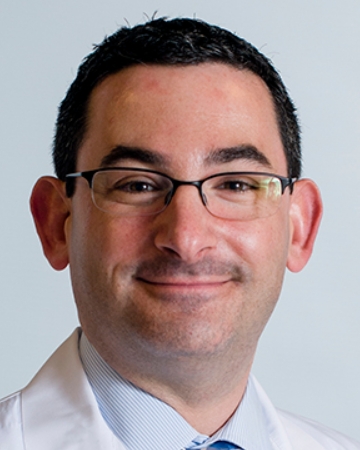 Jeremy Abramson合作论文数Jon and Jo Ann Hagler Center for Lymphoma, Massachusetts General Hospital Cancer Center;Harvard Medical School3
 John Koreth合作论文数Dana-Farber Cancer Institute;Harvard Medical School;Stem Cell Transplantation Institute Physician3
 Laura J. van 't Veer合作论文数Helen Diller Family Comprehensive Cancer Center, University of California, San Francisco;School of Medicine, University of California, San Francisco3
 Hope S. Rugo合作论文数Division of Hematology and Oncology, Department of Medicine, School of Medicine, University of California San Francisco;Helen Diller Family Comprehensive Cancer Center, University of California San Francisco3
 Michael D. Feldman合作论文数Department of Pathology and Laboratory Medicine, Perelman School of Medicine, University of Pennsylvania;Division of Surgical Pathology, Hospital of the University of Pennsylvania;Department of Pathology & Laboratory Medicine, Indiana University School of Medicine3M. Rendi合作论文数2J. Zeck合作论文数2R Singhrao合作论文数2K Kemmer合作论文数2A. J. Chien合作论文数2Thomas A. Nelson合作论文数2ED Ellis合作论文数2Kk Edmiston合作论文数2Sm Asare合作论文数2J Ritter合作论文数2Ad Elias合作论文数2A. Magliocco合作论文数2R Reshef合作论文数2Nancy Wang合作论文数Harvard Med Sch, Massachusetts Gen Hosp, Boston, MA 02115 USA2Hyo S Han合作论文数H Lee Moffitt Canc Ctr & Res Inst, Dept Breast Oncol, Tampa, FL 33612 USA2X Duan合作论文数2h sattar合作论文数2
 George William Dec合作论文数2
 Amy S. Clark合作论文数Division of Hematology and Oncology, Department of Medicine, Perelman School of Medicine, University of Pennsylvania2
 Farnaz Hasteh合作论文数2
 Yvonne A Efebera合作论文数OhioHealth2
 Michelle Melisko合作论文数School of Medicine, University of California, San Francisco;Division of Hematology and Oncology, University of California, San Francisco;Helen Diller Family Comprehensive Cancer Center, University of California, San Francisco2Korde Larissa A合作论文数2
 Kallakury Bhaskar合作论文数Georgetown University;MedStar Health2
 Jorg Dietrich合作论文数2
 Thomas Spitzer合作论文数Mass General Cancer Center, Massachusetts General Hospital;Harvard Medical School2




