e22659 Background: Belzutifan produces durable volumetric responses in von Hippel–Lindau (VHL)–associated central nervous system (CNS) hemangioblastomas. However, data describing tumor behavior during treatment holidays are limited. Methods: We conducted a retrospective lesion-level volumetric analysis of VHL patients with CNS hemangioblastomas treated with belzutifan at Massachusetts General Brigham Cancer Institute between September 2018 and January 2026 who experienced a treatment interruption (holiday) ≥3 months. Longitudinal MRI data were retrospectively reviewed. Lesions were classified at holiday baseline as measurable (≥10 mm), submeasurable (5–9 mm), or non-measurable ( < 5 mm). The primary endpoint was lesion-level volumetric change during treatment holiday; secondary endpoints included ORR, best overall response, and time to response per RECIST 1.1. Lesion-level volumetric analyses were performed for measurable and submeasurable lesions. Treatment holiday was offered after ≥9 months of sustained maximal response. The study was conducted under an institutional review board–approved protocol. Results: Nine patients were included. At treatment initiation baseline imaging, 16 measurable, 11 submeasurable, and 34 non-measurable lesions were identified. At treatment holiday baseline, 7 measurable, 5 submeasurable, and 9 non-measurable lesions were evaluable. Median duration of belzutifan therapy prior to treatment interruption was 34.4 months (range, 2.9–57.7). Median duration of treatment interruption was 12.7 months (IQR, 9.3–15.3). Seven patients had RECIST-evaluable measurable disease. The ORR was 85.7% (6/7 partial responses; 95% CI, 42.1–99.6), with stable disease observed in 14.3% (1/7). No RECIST-defined progression occurred prior to treatment withholding. Median TTR was 5.9 months (range, 1.8–7.9), and responses were ongoing at the time of treatment interruption in all responding patients. From treatment holiday baseline to last eligible MRI, 10/12 evaluable lesions (83.3%) demonstrated volumetric increase ≥10%, while 2/12 lesions (16.7%) decreased in size by ≥10%. Among lesions that grew during treatment holiday, the median volumetric increase was +116.1% (IQR, 187.1), over a median duration of 8.7 months (IQR, 6.0). Conclusions: During belzutifan treatment holiday, most evaluable CNS lesions demonstrated mild volumetric increase over time, although lesion behavior was heterogeneous and occurred over several months rather than immediately after treatment withholding. These findings provide early, lesion-level insight into CNS hemangioblastoma dynamics during belzutifan holidays and support cautious clinical monitoring during treatment interruption. Ongoing follow-up and expanded analyses will further characterize lesion dynamics during belzutifan treatment holidays.
Objective Traditional 24-hour call systems in surgical training often result in educational fragmentation, with post-call days causing interruptions in operative experience, particularly for senior residents. By contrast, night float systems may help reduce interruptions. This study evaluates the implementation of an intern night float rotation in a neurosurgery residency program and assesses perspectives on educational value and patient safety. Design, Setting, and Participants An intern night float system was implemented at Massachusetts General Hospital (a tertiary care center) from April to June 2024. Interns provided in-house overnight coverage, managing >50% of admitted neurosurgery patients. Senior residents on home call provided supervision, performed procedures overnight as needed, and subsequently returned for a regular operative experience the following day. Participants’ perspectives were evaluated through Likert-scale surveys administered to attending faculty (n = 5), senior residents (n = 3), junior residents (n = 3), and neuroscience nursing staff (n = 23). Interns (n = 6) completed retrospective open-ended surveys. Outcomes included perceived patient safety, educational value, and nursing satisfaction with communication. Results Improvement in perceived patient safety was rated highly by faculty/residents (median 5/5) and nursing staff (median 4/5). Faculty/residents also rated educational value highly (median 5/5), with 100% agreeing or strongly agreeing that the rotation provides valuable learning for residents. Qualitative responses highlighted accelerated intern readiness for PGY-2 responsibilities and protected operative time for senior residents. Nursing staff reported improved ability to escalate concerns (78% agreement) and better response times (78% agreement) after the implementation of the night float rotation. More variability was observed in nursing responses regarding appropriate triage of pages (61% agreement, 39% neutral). Conclusions An intern night float rotation received positive feedback from faculty, residents, interns, and nursing staff regarding patient safety. The rotation provided educational opportunities for interns and improved operative experience for senior residents. This study suggests that intern night float models can align educational needs across training levels without affecting perceived patient safety.
BACKGROUND AND OBJECTIVES:The Congress of Neurological Surgeons (CNS) Leadership Institute developed the first structured leadership program designed specifically for neurosurgeons. Led by the experts in neurosurgery, health care administration, and business, the program provides formal leadership training and mentorship aimed at advancing neurosurgeons' professional development at local, regional, national, and international levels. METHODS:The CNS Leadership Institute offers 2 curricula tailored for junior and senior faculty. Training begins with assigned readings, webinars, and online lectures that establish essential leadership principles. Core learning occurs during 2 in-person courses featuring interactive lectures, feedback sessions, and a longitudinal leadership project guided by national mentors. Program outcomes were assessed through a 40-question survey of alumni evaluating training effectiveness, skill application, and career advancement. RESULTS:Since 2016, 195 neurosurgeons have completed the CNS Leadership Institute. Among the 77 survey respondents, 70.1% reported significant professional advancement (new leadership role or job transition), and 64.8% directly attributed their advancement in skills and insights acquired through the program. Overall program effectiveness was rated 4.4 of 5, and the mean likelihood-to-recommend was 8.95 (95% CI: 8.70-9.20), yielding a Net Promoter Score of +63 (95% CI: +49 to +77). Alumni have assumed prominent roles including 16 Residency Program Directors, 3 Department Chairs, 1 Vice Dean, 4 Service Line Leaders, 13 CNS Executive Committee members, and over 100 committee or editorial board appointments critical to the specialty. CONCLUSION:The CNS Leadership Institute equips neurosurgeons with structured leadership training, mentorship, and practical tools to enhance their effectiveness as leaders. Survey results confirm that the program has a measurable impact on participants' career trajectories and professional growth. This initiative provides a reproducible model for cultivating the next generation of neurosurgical leaders and advancing the specialty's capacity for strategic, transformational leadership.
To evaluate progression-free survival (PFS), overall survival (OS), local control (LC), and radiotherapy-related toxicities in the treatment of adult intracranial ependymoma. A retrospective analysis was performed of WHO grade 2–3 adult intracranial ependymoma patients (≥ 18 years) treated with surgery alone or surgery and adjuvant radiotherapy between 2000 and 2024. Kaplan-Meier analyses were used to estimate PFS and OS. Acute and late treatment-related toxicities were characterized. Fifty-eight patients met the inclusion criteria. Median age was 39 years (interquartile range [IQR] 25–51), and median follow-up was 51 months (IQR 23–103). Overall, 76
BACKGROUND AND OBJECTIVES:The identification of eloquent structures in the parietal lobe during awake craniotomy remains challenging, particularly for higher-order functions such as reading, calculation, and sensorimotor integration essential for writing and typing. Our study introduces a novel task as part of intraoperative neurocognitive monitoring (iNM) to enhance real-time assessment during tumor resection. METHODS:We introduced a novel tactile symbol recognition task during iNM to assess sensorimotor function of patients undergoing awake craniotomy at a single-center from January to February 2025. RESULTS:We present 2 cases of left parietal low-grade gliomas in right-handed males who underwent awake craniotomy with mapping and iNM. Intraoperatively, errors during tactile symbol recognition provided surgical guidance by indicating when to halt resection. Both patients achieved gross-total resection and demonstrated largely preserved postoperative function. CONCLUSION:Our findings suggest that real-time iNM can effectively complement traditional stimulation mapping, especially in complex regions such as the parietal lobe where critical functions are mediated by distributed neural networks. A tactile symbol recognition task is feasible and easy to implement as a patient-centered preservation approach in settings that may not have consistent access to other surgical mapping adjuncts and may offer a sensitive means of guiding intraoperative decisions and optimizing outcomes in eloquent cortex resections.
BACKGROUND AND OBJECTIVES: Hospital overcrowding and bed shortages significantly limit access and delivery of care across the United States, particularly in tertiary centers (TCs) managing complex neurosurgical patients. Community hospitals that lack neurosurgical infrastructure frequently transfer patients with low-acuity neurological presentations to TCs, contributing to unnecessary strain on tertiary care resources. Here we sought to evaluate the clinical, operational, and financial impacts of a prospectively implemented teleneurosurgery consultation program designed to reduce unnecessary transfers and optimize overall health care system efficiency. METHODS: We retrospectively analyzed 324 teleneurosurgery consults conducted between January 2023 and December 2024 across 3 community hospitals affiliated with our tertiary academic center. Patient demographics, presenting symptoms, consult outcomes, transfer rates, and surgical interventions were recorded. Cost savings from avoided transfers were calculated using Medicare's Ambulance Fee Schedule. Revenue retained at community hospitals and financial benefit to the TC were estimated using national average Diagnosis-Related Group payment data. RESULTS: Of 324 consults, 272 (83.9%) did not result in transfer to the TC. Common presentations and diagnoses such as ground-level falls (n = 215) and stable intracranial hemorrhages (n = 190) were often managed without transfer. Avoided transfers translated to estimated transport cost savings ranging from $36 299 (ambulance) to $14.8 million (airlift). Community hospitals retained $985 111 in Diagnosis-Related Group-related revenue, while the TC preserved 831 bed-days and gained $1 079 402 by reserving capacity for higher-acuity, higher-reimbursing cases. CONCLUSION: The TeleNeurosurgery program significantly reduced unnecessary transfers, conserved critical care resources, and produced substantial financial benefits for both community and TCs. These findings support broader adoption of teleneurosurgical consultation models to address hospital capacity strain and promote more efficient health care delivery.
In adult patients with newly diagnosed or recurrent diffuse glioma, more extensive resection is associated with longer progression-free and overall survival. Intraoperative mapping techniques are used to safely increase the extent of resection by locating, monitoring, and preserving the function of potentially infiltrated brain during surgery. However, there is no consensus on the indications for intraoperative mapping, the optimal functional tests to be used intraoperatively, or intraoperative decision making. Furthermore, there are no consensus standardised neurological, language, and functional outcome assessments that should be applied pre-operatively and post-operatively. The Personalized Interventions and Outcomes in Neurosurgical Oncology Research (PIONEER) Consortium and the Response Assessment in Neuro-Oncology (RANO) resect group are collaborative, multidisciplinary efforts that aim to standardise and enhance research and clinical practices in surgical neuro-oncology. Here, both working groups review the evidence and provide recommendations in an effort to improve standardisation in intraoperative stimulation mapping, electrophysiological monitoring, and intraoperative decision making during glioma resections in adults. The Policy Review offers an intraoperative framework to reduce heterogeneity and improve the quality of clinical and scientific practice. In addition to standardising practices and improving individual patient outcomes, this Policy Review provides a foundation for better consistency between institutions and facilitates multicentre collaboration in surgical neuro-oncology. Ultimately, reducing heterogeneity might accelerate the development of personalised surgical care by enabling advanced computational modelling techniques.
BACKGROUND:Lower grade gliomas (LGGs) typically affect younger adults and are associated with long-term survival. Treatment-related toxicities, especially neurocognitive and neuroendocrine effects, are a concern. Proton therapy may reduce these risks by minimizing radiation exposure to healthy brain tissue. This study evaluates the safety and efficacy of proton therapy in LGG patients, focusing on neurocognitive, neuroendocrine, and quality-of-life (QOL) outcomes. METHODS:This single-institution, prospective phase 2 trial enrolled 60 patients with WHO grade 1-2 gliomas or IDH-mutant grade 3 gliomas. Proton therapy was delivered at 54 Gy(RBE) or 59.4 Gy(RBE) by tumor grade. The primary endpoint was progression-free survival (PFS); secondary endpoints included overall survival (OS), neurocognitive and neuroendocrine function, and QOL. Neurocognitive testing occurred at baseline and biennially. Quality-of-life was assessed using the FACT-Brain questionnaire. Toxicities were graded per CTCAE v4.0. RESULTS:With a median follow-up of 7.0 years, 5-year PFS and OS were 79.1% and 85.6%, respectively. Progression-free survival was highest in IDH-mutant, 1p/19q co-deleted gliomas (100%) and lowest in IDH-wildtype tumors (62.5%). New neurocognitive deficits occurred in 26% of patients at 5 years. Neuroendocrine dysfunction occurred in 5.3%, with only one case attributed to radiation. Quality-of-life declined transiently at 6 months, with 15% showing a clinically meaningful decline at 5 years. No late grade 3 toxicities were observed; one case of grade 4 radionecrosis occurred. CONCLUSIONS:Proton therapy for LGG can offer effective disease control with modest long-term toxicity. These findings support its use as a standard radiation modality and highlight the need for comparative trials with photon therapy.
Historically, the assessment of surgical outcomes in patients with glioma has been focused on technical outcomes, such as volumetric analysis of the residual tumour, progression-free survival, and overall survival. Other outcomes, such as neurological deficits, can be challenging to assess in an objective, quantifiable, and comprehensive manner. As a result, no consensus is available on methods to systematically evaluate perioperative neurological, language, cognitive, and functional outcomes in patients with glioma. This variability contributes to suboptimal outcomes, hinders uniformity across multicentre studies, and limits comparability of reported results. Therefore, standardising key aspects of perioperative outcome assessment is crucial for these patients. The Personalized Interventions and Outcomes in Neurosurgical Oncology Research (PIONEER) Consortium and the Response Assessment in Neuro-Oncology (RANO) resect group are collaborative, multidisciplinary efforts that aim to standardise and enhance research and clinical practices in surgical neuro-oncology. In this Policy Review, both working groups review the evidence and provide recommendations for the standardisation of perioperative assessment of neurological morbidity, language function, overall function, and quality of life in adult patients with glioma. The Policy Review offers, for the first time, a structured framework for perioperative outcome assessment in glioma surgery. It aims to reduce heterogeneity in practice, facilitate multicentre studies, and enhance the methodological quality of these studies through more consistent and reproducible methods. Furthermore, homogeneous data will facilitate advances in personalised surgical care by enabling advanced computational modelling techniques.
OBJECTIVE:Waste accounts for up to 25% of United States healthcare expenditures. Many sterilized surgical instruments remain unused during procedures, contributing to this burden. Reducing the quantity of unused surgical instrumentation presents an opportunity to decrease costs while improving operating room efficiency. This study aimed to characterize instrument utilization patterns and implements a novel, systematic, replicable protocol to eliminate excess sterile instrumentation. METHODS:This prospective, single-center study investigated sterile instrumental utilization rates (IURs) across and within procedures. Craniotomy for tumor was used to characterize instrument utilization patterns on a per-surgeon, per-surgery, and per-instrument level. A novel 3-phase protocol was designed to systematically reduce sterile surgical waste. In phase 1, IURs were calculated by dividing the instruments used during a procedure by the number provided. Instruments used in fewer than 20% of cases were removed in phase 2. Streamlined instrument kits were demoed while the original kit remained at hand, and instruments were replaced as requested. Phase 3 represented full integration of the reduced kits with removal of the original kits. IURs and the number of instruments used were compared before and after protocol implementation. The protocol was implemented in 17 additional surgical procedures. Follow-up data were collected over 1 year after instrument kit reduction. RESULTS:The authors observed 69 cases across 6 procedures. Procedural IURs ranged from 11.3% to 38.4%. Most instrument types remained infrequently used (< 20%) across procedures. In craniotomy for tumor, IUR among the pilot instrument kit ranged from 30.6% to 35.3% (median 33.4%) with no significant variation in the number of instruments used per case (p = 0.88). Following protocol implementation, craniotomy instrument kits were reduced from 157 to 99 instruments. IUR increased to 55.2% (p < 0.001) with no change in the number of instruments used per case (mean 52.2 ± 5.4 preintervention vs 54.4 ± 5.0 postintervention, p = 0.43). The number of infrequently used instruments decreased from 38 to 10. Applied to 18 procedure types across 11 surgical specialties, the protocol reduced kit sizes by 21%-60% (median 38%). No changes to reduced instrument kits were requested following implementation. CONCLUSIONS:Instrument utilization is consistent between surgeons and cases. The systematic elimination of unused sterile surgical instrumentation can therefore reduce surgical waste through a replicable protocol without impacting surgeon instrument selection.
Increasing accessibility to genetic screening for cancer risk can lead to earlier surveillance and prevention, but with this comes the caveat of incidental identification of germline pathogenic gene variants. Here, we report a single institution case series of 6 otherwise healthy individuals with "incidental" Von Hippel Lindau (VHL) disease. These patients were found to have pathogenic germline variants in the VHL gene, after undergoing genetic testing for other purposes (5 for familial breast cancer risk and 1 to determine ancestry) but no VHL disease-associated tumors. The penetrance and expressivity of such incidental variants are not currently known, and therefore, no surveillance guidelines exist. Nevertheless, the association of these variants historically with high disease penetrance compels us to currently recommend active surveillance of their carriers with annual imaging of the brain, spine, and abdomen.
BACKGROUND AND OBJECTIVES:Grade 2 meningiomas are associated with variable rates of local recurrence, and the role of adjuvant radiation therapy (RT) remains debated. METHODS:This was a multi-institutional retrospective cohort study including all adult patients with newly diagnosed and previously untreated grade 2 meningioma treated at Mass General Brigham hospitals from 2006 to 2020. Cox proportional-hazards modeling was used to analyze the impact of adjuvant RT on progression-free survival (PFS). RESULTS:A total of 429 patients with grade 2 meningioma were included (median age 59.7 years, 61.5% female). Gross total resection (GTR) was achieved in 298 cases (69.5%). Among 284 cases with quantified Ki67 proliferation indices, the median proliferation indice was 10.0% (IQR 6.7%-15%). In total, 18.8% cases had adjuvant RT after GTR and 48.9% of cases had adjuvant RT after subtotal resection (STR). The median follow-up was 5.2 years. Adjuvant RT was not associated with PFS after GTR (hazard ratio [HR] 0.85; 95% CI 0.48-1.52) but was associated with improved PFS after STR (HR 0.54; 95% CI 0.31-0.94). These findings remained consistent after adjusting for age, sex, tumor location, and tumor size. Adjuvant RT was associated with improved PFS for cases with Ki67 index equal to or over 10% (HR 1.89; 95% CI 1.05-3.60; P = .034), but not below 10% (HR 0.94; 95% 0.47-1.67; P = .93). CONCLUSION:Adjuvant RT for grade 2 meningioma may reduce tumor progression for patients with Ki67 index ≥10% or after STR and should be considered as part of a multidisciplinary approach to postoperative management. Routine use of adjuvant RT after GTR was not associated with improved PFS, for which avoidance of RT after GTR should be considered to minimize potential treatment-associated morbidity. This study supports selective use of adjuvant RT, optimizing patient outcomes by balancing the benefits of reduced progression against potential morbidities of treatment.
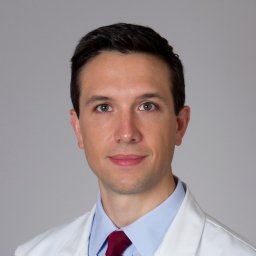 Brian P Walcott合作论文数Dept Neurol Surg, Univ Calif San Francisco65
 William T Curry合作论文数55
 Daniel Cahill合作论文数Stephen E. and Catherine Pappas Center for Neuro-Oncology, Massachusetts General Hospital, Harvard Medical School, Harvard University;Department of Neurosurgery, Massachusetts General Hospital, Harvard Medical School, Harvard University47
 Coumans Jean-Valery合作论文数Massachusetts Gen Hosp, Dept Neurosurg, Boston, MA 02114 USA40
 Kristopher Kahle合作论文数Department of Neurosurgery, School of Medicine, Yale University;Division of Pediatric Neurosurgery, Yale University37
 Bob S. Carter合作论文数32
 Bryan D. Choi合作论文数Department of Surgery, Duke University Medical Center29
 Jorg Dietrich合作论文数25
 Shankar Ganesh M合作论文数Center for Neurologic Diseases, Brigham and Women's Hospital and Harvard Medical School, Boston, MA, USA24Babu Maya A合作论文数19
 David N. Louis合作论文数Department of Pathology, Massachusetts General Hospital;Mass General Research Institute, Massachusetts General Hospital;Department of Pathology, Brigham and Women's Hospital;Harvard Medical School18Jones Pamela S合作论文数17
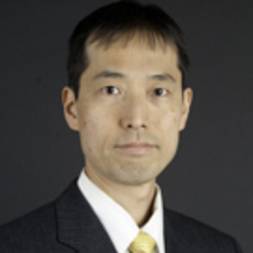 Hiroaki Wakimoto合作论文数Mass General Research Institute;Harvard Medical School;Massachusetts General Hospital17
 Mercy Mazurek合作论文数Yale Univ, Sch Med, Dept Neurol, 15 York St,LLCI Room 1003C,Box 208018, New Haven, CT 06520 USA16
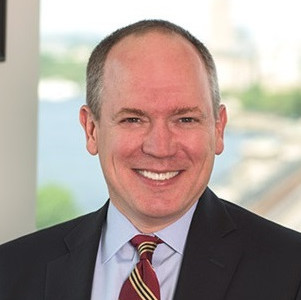 Tracy Batchelor合作论文数Harvard Medical School;Department of Neurology, Brigham and Women's Hospital;Cancer Center, Mass General Research Institute, Massachusetts General Hospital16navid redjal合作论文数15Nancy Wang合作论文数Harvard Med Sch, Massachusetts Gen Hosp, Boston, MA 02115 USA15Maria Martinez-Lage合作论文数15
 Priscilla Brastianos合作论文数Division of Medical Sciences, Harvard Medical School15Marike L D Broekman合作论文数14
 Mitchel Berger合作论文数Brain Tumor Center, University of California, San Francisco;School of Medicine, University of California, San Francisco13Vincent Arnaud合作论文数13
 Elizabeth Gerstner合作论文数Mass General Research Institute;Harvard Medical School;Massachusetts General Hospital13
 Robert F. Heary合作论文数New Jersey Medical School12
 Steven De Vleeschouwer合作论文数12Deborah Forst合作论文数12
 Philippe Schucht合作论文数12
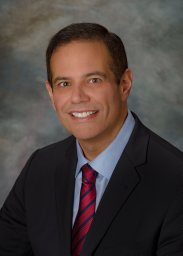 Steven N. Kalkanis合作论文数Ford Health System Department of Neurosurgery, Henry12
 Mario Suva合作论文数Harvard Stem Cell Institute, Harvard University;Massachusetts General Hospital11Andrew S Venteicher合作论文数Dept Neurosurg, Massachusetts Gen Hosp11
 Jasper K.W. Gerritsen合作论文数10
 Krieg Sandro M合作论文数Dept Neurosurg, Tech Univ Munich10Andrew S. Chi合作论文数Laura and Isaac Perlmutter Cancer Center, NYU Langone Health/Department of Neurosurgery, NYU Langone Health10
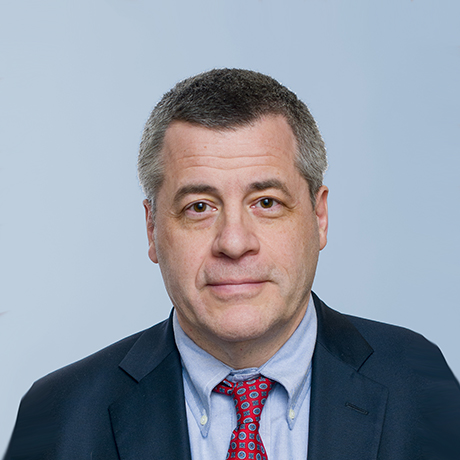 Fred Barker合作论文数Department of Neurosurgery, Massachusetts General Hospital;Stephen E. and Catherine Pappas Center for Neuro-Oncology, Mass General Cancer Center, Massachusetts General Hospital;Harvard Medical School10
 Jay S. Loeffler合作论文数Department of Radiation Oncology, Massachusetts General Hospital;Department of Radiation Oncology, Harvard Medical School10
 Christopher S. Ogilvy合作论文数Beth Israel Deaconess Medical Center;Harvard Medical School10
 Itay Tirosh合作论文数Department of Molecular Cell Biology, Faculty of Biology, Weizmann Institute of Science10Frigault Matthew J合作论文数Perelman School of Medicine, University of Pennsylvania9
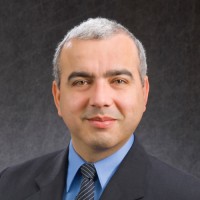 Otto Rapalino合作论文数Harvard Medical School;Division of Neuroradiology, Massachusetts General Hospital9
 Deepak Bhere合作论文数Molecular Neurotherapy and Imaging Laboratory, and;Departments of Radiology,;Molecular Neurotherapy and Imaging Laboratory, and;Departments of Radiology,9
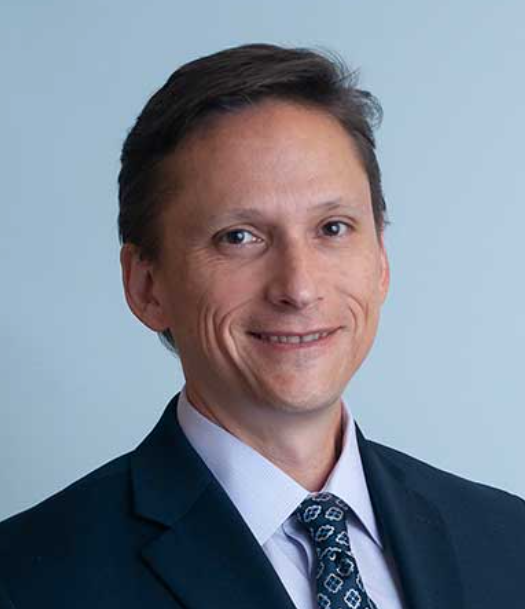 Anthony Iafrate合作论文数Department of Pathology, Massachusetts General Hospital Cancer Center;Harvard Medical School9
 James P. Sullivan合作论文数Harvard Medical School, Massachusetts General Hospital9Springer Simeon合作论文数9
 Justin Jordan合作论文数Department of Neurology, Massachusetts General Hospital, Boston, Massachusetts9
 Mehmet Toner合作论文数Center for Engineering in Medicine & Surgery, Massachusetts General Hospital;Harvard Medical School9samantha m oliveira合作论文数8
 Christopher Stapleton合作论文数Wang Ambulatory Care Center, Massachusetts General Hospital;Harvard Medical School8
 Robert L. Martuza合作论文数Department of Neurosurgery, Harvard Medical School;Massachusetts General Hospital8
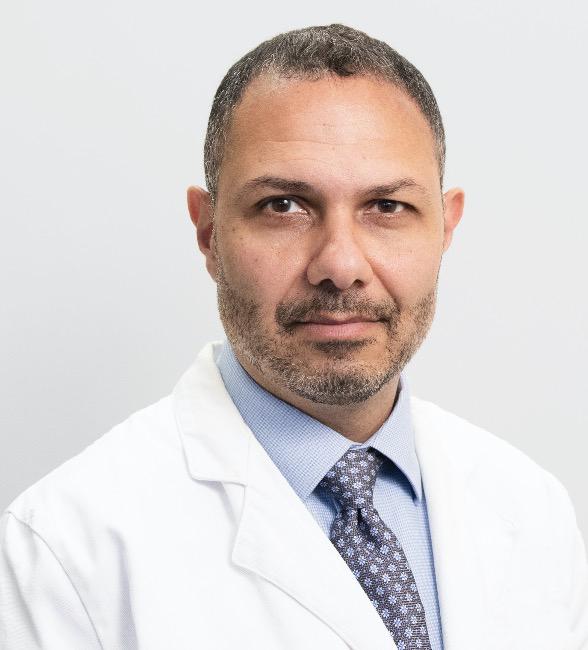 Wael F. Asaad (Wael Asaad)合作论文数Department of Molecular Pharmacology, Physiology, and Biotechnology, Brown University8




