In this symposium, we seek to bring together a collection of papers that not only broaden our understanding of self-oriented research in organizations, but also that highlight the ways in which these self- processes—some of which have been considered as largely positive and others as negative—may have unexpected upsides and downsides. In our first presentation, Chon, Sitkin, and Wiesenfeld propose that conceptions of self-awareness should distinguish among its three distinct focal targets (internal, external, and social) and present a new measure grounded in these distinctions through the lens of experienced (self-reported) and perceived (other-reported) self- awareness. The authors then use this reframing to challenge lay beliefs regarding the positive influence of self-awareness. In our second presentation, Wald and Chaudhry examine how self-awareness affects interpersonal judgment. They find that in some cases, self- awareness actually lowers trust, and that this effect is strongest when the target’s behavior is perceived as easy to change (i.e., highly mutable). In our third presentation, Brockner and Van Dijke examine how self-affirmation can affect workplace behavior. They find that self-affirmation and work engagement interactively influence employees’ return to work behavior. In our fourth presentation, Schaumberg and Chavez disentangle the consequences of shame, a self- conscious emotion. They find that the affective core of shame proneness relates positively to task performance, but that avoidance tendencies in response to transgressions are unrelated or negatively related to performance. Finally, in our fifth presentation, Newark and Dane examine the upside of abandoning a self-narrative. They consider why and how one might do so – and what one may stand to gain when one does. A Preliminary Examination of the Dark Side of Self-Awareness Presenter: Danbee Chon; Stanford U. Presenter: Sim B. Sitkin; Duke U. Presenter: Batia Mishan Wiesenfeld; New York U. People are More Trusting of Others Who are Unaware (vs. Aware) of their own Negative Behavior Presenter: Kristina Wald; U. of Chicago Booth School of business Presenter: Shereen J. Chaudhry; U. of Chicago Booth School of business The Interactive Effect of Self-affirmation and Work Engagement on the Decision to Return to Work Presenter: Joel Brockner; Columbia U. Presenter: Marius Van Dijke; Erasmus U. Rotterdam Shame Predicts Success: When and Why Shame Proneness Relates Positively to Task Performance Presenter: Rebecca Schaumberg; The Wharton School, U. of Pennsylvania Presenter: Koji Chavez; Indiana U. When Your Tale Becomes Untenable: Abandoning Self-Narratives for an Unnarrated Self Presenter: Daniel Newark; HEC Paris Presenter: Erik Ian Dane; Washington U. in St. Louis
This symposium seeks to highlight recent trends away from stylistic approaches to more concrete behavioral approaches of leadership (van Knippenberg & Sitkin, 2013). Papers in this symposium advance knowledge in this area through a methodologically inclusive lens by synthesizing major streams of research on how leaders’ blaming behavior affects followers, examining how leader awareness can affect organizational commitment, tackling the paradox of leader humility, expanding our understanding of how leaders can care for the well-being of others during times of suffering, and establishing ways leaders can increase their wise reasoning. The purpose of this symposium is to highlight emerging leadership research that utilizes behavioral approaches, with the aim of facilitating greater consideration of the possibilities and consequences around leadership behaviors and their implications for leadership development.
Political campaigns that lead to endorsement or victory for dominant-authoritarian candidates such as the Brexit vote or the 2016 US Presidential election are typically plagued with disbelief and bewilderment among liberals primarily because they don’t support or expect such outcomes. Beyond party affiliation, we offer a psychologically grounded explanation contending the prevalence of a systematic bias among liberals. We propose that liberals in comparison to conservatives’ dislike dominant-authoritarian leaders and this aversion leads liberals to underestimate the success of such leaders. Such underestimation leads to more sinister ramifications among liberals, making them more complacent, overconfident, and less inclined to vote for their favored candidate. We do not find any such difference among liberals and conservatives when the leader is associated with prestige or egalitarian values. We test our hypotheses across seven studies (two pre-registered, one in SI), including large-scale field data, six experimental studies with varied contexts, and a combined sample of more than 215,000 observations from 93 countries and spanning the past three decades. Additionally, we find the bias to be robust across both subjective and behavioral measures, different contexts, and even when objective odds favor the dominant leader. In doing so, our work helps explain low voter turnout among liberals compared to conservatives in the 2016 US election and why underestimating the success of such leaders may lead liberals to act complacently and not vote thereby paradoxically increasing the success likelihood of dominant-authoritarian leaders.
Are self-aware leaders more effective? Are self-aware workers more productive and satisfied? Studies of self-awareness, which have been undertaken in a range of fields, have implications for a wide variety of topics in organizational behavior. Yet, this research has been scattered, resulting in gaps, siloed insights, a lack of clear and consistent conceptualization, and the confounding of causes and effects with self-awareness itself. We review the organizational behavior and psychology literatures to distinguish, summarize, and assess research on self-awareness as both process and content. Our synthesis of past work on the content of self-awareness is organized around three distinct targets: internal, external, and social. Our paper concludes with an evaluation of the implications of our findings for future research.
Rather than focusing on titles and hierarchies, some recent work in the leadership literature has begun to explore how leaders view themselves, both within and outside of their formal roles. This symposium seeks to advance the field’s understanding of the effects of leader self-perceptions on leadership outcomes and invites the audience into an inquiry of the role of leader self-awareness and leader identity in the leadership process. The research presented seeks to better understand (1) how leaders view themselves, (2) how leaders may increase identification with the leader role, and (3) the benefits of this identity for leadership behaviors, including leader effectiveness as well as outcomes for followers. The Effects of Self-Awareness on Leader Self-Monitoring Behavior and Follower Trust Presenter: Danbee Chon; Duke U. Presenter: Sim B. Sitkin; Duke U. When Self-Care Begets Other Care: Leader Role Self-Compassion and Helping at Work Presenter: Klodiana Lanaj; U. of Florida Presenter: Remy E. Jennings; U. of Florida Presenter: Susan J. Ashford; U. of Michigan Presenter: Satish Krishnan; Indian Institute of Management, Kozhikode Leaders Developing Themselves to Help Others Grow. The Role of Leader Identity and Learning Behavior Presenter: Lien Desmet; KU Leuven Presenter: Katleen De Stobbeleir; Vlerick Business School Hesitant at the Helm: Reluctance to Lead as a Resource Presenter: Danielle Tussing; SUNY-Buffalo
The central focus of the symposium is an exploration of perceptions of the self and others, with an emphasis on sources of bias and discrepancies. Thus far, self-perceptions and other-perceptions have been primarily studied in isolation, failing to consider their inherently connected nature, interaction effects, and relevance to many phenomena. We bridge this gap by including five papers that investigate questions surrounding self-perception, other-perception, and the interaction of self- and other-perception. The first presentation begins by challenging previous conceptions of self-perception by reviewing and synthesizing the research on self-awareness. The second presentation continues by jointly considering self- and other-perception with an examination of the role of meta-perceptions in favor solicitation. The third presentation shifts to examining other-perceptions and perceiver biases in the context of goal ambition. The next presentation broadens the traditional view of other-perception by examining the perceiver’s non-work knowledge of peers. The last presentation considers how individuals develop different understandings of social norms depending upon their network position, an instance where other-perception is biased by one’s social environment. Taken together, this symposium highlights the importance of considering the individual and relational contexts of self- and other-perception and provides a generative starting point for researchers interested in studying the intersection of the self and others. Following the presentations, Hillary Anger Elfenbein and Francis Flynn, prominent scholars who have been influential contributors to research on the self and others in organizations, will provide critical insight into these papers as well as how this set of work relates to future research. Becoming More Aware of Self-Awareness: A Synthesis and Re-Conceptualization of Self-Awareness Presenter: Danbee Chon; Duke U. Presenter: Sim B. Sitkin; Duke U. I Know You Think I’m Sexy: Request Behavior as a Function of Attractiveness Perceptions Presenter: Casher Belinda; Kenan-Flagler Business School, U. of North Carolina at Chapel Hill Presenter: Shimul Melwani; U. of North Carolina, Chapel Hill Perceptions of Goal Ambition, Likability, and Personality Attributions Presenter: Sara Clark Wingrove; Duke U. Presenter: Grainne Fitzsimons; Duke U. The More You Know: How Personal Knowledge Impacts Other-Perception Presenter: Ashley Elizabeth Hardin; Washington U. in St. Louis The Role of Centrality in the Perception of Descriptive Social Norms Presenter: Daniel Feiler; Dartmouth College (TUCK) Presenter: Jennifer Dannals; Tuck School of Business at Dartmouth Presenter: Adam M. Kleinbaum; Dartmouth College
Research on the structure of personality has identified a sixth major trait that emerges in addition to the Big Five. This factor has been characterized in a number of ways-as integrity, morality, trustworthiness, honesty, values, and, most commonly, honesty-humility. Although each of these labels captures some of the attributes associated with the trait, none of them fully represents the range of associated characteristics. In this article, we provide a reinterpretation of the sixth factor as reflecting individual differences in selfishness and review research that supports this interpretation. Interpreting the sixth trait as dispositional selfishness parsimoniously represents the array of variables that are associated with the sixth factor and reflects the behaviors of people who score low versus high on the trait. This reinterpretation provides greater coherence to six-factor models of personality and suggests new directions for research on the sixth factor and on dispositional selfishness more generally.
Implicit learning reflects learning from experience that occurs without intention or awareness of the information acquired and is hypothesized to contribute to skill acquisition by improving performance with practice. The role of motivation has not been examined because this kind of memory is represented outside awareness. We manipulated motivation (approach/avoidance) and type of feedback (positive/negative) to measure how these affected a well-studied task of implicit sequence learning. Across 2 experiments, we found a consistent effect that motivation to avoid loss led to much higher levels of sequence-specific task performance. When the motivation manipulation was removed, performance fell to typical levels, indicating that motivation enhanced knowledge expression through performance, not learning. Even though implicit skill knowledge is represented outside awareness, our ability to apply this knowledge is enhanced when motivated by fear of loss, potentially providing insight into the value of coaching/training practices that motivate performers in this manner.
Chemists and material scientists have often focused on the properties of previously reported compounds, but neglect numerous unreported but chemically plausible compounds that could have interesting properties. For example, the 18-valence electron ABX family of compounds features examples of topological insulators, thermoelectrics and piezoelectrics, but only 83 out of 483 of these possible compounds have been made. Using first-principles thermodynamics we examined the theoretical stability of the 400 unreported members and predict that 54 should be stable. Of those previously unreported 'missing' materials now predicted to be stable, 15 were grown in this study; X-ray studies agreed with the predicted crystal structure in all 15 cases. Among the predicted and characterized properties of the missing compounds are potential transparent conductors, thermoelectric materials and topological semimetals. This integrated process-prediction of functionality in unreported compounds followed by laboratory synthesis and characterization-could be a route to the systematic discovery of hitherto missing, realizable functional materials.
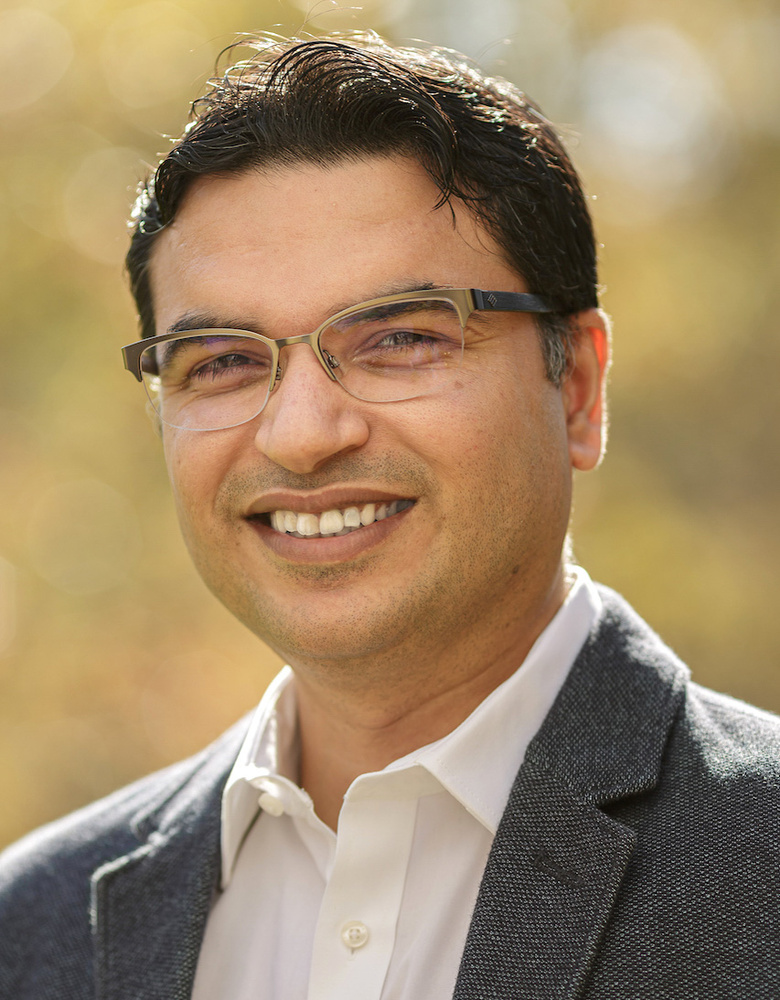 Hemant Kakkar合作论文数Management and Organization, Fuqua School of Business, Duke University3
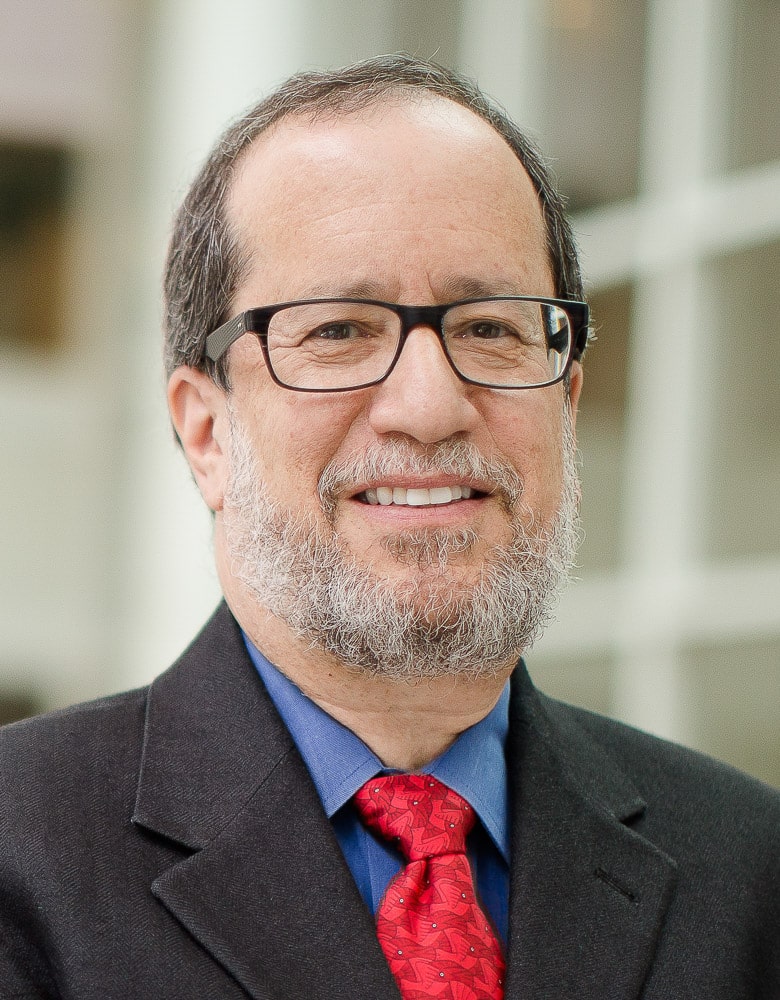 Sim B. Sitkin合作论文数Fuqua School of Business, Duke University3
 Linhua Hu合作论文数1Frank Flynn合作论文数1
 Estelle Elena Archibold合作论文数1Kate J. Diebels合作论文数1Ryan Scott Hemsley合作论文数1Liping Yu合作论文数1
 Sara Wingrove合作论文数1
 Ui Young Sun合作论文数1
 Lien Desmet合作论文数KU Leuven1Danielle V. Tussing合作论文数Sch Management, Univ Buffalo1
 Remy E. Jennings合作论文数Dept Management, Univ Florida1
 Casher Belinda合作论文数University of North Carolina at Chapel Hill1
 Kristina Wald合作论文数Booth Sch Business, Univ Chicago1
 Daniel Jacob Griffin合作论文数Dept Psychol, Michigan State Univ1
 Jennifer Dannals合作论文数Dept Strategy & Management, Dartmouth Coll1Jieun Pai合作论文数U. of Virginia1Daniel Newark合作论文数Hautes Études Commerciales de Paris1
 Jacob R Brown合作论文数Dept Govt, Harvard Univ1
 Ashley E. Hardin合作论文数Washington University in St. Louis1
 Richard P. Larrick合作论文数Department of Psychology and Neuroscience, Trinity College of Arts & Sciences, Duke University1Grainne Fitzsimons合作论文数Department of Psychology and Neuroscience, Trinity College of Arts & Sciences, Duke University1
 Paul Reber合作论文数Department of Psychology, Weinberg College of Arts & Sciences, Northwestern University1
 Rebecca Schaumberg合作论文数Operations, Information and Decisions Department, The Wharton School, University of Pennsylvania1
 Mark R. Leary合作论文数Department of Psychology and Neuroscience, Duke University1
 Feiler Daniel C合作论文数Tuck School of Business, Dartmouth College1
 Hays Nicholas A合作论文数Broad College of Business.1
 Sunde Tor O L合作论文数Department of Chemistry, Northwestern University1Xiuwen Zhang (张秀文)合作论文数1
 Michael Schaerer合作论文数Organizational Behavior Area, INSEAD1Thompson Kelsey R合作论文数1
 Romain Gautier合作论文数Northwestern University, Northwestern University1
 Yuyuan Lin合作论文数KLA1
 Klodiana Lanaj合作论文数Michigan State University, Michigan State University1
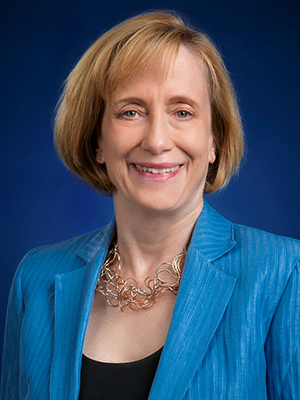 Sue Ashford合作论文数Stephen M. Ross School of Business, University of Michigan1
 Alex Zunger合作论文数Renewable & Sustainable Energy Institute, University of Colorado, Boulder Colorado;College of Engineering and Applied Science, University of Colorado, Boulder Colorado1
 Kenneth R. Poeppelmeier合作论文数Department of Chemistry, Weinberg College of Arts & Sciences, Northwestern University1Satish Krishnan合作论文数1
 Shimul Melwani合作论文数Kenan–Flagler Business School, The University of North Carolina at Chapel Hill1
 Adam M. Kleinbaum合作论文数Tuck Sch Business, Dartmouth Coll1
 Hillary Anger Elfenbein合作论文数Olin School of Business, Washington University in St. Louis1
 Marius Van Dijke合作论文数Department of Psychology, Open University of the Netherlands1
 Nir Halevy合作论文数Graduate School of Business, Stanford University1
 Katleen De Stobbeleir合作论文数HRM Centre, Vlerick Leuven Gent Management School1
 Astrid C. Homan合作论文数Work & Org Psychol, Univ Amsterdam1
 David V. Day合作论文数Department of Psychology, Claremont McKenna College1
 Gerben A. Van Kleef合作论文数Department of Social Psychology, Faculty of Social and Behavioural Sciences, University of Amsterdam1




