Informal networks serve as the 'central nervous systems' of organizations, shaping how knowledge flows between individuals and gets transformed into value for the firm. While formal organizational structures establish official channels of communication, individuals often bypass them in favor of emergent, informal relationships to access information from across the organization. This chapter examines the structural, social, and cognitive mechanisms that shape knowledge flows through informal networks, with particular attention to the characteristics of the individual, the dyad, the organization, and the knowledge itself. We situate this informal network perspective within broader organizational design considerations, drawing connections to the roles of physical space, proximity, and the interplay between formal and informal structures. In addition to reviewing contemporary research on knowledge flows, we identify promising areas for future research, including the ways in which technology and distributed work arrangements are reshaping how knowledge is accessed and shared, and the methodological advances and new data sources that are expanding scholars' ability to study these open questions with greater precision and causal rigor. We conclude by contending that informal networks should be thought of as a core strategic asset and, while they cannot be entirely designed, organizations can play an active role in shaping the opportunities and conditions for knowledge transfer. As such, informal network should be central in conversations around organizational design and the pursuit of organizational goals.
What determines who becomes and stays friends? Many factors are linked to friendship, including physical proximity and interpersonal similarities. Recent work has leveraged neuroimaging to detect similarities among friends by capturing how people process the world around them. However, given the cross-sectional nature of past research, it is unknown if neural similarity precedes friendship or only emerges among friends following social connection. Here we show that similarities in neural responses to movie clips-acquired before participants met one another-predicted proximity in a friendship network eight months later (that is, participants with similar responses were more likely to be friends rather than several degrees of separation apart). We also examined changes in distances between participants in their shared social network, which resulted from the formation, persistence and dissolution of friendships, between two months and eight months after they met each other. Compared with people who drifted further apart, people who grew closer over this six-month period had been more neurally similar as strangers. In addition, analyses controlling for sociodemographic similarities showed that whereas these similarities appeared to drive the differences in pre-existing neural similarities between friends and dyads of a social distance of 3, they did not account for the more extensive links between pre-existing neural similarities and the tendency for people to grow closer together, rather than drift farther apart, over time. Thus, whereas some friendships may initially form due to circumstance and dissolve over time, later-emerging and longer-lasting friendships may be rooted in deeper interpersonal compatibilities that are indexed by pre-existing neural similarities. The localization of these results suggests that pre-existing similarities in how people interpret, attend to and emotionally respond to their surroundings are precursors of future friendship and increased social closeness.
Workplace inclusion is fundamental to fostering diversity and equity in organizations, yet it remains inconsistently defined and operationalized in the literature. This paper integrates research on the psychology of belonging with social network analysis to propose a framework that bridges organizational practices of inclusion, meso-level network dynamics, and individual experiences of belonging. We define inclusion as the organizational structures, policies, and practices that foster a sense of individual belonging; we conceptualize belonging as stemming from an individual's experience of value, reciprocity, and fit. And we argue that organizational practices of inclusion shape individuals’ experiences of belonging in part by re-shaping the social networks that comprise their daily interactions. Drawing from social network research, we posit key structural indicators of individual-level belonging, including network centrality, bidirectional ties, and structural equivalence, which shape employees’ experiences within organizations. Applying this framework, we then highlight how employees from marginalized groups are disproportionately excluded from informal networks, restricting their access to information, mentorship, and advancement opportunities, and changing the affordances of network positions. We argue that social network analysis provides a potential tool to diagnose and address these disparities, enabling organizations to measure and intervene in structural barriers to inclusion. By linking organizational-level practices of inclusion to the richly theorized individual-level experience of belonging, with networks serving as the bridge, we provide a roadmap for future research and practical interventions that promote retention, well-being, and engagement among diverse groups of employees and advance a more coherent and actionable approach to fostering inclusion in the workplace.
Brokerage in intra-organizational networks is critical to performance, but women exhibit less brokerage in their social networks and receive lower performance returns to the brokerage they exhibit than men do. We uncover a condition under which the gender gaps in network advantage are entirely negated: mobility. When women move between units of the organization, they increase their brokerage more than mobile men do. Further, such mobility eliminates the gender gap in returns to brokerage. Using a rich dataset including the personnel records, monthly performance, and email communications of thousands of employees in a large financial institution, we find support for our arguments by comparing the networks and objective performance of those who changed jobs with matched non-movers prior to and following each job change. In probing why this might be the case, we find that women movers are more likely to maintain communication ties to colleagues from their previous roles and that these persistent ties give them a discernible and gender-role-congruent explanation for connecting otherwise disconnected units and benefiting from network brokerage. Our results illuminate important mechanisms by which social network dynamics and mobility affect gender inequality and performance in organizations.
Conversation is a primary means of social influence, but its effects on brain activity remain unknown. Previous work on conversation and social influence has emphasized public compliance, largely setting private beliefs aside. Here, we show that consensus-building conversation aligns future brain activity within groups, with alignment persisting through novel experiences participants did not discuss. Participants watched ambiguous movie clips during fMRI scanning, then conversed in groups with the goal of coming to a consensus about each clip’s narrative. After conversation, participants’ brains were scanned while viewing the clips again, along with novel clips from the same movies. Groups that reached consensus showed greater similarity of brain activity after conversation. Participants perceived as having high social status spoke more and signaled disbelief in others, and their groups had unequal turn-taking and lower neural alignment. By contrast, participants with central positions in their real-world social networks encouraged others to speak, facilitating greater group neural alignment. Socially central participants were also more likely to become neurally aligned to others in their groups.
Research SummarySocial networks are integral to collaborative work, but research on network change has shed little light on the mechanisms firms use to stimulate collaborative network ties among their employees. In this study, we examine the effects of corporate offsites on the evolution of social networks within an organization. We find that offsites lead to rewiring of intraorganizational networks, but with a surprising asymmetry: they stimulate everyone to initiate more collaboration ties, but only those who attend the offsite receive more ties. These results are consistent with a conceptualization of offsites as direct interventions that focus on social interactions for those who attend, but also as indirect interventions that signal the value of collaboration to everyone, even those who do not attend.Managerial SummaryCorporate offsites are events that convene people from across a firm to interact outside their regular work environment. Despite their popularity, this article offers the first data-driven analysis of their effectiveness in promoting collaboration among employees. Offsites facilitate employees' awareness of who knows what, build trust, and foster interpersonal affect among employees. This study shows that offsites have a dual effect on the social network of an organization: they prompt everyone in the firm to initiate more collaborative ties following an offsite, but those who actually attend the offsite attract more of those collaborative tie requests. Therefore, offsites can be a useful tool to boost collaboration-with benefits accruing both to the individuals whose networks grow and to the firm in which they work.
Migration and mobility increase the cultural diversity of a society. Does this diversity have consequences for how people interact and form social ties, even when they join a new community? We hypothesized that people from regions with greater cultural diversity would forge more diversified social ties in a newly formed community, connecting otherwise unconnected groups. In other words, that they would become social brokers. We tested this prediction by characterizing the social networks of eight Master of Business Administration cohorts (N=2,257) at a business school in the U.S. International students (N=773) from populations with both greater present day ethnic diversity and a history of extensive cultural intermingling were more likely to become social brokers than international students from less diverse nations. Domestic students’ (N = 1,461) brokerage scores were also positively related to the ancestral diversity of the U.S. county they identified as “home.” The results of this study suggest that more culturally diverse social environments—defined here at multiple geographic and temporal scales—endow people with socially adaptable behaviors that help them connect broadly within new, heterogeneous communities.
This symposium showcases a set of papers that deepen our understanding of the dynamic relationship between intra-organizational networks and race, ethnicity, and gender-based inequalities in workplace experiences and attainment. It brings together leading scholars to shed light on novel theoretical mechanisms, processes, and frameworks of interest to inequality, social networks, and DEI scholars. The first two papers focus on intra-organizational network inequalities, unpacking the conditions under which race, ethnicity, and gender differences in social networks emerge and persist. The latter two papers focus on unpacking the construct of inclusion by offering novel theoretical frameworks of inclusion and re-conceptualizing it as a structural, network-based phenomenon. Collectively, the four papers presented in this symposium offer novel empirical and theoretical mechanisms to explain differences in intra-organizational network characteristics, attainment, and perceptions and behaviors of inclusion. These papers employ a variety of research methods, ranging from qualitative interviews, observational data, surveys, to field interventions. In line with the AOM 2023 theme, Putting the Worker Front and Center, the four papers in this symposium unilaterally zoom in on the workers, especially workers who are members of disadvantaged groups in organizations and society, and seek to identify new ways in which social networks can be used to mitigate race and gender-based inequalities in work experience and attainment. Gendered and Racialized Effects of New Employees’ Initial Ties on Organizational Integration Author: Mabel Abraham; Columbia Business School Author: Sanaz Mobasseri; Boston U. Questrom School of Business Author: Elizabeth Linos; U. of California, Berkeley Author: Dawn Graham; Boston U. Differential Network Resources and Returns for Men and Women Author: Brian Silverman; U. of Toronto Author: Bill McEvily; U. of Toronto Author: Paola Criscuolo; Imperial College London Author: Andrew Cohen; U. of Denver Author: Martine Haas; The Wharton School, U. of Pennsylvania A Structural Framework of Inclusion at Work Author: Lara Yang; Stanford Graduate School of Business Author: Francesca Gino; Harvard U. Author: Paul Isaac Green; U. of Texas at Austin Author: Sameer B. Srivastava; U. of California, Berkeley A Network Perspective on Inclusion: A Research Agenda Author: Adam M. Kleinbaum; Dartmouth College, Tuck School of Business
Variety is the spice of life. For dining and consumable products, decision makers often seek variety and choose behaviors deliberately to deviate from their previous behaviors. Relatedly, interacting with a larger number of unique individuals or individuals from a larger number of categories (e.g., family, friends, etc.) increases personal well-being. We introduce Social Variety Seeking (SVS) as a trait referring to the tendency to engage in varied social activities with myriad and diverse others, and develop a psychometrically valid questionnaire. SVS differs from other forms of variety seeking because forming relationships is a choice that chooses you back. We hypothesize and find that those high vs. low in SVS differ in their network structures, with greater brokerage resulting from adding ties to individuals who were disconnected from their existing ties. We conclude that SVS is a valid individual difference that influences relationship-building behavior.
Taking a network perspective to study teams has been popular and fruitful in the past decades. Yet, the changing nature of how work teams are organized and managed in the new era brings unprecedented challenges to this line of work. For example, nowadays, many teams have fuzzy boundaries. And social exchanges and collaborations between groups are far more frequent and intensive than they traditionally were. Teams are also becoming increasingly diverse due to the globalization trend and the recognition of the value of diversity. These changing features of teams are likely to influence or interact with intra- and inter-team networks and exert a collective, integrated impact on individual members’ and teams’ cognitions, behaviors, and outcomes, which have not been thoroughly understood and examined. Our symposium highlights the recent efforts to investigate new emergent features of teams and explore how they interact with networks within and between teams. Two papers directly tap into the members’ social relations within and between teams, the diversity of these social relations, and associated team performance outcomes. Another two papers look at dynamic entrepreneurial teams, where each team constitutes the entire organization. Each explores a different element of diversity as a function of how networks are strategically used in these budding firms. The fifth paper switches the gear to focus on individuals’ intrapersonal diversity and network structural features and provides insights into how their linkage may shape team dynamics. Complementarities of Members’ Structural Roles in Team Success: The Moderating Role of Experience Author: Shihan Li; Heinz College - Carnegie Mellon U. Author: Brandy Aven; Carnegie Mellon U. The Social Underpinnings of Effective Organizational Interteam Relations Author: Martin J. Kilduff; UCL School of Management Author: Andreas Wilhelm Richter; U. of Cambridge Author: Ronald Clarke; Rennes School of Business Multicultural Experience and Social Network Brokerage Author: Eva Hsin-Lian Lin; London Business School Author: Raina A. Brands; UCL School of Management Author: Adrienne Wood; U. of Virginia Author: Adam M. Kleinbaum; Dartmouth College, Tuck School of Business Showcasing strategies: The Role of Entrepreneurial Networking in Quest for Venture Capital Funding Author: Damiano Maria Morando; Imperial College Business School Author: Anne L.J. Ter Wal; Imperial College Business School Author: Stefano Breschi; Bocconi U. Recruiting for your team: Network hiring and match-specific performance in firms Author: Ines Black; - Author: Sharique Hasan; Fuqua School of Business, Duke U.
Cultural outsiders, like immigrants or international students, often struggle to make friends. We propose that one barrier to social connection is not knowing what it means to be socially competent in the host culture. First-year students at a U.S. business school (N = 1328) completed a social network survey and rated their own social competence and that of several peers. International students were rated by peers as less socially competent than U.S. students, especially if they were from nations more culturally dissimilar to the U.S. International students' self-reported competence ratings were uncorrelated with peers' judgments. Social network analysis revealed international students were less central to their peer networks than U.S. students, although this gap was reduced if peers evaluated them as socially competent. Peer-reported competence mediated the effects of international student status on social network centrality. Since learning local norms takes time, we suggest inclusivity will require host communities to define social competence more broadly.
Human behavior is embedded in social networks. Certain characteristics of the positions that people occupy within these networks appear to be stable within individuals. Such traits likely stem in part from individual differences in how people tend to think and behave, which may be driven by individual differences in the neuroanatomy supporting socio-affective processing. To investigate this possibility, we reconstructed the full social networks of three graduate student cohorts ( N = 275; N = 279; N = 285), a subset of whom ( N = 112) underwent diffusion magnetic resonance imaging. Although no single tract in isolation appears to be necessary or sufficient to predict social network characteristics, distributed patterns of white matter microstructural integrity in brain networks supporting social and affective processing predict eigenvector centrality (how well-connected someone is to well-connected others) and brokerage (how much one connects otherwise unconnected others). Thus, where individuals sit in their real-world social networks is reflected in their structural brain networks. More broadly, these results suggest that the application of data-driven methods to neuroimaging data can be a promising approach to investigate how brains shape and are shaped by individuals’ positions in their real-world social networks.
Social network research is increasingly recognizing that relationships and networks are not static but rather evolve and change over time. Within this area of network dynamics, though, change can come suddenly. Such shocks may be exogenous, such as a pandemic, or may be internally generated, such as a conflict that ends a relationship. The purpose of this symposium is to highlight new research studies and perspectives that help us understand the causes, processes, and consequences of such disruptions. We aim to go beyond just noting that network change happens, and even go beyond noting the ways in which network ties and networks are dynamic. Instead, we aim to examine relationship and network change specifically when it is sudden or dramatic, i.e., a shock. Social Re-Integration Following COVID: Field Experimental Evidence Presenter: Adam M. Kleinbaum; Dartmouth College Brokerage, Personality Change, and Performance: Exploratory Evidence from An Entrepreneurs’ Network Presenter: Stefano Tasselli; Erasmus U. Rotterdam Presenter: Martin J. Kilduff; UCL School of Management Labor Pains? Effects of Parenthood on Women’s & Men’s Networks, Career Investments & Attainment Presenter: Ye Jin Park; INSEAD Presenter: Raina A. Brands; UCL School of Management Mobility Ties: Which Ties to Former Coworkers Are Maintained versus Become Dormant? Presenter: Ella Sheinfeld; Rutgers U. Presenter: Daniel Z. Levin; Rutgers U.
Networking behaviors are a potentially important factor driving gender differences in social networks and contributing to the gender gap in career achievement, yet we know little about how and why ...
 Thalia Wheatley合作论文数Department of Psychological and Brain Sciences, Dartmouth College10
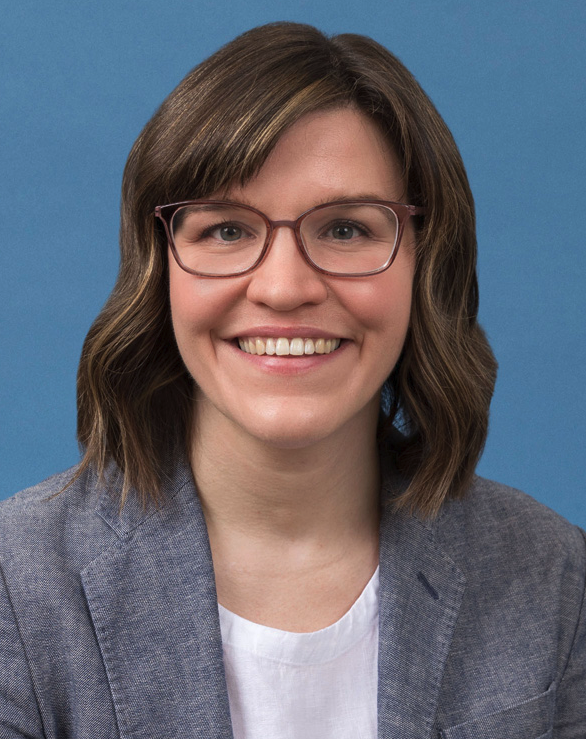 Carolyn Parkinson合作论文数Computational Social Neuroscience Lab, Department of Psychology, College of Life Sciences, University of California, Los Angeles9
 Toby E. Stuart合作论文数Haas School of Business, University of California, Berkeley7
 Martin Kilduff合作论文数School of Management, University College London6
 Raina Brands合作论文数6
 Michael L. Tushman合作论文数Harvard Business School, Harvard University6
 Tasselli Stefano合作论文数University of Cambridge, UK Bocconi University5
 Feiler Daniel C合作论文数Tuck School of Business, Dartmouth College3
 Ronald S. Burt合作论文数3
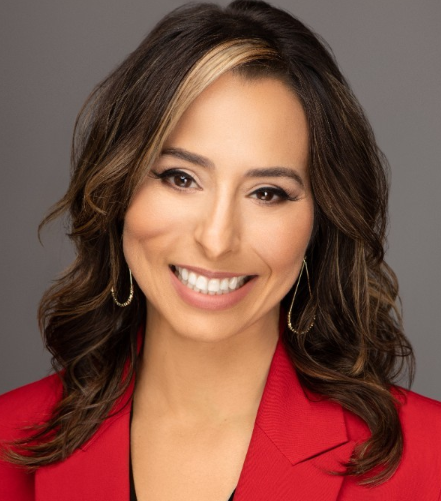 Brandy Aven合作论文数Tepper School of Business, Carnegie Mellon University3
 Alexander H. Jordan合作论文数Tuck Sch Business, Dartmouth Coll3
 Pino G. Audia合作论文数Tuck School of Business;Dartmouth College;Tuck School of Business, Dartmouth College3
 Evelyn Zhang合作论文数2
 Ryan Hyon合作论文数Dept Psychol, Univ Calif Los Angeles2Christopher L. Welker合作论文数Cornell Univ, Dept Psychol, Ithaca, NY 14850 USA2
 Andrew Parker合作论文数Ridley Hall, Sports Minist, Cambridge, England2
 Julia Brennecke合作论文数Management Sch, Univ Liverpool2
 Stefan Volk合作论文数Business School, The University of Sydney2
 Elena Obukhova合作论文数Desautels Faculty of Management, McGill University2
 Edward (Ned) Smith合作论文数Kellogg School of Management, Northwestern University;Weinberg College of Arts and Sciences, Northwestern University2
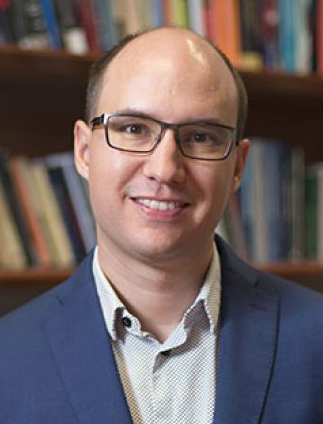 Balázs Kovács合作论文数School of Management, Yale University2
 Ronald Burt合作论文数Booth School of Business, The University of Chicago;Department of Management and Technology, Bocconi University2
 Mabel Abraham合作论文数Management Division, Columbia Business School, Columbia University2
 Herminia Ibarra合作论文数London Business School2
 Adrienne Wood合作论文数Emotion and Behavior Lab, Department of Psychology, School of Arts & Sciences, University of Virginia2
 Yair Berson合作论文数Fac Educ, Univ Haifa2
 Hillary Anger Elfenbein合作论文数Olin School of Business, Washington University in St. Louis2
 Adina D. Sterling合作论文数Management Division, Graduate School of Business, Columbia University;Equity by Design Lab2
 Ajay Mehra合作论文数Department of Management, University of Cincinnati2
 Alessandro Lomi合作论文数Università della Svizzera italiana2
 Bill McEvily合作论文数Rotman School of Management, University of Toronto2
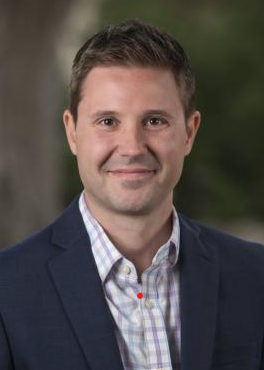 Paul Leonardi合作论文数Department of Communication, UC Santa Barbara2
 Eric Quintane合作论文数2Manchi Chao合作论文数1Dan Rockmore合作论文数1Frank Flynn合作论文数1Seungho (Andy) Back合作论文数1Jamie Seoyeon Song合作论文数1
 Hyeun Lee合作论文数1
 Sara Wingrove合作论文数1
 Shihan Li合作论文数1
 Ella Sheinfeld合作论文数1
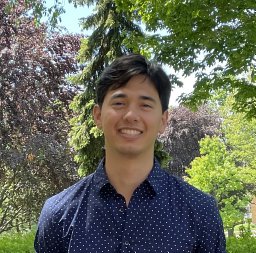 John Andrew H. Chwe合作论文数1
 Eva Hsin-Lian Lin合作论文数London Business School1
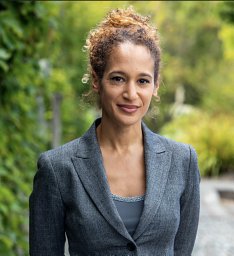 Giselle Elaine Antoine合作论文数Foster Sch Business, Univ Washington1
 Salvatore Affinito合作论文数Business School, Harvard1James A. Coutinho合作论文数Swinburne University of Technology1
 Dennis H. Jacobsen合作论文数Org Behav Area, Yale Univ1




