Objective:To determine the item-level psychometrics of the Functional Gait Assessment (FGA) for persons with chronic stroke and create a keyform (or score sheet) for clinicians. Design:Retrospective cohort. Setting:Archival item-level data from a research database. Participants:One-hundred-one ambulatory persons (N=101) with chronic stroke (44% women, 58% right hemiparesis, average age 59y, lower extremity Fugl-Meyer 25, and overground self-selected walking speed 0.76 m/s). Interventions:Not applicable. Main Outcome Measures:A principal component analysis of the residuals from the Andrich Rating Scale Model (RSM) was used to evaluate unidimensionality and item local dependence. The RSM was also used to examine the rating scale structure, item and person fit, item difficulty hierarchy, and person separation index and to generate a keyform. Results:Principal component analysis of the residuals confirmed the FGA's unidimensionality and that no items had local dependence. The category rating scale met the criterion and advanced monotonically. The item difficulty hierarchy was similar to that of community-dwelling older adults. The sample's mean ability level (ie, person measure) was 0.28 logits (SE=0.63). The FGA had high person reliability (0.90) despite 10% of persons misfitting. There were no floor or ceiling effects, and the FGA separated people into 4 strata. The scored FGA keyform visually showed an individual's response pattern relative to their measure value. Conclusion:Rasch analysis supports the use of the FGA to measure walking balance ability in ambulatory persons with chronic stroke. An FGA keyform can provide instantaneous interval measurement for individuals.
PURPOSE:Poststroke fatigue (PSF) contributes to increased mortality and reduces participation in rehabilitative therapy. Although PSF's negative influences are well known, there are currently no effective evidence-based treatments for PSF. The lack of treatments is in part because of a dearth of PSF pathophysiological knowledge. Increasing our understanding of PSF's causes may facilitate and aid the development of effective therapies. METHODS:Twenty individuals, >6 months post stroke, participated in this cross-sectional study. Fourteen participants had clinically relevant pathological PSF, based on fatigue severity scale (FSS) scores (total score ≥36). Single-pulse and paired-pulse transcranial magnetic stimulation were used to measure hemispheric asymmetries in resting motor threshold, motor evoked potential amplitude, and intracortical facilitation (ICF). Asymmetry scores were calculated as the ratios between lesioned and nonlesioned hemispheres. The asymmetries were then correlated (Spearman rho) to FSS scores. RESULTS:In individuals with pathological PSF ( N = 14, range of total FSS scores 39-63), a strong positive correlation ( rs = 0.77, P = 0.001) between FSS scores and ICF asymmetries was calculated. CONCLUSIONS:As the ratio of ICF between the lesioned and nonlesioned hemispheres increased so did self-reported fatigue severity in individuals with clinically relevant pathological PSF. This finding may implicate adaptive/maladaptive plasticity of the glutamatergic system/tone as a contributor to PSF. This finding also suggests that future PSF studies should incorporate measuring facilitatory activity and behavior in addition to the more commonly studied inhibitory mechanisms. Further investigations are required to replicate this finding and identify the causes of ICF asymmetries.
Stroke is a leading cause of disability in the US, often altering one’s ability to access and consume food. The aim of the present study was to characterize and evaluate predictors of stroke survivors’ diet quality (DQ). A cross-sectional evaluation of 2011-2018 National Health and Nutrition Examination Survey data is presented. Stroke survivors (n = 632) were matched for age, gender, and race with neurologically intact controls (n = 913). Food group intake, key nutrient intake, and Healthy Eating Index (HEI)-2015 scores were calculated from two 24-hour recalls and evaluated in relation to history of stroke, education, presence of a partner in the home, and income. Group differences in and predictors of DQ were evaluated with weighted independent samples t-tests and linear regression. Stroke survivors had lower intakes of vegetables, dairy, seafood and plant proteins, and unsaturated fats, and lower total HEI-2015 scores ( P < 0.05). Having more education, a partner in the home, and higher income were overall positive predictors of DQ. DQ factors emphasized in heart-healthy diets were low in stroke survivors. Interventions may better address barriers to healthy eating post-stroke by incorporating educational, financial, and social support components.
Purpose The purpose of this study was to compare the biomechanics of a drop vertical jump (DVJ) landing task and functional outcomes among patients with anterior cruciate ligament reconstruction (ACL-R) with quadriceps tendon (QT) and patellar tendon (PT) autografts. Methods Physically-active patients who underwent primary ACL-R with either a QT or PT autograft were included in this study. All were within 6 months to 2 years following surgery and cleared for return to physical activity. Subjects completed DVJs in a biomechanics laboratory. Peak vertical ground reaction force (VGRF) and lower extremity joint sagittal and frontal plane kinematics and kinetics were collected and analyzed. Mann-Whitney U tests compared the surgical limbs of the QT and PT autograft groups for kinematic and kinetic variables. Wilcoxon Rank-Sum tests compared the surgical and nonsurgical limbs for both the QT and PT autograft groups. Results Twenty-four physically active individuals who underwent primary ACL-R with QT (n=14) or PT (n=10) autografts completed DVJs in a biomechanics laboratory.There were no statistically significant biomechanical differences between the QT and PT groups. Peak VGRF differed between the surgical and nonsurgical limbs for the QT (surgical and nonsurgical, 1.10 and 1.30 N) and PT (surgical and nonsurgical, 1.10 and 1.35 N) groups. Specifically, both groups demonstrated lower VGRFs in the surgical limb compared to the nonsurgical limb (P <0.05). Additional medium and large effect sizes were found when comparing kinetic variables between limbs within both surgical groups. Conclusion Regardless of the graft-specific surgical technique, ACL-R patients are returning to activity with movements that resemble an offloading pattern of the surgical limb. Coupled with the finding of an absence of differences in kinematic and kinetic variables between the QT and PT autograft groups suggests that the QT graft may be a viable alternate graft source for ACL-R. Level of Evidence Retrospective Comparative Study, Level III
Background: Although complex in nature, the pathophysiology of depression involves reduced or impaired neuroplastic capabilities. Restoring or enhancing neuroplasticity may serve as a treatment target for developing therapies for depression. Aerobic exercise (AEx) has antidepressant benefits and may enhance neuroplasticity in depression although the latter has yet to be substantiated. Therefore, we sought to examine the acute effect of AEx on neuroplasticity in depression. Methods: Sixteen individuals with (DEP; 13 female; age = 28.5 +/- 7.3; Montgomery- Asberg Depression Rating Scale [MADRS] = 21.3 +/- 5.2) and without depression (HC; 13 female; age 27.2 +/- 7.5; MADRS = 0.8 +/- 1.2) completed three experimental visits consisting of 15 min of low intensity AEx (LO) at 35% heart rate reserve (HRR), high intensity AEx (HI) at 70% HRR, or sitting (CON). Following AEx, excitatory paired associative stimulation (PAS 25ms ) was employed to probe neuroplasticity. Motor evoked potentials (MEP) were assessed via transcranial magnetic stimulation before and after PAS 25ms to indicate acute changes in neuroplasticity. Results: PAS 25ms primed with HI AEx led to significant increases in MEP amplitude compared to LO and CON. HI AEx elicited enhanced PAS 25ms -induced neuroplasticity for up to 1-h post -PAS. There were no significant between -group differences. Conclusion: HI AEx enhances PAS measured neuroplasticity in individuals with and without depression. HI AEx may have a potent influence on the brain and serve as an effective primer, or adjunct, to therapies that seek to harness neuroplasticity.
Objectives: Stroke is a leading cause of disability in the US, often altering one's physical function, activity, and psychosocial health. Ability to access and consume food may also be limited following stroke, impacting diet quality (DQ). The objective of the present study was to determine diet quality predictors of stroke survivors' physical function, physical activity (PA), and psychosocial health to inform nutrition interventions aiming to improve health-related quality of life post-stroke. Methods: A cross-sectional evaluation of stroke survivors (n=632) in the 2011-2018 National Health and Nutrition Examination Survey (NHANES) is presented. Healthy Eating Index (HEI)-2015 scores were calculated from two 24-hour recalls. To account for the complex sampling design of NHANES, weighted binary logistic, ordinal, and linear regression were used as appropriate to evaluate component and total HEI scores in relation to physical function, activities of daily living, participation in social activities, meeting PA recommendations, and Patient Health Questionnaire responses. Age, gender, race, education level, and income-to-poverty ratio were also included in the models. Results: A higher greens and beans HEI score was associated with a lower odds of presence of depressive symptoms (OR=0.727, p=0.006). Higher mono- and poly-unsaturated and saturated fatty acid HEI scores were associated with lower odds of difficulty participating in social activities (OR=0.903, p=0.014; and OR=0.924, p=0.038, respectively). A higher income-to-poverty ratio was also associated with lower odds of difficulty participating in social activities in these models (OR=0.795, p=0.023; and OR=0.791, p=0.027, respectively). A higher whole fruit HEI score was associated with a higher odds of meeting PA recommendations (OR=1.190, p=0.040). Conclusions: DQ components emphasized in heart-healthy diets like the Mediterranean diet were significant predictors of measures of physical and psychosocial function in stroke survivors. However, income may be a limitation to meeting these dietary recommendations within stroke. Stroke rehabilitation interventions may benefit from Mediterranean diet-focused messages that incorporate food assistance to mitigate financial barriers. Funding Sources: None.
BackgroundHigh-dose testosterone replacement therapy (TRT), paired with finasteride (type II 5α-reductase inhibitor), improves body composition, muscle strength, and bone mineral density (BMD) in older men, without inducing prostate enlargement—a side effect associated with TRT. Men with spinal cord injury (SCI) exhibit neuromuscular impairment, muscle atrophy, bone loss, and increased central adiposity, along with low testosterone. However, sparse evidence supports TRT efficacy after SCI.MethodsThis parallel-group, double-blind, placebo-controlled, and randomized clinical trial (RCT) is a pilot study that enrolled men (N = 12) with low to low–normal testosterone and gait impairments after chronic motor-incomplete SCI. Participants received high-dose intramuscular TRT (testosterone-enanthate, 125 mg/week) with finasteride (5 mg/day) vs. vehicle+placebo for 12 months. Change relative to baseline was determined for body composition, musculoskeletal outcomes, and prostate size, with effect sizes calculated between groups using Hedges’ g. Adverse events and feasibility were assessed.ResultsTRT + finasteride consistently increased testosterone (g = 1.16–3.08) and estradiol (g = 0.43–3.48), while concomitantly reducing dihydrotestosterone (g = 0.31–2.27). Very large effect sizes at both 6 and 12 months suggest TRT + finasteride increased whole-body fat-free (lean) mass (+3–4% vs. baseline, g = 2.12–2.14) and knee extensor (KE) whole-muscle cross-sectional area (+8–11% vs. baseline, g = 2.06–2.53) more than vehicle+placebo. Moderate-to-large effect sizes suggest TRT + finasteride increased KE maximal voluntary isometric torque (+15–40% vs. baseline, g = 0.47–1.01) and femoral neck and distal femur BMD from 6 months onward (g = 0.51–1.13), compared with vehicle+placebo, and reduced fat mass 9–14% within the whole-body, trunk, and android (visceral) regions at 12 months (g = 0.77–1.27). TRT + finasteride also produced small effect sizes favoring lesser prostate growth than vehicle+placebo (g = 0.31–0.43). The participant retention, drug compliance, and incidence and severity of adverse events were similar among the groups.ConclusionThese data provide proof-of-concept and rationale for larger RCTs aimed at discerning the impact of TRT + finasteride on body composition, musculoskeletal health, and physical function in men with SCI, along with effect sizes and variance of responses to assist in planning subsequent trials.Clinical trial registrationClinicalTrials.gov, identifier NCT02248701.
PURPOSE:Stroke is a leading cause of long-term disability in the US, yet a feasible assessment measure with predictive value for components of the International Classification of Functioning, Disability, and Health (ICF) Core Set for Stroke is lacking. The purpose of the present study was to explore the predictive value of potential assessment measures on factors within each ICF component in stroke survivors. MATERIALS AND METHODS:Demographic, anthropometric, blood-based biomarker, physical functioning, and Global Physical Activity Questionnaire data were collected on stroke survivors in the 2011-2018 NHANES cycles. Potential predictors (handgrip strength relative to weight, age, sex, race, education level, marital status, poverty ratio, stroke chronicity) of physical function, activities of daily living (ADLs), participation in social activities, metabolic syndrome, and meeting physical activity recommendations were evaluated using weighted linear and ordinal logistic regression. RESULTS:Relative handgrip strength was a significant predictor of physical function, difficulty participating in ADLs and social activities, and odds of meeting physical activity recommendations. As relative handgrip strength increased, these factors improved among stroke survivors. CONCLUSIONS:To decrease disability rates and optimize function among stroke survivors, the use of assessment measures like relative handgrip strength that may predict multiple ICF components is warranted.
BACKGROUND:Maximizing independence and function post-stroke are two common therapy goals. Rate of torque development in lower-extremity muscles was recently reported to be associated with walking speed; however, trainability and subsequent effect on gait is unknown. This study aimed to determine effect of power training on paretic and non-paretic limb torque parameters, spatiotemporal gait parameters, and walking speed in chronic stroke survivors. METHODS:Individuals with chronic stroke (n = 22; 7 females; 62.7 ± 8.8 yrs) completed 24 progressive power-training sessions over 8 weeks with pre and post assessments. Knee extensor strength was assessed via dynamometry with torque parameters measured from maximal voluntary isometric contractions. Gait speed and spatiotemporal gait parameters were assessed via an instrumented gait mat, and a 6-min walk test was performed. FINDINGS:Rate of torque development at 200 ms and peak torque improved 58.6% and 14.1%, respectively, in the quadricep of the paretic limb (p < 0.05); conversely the non-paretic limb was unchanged. On average, self-selected walking speed, fastest-comfortable walking speed, and 6-min walk test improved 21.7%, 21.1%, and 19.5%, respectively (all p < 0.05). Change in torque development at 100 ms in the quadricep of the non-paretic limb was positively associated with improvements in self-selected and fastest-comfortable walking speeds (both r = 0.70, p < 0.05) and 6-min walk (r = 0.78, p < 0.001). INTERPRETATIONS:These findings suggest power training may be an effective intervention for improving torque development in the quadricep of the paretic limb in individuals with chronic stroke. Further research to explore utility and mechanistic aspects of force development for gait function in chronic stroke survivors is warranted.
BackgroundPost-stroke depression (PSD) occurs in approximately one-third of chronic stroke survivors. Although pharmacotherapy reduces depressive symptoms, side effects are common and stroke survivors have increased likelihood of multimorbidity and subsequent polypharmacy. Thus, alternative non-pharmacological treatments are needed. Combining two non-pharmacological anti-depressant treatments, aerobic exercise (AEx) and repetitive transcranial magnetic stimulation (rTMS), has been demonstrated to be feasible and well-tolerated in chronic stroke survivors.ObjectivesThe purpose of this trial was to determine the feasibility of conducting a multi-arm combinatorial trial of rTMS and AEx and to provide an estimate of effect size of rTMS+AEx on PSD symptoms.MethodsTwenty-four participants were allocated to one of four treatment arms AEx, rTMS, rTMS+AEx, or non-depressed Control receiving AEx. All participants received a total of 24 treatment sessions. Participant adherence was the primary outcome measure for feasibility and within group effect sizes in Patient Health Questionnaire-9 (PHQ-9) score was the primary outcome for preliminary efficacy.ResultsMean adherence rates to the exercise intervention for AEx, rTMS+AEx, and Control subjects were 83%, 98%, and 95%, respectively. Mean adherence rates for rTMS and rTMS+AEx subjects were 97% and 99%, respectively. The rTMS and rTMS+AEx treatment groups demonstrated clinically significant reductions of 10.5 and 6.2 points in PHQ-9 scores, respectively.ConclusionPerforming a multi-arm combinatorial trial examining the effect of rTMS+AEx on PSD appears feasible. All treatment arms demonstrated strong adherence to their respective interventions and were well received. rTMS and the combination of AEx with rTMS may be alternative treatments for PSD.
Purpose: The aim of this scoping review is to comprehensively review the available literature on the influence of intentional weight loss on physical function and psychosocial outcomes during rehabilitation of chronic stroke survivors. Materials and Methods: Experimental and observational studies evaluating weight loss, physical function, and psychosocial outcomes in chronic stroke survivors were searched in PubMed, EMBASE, and CINAHL databases using the following search terms: obesity, BMI, body composition, stroke. The search yielded 376 articles. After review of titles, abstracts, and full texts, 4 studies were included in the review. Results: All studies reported significant weight loss and/or improvement in body composition among chronic stroke survivors. In addition, all studies reported significant improvements in at least one measure of physical function, psychosocial outcomes, or both. While these studies met inclusion criteria and, thus, were included in this review, it is noteworthy that methodologies and aims varied significantly. While this review suggests physical function and psychosocial benefits of weight loss in chronic stroke survivors, further attention to this issue by research and funding agencies is imperative to determine the efficacy of weight loss interventions for physical function and psychosocial outcomes among the large population of chronic stroke survivors with obesity.
Objectives: To (1) examine the feasibility of combining lower extremity aerobic exercise (AEx) with a virtual reality (VR) upper extremity (UE) rehabilitation intervention and (2) provide an estimate of effect size for the combined intervention on UE function, aerobic capacity, and health-related quality of life.Design: Single-group feasibility trial.Setting: Research laboratory.Participants: Community-dwelling individuals with mild to moderate impairment of the UE at least 6 months post stroke (N=10; male, n=6; female n=4; mean age, 54 years).Intervention: All participants received 18 sessions over a nominal 2-3 sessions per week schedule of a combined AEx and VR-UE rehabilitation intervention. During each session, participants completed 15 minutes of lower extremity AEx followed by playing a VR-UE rehabilitation game for approximately 20 minutes.Main Outcome Measures: Feasibility was evaluated by metrics of adherence, retention, treatment acceptability, data completeness, and adverse events. UE function, aerobic capacity (peak oxygen consumption [Vo(2)peak]), and quality of life were assessed with the Fugl-Meyer Assessment of Upper Extremity (FMA-UE), expired gas exchange analysis, and Stroke Impact Scale (SIS), respectively.Results: Adherence was 100%, and there were no withdrawals or losses to follow-up to report. Participants completed the intervention in 49 +/- 14 days. Cohen's dz effect size calculations indicated the intervention elicited medium effects on FMA-UE (dz=0.50) and SIS memory domain (dz=0.46) and large effects on absolute Vo(2)peak (dz=1.46), relative Vo(2)peak (dz=1.21), SIS strength (dz=1.18), and SIS overall recovery domains (dz=0.81).Conclusions: Combining lower extremity AEx and VR-UE rehabilitation appears feasible in the clinical research setting. Fifteen minutes of lower extremity AEx performed at vigorous intensity appears to elicit clinically meaningful benefits in chronic stroke. Further examination of the combination of lower extremity AEx and VR-UE rehabilitation and its effects on physical function and quality of life is warranted.
Background and Objectives Functional outcomes after stroke are strongly related to focal injury measures. However, the role of global brain health is less clear. In this study, we examined the impact of brain age, a measure of neurobiological aging derived from whole-brain structural neuroimaging, on poststroke outcomes, with a focus on sensorimotor performance. We hypothesized that more lesion damage would result in older brain age, which would in turn be associated with poorer outcomes. Related, we expected that brain age would mediate the relationship between lesion damage and outcomes. Finally, we hypothesized that structural brain resilience, which we define in the context of stroke as younger brain age given matched lesion damage, would differentiate people with good vs poor outcomes. Methods We conducted a cross-sectional observational study using a multisite dataset of 3-dimensional brain structural MRIs and clinical measures from the ENIGMA Stroke Recovery. Brain age was calculated from 77 neuroanatomical features using a ridge regression model trained and validated on 4,314 healthy controls. We performed a 3-step mediation analysis with robust mixed-effects linear regression models to examine relationships between brain age, lesion damage, and stroke outcomes. We used propensity score matching and logistic regression to examine whether brain resilience predicts good vs poor outcomes in patients with matched lesion damage. Results We examined 963 patients across 38 cohorts. Greater lesion damage was associated with older brain age (β = 0.21; 95% CI 0.04–0.38, p = 0.015), which in turn was associated with poorer outcomes, both in the sensorimotor domain (β = −0.28; 95% CI −0.41 to −0.15, p < 0.001) and across multiple domains of function (β = −0.14; 95% CI −0.22 to −0.06, p < 0.001). Brain age mediated 15% of the impact of lesion damage on sensorimotor performance (95% CI 3%–58%, p = 0.01). Greater brain resilience explained why people have better outcomes, given matched lesion damage (odds ratio 1.04, 95% CI 1.01–1.08, p = 0.004). Discussion We provide evidence that younger brain age is associated with superior poststroke outcomes and modifies the impact of focal damage. The inclusion of imaging-based assessments of brain age and brain resilience may improve the prediction of poststroke outcomes compared with focal injury measures alone, opening new possibilities for potential therapeutic targets.
Sensorimotor performance after stroke is strongly related to focal injury measures such as corticospinal tract lesion load. However, the role of global brain health is less clear. Here, we examined the impact of brain age, a measure of neurobiological aging derived from whole brain structural neuroimaging, on sensorimotor outcomes. We hypothesized that stroke lesion damage would result in older brain age, which would in turn be associated with poorer sensorimotor outcomes. We also expected that brain age would mediate the impact of lesion damage on sensorimotor outcomes and that these relationships would be driven by post-stroke secondary atrophy (e.g., strongest in the ipsilesional hemisphere in chronic stroke). We further hypothesized that structural brain resilience, which we define in the context of stroke as the brain’s ability to maintain its global integrity despite focal lesion damage, would differentiate people with better versus worse outcomes. We analyzed cross-sectional high-resolution brain MRI and outcomes data from 963 people with stroke from 38 cohorts worldwide using robust linear mixed-effects regressions to examine the relationship between sensorimotor behavior, lesion damage, and brain age. We used a mediation analysis to examine whether brain age mediates the impact of lesion damage on stroke outcomes and if associations are driven by ipsilesional measures in chronic (≥180 days) stroke. We assessed the impact of brain resilience on sensorimotor outcome using logistic regression with propensity score matching on lesion damage. Stroke lesion damage was associated with older brain age, which in turn was associated with poorer sensorimotor outcomes. Brain age mediated the impact of corticospinal tract lesion load on sensorimotor outcomes most strongly in the ipsilesional hemisphere in chronic stroke. Greater brain resilience, as indexed by younger brain age, explained why people have better versus worse sensorimotor outcomes when lesion damage was fixed. We present novel evidence that global brain health is associated with superior post-stroke sensorimotor outcomes and modifies the impact of focal damage. This relationship appears to be due to post-stroke secondary degeneration. Brain resilience provides insight into why some people have better outcomes after stroke, despite similar amounts of focal injury. Inclusion of imaging-based assessments of global brain health may improve prediction of post-stroke sensorimotor outcomes compared to focal injury measures alone. This investigation is important because it introduces the potential to apply novel therapeutic interventions to prevent or slow brain aging from other fields (e.g., Alzheimer’s disease) to stroke.
Exercise training (EX) and weight loss (WL) improve lower extremity physical function (LEPF) in older overweight women; however, effects on rate of torque development (RTD) are unknown. This study aimed to determine the effects of WL + EX or WL alone on RTD, and relatedly LEPF, in overweight older women. Leg strength was assessed using isokinetic dynamometry, and RTD was calculated (RTD200 = RTD at 200 ms, RTDPeak = peak RTD, T2P = time to 1st peak). LEPF was determined via clinical functional tasks. Women (n = 44, 69.1 ± 3.6 years, 30.6 ± 4.3 kg/m2) completed a 6-month trial in EX + WL or WL groups with similar weight loss (-9.8 ± 4.2%, p > .95). EX + WL had greater improvements in (a) most LEPF tasks (p < .001) and (b) RTD200, compared with WL (36% vs. -16%, p = .031); no other RTD parameters differed. Changes in RTD parameters and LEPF were not related (all p > .05). RTD is responsive to EX but is not associated with LEPF in older women.
Date Presented 04/02/2022 Stroke often leaves survivors with lasting upper extremity (UE) motor impairments. To influence recovery, the brain must be plastic, or moldable, to allow change, and rehabilitation must be individualized and progressive to encourage change. Aerobic exercise can affect neuroplasticity, allowing subsequent UE intervention to have greater effects. Priming UE rehabilitation methods with aerobic exercise may result in improved upper extremity function and greater overall recovery. Primary Author and Speaker: Emerson Hart Contributing Authors: Michelle L. Woodbury, Ewan Williams, Chris M. Gregory, Ryan Ross
Globally, depression is a leading cause of disability and has remained so for decades. Antidepressant medications have suboptimal outcomes and are too frequently associated with side effects, highlighting the need for alternative treatment options. Although primarily known for its robust physical health benefits, exercise is increasingly recognized for its mental health and antidepressant benefits. Empirical evidence indicates that exercise is effective in treating individuals with depression; however, the mechanisms by which exercise exerts anti-depressant effects are not fully understood. Acute bouts of exercise have been shown to transiently modulate circulating levels of serotonin and norepinephrine, brain-derived neurotrophic factor, and a variety of immuno-inflammatory mechanisms in clinical cohorts with depression. However, exercise training has not been demonstrated to consistently modulate such mechanisms, and evidence linking these putative mechanisms and reductions in depression is lacking. The complexity of the biological underpinnings of depression coupled with the intricate molecular cascade induced by exercise are significant obstacles in the attempt to disentangle exercise’s effects on depression. Notwithstanding our limited understanding of these effects, clinical evidence uniformly argues for the use of exercise to treat depression. Regrettably, exercise remains underutilized despite being an accessible, low-cost alternative/adjunctive intervention that can simultaneously reduce depression and improve overall health. To address the gaps in our understanding of the clinical and molecular effects of exercise on depression, we propose a model that leverages systems biology and multidisciplinary team science with a large-scale public health investment. Until the science matches the scale of complexity and burden posed by depression, our ability to advance knowledge and treatment will continue to be plagued by fragmented, irreproducible mechanistic findings and no guidelines for standards of care.
Objective Validate a conceptual framework and identify pathways between antecedent (life-course socioeconomic status (L-SES)), predisposing (age, sex, married, homeless as a child), enabling (health literacy, acculturation), and need (disability) social determinants of health (SDoH) and systolic blood pressure (SBP) in US immigrants. Methods 181 immigrants were enrolled in the study. Path analysis was used to identify paths by which SDoH influence SBP and to determine if antecedents, predisposing, enabling, and need factors have direct and indirect relationships with SBP. Results The final model(chi(2)(5)=14.88, p = 0.011, RMSEA = 0.070, pclose = 0.17, CFI = 0.96) showed L-SES was directly associated with age (0.12, p = 0.019) and disability(0.17, p = 0.001); and indirectly associated with disability (0.29, p < 0.001) and SBP (0.31, p < 0.001). Age (0.31, p < 0.001) and sex(0.25, p < 0.001) were directly associated with SBP, and age was directly associated with disability (0.29, p < 0.001) and indirectly associated with SBP(0.14, p = 0.018). Other predisposing factors such as being married (-0.32, p < 0.001) and being homeless as a child alone (0.16, p < 0.001) were directly associated with disability and indirectly associated (0.14, p = 0.018) with SBP. Enabling factor of health literacy (0.16, p = 0.001) was directly associated with disability and indirectly associated (0.14, p = 0.018) with SBP. Need factor of disability (0.14, p = 0.018) was directly associated with SBP. Conclusions This study provides the first validation of a conceptual model for the relationship between SDoH and SBP among immigrants and identifies potential targets for focused interventions.
 Mark G. Bowden合作论文数22
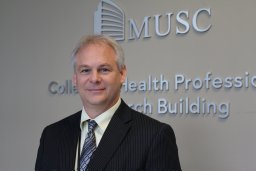 Steven A. Kautz合作论文数Department of Veteran Affairs Rehabilitation Research and Development Brain Rehabilitation Research Center, the Malcom Randall VA Medical Center18
 Krista Vandenborne合作论文数16
 Embry Aaron E合作论文数14Ryan Ross合作论文数Hogan Assessment Systems14Gary A. Dudley合作论文数University of Georgia13
 Catherine VanDerwerker合作论文数11
 Ewan Williams合作论文数University of Georgia.10
 Arun Jayaraman合作论文数Shirley Ryan AbilityLab;Department of Physical Medicine and Rehabilitation, Feinberg School of Medicine, Northwestern University10
 Warren Dixon合作论文数Department of Mechanical and Aerospace Engineering,University of Florida10Glenn a Walter合作论文数10K Vandenborne合作论文数8Stacey E Aaron合作论文数8
 Jennifer L Hunnicutt合作论文数Department of Orthopaedic Surgery, Emory University8
 Andrea Behrman合作论文数8
 Scott Bickel合作论文数8Leonard E. Egede合作论文数8
 Prithvi Shah合作论文数Department of Physical Therapy, University of Florida8
 Mark S George合作论文数Magnetic Brain Stimulation Laboratory, Department of Psychiatry, Medical University of South Carolina;Brain Imaging Division, Department of Psychiatry, Medical University of South Carolina8
 Colleen A Hanlon合作论文数Department of Neurobiology, Duke University7
 Na Jin J Seo合作论文数6
 Borich Michael R合作论文数Department of Physical Medicine and Rehabilitation, University of Minnesota6Kristin A. Wong合作论文数5
 Mohamed Salah H. Khlif合作论文数5Adrienne Dula合作论文数5Artemis Zavaliangos-Petropulu合作论文数Imaging Genet Ctr, Keck USC Sch Med5Cathrin M Buetefisch合作论文数5Giuseppe Barisano合作论文数5
 George Wittenberg合作论文数University of Pittsburgh5
 Wuwei Feng合作论文数Neuromodulation and Stroke Recovery Lab, Department of Neurology, Duke University School of Medicine5
 Lars Tjelta Westlye合作论文数Department of Psychology, Faculty of Social Sciences, University of Oslo;Norwegian Center for Mental Disorders Research, Oslo University Hospital;Department of Mental Health and Addiction, Oslo University Hospital5
 Surjo R. Soekadar合作论文数The Clinical Neurotechnology Laboratory, Charité –University Medicine Berlin5
 Sook-Lei Liew合作论文数Brain and Creativity Institute, University of Southern California Los Angeles;Herman Ostrow School of Dentistry, University of Southern California Los Angeles;University of Southern California Los Angeles, University of Southern California Los Angeles5
 Gregory T. Thielman合作论文数Physical Therapy Department, University of the Sciences in Philadelphia5Liu Jingchun合作论文数5
 Lara Boyd合作论文数Department of Physical Therapy, Faculty of Medicine, The University of British Columbia;Djavad Mowafaghian Centre for Brain Health5
 Hordacre Brenton合作论文数The Robinson Research Institute, University of Adelaide5
 Jessica Cassidy合作论文数Department of Physical Medicine and Rehabilitation, University of Minnesota Medical School5
 Valentina Ciullo合作论文数5
 Bradley MacIntosh合作论文数Department of Medical Biophysics, Temerty Faculty of Medicine, University of Toronto5
 Revill Kate Pirog合作论文数Center for Advanced Brain Imaging, Georgia Institute of Technology5
 Gianfranco Spalletta合作论文数IRCCS Santa Lucia Foundation5
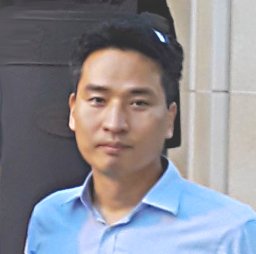 Hosung Kim合作论文数Montreal Neurological Institute and Hospital, McGill University5
 Chunshui Yu (于春水)合作论文数Tianjin Medical University General Hospital;Tianjin Medical University5
 Fabrizio Piras合作论文数IRCCS Santa Lucia Foundation5Martin Lotze合作论文数5
 Keith Stegath合作论文数5
 Feroze B. Mohamed合作论文数Department of Radiology, Thomas Jefferson University5
 Adriana Conforto合作论文数Hospital das Clínicas da Faculdade de Medicina, University of São Paulo5




