Age-related blood cell mutations (clonal hematopoiesis) reshape immune cells and lung tumor immune structures, but did not increase lung cancer growth in a genetically engineered mouse model.
CPX-351 was approved for treatment of acute myeloid leukemia (AML) using now-outdated definitions of AML with myelodysplasia-related changes (AML-MRC) and therapy-related AML. We evaluated whether the overall survival (OS) benefit of CPX-351 over 7+3 is confined to molecularly-defined AML subgroups by performing DNA sequencing in 184 patients enrolled in the pivotal phase 3 randomized trial. Patients were categorized hierarchically based on gene mutations: (1) TP53-AML, (2) DDX41-AML, (3) myelodysplasia-related AML (AML-MR) defined by WHO 5th edition, or (4) other-AML. TP53-AML was subclassified as single (TP53single) or multihit (TP53multi) based on the number of alleles altered via mutation, deletion, or copy-neutral loss of heterozygosity. Two-year OS differed significantly across molecular subgroups: TP53-AML (7%), AML-MR (19%), other-AML (37%), and DDX41-AML (70%) p<0.001. CPX-351 improved survival in AML-MR patients compared to 7+3 (median: 9.7 vs 6.8 months, p=0.037), with no benefit in TP53-AML or other-AML. For patients undergoing transplantation, CPX-351 improved 2-year survival (76% vs 27%; p<0.01), an effect primarily observed in AML-MR. Multivariable analysis confirmed the independent association with survival of both CPX-351 and HCT in AML-MR. TP53multi demonstrated significantly worse survival than TP53single (median 3.8 vs 7.0 months; p=0.004). The OS benefit of CPX-351 observed in the trial was driven by AML-MR with no benefit of CPX-351 in TP53-AML, where the primary prognostic factor was allelic state. Clinical Trial Information: NCT01696084.
ABSTRACT:Myelodysplastic syndrome (MDS) is driven by genetic mutations, but diagnosis relies on morphologic evaluation of bone marrow hematopoiesis. Only a small number of genetic abnormalities define specific bone marrow morphologic features in MDS, such as SF3B1 mutations and deletions of chromosome 5q. We hypothesized that additional genetic alterations are associated with specific dysplastic morphologic features in MDS. We assessed genetic-morphologic associations between commonly mutated genes and 10 morphologic features in a cohort of MDS bone marrows with a high degree of dysplasia. We replicated the association of SF3B1 mutations with ring sideroblasts and found that dysplastic megakaryocytes with separated nuclei were independently associated with STAG2 and/or ASXL1 mutations. In addition, STAG2 mutations were associated with abnormal myeloid nuclear segmentation and myeloid cell hypogranulation. These findings demonstrate that STAG2 and ASXL1 mutations are associated with specific morphologic abnormalities in MDS.
Possible germline mutations (VAF > 0.35) predicted to impair protein function via premature stop (nonsense), splicing alterations, or a frameshift
Plasma proteomic profiles associated with subclinical somatic mutations in blood cells may offer insights into downstream clinical consequences. Here we explore these patterns in clonal hematopoiesis of indeterminate potential (CHIP), which is linked to several cancer and non-cancer outcomes, including coronary artery disease (CAD). Among 61,833 participants (3881 with CHIP) from TOPMed and UK Biobank (UKB) with blood-based DNA sequencing and proteomic measurements (1,148 proteins by SomaScan in TOPMed and 2917 proteins by Olink in UKB), we identify 32 and 345 proteins from TOPMed and UKB, respectively, associated with CHIP and most prevalent driver genes (DNMT3A, TET2, and ASXL1). These associations show substantial heterogeneity by driver genes, sex, and race, and were enriched for immune response and inflammation pathways. Mendelian randomization in humans, coupled with ELISA in hematopoietic Tet2-/- vs wild-type mice validation, disentangle causal proteomic perturbations from TET2 CHIP. Lastly, we identify plasma proteins shared between CHIP and CAD.
Objective Giant cell arteritis (GCA) is an age‐related vasculitis. Prior studies have identified an association between GCA and hematologic malignancies (HMs). How the presence of somatic mutations that drive the development of HMs, or clonal hematopoiesis (CH), may influence clinical outcomes in GCA is not well understood. Methods To examine an association between CH and GCA, we analyzed sequenced exomes of 470,960 UK Biobank (UKB) participants for the presence of CH and used multivariable Cox regression. To examine the clinical phenotype of GCA in patients with and without somatic mutations across the spectrum of CH to HM, we performed targeted sequencing of blood samples and electronic health record review on 114 patients with GCA seen at our institution. We then examined associations between specific clonal mutations and GCA disease manifestations. Results UKB participants with CH had a 1.48‐fold increased risk of incident GCA compared to UKB participants without CH. GCA risk was highest among individuals with cytopenia (hazard ratio [HR] 2.98, P = 0.00178) and with TET2 mutation (HR 2.02, P = 0.00116). Mutations were detected in 27.2% of our institutional GCA cohort, three of whom had HM at GCA diagnosis. TET2 mutations were associated with vision loss in patients with GCA (odds ratio 4.33, P = 0.047). Conclusions CH increases risk for development of GCA in a genotype‐specific manner, with the greatest risk being conferred by the presence of mutations in TET2 . Somatic TET2 mutations likewise increase the risk of GCA‐associated vision loss. Integration of somatic genetic testing in GCA diagnostics may be warranted in the future.
Supplemental Table 1. List of DNA gene mutations tested in diagnostic tumor samples of our ALL cohort. Supplemental Table 2. List of 80 genes with RNA sequencing coverage. Supplemental Table 3. Demographics of 400 adult ALL cases. Supplemental Table 4. List of first-line (initial) therapies in Ph-positive B-ALL, Ph-negative B-ALL, and Tlineage ALL patients. Supplemental Table 5. Baseline gene rearrangements and structural variants of 329 molecularly characterized adult B-ALL patients. Supplemental Table 6. Baseline gene rearrangements and structural variants of 71 molecularly characterized adult T-lineage ALL patients. Supplemental Table 7. List of pathogenic/likely pathogenic germline variants in our ALL cohort. Supplementary Table 8. Multivariable analysis of overall survival (OS) in B-ALL patients. Supplemental Table 9. Clinical characteristics of patients studied in scDNA + protein sequencing experiments. Supplemental Table 10. Clinical characteristics of patients studied in scRNA-seq experiment. Supplemental Table 11. Ingenuity pathway analysis comparing B-lymphoblasts from B-ALL with MyM vs B-ALL without MyM.
Introduction Gene mutations that define distinct biologic subsets of acute myeloid leukemia (AML) were integrated into the recently revised diagnostic (WHO) and prognostic (ELN 2022) models. Mutations in SRSF2, SF3B1, U2AF1, ZRSR2, ASXL1, EZH2, BCOR, or STAG2 now define the adverse risk disease subtype termed AML, myelodysplasia related (AML-MR) independent of clinical history of MDS; TP53 mutations are linked with poor overall outcomes and mediate the adverse prognosis of therapy-related AML (t-AML), and germline DDX41 mutations cause a common AML predisposition with favorable treatment outcomes. CPX-351 is approved for initial induction therapy in patients with secondary AML (s-AML) defined by cytogenetics, morphology, or clinical history and t-AML based on a phase 3 trial that showed improved overall survival (OS) compared with daunorubicin and cytarabine (7+3). However, the role of CPX-351 in the AML treatment landscape is unclear as it is not known how the results of the pivotal phase 3 trial apply to patients grouped according to current classifications. To address this gap, we analyzed outcomes according to treatment arm and current AML classification at diagnosis. Methods We performed targeted mutational analysis on all available pre-treatment samples (184 of 309, 60%) from patients aged 60-75 years with newly diagnosed s-AML or t-AML who were randomized to CPX-351 (N=93) or 7+3 (N=91) in the phase 3 CPX-351-301 trial (NCT01696084). We defined four molecular groups in hierarchical order based on the presence of a TP53 mutation (N=62, 34%), a germline DDX41 mutation without concurrent TP53 mutation (N=10, 5%), at least 1 AML-MR defining mutation (N=88, 48%), or all remaining patients (de novo; N=24, 13%). We investigated the association between these genetic groups and (1) efficacy outcomes derived from the 5-year follow-up analysis (OS; complete remission [CR] or CR with incomplete count recovery [CRi]) and (2) myelotoxicity outcomes (reflected by time to absolute neutrophil count [ANC] > 1 x10⁹/L and time to platelet recovery > 100 x109/L). Results In the overall cohort, median OS (95% CI) and CR/CRi rates were significantly different across molecular groups (p<0.001): TP53 5.0 (3.3-7.3) months and 35%; DDX41: 50.1 (17.1-60.7) months and 100%; AML-MR 8.0 (5.7-10.6) months and 38%; de novo 12.4 (5.7-29.3) months and 63%. The time to platelet recovery (median [IQR]) was longer in the AML-MR group (49 [38-73] days) than in those in the TP53 (35 [29-49] days, p=0.022), DDX41 (37.5 [31-43] days, p=0.047) and de novo (36 [31-42] days, p=0.024) groups. Time to neutrophil recovery was similar across groups. To determine the effect of CPX-351 compared with 7+3 in each molecular group, we analyzed outcomes by treatment arm separately in each group. The median (95% CI) and 2-year OS were significantly better with CPX-351 than with 7+3 only in the AML-MR group (9.7 [6.2-13.7] vs 6.8 [3.6-9.6] months, 2yr 27% vs 8%, p=0.037). OS was similar with CPX-351 and 7+3 in the TP53 (4.5 [2.9-7.6] vs 5.1 [2.9-7.3] months, 2yr 4% vs 8%, p=0.70), and de novo (median 11.3 [5.6-NA] vs 16.9 [4.0-NA] months, 2yr 38% vs 36%, p=0.77) groups. In patients with a DDX41 mutation, median OS was 56.4 [36.6-NA] vs 17.1 [4.6-NA] months, with 2 year OS 100% vs 40%, p=0.11. Transplantation and CR/CRi rates were similar between treatment arms in each group. Treatment with CPX-351 was associated with prolonged platelet recovery time (median [IQR]) in the de novo (41 [36-56] vs 30.5 [29-32] days, p=0.018) and DDX41 groups (43 [41-49] vs 30 [29-34] days, p=0.056). Platelet recovery time by treatment was comparable in the AML-MR (52.5 [42-77] vs 44 [34-50] days, p=0.2) and TP53 (39.5 [34-47] vs 33 [28-49] days, p=0.3) groups. There was no treatment-specific difference in time to ANC recovery within any molecular group. Conclusion In a post hoc analysis of the pivotal phase 3 study of CPX-351 vs 7+3, patients with TP53 or AML-MR defining mutations had poor overall outcomes. CPX-351 improved survival without pronounced myelotoxicity in patients with AML-MR mutations, had no benefit over 7+3 in those with TP53 mutations and may add myelotoxicity without survival benefit in those with de novo mutations. In this high-risk AML cohort, 5% had a germline DDX41 mutation with 100% CR and prolonged survival. Our results indicate that the benefit of CPX-351 over 7+3 is driven by the presence of AML-MR defining mutations.
AbstractCerebral cavernous malformation (CCM) has variable clinical symptoms, including potentially fatal hemorrhagic stroke. Treatment options are very limited, presenting a large unmet need. REC‐994 (also known as tempol), identified as a potential treatment through an unbiased drug discovery platform, is hypothesized to treat CCMs through a reduction in superoxide, a reactive oxygen species. We investigated the safety, tolerability, and pharmacokinetic profile of REC‐994 in healthy volunteers. Single‐ and multiple‐ascending dose (SAD and MAD, respectively) studies were conducted in adult volunteers (ages 18–55). SAD study participants received an oral dose of REC‐994 or placebo. MAD study participants were randomized 3:1 to oral doses of REC‐994 or matching placebo, once daily for 10 days. Thirty‐two healthy volunteers participated in the SAD study and 52 in the MAD study. Systemic exposure increased in proportion to REC‐994 dose after single doses of 50–800 mg and after 10 days of dosing over the 16‐fold dose range of 50–800 mg. Median Tmax and mean t1/2 were independent of dose in both studies, and the solution formulation was more rapidly absorbed. REC‐994 was well tolerated. Treatment‐emergent adverse effects across both studies were mild and transient and resolved by the end of the study. REC‐994 has a favorable safety profile and was well tolerated in single and multiple doses up to 800 mg with no dose‐limiting adverse effects identified. Data support conducting a phase 2 clinical trial in patients with symptomatic CCM.
PURPOSE Therapy-related myeloid neoplasm (t-MN) is a life-threatening complication of autologous peripheral blood stem cell (PBSC) transplantation for non-Hodgkin lymphoma (NHL). Previous studies report an association between clonal hematopoiesis (CH) in PBSC and risk of t-MN, but small samples precluded examination of risk within specific subpopulations. METHODS Targeted DNA sequencing was performed to identify CH mutations in PBSC from a retrospective cohort of 984 patients with NHL (median age at transplant, 57 years; range, 18-78). Fine-Gray proportional subdistribution hazard regression models estimated association between number of CH mutations and t-MN, adjusting for demographic, clinical, and therapeutic variables. Secondary analyses evaluated the association between CH and t-MN among males and females. RESULTS CH was identified in PBSC from 366 patients (37.2%). t-MN developed in 60 patients after a median follow-up of 5 years. Presence of ≥2 mutations conferred increased t-MN risk (adjusted hazard ratio [aHR], 2.10; 95% CI [1.08 to 4.11]; P = .029). CH was associated with increased t-MN risk among males (aHR, 1.83 [95% CI, 1.01 to 3.31]) but not females (aHR, 0.56 [95% CI, 0.15 to 2.09]). Although the prevalence and type of CH mutations in PBSC were comparable, the 8-year cumulative incidence of t-MN was higher among males vs. females with CH (12.4% v 3.6%) but was similar between males and females without CH (4.9% v 3.9%). Expansion of CH clones from PBSC to t-MN was seen only among males. CONCLUSION presence of CH mutations in PBSC confers increased risk of t-MN after autologous transplantation in male but not female patients with NHL. Factors underlying sex-based differences in risk of CH progression to t-MN merit further investigation.
Introduction: Although the inferred “fitness” of clonal hematopoesis (CH) driver mutations differs depending on the gene mutation, the impact of environmental factors that may promote or impair CH expansion remain largely unknown. We hypothesized that obesity influences the clonal expansion rate of common CH driver mutations. Methods: To test this hypothesis, we first interrogated data from the UKBiobank (UKBB) (n=425,573 exomes) to evaluate the relationship between body mass index (BMI) (kg/m2) and four common CH mutations, namely DNMT3A, TET2, ASXL1, and JAK2. For functional studies we focused on JAK2V617F, using a novel Fgd5-CreER-Jak2V617F mouse model we generated. In this model, Jak2V617F expression is induced in a small percentage of long-term (LT)-HSC which are tracked sequentially in primary mice in an unirradiated bone marrow niche. To quantify Jak2V617F expression in the model, we developed a digital droplet PCR assay. We also generated a chimeric bone marrow transplant Jak2V617F model and performed bulk RNA-sequencing (RNAseq) on purified lineagelow Sca-1+ c-kithigh (LSK) cells expressing Jak2V617F or wild-type Jak2, isolated from the same mouse. Finally, we performed single-cell RNAseq on Jak2V617F-expressing c-kithigh cells purified from chimeric transplant mice. Mice fed an obesity diet received 60 kcal% fat while mice fed a control diet received 10 kcal% fat. Results: In UKBB analyses, we identified genotype-specific patterns of association between BMI and the presence of CH mutations. JAK2 (OR 0.51; 95% CI 0.27-0.96; p=0.036) and DNMT3A mutations (OR 0.92; 95% CI 0.87-0.97; p=0.0028) were negatively associated with a BMI >30 relative to BMI <25, whereas mutations in ASXL1(OR 1.40; 95% CI 1.23-1.60; p=8.8x10⁻⁷) and TET2 (OR 1.16; 95% CI 1.04-1.31; p=0.0095) were positively associated with BMI >30. To further explore the negative association between JAK2V617F and obesity, we generated a cohort of Fgd5-CreER-Jak2V617F mice and fed half the mice an obesity diet and the other half a control diet. After 24 weeks, Jak2-mutant mice fed the control diet developed a significantly higher hematocrit (HCT) as compared to Jak2-mutant mice fed the obesity diet (p=0.0043). The HCT remained significantly higher in control mice as compared to obese mice over a 46-week period (p<0.0001). Strikingly at 46 weeks, 5/7 mice (71%) fed the control diet showed signs of MPN as compared with 0/6 mice (0%) fed the obesity diet. Furthermore, overall survival was significantly improved in Jak2-mutant obese mice as compared to Jak2-mutant mice fed a control diet (p=0.03). Subsequently, after the death of most control mice, one Jak2-mutant obese mouse developed an elevated HCT, indicating that obesity prolonged the latency to MPN development in Jak2V617F mice. In the chimeric transplant model, gene set enrichment analysis (GSEA) showed significantly increased interferon alpha (NES=2.55, FDR≈0), interferon gamma (NES=2.26, FDR≈0), and interleukin-6 (NES=2.15, FDR=5.46x10-05) signaling in Jak2-mutant LSK cells isolated from obese animals as compared to wild-type LSK cells, a finding not observed in control mice. Single-cell RNAseq experiments further validated these findings, where we identified interferon induced transmembrane protein 1 (IFITM1) as one of the most differentially upregulated genes in Jak2-mutant LT-HSCs from obese mice (adjusted p-value=1.08x10-54) as compared to wild-type LT-HSCs, and unlike Jak2-mutant LT-HSCs from control mice. Conclusions: To our knowledge, our study is the largest to date to evaluate the relationship between obesity and CH and the first to investigate the negative association between JAK2V617F CH and obesity, using functional studies. We developed a novel Fgd5-CreER-Jak2V617F mouse model, which allowed us to study the transition from CH to overt MPN in an unperturbed, non-irradiated bone marrow niche. Transcriptomic profiling points to activation of the interferon signaling pathway in Jak2-mutant HSC as a possible mechanism by which JAK2-mutant LT-HSC may preferentially exhaust during obesity. These findings support testing pegylated interferon as a potential treatment for individuals with JAK2-mutant CH and a clinical protocol is currently under development at our institution. Ongoing functional studies are investigating additional metabolic targets in LT-HSC with the goal of uncovering novel treatment approaches for JAK2-mutant CH.
 Benjamin Levine Ebert合作论文数Harvard Medical School;Dana-Farber Cancer Institute;Harvard Stem Cell Institute;Broad Institute54
 R Coleman Lindsley合作论文数Dana-Farber Cancer Institute36
 Donna Neuberg合作论文数Department of Biostatistics, Harvard T.H. Chan School of Public Health;Dana-Farber Cancer Institute34
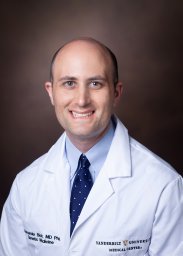 Alexander Bick合作论文数Department of Medicine, Vanderbilt University Medical Center33
 Peter Miller合作论文数Department of Land Resources and Environmental Sciences;Montana State University;Department of Land Resources and Environmental Sciences, Montana State University30Sperling Adam S合作论文数29
 Pradeep Natarajan合作论文数Mass General Research Institute, Massachusetts General Hospital;Broad Institute of MIT and Harvard;Harvard Medical School25
 Niroula Abhishek合作论文数Department of Experimental Medical Science, Lund University24
 Robert J. Soiffer合作论文数Department of Medical Oncology, Dana-Farber Cancer Institute;Division of Hematologic Malignancies, Dana-Farber Cancer Institute;Harvard Medical School19
 Mesbah-Uddin Md合作论文数Faculty of Science, King Abdulaziz University18
 Siddhartha Jaiswal合作论文数Department of Pathology, School of Medicine, Stanford University;Institute for Stem Cell Biology and Regenerative Medicine, School of Medicine, Stanford University16Gabriel K Griffin合作论文数Brigham & Womens Hosp, Dept Pathol, Boston, MA 02115 USA15Geoffrey G Fell合作论文数15
 Jerome Ritz合作论文数Connell and O'Reilly Families Cell Manipulation Core Facility, Dana-Farber Cancer Institute;Harvard Medical School15Ashka Patel合作论文数14
 Joseph H. Antin合作论文数Dana-Farber Cancer Institute, Harvard Medical School;Brigham and Women's Hospital14Gregory J. Kirkner合作论文数Department of Medicine, Brigham and Women's Hospital, Boston, MA 02115, USA13Craig Snow合作论文数12
 Ann H. Partridge合作论文数Department of Medical Oncology, Dana-Farber Cancer Institute;Harvard Medical School12Sella Tal合作论文数12
 Shoshana Rosenberg合作论文数Weill Cornell Medical College12
 Murdock Heardley合作论文数National Institute of Allergy and Infectious Diseases, National Institutes of Health12Aswin Sekar合作论文数Harvard Med Sch, Dept Genet, Boston, MA 02115 USA11Deborah Dillon合作论文数11Seyedeh M Zekavat合作论文数Broad Inst MIT & Harvard, Program Med & Populat Genet, Cambridge, MA 02142 USA11
 Corey Cutler合作论文数Center for Hematologic Oncology, Dana-Farber Cancer Institute;Division of Hematologic Oncology, Department of Medical Oncology, Dana-Farber Cancer Institute;Harvard Medical School11
 Richard M. Stone合作论文数Dana-Farber Cancer Institute;Harvard Medical School11
 Sarah Nikiforow合作论文数Dana-Farber Cancer Institute, Harvard Medical School11
 David P. Steensma合作论文数Novartis Institutes for Biomedical Research10
 John Koreth合作论文数Dana-Farber Cancer Institute;Harvard Medical School;Stem Cell Transplantation Institute Physician10
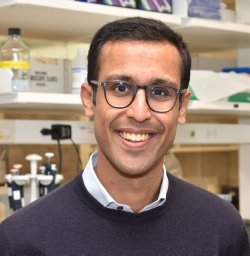 M. Agrawal合作论文数Heidelberg Univ, Univ Med Mannheim9McConkey Marie合作论文数9Weeks Lachelle D合作论文数9
 Peter Libby合作论文数Brigham and Women's Hospital;Harvard Medical School9Marlise R. Luskin合作论文数9Lukasz P Gondek合作论文数Experimental Hematology and Hematopoiesis Section, Cleveland, Ohio., USA9
 Haesook T. Kim合作论文数Department of Data Science, Dana-Farber Cancer Institute;Harvard School of Public Health;Department of Biostatistics and Computational Biology, Dana-Farber Cancer Institute9
 Nikhil C. Munshi合作论文数Jerome Lipper Multiple Myeloma Center, Dana-Farber Cancer Institute;Harvard Medical School8Edwin P. Alyea合作论文数8
 Vincent Ho合作论文数Vancouver Coastal Health Research Institute, The University of British Columbia;Department of Dermatologic Oncology, British Columbia Cancer Agency8Waihay J. Wong合作论文数8
 Joshua S Weinstock合作论文数University of Michigan School of Public Health7
 Philippe Armand合作论文数Dana-Farber Cancer Institute7Robert Redd合作论文数Dana-Farber Cancer Institute7
 Vasan Ramachandran合作论文数Department of Quantitative and Qualitative Health Sciences, School of Public Health, The University of Texas Health Science Center at San Antonio;College of Health, Community and Policy, The University of Texas at San Antonio7Olga Pozdnyakova合作论文数UMass Memorial Medical Center, University of Massachusetts7Amy E Lin合作论文数Ontario Cancer Institute, University Health Network7Elizabeth A. Morgan合作论文数7
 Robert Hasserjian合作论文数Department of Pathology, Massachusetts General Hospital;Harvard Medical School;Dana-Farber / Harvard Cancer Center7




