To improve the tolerability of post-transplant maintenance and outcomes despite poor risk disease genetics, we conducted a phase 1 study of venetoclax/FluBu2 RIC transplantation with tacrolimus/methotrexate GVHD prophylaxis followed by all-oral venetoclax/decitabine-cedazuridine (ven/dec-c) maintenance in poor-risk MDS/AML patients (N=30). 58% had prior venetoclax exposure and 63% were TP53-mutated; 15/19 had TP53 multi-hit state. At a median of +55 days, pre-emptive maintenance therapy with venetoclax (400 mg on days 1-14) and dec-c (decitabine 35 mg/cedazuridine 100 mg on days 1,3,5 or 1,2,3) was initiated for eight 42-day cycles in 26/30 (87%) patients (remaining 3 relapsed early, 1 withdrew). On maintenance, grade 3-4 neutropenia (96%) occurred though infections were rare (N=2). No DLTs occurred. 6-month acute GVHD grade II-IV rate was 13%. 1-year moderate/severe chronic GVHD rate was 31%. At a median follow up of 25.1-months (range,15-33), median OS and PFS were not reached. On maintenance, 2-year OS was 77% (95%CI,55-89), PFS 62% (95%CI,38-79), NRM 0%, and cumulative incidence of relapse 38% (95%CI,18-59). Exploratory studies identified 96% had pre-transplant NGS-MRD+, favorable survival in those with non-TP53 MRD+, and delayed conversion on maintenance in 11/18 (61%) in those with TP53 MRD+. PROs assessed in first 6-months of maintenance were stable except for emotional function, which improved (P=0.008). Trial is registered at clinicaltrials.gov/NCT03613532.
Assessment of deconvolution performance of synthetic chimeric cell populations in in-silico mixing experiments.
Longitudinal changes of somatic nuclear and mitochondrial DNA mutations in genetically stable CLL.
ABSTRACT:The mechanisms that lead to extramedullary tropism of acute myeloid leukemia (eAML) remain obscure and no specific therapeutic approaches for this entity exist. Because the long-term survival of eAML is poor, a deeper understanding of the immune microenvironment and leukemia phenotypes underlying this entity is warranted. Here, we performed bulk and single-cell transcriptome profiling of 23 eAML biopsies from 10 patients with isolated extramedullary disease in skin and subcutaneous tissue. Unlike normal healthy skin, we found leukemia cutis to be heavily immune infiltrated; in extramedullary relapse after allogeneic stem cell transplantation, >90% of T/natural killer cells were donor derived. eAML-associated T cells expressed a clear signature of T-cell exhaustion, dissimilar to leukemia-associated immune populations in bone marrow relapse (n = 7) but related to acute and chronic skin inflammation. Furthermore, HLA class II was downregulated in 4 of 7 leukemia cutis specimens, consistent with an immune escape phenotype in eAML. Extramedullary and bone marrow-resident leukemia cells differed with regard to the expression of 8 homing receptor molecules (ICAM1 [encoding CD54], PECAM1 [CD31], ITGA4, ITGA6, ITGAL, ITGB4, ITGA5, and ITGAV). Serial samples obtained from 1 leukemia cutis throughout consecutive immune checkpoint blockade with ipilimumab followed by nivolumab showed a consistently high degree of overlap between local and circulating T-cell receptor sequences, suggesting that only a minority of eAML-associated T cells are leukemia specific. Our analysis reveals eAML to associate with complex changes in leukemia and T-cell gene expression profiles that suggest multiple potential avenues for therapeutic targeting.
Relapse remains the main cause of death following allogeneic hematopoietic cell transplantation (HCT) for patients with high-risk myeloid malignancies. Post-transplant maintenance therapy may reduce relapse risk and improve outcomes. We previously showed that post-transplant azacitidine + venetoclax (ven/aza) maintenance after reduced intensity conditioning (RIC) HCT with tacrolimus/methotrexate (Tac/MTX) graft-versus-host disease (GVHD) prophylaxis is feasible, safe, and associated with encouraging outcomes. The ability to deliver prophylactic maintenance after modified RIC conditioning including post-transplant cyclophosphamide/tacrolimus/mycophenolate mofetil (PTCy/Tac/MMF) GVHD prophylaxis has not yet been shown. We sought to determine the extent to which PTCy/Tac/MMF GVHD prophylaxis affected the safety, tolerability, and preliminary efficacy of venetoclax/FluBu2 RIC HCT followed by ven/aza maintenance in patients with high-risk MDS and AML. Venetoclax was administered at 400 mg daily dose on days -8 to -2, overlapping with FluBu2. Eligible patients included those with adverse risk AML (by ELN 2017/2022 or therapy-related AML) or adverse risk MDS (IPSS Intermediate-2/High or MDS with high-risk mutations). We compared clinical outcomes with our previously published venetoclax/FluBu2 RIC HCT Tac/MTX cohort. This phase 1 trial was registered at clinicaltrials.gov/NCT03613532. Twenty-three patients enrolled in the PTCy cohort including 13/23 (57%) whose disease harbored TP53 mutations (12/13 multi-hit). At pretransplant screening (within 28 days of day -8), multi-parameter flow cytometry-measurable residual disease was detected in 11/20 (55%) patients in CR. With this study regimen, neutrophils engrafted at a median of 15 days and platelets engrafted at a median of 22 days from transplant. 100-day nonrelapse mortality (NRM) was 0%, 6-month grade II-IV acute GVHD rate was 4.4% (95% confidence interval [CI] .30 to 18.8) and 1-year chronic GVHD was 9.1% (95% CI: 1.4 to 26.1). 100-day event-free survival (EFS) was 59.1% (95% CI: 41.7 to 83.7). With median 14.9 months follow-up (range: 7.34 to 21.6), 1 year overall survival (OS) was 59.1% (95% CI: 41.6 to 84.0), progression-free survival (PFS) was 47% (95% CI: 30.2 to 73.1), relapse was 48.7% (95% CI: 26.4 to 67.8), and GVHD-free relapse free survival (GRFS) was 37.7% (95% CI: 21.9 to 64.7). We further compared safety and efficacy with another prospective cohort enrolled with identical inclusion criteria who underwent ven/FluBu2 HCT with Tac/MTX GVHD prophylaxis (n = 27). No differences were observed in 100-day cumulative incidence of grade ≥2 infections, though the PTCy cohort had numerically increased bacterial (26% versus 15%) and viral (17% versus 7%) infections. We did not identify differences in OS (P = .33), PFS (P = .55), relapse (P = .76), NRM (P = .28), GRFS (P = .97), EFS (P = .6), acute GVHD (P = .12), or chronic GVHD (P = .41). Furthermore, no significant differences were detected in FACT-BMT quality of life scores when comparing longitudinal changes between pretransplant and post-transplant/premaintenance timepoints by GVHD prophylaxis cohort. We demonstrate acceptable safety and encouraging efficacy of ven/FluBu2 with PTCy in an exceedingly high risk cohort and equivalent outcomes in comparison with Tac/MTX GVHD prophylaxis. Subtle differences in tolerability however highlight the need for additional studies to confirm the optimal backbone for poor-risk MDS/AML cases.
T-cell prolymphocytic leukemia (T-PLL) is a rare and aggressive malignancy with a poor prognosis. Allogeneic hematopoietic stem cell transplantation (HCT) is often used for treatment, but its effectiveness remains unclear. In this study of 33 adult patients with T-PLL who underwent HCT, 5-year progression-free survival (PFS) was 29% (95% confidence interval [CI], 14-45) and 5-year overall survival (OS) was 41% (95% CI, 24-57). Five-year cumulative incidence of non-relapse mortality was 18%, while 5-year cumulative incidence of relapse was 53%. Univariable analysis revealed that a longer time from diagnosis to HCT was significantly associated with improved PFS (hazard ratio, 0.36; 95% CI, 0.15-0.87). Analysis of immune reconstitution in 22 patients showed a relatively slow recovery of immune cells post-HCT. A higher recovery of CD3 T cells was also associated with increased risk of relapse, which may have prognostic significance and warrants further investigation as a risk factor for disease recurrence.
Identification of cell types and tracking of mitochondrial DNA mutations in immunosuppression tapering (IST) cohort using ASAP-seq.
Abstract Despite advances in immunotherapy, most solid tumors remain resistant to treatment. Immune cell engagers redirect cytotoxic lymphocytes against cancer, but limited tumor access, immunosuppressive microenvironments and systemic immune activation limit efficacy. Here we develop live immune modulating engagers (LIME), a modular platform where non-pathogenic, tumor-tropic Escherichia coli display tandem single-chain variable fragments targeting a tumor-associated antigen and an activating receptor on T or natural killer cells. LIME bridged effector and tumor cells, induced transcriptional programs of T cell activation, metabolism and proliferation, and enhanced cytotoxicity across cancer cell lines and patient-derived organoids. In mouse models, LIME safely accumulated in tumors, outperformed tarlatamab in small cell lung cancer, and induced durable immunity in lymphoma. RAS inhibition and PD-L1 blockade enhanced LIME activity in pancreatic cancer and induced humoral responses. Multi-lineage immune modulation remained tumor-confined, without organ toxicity. These findings establish LIME as a versatile living therapeutic platform for programmable, tumor-restricted immune orchestration.
Identification of high-confidence mitochondrial DNA mutations for Tapestri analysis.
ABSTRACT:Acute myeloid leukemia (AML) relapse after allogeneic hematopoietic stem cell transplant (HSCT) portends a dismal prognosis. One approach for reinvigorating a graft-versus-leukemia response is consolidation with donor lymphocyte infusions (DLI) or second HSCT (HSCT2). However, the role of DLI/HSCT2 in patients who achieve complete remission (CR) after salvage therapy is unclear. In this retrospective study, we evaluated the outcomes of 464 patients with post-HSCT AML relapse, focusing on those who achieved CR before consolidation with cellular therapy. In multivariable analysis (MVA), achieving CR after post-HSCT1 relapse was associated with improved overall survival (OS; hazard ratio [HR], 0.42; P< .0001). Of 133 patients (29%) who achieved CR after posttransplant AML relapse and before cellular therapy, 64 received DLI, 28 underwent HSCT2, and 41 received neither. Four-year outcomes from CR for the entire cohort (n = 133) were: OS 29%, relapse-free survival (RFS) 22%, cumulative incidence of relapse 58%, and nonrelapse mortality (NRM) 20%. In MVA, there was no association between receipt of DLI (HR, 0.87; P = .59) or HSCT2 (HR, 1.08; P = .83) and OS. Furthermore, we did not identify a benefit with DLI or HSCT2 with respect to RFS, relapse, or NRM. Patients with donor chimerism <90% at the time of CR had reduced 4-year OS (20% vs 32%; P = .03), as did measurable residual disease-positive patients (17% vs 62%; P = .024). Our results question the benefit of consolidation with DLI or HSCT2 in patients with AML who achieve CR, and we identify high-risk subgroups that should be the focus of future studies with larger cohorts.
Abstract Background: In the clear cell renal cell carcinoma (ccRCC) tumor microenvironment (TME), transforming growth factor-β (TGF-β) is a dominant immunosuppressive cytokine that suppresses NK metabolism, proliferation, and cytotoxicity. Rather than blocking TGFβ receptor, we hypothesized that elevated TGFβ in the ccRCC could be harnessed as a trigger to drive local, therapeutic cytokine expression. Methods: We engineered TGFβ-sensing circuits to conditionally express IL-12A3—a collagen-binding IL-12 fusion cytokine, in response to tumor derived TGFβ. The initial forward-strand designs produced TGFβ-inducible 70CAR/IL-12, but with leaky IL-12 expression. However, a bidirectional layout (sensor+IL-12A3 on the reverse, 70CAR on the forward) cut baseline IL-12 expression by ∼87% (43 vs 362 pg/mL, p=0.0019) without affecting CAR expression or NK cell function. To boost efficacy, we added constitutive IL-18 downstream of 70CAR (70CAR-12A3/18), while IL-12 remained TGFβ-regulated. Primary NK cells were transduced and assessed in vitro for activation and cytotoxicity against A498, ACHN, and CD70+ ccRCC PDXs, and in vivo in NSG-IL15 mice bearing A498 tumors. Tumor growth, NK persistence/infiltration/activation, and safety were evaluated, including body weight and day 7 serum cytokines (IL-12, IL-18, IL-1β, IL-2, IL-6, IFNγ, GM-CSF). Results: High transduction efficiency was achieved in NK cells after transduction with constructs 70CAR (45 ∼ 78%, n=8), 70CAR-12A3 (36 ∼ 62%, n=8), 70CAR-18 (41 ∼ 80%, n=8), and 70CAR-12A3/18 (27 ∼ 55% n=8) at MOI=2. 70CAR-12A3/18 NK cells secreted high IL-18 (∼1,800 pg/mL) and TGFβ-inducible IL-12 (21.6 vs 324.2 pg/mL ± TGFβ1; p=0.0013), showed enhanced cytotoxicity against A498, ACHN, and CD70+ ccRCC PDXs, and fully overcame TGFβ-mediated suppression with combined IL-12+IL-18 (either alone was insufficient). In NSG-IL15 mice subcutaneously implanted with A498 tumors, 70CAR-12A3/18 significantly reduced tumor volume (p<0.0001) and extended survival (p<0.0001). It yielded the highest human NK cell percentages among groups in blood at day 14 and, at endpoint, across blood, bone marrow, liver, lung, spleen, and tumor of treated mice. In serum, human IL-12 reached up to 34 pg/mL in 70CAR-12A3/18 or 70CAR-12A3 treated mice, while IL-18 averaged ∼1,300 pg/mL (70CAR-12A3/18) and ∼2,300 pg/mL (70CAR-18). No CRS-related cytokines were significantly elevated. Conclusion: We present a bidirectional TGFβ-sensing circuit that pairs constitutive IL-18 with TGFβ-inducible IL-12 for context-specific cytokine delivery and enhanced CAR NK activity. 70CAR-12A3/18 NK cells reduced tumor burden and extended survival in NSG mice bearing ccRCC xenografts without causing systemic toxicity. This modular TGFβ-sensor is generalizable, offering a blueprint for NK therapies targeting immunosuppressive TMEs in solid and hematologic tumors. Citation Format: Fuguo Liu, Xingyu Deng, Veronica W. Hui, Shikha Gupta, Wenxin Xu, Maily Nguyen, Mubin Tarannum, Andreia Maia, Shaobo Yang, Stephanie Sendker, Alaa K. Ali, John Koreth, Jose A. Cancellas, Jianzhu Chen, Robert Soiffer, Catherine Wu, Jerome Ritz, Toni K. Choueiri, Rizwan Romee. Engineering novel CAR NK cells to overcome TGF-β suppression in renal cell carcinoma [abstract]. In: Proceedings of the AACR Special Conference in Cancer Research: Innovations in Kidney Cancer Research: From Molecular Insights to Therapeutic Breakthroughs; 2026 Mar 13-16; Philadelphia, PA. Philadelphia (PA): AACR; Cancer Res 2026;86(5_Suppl_2):Abstract nr A019.
Anti-CD19 chimeric antigen receptor (CAR) T-cell therapy can induce durable remissions in patients with large B-cell lymphoma (LBCL), yet outcomes remain variable. Reliable pre-treatment predictors of durable response remain limited, leaving a critical gap in patient management. To address this, we profiled pre-treatment plasma cell-free RNA (cfRNA) from 91 LBCL patients treated with axicabtagene ciloleucel (axi-cel, Yescarta) across three independent cohorts. We first demonstrated that signatures of "lymph node-like" tumor microenvironments (TMEs), previously identified in tumor biopsies and shown to correlate with favorable outcomes, are specifically elevated in the pre-treatment plasma cfRNA of responders, but not in matched peripheral blood mononuclear cells (PBMCs). These observations indicate that cfRNA captures TME tissue-derived signals not reflected in circulating immune cells. Next, using unbiased approaches, we identified additional cfRNA signatures associated with one-year clinical outcomes that capture the underlying biological landscape of treatment response. Collectively, these findings support pre-treatment plasma cfRNA as a minimally invasive surrogate of TME state to prospectively inform durable CAR T-cell therapy outcomes and guide risk stratification and TME-modulating adjunct therapies.
Abstract Background: Ciltacabtagene autoleucel (cilta-cel), a B-cell maturation antigen (BCMA)-directed chimeric antigen receptor (CAR) T-cell therapy, is approved for patients with relapsed/refractory multiple myeloma after 1 line of therapy. In the CAR-PRISM trial, we hypothesized that early use of cilta-cel in patients with high-risk smoldering myeloma (HR-SMM) would yield even higher efficacy with the potential for cure. Here, we report the initial safety and efficacy results from the complete study cohort. Methods: In this single-center, phase 2 study, patients received a single infusion of cilta-cel at target doses of 0.3, 0.5, or >0.5×10⁶ CAR+ T cells/kg following lymphodepleting chemotherapy. No induction or bridging therapy was administered. High-risk SMM was defined by the 20/2/20 model or bone marrow plasma cells >10% with additional adverse features. Patients with >40% infiltration were excluded. Primary endpoint was the incidence of dose-limiting toxicities (DLTs) and treatment-emergent adverse events (AEs); key secondary endpoints included overall response rate and minimal residual disease (MRD) negativity. Results: As of December 31, 2025, 20 patients (median age, 58 years; 6 women) received cilta-cel. No pre-specified DLTs were observed during the dose-escalation phase. The most common AEs were transient hematologic toxicities (neutropenia grade 4: 11/20, grade 3: 7/20; median duration 3 days). Cytokine release syndrome occurred in all patients (grade 1: 17/20, grade 2: 3/20). Non-ICANS neurologic toxicities (NINTs) occurred in seven patients, predominantly at the >0.5×10⁶ dose level; five events were low grade and included facial palsy, tremor or paresthesia. Among two patients with movement and neurocognitive treatment-emergent AEs (MNTs); one patient’s work-up demonstrated CAR-T persistence and testing suggestive of a pre-existing synucleinopathy characterized by phosphorylated α-synuclein on skin biopsy and abnormal dopamine transporter imaging, whereas the other experienced grade 1 symptoms. Patients with NINTs showed significantly different longitudinal profiles, with higher absolute lymphocyte count (ALC, p<0.0001) and altered CD4:CD8 ratio (p=0.007), prompting dose reduction to 0.3×10⁶ CAR+ T cells/kg and ALC-guided pre-emptive dexamethasone. At a median follow-up of 12 months, all patients achieved MRD negativity at 10-6 by 2 months, which is sustained. Of note, all six patients with follow-up beyond 18 months continue to have a sustained MRD negative status. For the 16 patients with ≥6 months of follow-up, the best overall response rate was 100% complete response. No progression or death events were observed. Conclusions: In this first study of CAR T-cell therapy in a precursor malignancy, cilta-cel induced rapid, deep, and sustained MRD-negative responses in all patients with HR-SMM in the absence of induction therapy. Biomarker-guided mitigation strategies may further optimize neurologic safety. Citation Format: Omar Nadeem, David Cordas dos Santos, Sarah Nikiforow, Kevin DeBraganca, Anna Bosch-Vilaseca, Elizabeth O'Donnell, Adam Sperling, Yuxin Liu, Frances Arters, Marjorie Marto, Amy Bergeron, Colin O'Donnell, Brendan Kineavy, Emilie Swenson, Kristin McHugh, Quentin Berry, Hope Wei, Emily Durlacher, Elizabeth Grimm, Rocio Montes de Oca, Denise De wiest, Robert Redd, Lorenzo Trippa, Caleb McIntire, Eric Smith, Kenneth Anderson, Nikhil Munshi, Deepu Madduri, Craig Tendler, Jordan Schecter, Mark Wildgust, Jerome Ritz, Irene Ghobrial. Ciltacabtagene autoleucel in high-risk smoldering myeloma: Results from the CAR-PRISM trial [abstract]. In: Proceedings of the American Association for Cancer Research Annual Meeting 2026; Part 2 (Late-Breaking, Clinical Trial, and Invited Abstracts); 2026 Apr 17-22; San Diego, CA. Philadelphia (PA): AACR; Cancer Res 2026;86(8_Suppl):Abstract nr CT103.
 Robert J. Soiffer合作论文数Department of Medical Oncology, Dana-Farber Cancer Institute;Division of Hematologic Malignancies, Dana-Farber Cancer Institute;Harvard Medical School526
 Joseph H. Antin合作论文数Dana-Farber Cancer Institute, Harvard Medical School;Brigham and Women's Hospital276
 Haesook T. Kim合作论文数Department of Data Science, Dana-Farber Cancer Institute;Harvard School of Public Health;Department of Biostatistics and Computational Biology, Dana-Farber Cancer Institute252
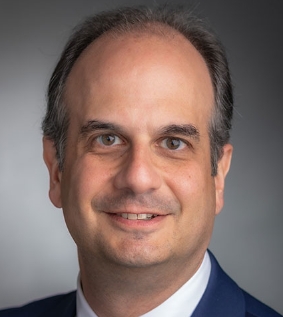 Corey Cutler合作论文数Center for Hematologic Oncology, Dana-Farber Cancer Institute;Division of Hematologic Oncology, Department of Medical Oncology, Dana-Farber Cancer Institute;Harvard Medical School247
 John Koreth合作论文数Dana-Farber Cancer Institute;Harvard Medical School;Stem Cell Transplantation Institute Physician219
 Edwin P. Alyea合作论文数185
 Catherine J. Wu合作论文数Department of Medical Oncology, Dana-Farber Cancer Institute;Division of Stem Cell Transplantation and Cellular Therapies, Dana-Farber Cancer Institute;Harvard Medical School181
 Sarah Nikiforow合作论文数Dana-Farber Cancer Institute, Harvard Medical School154
 Vincent Ho合作论文数Vancouver Coastal Health Research Institute, The University of British Columbia;Department of Dermatologic Oncology, British Columbia Cancer Agency145
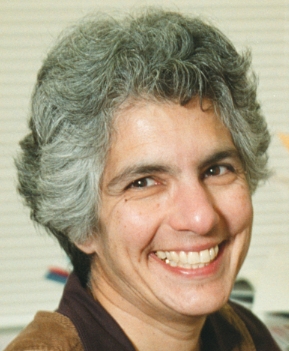 Donna Neuberg合作论文数Department of Biostatistics, Harvard T.H. Chan School of Public Health;Dana-Farber Cancer Institute142
 Philippe Armand合作论文数Dana-Farber Cancer Institute114
 Kenneth C. Anderson合作论文数Dana-Farber Cancer Institute;Harvard Medical School97
 Lee M. Nadler合作论文数Department of Medical Oncology, Dana-Farber Cancer Institute84
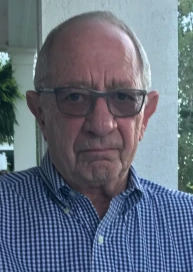 Stuart F. Schlossman合作论文数Harvard Medical School80Shuqiang Li合作论文数72
 Rizwan Romee合作论文数Sch Med, Washington Univ66
 Vincent T. Ho合作论文数Dana-Farber Cancer Institute;Harvard Medical School65
 Mahasweta Gooptu合作论文数64Reynolds Carol G合作论文数60
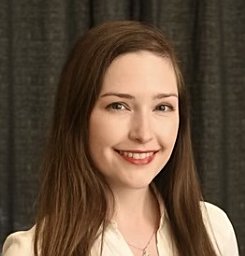 Maurer Katie合作论文数Kimmel Center for Biology and Medicine at the Skirball Institute, New York University School of Medicine;Sackler Institute of Graduate Biomedical Sciences, New York University School of Medicine;New York University School of Medicine, New York University School of Medicine51Garcia Jacqueline S合作论文数Department of Medicine, The University of Chicago50
 Arnold S. Freedman合作论文数Harvard Medical School;Department of Medical Oncology, Dana-Farber Cancer Institute;Brigham and Women's Hospital50
 Bruce Blazar合作论文数Division of Pediatric Blood and Marrow Transplantation & Cellular Therapy, Department of Pediatrics, Medical School, University of Minnesota;Center for Translational Medicine, University of Minnesota50Ep Alyea合作论文数49
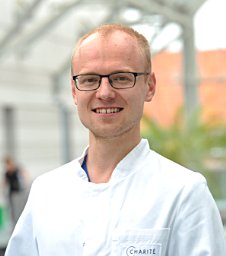 Livius Penter合作论文数Labor für Pädiatrische Molekularbiologie, Charité - Universitätsmedizin Berlin49Cieri Nicoletta合作论文数47
 John Gribben合作论文数Barts Cancer Institute, Queen Mary University of London47
 Gad A. Getz合作论文数Harvard Medical School;Department of Pathology, Massachusetts General Hospital;Broad Institute of Harvard and MIT46
 Roman Shapiro合作论文数46
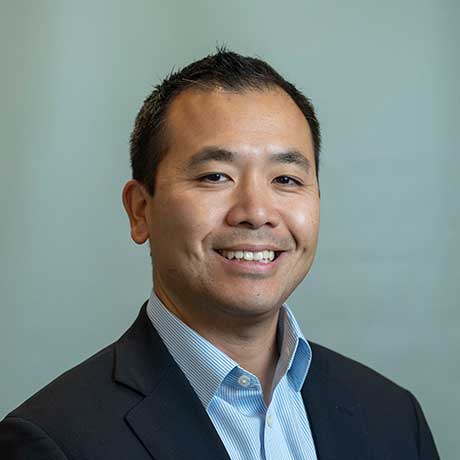 Yi-Bin Chen合作论文数Mass General Research Institute, Massachusetts General Hospital;Harvard Medical School43Oliveira Giacomo合作论文数IRCCS, San Raffaele Scientific Institute41
 Glenn Dranoff合作论文数Department of Immuno-oncology and Hematology Research, Novartis Institutes of Biomedical Research41Haoxiang Lyu合作论文数40Kenneth J Livak合作论文数40Wesley Lu合作论文数38Sean McDonough合作论文数38
 Nikhil C. Munshi合作论文数Jerome Lipper Multiple Myeloma Center, Dana-Farber Cancer Institute;Harvard Medical School38Mj Robertson合作论文数37Satyen Gohil合作论文数36Karen K. Ballen合作论文数36Heather Daley合作论文数36Christine Murray合作论文数35C Canning合作论文数34
 Ignaty Leshchiner合作论文数Broad Institute of MIT and Harvard;Department of Medicine, Boston University34
 Richard M. Stone合作论文数Dana-Farber Cancer Institute;Harvard Medical School34Peter M. Mauch合作论文数Department of Radiation Oncology, Brigham and Women's Hospital, Boston, MA, United States34
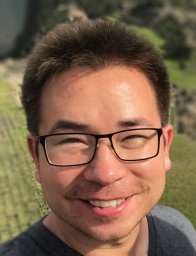 Ludwig Leif S合作论文数Charité-Universitätsmedizin Berlin, MIT and Harvard33
 Caleb Lareau合作论文数School of Humanities and Sciences, Stanford University;School of Medicine, Stanford University;Sloan Kettering Institute, Memorial Sloan Kettering Cancer Center32Bellucci Roberto合作论文数32




