Abstract Glacier algal blooms occupying the melting surface of the Greenland Ice Sheet (GrIS) support diverse microbial communities and amplify ice melt through positive albedo feedback. Knowledge about the distribution and magnitude of these blooms has been limited to isolated field surveys or regional remote sensing and modelling studies to-date. Here, we present Greenland-wide simulations of glacier algal blooms over the past two decades (2000–2022) using a Quasi Monte Carlo (QMC) ensemble approach informed through sensitivity analysis of key model parameters. We show how conditions conducive for glacier algal growth are present around the entirety of the GrIS margins each year of our study regardless of the magnitude and duration of the melt season. Spatiotemporal heterogeneity in accumulated biomass is modelled across the ablation zone, between ice sheet sectors and relative to inter-annual variability in melt. Bloom magnitude maps to the availability of ablation zone area in each year and we identify northern sectors as potential harbingers of expansive blooms that remain to be sampled. A small increasing trend in total bloom extent (3724 km −2 yr −1 ) between 2000 and 2022 supports the likelihood of future bloom expansion as more of the ice sheet is unlocked by warming.
Snow and glacier algal blooms are increasingly well-documented in the Northern Hemisphere, but their diversity and ecology in Antarctic regions remain poorly understood. Here, we present the outcomes of high-resolution sampling of snow and glacier algal blooms across Signy Island (maritime Antarctica) during the 2023-24 austral summer (February-April 2024). Using light microscopy and metabarcoding (18S V4 region and ITS2) of environmental DNA, we characterised algal diversity across the frozen habitats available on the island (snowpacks, ice cap, and glaciers), with a relatively long-term (6 weeks) period of ecological monitoring on two contrasting blooms. Our data highlight abundant and diverse snow and glacier algal communities, with snowpacks dominated by the snow algal genera Sanguina, Chloromonas, and Chlainomonas, extending the range of several species to this region. Ice surfaces supported mixed snow and glacier algal assemblages, including a novel "pointed" Ancylonema phenotype alongside described species. Phylogenetic analyses highlighted the presence of amplicon sequence variants representing Ancylonema (18S), Chloromonas (18S), and "Scotiella" (ITS2) as potentially unique to Signy Island, identifying both cosmopolitan and endemic snow and glacier algal species. Ecological monitoring revealed disparate communities between habitat types, with an atypical névé-type surface recognised as a potentially new ecological niche where Sanguina spp. cysts dominated in the presence of glacier algae. Neither community showed evidence of macronutrient limitation. Our work adds to the currently restricted knowledge of these key ecosystem engineers in the Southern Hemisphere and underscores the importance of continued in situ studies in these remote environments.
Agriculture in high altitude regions is challenged by low temperatures, and the use of chemical fertilizers turned hazardous in the long run. In addition, cost-effective, eco-friendly biofertilizers developed globally are less effective in cold regions due to temperature-sensitive mesophilic homologs. The current study evaluated the potential of a cold-adapted indole acetic acid (IAA)-producing bacterial consortium isolated from Ghulkin glacier, Hunza Valley, Pakistan, to promote the growth of the crop, wheat, under cold stress. Several IAA-producing bacteria were isolated and tested further for siderophore production, zinc-solubilizing activity, phosphate solubilizing activity, ability to utilize 1-aminocyclopropane-1-carboxylate and for nitrogen fixation. A microbial consortium was constructed and evaluated for its effectiveness in promoting wheat growth in pot experiments under ambient conditions (2°C-6°C at nighttime and 15°C-20°C at daytime) and with diverse soil and glacial flour matrices. The cold-adapted bacteria showed positive plant growth promoting attributes and with remarkable positive impacts on root length, shoot length, root and shoot fresh, and dry weight in pot trials in both garden soil and the glacial flour. An increase in wheat plant chlorophyll content was also observed in both pot experiments of glacial flour and garden soil. It was concluded that a multistrain bacterial consortium of Nocardiooides zeae GB3, Arthrobacter flavus GA9, and Pseudomonas sp. GB29 may have potential as an efficient biofertilizer for promoting mountainous crops, in the Gilgit Baltistan region, Pakistan.
Streptophyte “glacier algae” thrive on the melting surfaces of glaciers and ice sheets, producing conspicuous blooms during summer ablation seasons. To-date, the direct application of pulse amplitude modulation (PAM) fluorometry to measure the in situ responses of glacier algae to their environment has been prevented by the high ambient light environment, causing over-saturation of fibre- and imaging-PAM systems. The use of cuvette-based systems has also relied upon bulk sampling and prolonged melting of surface ice, reducing or removing the short-term light history of glacier algae prior to measurements. Here, we outline a simple method that allows the rapid liberation of glacier algal cells into suspension for the measurement of their photophysiology using the sensitive Walz Water-PAM cuvette system, moving from ice to measurement with only a 5-min dark-adaptation period. We illustrate the effectiveness of our method by performing rapid light curves (RLCs) on glacier algae from naturally shaded versus fully exposed ice surfaces on the Greenland Ice Sheet and contrast this with typical 24 h melt/dark-adapt approaches employed to-date. Results highlight that fine-scale heterogeneity is apparent in glacier algal in situ photophysiology relative to dominant environmental forcings, with our method effective at constraining the near actual photochemistry of glacier algae as opposed to their more optimal photochemistry measured previously. Easy to implement on the ice, our method should allow future mapping of the fine-scale patterning in glacier algal responses to surface ice stressors.
Zygnematophycean "glacier algae" form extensive blooms on ablating glacier surfaces despite the ultra-oligotrophic conditions apparent. Previous work has postulated that this oligotrophic bloom paradox is due to (i) lower nutrient requirements of glacier algae, (ii) efficient uptake and storage of the nutrients available, and/or (iii) ineffective characterisation of the actual nutrient environment that glacier algae experience. We investigate the latter here by directly sampling the thin (∼2 mm) melt water film in which glacier algal cells reside across three glaciers in Svalbard during the 2023 melt season, comparing to outcomes from more typical bulk ice sampling techniques. Micromelt samples generally contained increased concentrations of ammonium (NH4+), nitrate (NO3-), nitrite (NO2-), and phosphate (PO43-), though trends were not uniform, and concentrations remained well within oligotrophic levels. Several major ion species were significantly increased in micromelt fractions as compared to bulk samples, indicating aeolian deposition and marine aerosol influences on the glacier algal environment. In turn, enhanced micromelt dissolved organic carbon concentrations (DOC) indicated likely DOC delivery by glacier algae to the microbial food web from the onset of bloom formation. Taken together, datasets reveal new fine-scale heterogeneity in the glacier algal meltwater environment.
Dark ice (low albedo) areas are hot spots for investigating biological and abiotic darkening processes and their impact on the melt rate of the Greenland Ice Sheet. This study introduces a quantitative method for determining albedo thresholds to delineate areas of dark ice, which detects abrupt changes in the mean and linear trends in time series of weather station albedo measurements in documented dark ice areas. Four different stages of albedo change during the melt season are easily identified within data derived from program for monitoring of the Greenland Ice Sheet and the Greenland climate network automatic weather station located in dark ice areas. The third stage is defined as the dark ice period, during which the albedo decline rate is lowest, gradually converging to the minimum annual value. The derived broadband albedo thresholds are α < 0.451 and 0.431 for use with discrete data mapping and linear trend analysis, respectively. We recommend that the latter threshold is used because it can better indicate albedo trend changes. The thresholds were applied to harmonized Landsat and Sentinel 2 ice albedo and MODerate resolution Imaging Spectroradiometer MOD10A1 albedo products to analyze dark ice variations at local (30 m) and regional (500 m) scales on the ice sheet. Our findings reveal notable inter-annual and daily variations in dark ice areas, in line with previous studies. Dark ice occupies, on average, 60% of the bare ice area, and the transition from bare to dark ice averaged 5–6 d across the ice sheet. The impacts of the different thresholds applied are relatively minor.
Glacier algal blooms dominate the surfaces of glaciers and ice sheets during summer melt seasons, with larger blooms anticipated in years that experience the greatest melt. Here, we characterize the glacier algal bloom proliferating on Morteratsch glacier, Switzerland, during the record 2022 melt season, when the Swiss Alps lost three times more ice than the decadal average. Glacier algal cellular abundance (cells ml−1), biovolume (μm3 cell−1), photophysiology (Fv/Fm, rETRmax), and stoichiometry (C:N ratios) were constrained across three elevations on Morteratsch glacier during late August 2022 and compared with measurements of aqueous geochemistry and outputs of nutrient spiking experiments. While a substantial glacier algal bloom was apparent during summer 2022, abundances ranged from 1.78 × 10⁴ to 8.95 × 10⁵ cells ml−1 of meltwater and did not scale linearly with the magnitude of the 2022 melt season. Instead, spatiotemporal heterogeneity in algal distribution across Morteratsch glacier leads us to propose melt-water-redistribution of (larger) glacier algal cells down-glacier and presumptive export of cells from the system as an important mechanism to set overall bloom carrying capacity on steep valley glaciers during high melt years. Despite the paradox of abundant glacier algae within seemingly oligotrophic surface ice, we found no evidence for inorganic nutrient limitation as an important bottom-up control within our study site, supporting our hypothesis above. Fundamental physical constraints may thus cap bloom carrying-capacities on valley glaciers as 21st century melting continues.
Earth was impacted by global glaciations during the Cryogenian (720 to 635 million years ago; Ma), events invoked to explain both the origins of multicellularity in Archaeplastida and radiation of the first land plants. However, the temporal relationship between these environmental and biological events is poorly established, due to a paucity of molecular and fossil data, precluding resolution of the phylogeny and timescale of archaeplastid evolution. We infer a time-calibrated phylogeny of early archaeplastid evolution based on a revised molecular dataset and reappraisal of the fossil record. Phylogenetic topology testing resolves deep archaeplastid relationships, identifying two clades of Viridiplantae and placing Bryopsidales as sister to the Chlorophyceae. Our molecular clock analysis infers an origin of Archaeplastida in the late-Paleoproterozoic to early-Mesoproterozoic (1712 to 1387 Ma). Ancestral state reconstruction of cytomorphological traits on this time-calibrated tree reveals many of the independent origins of multicellularity span the Cryogenian, consistent with the Cryogenian multicellularity hypothesis. Multicellular rhodophytes emerged 902 to 655 Ma while crown-Anydrophyta (Zygnematophyceae and Embryophyta) originated 796 to 671 Ma, broadly compatible with the Cryogenian plant terrestrialization hypothesis. Our analyses resolve the timetree of Archaeplastida with age estimates for ancestral multicellular archaeplastids coinciding with the Cryogenian, compatible with hypotheses that propose a role of Snowball Earth in plant evolution.
Summary Contemporary glaciers are inhabited by streptophyte algae that balance photosynthesis and growth with tolerance of low temperature, desiccation and UV radiation. These same environmental challenges have been hypothesised as the driving force behind the evolution of land plants from streptophyte algal ancestors in the Cryogenian (720–635 million years ago). We sequenced, assembled and analysed the metagenome‐assembled genome of the glacier alga Ancylonema nordenskiöldii to investigate its adaptations to life in ice, and whether this represents a vestige of Cryogenian exaptations. Phylogenetic analysis confirms the placement of glacier algae within the sister lineage to land plants, Zygnematophyceae. The metagenome‐assembled genome is characterised by an expansion of genes involved in tolerance of high irradiance and UV light, while lineage‐specific diversification is linked to the novel screening pigmentation of glacier algae. We found no support for the hypothesis of a common genomic basis for adaptations to ice and to land in streptophytes. Comparative genomics revealed that the reductive morphological evolution in the ancestor of Zygnematophyceae was accompanied by reductive genome evolution. This first genome‐scale data for glacier algae suggests an Ancylonema‐specific adaptation to the cryosphere, and sheds light on the genome evolution of land plants and Zygnematophyceae.
Contemporary glaciers and ice sheets are home to communities of streptophyte glacier algae that must balance their requirements for photosynthesis and growth with tolerance of extremes in temperature, desiccation and UV radiation. These same environmental challenges have been hypothesized as the driving force behind the evolution of land plants from streptophyte algal ancestors in the Cryogenian (720–635 million years ago). Here, we sequence, assemble and analyze the metagenome-assembled genome (MAG) of the glacier alga Ancylonema nordenskiöldii to investigate its adaptations to life in ice, and whether this represents a vestige of Cryogenian anydrophyte exaptations. Phylogenetic analysis confirms the placement of glacier algae within the sister lineage to land plants, Zygnematophyceae. The MAG is characterized by an expansion of genes involved in high irradiance and UV light tolerance, whilst lineage-specific diversification led to the novel screening pigmentation of glacier algae. We found no support for the hypothesis of a common genomic basis for adaptations to ice and to land in streptophytes. Comparative genomic analysis revealed that reductive genome evolution in the ancestor of Zygnematophyceae correlates with their reductive morphological evolution. This first genome-scale data for glacier algae supports an Ancylonema -specific adaptation to the cryosphere, as well as shedding light on the genome evolution of land plants and Zygnematophyceae.
Abstract Snow algal blooms are widespread, dominating low temperature, high light, and oligotrophic melting snowpacks. Here, we assessed the photophysiological and cellular stoichiometric responses of snow algal genera Chloromonas spp. and Microglena spp. in their vegetative life stage isolated from the Arctic and Antarctic to gradients in temperature (5 – 15°C), nitrate availability (1 – 10 µmol L−1), and light (50 and 500 µmol photons m−2 s−1). When grown under gradients in temperature, measured snow algal strains displayed Fv/Fm values increased by ∼115% and electron transport rates decreased by ∼50% at 5°C compared to 10 and 15°C, demonstrating how low temperatures can mimic high light impacts to photophysiology. When using carrying capacity as opposed to growth rate as a metric for determining the temperature optima, these snow algal strains can be defined as psychrophilic, with carrying capacities ∼90% higher at 5°C than warmer temperatures. All strains approached Redfield C:N stoichiometry when cultured under nutrient replete conditions regardless of temperature (5.7 ± 0.4 across all strains), whereas significant increases in C:N were apparent when strains were cultured under nitrate concentrations that reflected in situ conditions (17.8 ± 5.9). Intra-specific responses in photophysiology were apparent under high light with Chloromonas spp. more capable of acclimating to higher light intensities. These findings suggest that in situ conditions are not optimal for the studied snow algal strains, but they are able to dynamically adjust both their photochemistry and stoichiometry to acclimate to these conditions.
Plant (archaeplastid) evolution has transformed the biosphere, but we are only now beginning to learn how this took place through comparative genomics, phylogenetics, and the fossil record. This has illuminated the phylogeny of Archaeplastida, Viridiplantae, and Streptophyta, and has resolved the evolution of key characters, genes, and genomes – revealing that many key innovations evolved long before the clades with which they have been casually associated. Molecular clock analyses estimate that Streptophyta and Viridiplantae emerged in the late Mesoproterozoic to late Neoproterozoic, whereas Archaeplastida emerged in the late-mid Palaeoproterozoic. Together, these insights inform on the coevolution of plants and the Earth system that transformed ecology and global biogeochemical cycles, increased weathering, and precipitated snowball Earth events, during which they would have been key to oxygen production and net primary productivity (NPP).
This study provides the first contemporaneous measurements of the concentration and speciation of dissolved nitrogen (N) in snow, meltwater and ice during the onset of the ablation season at a site within the Dark Zone of the Greenland Ice Sheet. The decaying, partially leached snow pack near S6 in south-west Greenland produced meltwater with relatively constant nitrate (NO 3 − ) concentrations, approximating the snow pack average (1.1 µM). By contrast, ammonium (NH 4 + ) (0–∼ 4 µM) and dissolved organic nitrogen (DON) (0–∼ 3 µM) concentrations were more variable, and sometimes higher than the average snow pack concentrations of 1.0 and 0.4 µM, respectively. This variability could be the result of microbial uptake and production within the melting snow pack. We observed pooled meltwater at the snow-ice interface that appeared to scavenge DON (∼1–8 µM) and possibly NO 3 − (∼1–2 µM) from the underlying ice, whose initial surface was a continuum of superimposed ice and weathering crust from the previous season. The shallow meteoric ice (∼10 cm–1 m) beneath the snow pack had high concentrations of DON and NH 4 + (6.5 and 2.6 µM, respectively), while NO 3 − concentrations were similar to the snow pack (1.1 µM). The absence of NH 4 + in the snowmelt traversing the snow-ice interface may also point to microbial activity occurring at this boundary layer. Melt modelling indicated the presence of liquid meltwater at the snow-ice interface and that at least 10 cm of the surface ice below the snow pack was at 0°C. Solar radiation transmitted through the thin snow pack to the ice surface is absorbed by pigmented glacier algae causing melt of the surrounding ice, allowing the possibly of photosynthesis to begin under the thinning snowpack in these micro-melt environments. Hence, we conjecture that glacier algal blooms can commence before the snow pack has completely melted, occuring at a time when meltwaters are enhanced in nutrients scavenged from the snowpack, superimposed ice and the remnants of the weathering crust from the previous year.
Heavily pigmented glacier ice algae Ancylonema nordenskiöldii and Ancylonema alaskanum (Zygnematophyceae, Streptophyta) reduce the bare ice albedo of the Greenland Ice Sheet, amplifying melt from the largest cryospheric contributor to eustatic sea-level rise. Little information is available about glacier ice algae interactions with other microbial communities within the surface ice environment, including fungi, which may be important for sustaining algal bloom development. To address this substantial knowledge gap and investigate the nature of algal-fungal interactions, an ex situ co-cultivation experiment with two species of fungi, recently isolated from the surface of the Greenland Ice Sheet (here proposed new species Penicillium anthracinoglaciei Perini, Frisvad and Zalar, Mycobank (MB 835602), and Articulospora sp.), and the mixed microbial community dominated by glacier ice algae was performed. The utilization of the dark pigment purpurogallin carboxylic acid-6-O-β-D-glucopyranoside (C18H18O12) by the two fungi was also evaluated in a separate experiment. P. anthracinoglaciei was capable of utilizing and converting the pigment to purpurogallin carboxylic acid, possibly using the sugar moiety as a nutrient source. Furthermore, after 3 weeks of incubation in the presence of P. anthracinoglaciei, a significantly slower decline in the maximum quantum efficiency (Fv/Fm, inverse proxy of algal stress) in glacier ice algae, compared to other treatments, was evident, suggesting a positive relationship between these species. Articulospora sp. did uptake the glycosylated purpurogallin, but did not seem to be involved in its conversion to aglycone derivative. At the end of the incubation experiments and, in conjunction with increased algal mortality, we detected a substantially increasing presence of the zoosporic fungi Chytridiomycota suggesting an important role for them as decomposers or parasites of glacier ice algae.
Ice surface albedo is a primary modulator of melt and runoff, yet our understanding of how reflectance varies over time across the Greenland Ice Sheet remains poor. This is due to a disconnect between point or transect scale albedo sampling and the coarser spatial, spectral and/or temporal resolutions of available satellite products. Here, we present time-series of bare-ice surface reflectance data that span a range of length scales, from the 500 m for Moderate Resolution Imaging Spectrometer’s MOD10A1 product, to 10 m for Sentinel-2 imagery, 0.1 m spot measurements from ground-based field spectrometry, and 2.5 cm from uncrewed aerial drone imagery. Our results reveal broad similarities in seasonal patterns in bare-ice reflectance, but further analysis identifies short-term dynamics in reflectance distribution that are unique to each dataset. Using these distributions, we demonstrate that areal mean reflectance is the primary control on local ablation rates, and that the spatial distribution of specific ice types and impurities is secondary. Given the rapid changes in mean reflectance observed in the datasets presented, we propose that albedo parameterizations can be improved by (i) quantitative assessment of the representativeness of time-averaged reflectance data products, and, (ii) using temporally-resolved functions to describe the variability in impurity distribution at daily time-scales. We conclude that the regional melt model performance may not be optimally improved by increased spatial resolution and the incorporation of sub-pixel heterogeneity, but instead, should focus on the temporal dynamics of bare-ice albedo.
Melting of the Greenland Ice Sheet is a leading cause of land-ice mass loss and cryosphere-attributed sea level rise. Blooms of pigmented glacier ice algae lower ice albedo and accelerate surface melting in the ice sheet’s southwest sector. Although glacier ice algae cause up to 13% of the surface melting in this region, the controls on bloom development remain poorly understood. Here we show a direct link between mineral phosphorus in surface ice and glacier ice algae biomass through the quantification of solid and fluid phase phosphorus reservoirs in surface habitats across the southwest ablation zone of the ice sheet. We demonstrate that nutrients from mineral dust likely drive glacier ice algal growth, and thereby identify mineral dust as a secondary control on ice sheet melting.
The Greenland Ice Sheet harbours a wealth of microbial life, yet the total biomass stored or exported from its surface to downstream environments is unconstrained. Here, we quantify microbial abundance and cellular biomass flux within the near-surface weathering crust photic zone of the western sector of the ice sheet. Using groundwater techniques, we demonstrate that interstitial water flow is slow (~10 −2 m d −1 ), while flow cytometry enumeration reveals this pathway delivers 5 × 10 8 cells m −2 d −1 to supraglacial streams, equivalent to a carbon flux up to 250 g km −2 d −1 . We infer that cellular carbon accumulation in the weathering crust exceeds fluvial export, promoting biomass sequestration, enhanced carbon cycling, and biological albedo reduction. We estimate that up to 37 kg km −2 of cellular carbon is flushed from the weathering crust environment of the western Greenland Ice Sheet each summer, providing an appreciable flux to support heterotrophs and methanogenesis at the bed.
Glacier algae residing within the surface ice of glaciers and ice sheets play globally significant roles in biogeochemical cycling, albedo feedbacks, and melt of the world’s cryosphere. Here, we present an assessment of the macro-nutrient stoichiometry of glacier algal assemblages from the southwestern Greenland Ice Sheet (GrIS) margin, where widespread glacier algal blooms proliferate during summer melt seasons. Samples taken during the mid-2019 ablation season revealed overall lower cellular carbon (C), nitrogen (N), and phosphorus (P) content than predicted by standard microalgal cellular content:biovolume relationships, and elevated C:N and C:P ratios in all cases, with an overall estimated C:N:P of 1,997:73:1. We interpret lower cellular macro-nutrient content and elevated C:N and C:P ratios to reflect adaptation of glacier algal assemblages to their characteristic oligotrophic surface ice environment. Such lower macro-nutrient requirements would aid the proliferation of blooms across the nutrient poor cryosphere in a warming world. Up-scaling of our observations indicated the potential for glacier algal assemblages to accumulate ∼ 29 kg C km2 and ∼ 1.2 kg N km2 within our marginal surface ice location by the mid-ablation period (early August), confirming previous modeling estimates. While the long-term fate of glacier algal autochthonous production within surface ice remains unconstrained, data presented here provide insight into the possible quality of dissolved organic matter that may be released by assemblages into the surface ice environment.
One of the primary controls upon the melting of the Greenland Ice Sheet (GrIS) is albedo, a measure of how much solar radiation that hits a surface is reflected without being absorbed. Lower-albedo snow and ice surfaces therefore warm more quickly. There is a major difference in the albedo of snow-covered versus bare-ice surfaces, but observations also show that there is substantial spatio-temporal variability of up to ∼0.4 in bare-ice albedo. Variability in bare-ice albedo has been attributed to a number of processes including the accumulation of light-absorbing impurities (LAIs) and the changing physical properties of the near-surface ice. However, the combined impact of these processes upon albedo remains poorly constrained. Here we use field observations to show that pigmented glacier algae are ubiquitous and cause surface darkening both within and outside the south-west GrIS “dark zone” but that other factors including modification of the ice surface by algal bloom presence, surface topography and weathering crust state are also important in determining patterns of daily albedo variability. We further use observations from an unmanned aerial system (UAS) to examine the scale gap in albedo between ground versus remotely sensed measurements made by Sentinel-2 (S-2) and MODIS. S-2 observations provide a highly conservative estimate of algal bloom presence because algal blooms occur in patches much smaller than the ground resolution of S-2 data. Nevertheless, the bare-ice albedo distribution at the scale of 20 m×20 m S-2 pixels is generally unimodal and unskewed. Conversely, bare-ice surfaces have a left-skewed albedo distribution at MODIS MOD10A1 scales. Thus, when MOD10A1 observations are used as input to energy balance modelling, meltwater production can be underestimated by ∼2 %. Our study highlights that (1) the impact of the weathering crust state is of similar importance to the direct darkening role of light-absorbing impurities upon ice albedo and (2) there is a spatial-scale dependency in albedo measurement which reduces detection of real changes at coarser resolutions.
Cryoconite holes are miniature freshwater aquatic ecosystems that harbor a relatively diverse microbial community. This microbial community can withstand the extreme conditions of the supraglacial environment, including fluctuating temperatures, extreme and varying geochemical conditions and limited nutrients. We analyzed the physiological capabilities of microbial isolates from cryoconite holes from Antarctica, Greenland, and Svalbard in selected environmental conditions: extreme pH, salinity, freeze-thaw and limited carbon sources, to identify their physiological limits. The results suggest that heterotrophic microorganisms in cryoconite holes are well adapted to fast-changing environmental conditions, by surviving multiple freeze-thaw cycles, a wide range of salinity and pH conditions and scavenging a variety of organic substrates. Under oxic and anoxic conditions, the communities grew well in temperatures up to 30°C, although in anoxic conditions the community was more successful at colder temperatures (0.2°C). The most abundant cultivable microorganisms were facultative anaerobic bacteria and yeasts. They grew in salinities up to 10% and in pH ranging from 4 to 10.5 (Antarctica), 2.5 to 10 (Svalbard), and 3 to 10 (Greenland). Their growth was sustained on at least 58 single carbon sources and there was no decrease in viability for some isolates after up to 100 consecutive freeze-thaw cycles. The elevated viability of the anaerobic community in the lowest temperatures indicates they might be key players in winter conditions or in early melt seasons, when the oxygen is potentially depleted due to limited flow of meltwater. Consequently, facultative anaerobic heterotrophs are likely important players in the reactivation of the community after the polar night. This detailed physiological investigation shows that despite inhabiting a freshwater environment, cryoconite microorganisms are able to withstand conditions not typically encountered in freshwater environments (namely high salinities or extreme pH), making them physiologically more similar to arid soil communities. The results also point to a possible resilience of the most abundant microorganisms of cryoconite holes in the face of rapid change regardless of the location.
 Martyn Tranter合作论文数Bristol Glaciology Centre, University of Bristol29
 Andrew J. Tedstone合作论文数School of Geosciences, University of Edinburgh;School of Geosciences, University of Edinburgh22
 Alexandre M Anesio合作论文数Institute of Biological Sciences, University of Wales19
 Marian Yallop合作论文数School of Biological Sciences, University of Bristol18
 McCutcheon Jenine合作论文数Department of Earth Sciences, The University of Western Ontario15
 Juliet Brodie合作论文数14
 Perkins Rupert G合作论文数Gatty Marine Laboratory, St. Andrews University9
 James McQuaid合作论文数9
 Liane G. Benning合作论文数Department of Interface Geochemistry,GFZ Potsdam and Freie Universität Berlin8
 Alexandra Holland合作论文数7
 Ewa Poniecka合作论文数Dept Environm Microbiol & Biotechnol, Univ Warsaw7
 Mark Flanner合作论文数Department of Climate and Space Sciences and Engineering, College of Engineering, University of Michigan7
 T. D. L. Irvine-Fynn合作论文数Department of Geography;University of Sheffield;University of Calgary;University of Sheffield, University of Calgary7Aj Hodson合作论文数5Joseph A. Cook合作论文数5
 Alexander M C Bowles合作论文数Sch Life Sci, Univ Essex5
 Xavier Fettweis合作论文数Department of Geography 2, University of Liège;Department of Geography 2, University of Liège5
 Stefanie Lutz合作论文数School of Earth and Environment, University of Leeds Leeds5
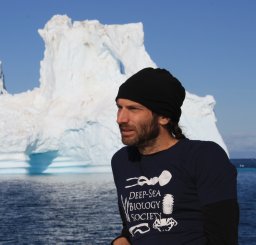 Chris Yesson合作论文数School of Plant Sciences;University of Reading;School of Plant Sciences, University of Reading5Joseph M. Cook合作论文数4J C Ryan合作论文数Brown University4
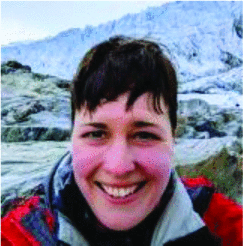 Elizabeth A Bagshaw合作论文数4
 Rachel Hannah Walker合作论文数4
 Douglas Campbell合作论文数Department of Biology, Mount Allison University4
 Tom Williams合作论文数University of Bristol4
 Edward Hanna合作论文数School of Geography and Lincoln Centre for Water & Planetary Health, University of Lincoln, Think Tank, Ruston Way, Lincoln, LN6 7FL, UK4
 Alun Lloyd Hubbard (Alun Hubbard)合作论文数Department of Geology, UiT The Arctic University of Norway;Center for Arctic Gas Hydrate, Environment and Climate;Institute of Geography and Earth Sciences, Aberystwyth University4
 Jonathan Bamber合作论文数Technical University of Munich4
 Philip Donoghue合作论文数School of Earth Sciences, University of Bristol4Thomas Gribbin合作论文数3linda irvine合作论文数3Miranda Jane Nicholes合作论文数3
 Andrew G Briscoe合作论文数3
 Sathish Mayanna合作论文数Carl Zeiss Microscopy GmbH3
 Stefan Hofer合作论文数Univ Oslo, Dept Geosci, Oslo, Norway3
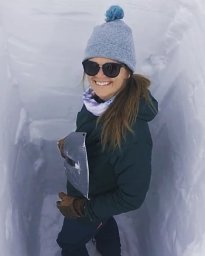 S. McKenzie Skiles合作论文数Dept Geog, Univ Utah3Fotis Sgouridis合作论文数School of Geography, Queen Mary University of London3
 Cameron Karen A合作论文数3
 Ben Shneiderman合作论文数Department of Computer Science, Brendan Iribe Center for Computer Science and Engineering, University of Maryland;Human-Computer Interaction Laboratory, College of Information Studies, University of Maryland;Institute for Systems Research, University of Maryland;Institute for Advanced Computer Studies, University of Maryland3
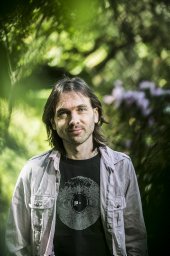 Marek Stibal合作论文数School of Geographical Sciences, University of Bristol Bristol Glaciology Centre3
 Anthony Stockdale合作论文数Lancaster Environment Centre (LEC), Lancaster University3
 Arwyn Edwards合作论文数Inst Biol Rural & Environm Sci, Aberystwyth Univ3
 Christopher Ahlberg合作论文数Recorded Future, Inc.3
 Jemma Wadham合作论文数School of Geographical Sciences, University of Bristol;Department of Geosciences, UiT The Arctic University of Norway;Norwegian Polar Institute, University of Bristol2Robert Bryant合作论文数2Jason P. Tierney合作论文数2Richard Storer合作论文数2Charles R. Penn合作论文数2




