Metastatic breast cancer remains a major treatment challenge. The use of high-dose chemotherapy (HDCT) with rescue by autologous mobilized peripheral blood (MPB) is controversial, in part because of contamination of MPB by circulating tumor cells. CD34(+)Thy-1(+) selected hematopoietic stem cells (HSC) represent a graft source with a greater than 250,000-fold reduction in cancer cells. Here, we present the long-term outcome of a pilot study to determine feasibility and engraftment using HDCT and purified HSC in patients with metastatic breast cancer. Twenty-two patients who had been treated with standard chemotherapy were enrolled into a phase I/II trial between December 1996 and February 1998, and underwent HDCT followed by rescue with CD34(+)Thy-1(+) HSC isolated from autologous MPB. More than 12 years after the end of the study, 23% (5 of 22) of HSC recipients are alive, and 18% (4 of 22) are free of recurrence with normal hematopoietic function. Median progression-free survival (PFS) was 16 months, and median overall survival (OS) was 60 months. Retrospective comparison with 74 patients transplanted between February 1995 and June 1999 with the identical HDCT regimen but rescue with unmanipulated MPB indicated that 9% of patients are alive, and 7% are without disease. Median PFS was 10 months, and median OS was 28 months. In conclusion, cancer-depleted HSC following HDCT resulted in better than expected 12- to 14-year PFS and OS in a cohort of metastatic breast cancer patients. These data prompt us to look once again at purified HSC transplantation in a protocol powered to test for efficacy in advanced-stage breast cancer patients.
PURPOSE:To evaluate the results of high-dose chemotherapy and transplantation of highly purified "mobilized" peripheral blood CD34+Thy-1+ hematopoietic stem cells (HSCs) in patients with recurrent indolent non-Hodgkin's lymphoma (NHL) or mantle cell lymphoma (MCL).PATIENTS AND METHODS:Twenty-six patients with recurrent indolent NHL or MCL were mobilized witheither granulocyte colony-stimulating factor (G-CSF) alone or cyclophosphamide plus G-CSF. Apheresis was performed, and the product was purified using the Isolex immunomagnetic positive CD34+ cell selection device initially and subsequent high-speed flow-cytometric cell sorting for the final purification of CD34+Thy-1+ HSCs. The patients received high-dose chemotherapy with BEAC (carmustine, etoposide, cytarabine, and cyclophosphamide) followed by transplantation with the purified HSCs in 2 dose cohorts (cohort 1: > or =5 x 10(5) viable and pure HSC/kg; cohort 2: > or =3 x 10(5) HSC/kg).RESULTS:We attempted to mobilize 26 patients with G-CSF alone. Six patients did not collect adequate cells with G-CSF alone; subsequent mobilization with cyclophosphamide plus G-CSF was attempted, but adequate CD34+Thy-1+ HSCs could not be collected on these 6 patients. Twenty patients underwent transplantation with the BEAC transplantation regimen followed by purified HSCs. Patients in cohort 1 engrafted at a median of day 12 to an absolute neutrophil count (ANC) >500/microL, a median of day 19 for platelet transfusion independence, and a median of day 20 for red blood cell transfusion independence. Patients in cohort 2 engrafted at a median of day 12 to an ANC >500/microL, a median of day 12 for platelet transfusion independence, and a median of day 12 for red blood cell transfusion independence. Fourteen of the 20 patients had significant infections reported at some point posttransplantation, including influenza, respiratory syncytial virus, pneumonitis, and Pneumocystis carinii pneumonia. With a median follow-up of 38 months, 8 of the 20 patients have had progressive lymphoma and 5 patients have died. The 3-year event-free survival is 55%, and overall survival is 78%.CONCLUSIONS:CD34+Thy-1+ HSCs can be collected successfully from most lymphoma patients mobilized with G-CSF alone. The engraftment and disease outcomes in the patients in this small pilot study using these cells do not appear to be different from the outcomes of similar patients cited in the literature. However, the short- and long-term risks of infection were a concern in this patient population.
Rapid and sustained engraftment following autotransplantation with peripheral blood stem cells (PBSC) depends on adequate numbers of stem cells and progenitor cells. In this study we have compared the number of myeloid progenitor cells quantitated using the colony forming units-granulocyte macrophage (CFU-GM) clonogenic assay with the number of CD34+ cells estimated both by flow cytometry and by the alkaline phosphatase anti-alkaline phosphatase (APAAP) technique. We have analysed 15 peripheral blood mononuclear cells (PBMNC) samples from 13 normal subjects and 179 PBMNC from 32 patients undergoing PBSC harvests during the recovery phase of high dose cyclophosphamide chemotheraphy. The number of CD34+ cells measured by the APAAP technique correlated well with the number of CD34+ cells measured by flow cytometry (r = 0.727, p = 0.0001), and also with the number of CFU-GM measured in the clonogenic assay (r = 0.721, p = 0.0001). The APAAP method provides a rapid, reliable measure of progenitor cell levels that can be used to monitor the optimal time to harvest peripheral blood stem cells (PBSC), and to estimate the marrow repopulating ability (MRA) of stem cell preparations used for transplantation.
 Elie G. Hanania合作论文数2LB TO合作论文数1RJ KIMBER合作论文数1R. G. Bociek合作论文数1Kerry Atkinson合作论文数1Kohrt Holbrook E合作论文数1Lim Teck Onn合作论文数1
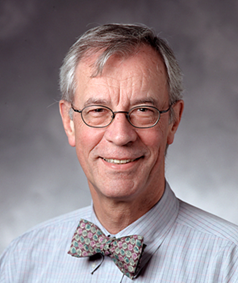 Karl G. Blume合作论文数Division of Medical Oncology, Fred Hutchinson Cander Research Center, Stanford University1Bierman Philip J合作论文数1Guardino A E合作论文数1Klein Jared L合作论文数1
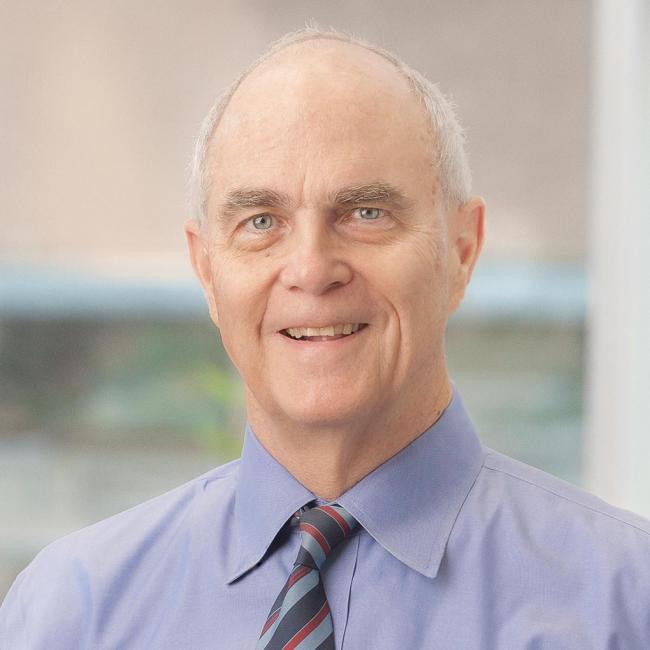 James O. Armitage合作论文数Division of Oncology and Hematology, Department of Internal Medicine, College of Medicine, University of Nebraska Medical Center1
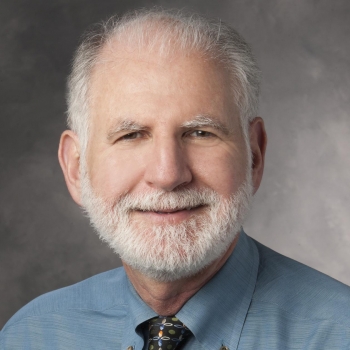 Robert Negrin合作论文数Blood & Marrow Transplantation & Cellular Therapy Division, School of Medicine, Stanford University1James C Lynch合作论文数1
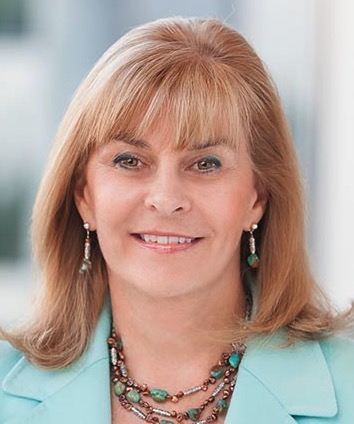 Julie M. Vose合作论文数Division of Oncology and Hematology, Department of Internal Medicine, College of Medicine, University of Nebraska Medical Center1
 Laura Johnston合作论文数Department of Medicine, Stanford University1Tracey L. Dowse合作论文数1Bik To合作论文数Royal Adelaide Hospital1
 Angel F Lopez合作论文数SA Pathology1Pamela G. Dyson合作论文数1
 Judith Shizuru合作论文数Pediatrics Department, Stanford University1
 Keith E. Stockerl-Goldstein合作论文数Division of Oncology, John T. Milliken Department of Medicine, Washington University School of Medicine in St. Louis;Amyloid Center of Excellence, Washington University;Barnes-Jewish Hospital1Ginna G. Laport合作论文数1A.M.S. Mueller合作论文数University Medical Center, Freiburg i.Br., Germany1Steven Cha合作论文数1
 Irving Weissman合作论文数Department of Developmental Biology, Stanford University;Department of Biology and Neurosurgery, Stanford University;Department of Pathology, Stanford University1
 David Haylock合作论文数VivaZome Therapeutics Pty Ltd;Kabeth Consulting1




