Parathyroid carcinoma is a rare form of cancer, which can be initially a diagnostic challenge and once diagnosed, there is lack of clinical evidence for its management. Its predominant manifestation is symptomatic hypercalcemia, but incidental diagnoses can also occur. Here, we report two cases but each with its own clinical nuances-one presents with asymptomatic hypercalcemia and the other presents with long-standing debilitating manifestations of hypercalcemia. We detail our extensive pre-operative evaluation and the perioperative management. Both are treated surgically, requiring radical excision, and both had unilateral level VI neck dissections. Radiological and biochemical surveillance is performed in both cases and in each case is essential in long-term management. Both patients remain disease free on one-year postoperative follow-up.
In this review article, the authors describe the invaluable role that neuropsychology plays in neurosurgical care for a broad range of pathologies. As our understanding of cognitive and behavioral implications of diseases and surgical management of the brain has deepened, so has the need to preserve the quality of life for patients undergoing surgery to optimize well-being and overall survival. This article recounts the history of neuropsychology, details tools and techniques used by neuropsychologists including the neuropsychological assessment, fMRI, tractography, and awake surgery, and discusses the practical applications of neuropsychological evaluation in tumor surgery, epilepsy, deep brain modulation, and beyond.
In this review article, the authors describe the invaluable role that neuropsychology plays in neurosurgical care for a broad range of pathologies. As our understanding of cognitive and behavioral implications of diseases and surgical management of the brain has deepened, so has the need to preserve the quality of life for patients undergoing surgery to optimize well-being and overall survival. This article recounts the history of neuropsychology, details tools and techniques used by neuropsychologists including the neuropsychological assessment, fMRI, tractography, and awake surgery, and discusses the practical applications of neuropsychological evaluation in tumor surgery, epilepsy, deep brain modulation, and beyond.
OBJECTIVE The number of women graduating from United States medical schools has reached parity with that of men. However, persistent inequalities and barriers have slowed the pace toward equity in application and representation in neurosurgery residency despite initiatives to increase female representation. The objective of the present study was to assess the advancement of gender parity within neurosurgery residency programs. Additionally, the study aimed to analyze the pipeline dynamics by investigating the effects of attrition on women in neurosurgery, as well as exploring the patterns of female applications to neurosurgery residency programs versus other surgical specialties. METHODS Data on the number of active female neurosurgery residents and female applicants to neurosurgery were collected from the Accreditation Council for Graduate Medical Education Data Resource Book from 2007 to 2021 and Electronic Residency Application Service from 2014 to 2022. Linear regression analysis was used to predict the percent of active female residents based on academic year (AY). A Pearson chi-square test was used to determine the odds of a female applying to neurosurgery. RESULTS The percent of active female residents in neurosurgery increased from 11.0% in 2007 to 21.8% in 2021. Bivariate linear regression analysis using AY as a predictor of the percent of active females showed a statistically significant correlation. On average, the percent of active female residents increased by 0.65% per year. If trends persist, parity for females in neurosurgery will not be reached until 2069. Linear regression analysis of the overall rate of attrition in neurosurgery as a predictor of the percent of active female residents revealed that for every 1% increase in the rate of attrition, the percent of active female residents decreased by 2.91% (p = 0.001). The percent of female applicants to neurosurgery increased from 19.6% in 2014 to 29.8% in 2022 (p = 0.009), yet the odds of a female applying to neurosurgery remain low. CONCLUSIONS Neurosurgery continues to struggle with the recruitment of female medical students even as parity has been reached for female medical school matriculants. Greater effort is needed to recruit and retain female applicants to neurosurgery, including increased transparency in match and attrition metrics.
Rationale: Insular epilepsy can be a challenging diagnosis due to overlapping semiology and scalp EEG findings with frontal, temporal, and parietal lobe epilepsies. Stereotactic electroencephalography (sEEG) provides an opportunity to better localize seizure onset. The possibility of improved localization is balanced by implantation risk in this vascularly rich anatomic region. We review both safety and pre-implantation factors involved in insular electrode placement across four years at an academic medical center.Methods: Presurgical data, operative reports, and invasive EEG summaries were retrospectively reviewed for patients undergoing invasive epilepsy monitoring on the insula from 2016 through 2019. EEG reports were reviewed to record the presence of insula ictal and interictal involvement. We recorded which presurgical findings suggested insular involvement (insula lesion on MRI, insula changes on PET/SPECT/scalp EEG, characteristic semiology, or history of failed anterior temporal lobectomy). The likelihood of pre-sEEG insular onset was categorized as low suspicion if no presurgical findings were present ("rule out"), moderate suspicion if one finding was present, and high suspicion if two or more findings were present.Results: 76 patients received 189 insular electrodes as part of their implantation strategy for 79 surgical cases. Seven patients (8.9%) had insular ictal onset. One clinically significant complication (left hemiparesis) occurred in a patient with moderate suspicion for insular onset. There were 38 low suspicion cases, 36 moderate suspicion cases, and 5 high suspicion cases for pre-sEEG insula ictal onset. Two low suspicion (5.3%), three moderate suspicion (8.6%), and two high suspicion (40%) cases had insular ictal onset. Conclusions: The insula can safely receive sEEG. Having two or more presurgical factors indicating insular onset is a strong, albeit incomplete, predictor of insular seizure onset. Using preimplantation clinical findings can offer clinicians predictive value for targeting the insula during invasive EEG monitoring.
Extreme winter temperatures govern the northern range limit of black mangroves ( Avicennia germinans ) in southeastern North America. There is a pressing need for studies that advance our understanding of how extreme cold temperature events affect mangroves near their range limits. However, such events are infrequent and challenging to study at regional scales. Here, we compared the damage to mangroves from extreme freeze events in 2018 and 2021, using local data from sites in USA (Florida, Louisiana, and Texas) and northeastern Mexico (Tamaulipas). In 2018, mangrove damage was concentrated in Louisiana and the upper Texas coast, where minimum temperatures ranged from -4 °C to -7 °C. In 2021, damage from a more severe freeze event was concentrated along the central to northern coasts of Texas, where minimum temperatures ranged from -4 °C to -10 °C. We used regional temperature and vegetation data from these events to quantify temperature thresholds for A. germinans leaf damage. Our results indicate that A. germinans leaf damage is likely to occur when temperatures are between -4 °C and -6 °C. These findings help refine temperature thresholds for A. germinans leaf damage and advance understanding of the effects of extreme freeze events on mangrove range expansion. This information is valuable for anticipating future range dynamics in a warming world.
Background and PurposeSpatial registration is crucial in establishing correspondence between anatomic brain regions for research and clinical purposes. The insular cortex (IC) and gyri (IG) are implicated in various functions and pathologies including epilepsy. Optimizing registration of the insula to a common atlas can improve the accuracy of group-level analyses. Here, we compared six nonlinear, one linear, and one semiautomated registration algorithms (RAs) for registering the IC and IG to the Montreal Neurologic Institute standard space (MNI152). Methods3T images acquired from 20 controls and 20 temporal lobe epilepsy patients with mesial temporal sclerosis underwent automated segmentation of the insula. This was followed by manual segmentation of the entire IC and six individual IGs. Consensus segmentations were created at 75% agreement for IC and IG before undergoing registration to MNI152 space with eight RAs. Dice similarity coefficients (DSCs) were calculated between segmentations after registration and the IC and IG in MNI152 space. Statistical analysis involved the Kruskal-Wallace test with Dunn's test for IC and two-way analysis of variance with Tukey's honest significant difference test for IG. ResultsDSCs were significantly different between RAs. Based on multiple pairwise comparisons, we report that certain RAs performed better than others across population groups. Additionally, registration performance differed according to specific IG. ConclusionWe compared different methods for registering the IC and IG to MNI152 space. We found differences in performance between RAs, which suggests that algorithm choice is important factor in analyses involving the insula.
Climate change is altering the frequency and intensity of extreme weather events. Quantifying ecosystem responses to extreme events at the landscape scale is critical for understanding and responding to climate-driven change but is constrained by limited data availability. Here, we integrated remote sensing with ground-based observations to quantify landscape-scale vegetation damage from an extreme climatic event. We used ground- and satellite-based black mangrove ( Avicennia germinans ) leaf damage data from the northern Gulf of Mexico (USA and Mexico) to examine the effects of an extreme freeze in a region where black mangroves are expanding their range. The February 2021 event produced coastal temperatures as low as − 10 °C in some areas, exceeding thresholds for A. germinans damage and mortality. We used Sentinel-2 surface reflectance data to assess vegetation greenness before and after the freeze, along with ground-based observations of A. germinans leaf damage. Our results show a negative, nonlinear threshold relationship between A. germinans leaf damage and minimum temperature, with a temperature threshold for leaf damage near − 6 °C. Satellite-based analyses indicate that, at the landscape scale, damage was particularly severe along the central Texas coast, where the freeze event affected > 2000 ha of A. germinans -dominated coastal wetlands. Our analyses highlight the value of pairing remotely sensed data with regional, ground-based observations for quantifying and extrapolating the effects of extreme freeze events on mangroves and other tropical, cold-sensitive plants. The results also demonstrate how extreme freeze events govern the expansion and contraction of mangroves near northern range limits in North America.
BACKGROUND:Precise electrode position is vital for effective deep brain stimulation in treating motor symptoms in Parkinson's disease (PD). Enlarged perivascular spaces (PVSs) are associated with pathophysiology of neurodegenerative diseases including PD and may affect the microstructure of surrounding brain tissue.OBJECTIVE:To quantify the clinical implications of enlarged PVS on tractography-based stereotactic targeting in patients with advanced PD selected to undergo deep brain stimulation.METHODS:Twenty patients with PD underwent MRI scanning. The PVS areas were visualized and segmented. Based on the size of the PVS areas, the patient group was split into 2 categories of large vs small PVSs. Probabilistic and deterministic tractography methods were applied to a diffusion-weighted data set. Fiber assignment was performed using motor cortex as an initiation seed and the globus pallidus interna and subthalamic nucleus, separately, as inclusion masks. Two exclusion masks used consisted of cerebral peduncles and the PVS mask. The center of gravity of the tract density map was measured and compared between the tracts generated with and without consideration of the PVS mask.RESULTS:The average differences between the center of gravity of the tracts made by excluding PVS and without excluding PVS using deterministic and probabilistic tractography methods were less than 1 mm. Statistical analysis showed nonsignificant differences between deterministic and probabilistic methods and differences between patients with large and small PVSs ( P > .05).CONCLUSION:This study demonstrated that the presence of enlarged PVS is unlikely to affect targeting of basal ganglia nuclei based on tractography.
Climate change is altering species’ range limits and transforming ecosystems. For example, warming temperatures are leading to the range expansion of tropical, cold-sensitive species at the expense of their cold-tolerant counterparts. In some temperate and subtropical coastal wetlands, warming winters are enabling mangrove forest encroachment into salt marsh, which is a major regime shift that has significant ecological and societal ramifications. Here, we synthesized existing data and expert knowledge to assess the distribution of mangroves near rapidly changing range limits in the southeastern USA. We used expert elicitation to identify data limitations and highlight knowledge gaps for advancing understanding of past, current, and future range dynamics. Mangroves near poleward range limits are often shorter, wider, and more shrublike compared to their tropical counterparts that grow as tall forests in freeze-free, resource-rich environments. The northern range limits of mangroves in the southeastern USA are particularly dynamic and climate sensitive due to abundance of suitable coastal wetland habitat and the exposure of mangroves to winter temperature extremes that are much colder than comparable range limits on other continents. Thus, there is need for methodological refinements and improved spatiotemporal data regarding changes in mangrove structure and abundance near northern range limits in the southeastern USA. Advancing understanding of rapidly changing range limits is critical for foundation plant species such as mangroves, as it provides a basis for anticipating and preparing for the cascading effects of climate-induced species redistribution on ecosystems and the human communities that depend on their ecosystem services.
Thin, lightweight, and durable broadband acoustic absorbers capable of absorbing sounds over a wide frequency range, especially below 1000 Hz, while also surviving harsh operational conditions such as exposure to sprays of liquid and solid debris and high temperatures are desired for many noise control applications. While today's commercially available broadband acoustic liners are impressive, such as melamine foam and perforate-over-honeycomb structures, each style has its limitations. Motivated by the need to reduce aircraft engine noise pollution NASA has recently patented a broadband acoustic absorber that claims some benefit over existing acoustic liners. Inspired by nature, these structures resemble the geometry and acoustic absorption of bundles of natural reeds, slender grasses that grow in wetlands across the world. Proof-of-concept experiments have begun at NASA. This report summarizes the design, fabrication, and normal incidence impedance tube tests performed for assemblies of natural reeds and additively-manufactured plastic prototypes that resemble the irregular geometry of bundles of natural reeds. Some synthetic prototypes were tested with and without perforated face sheets. Results indicate that there are a number of synthetic designs that exhibit substantial acoustic absorption in the frequency range of 500 Hz to 3000 Hz, and especially below 1000 Hz, as compared to baseline acoustic absorbers of similar thicknesses and weights. Many of these prototypes have an average acoustic absorption coefficient greater than 0.6. Additionally, an annular prototype was designed and printed but not yet subjected to tests. This annular prototype of a multifunctional structure designed to transfer heat and absorb sound was developed to fit inside the NASA Glenn Research Center's DGEN Aeropropulsion Research Turbofan engine testbed. This invention can be considered and developed for a variety of aerospace, automotive, industrial, and architectural noise control applications.
BACKGROUND:Damage to enteric neurons and impaired gastrointestinal muscle contractions cause motility disorders in 70% of diabetic patients. It is thought that enteric neuropathy and dysmotility occur before overt diabetes, but triggers of these abnormalities are not fully known. We tested the hypothesis that intestinal contents of mice with and without high-fat diet- (HFD-) induced diabetic conditions contain molecules that impair gastrointestinal movements by damaging neurons and disrupting muscle contractions.METHODS:Small and large intestinal segments were collected from healthy, standard chow diet (SCD) fed mice. Filtrates of ileocecal contents (ileocecal supernatants; ICS) from HFD or SCD mice were perfused through them. Cultured intact intestinal muscularis externa preparations were used to determine whether ICS and their fractions obtained by solid-phase extraction (SPE) and SPE subfractions collected by high-performance liquid chromatography (HPLC) disrupt muscle contractions by injuring neurons and smooth muscle cells.KEY RESULTS:ICS from HFD mice reduced intestinal motility, but those from SCD mice had no effect. ICS, aqueous SPE fractions and two out of twenty HPLC subfractions of aqueous SPE fractions from HFD mice blocked muscle contractions, caused a loss of nitrergic myenteric neurons through inflammation, and reduced smooth muscle excitability. Lipopolysaccharide and palmitate caused a loss of nitrergic myenteric neurons but did not affect muscle contractions.CONCLUSIONS & INFERENCES:Unknown molecules in intestinal contents of HFD mice trigger enteric neuropathy and dysmotility. Further studies are required to identify the toxic molecules and their mechanisms of action.
In coastal wetlands, one of the most striking examples of climate change is the poleward range expansion of mangrove forests in response to warming winters. In North America, the Cedar Key region has often been considered the range limit for mangroves along the western coast of Florida (USA). However, within the past several decades, robust stands of Avicennia germinans and Rhizophora mangle have been observed in the Apalachicola Bay region, which is 200 km northwest of Cedar Key. Here, we combined field vegetation surveys, historical herbarium records, and analyses of past temperature data (station-based and gridded) to examine the distribution and structure of these two mangrove species in the Apalachicola Bay region. Historical records indicate that mangroves have been present for at least 150 years. However, our abundance and structural data indicate that mangroves are currently reaching heights, densities, and reproductive stages not historically reported. We found a surprisingly broad distribution and high number of R. mangle individuals, which is unlike A. germinans–dominated mangrove range limits in Louisiana and Texas. Using cold temperature tolerance thresholds and gridded temperature data, we show that A. germinans and R. mangle distributions can be influenced by spatial variation in the frequency of extreme freeze events, which can be used to spatially depict the risk of mangrove cold damage. Given the rapid pace of change and the potential for abrupt landscape-scale transformation, our findings reinforce the pressing need to advance understanding of mangrove expansion dynamics near northern range limits in the southeastern United States.
OBJECTIVE:Stereoelectroencephalography (sEEG) is an intracranial encephalography method of expanding use. The need for increased epilepsy surgery access has led to the consideration of sEEG adoption by new or expanding surgical epilepsy programs. Data regarding safety and efficacy are uncommon outside of high-volume, well-established centers, which may be less applicable to newer or low-volume centers. The objective of this study was to add to the sEEG outcomes in the literature from the perspective of a rapidly expanding center.METHODS:A retrospective chart review of consecutive sEEG cases from January 2016 to December 2019 was performed. Data extraction included demographic data, surgical data, and outcome data, which pertinently examined surgical method, progression to therapeutic procedure, clinically significant adverse events, and Engel outcomes.RESULTS:One hundred and fifty-two sEEG procedures were performed on 131 patients. Procedures averaged 10.5 electrodes for a total of 1603 electrodes. The majority (84%) of patients progressed to a therapeutic procedure. Six clinically significant complications occurred: three retained electrodes, two hemorrhages, and one failure to complete investigation. Only one complication resulted in a permanent deficit. Engel 1 outcome was achieved in 63.3% of patients reaching one-year follow-up after a curative procedure.SIGNIFICANCE:New or expanding epilepsy surgery centers can appropriately consider the use of sEEG. The complication rate is low and the majority of patients progress to therapeutic surgery. Procedural safety, progression to therapeutic intervention, and Engel outcomes are comparable to cohorts from long-established epilepsy surgery programs.
Pediatric sepsis is a common problem worldwide and is associated with significant morbidity and mortality. Best practice recommendations have been published by both the American College of Critical Care Medicine and the Surviving Sepsis Campaign to guide the recognition and treatment of pediatric sepsis. However, implementation of these recommendations can be challenging due to the complexity of the care required and intensity of resources needed to successfully implement programs. This paper outlines the experience with implementation of a pediatric sepsis quality improvement program at Primary Children's Hospital, a free-standing, quaternary care children's hospital in Salt Lake City. The hospital has implemented sepsis projects across multiple care settings. Challenges, lessons learned, and suggestions for implementation are described.PLAIN LANGUAGE SUMMARYSepsis is a life-threatening condition that results from an inappropriate response to an infection by the body's immune system. All children are potentially susceptible to sepsis, with nearly 8,000 children dying from the disease in the US each year. Sepsis is a complicated disease, and several international groups have published guidelines to help hospital teams treat children with sepsis appropriately. However, because recognizing and treating sepsis in children is challenging and takes a coordinated effort from many different types of healthcare team members, following the international sepsis guidelines effectively can be difficult and resource intensive. This paper describes how one children's hospital (Primary Children's Hospital in Salt Lake City, Utah) approached the challenge of implementing pediatric sepsis guidelines, some lessons learned from their experience, and suggestions for others interested in implementing sepsis guidelines for children.
Adult mammalian wounds, with rare exception, heal with fibrotic scars that severely disrupt tissue architecture and function. Regenerative medicine seeks methods to avoid scar formation and restore the original tissue structures. We show in three adult mouse models that pharmacologic activation of the nociceptor TRPA1 on cutaneous sensory neurons reduces scar formation and can also promote tissue regeneration. Local activation of TRPA1 induces tissue regeneration on distant untreated areas of injury, demonstrating a systemic effect. Activated TRPA1 stimulates local production of interleukin-23 (IL-23) by dermal dendritic cells, leading to activation of circulating dermal IL-17-producing γδ T cells. Genetic ablation of TRPA1, IL-23, dermal dendritic cells, or γδ T cells prevents TRPA1-mediated tissue regeneration. These results reveal a cutaneous neuroimmune-regeneration cascade triggered by topical TRPA1 activators that promotes adult mammalian tissue regeneration, presenting a new avenue for research and development of therapies for wounds and scars.
Over nearly five decades, David Christopher Gadsby pioneered biophysical research that advanced our mechanistic understanding of ion-transporting proteins in biological membranes. His passion for hands-on do-it-yourself electrophysiology, his depth of analytical rigor, and his idiosyncratic scientific aesthetic expanded the edge of discovery in two areas: the electrical character of the Na + pump, and the molecular workings of ‘cystic fibrosis transmembrane regulator’ (CFTR), the chloride ion channel whose mutations cause cystic fibrosis. His approach was flavoured by an appreciation for common underlying features between these ostensibly distinct types of membrane-transport systems. While David's focus was first on the basic molecular biophysics of a problem, he was always attuned to implications of his discoveries for human health. Based in New York at The Rockefeller University throughout his independent scientific career, and at the Marine Biological Laboratory in Woods Hole, Massachusetts, as a squid-season research-scientist, he was proficient in wrestling with problems spanning a wide swath of membrane biology: from determinants of the cardiac electrical waveform, to microsecond-timescale ionic currents in squid axons, to details of structure–mechanism relations in membrane pump and ion-channel proteins. He wore his eminence lightly and never distanced himself from the laboratory, where he often performed experiments with his own hands right up to his retirement. His reserved scientific personality, which demanded equally from his colleagues and himself immaculate data, unclouded logic, and substantive pertinence to the issues at hand, contrasted with his palpable joy in a good experiment and in his sea-loving life outside the lab.
OBJECTIVE:The burden of neurosurgical disease in low- and middle-income countries (LMICs) has emerged as a significant factor in global health. Additionally, calls have been growing for first-world neurosurgeons to find ways to help address the international need. Allowing residents to pursue international elective opportunities in LMICs can help alleviate the burden while also providing unique educational opportunities. However, pursuing international work while in residency requires overcoming significant logistical and regulatory barriers. To better understand the general perspectives, perceived barriers, and current availability of international rotations, a survey was sent out to program directors at Accreditation Council for Graduate Medical Education (ACGME)-approved residencies. METHODS:An anonymous survey was sent to all program directors at ACGME-approved residencies. The survey included branch points designed to separate programs into program directors with an existing international rotation, those interested in starting an international rotation, and those not interested in starting an international rotation. All participants were asked about the perceived value of international training and whether residents should be encouraged to train internationally on a 5-point Likert scale. The survey ended with open-response fields, encouraging thoughts on international rotations and overcoming barriers. RESULTS:Forty-four percent of recipients (50/113) responded; of the 50 programs, 13 had an established international elective. Of programs without a rotation, 54% (20/37) noted that they were interested in starting an international elective. Key barriers to starting international training included funding, the Residency Review Committee approval process, call conflicts, and the establishment of international partners. Perceived learning opportunities included cultural awareness, unique pathology, ingenuity, physical examination skills, and diagnosis skills. The majority of respondents thought that international rotations were valuable (74%, 37/50) and that residents should be encouraged to pursue international educational opportunities (70%, 35/50). Program directors who maintained an existing international rotation or were interested in starting an international elective were more likely to perceive international rotations as valuable. CONCLUSIONS:Recent calls from The Lancet Commission on Global Surgery for increased surgical interventions in the developing world have been expanded by neurosurgical leadership to include neurosurgical diseases. Resident involvement in international electives represents an opportunity to increase treatment of neurosurgical disease in LMICs and develop the next generation of international neurosurgeons. To increase opportunities for residents at international sites, attention should be focused on overcoming the practical and regulatory barriers at a local and national level.
 Paige Lundy合作论文数6Sigurdur Thorsteinsson合作论文数6pasquale cirulli合作论文数5eric t gilligan合作论文数5peter j newbould合作论文数5curtis e hanson合作论文数5Sarah Woodrow合作论文数5
 Jeb S. Orr合作论文数Human Integrative Physiology Laboratory, Virginia Polytechnic Institute and State University5
 Bernhard Peucker-Ehrenbrink合作论文数Department of Marine Chemistry & Geochemistry, Woods Hole Oceanographic Institution5william michael cannon合作论文数4john h wall合作论文数4Snyder, Caitlin M.合作论文数4Cummins, Karen L.合作论文数4
 Laura C. Feher合作论文数Wetland & Aquat Res Ctr, US Geol Survey4
 Michael J. Osland合作论文数U.S. Geological Survey, National Wetlands Research Center4
 Randall Hughes合作论文数College of Science, Northeastern University4Tannen S. Vanzwieten合作论文数4S. E. Mcquaid合作论文数3andre sturm合作论文数3Kathleen M Swanson合作论文数3
 Caleb M Pearson合作论文数3
 Melinda Martinez合作论文数Dept Forestry & Environm Resources, North Carolina State Univ3
 Richard Day合作论文数Centre for Precision Healthcare, Division of Medicine, University College London;Research Department of Experimental and Translational Medicine, University College London3
 Just Cebrian合作论文数Northern Gulf Institute, Department of Geosciences, Mississippi State University3
 Ilka Feller合作论文数Smithsonian Environmental Research Center3
 Hunter Stanton Lenihan (Hunter S. Lenihan)合作论文数Bren Scool of Environmental Science and Management, University of California, Santa Barbara3Donna J. Devlin合作论文数3
 David Kaplan合作论文数Department of Physics, College of Letters & Science, University of Wisconsin-Milwaukee3
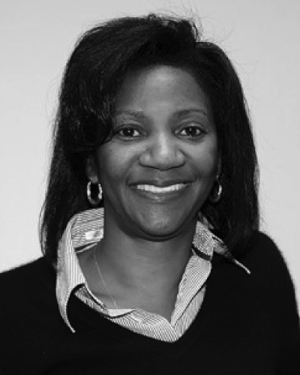 Rashaunda Henderson合作论文数3
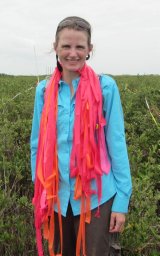 Anna R. Armitage合作论文数Department of Biological Sciences and Southeast Environmental Research Center, Florida International University3Matthew C. Kay合作论文数3Marilyn Taylor合作论文数3Michael E. Sadler合作论文数3
 K. B. M. Q. Zaman合作论文数University of Houston3WOOTON JOHN ALLEN合作论文数2jose madeira de freitas garcia合作论文数2laurence m ball合作论文数2raul victorino nunes合作论文数2john giraud ford合作论文数2perry s dotterman合作论文数2kerry lloyd weaver合作论文数2arthur v lang合作论文数2jacqueline ann daniels合作论文数2byron e trotter合作论文数2Elena A. Flores合作论文数2Dhir Patel合作论文数2
 Anand Dharia合作论文数2
 Michael Kinsman合作论文数2Carol M. Ulloa合作论文数2




