In 2016, the Society of Surgical Oncology and Choosing Wisely Campaign recommended against sentinel lymph node biopsy (SLNB) in women > 70 years with early-stage, hormone receptor-positive (ER/PR +) breast cancer, citing limited clinical benefit. Despite earlier evidence supporting de-implementation, SLNB rates remained high. We aimed to evaluate patient, tumor, facility, and unmeasured contextual factors associated with SLNB de-implementation using a national cohort. We queried the National Cancer Database (NCDB) for women > 70 years diagnosed with early-stage ER/PR + and HER2-negative breast cancer between 2012 and 2019. A mixed effects logistic regression model assessed associations between SLNB non-utilization and patient, tumor, and facility-level characteristics. Interaction terms between year and facility breast surgery volume quartiles were included to examine trends over time. Reference Effect Measures (REM) were used to estimate the contribution of unmeasured contextual effects relative to measured covariates. Among eligible patients, SLNB use declined from 86.7
PURPOSE: Extracorporeal Membrane Oxygenation (ECMO) support is being employed with increasing frequency for patients with severe respiratory and/or cardiac failure.Elevations of serum bilirubin, sometimes to extremely high values, are commonly encountered when caring for patients on ECMO support.Several single center retrospective studies have described elevated bilirubin as associated with increased mortality in ECMO supported patients.In fact, one study cited a 90% mortality in patients with total serum bilirubin greater than 11 mg/dL.(ASAIO 2019; 65:812-818).We sought to systematically describe the experience with bilirubin elevation at our center in the ECMO population.METHODS: A retrospective chart review was performed on all adult patients supported with ECMO at Inova Fairfax Medical Center from January 1, 2018 to March 1, 2023.Patients were divided by support with venovenous (VV) or venoarterial (VA) ECMO.Patients were divided into three groups based on highest total serum bilirubin value following initiation of ECMO support: 0-3 mg/dL, 3-10 mg/dL, and > 10 mg/dL.In-hospital mortality was assessed for each group.RESULTS: A total of 527 adult patients were supported with ECMO during the specified timeframe (123 VV (23.3%), 404 VA (76.7%).The distribution of peak total serum bilirubin levels among patients was as follows: VV-ECMO -0-3 mg/dl (82, 66.6%), 3-10 mg/dL (29, 23.6%), and >10 mg /dL (12, 9.8%); VA-ECMO --0-3 mg/dl (235, 58.2%), 3-10 mg/dL (113, 28.0%), and >10 mg /dL (56, 13.9%).In-hospital mortality amongst these groups was as follows: VV-ECMO -0-3 mg/dl (10, 12.2%), 3-10 mg/dL (17, 58.6%), and >10 mg /dL (6, 50%); VA-ECMO -0-3 mg/dl (81, 34.5%), 3-10 mg/dL (57, 50.4%), and >10 mg /dL (41, 73.2%).The highest total bilirubin in a VV-ECMO survivor was 14.8 mg/dL, while the highest total bilirubin in a VA survivor was 46.3 mg/dL.Eight of twenty-four (33.3%)VA ECMO patients with total bilirubin over 20 mg/dL survived their hospitalization.No patients appeared to have fulminant hepatic failure despite elevations of serum bilirubin.CONCLUSIONS: Elevations of bilirubin are commonly encountered in patients on ECMO support and appear to be associated with increased mortality.Further survival analysis controlling for additional clinical characteristics is warranted.Despite the association between bilirubin and mortality it does not appear that deaths are due to liver disease and elevations in bilirubin may be more reflective of overall clinical status.CLINICAL IMPLICATIONS: Elevations of bilirubin seem to carry prognostic significance in ECMO but should not be solely relied upon to make decisions regarding ongoing extracorporeal support.
The relationship between social determinants of health and outcomes after heart transplantation has not been examined. The social vulnerability index (SVI) uses United States census data to determine the social vulnerability of every census tract based on 15 factors. This retrospective study seeks to examine the impact of SVI on outcomes after heart transplantation. Adult heart recipients who received a graft between 2012 and 2021 were stratified into SVI percentiles of <75% and SVI of ≥75%. The primary endpoint was survival. The median SVI was 48% (interquartile range: 30%-67%) among 23 700 recipients. One-year survival was similar between groups (91.4 vs 90.7%, log-rank P = .169); however, 5-year survival was lower among individuals living in vulnerable communities (74.8% vs 80.0%, P < .001). This finding persisted despite risk adjustment for other factors associated with mortality (survival time ratio 0.819, 95% confidence interval: 0.755-0.890, P < .001). The incidences of 5-year hospital readmission (81.4% vs 75.4%, P < .001) and graft rejection (40.3% vs 35.7%, P = .004) were higher among individuals living in vulnerable communities. Individuals living in vulnerable communities may be at increased risk of mortality after heart transplantation. These findings suggest there is an opportunity to focus on these recipients undergoing heart transplantation to improve survival.
Background. Completion axillary lymph node dissection (cALND) was standard treatment for breast cancer with positive sentinel lymph nodes (SLNs) until 2011, when data from the Z11 and AMAROS trials challenged its survival benefit in early stage breast cancer. We assessed the contribution of patient, tumor, and facility factors on cALND use in patients undergoing mastectomy and SLN biopsy.Patients and Methods. Using the National Cancer Database, patients diagnosed from 2012 to 2017 who underwent upfront mastectomy and SLN biopsy with at least one positive SLN were included. A multivariable mixed effects logistic regression model was used to determine the effect of patient, tumor, and facility variables on cALND use. Reference effect measures (REM) were used to compare the contribution of general contextual effects (GCE) to variation in cALND use.Results. From 2012 to 2017, the overall use of cALND decreased from 81.3% to 68.0%. Overall, younger patients, larger tumors, higher grade tumors, and tumors with lymphovascular invasion were more likely to undergo cALND. Facility variables, including higher surgical volume and facility location in the Midwest, were associated with increased use of cALND. However, REM results showed that the contribution of GCE to the variation in cALND use exceeded that of the measured patient, tumor, facility, and time variables.Conclusions. There was a decrease in cALND use during the study period. However, cALND was frequently performed in women after mastectomy found to have a positive SLN. There is high variability in cALND use, mainly driven by interfacility practice variation rather than specific high-risk patient and/or tumor characteristics.
OBJECTIVE:We summarize the existing data on the occurrence of physical, emotional, and cognitive dysfunction associated with postintensive care syndrome (PICS) in adult survivors of venoarterial extracorporeal membrane oxygenation (VA-ECMO). DATA SOURCES:MEDLINE, Cochrane Library, EMBASE, Web of Science, and CINAHL databases were searched. STUDY SELECTION:Peer-reviewed studies of adults receiving VA-ECMO for any reason with at least one measure of health-related quality of life outcomes or PICS at long-term follow-up of at least 6 months were included. DATA EXTRACTION:The participant demographics and baseline characteristics, in-hospital outcomes, long-term health outcomes, quality of life outcome measures, and prevalence of PICS were extracted. DATA SYNTHESIS:Twenty-seven studies met inclusion criteria encompassing 3,271 patients who were treated with VA-ECMO. The studies were limited to single- or two-center studies. Outcomes variables and follow-up time points evaluated were widely heterogeneous which limits comprehensive analysis of PICS after VA-ECMO. In general, the longer-term PICS-related outcomes of survivors of VA-ECMO were worse than the general population, and approaching that of patients with chronic disease. Available studies identified high rates of abnormal 6-minute walk distance, depression, anxiety, and posttraumatic stress disorder that persisted for years. Half or fewer survivors return to work years after discharge. Only 2 of 27 studies examined cognitive outcomes and no studies evaluated cognitive dysfunction within the first year of recovery. No studies evaluated the impact of targeted interventions on these outcomes. CONCLUSIONS:Survivors of VA-ECMO represent a population of critically ill patients at high risk for deficits in physical, emotional, and cognitive function related to PICS. This systematic review highlights the alarming reality that PICS and in particular, neurocognitive outcomes, in survivors of VA-ECMO are understudied, underrecognized, and thus likely undertreated. These results underscore the imperative that we look beyond survival to focus on understanding the burden of survivorship with the goal of optimizing recovery and outcomes after these life-saving interventions. Future prospective, multicenter, longitudinal studies in recovery after VA-ECMO are justified.
Introduction: In 2014, 56 Illinois hospitals came together to form a unique learning collaborative, the Illinois Surgical Quality Improvement Collaborative (ISQIC). Our objectives are to provide an overview of the first 3 years of ISQIC focused on (1) how the collaborative was formed and funded, (2) the 21 strategies implemented to support quality improvement (QI), (3) collaborative sustainment, and (4) how the collaborative acts as a platform for innovative QI research. Methods: ISQIC includes 21 components to facilitate QI that target the hospital, the surgical QI team, and the perioperative microsystem. The components were developed from available evidence, a detailed needs assessment of the hospitals, reviewing experiences from prior surgical and nonsurgical QI Collaboratives, and interviews with QI experts. The components comprise 5 domains: guided implementation (eg, mentors, coaches, statewide QI projects), education (eg, process improvement [PI] curriculum), hospital- and surgeon-level comparative performance reports (eg, process, outcomes, costs), networking (eg, forums to share QI experiences and best practices), and funding (eg, for the overall program, pilot grants, and bonus payments for improvement). Results: Through implementation of the 21 novel ISQIC components, hospitals were equipped to use their data to successfully implement QI initiatives and improve care. Formal (QI/PI) training, mentoring, and coaching were undertaken by the hospitals as they worked to implement solutions. Hospitals received funding for the program and were able to work together on statewide quality initiatives. Lessons learned at 1 hospital were shared with all participating hospitals through conferences, webinars, and toolkits to facilitate learning from each other with a common goal of making care better and safer for the surgical patient in Illinois. Over the first 3 years, surgical outcomes improved in Illinois. Discussion: The first 3 years of ISQIC improved care for surgical patients across Illinois and allowed hospitals to see the value of participating in a surgical QI learning collaborative without having to make the initial financial investment themselves. Given the strong support and buy-in from the hospitals, ISQIC has continued beyond the initial 3 years and continues to support QI across Illinois hospitals.
Background: As health care continues to evolve toward information transparency, an increasing number of patients have access to their medical records, including result reports that were not originally designed to be patient-facing. Previous studies have demonstrated that patients have poor under-standing of medical terminology. However, patient comprehension of terminology specific to breast pathology reports has not been well studied. We assessed patient understanding of common medical terms found in breast pathology reports. Methods: A survey was administered electronically to patients scheduled for a screening mammogram within a multisite health care system. Participants were asked to objectively define and interpret 8 medical terms common to breast biopsy pathology reports. Patient perception of the utility of various educational tools was also assessed. Demographic information including health literacy, education level, previous cancer diagnosis, and primary language was collected. Results: In total, 527 patients completed the survey. Terms including "malignant" and "benign" were the most correctly defined at 80% and 73%, respectively, whereas only 1% correctly defined "high grade." Factors including race/ethnicity and education level were correlated with more correct scores. Patients preferred educational tools that were specific to their diagnosis and available at the time they were reviewing their results. Conclusion: Patient comprehension of common medical terminology is poor. Potential assumptions of understanding based on patient factors including education, past medical history, and occupation are misinformed. With the newly mandated immediate release of information to patients, there is a pressing need to develop and integrate educational tools to support patients through all aspects of their care. (c) 2022 Elsevier Inc. All rights reserved.
BACKGROUND:Completion lymph node dissection (CLND) was the standard treatment for patients with melanoma with positive sentinel lymph nodes (SLN) until 2017 when data from the DeCOG-SLT and MLST-2 randomized trials challenged the survival benefit of this procedure. We assessed the contribution of patient, tumor and facility factors on the use of CLND in patients with surgically resected Stage III melanoma. METHODS:Using the National Cancer Database, patients who underwent surgical excision and were found to have a positive SLN from 2012 to 2017 were included. A multivariable mixed-effects logistic regression model with a random intercept for the facility was used to determine the effect of patient, tumor, and facility variables on the risk of CLND. Reference effect measures (REMs) were used to compare the contribution of contextual effects (unknown facility variables) versus measured variables on the variation in CLND use. RESULTS:From 2012 to 2017, the overall use of CLND decreased from 59.9% to 26.5% (p < 0.0001). Overall, older patients and patients with government-based insurance were less likely to undergo CLND. Tumor factors associated with a decreased rate of CLND included primary tumor location on the lower limb, decreasing depth, and mitotic rate <1. However, the contribution of contextual effects to the variation in CLND use exceeded that of the measured facility, tumor, time, and patient variables. CONCLUSIONS:There was a decrease in CLND use during the study period. However, there is still high variability in CLND use, mainly driven by unmeasured contextual effects.
Quinn, Christopher1; Moukhachen, Hala1; Bagnola, Aaron1; Bank, Ronald1; Carlson, Taylor1; Djurkovic, Svetolik1; Flanagan, Michael1; Hinerman, Rachel1; Kilcullen, John1; Lantry, Jim1; Osborn, Erik1; Sinha, Shashank1; Welch, Timothy1; Desai, Mehul1 Author Information
Objectives: Evaluate the frequency of self-reported, post-call hazardous driving events in a national cohort of general surgery residents and determine the associations between duty hour policy violations, psychiatric well-being, and hazardous driving events. Summary of Background Data: MVCs are a leading cause of resident mortality. Extended work shifts and poor psychiatric well-being are risk factors for MVCs, placing general surgery residents at risk. Methods: General surgery residents from US programs were surveyed after the 2017 American Board of Surgery In-Training Examination. Outcomes included self-reported nodding off while driving, near-miss MVCs, and MVCs. Group-adjusted cluster Chi-square and hierarchical regression models with program-level intercepts measured associations between resident- and program-level factors and outcomes. Results: Among 7391 general surgery residents from 260 programs (response rate 99.3%), 34.7% reported nodding off while driving, 26.6% a near-miss MVC, and 5.0% an MVC over the preceding 6 months. More frequent 80-hour rule violations were associated with all hazardous driving events: nodding off while driving {59.8% with >= 5 months with violations vs 27.2% with 0, adjusted odds ratio (AOR) 2.86 [95% confidence interval (CI) 2.21-3.69]}, near-miss MVCs, [53.6% vs 19.2%, AOR 3.28 (95% CI 2.53-4.24)], and MVCs [14.0% vs 3.5%, AOR 2.46 (95% CI 1.65-3.67)]. Similarly, poor psychiatric well-being was associated with all 3 outcomes [eg, 8.0% with poor psychiatric well-being reported MVCs vs 2.6% without, odds ratio 2.55 (95% CI 2.00-3.24)]. Conclusions: Hazardous driving events are prevalent among general surgery residents and associated with frequent duty hour violations and poor psychiatric well-being. Greater adherence to duty hour standards and efforts to improve well-being may improve driving safety.
Objectives: The aims of this study were to: (1) measure the rate of failure to provide defect-free postoperative venous thromboembolism (VTE) chemoprophylaxis, (2) identify reasons for failure to provide defect-free VTE chemoprophylaxis, and (3) examine patient- and hospital-level factors associated with failure. Summary Background Data: Current VTE quality measures are inadequate. VTE outcome measures are invalidated for interhospital comparison by surveillance bias. VTE process measures (e.g., SCIP-VTE-2) do not comprehensively capture failures throughout patients' entire hospitalization. Methods: We examined adherence to a novel VTE chemoprophylaxis process measure in patients who underwent colectomies over 18 months at 36 hospitals in a statewide surgical collaborative. This measure assessed comprehensive VTE chemoprophylaxis during each patient's entire hospitalization, including reasons why chemoprophylaxis was not given. Associations of patient and hospital characteristics with measure failure were examined. Results: The SCIP-VTE-2 hospital-level quality measure identified failures of VTE chemoprophylaxis in 0% to 3% of patients. Conversely, the novel measure unmasked failure to provide defect-free chemoprophylaxis in 18% (736/4086) of colectomies. Reasons for failure included medication not ordered (30.4%), patient refusal (30.3%), incorrect dosage/frequency (8.2%), and patient off-unit (3.4%). Patients were less likely to fail the chemoprophylaxis process measure if treated at nonsafety net hospitals (OR 0.62, 95% CI 0.39-0.99, P = 0.045) or Magnet designated hospitals (OR 0.45, 95% CI 0.29-0.71, P = 0.001). Conclusions: In contrast to SCIP-VTE-2, our novel quality measure unmasked VTE chemoprophylaxis failures in 18% of colectomies. Most failures were due to patient refusals or ordering errors. Hospitals should focus improvement efforts on ensuring patients receive VTE prophylaxis throughout their entire hospitalization.
BACKGROUND: Needlestick injuries pose significant health hazards; however, the nationwide frequency of needlesticks and reporting practices among surgical residents are unknown. The objectives of this study were to examine the rate and circumstances of self-reported needlestick events in US surgery residents, assess factors associated with needlestick injuries, evaluate reporting practices, and identify reporting barriers. STUDY DESIGN: A survey administered after the American Board of Surgery In-Training Examination (January 2017) asked surgical residents how many times they experienced a needlestick during the last 6 months, circumstances of the most recent event, and reporting practices and barriers. Factors associated with needlestick events were examined using multivariable hierarchical regression models. RESULTS: Among 7,395 resident survey respondents from all 260 US general surgery residency programs (99.3% response rate), 27.7% (n = 2,051) noted experiencing a needlestick event in the last 6 months. Most events occurred in the operating room (77.5%) and involved residents sticking themselves (76.2%), mostly with solid needles (84.7%). Self-reported factors underlying needlestick events included residents' own carelessness (48.8%) and feeling rushed (31.3%). Resident-level factors associated with self-reported needlestick events included senior residents (PGY5 29.9% vs PGY1 22.4%; odds ratio 1.66; 95% CI 1.41 to 1.96), female sex (31.9% vs male 25.2%; odds ratio 1.31; 95% CI 1.18 to 1.46), or frequently working more than 80 hours per week (odds ratio 1.42; 95% CI 1.20 to 1.68). More than one-fourth (28.7%) of residents did not report the needlestick event to employee health. CONCLUSIONS: In this comprehensive national survey of surgical residents, needlesticks occurred frequently. Many needlestick events were not reported and numerous reporting barriers exist. These findings offer guidance in identifying opportunities to reduce needlesticks and encourage reporting of these potentially preventable injuries among trainees. (C) 2019 by the American College of Surgeons. Published by Elsevier Inc. All rights reserved.
Objectives: Our objective was to examine the implementation and associated clinical outcomes of a comprehensive surgical site infection (SSI) reduction bundle in a large statewide surgical quality improvement collaborative leveraging a multifaceted implementation strategy. Summary Background Data: Bundled perioperative interventions reduce colorectal SSI rates when enacted at individual hospitals, but the ability to implement comprehensive SSI bundles and to examine the resultant clinical effectiveness within a larger, diverse population of hospitals is unknown. Methods: A multifaceted SSI reduction bundle was developed and implemented in a large statewide surgical quality improvement collaborative through a novel implementation program consisting of guided implementation, data feedback, mentorship, process improvement training/coaching, and targeted-implementation toolkits. Bundle adherence and ACS NSQIP outcomes were examined preimplementation versus postimplementation. Results: Among 32 hospitals, there was a 2.5-fold relative increase in the proportion of patients completing at least 75% of bundle elements (preimplementation = 19.5% vs. postimplementation = 49.8%, P = 0.001). Largest adherence gains were seen in wound closure re-gowning/re-gloving (24.0% vs. 62.0%, P < 0.001), use of clean closing instruments (32.1% vs. 66.2%, P = 0.003), and preoperative chlorhexidine bathing (46.1% vs. 77.6%, P < 0.001). Multivariable analyses showed a trend toward lower risk of superficial incisional SSI in the postimplementation period compared to baseline (OR 0.70, 95% CI 0.49–10.2, P = 0.06). As the adherence in the number of bundle elements increased, there was a significant decrease in superficial SSI rates (lowest adherence quintile, 4.6% vs. highest, 1.5%, P < 0.001). Conclusions: A comprehensive multifaceted SSI reduction bundle can be successfully implemented throughout a large quality improvement learning collaborative when coordinated quality improvement activities are leveraged, resulting in a 30% decline in SSI rates. Lower superficial SSI rates are associated with the number of adherent bundle elements a patient receives, rendering considerable benefits to institutions capable of implementing more components of the bundle.
BACKGROUND: The "safety culture" within hospital systems is increasingly recognized as important to delivery of high-quality care. We examine the safety culture in a statewide hospital quality improvement collaborative and its associations with surgical outcomes. STUDY DESIGN: A modified Safety Attitudes Questionnaire was sent to administrators, quality improvement teams, nurses, anesthesiologists, and surgeons in 49 hospitals participating in the Illinois Surgical Quality Improvement Collaborative in 2015. Associations between positive safety culture, as measured by percentage of positive responses on the Safety Attitudes Questionnaire, and the following NSQIP 30-day adverse outcomes: hospital-level risk-adjusted morbidity, mortality, death, or serious morbidity and readmission rates. Linear regression models with hospitals clustered by system were used to assess the relationship between safety culture and patient outcomes. RESULTS: Operating room safety culture scores were highest (97.7% positive) compared with the other domains, and ratings of hospital management were lowest (75.9% positive). Hospital administrators consistently had the most positive perception of the safety culture (90.5% positive) and front-line providers were less positive: physicians (85.3%), advanced practice providers (88.1%), and nurses (80%). Teamwork was rated as a strength by patient care providers (physicians 88.3%, advanced practice providers 90.2%, and nurses 82.2%), but was perceived as weakest by administrators. Higher percentage of positive Safety Attitudes Questionnaire responses was significantly associated with lower risk of postoperative morbidity (p = 0.007) and death or serious morbidity (p = 0.04). No significant association between safety culture and the risk of mortality (p = 0.23) or readmissions (p = 0.52) was observed. CONCLUSIONS: Hospital safety culture can influence certain surgical patient outcomes. Improving the safety culture within a hospital can represent a previously unrecognized approach that can be leveraged to strengthen surgical quality improvement efforts at the hospital level. ((C) 2019 Published by Elsevier Inc. on behalf of the American College of Surgeons.)
OBJECTIVE:The aim of the study was to (1) assess differences in how male and female general surgery residents utilize duty-hour regulations and experience aspects of burnout and psychological well-being, and (2) to explore reasons why these differing experiences exist.BACKGROUND:There may be differences in how women and men enter, experience, and leave residency programs.METHODS:A total of 7395 residents completed a survey (response rate = 99%). Logistic regression models were developed to examine the association between gender and resident outcomes. Semistructured interviews were conducted with 42 faculty and 56 residents. Transcripts were analyzed thematically using a constant comparative approach.RESULTS:Female residents reported more frequently staying in the hospital >28 hours or working >80 hours in a week (≥3 times in a month, P < 0.001) and more frequently feeling fatigued and burned out from their work (P < 0.001), but less frequently "treating patients as impersonal objects" or "not caring what happens" to them (P < 0.001). Women reported more often having experienced many aspects of poor psychological well-being such as feeling unhappy and depressed or thinking of themselves as worthless (P < 0.01). In adjusted analyses, associations remained significant. Themes identified in the qualitative analysis as possible contributory factors to gender differences include a lack of female mentorship/leadership, dual-role responsibilities, gender blindness, and differing pressures and approaches to patient care.CONCLUSIONS:Female residents report working more, experiencing certain aspects of burnout more frequently, and having poorer psychological well-being. Qualitative themes provide insights into possible cultural and programmatic shifts to address the concerns for female residents.
Public reporting of individual physician patient experience scores is becoming widespread on hospital websites and may be included on the Centers for Medicare and Medicaid Services Physician Compare website in the future.1 2 Moreover, physician groups can submit patient experience scores for incentive compensation through the Merit-based Incentive Payment System, and many groups are including patient experience scores in the allocation of incentive compensation.3 However, there is concern that certain physician characteristics (eg, gender, age, training) may unduly influence these scores and may merit consideration of adjustment when used in these ways. It is important to understand whether uncontrollable factors beyond the patient–physician encounter may influence patients’ scores regarding a physician. It was our hypothesis that physician factors such as age, sex and aspects of his or her medical training significantly influence patient experience scores. Therefore, our objective was to assess the association between physician characteristics and patient experience scores from a diverse group of hospitals and medical groups. Patient experience survey data were acquired for all physicians from a large, diverse, six-hospital (one academic medical centre, one large community hospital, four small community hospitals) health system consisting of 252 outpatient clinic locations for fiscal years (FY) 2013–2017. Only the outpatient survey (Consumer Assessment of Healthcare Providers and Systems, Clinican and Group (CG-CAHPS)) was examined as the inpatient survey (Consumer Assessment of Healthcare Providers and Systems, Hospital (HCAHPS)) is not attributable to a single physician. Delivered nationally by a commercial third-party vendor, the survey contains 10 unique questions specifically addressing the …
Acero, Natalia Martinez; Quinn, Christopher; Mihm, Fred; Hennessey, Erin Author Information
BACKGROUND: Surgeon performance profiling is of great interest to surgeons, hospitals, health plans, and the public, yet efforts to date have been contested, with stakeholders at odds over the selection, reliability, and validity of metrics used. We sought to create surgeon-level comparative assessments within the Illinois Surgical Quality Improvement Collaborative. STUDY DESIGN: American College of Surgeons NSQIP data were obtained for 51 Illinois hospitals covering a 30-month period from 2014 to 2016. Surgeon-level, risk-adjusted outcomes rates were estimated from 3-level crossed random effects logistic regression models and classified as low, as expected, or high for each of 7 postoperative outcomes. Model intra-class correlations and provider-specific reliability statistics were calculated. RESULTS: A total of 123,141 cases were analyzed for 2,724 surgeons. Median provider case volume was 17 (interquartile range 4 to 54). Overall crude complication rates ranged from 0.62% to 7.14% across the 7 outcomes investigated. Surgeon-level variance estimates were low (intra-class correlation coefficients between 0.007 and 0.074). No performance outliers were detected for 3 of the outcomes measures, while a small number of outliers were identified for any morbidity (11 surgeons), surgical site infection (10 surgeons), death or serious morbidity (8 surgeons), and reoperation (1 surgeon). Among all physicians, median reliability was below 0.1 for each outcome. CONCLUSIONS: Few individual surgeon performance outliers could be detected in NSQIP clinical registry data for a statewide hospital collaborative over a 30-month period using postoperative patient outcomes. Low surgeon-specific case volumes and minimal variance between surgeons may limit the utility of American College of Surgeons NSQIP outcomes measures for individual profiling. Alternative metrics, such as process measures, patient experience, composite measures, or technical skill assessments should be explored for surgeon-level measurement. (C) 2018 by the American College of Surgeons. Published by Elsevier Inc. All rights reserved.
In year 1, residents assigned to flexible duty hours were more likely to report negative effects on their well-being than those assigned to standard duty hours. In year 2, reports of negative effects in the former group decreased but remained more common than in the latter group.
 Anthony D Yang合作论文数Department of Surgery, Feinberg School of Medicine, Northwestern University9
 Karl Y. Bilimoria合作论文数Department of Surgery, School of Medicine, Indiana University8
 Jeanette W. Chung合作论文数Department of Surgery, Northwestern University7
 Allison R. Dahlke合作论文数7
 Lindsey Kreutzer合作论文数6
 D Brock Hewitt合作论文数Department of Surgery, The Ohio State University Wexner Medical Center5
 Frank Joseph Chaloupka合作论文数Division of Health Policy and Administration, School of Public Health, University of Illinois at Chicago;Department of Economics, College of Business Administration, University of Illinois at Chicago5
 Remi Love合作论文数4
 Euna Han合作论文数Yonsei Inst Pharmaceut Sci, Yonsei Univ4
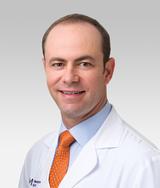 Jonah J Stulberg合作论文数Department of Surgery, Feinberg School of Medicine, Northwestern University4
 Shannon N. Zenk合作论文数National Institute of Nursing Research4Resnick Elissa A合作论文数4
 Julie Johnson合作论文数Division of Pharmaceutics & Pharmacology, College of Pharmacy, The Ohio State University4
 Lisa M. Powell合作论文数School of Public Health, University of Illinois at Chicago4Rimkus Leah合作论文数4
 Richard Matulewicz合作论文数4
 Laura Leonard合作论文数4
 Oksana Pugach合作论文数4Dianne C. Barker合作论文数Barker Bi-Coastal Health Consultants, Inc.4
 Kathryn E Engelhardt合作论文数Department of Surgery, Medical University of South Carolina3
 David D Odell合作论文数Department of Surgery, Feinberg School of Medicine, Northwestern University3Kelz Rachel R合作论文数Dept Surg, Univ Penn3
 Kathryn L Colborn合作论文数3
 Judy A. Shea合作论文数Division of General Internal Medicine, Department of Medicine, Perelman School of Medicine, University of Pennsylvania3
 Vivek N. Prachand合作论文数Section of Endoscopy and Therapeutics and Section of General Surgery, The University of Chicago Hospitals3Thomas W. Biester合作论文数3
 Frank R. Lewis合作论文数American Board of Surgery3Thiago B. de Araujo合作论文数2Laurel Beaty合作论文数2Madeline B. Thomas合作论文数2
 Nicole M Mott合作论文数Off Med Student Educ, Univ Michigan2Kimberly A. Cradock合作论文数2
 Jessica Rove合作论文数2Eddie Blay合作论文数2
 Mehul Desai合作论文数2Ying Shan合作论文数2
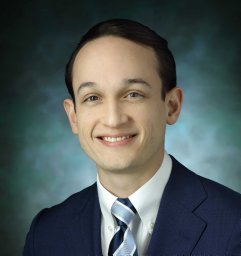 Alejandro Suarez-Pierre合作论文数Department of Surgery, University of Colorado School of Medicine2
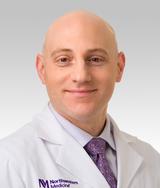 Ryan P Merkow合作论文数Department of Surgery, Feinberg School of Medicine, Northwestern University2
 Amy L Halverson合作论文数Department of Medical Education, Feinberg School of Medicine, Northwestern University2
 Chriqui Jamie F合作论文数Inst Hlth Res & Policy, Univ Illinois2
 Punam Ohri-Vachaspati合作论文数Coll Hlth Solut, Arizona State Univ2
 Jones Andrew T合作论文数2
 Tevis Sarah E合作论文数Department of Surgery, University of Wisconsin, Madison2
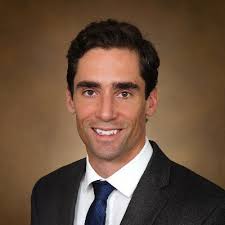 Robert Torphy合作论文数Memorial Sloan Kettering Cancer Center2Holl Jane L合作论文数2
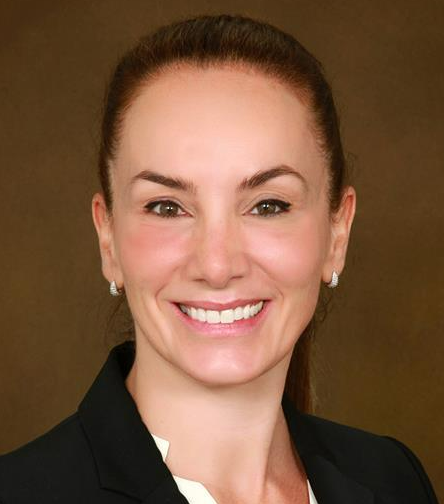 Ana Gleisner合作论文数Division of Surgical Oncology, Department of Surgery, School of Medicine, University of Colorado2
 David B. Hoyt合作论文数Department of Surgery, School of Medicine, University of California, Irvine2Michael F. Mcgee合作论文数2




