Psoriatic arthritis (PsA) is a chronic inflammatory disease with a heterogeneous presentation including peripheral joint arthritis, axial inflammation, enthesitis, dactylitis, and psoriatic skin and nail changes. A substantial proportion of patients develop structural joint damage that can be monitored using standard radiographs. In patients with PsA, structural damage progression has been associated with significant impairment of physical function, health-related quality of life, and work productivity. Tumor necrosis factor inhibitors were the first biologic therapies approved for patients with PsA and have demonstrated efficacy in reducing the rate of structural damage progression in these patients. More recently, biologics targeting the interleukin (IL)-23p19 subunit (guselkumab and risankizumab) and IL-17 (secukinumab, ixekizumab, and bimekizumab) have been approved to treat patients with active PsA and are the subject of this review, with a focus on guselkumab. In separate phase 3, randomized, controlled studies, participants with active PsA treated with guselkumab, secukinumab, ixekizumab, and bimekizumab exhibited less structural damage progression in comparison with placebo. Both guselkumab and risankizumab inhibit the IL-23p19 subunit; however, to date, only guselkumab has demonstrated statistically significant efficacy in inhibiting structural damage progression in this patient population.
Resting collecting lymphatic vessels (cLVs) sense edema in distal joints and initiate contractions via unknown mechanisms. Rheumatoid arthritis (RA) patients have lymphatic drainage deficiencies from affected joints, and defects in the synovial lymphatic system exacerbate inflammatory-erosive arthritis in animal models. To understand this, we generated Efhd1-CreERT2 and Myoc-CreERT2 mice for cell-specific genetic gain and loss of function studies. These mice were crossed with tdTomato reporter (Ai9) mice, and studies showed selective tamoxifen-induced transgene expression in CD31-/CD34+ telocyte-like cells in knee and ankle synovium, and in networks physically associated with mast cells proximal to popliteal lymphatic vessels (PLVs). Consistent with the known loss of CD31-/CD34+ telocyte in RA synovium, these cells were also decreased in TNF-tg knees and partially recovered by anti-TNF treatment. Ultrastructural and gene expression studies confirmed a distinct telocyte phenotype versus closely related fibroblasts. In vivo depletion studies in tamoxifen-treated Efhd1-CreERT2 and Myoc-CreERT2 mice crossed to diphtheria toxin alpha-floxed (DTAflox) mice demonstrated telocyte requirements for physiologic lymphatic drainage and resolution of joint inflammation and focal erosions from zymosan-induced arthritis in the knee. In vitro studies demonstrated increased sensitivity to osmotic shock and decreased motility versus fibroblasts, and telocyte potential to differentiate into myofibroblasts on stiff matrix. Collectively, these findings support a model of joint homeostasis in which osmotic pressure-sensing telocyte networks extend from the synovium into mast cells proximal to joint-draining cLVs, and telocyte loss is associated with defects in the synovial lymphatic system and increased susceptibility to joint inflammation and structural damage from arthritis.
OBJECTIVE:To examine relationships between radiographic progression and achievement of low disease activity (LDA) or remission at week 104 in patients with PsA receiving secukinumab. METHODS:This post hoc analysis included data from patients with active PsA enrolled in the phase 3 FUTURE 5 study (NCT02404350). Patients were pooled by treatment received at week 104 (secukinumab 300 mg with loading dose [LD], secukinumab 150 mg with LD or secukinumab 150 mg without LD) and grouped by radiographic progression status. Radiographic progression was defined as change from baseline to week 104 in van der Heijde modified Total Sharp Score >0.5. Efficacy was assessed by achievement of minimal disease activity (MDA), very low disease activity (VLDA) and Disease Activity Index for PsA (DAPSA) LDA or remission. Demographics and clinical characteristics associated with radiographic progression at week 104 were identified by logistic regression analyses. RESULTS:Of the 541 patients included in this analysis, 457 (84.5%) were radiographic non-progressors and 84 (15.5%) were radiographic progressors. Higher proportions of non-progressors achieved MDA, VLDA and DAPSA LDA and remission at week 104 than progressors. Radiographic progression at week 104 was associated with older age and higher baseline high-sensitivity CRP level, whereas non-progression was associated with 300 mg secukinumab (vs 150 mg secukinumab without LD), no prior exposure to tumour necrosis factor inhibitors and lower BMI. CONCLUSION:Patients without radiographic progression through 2 years of secukinumab treatment had greater achievement of LDA states at week 104 than patients with radiographic progression. TRIAL REGISTRATION:ClinicalTrials.gov; NCT02404350.
OBJECTIVE:To evaluate the efficacy and safety of guselkumab, an interleukin-23p19 subunit inhibitor, in participants with active psoriatic arthritis (PsA) and inadequate response (inadequate efficacy and/or intolerance) to one prior tumor necrosis factor (TNF) inhibitor. METHODS:In SOLSTICE (phase 3b, randomized, multicenter, double-blind, placebo-controlled study), enrolled adults with active PsA (three or more swollen joints; three or more tender joints; C-reactive protein ≥ 0.3 mg/dL) and inadequate response to one prior TNF inhibitor were randomized to guselkumab 100 mg every 4 weeks (Q4W), guselkumab 100 mg at weeks 0 and 4 and then Q8W, or placebo with crossover to guselkumab Q4W at week 24. The primary endpoint was ≥20% improvement in American College of Rheumatology criteria (ACR20) at week 24. Secondary endpoints included ACR50, ACR70, Investigator's Global Assessment of psoriasis (IGA) score of 0 or 1 with ≥2-grade improvement, ≥90% improvement in Psoriasis Area and Severity Index (PASI90), and minimal disease activity (MDA) at week 24 and were analyzed by intention-to-treat. RESULTS:Analyses included 451 randomized participants (Q4W n = 150; Q8W n = 151; placebo n = 150). At week 24, significantly greater proportions of guselkumab (Q4W/Q8W)-treated participants versus placebo-treated participants, respectively, achieved ACR20 (primary endpoint: 58.6%/62.2% vs 34.8%), ACR50 (31.4%/32.1% vs 12.2%), ACR70 (17.5%/17.3% vs 2.0%), IGA 0/1 response (50.0%/57.3% vs 17.4%), PASI90 (49.4%/45.5% vs 12.0%), and MDA (18.8%/23.9% vs 5.4%) (all P < 0.001). Through week 24, 46.7%, 53.6%, and 48.3% of participants receiving guselkumab Q4W, guselkumab Q8W, and placebo, respectively, had one or more adverse event. One death occurred (myocardial infarction). CONCLUSION:Comparable efficacy was observed with both guselkumab regimens in participants with active PsA and inadequate response to one prior TNF inhibitor; safety findings were consistent with the known profile of guselkumab in patients with psoriatic disease.
OBJECTIVE:Patients with rheumatoid arthritis (RA) have lymphatic defects characterized by loss of collecting lymphatic vessel (cLV) contractions of unknown etiology. To elucidate underlying mechanisms, we generated transgenic mice with lymphatic-specific inducible genetics and studied joint-draining lymphatics in zymosan-induced arthritis (ZIA). METHODS:We crossed novel Efhd1-CreERT2 and Myoc-CreERT2 mice to Ai9 tdTomato (tdT) reporter mice to assess tamoxifen-induced transgene expression via single-cell RNA sequencing, whole-mount immunofluorescent microscopy (WMIFM), and immunohistochemistry. We applied electron and confocal microscopy of popliteal lymphatic vessels (PLVs) to examine α smooth muscle actin positive lymphatic muscle cells, mast cell tryptase-positive mast cells, and CD31-/CD34+ cells. We crossed Efhd1-CreERT2 and Myoc-CreERT2 mice to diphtheria toxin-alphafloxed mice to examine: (1) tamoxifen-induced targeted cell deletion; (2) lymphatic function via near-infrared imaging of injected indocyanine green; and (3) effects on ZIA in the knee via longitudinal ultrasound, micro-computed tomography, and histology. RESULTS:Multimodal microscopy discovered the presence of peri-PLV spindle-shaped cells with elongated cytoplasmic extensions physically integrated into mast cells. Gene expression studies confirmed these cells are consistent with telocytes, and WMIFM demonstrated peri-PLV tdT+ telocyte networks extending from capillaries in the ankle synovium to cLV near the knee. In vivo telocyte depletion decreased lymphatic drainage and exacerbated synovitis and focal erosions in ZIA. CONCLUSION:Telocyte networks extend from the synovium into mast cells proximal to joint-draining cLVs, and telocyte loss is associated with synovial lymphatic system (SLS) defects and exacerbated joint pathology from inflammatory-erosive arthritis. Thus, SLS telocytes are a novel drug target for RA, and interventions that maintain telocytes (eg, exercise) may improve lymphatic function.
OBJECTIVE:Telocytes are interstitial mesenchymal cells that facilitate intercellular communication and mediate tissue homeostasis and remodeling. Telocyte loss is associated with autoimmune and fibrotic diseases, including rheumatoid arthritis (RA). Thus, we aimed to characterize the genomics, functions, and fibroblast phenotypic transition potential of synovial telocytes. METHODS:We performed single-cell RNA sequencing (scRNA-seq) to phenotype mesenchymal populations in mouse knees and analyzed human synovial scRNA-seq data from publicly available databases. Immunohistochemistry (IHC) on normal and arthritic joints from Efhd1-CreERT2 × Ai9 tdTtomato (tdT) reporter and tumor necrosis factor transgenic (TNF-tg) mice assessed synovial telocytes versus fibroblasts. Cocultures of tdT+ telocytes and tdT fibroblasts were assessed for responses to osmotic shock via fluorescent microscopy of Fluo4 and MitoSOX Green. Invasive phenotypes were assessed in Matrigel assays. Telocyte-to-fibroblast plasticity in response to matrix stiffness was evaluated using bulk RNA-seq. RESULTS:Uniform manifold approximation and projections demonstrated that Efhd1, Dpp4, and Pi16 are specific marker genes that distinguish telocytes from Comp-, Dkk3-, and Cdh11-expressing fibroblasts in normal murine and human synovium. IHC confirmed tdT+ synovial telocytes are CD34+/Comp-, primarily reside in the sublining, and are lost during TNF-induced arthritis. In vitro, telocytes are more sensitive to osmotic pressure than fibroblasts, have a unique mitoflash response to this stimulus, and lose marker gene expression while acquiring myofibroblast markers in response to a stiff matrix. CONCLUSION:Synovial telocytes are Efhd1+/ Dpp4+/Pi16+, function as lymphatic sensors to monitor osmotic pressure, and differentiate into fibroblasts in response to matrix stiffness. Their relative absence in RA synovium is associated with decreased lymphatic function and disease progression.
Psoriatic arthritis (PsA) is a chronic inflammatory disease characterised by joint involvement, significant impact on quality of life and frequently linked with obesity, metabolic syndrome and cardiovascular comorbidities. Despite advances in PsA management, obesity remains a critical factor influencing disease severity, treatment response and patient outcomes. We examine the interplay between PsA and obesity, the current clinical guidelines, gaps in clinical practice, research on shared inflammatory pathways, treatment implications and the potential of weight-loss interventions to modify disease progression. This comprehensive narrative review uses a non-systematic search of PubMed, Embase and Scopus databases and analyses literature on PsA, obesity, cytokine signalling and therapeutic outcomes, with priority to clinical trials, meta-analyses and large cohort studies. Obesity exacerbates PsA through systemic inflammation, adipokine dysregulation and mechanical joint stress, contributing to worse clinical outcomes, increased comorbidity and poorer response to biologics. Weight management improves disease activity and therapeutic efficacy, although its effects on PsA pathophysiology remain underexplored. Our review highlights that obesity should be recognised as a risk factor and comorbidity in PsA for the integral management of patients. Further research is needed to elucidate the cytokine and molecular changes induced by weight management, generate more clinical data and optimise personalised management strategies. While clinical guidelines recommend a coordinated care approach to optimising the management of PsA in patients with obesity, emerging clinical data support further focus on the role of targeting inflammation, obesity and metabolic dysfunction to improve long-term PsA outcomes and quality of life, mitigate complications and provide better cardiovascular and overall health to patients.
OBJECTIVE:To assess guselkumab + golimumab combination therapy versus guselkumab monotherapy in participants with active psoriatic arthritis (PsA) and inadequate response to tumor necrosis factor inhibitors (TNFi-IR). METHODS:Adults with active TNFi-IR PsA (three or more tender/swollen joints) were randomized (2:1) to subcutaneous guselkumab (100 mg) + golimumab (50 mg) combination therapy (n = 59) or guselkumab monotherapy (n = 32) every 4 weeks through week 20. The primary endpoint was week 24 minimal disease activity (MDA) achievement. Additional endpoints included ≥20%/50%/70% improvement in American College of Rheumatology response criteria (ACR20/50/70): improvements in psoriasis, dactylitis, and enthesitis; changes in patient-reported physical function; and impact of screening C-reactive protein (CRP) on MDA/ACR50 response. RESULTS:At baseline, participants had a median of 13 tender and 8 swollen joints and psoriatic body surface area of 3%; 23% had dactylitis. At week 24, 29% and 22% of participants achieved MDA with guselkumab + golimumab combination therapy and guselkumab monotherapy, respectively (odds ratio [OR] 1.4 [90% confidence interval 0.6-3.3]; P = 0.557); 44% and 22% achieved ACR50 (nominal P = 0.034). Participants with CRP levels ≥0.3mg/dL (intended enrollment population) receiving combination therapy (n = 40; monotherapy n = 22) had greater odds of achieving MDA (OR 12.3; nominal P = 0.025; 32% vs 5%) and ACR50 (OR 9.6; nominal P = 0.003; 55% vs 14%) at week 24. Combination therapy was associated with higher ACR20 (66% vs 44%) and ACR70 (27% vs 16%) responses and greater physical function improvements than monotherapy. Improvements in psoriasis, dactylitis, and enthesitis were similar across groups. No new safety signals and no tuberculosis/opportunistic infections occurred through week 36. CONCLUSION:Although the primary endpoint was not achieved, secondary endpoints and exploratory analyses suggest that participants with TNFi-IR PsA, particularly those with elevated CRP levels, could derive clinically meaningful benefits with guselkumab + golimumab combination therapy, with no new safety concerns, warranting further investigation.
OBJECTIVES:Bimekizumab, a monoclonal IgG1 antibody that selectively inhibits IL-17F in addition to IL-17A, has demonstrated tolerability and clinical efficacy in patients with PsA. Here, we report an additional year of safety and efficacy of bimekizumab treatment to 3 years. METHODS:BE OPTIMAL [NCT03895203; biologic DMARD (bDMARD)-naïve] and BE COMPLETE [NCT03896581; prior inadequate response/intolerance to TNF inhibitors (TNFi-IR)] assessed s.c. bimekizumab 160 mg every 4 weeks in patients with PsA. Study completers could enrol in the BE VITAL open-label extension (NCT04009499). Outcomes were reported as observed, or using modified non-responder or multiple imputation, to 3 years. RESULTS:Overall, 546/299 (76.7/74.8%) bDMARD-naïve/TNFi-IR patients randomized to bimekizumab or placebo at baseline (Bimekizumab Total group) completed year 3. Treatment-emergent adverse event rates [exposure-adjusted incidence rate/100 patient-years (95% CI)] for bimekizumab-treated patients through 3 years were 164.2 (152.7-176.3) in bDMARD-naïve and 88.6 (79.1-98.9) in TNFi-IR patients, consistent with those at year 1 with no new safety signals identified. Response rates for efficacy outcomes were sustained up to 3 years; at year 1 and year 3, respectively, 56.1/50.4% and 53.2/55.2% of bDMARD-naïve/TNFi-IR patients achieved ACR50, 61.8/58.2% and 59.5/59.1% achieved swollen joint count resolution, and 64.7/66.2% and 61.9/67.5% had 100% improvement from baseline in Psoriasis Area and Severity Index. Responses for other efficacy measures were similarly sustained and consistent in bDMARD-naïve and TNFi-IR patients. CONCLUSION:Bimekizumab demonstrated sustained high levels of efficacy and tolerability to 3 years, supporting its suitability for long-term treatment in bDMARD-naïve and TNFi-IR patients with PsA. TRIAL REGISTRATION:BE OPTIMAL: NCT03895203; BE COMPLETE: NCT03896581; BE VITAL: NCT04009499.
Imaging mass cytometry is a technology that enables comprehensive analysis of cellular phenotypes at the tissue level. We performed a multiparameter characterization of structural and immune cell populations in psoriatic skin and synovial tissue samples aimed at characterizing immune cell differences in patients with psoriasis and psoriatic arthritis. A panel of 33 antibodies was used to stain selected immune and structural cell populations. Imaging mass cytometry data were segmented into single cells on the basis of combinations of antibody stains. Single cells were then clustered into cell categories on the basis of prespecified markers. The spatial relationships of different cell populations were assessed using neighborhood analysis. Among all cell types in the skin and synovium, lymphoid cells accounted for the most prevalent cell type. T cells and macrophages were the most prevalent immune cell type in the synovium, and B cells and NK cells were also identified. Neighborhood analysis showed high correlation between synovial T cells, B cells, macrophages, dendritic cells, and neutrophils, suggesting spatial organization. Innate and adaptive immune cells can be reliably identified using imaging mass cytometry in the skin and synovium. Interpatient heterogeneity exists in tissue cell populations. Imaging mass cytometry provides opportunities for exploring in depth the underlying immunological mechanisms driving psoriasis and psoriatic arthritis.
Objectives APEX ( NCT04882098 ) evaluates guselkumab (GUS), a fully human mAb able to bind CD64 and selectively inhibit the IL-23p19-subunit, in participants (pts) with active and erosive PsA. At Week(W)24, GUS demonstrated significantly higher ACR20 rates (primary endpoint) and radiographic progression inhibition vs placebo (PBO; major secondary endpoint). Here we report W48 findings. Methods APEX enrolled adults with active PsA (≥3 tender, ≥3 swollen joints; CRP ≥0.3 mg/dL) and ≥2 erosive joints on radiographs of hands/feet, despite previous non-biologic therapy. The modified full analysis set comprised 1020 randomized pts (273 GUS 100mg Q4W; 371 GUS 100mg at W0/W4 then Q8W; 376 PBO-to-GUS Q4W at W24). Key endpoints through W48 included ACR20/ACR50 rates and least squares mean (LSM) change in PsA-modified van der Heijde-Sharp (vdH-S) score per reading session 2 (W0/24/48 radiographs). Exposure-adjusted incidence rates of adverse events (AEs) per 100 pt-years (100PY) [95% CI] are reported through W48. Results GUS Q4W/Q8W ACR20 rates increased from W24 (67%/68% vs 47% PBO; both p<0.001) to W48 (71%/74%). GUS ACR50 rates increased from W24 (41%/42% vs 20% PBO; both nominal-p<0.001) to W48 (51%/56%). At W48, 71% and 48% of PBO-to-GUS Q4W pts achieved ACR20 and ACR50, respectively. Reading session 2 results indicated continued suppression of radiographic progression with GUS Q4W/Q8W from W0-24 (LSM changes in PsA-modified vdH-S score: 0.36/0.46) throughout W24-48 (0.24/0.32). Radiographic progression in the PBO group from W0-24 (0.96) was curtailed by GUS W24-48 (0.41). Through W24, AE incidence rates with GUS Q4W/Q8W (168[146-191]/163[145-183]) and PBO (174[155-195]) were similar. Incidence rates did not increase with continued GUS (W0-48: 147 [132-163]/148 [136-162]), or after PBO-to-GUS transition (W24-48: 156 [138-176]). Conclusion In biologic-naïve adults with active and erosive PsA, inhibition of radiographic progression and joint disease activity improvements with GUS were durable through W48 without increased AE incidence, further substantiating GUS benefit for preserving joint health.
Quantitative description of complex anatomical structures remains challenging due to the expertise necessary for manual segmentation, labor, and interobserver variability. To overcome this, automated detection of specific landmarks can be accomplished by digital image analysis techniques, including deep learning (DL) models. To this end, we undertook supervised automated analysis of micro-computed tomography (micro-CT) datasets of murine hindpaws and forepaws. Advancing beyond previously published semi-automated (SA) marker-based watershed algorithms, we added structure enhancement, tensor voting, and output dilation to identify joint spaces. Segmentation was enhanced by utilizing a DL joint space prediction model (3D U-Net architecture, ResNet-18 backbone) using wild-type (WT) hindpaw labels as ground truth. Prediction was extended to hindpaws and forepaws from WT and tumor necrosis factor transgenic (TNF-Tg) mice with inflammatory-erosive arthritis of both sexes across age. Segmentation accuracy improved dramatically using the DL methodology. Accuracy declined with increased disease severity and age in TNF-Tg mice. Subsequent testing in forepaws also displayed progressive reduction in accuracy with increasing arthritic severity. Overall, this supervised automated model outperforms recent SA approaches in healthy joints to enhance the investigation of complex bone anatomy. Although flexible application to novel and disease-modified datasets demonstrates deprecated performance, utilization may nonetheless catalyze structure-specific segmentation model development.
Psoriatic arthritis (PsA) is a progressive, multidomain and interleukin-17 (IL-17)-linked disease that results in substantial quality-of-life deficits. Thereby, we conducted a phase 2 randomized, double-blind, placebo (PBO)-controlled trial of sonelokimab (SLK), a nanobody that binds with a similarly high affinity to IL-17A and IL-17F, inhibiting all dimers. Overall, 207 patients with active PsA were randomized to SLK 120-mg or 60-mg every 4 weeks (Q4W; both with induction (WI)), or to 60-mg Q4W with no induction, PBO or adalimumab (reference arm). The primary endpoint of American College of Rheumatology (ACR) 50 at week 12 was met for SLK 60-mg and 120-mg WI (60-mg WI = 46.3% (19/41; odds ratio (OR) = 3.6; 95% confidence interval (CI) = 1.3-9.9; P < 0.05); 120-mg WI = 46.5% (20/43; OR = 4.0; 95% CI = 1.4-11.3; P < 0.01) versus PBO = 20.0% (8/40)). SLK resulted in significant benefits across the key secondary endpoints of ACR20 (60-mg WI = 78.0% (32/41; P < 0.001) and 120-mg WI = 72.1% (31/43; P = 0.002) versus PBO = 37.5% (15/40)) and Psoriasis Area and Severity Index (PASI) 90 at week 12 (60-mg WI = 76.9% (20/26; P < 0.001) and 120-mg WI = 59.3% (16/27; P = 0.003) versus PBO = 15.4% (4/26)). Robust responses were observed among patients randomized to SLK at week 24 for the high-threshold composite endpoints of ACR70 + PASI 100 (exploratory) and minimal disease activity (secondary), achieved by up to 48% (13/27; 120-mg WI) and 61% (25/41; 60-mg WI), respectively. SLK was well-tolerated; the most common treatment-emergent adverse events were nasopharyngitis (60 mg = 6.1%; 120 mg = 5.2%), upper respiratory tract infection (60 mg = 6.1%; 120 mg = 4.1%), injection-site erythema (60 mg = 3.7%; 120 mg = 3.1%) and headache (60 mg = 2.4%; 120 mg = 4.1%). Four cases of mild to moderate oral candidiasis occurred (60 mg = 2.4%; 120 mg = 2.1%). Overall, SLK delivered substantial improvements in the signs and symptoms of PsA across various outcomes and domains. ClinicalTrials.gov registration: NCT05640245 .
Bimekizumab (BKZ) has demonstrated clinically meaningful improvements in efficacy outcomes to Week (Wk)16, that were sustained to Wk52, in psoriatic arthritis (PsA) patients. We report proportions of Wk16 responders maintaining response in joint/skin/composite efficacy outcomes to 2 years in BKZ-treated PsA patients. Two Phase 3 studies assessed BKZ 160mg every 4 wks in PsA patients: BE OPTIMAL (biologic DMARD [bDMARD]-naïve; NCT03895203) and BE COMPLETE (TNF inhibitor inadequate response/intolerance [TNFi-IR]; NCT03896581); both placebo-controlled to Wk16. BE OPTIMAL Wk52 and BE COMPLETE Wk16 completers could enter BE VITAL (open-label extension; NCT04009499). Efficacy data reported for BKZ-randomised patients; safety data reported for all BKZ-treated patients. Maintenance of response reported as the proportion of Wk16 responders who were responders at Wk104/100 (BE OPTIMAL/BE COMPLETE). Efficacy outcomes include ACR20/50/70, Psoriasis Area and Severity Index (PASI)75/90/100, Minimal/Very Low Disease Activity (MDA/VLDA) and Disease Activity Index for PsA (DAPSA) remission or low disease activity responses (REM ≤4; REM+LDA ≤14); reported here to Wk104 (BE OPTIMAL) and Wk100 (BE COMPLETE). Data are reported as observed case or using non-responder or worst category imputation. Exposure-adjusted incidence rates per 100 patient-years (EAIR/100 PY) are reported to Wk104 for both bDMARD-naïve and TNFi-IR patients. Of BKZ-randomised patients, 359/431 (83.3%) bDMARD-naïve and 215/267 (80.5%) TNFi-IR completed Wk104/100. High proportions of patients achieving ACR50, PASI100 and MDA at Wk16 maintained responses at Wk104/100 (Table). At Wk16, 189 (43.9%) bDMARD-naïve and 115 (43.1%) TNFi-IR patients achieved ACR50; 150 (79.4%) bDMARD-naïve and 87 (75.7%) TNFi-IR patients maintained response at Wk104/100. At Wk16, 103/217 (47.5%) bDMARD-naïve and 103/176 (58.5%) TNFi-IR achieved PASI100; 73 (70.9%) bDMARD-naïve, 83 (80.6%) TNFi-IR patients maintained response at Wk104/100. At Wk16, 194 (45.0%) bDMARD-naïve and 117 (43.8%) TNFi-IR patients achieved MDA; 147 (75.8%) bDMARD-naïve, 87 (74.4%) TNFi-IR maintained response at Wk104/100. Results were similar for other joint/skin/composite efficacy outcomes at Wk104/100 (Table). To Wk104, the EAIR/100 PY for BKZ-treated patients with ≥1 treatment-emergent adverse event was 179.9 in bDMARD-naïve and 100.3 in TNFi-IR patients. BKZ demonstrated robust maintenance of response at 2 years in bDMARD-naïve/TNFi-IR Wk16 responders among patients with PsA. Safety profile was consistent with previous reports. J.A. Walsh: Consultancies; Consultant for/grant support from AbbVie, Amgen, Eli Lilly, Johnson & Johnson Innovative Medicine, Merck, Novartis, Pfizer and UCB. J.F. Merola: Consultancies; Consultant and/or investigator for AbbVie, Amgen, AstraZeneca, Biogen, BMS, Boehringer Ingelheim, Dermavant, Eli Lilly, Incyte, Johnson & Johnson Innovative Medicine, LEO Pharma, Consultant and/or investigator for MoonLake Immunotherapeutics, Novartis, Pfizer, Sanofi Regeneron, Sun Pharma and UCB. C.T. Ritchlin: Consultancies; Consultant for AbbVie, Amgen, BMS, Eli Lilly, Johnson & Johnson Innovative Medicine, MoonLake Immunotherapeutics, Novartis, Pfizer, Solarea and UCB. Other; Research for AbbVie. Y. Tanaka: Member of speakers’ bureau; Speaking fees and/or honoraria from AbbVie, Asahi-kasei, Astellas, AstraZeneca, Boehringer Ingelheim, Chugai, Daiichi-Sankyo, Eisai, Eli Lilly, Gilead, GSK, Pfizer, Taisho, and UCB. Grants/research support; Grants from Boehringer Ingelheim, Chugai and Taisho. E.G. Favalli: Consultancies; Consultancy/speaker fees from AbbVie, BMS, Celltrion, Eli Lilly, Galapagos, Johnson & Johnson Innovative Medicine, MSD, Novartis, Pfizer and UCB. D. McGonagle: Consultancies; Consulting fees and honoraria from AbbVie, Celgene, Janssen, Merck, Novartis, Pfizer and UCB. Member of speakers’ bureau; Speaker’s bureau for AbbVie, Celgene, Johnson & Johnson Innovative Medicine, Merck, Novartis, Pfizer and UCB. Grants/research support; Received grants/research support from AbbVie, Celgene, Johnson & Johnson Innovative Medicine, Merck, Novartis and Pfizer. D. Thaçi: Grants/research support; Received grants from AbbVie, LEO Pharma and Novartis. Other; Investigator and/or advisor/consultant for AbbVie, Almirall, Amgen, BMS, Boehringer Ingelheim, Celltrion, Eli Lilly, Galderma, Janssen-Cilag, Kyowa Kirin, LEO Pharma, L’Oreal, New Bridge, Novartis, Investigator and/or advisor/consultant for Pfizer, Regeneron, Samsung, Sanofi, Target RWE, UCB and Vichy. B. Ink: Corporate appointments; Employee of UCB; Shareholder of AbbVie, GSK and UCB. R. Bajracharya: Corporate appointments; Employee and shareholder of UCB. J. Coarse: Corporate appointments; Employee and shareholder of UCB. W. Tillett: Other; Research grants, consulting fees, speaking fees and/or honoraria from AbbVie, Amgen, BMS, Celgene, Eli Lilly, GSK, Johnson & Johnson Innovative Medicine, MSD, Novartis, Ono Pharma, Pfizer and UCB.
 Philip J. Mease合作论文数Division of Rheumatology Clinical Research, Swedish Medical Center;University of Washington176
 Iain McInnes合作论文数School of Infection & Immunity, University of Glasgow;College of Medical, Veterinary & Life Scinces, University of Glasgow125
 Edward M. Schwarz合作论文数Center for Musculoskeletal Research, University of Rochester Medical Center;Department of Orthopaedics, University of Rochester118
 Arthur Kavanaugh合作论文数Center for Innovative Therapy, Division of Rheumatology, Allergy and Immunology, University of California, San Diego;School of Medicine, University of California, San Diego96
 Dafna Gladman合作论文数Institute of Medical Science, Temerty Faculty of Medicine, University of Toronto;UHN-Toronto Western Hospital;Toronto Western Research Institute83
 Proton Rahman合作论文数76
 Alice Gottlieb合作论文数Department of Dermatology, The University of Texas Southwestern Medical Center68
 Laura Coates合作论文数Nuffield Department of Orthopaedics, Rheumatology and Musculoskeletal Sciences, Medical Sciences Division, University of Oxford59
 Joseph Merola合作论文数Department of Dermatology, The University of Texas Southwestern Medical Center53
 Lianping Xing合作论文数49
 Atul Deodhar合作论文数Division of Arthritis and Rheumatic Diseases, School of Medicine, Oregon Health and Science University45
 Philip Helliwell合作论文数Leeds Institute of Rheumatic and Musculoskeletal Medicine, School of Medicine, Faculty of Medicine and Health, University of Leeds42
 Lluís Puig合作论文数Department of Dermatology, Hospital de la Santa Creu i Sant Pau;Medicine School, Universitat Autònoma de Barcelona42
 Ronald W. Wood合作论文数Environmental Health Sciences Center, University of Rochester School of Medicine and Dentistry41
 Désirée Van Der Heijde合作论文数Department of Rheumatology, Leiden University Medical Center;Diakonhjemmet Hospital;University of Oslo37Mendelsohn Alan M合作论文数36
 Laure Gossec合作论文数Sorbonne Université;Pitié-Salpétriere Hospital36Xie Xu合作论文数35Rahimi Homaira合作论文数35Oliver Fitzgerald合作论文数35
 Dennis McGonagle合作论文数School of Medicine, University of Leeds;Faculty of Medicine and Health, University of Leeds34Jason Coarse合作论文数33Allen Anandarajah合作论文数30Ya-Hui Chiu合作论文数29May Shawi合作论文数29Sheng Shihong合作论文数29Li Shu合作论文数29
 Jose U. Scher合作论文数Division of Rheumatology, Department of Medicine, New York University27
 Maria De La Luz Garcia-Hernandez合作论文数27
 Wolf-Henning BOEHNCKE合作论文数Département de Médecine, Faculté de Médecine, Université de Genève27Alexa P. Kollmeier合作论文数26
 Alexis Ogdie合作论文数Penn Psoriatic Arthritis Clinic, University of Pennsylvania;Philadelphia VA Medical Center, University of Pennsylvania;Perelman School of Medicine, University of Pennsylvania;Research Pathfinder26
 Peter Nash合作论文数Griffith University;Rheumatology Research Unit;Rheumatology Department, Sunshine Coast University Hospital;University of Queensland26
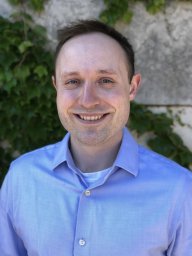 H. Mark Kenney合作论文数University of Rochester Medical Center25Elizabeth C. Hsia合作论文数Division of Rheumatology, Department of Medicine, Perelman School of Medicine, University of Pennsylvania24
 Soumya D Chakravarty合作论文数23
 Michael Song合作论文数23
 Ananta Paine合作论文数Institute for Transfusion Medicine, Hannover Medical School, Hannover, Germany23
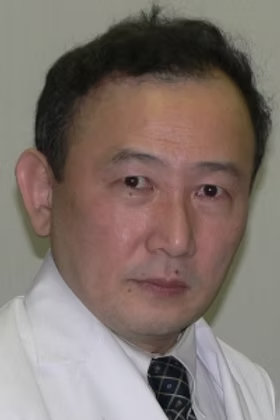 Yoshiya Tanaka合作论文数First Department of Internal Medicine, School of Medicine, University of Occupational and Environmental Health22
 Lihi Eder合作论文数Institute of Medical Science, Temerty Faculty of Medicine, University of Toronto;Cardio-Rheumatology Clinic, Women’s College Hospital20Zhou Bei合作论文数20
 Javier Rangel-Moreno合作论文数Department of Medicine, Allergy/Immunology and Rheumatology, University of Rochester Medical Center20Barbara Ink合作论文数19J. F. Merola合作论文数18
 Richard Warren合作论文数18
 Georg Schett合作论文数Deutsches Zentrum Immuntherapie, Universitätsklinikum Erlangen;Department of Medicine 3 - Rheumatology and Immunology, Universitätsklinikum Erlangen;Friedrich-Alexander-Universität Erlangen-Nürnberg18Ab Gottlieb合作论文数17Wang Yuhua合作论文数17
 Brendan Boyce合作论文数Department of Pathology, School of Medicine, Stony Brook University17




