In influenza, the envelope protein hemagglutinin (HA) plays a critical role in viral entry by first binding to sialic acid receptors on the cell surface and subsequently mediating fusion of the viral and target membranes. In this work, the receptor binding properties of influenza A HA from different subtypes (H1 A/California/04/09, H5 A/Vietnam/1205/04, H5 A/bar-headed goose/Qinghai/1A/05, and H9 A/Hong Kong/1073/99) have been characterized by NMR spectroscopy. Using saturation transfer difference (STD) NMR, we find that all HAs bind to the receptor analogs 2,3-sialyllactose and 2,6-sialyllactose, with subtle differences in the binding mode. Using competition STD NMR, we determine the receptor preferences for the HA subtypes. We find that H5-Qinghai and H9-Hong Kong HA bind to both receptor analogs with similar affinity. On the other hand, H1 exhibits a clear preference for 2,6-sialyllactose while H5-Vietnam exhibits a clear preference for 2,3-sialyllactose. Together, these results are interpreted within the context of differences in both the amino acid sequence and structures of HA from the different subtypes in determining receptor preference.
ABSTRACT Influenza A virus glycoprotein hemagglutinin (HA) binds to host cell surface sialic acid (SA)-terminated sugars in glycoproteins to initiate viral entry. It is thought that avian influenza viruses preferentially bind to N -acetylneuraminic acid α3 (NeuAcα3) sugars, while human influenza viruses exhibit a preference for NeuAcα6-containing sugars. Thus, species-specific SA(s) is one of the determinants in viral host tropism. The SA binding pocket of the HA1 subunit has been extensively studied, and a number of residues important for receptor binding have been identified. In this study, we examined the potential roles of seven highly conserved HA surface-located amino acid residues in receptor binding and viral entry using an H5 subtype. Among them, mutant Y161A showed cell-type-dependent viral entry without obvious defects in HA protein expression or viral incorporation. This mutant also displayed dramatically different ability in agglutinating different animal erythrocytes. Oligosaccharide binding analysis showed that substituting alanine at Y161 of HA changed the SA binding preference from NeuAc to N -glycolylneuraminic acid (NeuGc). Rescued mutant Y161A viruses demonstrated a 5- to 10-fold growth defect, but they were robust in viral replication and plaque forming ability. Our results demonstrate that Y161 is a critical residue involved in recognition of different SA species. This residue may play a role in determining influenza virus host tropism.
Several laboratories have resorted to flow-cytometric cross-match (FCXM) in an effort to prevent hyperacute and accelerated renal allograft rejections. The currently employed FCXM has problems with both false-positive and -negative reactions, largely as a result of irrelevant IgG binding to Fc IgG receptors. In 1980, we circumvented this problem by digesting Fc IgG receptors with pronase, and demonstrated that, with immunofluorescence microscopy (IF), detection of IgG anti-HLA antibodies was highly sensitive and specific. In 1995, we introduced the pronase technique to FCXM and showed that this enzyme did not decrease HLA expression. We present herein a prospective study at our institution to determine whether FCXM using pronase-digested (PD) lymphocytes is as sensitive and more specific than FCXM with undigested (UD) lymphocytes when compared with the highly sensitive and specific IF assay. In analyzing the 186 donor-specific pre-renal-transplant crossmatches, we found that PD FCXM was as sensitive and specific as IF and was able to detect weak IgG anti-HLA antibodies that bound to B cells. Fourteen of these patients would have been denied transplants if one were to have relied on UD FCXM. The data clearly indicate that PD FCXM can reliably be used to detect weak IgG anti-HLA antibodies before renal transplantation.
BACKGROUND As the incidence of diabetic nephropathy increases, especially in minority populations, more simultaneous pancreas-kidney (SPK) transplants are being performed both in the United States and worldwide. The role of matching on SPK outcomes and organ allocation remains controversial. The purpose of this analysis was to determine the influence of HLA matching using currently employed criteria on 5-year SPK graft survival. METHODS We performed an analysis of all 3,316 SPK transplants performed in the United States reported to the United Network for Organ Sharing (UNOS) between December 31, 1988 and December 31, 1994. Kaplan-Meier unadjusted 1- and 5-year graft survival with log rank comparisons and Cox multivariable regression models that adjusted for 12 confounding variables were used to analyze the influence of HLA matching on outcomes. RESULTS Despite low-grade HLA or DR matching or high levels of common reactive groups (CREG) mismatching, 1- and 5-year allograft survival rates were 90% and 78% for kidney, and 85% and 75% for pancreas transplantation. CONCLUSIONS SPK transplantation is associated with excellent outcomes independent of the level of HLA matching. These data support the hypothesis that SPK transplants need not be allocated based on matching criteria, thus minimizing organ ischemia time and promoting a more racially equitable allocation for SPKs in the US today.
Moustakakis, Michael1; Lobo, Peter I.1; Sawyer, Robert2; McCullough, Chris2; Spinosa, David3; Matsumoto, Alan3; Isaacs, Ross B.1 Author Information
645 Bone disease is one of the major causes of morbidity for some renal patients post transplant. Data has shown that low 1:25 VD3 with resulting hyperparathyroidism is seen in a subset (1/3) of renal transplant patients(Clinical Transplantation 1995: 9: 277-281). It has not been determined why renal allografts with normal function (Cr<2.0mg/dl) cannot synthesize 1:25 VD3. Previous studies have suggested that it is the steroid therapy and/or cyclosporin A that decreases 1:25 VD3 formation by the kidney. Results from our study, however, make it difficult to implicate either steroid or cyclosporin A usage. Instead the results focus attention on the use of MMF in preventing low 1:25 VD3 and resultant hyperparathyroidism. In our analysis 88 patients transplanted from 1995-1997 were evaluated based on 1:25 VD3 and PTH levels drawn within the first 6-10 months post transplant. All patients included had serum Cr<2mg/dl and serum Ca<10.8mg/dl. Results obtained allowed for a comparison of two groups of patients. (i) 44 patients who received azathioprine, (ii) 44 patients who received MMF. Both groups were given similar dosages of prednisone and cyclosporin. Comparison of these two groups shows a notable decrease in 1:25 VD3 levels in patients who were given azathioprine versus those given MMF. Results for 1:25 VD3 levels for both groups of patients are seen in figure 1.FigureAs shown by the figure, 31% of patients on azathioprine had 1:25 VD3 levels in the 0-19pg/ml range, compared to less than 10% of patients on MMF with such levels. Additionally, all four patients on MMF with 1:25VD3 levels of 0-19pg/ml had normal PTH levels. In contrast, eight of 14 patients on Imuran with 1:25VD3 levels of 0-19pg/ml had increased PTH levels(>100pg/ml). These differences in 1:25 VD3 levels and PTH levels were found to be statistically significant.
Percutaneous endovascular techniques were used to treat an arteriovenous fistula (AVF) associated with pancreatic transplantation. A pancreatic transplant superior mesenteric artery-to-superior mesenteric-vein AVF was successfully embolized while flow to the pancreas transplant was preserved. The embolization was aided by the use of Guglielmi detachable coils and a detachable balloon. No complications were encountered. At 23 months follow-up, the patient is doing well with no recurrence.
353 The incidence of viral mutation to monotherapy following liver transplantation for chronic HBV cirrhosis has led to post transplant combination lamivudine (L) and hepatitis B immune globulin (HBIg) therapy. Pre-transplant L has selected mutants that jeopardize post transplant HBV control and increases the need for optimized HBIg in HBV-DNA or HBeAg positive recipients. Purpose: To correlate the effect of rapid serum neutralization of HBsAg with efficacy of passive immunization. Methods: Intravenous HBIg (10,000 IU) was given to achieve serum anti-HBs titer >500 IU/L [AUSAB immunoassay and Quantitation Panel (Abbott Laboratories)]. Pre-dose serum was assayed for HBsAg [AUSAB EIA (Abbott Laboratories)] on post op day 2 and randomly until serum HBsAg was undetectable. Nucleotide and amino acid sequences were determined in a 416 bp amplimer of the HBV S gene in pre transplant and post allograft infection (AI) specimens. Results: 29 patients (23 HBeAg+ / 6 HBeAg−) received 30 liver transplants and HBIg monotherapy with HBsAg determinations. 8 of 24 HBeAg+ developed (AI) (12.6±12.8 mo) while 16 remain disease free (49.9±24.6 mo). (Table)TableConclusion: Rapid conversion of HBsAg+ serum protects against early AI associated with wild type HBV but has no impact on late AI or HBIg induced HBsAg mutation. Continued study of post transplant L and HBIg combination appear justified for HBeAg+ recipients. Aggressive passive immunization to promote early HBsAg− serum may be necessary for pre-transplant replicators who have L resistance and require liver transplantation.
PURPOSE: To evaluate the utility and potential nephrotoxicity of gadolinium-based contrast angiography when used with carbon dioxide angiography in renal transplant patients with suspected vascular causes of renal insufficiency and/or accelerated hypertension.MATERIALS AND METHODS: Thirteen consecutive renal transplant patients with suspected vascular causes of renal insufficiency and/or accelerated hypertension were evaluated with gadolinium-based contrast and CO2 angiography with use of digital subtraction techniques, Stenotic lesions were treated with angioplasty with/or without stent placement. No iodinated contrast agents were used, Serum creatinine levels were obtained before and at 24 and 48 hours after the procedure. An increase in creatinine levels greater than 0.5 mg/dL (44 mu mol/L) was considered significant.RESULTS: Nine patients were studied for renal insufficiency two for accelerated hypertension, and two for both. All 13 studies were considered diagnostic. Significant stenoses were treated in four patients with angioplasty with or without stent placement. Two patients had progression of their renal insufficiency, One of these patients underwent biopsy and was found to have both acute and chronic rejection. The other patient underwent cardiac catheterization 2 days after a transplant renal artery angioplasty. In the remaining nine patients with renal insufficiency (creatinine range, 1.8-3.9 mg/dL [159-345 mu mol/L]; mean, 2.7 mg/dL [239 mu mol/L]), renal function improved or did not worsen.CONCLUSION: Based on this limited study, gadolinium-based contrast angiography appears to be a promising supplement to CO2 angiography for the diagnosis and treatment of vascular lesions in patients with renal transplant insufficiency and/or accelerated hypertension, Further study is necessary to determine safety, optimal gadolinium dosage, and imaging parameters.
Measurement of liver volume in patients with advanced liver disease is used to gauge the appropriate size of donor organs and may have prognostic value. We sought to determine the accuracy of magnetic resonance imaging (MRI) in measuring liver volume in 19 adult patients under consideration for liver transplantation. We also correlated the liver volume determination to the clinical severity of disease. Liver volume was measured at MRI by averaging the calculated volumes from coronal and transverse breath-hold T1-weighted images. These results were compared to the explanted liver volume measured by fluid displacement and the explant mass. The correlation coefficient for MRI liver volume and the explant displacement volume was 0.90. The mean liver volume for Child-Pugh class AB by MRI was 1986 +/- 568 mL (1002-2470 mL) compared to 1433 +/- 379 mL (540-1889 mL) in Child-Pugh class C patients (p = .02). We conclude that MRI offers an anatomically accurate means of determining adult liver volume in vivo. Lower mean liver volumes were observed in Child-Pugh class C patients. In addition to its ability to provide tumor screening and vascular assessment, MRI is able to provide accurate determinations of liver volume in patients undergoing liver transplant evaluations.
Eighty liver allografts were studied to determine the predictive value of intraoperative biopsies and postoperative liver function tests for the development of preservation injury (PI). Peak transaminase (aspartate transaminase [AST] and alanine transaminase [ALT]) and prothrombin time (PT) values achieved by each patient during postoperative days (POD) 1 through 7 were determined. PI in day 0 preperfusion biopsies (0Pre) (obtained immediately before implantation) and postperfusion biopsies (0Post) (obtained immediately after revascularization) was categorized by histological criteria as present or absent. PI in biopsies taken during POD 2 through 14 was histologically graded as either moderate-to-severe, mild, or absent. Of the 80 allografts, 8 were omitted because of primary nonfunction or postoperative complications. 0Pre and 0Post biopsies were available on 25 of 72 (35%) and 69 of 72 (96%) allografts, respectively. Only 2 (8%) of the 0Pre biopsies showed histological PI compared with 48 (70%) of the 0Post biopsies. Fifty-nine patients were biopsied between POD 2 through 14. Of these, 15, 28, and 16 patients developed moderate-to-severe, mild, or no evidence of PI, respectively. The presence of PI in the 0Post biopsy strongly correlated with the development of PI during POD 2 through 14 (P < .0005). Peak AST and ALT values in patients with moderate-to-severe PI on POD 2 through 14 were significantly elevated compared with those patients with either mild (P = .01 and .03) or no PI (P = .02 and .006). Because of extensive overlap in AST and ALT values between the three groups, however, transaminase values were not useful in predicting the presence or absence of PI in the individual case. The development of PI during POD 2 through 14 correlated with advanced donor age (P = .06) but was unassociated with 0Pre biopsy findings, cold ischemia time, or peak PT values. We conclude that the 0Post biopsy is a valuable tool for the prediction of subsequent PI in the early postoperative period. In contrast, 0Pre biopsy findings and peak AST and ALT values are not useful in the assessment of PI.
The long-term side effects of lifelong steroid immunosuppression are well documented, therefore, steroid withdrawal (SW) if safe would clearly be of benefit. From 1987-1996, 470 kidney transplants were performed at our institution. During this time period, steroid withdrawal was offered to a select group of patients (n = 43) who were at least 1 year post transplant (27.6 +/- 12.0 months, 15-64 months), had stable graft function and had experienced only mild episodes of rejection in the postoperative period. Informed consent was obtained from all participants. Twenty-five patients were male and 18 were female. The mean age at time of transplantation was 42.4 +/- 14.1 years (17-65 years). There were 28 cadaveric renal transplants (CRT), 10 living related kidney transplants (LRT) and 5 simultaneous kidney-pancreas transplants (SPK). Maintenance immunosuppression in all patients consisted of CSA 3-5 mg/kg, and AZA 1-2 mg/kg. Twenty-nine patients (67%) have remained off steroids with good renal function for 13-59 months (38.3 +/- 11.0). Steroids were restarted in 14/43 (32%) patients 1-36 months post SW (13.3 +/- 11.0 months). Eight of these 14 patients had a rise in creatinine and biopsy proven rejection, 5 of whom responded to reinstitution of steroid immunosuppression, and have stable renal function (CR = 2.0 +/- 0.4) 41-53 months (45 +/- 4.0 months) post SW. Three (7%) patients lost their allograft. One was a SPK recipient who retained good pancreatic function and subsequently received a successful 2nd kidney transplant. The other 2 patients died awaiting retransplantation. Steroids were recommenced in 6/14 patients who did not develop rejection for inability to tolerate CSA/AZA (2), anxiety (2) or recurrent disease (2). In the majority of our patients, (93%) SW did not result in immunologic graft loss. A graft loss of 7% (3) is not significantly different from the expected graft loss in a kidney transplant recipient population over a time period of 9 years. Therefore, we feel that with careful monitoring steroid withdrawal can be safely accomplished in select patients.
Background & Aims: Organ donors are a potential source of transmissible disease after transplantation. The aim of this study was to evaluate the risk of acquiring hepatitis B among transplantation recipients of livers from donors without serum hepatitis B surface antigen (HBsAg) but with antibody to hepatitis B core antigen (anti-HBc). Methods: The transplantation experience of four centers between 1989 and 1994 was reviewed. Recipients of livers from 674 donors were considered informative for hepatitis B virus transmission. Results: Hepatitis B developed in 18 of 23 recipients of livers from anti-HBc-positive donors (78%) compared with only 3 of 651 recipients of anti-HBc-negative donor livers (0.5%) (P < 0.0001). HBsAg persisted in all recipients with donor-related hepatitis B. Liver histology showed chronic hepatitis of moderate severity in 2 of 13 recipients at 1 year and 5 of 8 recipients between 1.6 and 4.5 years from transplantation. Liver transplantation from an anti-HBc-positive donor was associated with decreased 4-year survival (adjusted mortality hazard ratio of 2.4; 95% confidence interval, 1.4-4.0). Conclusions: De novo posttransplantation hepatitis B infection occurs at a high rate in recipients of donors with anti-HBc. Transmission of hepatitis B through transplantation suggests that the virus may persist in the liver despite serological resolution of infection.
BACKGROUNDThe outcome of orthotopic liver transplantation (OLTX) in patients retransplanted for severe hepatitis B virus (HBV) in the first allograft has been poor due to high rates of HBV reinfection and even more aggressive disease in the second graft. Recent data suggest that hepatitis B immunoglobulin (HBIg) given after transplantation can be successful in delaying or preventing HBV reinfection in patients transplanted for chronic hepatitis B cirrhosis. We report the successful retransplantation of patients who developed recurrent or de novo hepatitis B after OLTXY.METHODSUsing similar HBIg regimens, two centers retransplanted seven patients after they developed recurrent or de novo hepatitis B in the first allograft. At retransplantation all seven patients were HBs antigen (Ag) positive; four patients were positive for HBeAg and HBV DNA by immunoblot assay, two patients were negative for HBeAg and HBV DNA, and one patient was positive for HBV DNA and negative for HBeAg. All patients were either HDV Ag or anti-HDV negative. One patient was anti-HCV positive. All patients received HBIg infusions after retransplantation to maintain serum anti-HBs levels >500 IU/L indefinitely.RESULTSAfter retransplantation, six of seven patients are alive (86%): all are without evidence of HBV recurrence with serum negative for HBsAg, HBeAg, and HBV DNA by immunoblot assay. Liver biopsies are normal on routine studies with immunohistochemical stains for HBcAg and HBsAg also being negative. Mean follow-up of these six patients is 40.1 months (range 21-63 months). One patient (14%) developed HBV reinfection 7 months after his second transplant, in spite of maintaining target anti-HBs levels. He maintained stable liver function with minimal evidence of clinical hepatitis B, but died 8 months later from an unrelated stroke.CONCLUSIONSWe conclude that patients with recurrent or de novo hepatitis B after OLTX can be successfully retransplanted using aggressive immunoprophylaxis to prevent HBV reinfection. The failure of HBIg therapy in one patient underscores the need for other effective adjunctive anti-HBV modalities.
Device iterations and technical refinements have enabled transcatheter aortic valve implantation (TAVI) to be offered as a routine interventional procedure in many centers with high reproducibility and success. The concept of a streamlined procedure with appropriate procedural optimization, namely “optimized approach,” has become increasingly relevant, aimed at minimizing perioperative burden and promoting early recovery. Relatively high device costs may be mitigated by reducing length of hospital stay and resource utilization. This review summarizes current evidence of components related to the optimization process during transfemoral TAVI. It is important to customize the procedure specific to each patient for its optimization.
 Pruett Timothy L合作论文数21Manabu Ishitani合作论文数Department of Plant Sciences;University of Arizona;Department of Plant Sciences, University of Arizona10Ross B Isaacs合作论文数9R Mcgory合作论文数9
 Stephen H Caldwell合作论文数Division of Gastroenterology and Hepatology, School of Medicine, University of Virginia;Digestive Health at Primary Care Center, University of Virginia8R Dickson合作论文数5
 Michael B. Ishitani合作论文数Division of Pediatric Surgery, Department of Surgery, Mayo Clinic;Department of Pediatric and Adolescent Medicine, Mayo Clinic;Division of Transplantation Surgery, Department of Surgery, Mayo Clinic5
 Robert G. Sawyer合作论文数School of Medicine, University of Virginia5Peter I Lobo合作论文数5Peter I. Lobo合作论文数5W STEVENSON合作论文数5PI Lobo合作论文数4Wc Stevenson合作论文数4B. Shepard合作论文数3W Oliveira合作论文数3
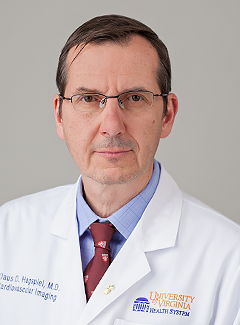 Klaus Hagspiel合作论文数Division of Non-invasive Cardiovascular Imaging, Department of Radiology and Medical Imaging, School of Medicine, University of Virginia3Alan H. Matsumoto合作论文数3
 Stephen J Bickston合作论文数University of Virginia Health System3
 David Spinosa合作论文数3Hilary Sanfey合作论文数3C Spencer合作论文数3J. Lake合作论文数2J. Kevin McGraw合作论文数2N Nezamuddin合作论文数2MJ GAFFEY合作论文数2M Gaffey合作论文数2Minxiu Wang合作论文数2C Driscoll合作论文数2
 James C Boyd合作论文数Department of Pathology, University of Virginia Health System2
 Nancy L. Ascher合作论文数Department of Surgery,University of California,San Francisco2
 Douglas W. Hanto合作论文数HMS Center for Bioethics, Harvard Medical School;VA St. Louis Health Care System2
 Martin D. Jendrisak合作论文数Gift of Hope Organ & Tissue Donor Network2Clinton E. Spencer合作论文数2Michael Sue合作论文数2
 Alessandro Broccoli合作论文数2R.W. Mcgory合作论文数2Lijun Rong合作论文数2Michael S. Caffrey合作论文数Department of Biochemistry, University of Arizona2J. Fritz Angle合作论文数2Ross B. Isaacs合作论文数2Timothy L. Pruett合作论文数Department of Surgery, University of Virginia Health Systems2MA ALI合作论文数1M Lombardero合作论文数1L SCHWERMAN合作论文数1G Hausman合作论文数1suhail khuroo合作论文数1M. Rezeig合作论文数1J.F. Angle合作论文数1Neil A. Ettinger合作论文数1




