The mitochondrial processing peptidase, MPP, resides in the mitochondrial matrix and has an essential role in cleaving the mitochondrial amino-terminal targeting sequence of a large cohort of precursors. Here we describe a chemical genetic screen to identify small molecules that modulate MPP activity. The screen used recombinant MPP and a fluorogenic peptide and yielded two small molecules with different scaffolds that inhibited MPP cleavage activity in vitro. The small molecules did not alter the mitochondrial membrane potential or interfere with respiration. In protein import studies with isolated yeast mitochondria, the import of precursors with cleavable and non-cleavable sequences was inhibited. The import of fumarase, which localizes to the matrix and cytosol, was also inhibited, suggests that the trafficking of dual-localized proteins can be manipulated with small molecules. Overexpression of MPP in yeast increased mitochondrial protein import, suggesting additional roles for MPP in mitochondrial biogenesis in addition to cleavage of the targeting sequence. In biochemical studies, MPP associated with the TIM23 translocon, the protein associated motor, and Complex III in yeast and mammalian cells. In zebrafish studies, the small molecules and knock-down of MPP gave a similar phenotype marked by a delay in pigmentation in addition to abnormal cardiac and somite development. The import of Pink1 was also inhibited, confirming a role for MPP in Pink1 maturation. These studies suggest that small molecule modulators for MPP can be useful for modulating mitochondrial stress pathways and this screen may be adapted to develop mitochondrial precursor-specific inhibitors for MPP.
Diverse protein import pathways into mitochondria use translocons on the outer membrane (TOM) and inner membrane (TIM). We adapted a genetic screen, based on Ura3 mistargeting from mitochondria to the cytosol, to identify small molecules that attenuated protein import. Small molecule mitochondrial import blockers of the Carla Koehler laboratory (MB)-10 inhibited import of substrates that require the TIM23 translocon. Mutational analysis coupled with molecular docking and molecular dynamics modeling revealed that MB-10 binds to a specific pocket in the C-terminal domain of Tim44 of the protein-associated motor (PAM) complex. This region was proposed to anchor Tim44 to the membrane, but biochemical studies with MB-10 show that this region is required for binding to the translocating precursor and binding to mtHsp70 in low ATP conditions. This study also supports a direct role for the PAM complex in the import of substrates that are laterally sorted to the inner membrane, as well as the mitochondrial matrix. Thus, MB-10 is the first small molecule modulator to attenuate PAM complex activity, likely through binding to the C-terminal region of Tim44.
The mitochondrial disulfide relay system of Mia40 and Erv1/ALR facilitates import of the small translocase of the inner membrane (Tim) proteins and cysteine-rich proteins. A chemical screen identified small molecules that inhibit Erv1 oxidase activity, thereby facilitating dissection of the disulfide relay system in yeast and vertebrate mitochondria. One molecule, mitochondrial protein import blockers from the Carla Koehler laboratory (MitoBloCK-6), attenuated the import of Erv1 substrates into yeast mitochondria and inhibited oxidation of Tim13 and Cmc1 in in vitro reconstitution assays. In addition, MitoBloCK-6 revealed an unexpected role for Erv1 in the carrier import pathway, namely transferring substrates from the translocase of the outer membrane complex onto the small Tim complexes. Cardiac development was impaired in MitoBloCK-6-exposed zebrafish embryos. Finally, MitoBloCK-6 induced apoptosis via cytochrome c release in human embryonic stem cells (hESCs) but not in differentiated cells, suggesting an important role for ALR in hESC homeostasis.
 Robert Damoiseaux合作论文数Department of Molecular and Medical Pharmacology, University of California, Los Angeles3
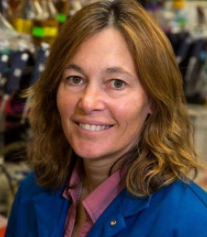 Carla M. Koehler合作论文数Department of Chemistry and Biochemistry, College of Physical Sciences, University of California, Los Angeles;Molecular Biology Institute, University of California, Los Angeles;Jonsson Comprehensive Cancer Center, University of California, Los Angeles3
 Johnson Meghan E合作论文数2
 Samuel Hasson合作论文数2Johannes Zimmerman合作论文数1Eric Torres合作论文数1
 Zhiye Tang合作论文数1
 Deepa Dabir合作论文数1
 Alexander M. Van der Bliek合作论文数Department of Biological Chemistry, David Geffen School of Medicine, University of California1
 Piriya Wongkongkathep合作论文数1
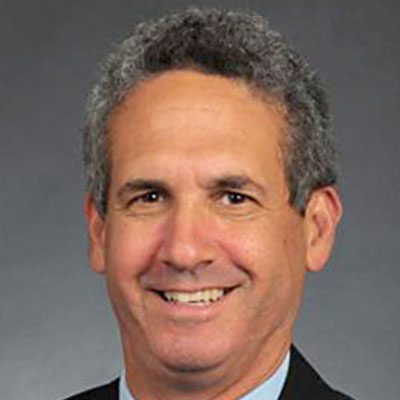 Michael Alan Teitell合作论文数Departments of Pathology & Laboratory Medicine, University of California Los Angeles;Departments of Pediatrics, University of California Los Angeles1
 Non Miyata合作论文数1
 James A. Wohlschlegel合作论文数Department of Biological Chemistry, David Geffen School of Medicine, University of California1
 Chia-En A Chang合作论文数Department of Chemistry, University of California at Riverside1Kiyoko Setoguchi合作论文数1




