Genome-wide association studies (GWAS) are a powerful approach for connecting genotype to phenotype. Most GWAS hits are located in cis-regulatory regions, but the underlying causal variants and their molecular mechanisms remain unknown. To better understand human cis-regulatory variation, we mapped quantitative trait loci for chromatin accessibility (caQTLs)-a key step in cis-regulation-in 1000 individuals from 10 diverse populations. Most caQTLs were shared across populations, allowing us to leverage the genetic diversity to fine-map candidate causal regulatory variants, several thousand of which have been previously implicated in GWAS. In addition, many caQTLs that affect the expression of distal genes also alter the landscape of longrange chromosomal interactions, suggesting a mechanism for long-range expression QTLs. In sum, our results show that molecular QTL mapping integrated across diverse populations provides a high-resolution view of how worldwide human genetic variation affects chromatin accessibility, gene expression, and phenotype.
Pheromones known as cuticular hydrocarbons are a major component of reproductive isolation in Drosophila . Individuals from morphologically similar sister species produce different sets of hydrocarbons that allow potential mates to identify them as a suitable partner. In order to explore the molecular mechanisms underlying speciation, we performed RNA-seq in F1 hybrids to measure tissue-specific cis-regulatory divergence between the sister species D. simulans and D. sechellia . By focusing on cis-regulatory changes specific to female oenocytes, we rapidly identified a small number of candidate genes. We found that one of these, the fatty acid elongase eloF , broadly affects both the complement of hydrocarbons present on D. sechellia females and the propensity of D. simulans males to mate with those females. In addition, knockdown of eloF in the more distantly related D. melanogaster led to a similar shift in hydrocarbons as well as lower interspecific mate discrimination by D. simulans males. Thus, cis-regulatory changes in eloF appear to be a major driver in the sexual isolation of D. simulans from multiple other species. More generally, our RNA-seq approach proved to be far more efficient than QTL mapping in identifying candidate genes; the same framework can be used to pinpoint cis-regulatory drivers of divergence in a wide range of traits differing between any interfertile species.
Spatial patterning of gene expression is a key process in development, yet how it evolves is still poorly understood. Both cis- and trans-acting changes could participate in complex interactions, so to isolate the cis-regulatory component of patterning evolution, we measured allele-specific spatial gene expression patterns in D. melanogaster × simulans hybrid embryos. RNA-seq of cryo-sectioned slices revealed 66 genes with strong spatially varying allele-specific expression. We found that hunchback, a major regulator of developmental patterning, had reduced expression of the D. simulans allele specifically in the anterior tip of hybrid embryos. Mathematical modeling of hunchback cis-regulation suggested a candidate transcription factor binding site variant, which we verified as causal using CRISPR-Cas9 genome editing. In sum, even comparing morphologically near-identical species we identified surprisingly extensive spatial variation in gene expression, suggesting not only that development is robust to many such changes, but also that natural selection may have ample raw material for evolving new body plans via changes in spatial patterning.
Patterning in the Drosophila melanogaster embryo is affected by multiple maternal factors, but the effect of these factors on spatial gene expression has not been systematically analyzed. Here we characterize the effect of the maternal factors Zelda, Hunchback and Bicoid by cryosectioning wildtype and mutant blastoderm stage embryos and sequencing mRNA from each slice. The resulting atlas of spatial gene expression highlights the intersecting roles of these factors in regulating spatial patterns, and serves as a resource for researchers studying spatial patterning in the early embryo. We identify a large number of genes with both expected and unexpected patterning changes, and through integrated analysis of transcription factor binding data identify common themes in genes with complex dependence on these transcription factors.
Genome sequencing has become commonplace, but the understanding of how those genomes ultimately specify cell fate during development is still elusive. Extrapolating insights from deep investigation of a handful of developmentally important Drosophila genes to understanding the regulation of all genes is a major challenge. The developing embryo provides a unique opportunity to study the role of gene expression in pattern specification; the precise and consistent spatial positioning of key transcription factors essentially provides separate transcriptional-readout experiments at a critical point in development. We cryosectioned and sequenced mRNA from single Drosophila melanogaster embryos at the blastoderm stage to screen for spatially-varying regulation of transcription. Expanding on our previous screening of wild type embryos, here we present data from dosage mutants for key maternally provided regulators, including depletion of zelda and hunchback and both over-expression and depletion of bicoid. These data recapitulate all of the expected patterning changes driven by these regulators; for instance, we show spatially-confined up-regulation of expression in the bicoid over-expression condition, and down-regulation of those genes in the bicoid knock-down case, consistent with bicoid’s known function as an anterior-localized activator. Our data highlight the role of combinatorial regulation of patterning gene expression. When comparing changes in multiple conditions, genes responsive to one mutation tend to respond to other mutations in a similar fashion. Furthermore, genes that respond differently to these mutations tend to have more complex patterns of TF binding.
Recently, a number of protocols extending RNA-sequencing to the single-cell regime have been published. However, we were concerned that the additional steps to deal with such minute quantities of input sample would introduce serious biases that would make analysis of the data using existing approaches invalid. In this study, we performed a critical evaluation of several of these low-volume RNA-seq protocols, and found that they performed slightly less well in per-gene linearity of response, but with at least two orders of magnitude less sample required. We also explored a simple modification to one of these protocols that, for many samples, reduced the cost of library preparation to approximately $20/sample.
Recently, a number of protocols extending RNA-sequencing to the single-cell regime have been published. However, we were concerned that the additional steps to deal with such minute quantities of input sample would introduce serious biases that would make analysis of the data using existing approaches invalid. In this study, we performed a critical evaluation of several of these low-volume RNA-seq protocols, and found that they performed slightly less well in metrics of interest to us than a more standard protocol, but with at least two orders of magnitude less sample required. We also explored a simple modification to one of these protocols that, for many samples, reduced the cost of library preparation to approximately $20/sample.
Whole-genome sequencing, particularly in fungi, has progressed at a tremendous rate. More difficult, however, is experimental testing of the inferences about gene function that can be drawn from comparative sequence analysis alone. We present a genome-wide functional characterization of a sequenced but experimentally understudied budding yeast, Saccharomyces bayanus var. uvarum (henceforth referred to as S. bayanus), allowing us to map changes over the 20 million years that separate this organism from S. cerevisiae. We first created a suite of genetic tools to facilitate work in S. bayanus. Next, we measured the gene-expression response of S. bayanus to a diverse set of perturbations optimized using a computational approach to cover a diverse array of functionally relevant biological responses. The resulting data set reveals that gene-expression patterns are largely conserved, but significant changes may exist in regulatory networks such as carbohydrate utilization and meiosis. In addition to regulatory changes, our approach identified gene functions that have diverged. The functions of genes in core pathways are highly conserved, but we observed many changes in which genes are involved in osmotic stress, peroxisome biogenesis, and autophagy. A surprising number of genes specific to S. bayanus respond to oxidative stress, suggesting the organism may have evolved under different selection pressures than S. cerevisiae. This work expands the scope of genome-scale evolutionary studies from sequence-based analysis to rapid experimental characterization and could be adopted for functional mapping in any lineage of interest. Furthermore, our detailed characterization of S. bayanus provides a valuable resource for comparative functional genomics studies in yeast.
Complex spatial and temporal patterns of gene expression underlie embryo differentiation, yet methods do not yet exist for the efficient genome-wide determination of spatial expression patterns during development. In situ imaging of transcripts and proteins is the gold-standard, but it is difficult and time consuming to apply to an entire genome, even when highly automated. Sequencing, in contrast, is fast and genome-wide, but is generally applied to homogenized tissues, thereby discarding spatial information. To take advantage of the efficiency and comprehensiveness of sequencing while retaining spatial information, we cryosectioned individual blastoderm stage Drosophila melanogaster embryos along the anterior-posterior axis and developed methods to reliably sequence the mRNA isolated from each 25 µm slice. The spatial patterns of gene expression we infer closely match patterns previously determined by in situ hybridization and microscopy. We applied this method to generate a genome-wide timecourse of spatial gene expression from shortly after fertilization through gastrulation. We identified numerous genes with spatial patterns that have not yet been described in the several ongoing systematic in situ based projects. This simple experiment demonstrates the potential for combining careful anatomical dissection with high-throughput sequencing to obtain spatially resolved gene expression on a genome-wide scale.
Cytoplasmic dynein is a motor protein that moves processively towards the microtubule minus end. To characterize dynein's step size at both limiting (5 µM) and saturating (1 mM) ATP concentrations, we have improved the temporal resolution of FIONA to 2 milliseconds and tracked the movement of single yeast cytoplasmic dynein motors, each labeled with one quantum dot. In contrast to kinesin, dynein's step size is highly variable, and backwards and sideways steps are frequently observed. As the tail domain takes ∼8 nm steps, the heads advance by taking both short (∼8 nm) and long (∼16 nm) steps. These data indicate that the heads do not move in a strictly alternating manner, as is the case with kinesin and myosin. To further characterize how the dynein heads move relative to each other, we have tracked the movement of both heads simultaneously. To precisely measure the head-head separation vector, we have developed novel small quantum dots (10 nm diameter) that specifically attach to each dynein head. The fluorescent signals of the differently-colored quantum dots attached to dynein are then registered with 2 nm precision. Using this technique, we find the heads to be widely separated, mostly in the off-axis, indicating that the two heads walk along separate filaments. Our two-color stepping data also show that the dynein heads advance mostly by taking alternating steps, as is the case with kinesin. However, the heads may also move independently of each other, and one head may take multiple steps before its partner moves forward. Both the leading head and the trailing head may initiate a step. Taken together, these unprecedented behaviors indicate that cytoplasmic dynein achieves processive movement via a mechanism unique among the molecular motors.
Cytoplasmic dynein is a homodimeric AAA+ motor that transports a multitude of cargos toward the microtubule minus end. How the two catalytic head domains interact and move relative to each other during processive movement is unclear. Here, we tracked the relative positions of both heads with nanometer precision and directly observed the heads moving independently along the microtubule. The heads remained widely separated, and their stepping behavior varied as a function of interhead separation. One active head was sufficient for processive movement, and an active head could drag an inactive partner head forward. Thus, dynein moves processively without interhead coordination, a mechanism fundamentally distinct from the hand-over-hand stepping of kinesin and myosin.
We developed a protocol to measure the bending rigidity of filamentous rod-shaped bacteria. Forces are applied with an optical trap, a microscopic three-dimensional spring made of light that is formed when a high-intensity laser beam is focused to a very small spot by a microscope's objective lens. To bend a cell, we first bind live bacteria to a chemically-treated coverslip. As these cells grow, the middle of the cells remains bound to the coverslip but the growing ends are free of this restraint. By inducing filamentous growth with the drug cephalexin, we are able to identify cells in which one end of the cell was stuck to the surface while the other end remained unattached and susceptible to bending forces. A bending force is then applied with an optical trap by binding a polylysine-coated bead to the tip of a growing cell. Both the force and the displacement of the bead are recorded and the bending stiffness of the cell is the slope of this relationship.
A filamentous cytoskeleton largely governs the physical shape and mechanical properties of eukaryotic cells. In bacteria, proteins homologous to all three classes of eukaryotic cytoskeletal filaments have recently been discovered. These proteins are essential for the maintenance of bacterial cell shape and have been shown to guide the localization of key cell-wall-modifying enzymes. However, whether the bacterial cytoskeleton is stiff enough to affect the overall mechanical rigidity of a cell has not been probed. Here, we used an optical trap to measure the bending rigidity of live Escherichia coli cells. We find that the actin-homolog MreB contributes nearly as much to the stiffness of a cell as the peptidoglycan cell wall. By quantitatively modeling these measurements, our data indicate that the MreB is rigidly linked to the cell wall, increasing the mechanical stiffness of the overall system. These data are the first evidence that the bacterial cytoskeleton contributes to the mechanical integrity of a cell in much the same way as it does in eukaryotes.
Author(s): Combs, Peter Acuna | Advisor(s): Eisen, Michael B. | Abstract: A complex, spatially and temporally dynamic network of gene expression underlies proper metazoan development, yet methods have not previously existed to assay this network in an efficient, systematic manner. Brute-force application of in situ imaging has been used to painstakingly assay the network, but is impractical to apply to assay the complete gene expression network in multiple mutant conditions. Sequencing, in contrast, is fast and genome-wide, but is generally applied to homogenized tissues, discarding any spatial information.In the first phase of my research, I have developed methods for performing mRNAseq to globally profile gene expression in dissected subsets of single Drosophila embryos. The patterns I measure are consistent between replicates, and also faithfully reproduce patterns already known from in situ hybridization experiments. However, the global nature of this experiment also reveals spatial patterning in many genes that have not been successfully assayed, even in relatively large-scale projects. Furthermore, I demonstrate that this can be used across samples from different developmental time points to produce a genome-wide developmental atlas of zygotic gene activation.Because the small sample size of slices of single embryos limited the ability to use standard cDNA library preparation protocols, I next assayed a number of previously published protocols that were specifically designed for minute samples. Previous literature had not addressed whether these protocols would be suitable for reconstructing spatial patterns, and I was particularly concerned that pre-amplification steps would introduce unacceptable non-linearities in the data. Upon analyzing the results, however, I determined that all the protocols I tried were acceptable, and all approximately equally good. I also investigated a few modifications to one of the protocols that reduces the cost of library preparation such that it is no longer the primary limiting factor in terms of number of samples to be sequenced.Finally, with these methods well refined, I have sliced and sequenced embryos with severe genetic perturbations to maternally provided factors at the head of the patterning network. Comparing embryos deficient in the key pioneer factor zelda, I have revealed that this lethal mutant is nevertheless able to correctly produce the majority of gene expression patterns in the wild-type embryo. Embryos lacking the maternally provided activator bicoid show a greater loss of proper patterning, including the surprising result of ubiquitous over-expression of a number of genes. Simple models of local action of bicoid cannot easily account for this change. Surveying bicoid over-expression mutants and hunchback knock-downs has also yielded a large number of unexpected patterning changes. All of these changes recapitulate previously measured patterning changes, but also highlight new avenues to investigate.
 Michael Bruce Eisen合作论文数College of Letters & Science, University of California, Berkeley;Department of Cell Biology, Howard Hughes Medical Institute4
 Ahmet Yildiz合作论文数Department of Molecular & Cell Biology, University of California, Berkeley;Department of Physics, University of California, Berkeley3
 DeWitt Mark A合作论文数3
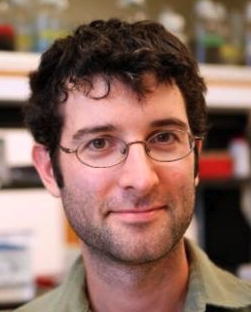 Hunter Fraser合作论文数Department of Biology, School of Humanities and Sciences, Stanford University3
 Siyuan Wang (王思远)合作论文数Department of Genetics, Yale School of Medicine, Yale University;Department of Cell Biology, Yale School of Medicine, Yale University;Translura Inc2
 Joshua Shaevitz合作论文数Department of Physics, Princeton University;Lewis-Sigler Institute for Integrative Genomics, Princeton University2Hugo Arellano Santoyo合作论文数2Kade Pettie合作论文数1Alicia P. Hayes合作论文数1Neil M Khosla合作论文数1Sanford J Silverman合作论文数1samuel dekoven grossberg合作论文数1Megan McClean合作论文数1Yu-Han H Hsu合作论文数Harvard Med Sch, Dept Genet, Boston, MA 02115 USA1Yue Jia合作论文数1
 Amy Chang合作论文数1
 Yufei Liu合作论文数Dept Radiat Oncol, Univ Texas MD Anderson Canc Ctr1
 Sandeep Raj合作论文数Department of Electrical Engineering, Indian Institute of Technology Patna, Bihta, India1
 Irene Kaplow合作论文数MIT, Dept Math, Cambridge, MA 02139 USA1
 Joshua Krupp合作论文数Department of Biology, University of Toronto Mississauga1
 Joel Levine合作论文数Department of Ecology and Evolutionary Biology, Faculty of Arts and Science, University of Toronto1
 Brian Hie合作论文数Massachusetts Institute of Technology1
 Yuanfang Guan合作论文数Department of Computational Medicine & Bioinformatics, Medical School, University of Michigan1
 Coleen Murphy合作论文数Department of Molecular Biology, Princeton University;Lewis-Sigler Institute for Integrative Genomics, Princeton University1
 Cameron A. Myhrvold合作论文数Department of Chemical and Biological Engineering, School of Engineering and Applied Science, Princeton University;Carver Biosciences, Inc1
 Karczewski Konrad J合作论文数Faculty of Applied Physics and Mathematics, Gdańsk University of Technology1Inukai Sachi合作论文数Department of Molecular, Cellular and Developmental Biology, Yale University;New Haven, CT, USA. yasuko.iwakiri@yale.edu;Department of Molecular, Cellular and Developmental Biology, Yale University1
 Samuel Freeman合作论文数The Sohrab Shah Lab, Memorial Sloan Kettering Cancer Center1
 Daniel Gadala-Maria合作论文数Interdepartmental Program in Computational Biology and Bioinformatics, Yale University;Interdepartmental Program in Computational Biology and Bioinformatics, Yale University1
 Bruce E. Cohen合作论文数Molecular Foundry, Lawrence Berkeley National Laboratory1
 Max Valentín Staller合作论文数Department of Molecular and Cell Biology, College of Letters & Science, University of California, Berkeley;Center for Computational Biology, University of California, Berkeley1Xiaobo Ke合作论文数1Glass David合作论文数1Singer Cara合作论文数1
 Bradley Patrick H合作论文数1
 Sarah J. Pfau合作论文数David H. Koch Institute for Integrative Cancer Research and Howard Hughes Medical Institute (HHMI),, Massachusetts Institute of Technology1
 Juan R. Alvarez-Dominguez合作论文数Whitehead Institute for Biomedical Research;Department of Biology, Massachusetts Institute of Technology;Whitehead Institute for Biomedical Research, Massachusetts Institute of Technology1
 Namita Bisaria合作论文数Dept Biochem, Stanford Univ1
 Wolf Ashley R合作论文数Massachusetts General Hospital, Howard Hughes Medical Institute;Department of Systems Biology, Harvard Medical School;Broad Institute;Harvard Medical School, Broad Institute1Gupta Anita合作论文数1Liu Julia C合作论文数1Joe Rokicki合作论文数1
 Trevor Martin合作论文数1Liebowitz Anna合作论文数1Gawande Richa合作论文数1
 Evgeni Frenkel合作论文数1Chen Walter合作论文数1Bush Erin合作论文数1Breunig J Scott合作论文数1




