Understanding how human pancreatic α and β cell electrical activities mature is critical for building fully functional stem cell–derived (SC-) pancreatic organoids for research and therapeutics. We implanted tissue-like, stretchable electronics during organogenesis of human pancreatic organoids, enabling months-long, single cell–resolved electrophysiology. Longitudinal single-cell tracking suggested that improved hormone responsiveness reflects increasing activity of SC-α and -β cells with low and high basal firing, linked to induction of energy and hormone metabolism genes. Daily metabolic entrainment showed that circadian hormone secretion rhythms reflect daily oscillation of SC-α and -β electrical characteristics, tied to induction of cell-cell communication and exocytic gene networks, revealing circadian coordination of cell-level, stimulus-coupled responses. Lastly, we showed that electrical stimulation, via implanted actuators, enhances SC-α and -β glucose responsiveness. Our results establish a bioelectronic framework to trace and modulate functional organoid maturation.
Spatial transcriptomics has revolutionized our understanding of tissue organization by simultaneously capturing gene expression and spatial localization within intact tissues. However, analyzing these increasingly complex datasets requires specialized expertise across computational biology, statistics, and biological context. To address this challenge, we introduce the Spatial Transcriptomics AI Agent (STAgent), an autonomous multimodal agentic AI that integrates multimodal large language models (LLMs) with specialized computational tools to transform weeks-long analysis tasks into minutes of automated processing. Unlike conventional machine learning approaches that are limited to narrow, predefined tasks, STAgent leverages the emergent capabilities of multimodal LLMs - such as flexible reasoning, contextual understanding, and cross-modal integration - which allow it to adapt to novel data, execute multi-step analyses, and generate biologically meaningful insights with minimal human input. STAgent enables autonomous deep research through integrated capabilities, including dynamic code generation for complex analytical workflows, visual reasoning for interpreting spatial patterns, real-time retrieval of relevant peer-reviewd scientific literature, and synthesis of comprehensive, actionable reports. We applied STAgent to investigate the in vivo maturation of human stem cell-derived pancreatic cells (SC-pancreas) transplanted into immunodeficient mice. We generated single-cell spatial transcriptomics data spanning multiple developmental timepoints. STAgent autonomously (1) identified the maturation of initially scattered endocrine cells into well-defined islet-like structures, with predominantly peripheral α-cells surrounding β-cell cores supported by an expanding mesenchymal network; (2) revealed strengthening endocrine-endocrine cell interactions over time and, through context-aware gene set analysis, uncovered spatially resolved biological processes driving maturation; (3) unlike traditional analytical approaches, STAgent offers mechanistic explanations of spatial patterns, contextualizing findings with relevant literatures and developing cohesive insights into human pancreatic development. This agentic approach establishes a new paradigm in spatial transcriptomics analysis by substantially lowering the expertise barrier and reducing analysis time, accelerating biological and biomedical discovery.
The Cullin-3 E3 ligase adaptor protein SPOP targets proteins for ubiquitination and proteasomal degradation. We previously established the β-cell transcription factor (TF) and human diabetes gene PDX1 as an SPOP substrate, suggesting a functional role for SPOP in the β cell. Here, we generated a β-cell-specific Spop deletion mouse strain (Spop βKO) and found that Spop is necessary to prevent aberrant basal insulin secretion and for maintaining glucose-stimulated insulin secretion through impacts on glycolysis and glucose-stimulated calcium flux. Integration of proteomic, TF-regulatory gene network, and biochemical analyses identified XBP1 as a functionally important SPOP substrate in pancreatic β cells. Furthermore, loss of SPOP strengthened the IRE1α-XBP1 axis of unfolded protein response (UPR) signaling. ER stress promoted proteasomal degradation of SPOP, supporting a model whereby SPOP fine-tunes XBP1 activation during the UPR. These results position SPOP as a regulator of β-cell function and proper UPR activation.
Stem cell-derived islet (SC-islet) organoids offer hope for cell replacement therapy in diabetes, but their immature function remains a challenge. Mature islet function requires the β cell circadian clock, yet how the clock regulates maturation is unclear. Here, we show that a circadian transcription factor specific to maturing SC-β cells, DEC1, regulates insulin responsiveness to glucose. SC-islet organoids form normally from DEC1-ablated human pluripotent stem cells, but their insulin release capacity and glucose threshold fail to increase during in vitro culture and upon transplant. This deficit reflects the downregulation of maturity-linked effectors of glucose utilization and insulin exocytosis, blunting glycolytic and oxidative metabolism, and is rescued by increasing metabolic flux. Moreover, DEC1 is needed to boost SC-islet maturity by synchronizing circadian glucose-responsive insulin secretion rhythms and clock machinery. Thus, DEC1 links circadian rhythms to human β cell maturation, highlighting the essential role of circadian control in generating fully functional SC-islet organoids.
Reproducibility in biological research and manufacturing remains constrained by the complexity of multi-step protocols, fragmented data-analysis pipelines, and the intrinsic variability of experimental execution. Here, we present Agentic Lab, an agentic-physical AI platform that unifies large language model and vision language model (LLMs/VLMs)-driven reasoning with real-world laboratory operations. Agentic Lab uses multi-agent orchestration architecture, comprising of specialized subagents for knowledge retrieval, protocol design, multimodal data analysis, and training-free segmentation and representation learning for intrinsically explainable single-cell and organoid phenotyping. These agents operate under the orchestration of a virtual principal investigator MolAgent that is linked to an augmented reality (AR)-based physical AI interface, which can bridge digital reasoning with human physical execution. Agentic Lab perceives real-world experimental activities, provides context-aware instructions, identifying procedural errors in real time for humans to correct, and continuously evolves with its long-term memory database expanding through the accumulation of experimental data logs from human scientists. This interaction allows scientists and AI agents to collaborate and co-evolve dynamically, closing the loop between planning, action, and analysis in the traditional cell and organoid research lifecycle. We demonstrate Agentic Lab in organoid differentiation from human pluripotent stem cells, where it autonomously generates protocols, monitors culture procedures, and identifies subtle morphological heterogeneity linked to growth conditions. The system interprets these phenotypes, grounds them in literature, and proposes targeted instructions for improving differentiation efficiency. By combining multi-agent reasoning with physical laboratory awareness, Agentic Lab transforms experimentation and biomanufacturing from a static workflow into an adaptive, feedback-driven, bidirectional process that integrates agentic AI into the research lifecycle. This framework establishes a foundation for intelligent laboratories that integrate design, execution, and interpretation within a unified agentic-physical system.
How ubiquitous circadian clocks orchestrate tissue-specific outputs is not well understood. Pancreatic β cell-autonomous clocks attune insulin secretion to daily energy cycles, and desynchrony from genetic or behavioral disruptions raises type 2 diabetes risk. We show that the transcription factor DEC1, a clock component induced in adult β cells, coordinates their glucose responsiveness by synchronizing energy metabolism and secretory gene oscillations. Dec1 -ablated mice develop lifelong hypo-insulinemic diabetes, despite normal islet formation and intact circadian Clock and Bmal1 activators. DEC1, but not CLOCK/BMAL1, binds maturity-linked genes that mediate respiratory metabolism and insulin exocytosis, and Dec1 loss disrupts their transcription synchrony. Accordingly, β-cell Dec1 ablation causes hypo-insulinemia due to immature glucose responsiveness, dampening insulin rhythms. Thus, Dec1 links circadian clockwork to the β-cell maturation process, aligning metabolism to diurnal energy cycles.
Flexible electronics implanted during tissue formation enable chronic studies of tissue-wide electrophysiology. Here, we integrate tissue-like stretchable electronics during organogenesis of human stem cell-derived pancreatic islets, stably tracing single-cell extracellular spike bursting dynamics over months of functional maturation. Adapting spike sorting methods from neural studies reveals maturation-dependent electrical patterns of α and β-like (SC-α and β) cells, and their stimulus-coupled dynamics. We identified two major electrical states for both SC-α and β cells, distinguished by their glucose threshold for action potential firing. We find that improved hormone stimulation capacity during extended culture reflects increasing numbers of SC-α/β cells in low basal firing states, linked to energy and hormone metabolism gene upregulation. Continuous recording during further maturation by entrainment to daily feeding cycles reveals that circadian islet-level hormone secretion rhythms reflect sustained and coordinate oscillation of cell-level SC-α and β electrical activities. We find that this correlates with cell-cell communication and exocytic network induction, indicating a role for circadian rhythms in coordinating system-level stimulus-coupled responses. Cyborg islets thus reveal principles of electrical maturation that will be useful to build fully functional in vitro islets for research and therapeutic applications.
Here, we present a protocol for producing 3D pancreatic-like organoids from human pluripotent stem cells in suspension bioreactors. We describe scalable techniques for generating 10,000-100,000 organoids that further mature in 4- 5 weeks into a-and b -like cells with glucose-responsive insulin and glucagon release. We detail procedures for culturing, passaging, and cryopreserving stem cells as suspended clusters and specify growth media and differentiation factors for differentiation. Finally, we discuss functional assays for research appli-cations. For complete details on the use and execution of this protocol, please refer to Alvarez-Dominguez et al.1
Hematopoietic stem cell (HSC) transplantation using umbilical cord blood (UCB) is a potentially life-saving treatment for leukemia and bone marrow failure but is limited by the low number of HSCs in UCB. The loss of HSCs after ex vivo manipulation is also a major obstacle to gene editing for inherited blood disorders. HSCs require a low rate of translation to maintain their capacity for self-renewal, but hematopoietic cytokines used to expand HSCs stimulate protein synthesis and impair long-term self-renewal. We previously described cytokine-free conditions that maintain but do not expand human and mouse HSCs ex vivo. Here we performed a high throughput screen and identified translation inhibitors that allow ex vivo expansion of human HSCs while minimizing cytokine exposure. Transplantation assays show a ~5-fold expansion of long-term HSCs from UCB after one week of culture in low cytokine conditions. Single cell transcriptomic analysis demonstrates maintenance of HSCs expressing mediators of the unfolded protein stress response, further supporting the importance of regulated proteostasis in HSC maintenance and expansion. This expansion method maintains and expands human HSCs after CRISPR/Cas9 editing of the BCL11A+58 enhancer, overcoming a major obstacle to ex vivo gene correction for human hemoglobinopathies.
Additional cell lines showing increased neuroblastoma cell growth following CASC15-S depletion.
Additional expression data for CASC15 isoforms in neuroblastoma cell lines and patients.
Evidence supporting multiple lncRNA transcript isoforms mapping to chromosome 6p22.3.
Depletion of the long isoform of CASC15 does not impact neuroblastoma cell viability.
 Janahan Gnanchandran合作论文数12annalise penikis合作论文数12Olivia Padovan合作论文数12
 Oldridge Derek A合作论文数Div Oncol, Childrens Hosp Philadelphia12
 Mike R. Russell合作论文数Division of Oncology, Children's Hospital of Philadelphia;Division of Oncology, Children's Hospital of Philadelphia12
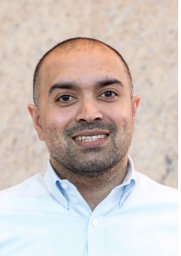 Pichai Raman合作论文数Developmental and Molecular Pathways Department, Novartis Institutes for Biomedical Research;Developmental and Molecular Pathways Department, Novartis Institutes for Biomedical Research12Diamond Maura A合作论文数12McDaniel Lee合作论文数12Javed Khan合作论文数12
 Robert Seeger合作论文数Keck School of Medicine, University of Southern California12
 John M. Maris合作论文数Children's Hospital of Philadelphia;Perelman School of Medicine, University of Pennsylvania;Tantigen Bio12
 Jun Wei (魏峻)合作论文数Department of Radiology
University of Michigan12
Jun Wei (魏峻)合作论文数Department of Radiology
University of Michigan12 Shile Zhang合作论文数School of Computer Science, Fudan University12
 Sharon J Diskin合作论文数Center for Childhood Cancer Research, The Children’s Hospital of Philadelphia Oncology Division12Kristina A. Cole合作论文数12
 Shahab Asgharzadeh合作论文数Division of Hematology/Oncology, and Saban Research Institute, University of Southern California12Yimei Li合作论文数11
 Harvey F. Lodish合作论文数Department of Biology, Massachusetts Institute of Technology;Department of Biological Engineering, Massachusetts Institute of Technology;Whitehead Institute9
 Wenqian Hu合作论文数6
 Qiang Li合作论文数4
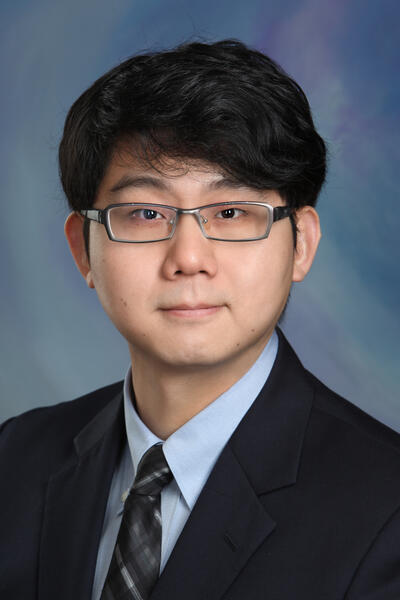 Jia Liu合作论文数John A. Paulson School of Engineering and Applied Sciences, Harvard University;Axoft4
 Douglas Melton合作论文数Department of Stem Cell & Regenerative Biology, Faculty of Arts and Sciences, Harvard University;Harvard Stem Cell Institute, Harvard University;Howard Hughes Medical Institute4Niloofar Rasouli合作论文数3Xinhe Zhang合作论文数3
 Ren Liu合作论文数State Key Laboratory for Mesoscopic Physics, Peking University3
 Marko Knoll合作论文数Roche Diagnostics Europe3Gromatzky Austin A合作论文数3Jacques R. Fresco合作论文数3
 Olga Amosova合作论文数Dept Mol Biol, Princeton Univ3Mai Liu合作论文数2Nikolai Slavov合作论文数2Andrea V Rozo合作论文数2Samuel D. Pollock合作论文数2Jocelyn Charlton合作论文数Harvard Univ, Dept Stem Cell & Regenerat Biol, Cambridge, MA 02138 USA2Bingbing Yuan合作论文数2
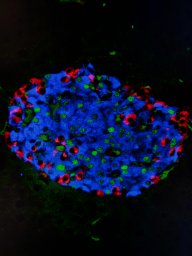 Aharon Helman合作论文数Robert H Smith Fac Agr Food & Environm, Hebrew Univ Jerusalem2
 Nicolai Doliba合作论文数Department of Biochemistry and Biophysics, Perelman School of Medicine, University of Pennsylvania2
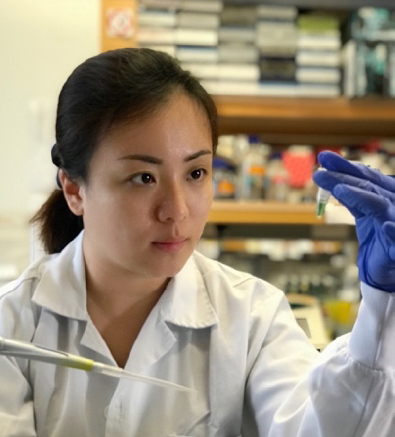 Xu Dan合作论文数Cardiovascular and Metabolic Disorders, Duke-NUS Medical School2
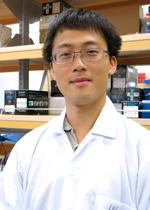 Sun Lei合作论文数Cardiovascular and Metabolic Disorders, Duke-NUS Medical School2Straubhaar Juerg合作论文数2Jae-Yong Lee合作论文数Dept. of Mech. Eng., Yonsei Univ.;c;Dept. of Mech. Eng., Yonsei Univ.2
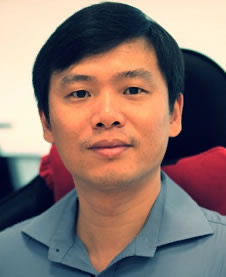 Peng Chen合作论文数School of Chemistry, Chemical Engineering and Biotechnology, Nanyang Technological University2Kenty Jennifer H R合作论文数2
 Alexander Meissner合作论文数Department of Genome Regulation, Max Planck Institute for Molecular Genetics;Harvard University2Julie Donaghey合作论文数2Yen Ching Lim合作论文数2Doris A. Stoffers合作论文数2hanna shin合作论文数1Sook Yoong Chia合作论文数1




