Disruptive change affecting information industry entails not only a loss of influence over society but also implies the proliferation of all kind of doubtful veracity contents that contribute to undermine the solidity of democratic institutions on an international scale and in the European Union in particular. The analysis of a project such as IJ4EU allows a better understanding of the singularities that collaborative investigative journalism adopts nowadays as a formula to increase efficiency in the flow of cross-border news content and the quality of journalism and as an initiative that transcends the concrete fact of the mere informative action and enters into the strengthening of democracy betting on the generation of deep changes in the methods of working and in the very structure of the system that must occur in the mid and long term.
La transformación de naturaleza disruptiva que incide sobre la industria de la información conlleva no sólo una pérdida de influencia sobre la sociedad, sino que implica la proliferación de todo tipo de contenidos de dudosa veracidad que contribuyen a horadar la solidez de las instituciones democráticas a escala internacional y en la Unión Europea en particular. El análisis de un proyecto como IJ4EU permite una mejor comprensión de las singularidades que hoy en día adopta el periodismo colaborativo de investigación como fórmula para incrementar la eficiencia en el flujo de contenidos noticiosos cross-border y la calidad del periodismo y como una actuación que trasciende el hecho concreto de la mera acción informativa y se adentra en el fortalecimiento de la democracia apostando por la generación de cambios profundos en los modos de trabajo y en la propia estructura del sistema que han de producirse en el medio y largo plazo.
Starting from the analysis of the programmes and the production strategies of two of the biggest podcast platforms in Spanish (Cuonda and Podium Podcast), this research explores in depth how the rise of this format for distributing audio content is playing a key role in recovering and renewing the audio feature genre. This type of content, in disuse in speech-based radio broadcasting in recent decades, has ended up being strategic for new platforms, as it combines investigative journalism with aesthetic and narrative resources usually associated with radio drama, such as seriality, recreations and the design of sound atmospheres.
Durante las últimas tres décadas, el reportaje, uno de los géneros periodísticos más ricos y mejor adaptados al mundo sonoro, ha ido quedando orillado en las parrillas de programación de las radios generalistas españolas por muy diversas razones. Sin embargo, el rápido desarrollo del podcasting podría suponer el final de este aletargamiento. Justamente, la propuesta periodística de Podium Podcast, la red global de pódcast nativo en español promovida por la división de radio del Grupo PRISA, estaría desempeñando un papel destacado en este cambio de tendencia. Así, en este trabajo se estudia hasta qué punto la emergencia de este nuevo formato de audio estaría influyendo en la recuperación del reportaje sonoro, a la vez que evalúa la oferta de esta plataforma en lo que a este género se refiere. Para ello, se ha empleado una metodología mixta, cuantitativa-cualitativa, con un extenso análisis de la propuesta de reportajes de Podium Podcast y una entrevista en profundidad con su principal responsable. Fruto de esa investigación se han obtenido resultados de interés, tanto en lo que se refiere a la recuperación de este género periodístico, como a su renovación, puesto que estaría mutando, al incorporar técnicas y características propias de la ficción sonora o del ámbito audiovisual (cine y televisión). Además, también se ha conseguido información de interés acerca de las técnicas de distribución y las vías de monetización más frecuentes en este tipo de producciones.
The information projects related to the third generation of digital native cybermedia in Spain are backing different business models to deal with the considerable challenges of a market that has reached an appropriate degree of maturity for its profitability and that includes increasing levels of competitiveness with the appearance of new stakeholders from outside this industry.
Hace más de un cuarto de siglo que los periódicos están buscando su hueco en la sociedad. Lo perdieron cuando la tecnología se hizo digital y facilitó la manera de crear, producir y enviar contenidos. Entre los medios digitales y los lectores no hay una relación de igualdad, ni de necesidad, ni siquiera de interés por la información, porque la mayoría la encuentran en otros sitios de Internet. La transformación tecnológica a la que se han visto sometidos es tan solo la punta del iceberg al que se enfrentan en la actualidad. Los cambios no son solo tecnológicos, sino económicos, financieros para el medio, sociales y de credibilidad. Este último está de moda entre la comunidad científica, por la gran cantidad de contenidos falsos que circulan en las redes y también en algunos periódicos. Hay que recuperar la confianza en los medios de comunicación. El presente artículo tiene como objetivo evaluar las fuentes documentales que se emplean en los periódicos digitales para verificar las informaciones. Para ello, se hace un estudio de los medios digitales españoles y la utilización de sus redes sociales.
The growing expansion of Internet access and mass-scale usage of social networking platforms and search engines have forced digital newspapers to deal with challenges, amongst which are the need to constantly update news, the increasing complexity of sources, the difficulty of exercising their function as gatekeepers in a fragmented environment in which the opinions, biases and preconceptions of pundits, their followers, Twitter users, etc. has taken on a new and decisive weight and the mounting pressure to publish certain news items simply because they sell. They must also share audiences with aggregators devoted to the business of disseminating content produced by digital news publishers, blogs and RSS feeds, which is chosen on the basis of search engine algorithms, the votes of users or the preferences of readers. The fact that these computerized systems of news distribution seldom employ the criteria upon which journalism is based suggests that the work of gatekeeping is being reframed in a way that progressively eliminates journalists from the process of deciding what is newsworthy. This study of these trends has entailed a 47 point assessment of 30 news aggregators currently providing syndicated content and eight semi-structured interviews with editors of quality mass-distribution digital newspapers published in the U.S., Spain and Portugal. La creciente expansión del acceso a Internet y el uso masivo de las plataformas de redes sociales y los motores de búsqueda han obligado a los medios digitales a enfrentarse a desafíos como la necesidad de actualizar constantemente las noticias, la creciente complejidad de las fuentes, la dificultad de ejercer su función de «gatekeeper» en un entorno fragmentado en el que las opiniones, los prejuicios y las ideas preconcebidas de los expertos y sus seguidores, los usuarios de Twitter, etc. han adquirido un peso nuevo y decisivo, y la creciente presión para publicar ciertas noticias simplemente porque venden. Tienen además que compartir audiencias con agregadores cuyo negocio consiste en difundir contenido producido por editores de noticias digitales, blogs y «feeds» RSS, que hacen la selección basándose en algoritmos de búsqueda, en los votos de los usuarios o en las preferencias de los lectores. El hecho de que estos sistemas computarizados de distribución de noticias rara vez tienen en cuenta criterios periodísticos sugiere que ese trabajo de selección se está replanteando de tal manera que se va eliminando progresivamente a los periodistas del proceso de decidir lo que tiene interés periodístico. Este estudio sobre las tendencias descritas se ha llevado a cabo mediante la evaluación de 47 parámetros en 30 agregadores de noticias que actualmente ofrecen contenido sindicado, y se ha completado con ocho entrevistas semiestructuradas con editores de medios digitales de calidad y de difusión elevada publicados en los EEUU, España y Portugal.
The information industry began to use algorithms in its production processes as a result of the generalization of this kind of tools in the large corporations dominating the current digital economy ; and in the areas of content search, social networks or electronic commerce. This research examines the process of gradual implementation of this technology in Spanish cybermedia through the analysis of the four that have the largest number of unique visitors on its website. The aspects related to the application of algorithms in the distribution and generation of content and in the relationship with audiences and advertisers is examined.
Más de dos décadas después de que los periódicos impresos empezaran a verse amenazados por los formatos digitales, parece conveniente estudiar la situación actual tanto en lo que se refiere a la producción y actualización de contenidos como en la forma en la que atraen y fidelizan a los lectores que, en un porcentaje elevado, prefieren las redes sociales. Este proceso no sólo afecta a los medios de comunicación porque todo se vuelve digital: libros, electrodomésticos, compras y, sobre todo, la forma de vivir. Y la adaptación a los nuevos entornos está resultando más difícil que en otras revoluciones industriales. El objetivo de este trabajo es analizar algunas de las causas que han llevado a los periódicos a esta situación que incide negativamente no sólo en los redactores sino en todas las personas que trabajan en los medios, y nos lleva a determinar el número de actualizaciones, las horas, la semana y las secciones más activas dentro del periódico digital. Pero además de los retos tecnológicos, este artículo evalúa el entorno de la lectura, la dificultad que tiene los periódicos, también los digitales, para atraer la atención de los lectores, que tienen su propia percepción respecto a los medios.
More than two decades after printed newspapers began to be threatened by digital formats, it seems appropriate to study the current situation both in terms of the production and updating of content and the way in which they attract and retain readers who predominantly prefer social networks. This process not only affects the media since everything is becoming digital: books, appliances, shopping and, above all, lifestyle. And adapting to new environments is becoming more difficult than in other industrial revolutions. The objective of this paper is to analyse some of the causes that have brought newspapers to this situation that negatively affects not only editors but everyone working in the media, and that study suppose to the calculation of the number of most active updates, hours, week and the sections within the digital newspapers. In addition to the technological challenges, this article shall also assess the reading environment, the difficulty that newspapers have, digital formats included, in attracting the attention of readers, who have their own perception of the media.
Introduction: Augmented reality technology is a combination of the real world and the virtual world through a set of processes based on software and multimedia documentation storage possibilities provided by the new information and communication technologies. Methodology: This article focuses on the analysis of the use that Spanish media are making of this innovation. Firstly, we have examined the pioneering experiences of the newspaper El Pais (through its publication El Viajero) and the magazine Fotogramas, mainly based on the QR technology of two-dimensional codes; next, we have proceeded to study the phenomenon from the development apps on mobile devices such as tablets and / or smartphones (in Apple, Android and Windows environments), highlighting their actual reach to date from today; and, finally, we have analysed the short and medium-term experiments based on this innovation that are being carried out in the main Labs belonging to Spanish journalistic companies. Results and conclusions: The results of the research shows that augmented reality is still taking its first steps in information market, both on an international scale and even more pronounced in Spain. The vast majority of these experiences do not encompass the complex technological infrastructure necessary to launch such projects, so, its real development in information industry will be possible with a new generation of physical devices that, in combination with more powerful hardware platforms and specifically designed software, will achieve the integration of real and virtual elements. However, in the medium and a long term it is outlining a scenario in which it is necessary to quantify what is the true deontological impact that the implementation of the augmented reality has in the flow of informative contents generated by information companies, as well as which will have the levels of protection of the data supplied by users of this technology to companies that provide content and services.
Introduction: Augmented reality technology is a combination of the real world and the virtual world through a set of processes based on software and multimedia documentation storage possibilities provided by the new information and communication technologies. Methodology: This article focuses on the analysis of the use that Spanish media are making of this innovation. Firstly, we have examined the pioneering experiences of the newspaper El País (through its publication El Viajero) and the magazine Fotogramas, mainly based on the QR technology of two-dimensional codes; next, we have proceeded to study the phenomenon from the development apps on mobile devices such as tablets and / or smartphones (in Apple, Android and Windows environments), highlighting their actual reach to date from today; and, finally, we have analysed the short and medium-term experiments based on this innovation that are being carried out in the main Labs belonging to Spanish journalistic companies. Results and conclusions: The results of the research show that augmented reality is still taking its first steps in information market, both on an international scale and even more pronounced in Spain. The vast majority of these experiences do not encompass the complex technological infrastructure RLCS, Revista Latina de Comunicación Social, 72 – Pages 1.670 to 1.688 [Research] [Funded] | DOI:10.4185/RLCS-2017-1240en| ISSN 1138-5820 | Year 2017 http://www.revistalatinacs.org/072paper/1240/90en.html Página 1671 necessary to launch such projects, so, its real development in information industry will be possible with a new generation of physical devices that, in combination with more powerful hardware platforms and specifically designed software, will achieve the integration of real and virtual elements. However, in the medium and a long term it is outlining a scenario in which it is necessary to quantify what is the true deontological impact that the implementation of the augmented reality has in the flow of informative contents generated by information companies, as well as which will have the levels of protection of the data supplied by users of this technology to companies that provide contents and services.
The objective of the research reported in this article was to analyse and quantify the narrative techniques employed in videos embedded in the home pages of five Spanish online newspapers. For the purpose of tracing the evolution of the approaches taken by these digital dailies away from the traditional narrative models used in television production, two separate study samples representing video reporting published online in 2011 and 2014 were examined. Findings show that material outsourced from agencies largely comprised short videos with voiceovers that conformed to the narrative structures of traditional journalism whereas those produced in-house by the five online dailies studied offered an innovative model that borrowed freely from other genres, involved longer stories supported by sound bites rather than voiceovers and were structured along lines other than those of the classic inverted pyramid.
In an attempt to improve the proposals of information, the spanish media, through documentation centers, adapt to new times. A tour of the latest advances in information and documentation allows readers tostand in front of the challenges and tasks to build good information. This textals odiscusses the use of the documentation by the spanish journalists, as well as the operation oftheir documentation centers, which the documentary service environment and its influence is valued information in a survey through the Press Association of Madrid. Another objective is to know the use of other sources of information and databases that journalists needed to develop quality content. Finally reporters indicating the value to the mof social networks Twitter, Facebook and LinkedInare asked.
This paper quantifies and analyzes the evolution of audiovisual production of five Spanish digital newspapers: abc.es, elconfidencial.com, elmundo.es, elpais.com and lavanguardia.com. So have been studied videos published on the five cover for four weeks (fourteen days in November 2011 and another fourteen in March 2014). This diachronic perspective has revealed a remarkable contradiction in online media about audiovisual products. Even with very considerable differences between them, the five analyzed media increasingly publish videos. They do it in in the most valued areas of their homepages. However, is not perceived in them a willingness to engage firmly
This paper quantifies and analyzes the evolution of audiovisual production of five Spanish digital newspapers: abc.es, elconfidencial.com, elmundo.es, elpais.com and lavanguardia. com. So have been studied videos published on the five cover for four weeks (fourteen days in November 2011 and another fourteen in March 2014). This diachronic perspective has revealed a remarkable contradiction in online media about audiovisual products. Even with very considerable differences between them, the five analyzed media increasingly publish videos. They do it in in the most valued areas of their homepages. However, is not perceived in them a willingness to engage firmly and decisively in an audiovisual production with recognizable quality criteria and with personality.
The principal aim of this paper is to analyze qualitatively the audiovisual production office Spanish digital newspapers: elmundo.es, elpais.com, abc.es, elconfidencial.com y lcutanguardia.com. We intend to establish similarities and differences in the audiovisual production of the classic television. Through two fieldworks (Novenzber 2010 and March 2014), it is found that the increasing contribution, of news agencies maintains for content, structures and styles the connection, with broadcast journalism, while the outside production usually generates videos very different from the usual videos in broadcast journalism. Special attention should own production, which is an interesting source of experimentation and innovation for online media analyzed.
El objetivo fundamental de este trabajo es analizar cualitativamente la producción audiovisual de cinco cibermedios españoles: elmundo.es, elpais.com, abc.es, elconfidencial.com y lavanguardia.com. Se pretende establecer una tipología de los vídeos publicados por estos medios para plantear similitudes y diferencias respecto a la producción audiovisual de la televisión clásica. A través de dos trabajos de campo (noviembre de 2010 y marzo de 2014), se constata que la creciente aportación de las agencias de noticias mantiene la conexión –por contenidos, estructuras y estilos– con el periodismo televisivo, mientras que el resto de producción ajena suele generar piezas muy alejadas de los cánones periodísticos audiovisuales. Especial atención merece la producción propia, que constituye un interesante banco de experimentación e innovación en los cibermedios analizados.
 David Parra Valcarce合作论文数Universidad Complutense de Madrid;Facultad de Ciencias de la Información;Facultad de Ciencias de la Información, Universidad Complutense de Madrid17
 Juan Carlos Marcos Recio合作论文数12
 Jesus Miguel Flores-Vivar合作论文数Complutense University of Madrid9
 Javier Mayoral合作论文数Univ Complutense Madrid4
 Guillermo Lopez Garcia合作论文数university of valencia4
 Koldobika Meso Ayerdi合作论文数Universidad del País Vasco4
 Ainara Larrondo Ureta合作论文数Programa de Formación de Investigadores del Gobierno Vasco4
 Javier Díaz-Noci合作论文数4
 Mar Iglesias-Garcia合作论文数Universitat d'Alacant4Juan C. Marcos合作论文数3
 alejandro rost合作论文数Univ Nacl Comahue3
 Lyudmyla Yezers'ka合作论文数Univ Piura3
 Ana Serrano Telleria合作论文数Fac Comunicac, Univ Castilla La Mancha3
 Pedro Jeronimo合作论文数LabCom Comunicacao & Artes, Univ Beira Interior3Miladys Rojano合作论文数3
 Elvira Garcia de Torres合作论文数3
 Elias Said Hung合作论文数3
 Mabel Calderin合作论文数Centro de Investigación de la Comunicación;Universidad Católica Andrés;Centro de Investigación de la Comunicación, Universidad Católica Andrés3
 Carlos Arcila Calderon合作论文数Monitoreo3jose larranaga zubizarreta合作论文数2
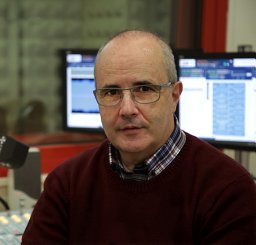 Jose Maria Legorburu Hortelano合作论文数Univ San Pablo CEU2
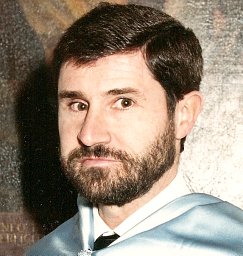 pedro garciaalonso合作论文数complutense university of madrid2
 jose alvarez marcos合作论文数Grp Invest Estrategias Comunicac, Univ Seville2
 Pere Masip合作论文数Blanquerna Sch Commun & Int Relat, Univ Ramon Llull2
 Rodrigues Catarina合作论文数2Jaime Alonso合作论文数2Pedro Antonio Rojo合作论文数2
 Loreto Corredoira合作论文数2
 Xosé Pereira-Fariña合作论文数2Celia Fernández Rivera合作论文数2
 Aurora Garcia Gonzalez合作论文数2
 Manuel Gago合作论文数Universidad de Santiago de Compostela;Universidad de Sevilla;Universitat de València;Universidad de Sevilla, Universitat de València2
 Idoia Portilla合作论文数2
 Juan Yunquera Nieto合作论文数Dept Journalism & Audio Visual Commun, Univ Carlos III Madrid1Javier Mayoral Sanchez合作论文数1Bastos Helder Novais合作论文数Life and Health Sciences Research Institute (ICVS), University of Minho Braga1
 Jose Luis Orihuela合作论文数1
 Bella Palomo合作论文数Universidad de Málaga;Facultad de Ciencias de la Comunicación;Facultad de Ciencias de la Comunicación, Universidad de Málaga1
 Xose Lopez Garcia合作论文数Departamento de Ciencias de la Comunicación, Universidad de Santiago de Compostela1
 Elea Gimenez Toledo合作论文数Centre for Human and Social Sciences, Spanish National Research Council1
 Charo Sadaba合作论文数Universidad de Navarra1
 Ramon Salaverria合作论文数Profesor de la Facultad de Comunicación;Director del Laboratorio de Comunicación Multimedia;Universidad de Navarra;Director del Laboratorio de Comunicación Multimedia, Universidad de Navarra1
 David Domingo合作论文数Department of Ecology;Allied Technology Group;Department of Ecology|Allied Technology Group1Marita Otero合作论文数1
 Maria Angeles Cabrera合作论文数1
 Juan Miguel Aguado合作论文数Universidad de Murcia1




