Pyranocoumarins are a characteristic class of pyranophenolic compounds predominantly found in plants of the Moraceae, Umbelliferae, and Rutaceae families. These pyranophenolics not only exhibit diverse physiological activities, but also have a wide range of pharmacological activities such as anti-cancer, anti-spasmatic, and anticoagulant. However, the biosynthetic mechanism of pyranocoumarins, especially the formation mechanism of the pyran core in the final step, remains unclear. It was hypothesized the pyran core is formed by dehydration of decursinol after oxidation and cyclization of demethylsuberosin. Here we characterized a berberine bridge enzyme (BBE)-like enzyme namely FcBBElike4 from Ficus carica. FcBBElike4 could catalyze direct cyclization of 6- and 8-isoprenyl coumarins into corresponding pyranocoumarins, which functionally characterized as an oxidocyclase (OC). This finding elucidated the final step in the biosynthetic pathway for pyranocoumarins. The catalytic mechanism of FcBBElike4 was investigated and a general key active site of aspartic acid residue determining the cyclization activity of BBE-like enzymes was identified. Diverse BBE-like enzymes with diene synthesis activities were mined and further engineered into rare OCs with high catalytic activity and broad substrate spectra. What is more, an enzymatic approach to synthesize pyranophenolics was constructed based on engineered OCs and applied in the synthesis of drug molecules. This study not only elucidates the key biosynthetic steps of pyranocoumarins but also offers insights into engineering common BBE-like enzymes into rare and useful OCs.
Industrial wastewater, petroleum pollution and plastic contamination are significant threats to global marine biosecurity because of their toxic, mutagenic and persistent nature1. The use of microorganisms in bioremediation has been constrained by the complexity of organic pollutants and limited tolerance to saline stress2. In this study, we used synthetic biology to engineer Vibrio natriegens into a strain capable of bioremediating complex organic pollutants in saline wastewater and soils. The competence master regulator gene tfoX was inserted into chromosome 1 of the V. natriegens strain Vmax and overexpressed to enhance DNA uptake and integration. Degradation gene clusters were chemically synthesized and assembled in yeast. We developed a genome engineering method (iterative natural transformation based on Vmax with amplified tfoX effect) to transfer five gene clusters (43 kb total) into Vmax. The engineered strain has the ability to bioremediate five organic pollutants (biphenyl, phenol, naphthalene, dibenzofuran and toluene) covering a broad substrate range, from monocyclic to multicyclic compounds, in industrial wastewater samples from a chlor-alkali plant and a petroleum refinery.
In recent years, the world has faced significant challenges with the coronavirus disease 2019 (COVID-19) pandemic, as well as other infectious diseases such as Zika and Ebola. Furthermore, the rapid rise of non-communicable diseases such as diabetes, heart disease, and cancer has placed tremendous strain on healthcare resources and systems. Unfortunately, advancements in drug development, diagnostics, and therapeutics have struggled to keep pace with the emergence and progression of diseases, necessitating the exploration of new technologies for the discovery and development of biomedicines and biotherapies. Synthetic biology, a revolutionary field in modern science, holds great promise in advancing drug development and disease treatment. This review provides a comprehensive overview of recent developments in the application of synthetic biology to medicine, with a specific focus on its role in drug discovery, drug production, and the diagnosis and treatment of various diseases.
Ubiquitously distributed microorganisms are natural decomposers of environmental pollutants. However, because of continuous generation of novel recalcitrant pollutants due to human activities, it is difficult, if not impossible, for microbes to acquire novel degradation mechanisms through natural evolution. Synthetic biology provides tools to engineer, transform or even re-synthesize an organism purposefully, accelerating transition from unable to able, inefficient to efficient degradation of given pollutants, and therefore, providing new solutions for environmental bioremediation. In this review, we described the pipeline to build chassis cells for the treatment of aromatic pollutants, and presented a proposal to design microbes with emphasis on the strategies applied to modify the target organism at different level. Finally, we discussed challenges and opportunities for future research in this field.
The present invention provides a Diels-Alderase and use thereof, and belongs to the field of gene engineering technology. The Diels-Alderase is MaDA, and its amino acid sequence and gene sequence are represented by SEQ ID Nos. 1 and 2, respectively. The present invention also provides MaDA-1 and MaDA-2, both of which are homologous proteins of MaDA, and their amino acid sequences are represented by SEQ ID Nos. 10 and 12, respectively. The present invention has discovered that MaDA and its homologous proteins from Morus alba can stereospecifically synthesize natural products of endo configuration, and prepare D-A type natural products and their analogs in vitro using chalcones and dehydroprenyl-containing compounds as substrates, which helps to develop and utilize the medicinal value of such natural products, and also provides a possibility to synthesize other six-membered ring-containing important chemical precursors or natural products.
Six new Diels-Alder type adducts, morusalisins A-F (1-6), were isolated from Morus alba cell cultures. The structures of 1-6 were determined by extensive spectroscopic data analysis, including HRESIMS, NMR, and ECD experiments. Furthermore, compounds 1-6 exhibited potent protein tyrosine phosphatase 1B (PTP1B) inhibitory activity with IC50 values ranging from 1.14 to 2.24 mu M, making them promising as bioactive compounds for antidiabetic drug discovery.
The Diels-Alder reaction is one of the most powerful and widely used methods in synthetic chemistry for the stereospecific construction of carbon-carbon bonds. Despite the importance of Diels-Alder reactions in the biosynthesis of numerous secondary metabolites, no naturally occurring stand-alone Diels-Alderase has been demonstrated to catalyse intermolecular Diels-Alder transformations. Here we report a flavin adenine dinucleotide-dependent enzyme, Morus alba Diels-Alderase (MaDA), from Morus cell cultures, that catalyses an intermolecular [4+2] cycloaddition to produce the natural isoprenylated flavonoid chalcomoracin with a high efficiency and enantioselectivity. Density functional theory calculations and preliminary measurements of the kinetic isotope effects establish a concerted but asynchronous pericyclic pathway. Structure-guided mutagenesis and docking studies demonstrate the interactions of MaDA with the diene and dienophile to catalyse the [4+2] cycloaddition. MaDA exhibits a substrate promiscuity towards both dienes and dienophiles, which enables the expedient syntheses of structurally diverse natural products. We also report a biosynthetic intermediate probe (BIP)-based target identification strategy used to discover MaDA.
Morusalones A-D (1-4), a new class of Diels-Alder adducts featuring unprecedented 6/7/6/6/6/6 hexacyclic core skeletons with a unique bridged cycloheptenone ring, were isolated from Morus alba cell cultures. The biosyntheses for 1-4 were proposed through an unusual Diels-Alder cycloaddition with quinostilbenes as dienophiles and prenyl 2-phenylbenzofuran as a diene to yield the typical methylhexene unit and a rare intramolecular nucleophilic addition to form the cycloheptenone ring. Compounds 1-4 exhibited protein tyrosine phosphatase 1B inhibitory activity.
目的 从桑Morusalba悬浮培养细胞中分离Diels-Alder型加合物.方法 采用硅胶柱色谱、Sephadex LH-20凝胶柱色谱、C18柱色谱以及半制备高效液相等多种色谱方法进行分离纯化,结合其理化数据和NMR、MS、ECD等波谱数据鉴定化合物结构.结果 从桑悬浮培养细胞78%乙醇提取物的醋酸乙酯萃取部分中共分离得到8个化合物,分别鉴定为蒙桑素H(1)、川桑素J(2)、蒙桑素F(3)、桑呋喃G(4)、artonin D(5)、桑酮R(6)、川桑素C(7)及桑呋喃E(8).结论 化合物1~8均为Diels-Alder型加合物,具有中等细胞毒活性,其中1和2为新化合物.
 Jungui Dai (戴均贵)合作论文数Institute of Materia Medica, Peking Union Medical College6
 Jimei Liu合作论文数5Junbiao Dai (戴俊彪)合作论文数5
 Kebo Xie (解可波)合作论文数Institute of Materia Medica, Chinese Academy of Medical Sciences4
 Ridao Chen合作论文数3Lei Gao合作论文数3
 Hongzhi Tang (唐鸿志)合作论文数State Key Laboratory of Microbial Metabolism, School of Life Sciences and Biotechnology, Shanghai Jiao Tong University3
 Yu Zhou合作论文数2manabu shimazaki合作论文数2runze tian合作论文数2Ruishan Wang合作论文数State Key Laboratory Breeding Base of Dao-di Herbs, National Resource Center for Chinese Materia Medica,China Academy of Chinese Medical Sciences Beijing 100700, China.2Qianqian Guo合作论文数2Liyun Zhang合作论文数2
 Luqi Huang (黄璐琦)合作论文数National Resource Center for Chinese Materia Medica, China Academy of Chinese Medical Sciences;Nanjing University of Chinese Medicine;National Administration of Traditional Chinese Medicine2
 Chengwei Liu (刘成伟)合作论文数东北林业大学生命科学学院2
 She Chen (陈涉)合作论文数Proteomics Center, National Institute of Biological Sciences, Beijing2
 Shuming Chen合作论文数2
 Xiao-Yu Tao合作论文数2
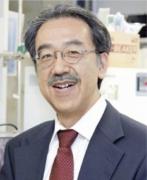 Hideaki Oikawa (及川英秋)合作论文数Department of Chemistry, Faculty of Science, Hokkaido University2Yoshio Hano合作论文数2
 Weiwei Wang (王薇薇)合作论文数School of Pharmacy, Shanghai Jiao Tong University2
 Niu Huang (黄牛)合作论文数National Institute of Biological Sciences, Beijing;Tsinghua Institute of Multidisciplinary Biomedical Research, Tsinghua University2
 Fei Ye (叶菲)合作论文数Department of Pharmacology, Institute of Materia Medica, Peking Union Medical College;Beijing Key Laboratory of New Drug Mechanisms and Pharmacological Evaluation Study, Institute of Materia Medica, Peking Union Medical College2Xiaolin Zhang (张晓琳)合作论文数2
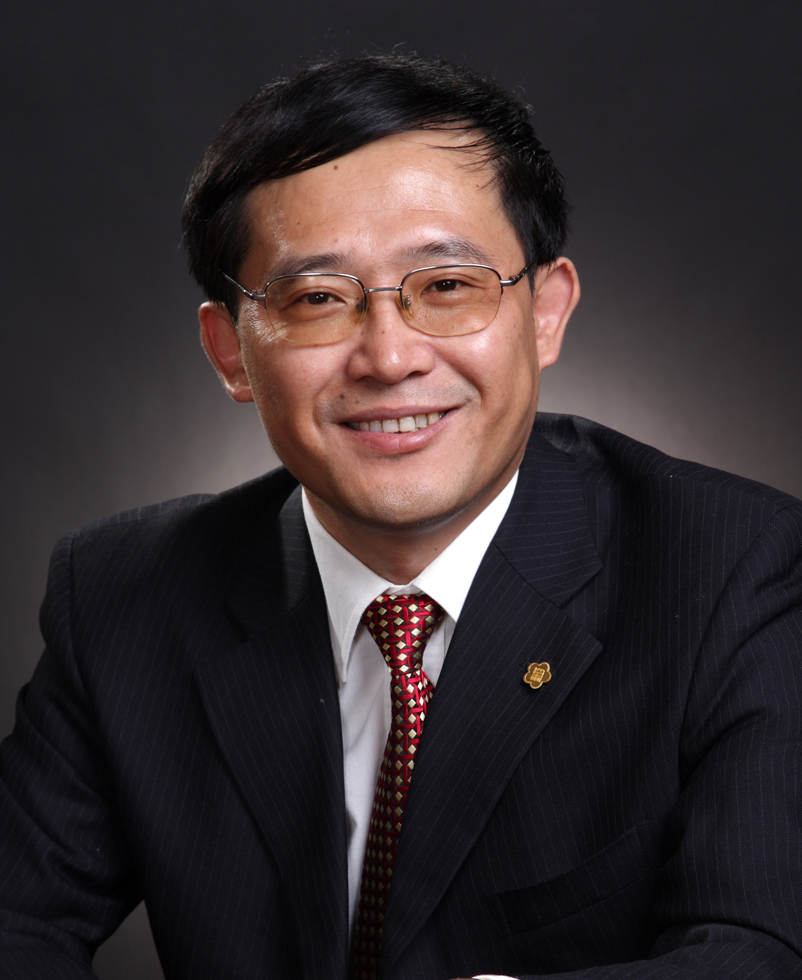 Ping Xu (许平)合作论文数State Key Laboratory of Microbial Metabolism, Shanghai Jiaotong University;Department of Bioengineering, School of Life Sciences and Biotechnology, Shanghai Jiaotong University2Dawei Chen (陈达炜)合作论文数2
 Xiaoguang Lei (雷晓光)合作论文数College of Chemistry and Molecular Engineering, Peking University;Center For Life Sciences;Shenzhen Bay Laboratory2Jinying Tian合作论文数2Atsushi Minami合作论文数2Yangyang Duan合作论文数1Chen Wang合作论文数1Guobin Mao合作论文数1Changkang Li合作论文数1Jiawei Sun合作论文数1Liang Xiang合作论文数1Wen-Yu Du合作论文数1Xiaojing Liu合作论文数1
 Yingxin Ma (马英新)合作论文数中国科学院大学中国科学院深圳先进技术研究院1Shuangying Jiang (姜双英)合作论文数1
 Peicheng Zhang (张培成)合作论文数Institute of Materia Medica, Chinese Academy of Medical Sciences1
 Lanping Guo (郭兰萍)合作论文数Institute of Chinese Materia Medica, China Academy of Chinese Medical Sciences;Anhui University of Chinese Medicine1
 Chunmei Wang (王春梅)合作论文数Dongzhimen Hospital, Beijing University of Chinese Medicine1Wen Luan合作论文数National Institute of Child Health and Human Development, National Institutes of Health1Du Xiaoxia合作论文数1
 Yong Liu合作论文数1
 Xiaoxia Du (杜小霞)合作论文数School of Psychology, Shanghai University of Sport1
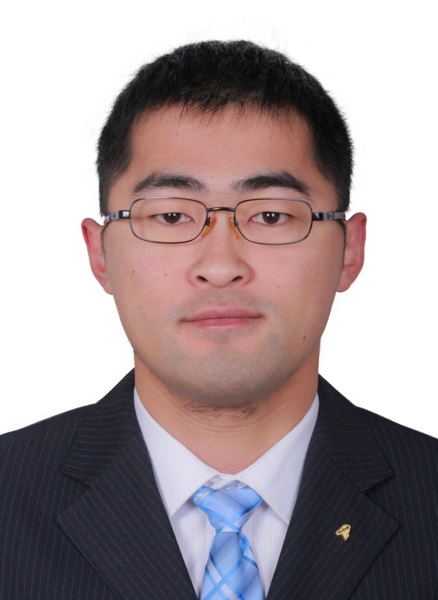 Dewu Zhang (张德武)合作论文数Institute of Medicinal Biotechnology, Chinese Academy of Medical Sciences1




