The construction of designer DNA sequences at the gene-to-pathway scale is a cornerstone of synthetic biology. In practice, however, oligonucleotide synthesis, fragment assembly, and error correction remain largely disconnected, with limited consideration of how upstream choices constrain downstream outcomes. This fragmentation imposes a ceiling on the fidelity, throughput, and scalability of gene construction, particularly for sequences in the tens-of-kilobases range. Existing automation has been developed separately for the front end, such as oligonucleotide synthesis and short fragment assembly, and for the back end, such as large-fragment concatenation, without bridging them into an error-aware pipeline. In this review, we argue that a truly integrated pipeline cannot be achieved simply by placing existing modules in sequence, but instead requires understanding the dependencies that couple synthesis, assembly, and fidelity control. We first trace how errors arise during oligonucleotide synthesis and propagate through hierarchical assembly, establishing that error correction is not optional but decisive for construction success. We then compare correction strategies and show that MutS-based enzymatic mismatch depletion offers superior correction efficiency and workflow compatibility over alternatives. Building on this, we argue that the emergence of enzymatic DNA synthesis, operating under aqueous conditions compatible with downstream enzymatic processes, creates an opportunity to restructure the gene construction pipeline. This opens the door to integrating oligonucleotide synthesis, assembly, and MutS-based error correction into a continuous automated workflow. We propose that such integration, rather than separate automation of individual stages, is the path toward high-fidelity, high-throughput, scalable construction of gene- and pathway-scale DNA sequences.
The limitations of DNA synthesis technologies are a fundamental bottleneck in synthetic biology. Here we present a high-throughput gene synthesis method driven by hybridization, called Molecular Self-Assembly Induced Cloning. Molecular Self-Assembly Induced Cloning overcomes molecular crosstalk and oligo misalignment across genes by coupling orthogonal self-assembly of overlapping DNA segments in vitro with the DNA repair machineries of host cells in vivo. Cellular uptake of the assembled target fragments serves as templates for recovery and cloning. We adopt microchip-based oligonucleotide synthesis, enabling the production of over 1,000 distinct gene fragments in a simple one-pot reaction. Near-zero misalignment is an indispensable feature of the parallel synthesis, with oligo synthesis errors remaining at a constant but controllable level. We also construct massive variant libraries of the industrial enzyme PETase and discover higher-potency variants than the gold standard enzyme.
In eukaryotic genomes, rDNA generally resides as a highly repetitive and dynamic structure, making it difficult to study. Here, a synthetic rDNA array on chromosome III in budding yeast was constructed to serve as the sole source of rRNA. Utilizing the loxPsym site within each rDNA repeat and the Cre recombinase, we were able to reduce the copy number to as few as eight copies. Additionally, we constructed strains with two or three rDNA arrays and found that the presence of multiple arrays did not affect the formation of a single nucleolus. Although alteration of the position and number of rDNA arrays did impact the three-dimensional genome structure, the additional rDNA arrays had no deleterious influence on cell growth or transcriptomes. Overall, this study sheds light on the high plasticity of rDNA organization and opens up opportunities for future rDNA engineering.
Synthetic Chromosome Rearrangement and Modification by LoxP-mediated Evolution (SCRaMbLE) is a promising tool to study genomic rearrangements. However, the potential of SCRaMbLE to study genomic rearrangements is currently hindered, because a strain containing all 16 synthetic chromosomes is not yet available. Here, we construct SparLox83R, a yeast strain containing 83 loxPsym sites distributed across all 16 chromosomes. SCRaMbLE of SparLox83R produces versatile genome-wide genomic rearrangements, including inter-chromosomal events. Moreover, when combined with synthetic chromosomes, SCRaMbLE of hetero-diploids with SparLox83R leads to increased diversity of genomic rearrangements and relatively faster evolution of traits compared to hetero-diploids only with wild-type chromosomes. Analysis of the SCRaMbLEd strain with increased tolerance to nocodazole demonstrates that genomic rearrangements can perturb the transcriptome and 3D genome structure and consequently impact phenotypes. In summary, a genome with sparsely distributed loxPsym sites can serve as a powerful tool for studying the consequence of genomic rearrangements and accelerating strain engineering in Saccharomyces cerevisiae .
The genome of an organism is inherited from its ancestor and continues to evolve over time, however, the extent to which the current version could be altered remains unknown. To probe the genome plasticity of Saccharomyces cerevisiae, here we replace the native left arm of chromosome XII (chrXIIL) with a linear artificial chromosome harboring small sets of reconstructed genes. We find that as few as 12 genes are sufficient for cell viability, whereas 25 genes are required to recover the partial fitness defects observed in the 12-gene strain. Next, we demonstrate that these genes can be reconstructed individually using synthetic regulatory sequences and recoded open-reading frames with a "one-amino-acid-one-codon" strategy to remain functional. Finally, a synthetic neochromsome with the reconstructed genes is assembled which could substitute chrXIIL for viability. Together, our work not only highlights the high plasticity of yeast genome, but also illustrates the possibility of making functional eukaryotic chromosomes from entirely artificial sequences.
The capability to manipulate and analyze hard-wired metabolic pathways sets the pace at which we can engineer cellular metabolism. Here, we present a framework to extensively rewrite the central metabolic pathway for malonyl-CoA biosynthesis in yeast and readily assess malonyl-CoA output based on pathway-scale DNA reconstruction in combination with colorimetric screening (Pracs). We applied Pracs to generate and test millions of enzyme variants by introducing genetic mutations into the whole set of genes encoding the malonyl-CoA biosynthetic pathway and identified hundreds of beneficial enzyme mutants with increased malonyl-CoA output. Furthermore, the synthetic pathways reconstructed by randomly integrating these beneficial enzyme variants generated vast phenotypic diversity, with some displaying higher production of malonyl-CoA as well as other metabolites, such as carotenoids and betaxanthin, thus demonstrating the generic utility of Pracs to efficiently orchestrate central metabolism to optimize the production of different chemicals in various metabolic pathways. Pracs will be broadly useful to advance our ability to understand and engineer cellular metabolism.
Aneuploidy compromises genomic stability, often leading to embryo inviability, and is frequently associated with tumorigenesis and aging. Different aneuploid chromosome stoichiometries lead to distinct transcriptomic and phenotypic changes, making it helpful to study aneuploidy in tightly controlled genetic backgrounds. By deploying the engineered SCRaMbLE (synthetic chromosome rearrangement and modification by loxP-mediated evolution) system to the newly synthesized megabase Sc2.0 chromosome VII (synVII), we constructed a synthetic disomic yeast and screened hundreds of SCRaMbLEd derivatives with diverse chromosomal rearrangements. Phenotypic characterization and multi-omics analysis revealed that fitness defects associated with aneuploidy could be restored by (1) removing most of the chromosome content or (2) modifying specific regions in the duplicated chromosome. These findings indicate that both chromosome copy number and specific chromosomal regions contribute to the aneuploidy-related phenotypes, and the synthetic chromosome resource opens new paradigms in studying aneuploidy.
Here, we report the design, construction, and characterization of a tRNA neochromosome, a designer chromosome that functions as an additional, de novo counterpart to the native complement of Saccharomyces cerevisiae. Intending to address one of the central design principles of the Sc2.0 project, the-190-kb tRNA neochromosome houses all 275 relocated nuclear tRNA genes. To maximize stability, the design incorporates orthogonal genetic elements from non -S. cerevisiae yeast species. Furthermore, the presence of 283 rox recombination sites enables an orthogonal tRNA SCRaMbLE system. Following construction in yeast, we obtained evidence of a potent selective force, manifesting as a spontaneous doubling in cell ploidy. Furthermore, tRNA sequencing, transcriptomics, proteomics, nucleosome mapping, replication profiling, FISH, and Hi-C were undertaken to investigate questions of tRNA neochromosome behavior and function. Its construction demonstrates the remarkable tractability of the yeast model and opens up opportunities to directly test hypotheses surrounding these essential non-coding RNAs.
Summary Genomic rearrangements contribute to gene copy number alterations, disruption of protein-coding sequences and/or perturbation of cis-regulatory networks. SCRaMbLE, a Cre/loxP-based system implanted in synthetic yeast chromosomes, can effectively introduce genomic rearrangements, and is thus a potential tool to study genomic rearrangements. However, the potential of SCRaMbLE to study genomic rearrangements is currently hindered, because a strain containing all 16 synthetic chromosomes is not yet available. Here, we constructed a yeast strain, SparLox83, containing 83 loxPsym sites distributed across all 16 chromosomes, with at least two sites per chromosome. Inducing Cre recombinase expression in SparLox83 produced versatile genome-wide genomic rearrangements, including inter-chromosomal events. Moreover, SCRaMbLE of the hetero-diploid strains derived from crossing SparLox83 with strains possessing synthetic chromosome III (synIII) from the Sc2.0 project led to increased diversity of genomic rearrangements and relatively faster evolution of traits compared to a strain with only synIII. Analysis of these evolved strains demonstrates that genomic rearrangements can perturb the transcriptome and 3D genome structure and can consequently impact phenotypes. In summary, a genome with sparsely distributed loxPsym sites can serve as a powerful tool to study the consequence of genomic rearrangements and help accelerate strain engineering in Saccharomyces cerevisiae.
Abstract Transforming growth factor β (TGF-β) superfamily proteins are potent regulators of cellular development and differentiation. Nodal/Activin/TGF-β and BMP ligands are both present in the intra- and extracellular milieu during early development, and cross-talk between these two branches of developmental signaling is currently the subject of intense research focus. Here, we show that the Nodal induced lncRNA-Smad7 regulates cell fate determination via repression of BMP signaling in mouse embryonic stem cells (mESCs). Depletion of lncRNA-Smad7 dramatically impairs cardiomyocyte differentiation in mESCs. Moreover, lncRNA-Smad7 represses Bmp2 expression through binding with the Bmp2 promoter region via (CA)12-repeats that forms an R-loop. Importantly, Bmp2 knockdown rescues defects in cardiomyocyte differentiation induced by lncRNA-Smad7 knockdown. Hence, lncRNA-Smad7 antagonizes BMP signaling in mESCs, and similarly regulates cell fate determination between osteocyte and myocyte formation in C2C12 mouse myoblasts. Moreover, lncRNA-Smad7 associates with hnRNPK in mESCs and hnRNPK binds at the Bmp2 promoter, potentially contributing to Bmp2 expression repression. The antagonistic effects between Nodal/TGF-β and BMP signaling via lncRNA-Smad7 described in this work provides a framework for understanding cell fate determination in early development.
Emerging evidence reveals that ribosomes are not monolithic but dynamic machines with heterogeneous protein compositions that can reshape ribosomal translational abilities and cellular adaptation to environmental changes. Duplications of ribosomal protein (RP) genes are ubiquitous among organisms and are believed to affect cell function through paralog-specific regulation (e.g., by generating heterogeneous ribosomes) and/or gene dose amplification. However, direct evaluations of their impacts on cell function remain elusive due to the highly heterogeneous cellular RP pool. Here, we engineered a yeast with homogeneous 40S RP paralog compositions, designated homo-40S, by deleting the entire set of alternative duplicated genes encoding yeast 40S RP paralogs. Homo-40S displayed mild growth defects along with high sensitivity to the translation inhibitor paromomycin and a significantly increased stop codon readthrough. Moreover, doubling of the remaining RP paralogous genes in homo-40S rescued these phenotypes markedly, although not fully, compared to the wild-type phenotype, indicating that the dose of 40S RP genes together with the heterogeneity of the contents was vital for maintaining normal translational functionalities and growth robustness. Additional experiments revealed that homo-40S improved paromomycin tolerance via acquisition of bypass mutations or evolved to be diploid to generate fast-growing derivatives, highlighting the mutational robustness of engineered yeast to accommodate environmental and genetic changes. In summary, our work demonstrated that duplicated RP paralogs impart robustness and phenotypic plasticity through both gene dose amplification and paralog-specific regulation, paving the way for the direct study of ribosome biology through monotypic ribosomes with a homogeneous composition of specific RP paralogs.
The genome of an organism is inherited from its ancestor and keeps evolving over time, however, how much the current version could be altered remains unknown. Here, we use the left arm of chromosome XII (chrXIIL) as an example to probe the genome plasticity in Saccharomyces cerevisiae. A neochromosome was designed to harbor originally dispersed genes. The essentiality of sequences in chrXIIL was dissected by targeted DNA removal, chromosome truncation and random deletion. Notably, 12 genes were sufficient for survival, while 25 genes are required to retain robust fitness. Next, we demonstrated these genes could be reconstructed using synthetic regulatory sequences and recoded open-reading frames with “one-amino-acid-one-codon” strategy. Finally, we built a neochromsome, which could substitute for chrXIIL for cell viability, with these reconstructed genes. Our work not only highlights the high plasticity of yeast genome, but also illustrates the possibility of making functional chromosomes with completely artificial sequences. HIGHLIGHTS A neochromosome was designed to facilitate the assembly of exogenous DNA for stable expression in yeast The left arm of chrXII could be minimized to just 12 genes to maintain viability, but additional genes were required to retain robust fitness Comprehensive recoding and transcriptional refactoring using artificial regulatory sequences produced a functional chromosome arm A completely reconstructed neochromosome could replace the chrXIIL to maintain comparable fitness
Abstract Transforming growth factor β (TGF-β) superfamily proteins are potent regulators of cellular development and differentiation. Nodal/Activin/TGF-β and BMP ligands are both present in the intra- and extracellular milieu during early development, and cross-talk between these two branches of developmental signaling is currently the subject of intense research focus. Here, we show that the Nodal induced lncRNA-Smad7 regulates cell fate determination via repression of BMP signaling in mouse embryonic stem cells (mESCs). Depletion of lncRNA-Smad7 dramatically impairs cardiomyocyte differentiation in mESCs. Moreover, lncRNA-Smad7 represses Bmp2 expression through binding with the Bmp2 promoter region via (CA)12-repeats that forms an R-loop. Importantly, Bmp2 knockdown rescues defects in cardiomyocyte differentiation induced by lncRNA-Smad7 knockdown. Hence, lncRNA-Smad7 antagonizes BMP signaling in mESCs, and similarly regulates cell fate determination between osteocyte and myocyte formation in C2C12 mouse myoblasts. Moreover, lncRNA-Smad7 associates with hnRNPK in mESCs and hnRNPK binds at the Bmp2 promoter, potentially contributing to Bmp2 expression repression. The antagonistic effects between Nodal/TGF-β and BMP signaling via lncRNA-Smad7 described in this work provides a framework for understanding cell fate determination in early development.
The coronavirus disease-2019 (COVID-19) pandemic caused by the severe acute respiratory syndrome coronavirus 2 (SARS-CoV-2) has seriously affected public health around the world. In-depth studies on the pathogenic mechanisms of SARS-CoV-2 is urgently necessary for pandemic prevention. However, most laboratory studies on SARS-CoV-2 have to be carried out in bio-safety level 3 (BSL-3) laboratories, greatly restricting the progress of relevant experiments. In this study, we used a bacterial artificial chromosome (BAC) method to assemble a SARS-CoV-2 replication and transcription system in Vero E6 cells without virion envelope formation, thus avoiding the risk of coronavirus exposure. Furthermore, an improved real-time quantitative reverse transcription PCR (RT-qPCR) approach was used to distinguish the replication of full-length replicon RNAs and transcription of subgenomic RNAs (sgRNAs). Using the SARS-CoV-2 replicon, we demonstrated that the nucleocapsid (N) protein of SARS-CoV-2 facilitates the transcription of sgRNAs in the discontinuous synthesis process. Moreover, two high-frequency mutants of N protein, R203K and S194L, can obviously enhance the transcription level of the replicon, hinting that these mutations likely allow SARS-CoV-2 to spread and reproduce more quickly. In addition, remdesivir and chloroquine, two well-known drugs demonstrated to be effective against coronavirus in previous studies, also inhibited the transcription of our replicon, indicating the potential applications of this system in antiviral drug discovery. Overall, we developed a bio-safe and valuable replicon system of SARS-CoV-2 that is useful to study the mechanisms of viral RNA synthesis and has potential in novel antiviral drug screening.
Additional file 4: Table S3. List of genes deleted in iterative SGC.
Budding yeast, as a eukaryotic model organism, has well-defined genetic information and a highly efficient recombination system, making it a good host to produce exogenous chemicals. Since most metabolic pathways require multiple genes to function in coordination, it is usually laborious and time-consuming to construct a working pathway. To facilitate the construction and optimization of multicomponent exogenous pathways in yeast, we recently developed a method called YeastFab Assembly, which includes three steps: (1) make standard and reusable genetic parts, (2) construct transcription units from characterized parts, and (3) assemble a complete pathway. Here we describe a detailed protocol of this method.
Background Redundancy is a common feature of genomes, presumably to ensure robust growth under different and changing conditions. Genome compaction, removing sequences nonessential for given conditions, provides a novel way to understand the core principles of life. The synthetic chromosome rearrangement and modification by loxP-mediated evolution (SCRaMbLE) system is a unique feature implanted in the synthetic yeast genome (Sc2.0), which is proposed as an effective tool for genome minimization. As the Sc2.0 project is nearing its completion, we have begun to explore the application of the SCRaMbLE system in genome compaction. Results We develop a method termed SCRaMbLE-based genome compaction (SGC) and demonstrate that a synthetic chromosome arm (synXIIL) can be efficiently reduced. The pre-introduced episomal essential gene array significantly enhances the compacting ability of SGC, not only by enabling the deletion of nonessential genes located in essential gene containing loxPsym units but also by allowing more chromosomal sequences to be removed in a single SGC process. Further compaction is achieved through iterative SGC, revealing that at least 39 out of 65 nonessential genes in synXIIL can be removed collectively without affecting cell viability at 30 °C in rich medium. Approximately 40% of the synthetic sequence, encoding 28 genes, is found to be dispensable for cell growth at 30 °C in rich medium and several genes whose functions are needed under specified conditions are identified. Conclusions We develop iterative SGC with the aid of eArray as a generic yet effective tool to compact the synthetic yeast genome.
 Junbiao Dai (戴俊彪)合作论文数34
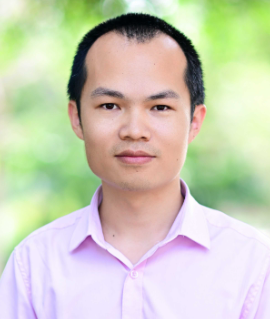 Zhouqing Luo (罗周卿)合作论文数School of Life Sciences, Xiamen University13
 Patrick Yizhi Cai合作论文数Wellcome Sanger Institute, Genome Research Limited;Manchester Institute of Biotechnology, University of Manchester;MRC Laboratory of Molecular Biology, The University of Cambridge12
 Jef D. Boeke合作论文数Department of Biochemistry and Molecular Pharmacology, Grossman School of Medicine, New York University;School of Medicine, Johns Hopkins University;CDI Labs, Inc.10
 Shijun Zhao (赵世军)合作论文数School of Computer and Cyber Sciences, Communication University of China8
 Schindler Daniel合作论文数Fakultät für Biologie und Biotechnologie, Ruhr-Universität Bochum7
 Tianyi Li (李天义)合作论文数6
 Yingxin Ma (马英新)合作论文数中国科学院大学中国科学院深圳先进技术研究院6
 Yue Shen合作论文数School of Biological Sciences, University of Edinburgh6Zelin Cai合作论文数5
 Marco Monti合作论文数5Cheng Zeng合作论文数5
 Sha Hou合作论文数4Yuanwei Tang合作论文数4Yun Wang合作论文数Guangdong Provincial Key Laboratory of Genome Read and Write, BGI-Shenzhen, Shenzhen 518120, China.4
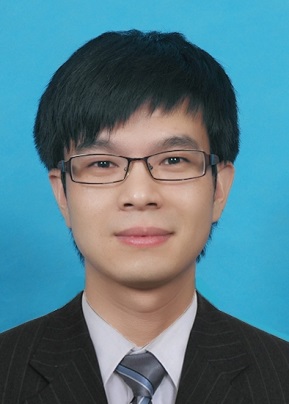 Weimin Zhang (张维敏)合作论文数Beijing Cancer Hospital4Yisha Luo合作论文数3Hongyao Sun合作论文数3Wenfei Yu合作论文数3Cheng Li合作论文数3Kang Yu合作论文数3Pujuan Deng合作论文数Beijing Normal Univ, Coll Life Sci, Minist Educ, Key Lab Cell Proliferat & Regulat Biol, 19 Xinjiekouwai Ave, Beijing 100875, Peoples R China3Jianhui Gong合作论文数China National GeneBank, BGI-Shenzhen3Wenze Huang合作论文数3Xiaohui Kong合作论文数3Haipeng Fu合作论文数3Kun Yan合作论文数Tsinghua University3
 Guanghou Zhao (赵广厚)合作论文数Northwestern Polytechnical University3
 Gogo Liu (刘俊杰)合作论文数School of Life Sciences, Tsinghua University;Center of Life Sciences, Tsinghua University-Peking University;Beijing Advanced Innovation Center for Structural Biology3
 Huanming Yang (杨焕明)合作论文数Chinese Academy of Medical Sciences;BGI Group;Advanced Institute for Life and Health, Southeast University3
 Qiaoran Xi (郗乔然)合作论文数School of Life Sciences, Tsinghua University3
 Qiangfeng Zhang (张强锋)合作论文数School of Life Sciences, Tsinghua University;Center for Life Sciences, Tsinghua-Peking University3
 Joel Bader合作论文数Department of Biomedical Engineering, School of Medicine, Johns Hopkins University3Reem Swidah合作论文数2
 Meiwei Luan合作论文数2Ann Wang合作论文数2Yuyu Zhao合作论文数2Yiran Qin合作论文数2Zhenzhen Liang合作论文数2Jiaying Zhang合作论文数2Hui Gao合作论文数Sch Mech Engn, Beijing Inst Petrochem Technol2Jinsheng Xu合作论文数2
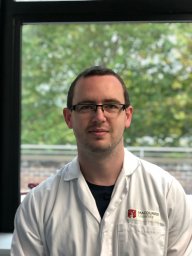 Roy Walker合作论文数Macquarie University, Macquarie University2
 Yi Wu (吴毅)合作论文数School of Synthetic Biology and Biomanufacturing, Tianjin University;School of Chemical Engineering and Technology, Tianjin University2
 Qingyu Wu (吴庆余)合作论文数School of Life Sciences, Tsinghua University2
 Wei Liu合作论文数无2
 Wang Xiangxiang合作论文数2
 Xin Hu合作论文数2
 Chuan-Le Xiao (肖传乐)合作论文数State Key Laboratory of Ophthalmology, Zhongshan Ophthalmic Center, Sun Yat-sen University2




